Top 20 Mountain Passes around Parc Ela
Mountain passes around Parc Ela, Switzerland's largest nature park, connect diverse landscapes and cultural heritage. The region features three historically significant alpine passes—Albula, Julier, and Septimer—alongside over 50 smaller passes. These routes offer access to environments ranging from hedgerow landscapes to rugged mountain ranges. The park's varied elevation supports a wide array of plants and animals.
Best mountain passes around Parc Ela
- The most popular mountain passes is Lunghin Pass — Triple Watershed, a mountain pass and natural monument…
Last updated: September 29, 2026
Julier Pass
Highlight • Mountain Pass
Translated by Google •
Tip by

Albula Pass
Highlight (Segment) • Mountain Pass
Translated by Google •
Tip by
Sign up now to discover places like this
Get recommendations on the best single tracks, peaks, & plenty of other exciting outdoor places.
Technical Section of Pass da Sett
Highlight (Segment) • Mountain Pass
Translated by Google •
Tip by

Triple watershed at Lunghin Pass
Highlight • Mountain Pass
Showing Translation
Tip by

Fuorcla Pischa
Highlight • Mountain Pass
Showing Translation
Tip by

Sign up for free to discover even more mountain passes around Parc Ela.
Already have an account?
Start today with a free account
Your next adventure awaits.
Popular around Parc Ela
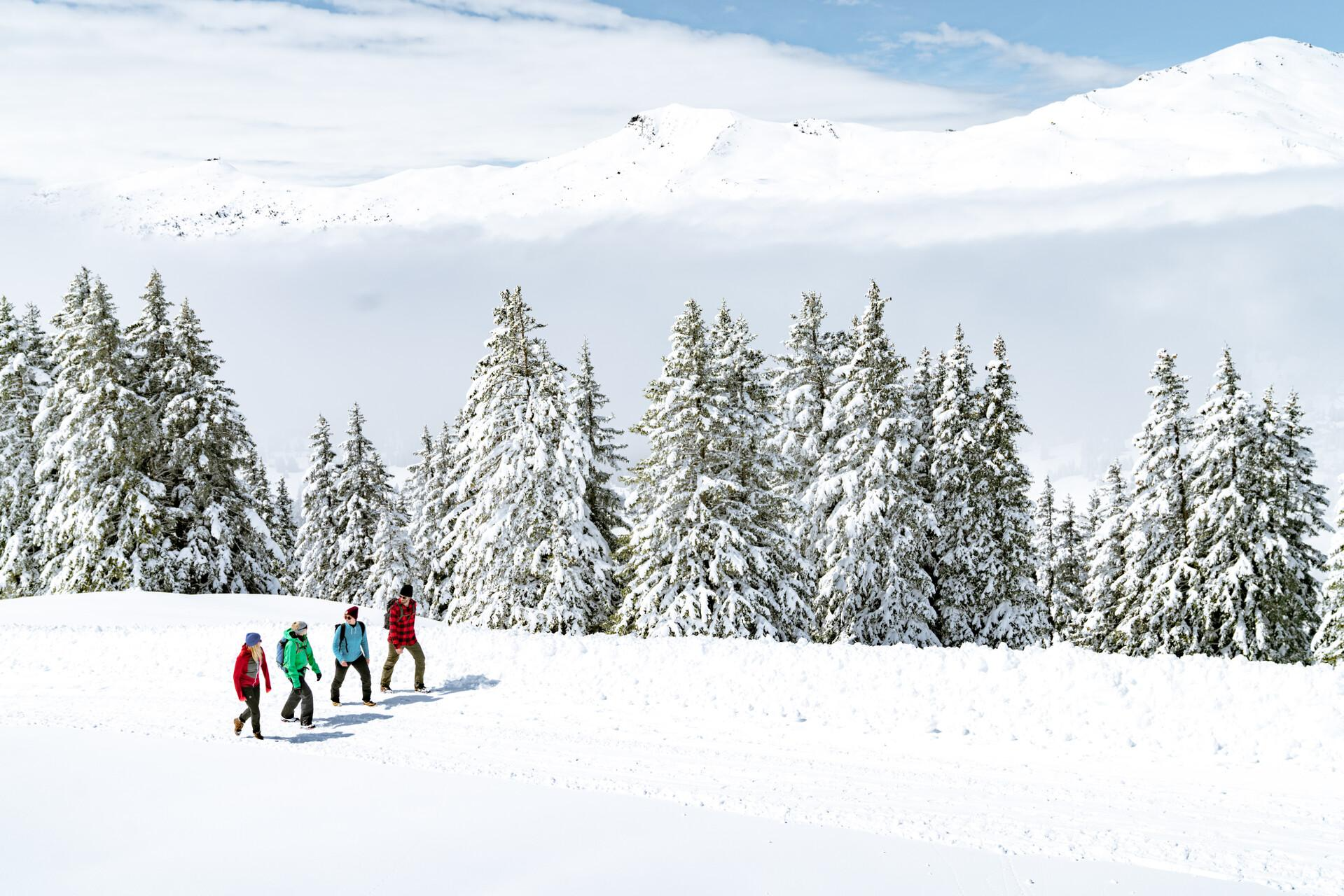
Immerse yourself in Lenzerheide's winter wonderland
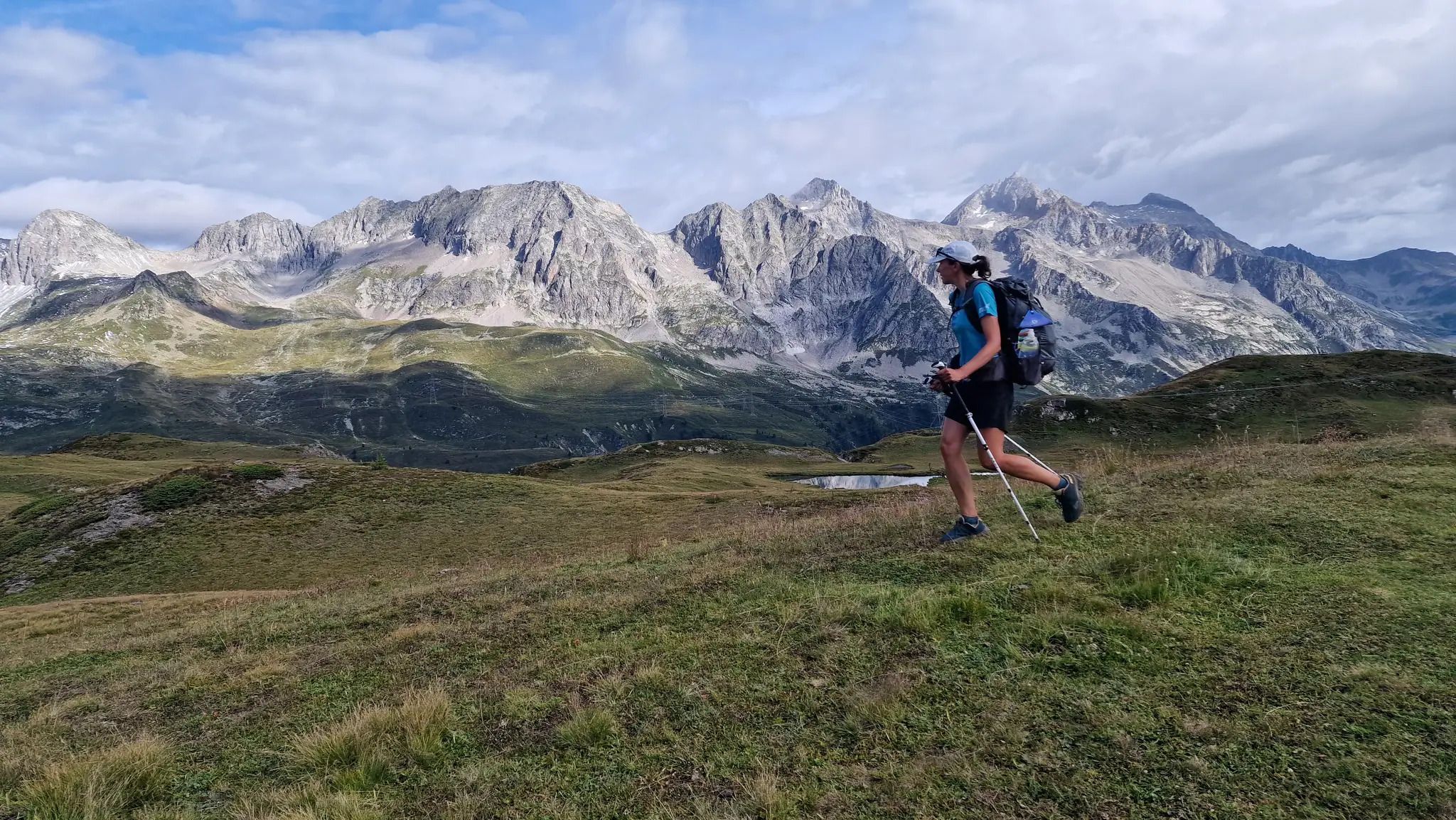
Alpine Passes Trail – hiking 700km across Switzerland
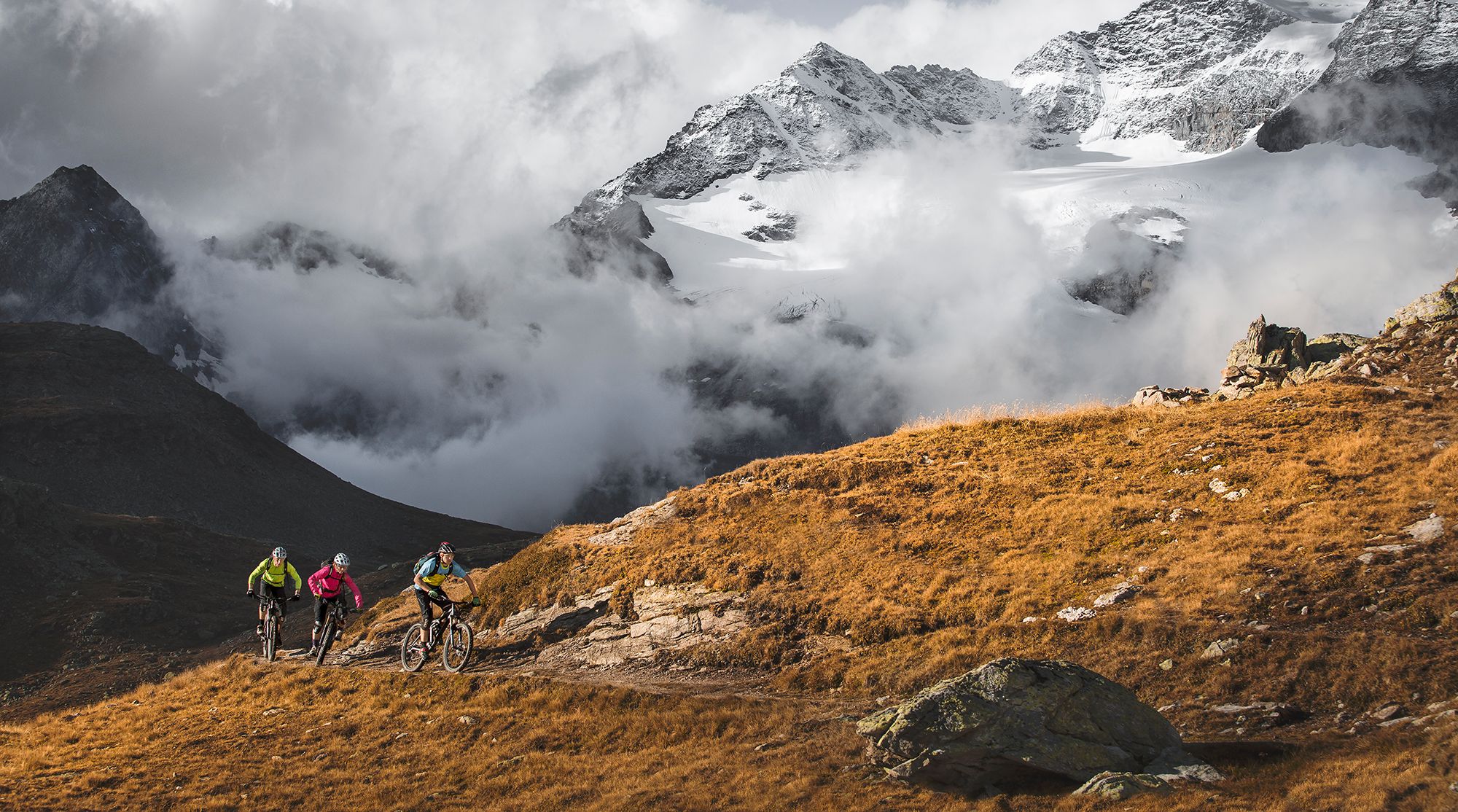
Great heights from Chur to Tirano with your mountain bike & post bus
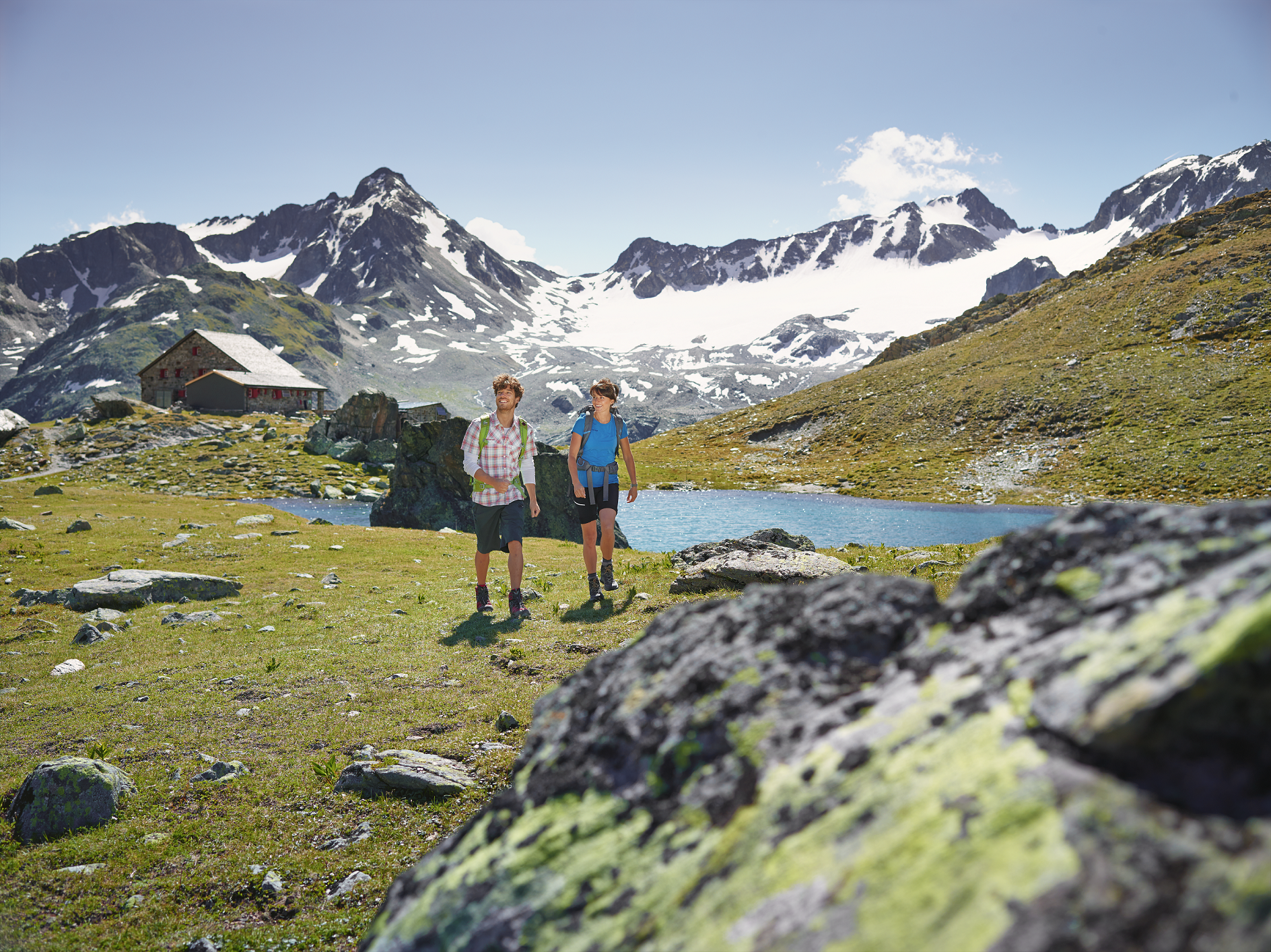
Kesch-Trek – A four-day hut adventure in Davos Klosters
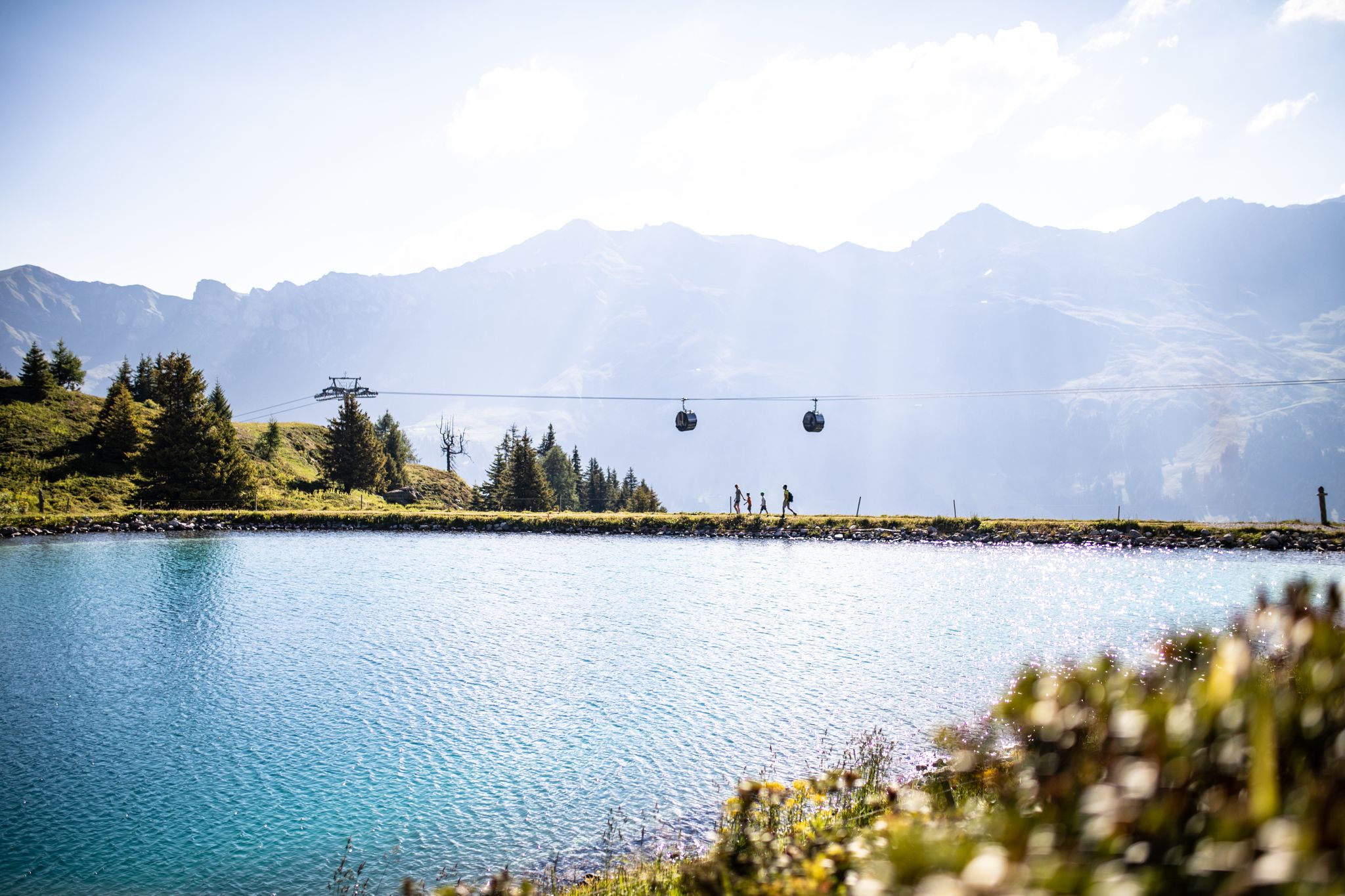
From the peaks to the cool waters – Coolcation Lenzerheide
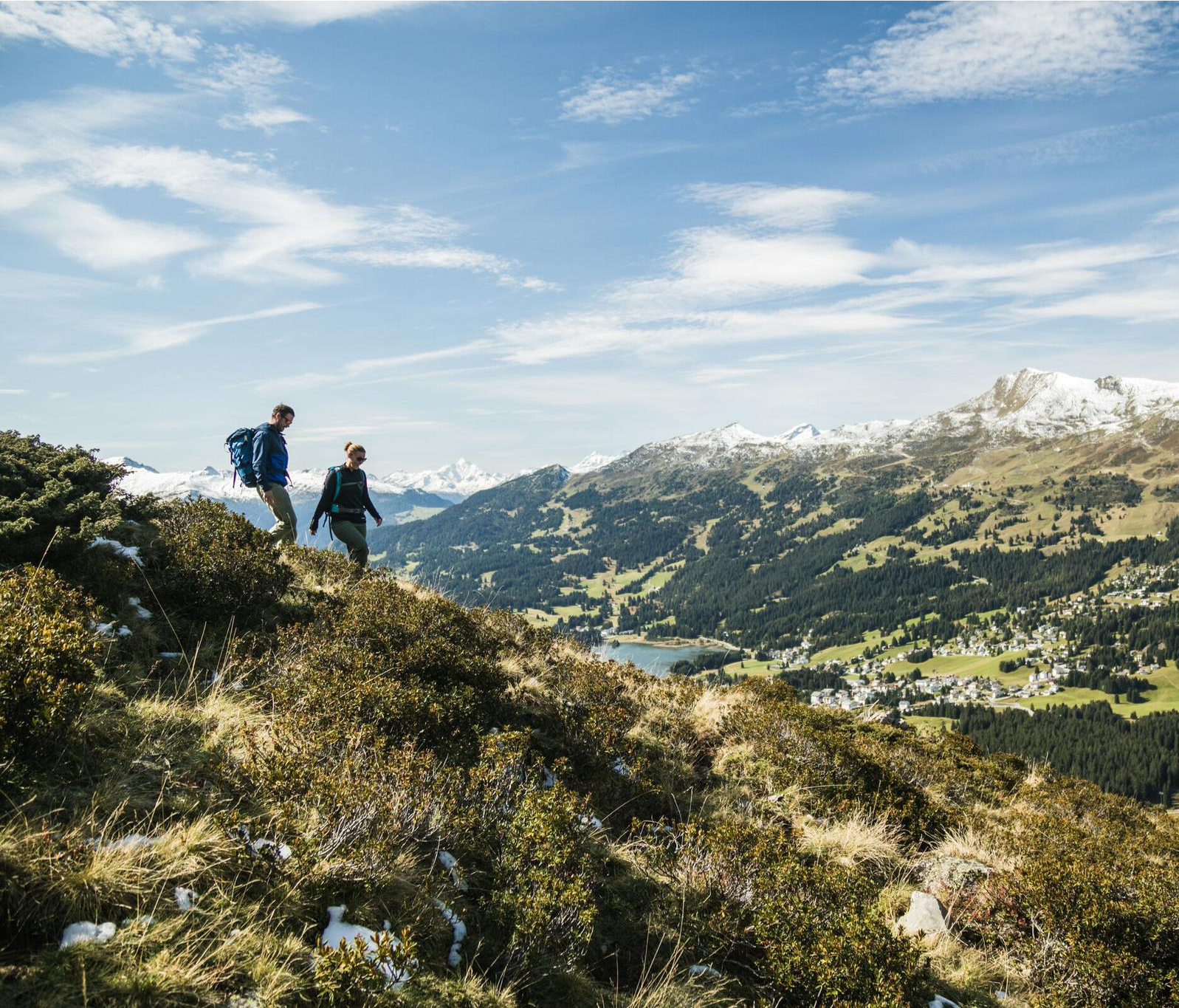
Diverse natural beauty – autumn hiking in Lenzerheide
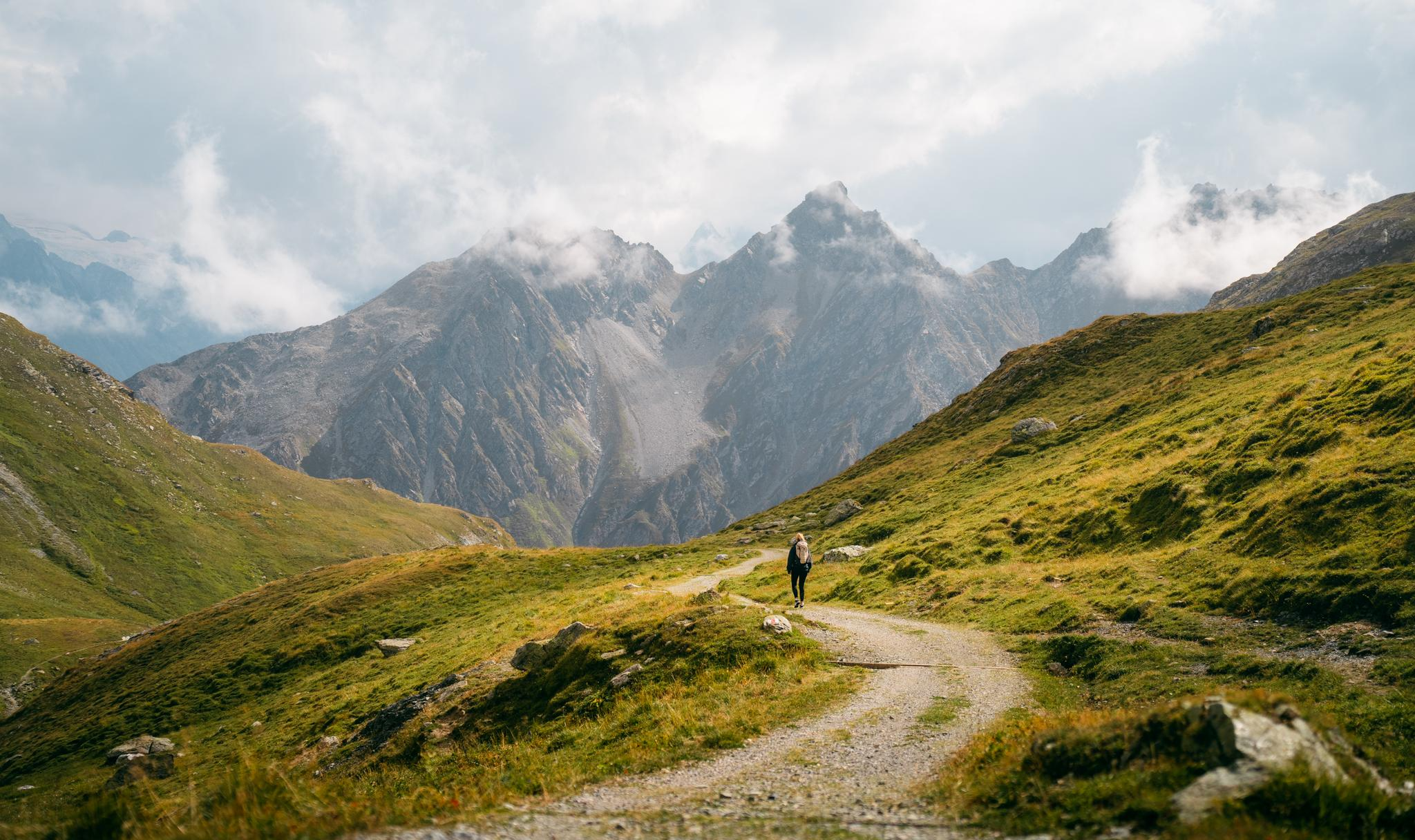
Quiet villages, proud passes, impressive history – the Via Sett
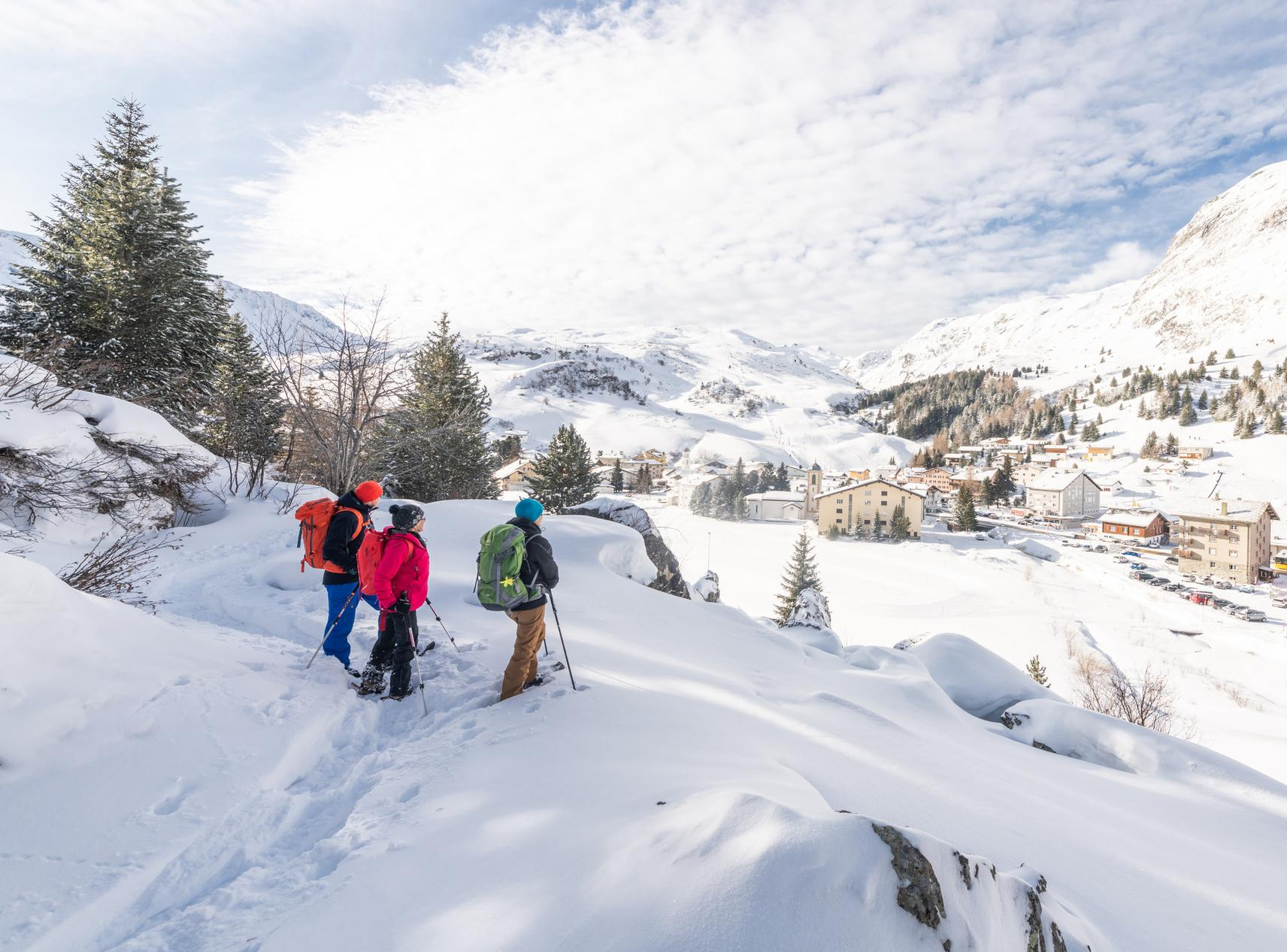
Snowshoe Safari – snowshoe trails through Graubünden
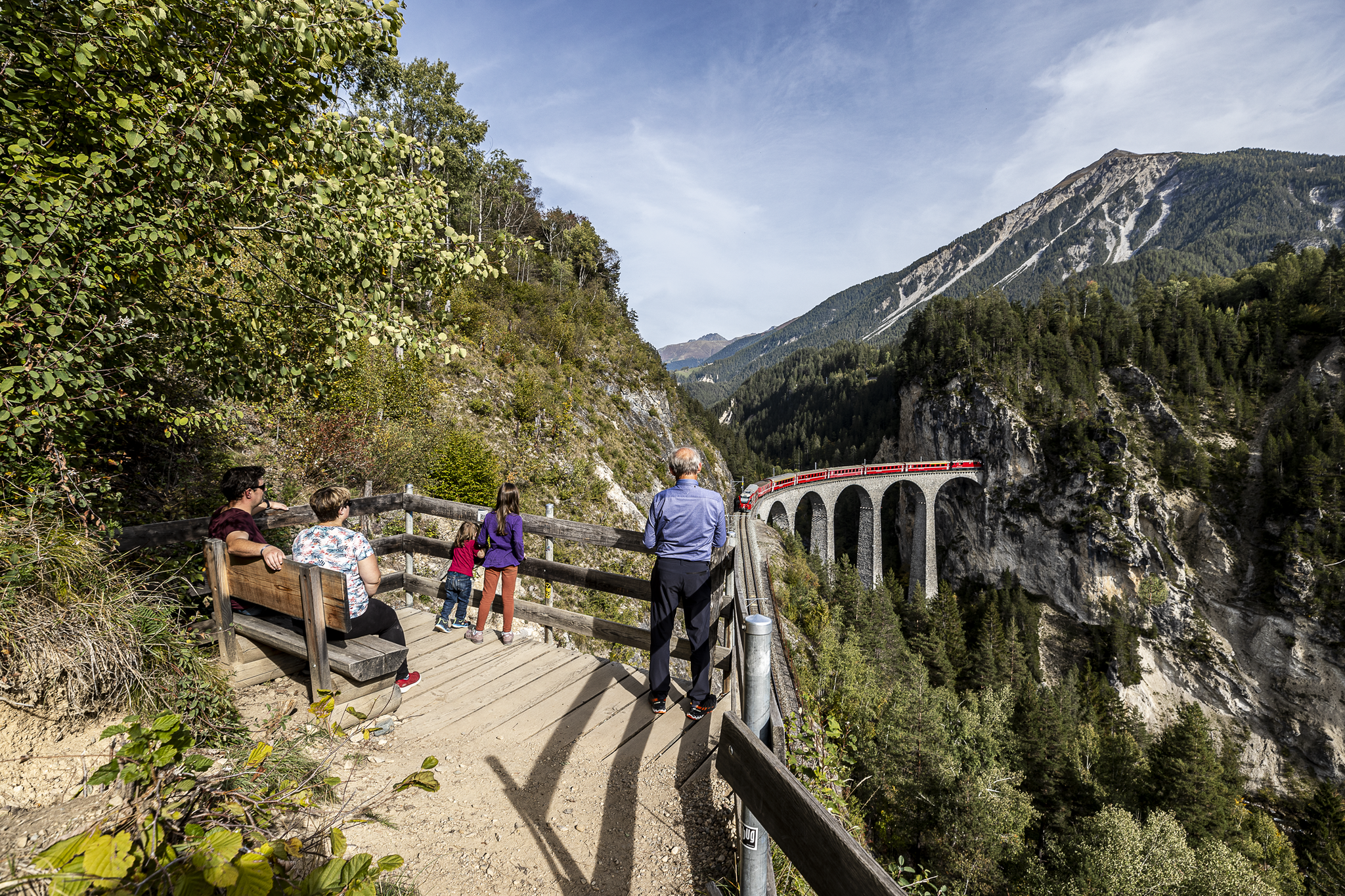
Historic railways and joyous hiking in the Landwasser World
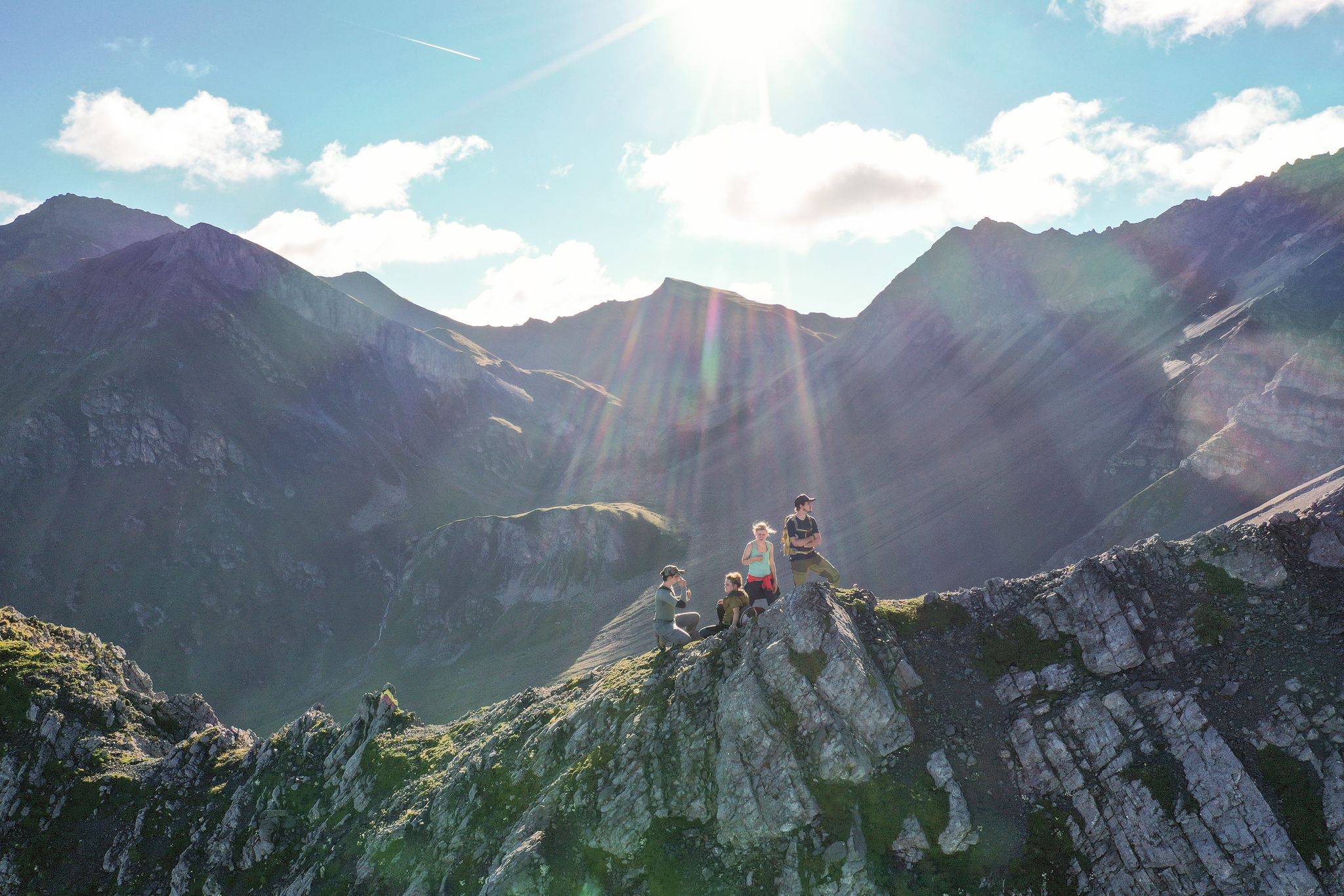
Satisfy your wanderlust in the Lenzerheide region
Other adventures around Parc Ela


Tips from the Community

Julier Pass, History (Pass height 2284 m above sea level) The column remnants exactly at the summit of the Julier Pass and the finds of Roman coins nearby point to a very early use of this Alpine crossing. The Septimer Pass, a few kilometers to the west, which was however steeper and more avalanche-prone, can certainly be considered a competitor. What is certain is that both were used intensively in Roman times. The Julier even with two-wheeled carts. In the age of packhorse trains, the Julier increasingly lost importance because the topography at the Septimer Pass was hardly a factor and, moreover, the detour via the Engadin was not necessary. With the construction of a cart track over the Septimer (1387), the Julier was definitively left behind. The Julier remained important for access to the Upper Engadin and the Bernina Pass. The actual road construction over the Julier took place between 1820 and 1826. In this phase of history, the Julier retained "the upper hand" over the Septimer. On the one hand, topographical reasons were decisive, and on the other hand, the canton could not afford to ignore the Engadin. This was the first road construction project in which the canton acted as the client. In the second half of the 19th century, various route adjustments followed, which became necessary due to the increasing feeder traffic for the Upper Engadin health resorts. The opening of the Albula Line of the Rhaetian Railway in 1903 caused car traffic over the Julier to collapse again. When the Federal Council put pressure on the Graubünden government in 1923 for a car-suitable transit route, the canton opted for the Julier route. Between 1935 and 1940, the pass road was renovated and was the first Alpine crossing to receive an asphalt surface. Today, the Julier is the most important, year-round open, northern access to the Engadin. Text / Source: Interessengemeinschaft Alpenpässe IAP, Postfach 11, Realp https://www.alpen-paesse.ch/de/alpenpaesse/julierpass/
13
0
Already in the Roman Empire around 2,000 years ago Already in the Roman Empire around 2,000 years ago, the Julier Pass was of great importance. At the pass summit, two columns of a Roman sanctuary still stand today. Today, the pass road over the Julier is the most important road connection to the Engadin and is passable all year round. In the vicinity of the Julier, you will find numerous hiking and biking routes on which the landscape can be ideally explored. From the Julierhospitz (pass summit 2284 m above sea level), the exploration tour or hike to the clear mountain lake Leg Grevasalvas begins. Text / Source: Graubünden Ferien, Alexanderstrasse 24, Chur https://www.graubuenden.ch/de/ausflugsziele/julierpass
13
0

A triple watershed is indeed something quite rare. Besides, it's simply wonderfully lonely and beautifuuuul up here
0
0


From Septimer to the bridge easy to ride and very scenic
0
0


At the Lunghin Pass lies Europe's only triple watershed. From here, the water flows either via the Rhine to the North Sea, via the Danube to the Black Sea, or via the Po to the Mediterranean Sea.
2
0

Particularly famous for being the watershed between the Po, the Rhine and the Danube. In fact, towards the north-west you reach the North Sea through the Giulia, Albula and Reno rivers, towards the south-west you reach the Mediterranean through the Mera river, Lake Como, the Adda river and the Po and towards the east you reach the Black Sea through the Inn and the Danube. This is why it is also named the Three Seas Pass.
1
0
Frequently Asked Questions
What makes the mountain passes in Parc Ela historically significant?
The mountain passes in Parc Ela, such as the Albula, Julier, and Septimer, have served as vital trade and travel routes for thousands of years. Evidence of their ancient importance can still be seen in Roman cart tracks and columns, particularly around the Julier Pass, and medieval castles. These passes facilitated cultural exchange and shaped the region's heritage.
What natural features can I expect to see around the mountain passes in Parc Ela?
Parc Ela's mountain passes offer breathtaking natural beauty, traversing diverse landscapes from lush alpine meadows and pristine forests to rugged gorges and serene mountain lakes. You can find imposing views from high peaks, spectacular dolomite formations around Piz Ela, and unique natural monuments like the Lunghin Pass — Triple Watershed, where water flows to three different seas.
Are there challenging hiking opportunities around the mountain passes in Parc Ela?
Yes, Parc Ela offers numerous challenging hiking opportunities. For instance, the Technical Section of Pass da Sett is known for its rugged and exposed terrain, requiring careful navigation. The "Trans Parc Ela - 3 Pässewanderung" (3 Passes Hike) includes passes like Furschela da Chitta and Pass d'Ela, leading through wild mountain landscapes and past stone glaciers, offering demanding experiences for experienced hikers.
What cultural experiences can I find near the mountain passes?
The region around the passes is rich in cultural heritage, with intact villages where Romansh, Italian, and German are spoken. You can discover idyllic mountain villages, baroque churches, and hotels from the stagecoach era, all bearing witness to the passes' history. The Julier Pass area, for example, is known for its vibrant trilingual culture and unspoiled nature.
What outdoor activities can I do near these mountain passes?
Beyond hiking, the Parc Ela region offers excellent opportunities for road cycling and touring cycling. You can explore routes like the 'Bergün – Julier Pass loop from Tiefencastel' for road cycling or the 'Julier Pass – Tiefencastel loop from Tiefencastel' for touring. For more details on routes, you can check the Road Cycling Routes around Parc Ela and Cycling around Parc Ela guides.
Are there specific hiking trails associated with the main passes?
Yes, the main passes are integral to several hiking routes. The Septimer Pass is part of a point-to-point route that takes hikers over this historic pass, passing along the Lunghinsee. The Julier Pass is also a stage on the multi-day Parc Ela Trek. For general hiking options, you can explore the Hiking around Parc Ela guide.
What is the best time to visit the mountain passes in Parc Ela?
The best time to visit the mountain passes for hiking and cycling is typically during the warmer months, from late spring to early autumn, when the passes are generally free of snow and the trails are accessible. This period offers pleasant weather for outdoor activities and allows full appreciation of the diverse landscapes.
How accessible are the mountain passes by public transport?
Many of the major mountain passes, including Albula, Julier, and Septimer, are accessible by public transport, making it convenient for visitors without private vehicles. Specific bus routes often connect villages in the valleys to the pass summits or nearby trailheads, allowing for point-to-point hikes or easier access to scenic viewpoints.
What kind of biodiversity can be observed around the passes?
Parc Ela's varied elevation, ranging from 745 meters in the Schin Gorge to 3,418 meters at Piz Kesch, supports an extraordinary variety of plants and animals. The diverse habitats around the passes, from alpine meadows to rugged mountain ranges, are home to a rich array of flora and fauna, making it a great spot for nature observation.
Are there any less-trafficked passes for a quieter experience?
While the main passes like Albula and Julier can be busy, Parc Ela also features over 50 smaller passes, locally known as "Furcla," "Fürggli," or "Furcletta." These often offer quieter hiking opportunities away from the main routes, allowing for a more serene experience of the park's untouched nature. For example, the Fuorcola Pischa offers great views through a wide slate field.
What do visitors enjoy most about the mountain passes in Parc Ela?
Visitors frequently highlight the stunning panoramas and the sense of achievement from reaching the pass summits. The Albula Pass, for instance, is praised for its beautiful landscape and gradual rise, making it popular among cyclists. The unique natural features, like the triple watershed at Lunghin Pass, also leave a lasting impression.
Most popular routes around Parc Ela
Most popular attractions around Parc Ela

Get inspired with the komoot mobile app


Explore more
See even more epic mountain passes by checking out these guides around Parc Ela:
