Easy hikes and walks around Parc Ela
4.7
(12030)
93,032
hikers
361
hikes
Easy hiking trails around Parc Ela traverse Switzerland's largest nature park, characterized by a diverse landscape of rugged gorges, pristine pine forests, and alpine meadows. The region features a significant elevation gradient, from lower valleys to impressive summits, offering varied terrain for exploration. Hikers can experience a mosaic of natural features, including crystal-clear mountain lakes and distinctive geological formations shaped by glacial periods. This area provides a comprehensive network of paths suitable for various skill levels, focusing on accessible routes.
…Last updated: September 27, 2026
4.4
(8)
80
hikers
6.91km
01:55
130m
130m
Easy hike. Great for any fitness level. Easily-accessible paths. Suitable for all skill levels.
4.6
(12)
79
hikers
4.94km
01:25
120m
120m
Easy hike. Great for any fitness level. Easily-accessible paths. Suitable for all skill levels.

4.9
(9)
61
hikers
Easy hike. Great for any fitness level. Easily-accessible paths. Suitable for all skill levels.
4.7
(11)
45
hikers
6.62km
01:59
210m
210m
Easy hike. Great for any fitness level. Easily-accessible paths. Suitable for all skill levels.
4.7
(10)
42
hikers
6.63km
01:59
210m
210m
Easy hike. Great for any fitness level. Easily-accessible paths. Suitable for all skill levels.
Get access to more routes and recommendations from other explorers.
Already have an account?
Our route recommendations are based on thousands of hikes, rides, and runs completed by other people on komoot.
Start today with a free account
Your next adventure awaits.
Popular around Parc Ela
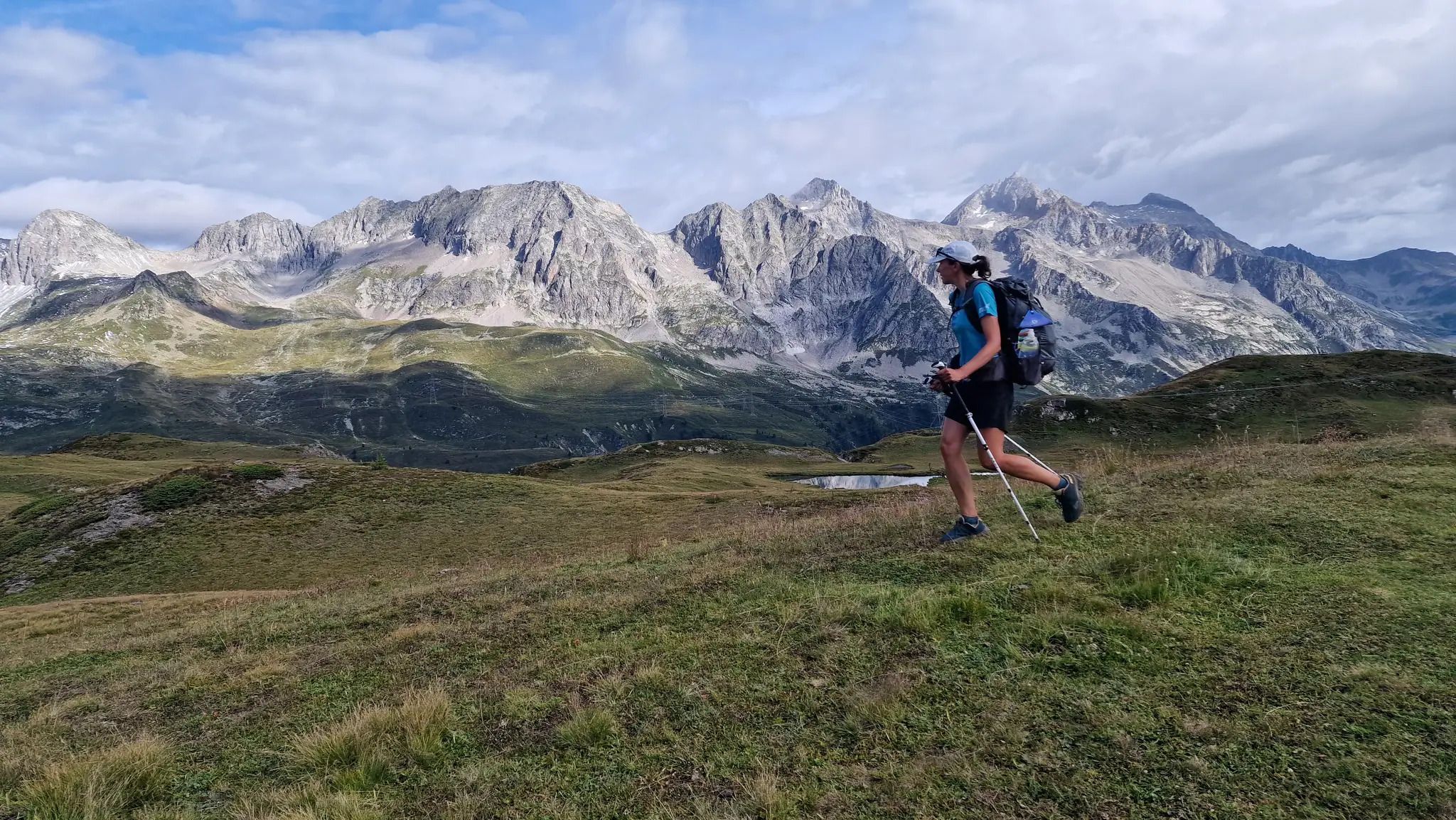
Alpine Passes Trail – hiking 700km across Switzerland
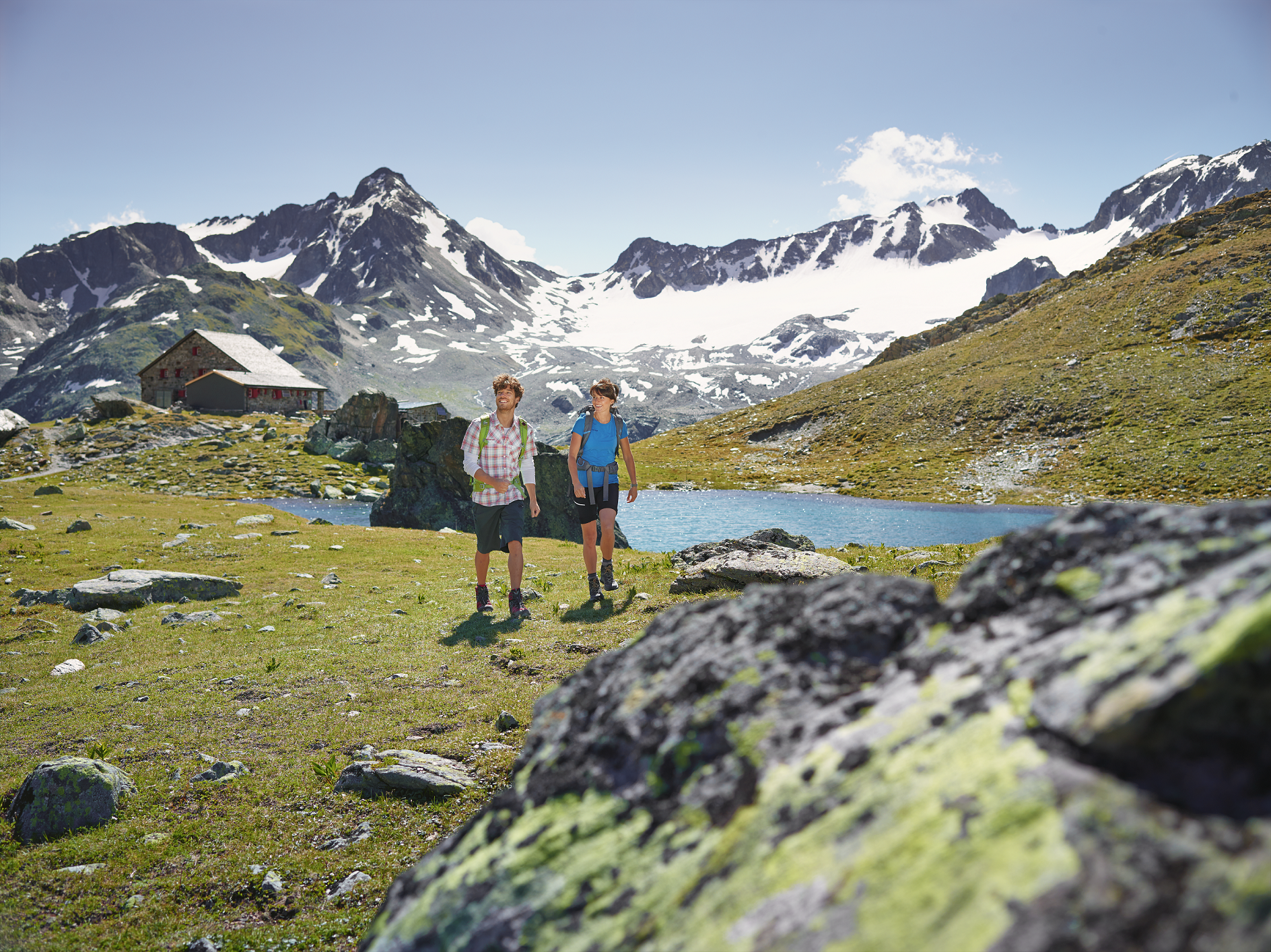
Kesch-Trek – A four-day hut adventure in Davos Klosters
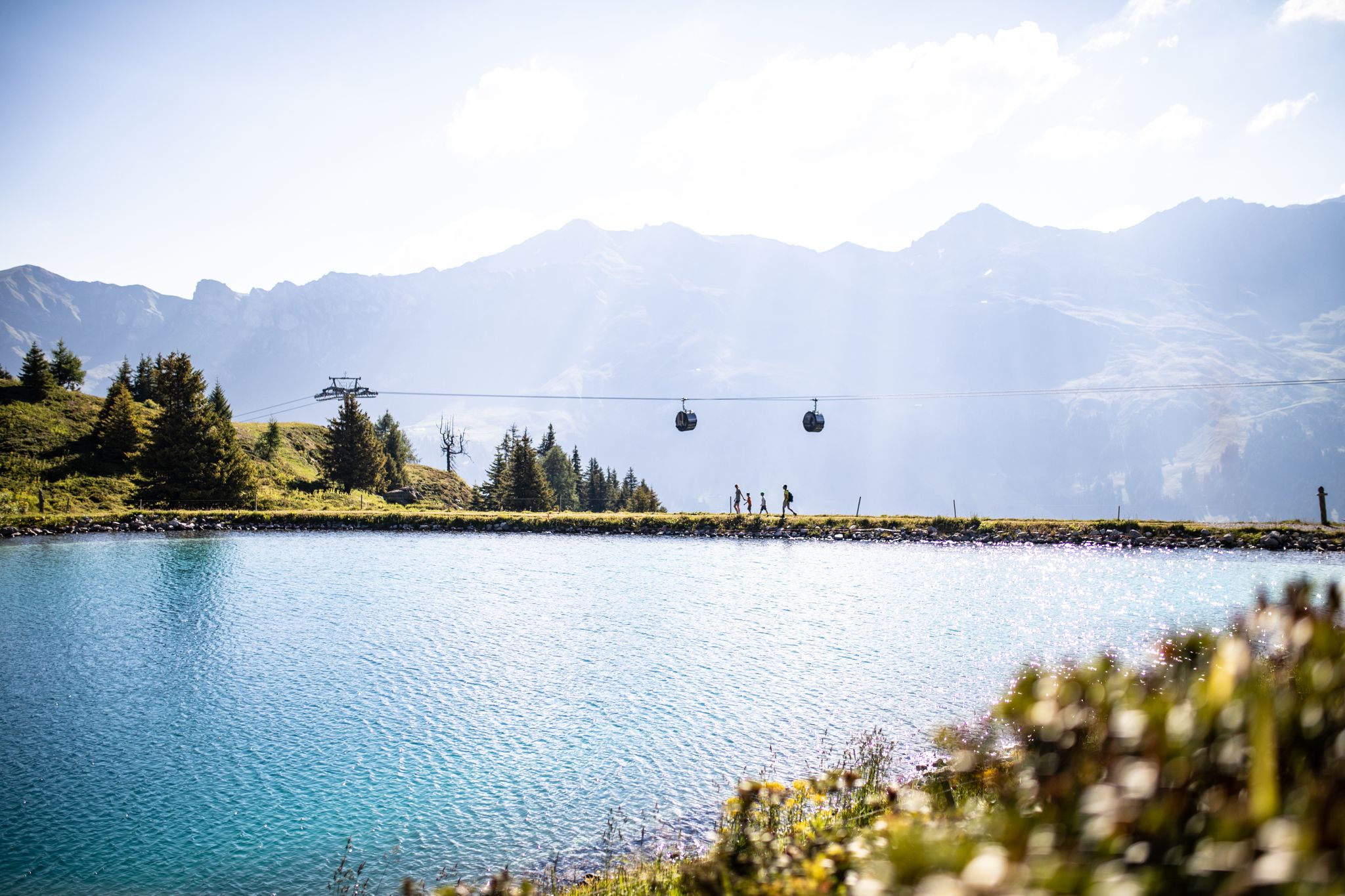
From the peaks to the cool waters – Coolcation Lenzerheide
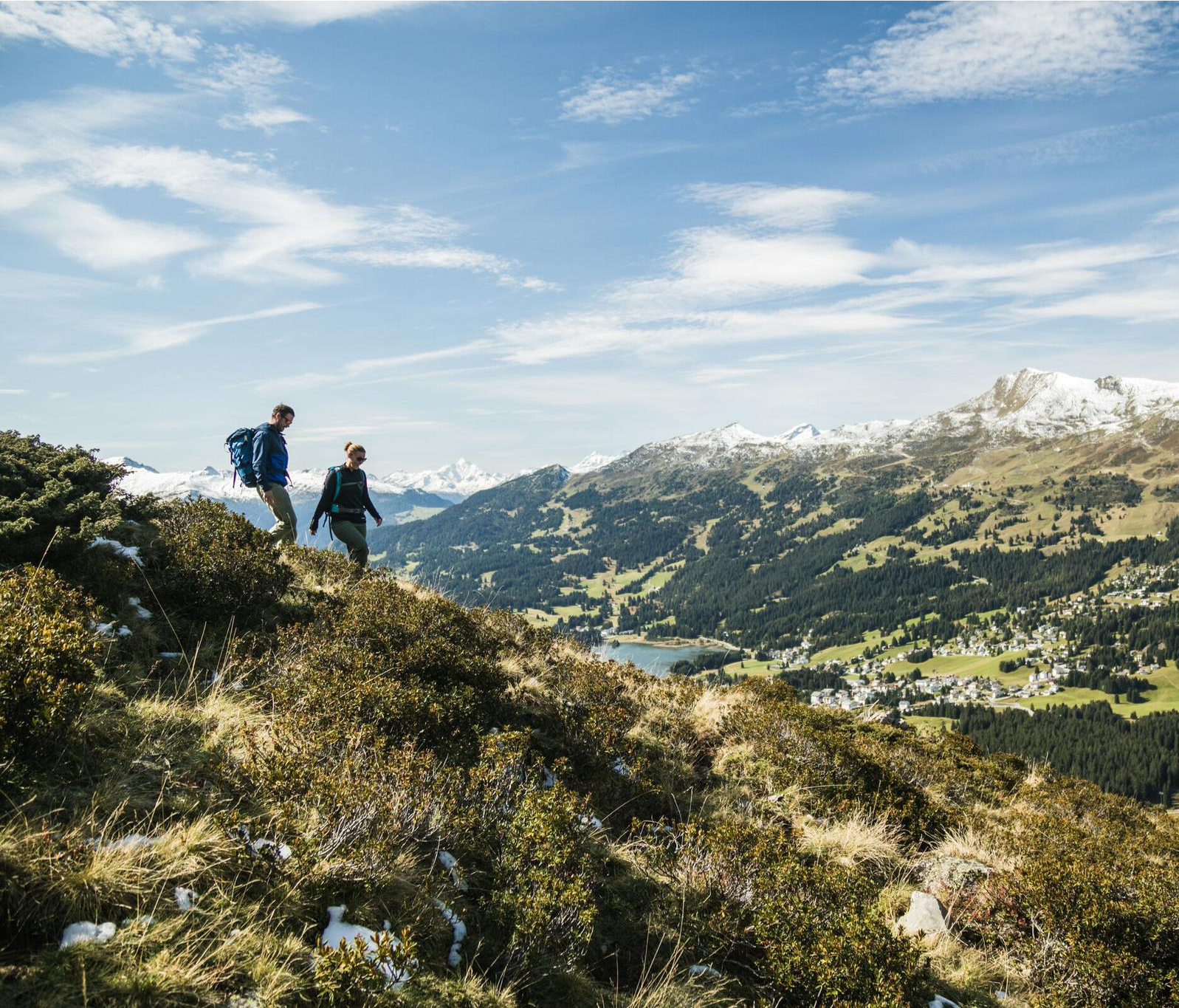
Diverse natural beauty – autumn hiking in Lenzerheide
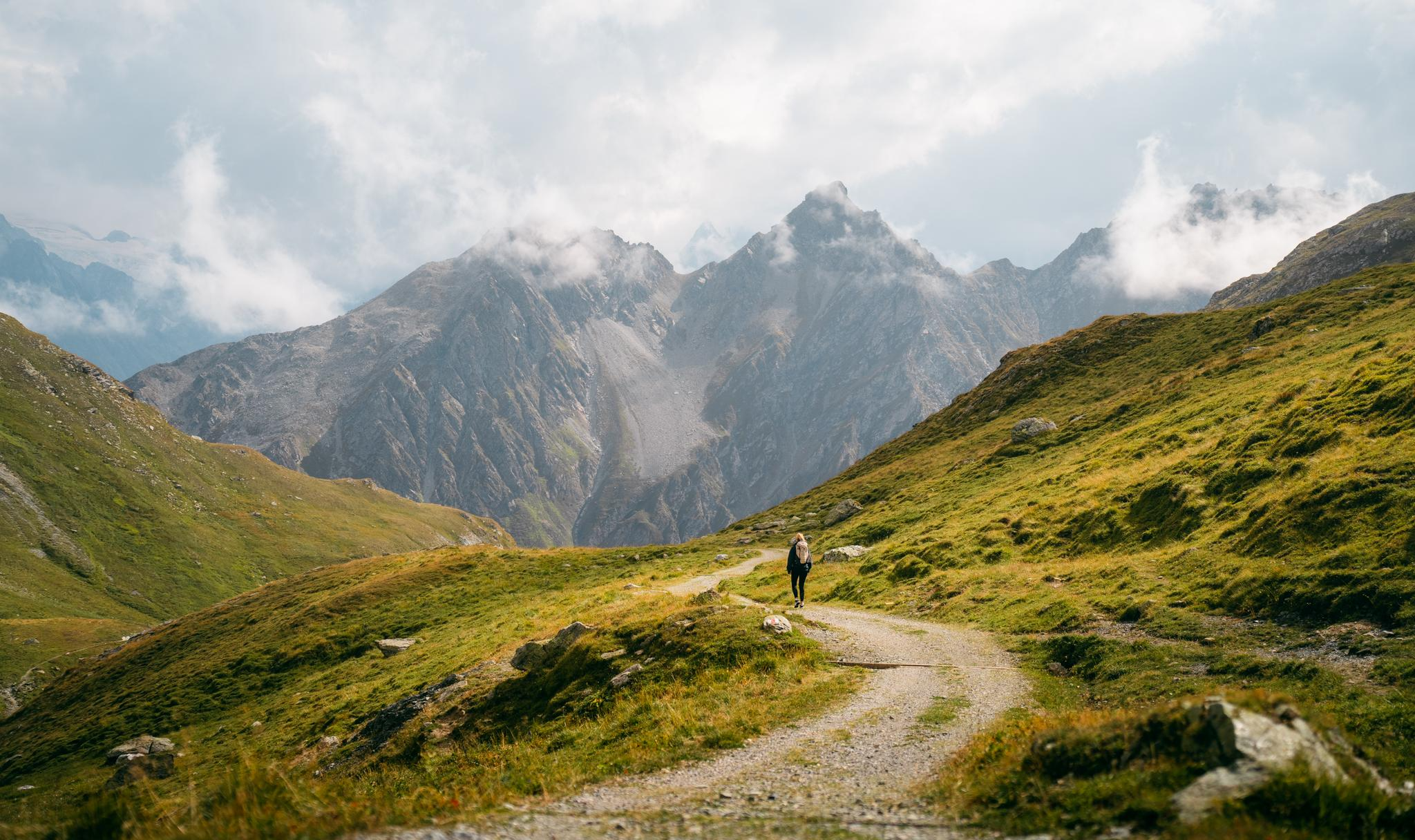
Quiet villages, proud passes, impressive history – the Via Sett
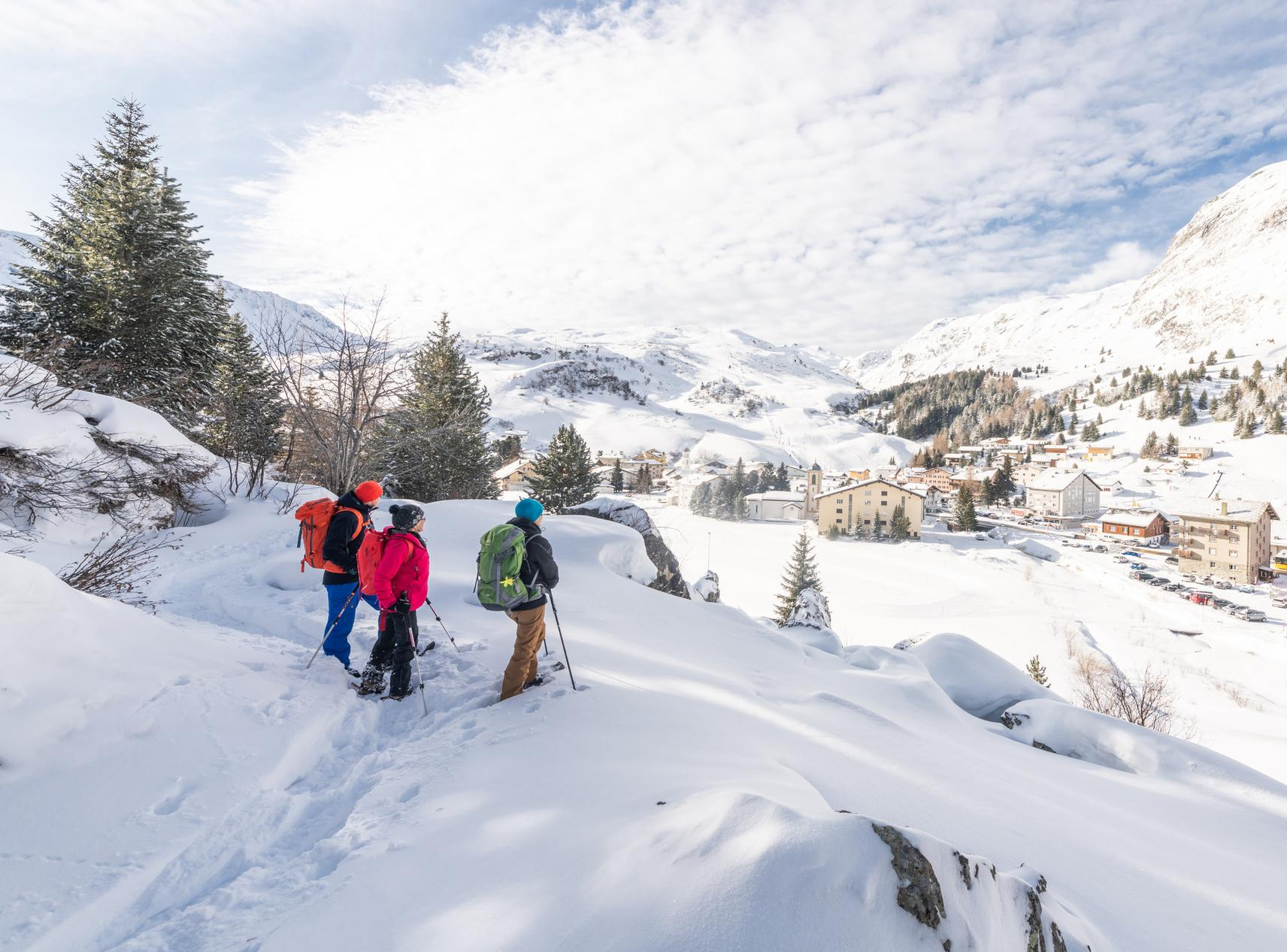
Snowshoe Safari – snowshoe trails through Graubünden
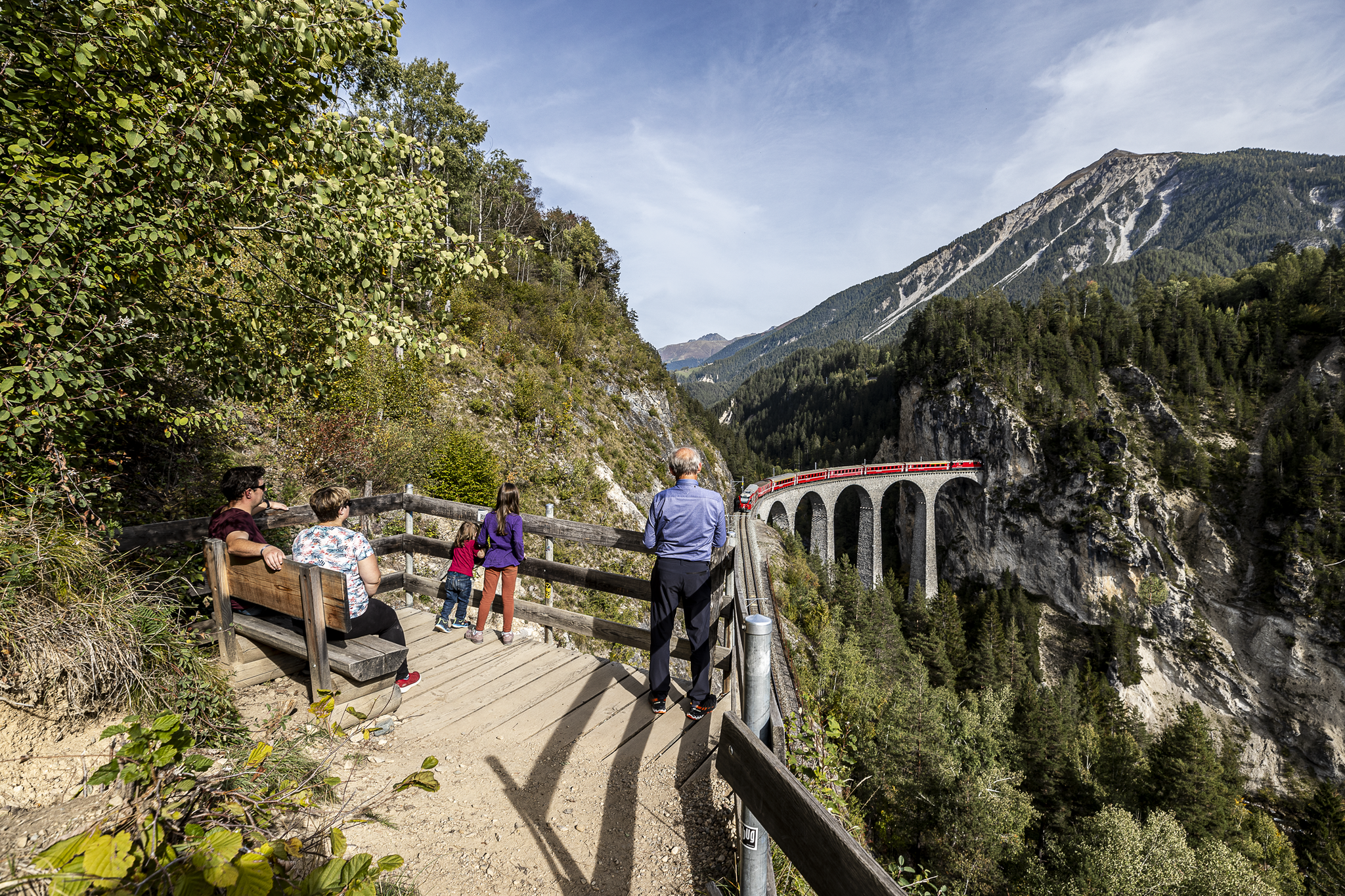
Historic railways and joyous hiking in the Landwasser World
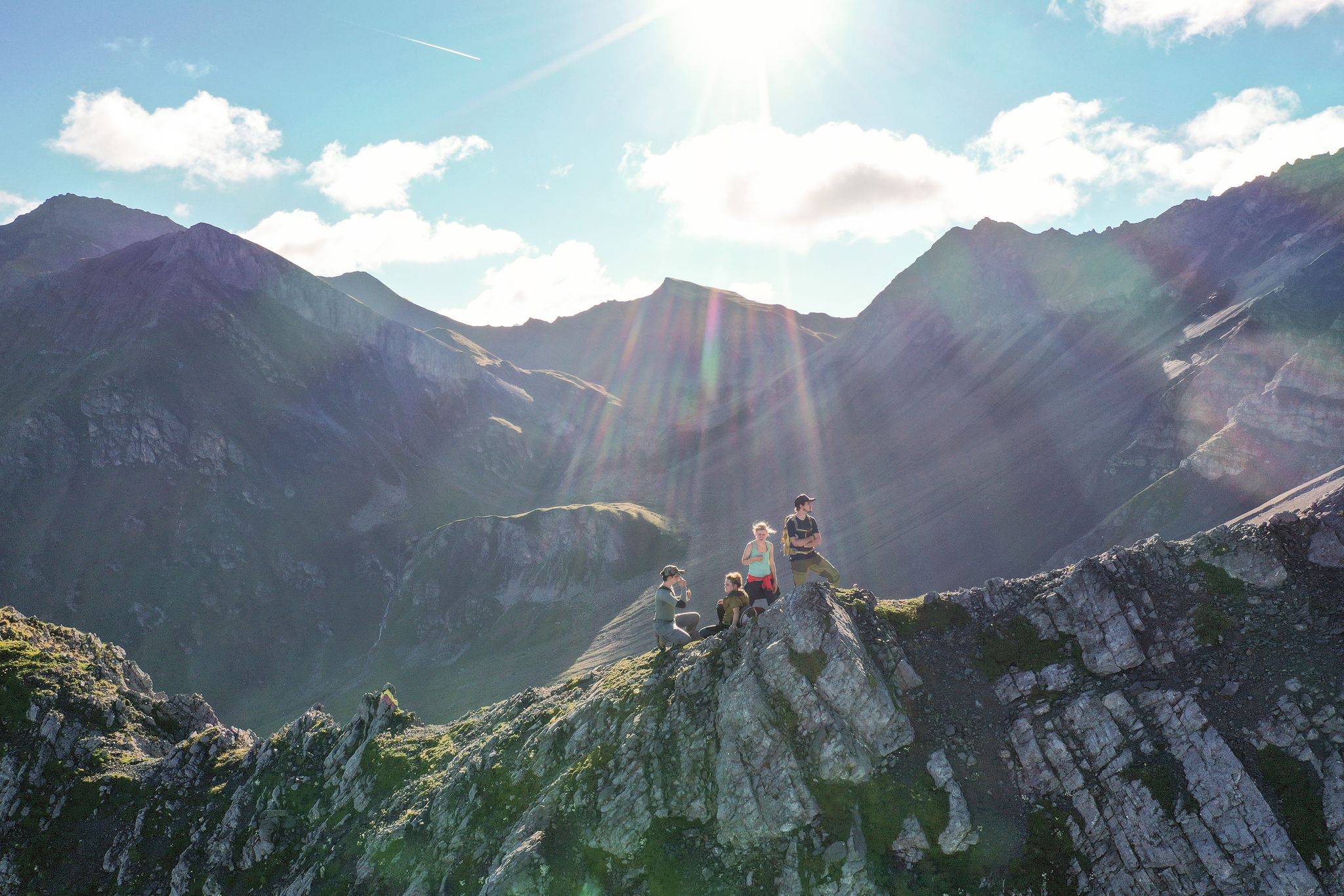
Satisfy your wanderlust in the Lenzerheide region
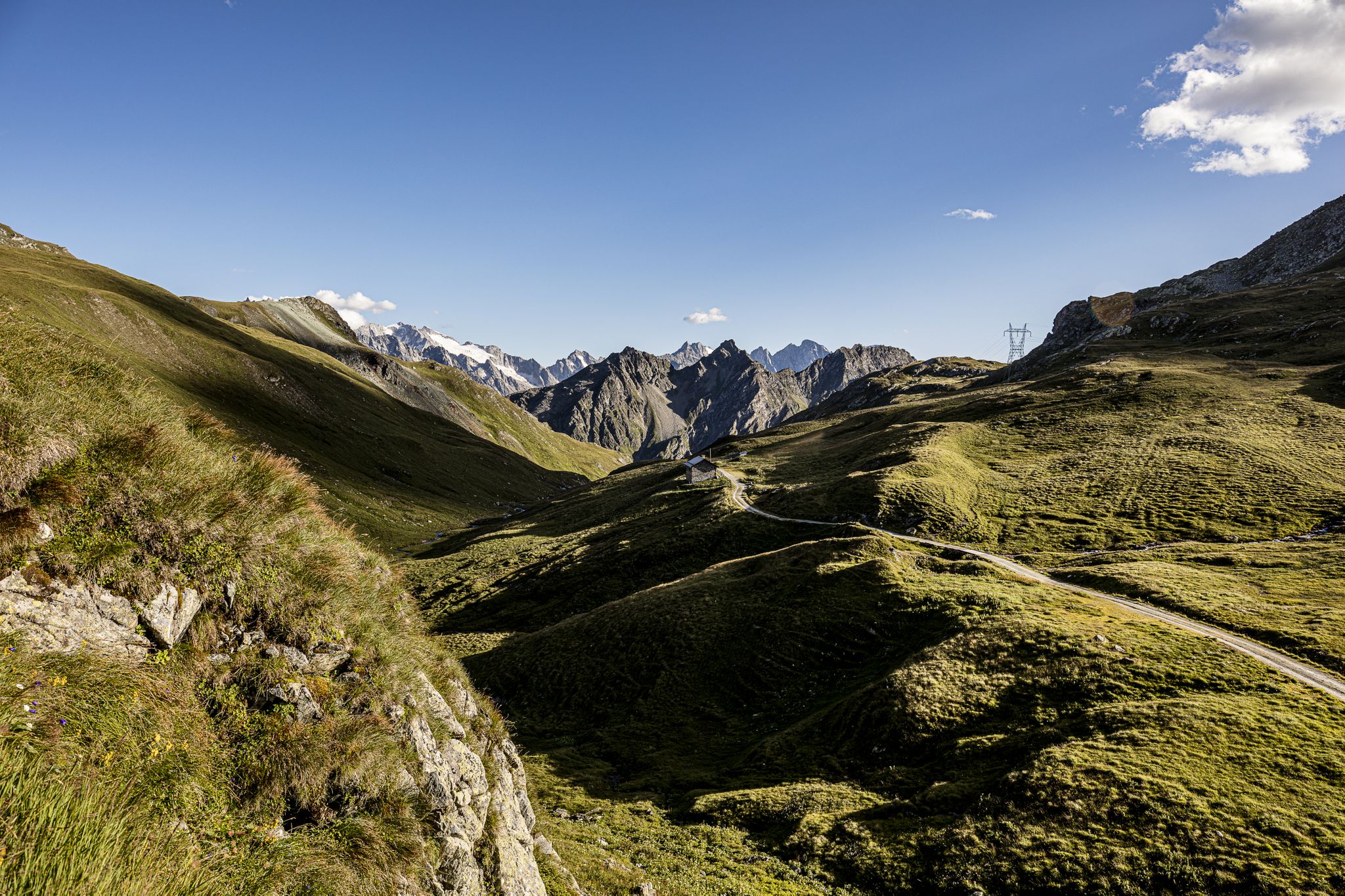
Parc Ela Trek – 17 days of trekking in the heart of Europe
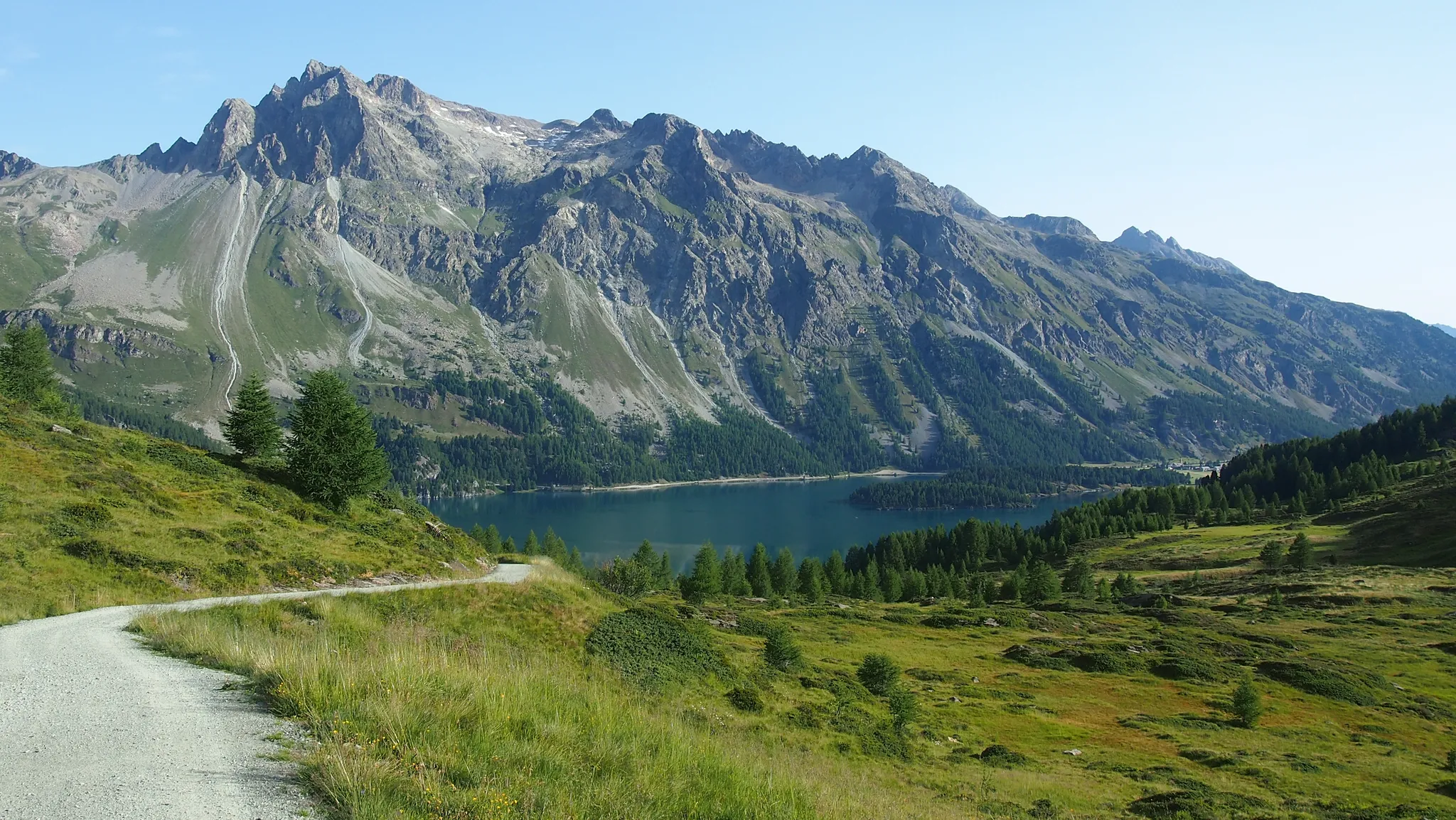
The Colors of Engadin - Senda Segantini
Other adventures around Parc Ela


Tips from the Community

Landwasser Viaduct / Built 1901–02 The Landwasser Viaduct, built in 1901–02, is a masonry arch bridge, built in a curve, with a length of 136 m, a height of 65 m and spans of 20 m. It is one of the most elegant bridge constructions of the RhB. Text / Source: Bergün Filisur Tourismus AG Gästeinformation, Veja Stazion 11, Bergün/Bravuogn https://www.berguen-filisur.graubuenden.ch/de/landwasserviadukt
15
1
The Landwasser Viaduct of the Rhaetian Railway A must-see for all railway enthusiasts – beauty and boldness combined. With its 65m high, tapering pillars, the viaduct is one of the most elegant bridge constructions in Graubünden and the most photographed work of art of the Rhaetian Railway. The largest and at the same time most spectacular structure on the 63-kilometer-long Albula line between Thusis and St. Moritz. The Albula and Bernina lines of the Rhaetian Railway have been part of the Unesco World Heritage since mid-July 2008, and are only the third railway line worldwide to do so. The construction of the three main pillars of the viaduct in 1901/1902 was an architectural masterpiece, as they were built without scaffolding using two cranes. After 106 years, the masonry and the track trough were repaired for the first time. The natural stone viaduct made of calcdolomite is 142 meters long and leads in a sweeping curve over the wild Landwasser valley directly into a tunnel, the entrance of which is located on the vertically falling rock face. From the village of Filisur, a footpath leads in half an hour to a beautiful viewpoint from which the viaduct can be admired (and photographed). The path continues either down to the river, under the viaduct into the gorge, or at the fork in the path to the viewpoint, continuing for two hours to the Wiesenv iaduct. This can also be crossed on a footpath and thus becomes a special experience with a deep view. Text / Source: Bergün Filisur Tourismus AG, Veja Stazion 11, Bergün / Bravuogn https://www.myswitzerland.com/de-ch/erlebnisse/landwasserviadukt-der-rhb/
15
1
Landwasser Viaduct „142 metres long and 65 metres high bridge piers“ The 142-metre-long Landwasser Viaduct is the landmark of the Rhaetian Railway. The viaduct leads in a beautiful curve across the Landwasser Valley directly into the rugged rock face into the Landwasser Tunnel. The trademark of the Landwasser Viaduct are the six closely spaced, 65-metre-high bridge piers with a span of only 20 metres. „Built 1901–02“ Text / Source: Rhaetian Railway AG, Bahnhofstrasse 25, Chur https://tickets.rhb.ch/de/products/landwasserviadukt
15
0
Landwasserviadukt / built 1901–02 The Landwasser Viaduct, built in 1901–02, is a masonry, curved arch bridge with a length of 136 m, a height of 65 m and spans of 20 m. It is one of the most elegant bridge constructions of the RhB. Text / Source: Bergün Filisur Tourismus AG Gästeinformation, Veja Stazion 11, Bergün/Bravuogn https://www.berguen-filisur.graubuenden.ch/de/landwasserviadukt
15
0
Landwasser Viaduct (near Filisur station) Landwasser Viaduct is a 65-meter-high and long railway bridge. Its pillars majestically rise 65 meters high: The Landwasser Viaduct on the Albula Line, which allows the Rhaetian Railway to cross the roaring Landwasser river over a length of 141.7 meters. In a large curve, the viaduct leads directly into a steep rock face. This breathtaking structure is today the most photographed subject on the Rhaetian Railway line. But the origin story of the viaduct is also amazing: The Greek-Swiss engineer Alexander Acatos (1873-1950) was entrusted with the construction of the viaduct. He was also the one who later planned the expansion of Zurich Main Station for the SBB. Under Acatos's guidance, the five limestone pillars with six semi-circular arches, each with a span of 20 meters, were built starting in March 1901. For cost reasons, a new construction technique was developed for the building: The pillars were built without external scaffolding. Instead, iron frameworks were embedded in the three longest pillars and adjusted in height with each construction progress. The three iron frameworks were connected with crossbeams, to which electric construction cranes could be mounted. These lifted the necessary building materials to the respective pillar height. To connect the stones of the pillars, a mixture of calcareous mortar and sand was used. The mortar came from a factory in Unterterzen on Lake Walen and was transported to the emerging Landwasser Viaduct via a construction railway laid on the future track with a 0.75-meter gauge. After only about one and a half years of construction, the Landwasser Viaduct was completed in October 1902. The building substance has since proven to be resilient: The Landwasser Viaduct only had to be slightly repaired in 2009. Today, the Landwasser Viaduct is still the landmark of the Rhaetian Railway and, as an imposing structure, invites passengers, tourists, and locals to take photos. Text / Source: Rhaetian Railway AG, Bahnhofstrasse 25, CH - 7001 Chur https://www.rhb.ch/de/blog/weltbekannt-der-landwasserviadukt
15
1
Landwasserviadukt „142 meters long and 65 meters high bridge piers“ The 142-meter-long Landwasserviadukt is the landmark of the Rhaetian Railway. The viaduct leads in a beautiful curve across the Landwasser Valley directly into the rugged rock face into the Landwasser Tunnel. The hallmark of the Landwasserviadukt are the six closely spaced, 65-meter-high bridge piers with a span of only 20 meters. „Built 1901–02“ Text / Source: Rhätische Bahn AG, Bahnhofstrasse 25, Chur https://tickets.rhb.ch/de/products/landwasserviadukt
15
0
Landwasser Viaduct of the Rhaetian Railway A must for all railway enthusiasts – beauty and boldness combined. With its 65m high, tapering pillars, the viaduct is one of the most elegant bridge constructions in Graubünden and the most photographed work of art of the Rhaetian Railway. The largest and at the same time most spectacular structure on the 63-kilometer-long Albula line between Thusis and St. Moritz. The Albula and Bernina lines of the Rhaetian Railway have been a UNESCO World Heritage site since mid-July 2008, and are only the third railway line in the world to achieve this status. Construction of the three main pillars of the viaduct in 1901/1902 was an architectural masterpiece, as they were built without scaffolding using two cranes. After 106 years, the masonry and track trough were repaired for the first time. The natural stone viaduct made of Kalkdolomit is 142 meters long and leads in a sweeping curve over the wild Landwasser valley directly into a tunnel, the entrance of which is located on the vertically falling rock face. From the village of Filisur, a footpath leads in half an hour to a beautiful viewpoint from which the viaduct can be admired (and photographed). The path then continues either down to the river, under the viaduct and into the gorge, or at the fork in the path to the viewpoint, continuing for two hours to the Wiesen Viaduct. This can also be crossed on a footpath, making it a special experience with a deep view. Text / Source: Bergün Filisur Tourismus AG, Veja Stazion 11, Bergün / Bravuogn https://www.myswitzerland.com/de-ch/erlebnisse/landwasserviadukt-der-rhb/
15
0
Landwasser Viaduct / Built 1901–02 The Landwasser Viaduct, built in 1901–02, is a 136 m long, 65 m high, 20 m span masonry arch bridge, built on a curve. It is one of the most elegant bridge constructions of the RhB. Text / Source: Bergün Filisur Tourismus AG Gästeinformation, Veja Stazion 11, Bergün/Bravuogn https://www.berguen-filisur.graubuenden.ch/de/landwasserviadukt
15
0
Frequently Asked Questions
How many easy hiking trails are there in Parc Ela?
Parc Ela offers a wide selection of easy hiking trails, with 96 routes specifically categorized as easy. In total, the park features over 360 hiking trails suitable for various skill levels.
What is the best time for easy hikes in Parc Ela?
The best time for easy hikes in Parc Ela is typically from late spring through early autumn (May to October). During these months, the weather is generally mild, alpine fields burst with wildflowers, and trails are clear of snow, offering ideal conditions to explore the diverse landscapes.
What should I wear for hiking in Parc Ela in summer?
For summer hiking in Parc Ela, it's advisable to wear layers, as mountain weather can change quickly. Include breathable clothing, a waterproof and windproof jacket, sturdy hiking boots, sun protection (hat, sunglasses, sunscreen), and carry enough water. Even on easy trails, proper footwear is essential due to varied terrain.
Are there easy hiking trails in Parc Ela accessible by public transport?
Yes, many villages within Parc Ela, such as Bergün and Filisur, are well-connected by public transport and serve as excellent starting points for easy hikes. The region's focus on sustainable tourism means public transport options are often integrated with trail access.
Are there easy hiking trails in Parc Ela with parking?
Yes, most trailheads for easy hikes in Parc Ela have designated parking areas, especially near the charming Romanesque villages. It's always a good idea to check specific route details for parking availability before you go.
Are there any circular easy hiking routes in Parc Ela?
Yes, Parc Ela features several easy circular routes. For example, the Lantsch Bual loop is a pleasant 3.1-mile path that explores the local landscape. Another option is the Landwasser Riverbank – View of the Landwasser Viaduct from below loop from Filisur, offering scenic views.
Are there family-friendly easy hikes in Parc Ela?
Parc Ela is an excellent destination for families, with many easy trails suitable for all ages. These routes often pass through gentle hedgerow country or along riverbanks, providing accessible and enjoyable experiences. The park's diverse ecosystems also offer opportunities for children to learn about nature.
Can I bring my dog on easy hiking trails in Parc Ela?
Generally, dogs are welcome on easy hiking trails in Parc Ela. However, it's crucial to keep them on a leash, especially in nature protection zones, near livestock, or in areas with wildlife. Always carry waste bags and ensure your dog is well-behaved around other hikers and animals.
Are there easy hikes in Parc Ela that feature waterfalls?
Yes, you can find easy hikes that lead to or offer views of waterfalls in Parc Ela. For instance, the Stierva – Waterfall loop from Stierva is an easy route that includes a waterfall. You can also explore the Zügenschlucht, a spectacular gorge with impressive rock formations, or visit the Schaftobel Waterfall.
What natural features can I expect to see on easy hikes in Parc Ela?
Easy hikes in Parc Ela offer a mosaic of natural features, from gentle hedgerow country and flowering dry grasslands to pristine pine forests and rugged gorges. You can expect to see crystal-clear mountain lakes, unique geological formations shaped by glaciers, and diverse flora like orchids and alpine asters.
What cultural or historical attractions can I explore on easy hikes in Parc Ela?
Many easy hikes in Parc Ela pass through or near charming Romanesque villages with historic centers and baroque churches, such as Bergün. You can also find historical landmarks like Roman cart tracks and hotels from the stagecoach era. The Albula Railway Adventure Trail, a UNESCO World Heritage site, offers insights into railway history and engineering marvels.
Are there easy hikes with good viewpoints in Parc Ela?
Absolutely. Many easy trails in Parc Ela lead to rewarding viewpoints. A popular option is To the Crap la Tretscha viewpoint (748), which offers expansive views of the surrounding landscape. The varied topography of the park ensures numerous scenic vistas even on less challenging routes.
Can I spot wildlife on easy hiking trails in Parc Ela?
Parc Ela is a biodiversity hotspot, and wildlife spotting is possible even on easy trails, especially in quieter valleys. Keep an eye out for ibex, chamois, and red deer. Marmots and various raptors can also be observed. The park is home to a third of all known insects in Switzerland, including numerous species of bees and butterflies.
What do other hikers say about easy trails in Parc Ela?
The easy trails in Parc Ela are highly rated by the komoot community, with an average score of 4.7 stars from more than 1,600 reviews. Hikers often praise the well-maintained paths, the stunning and varied scenery, and the accessibility of routes that allow for a relaxing yet immersive outdoor experience.
Most popular routes around Parc Ela
Most popular attractions around Parc Ela

Get inspired with the komoot mobile app


Explore more
Browse the best Hikes in other regions.
