The best family-friendly hikes and walks around Parc Ela
4.7
(10462)
87,060
hikers
308
hikes
Family friendly hiking trails around Parc Ela traverse Switzerland's largest regional nature park, characterized by its diverse Alpine landscapes. The region features impressive peaks, such as Piz Ela, and includes various natural features like mountain lakes, protected moorlands, and gorges. Water is a prominent element, with notable lakes like Lai da Palpuogna. The terrain varies from gentle valley paths to more challenging mountain routes, offering a range of elevations and surfaces.
Best family friendly hiking trails around Parc Ela
- The…
Last updated: June 1, 2026
4.5
(53)
279
hikers
8.66km
02:49
370m
360m
Hike to the Val Meltger suspension bridge near Lantsch/Lenz, a moderate 5.4-mile route with 1200 feet of gain, currently closed.
4.7
(64)
271
hikers
12.6km
03:57
340m
340m
Moderate hike. Good fitness required. Mostly accessible paths. Sure-footedness required.

Sign up for free
4.9
(46)
244
hikers
5.04km
01:36
150m
150m
Hike 3.1 miles (5.0 km) from Preda to the stunning Lai da Palpuogna, a moderate route with 506 feet (154 metres) of elevation gain.
4.3
(6)
64
hikers
6.91km
01:55
130m
130m
Easy hike. Great for any fitness level. Easily-accessible paths. Suitable for all skill levels.
4.4
(9)
66
hikers
4.94km
01:25
120m
120m
Easy hike. Great for any fitness level. Easily-accessible paths. Suitable for all skill levels.
Get access to more routes and recommendations from other explorers.
Sign up for free
Already have an account?
Our route recommendations are based on thousands of hikes, rides, and runs completed by other people on komoot.
Start today with a free account
Your next adventure awaits.
Login or Signup
Popular around Parc Ela
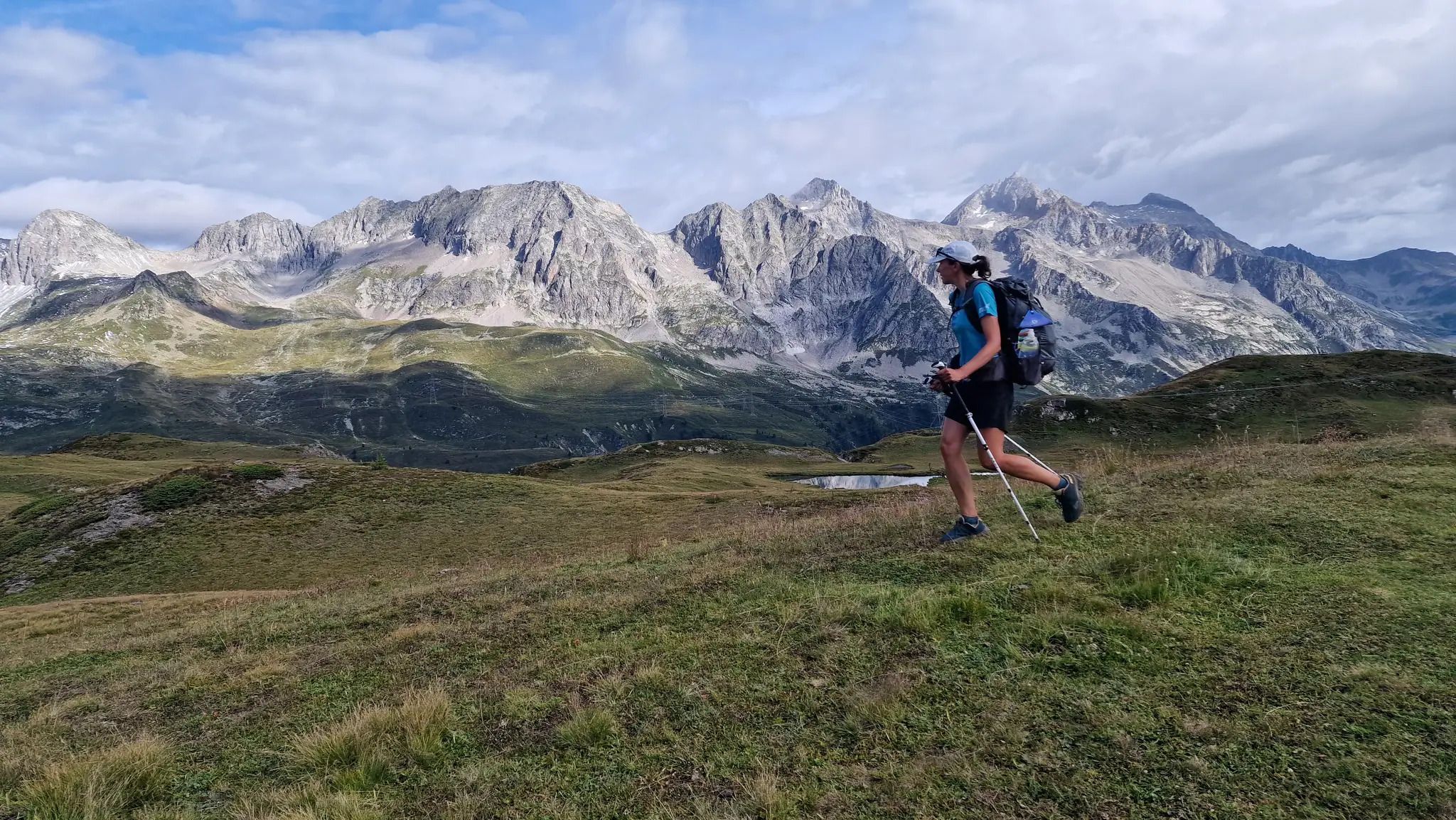
Alpine Passes Trail – hiking 700km across Switzerland
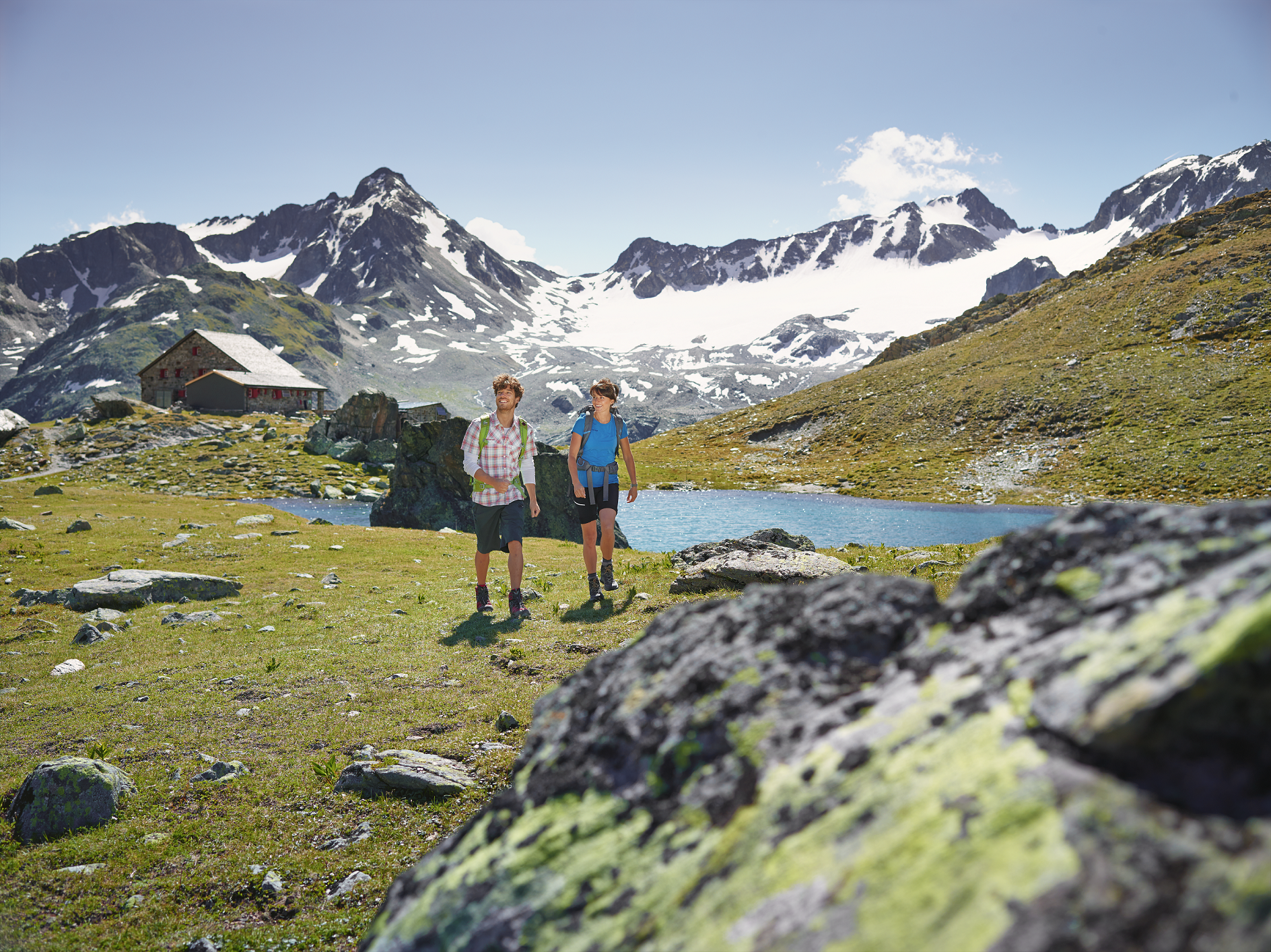
Kesch-Trek – A four-day hut adventure in Davos Klosters
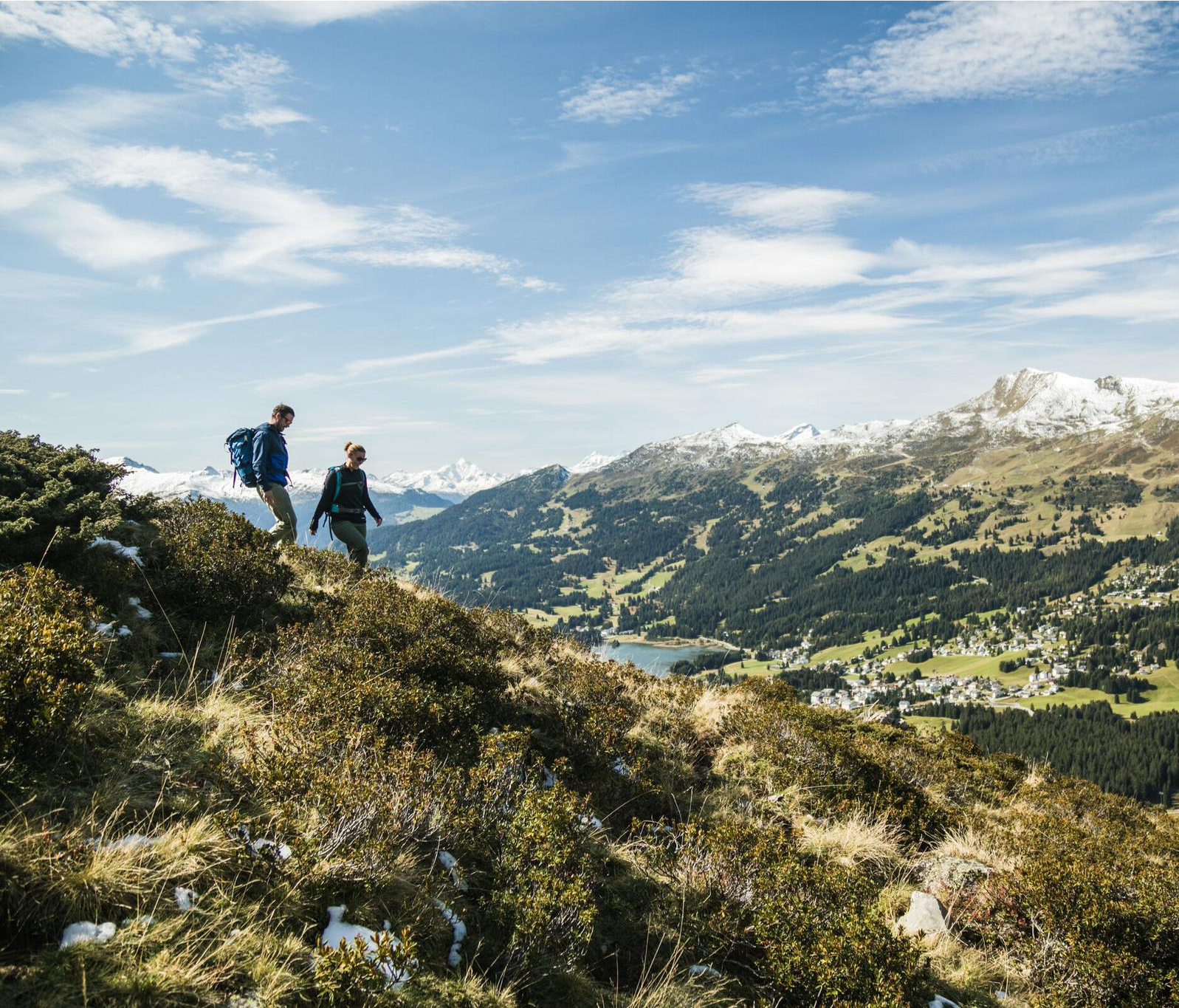
Diverse natural beauty – autumn hiking in Lenzerheide
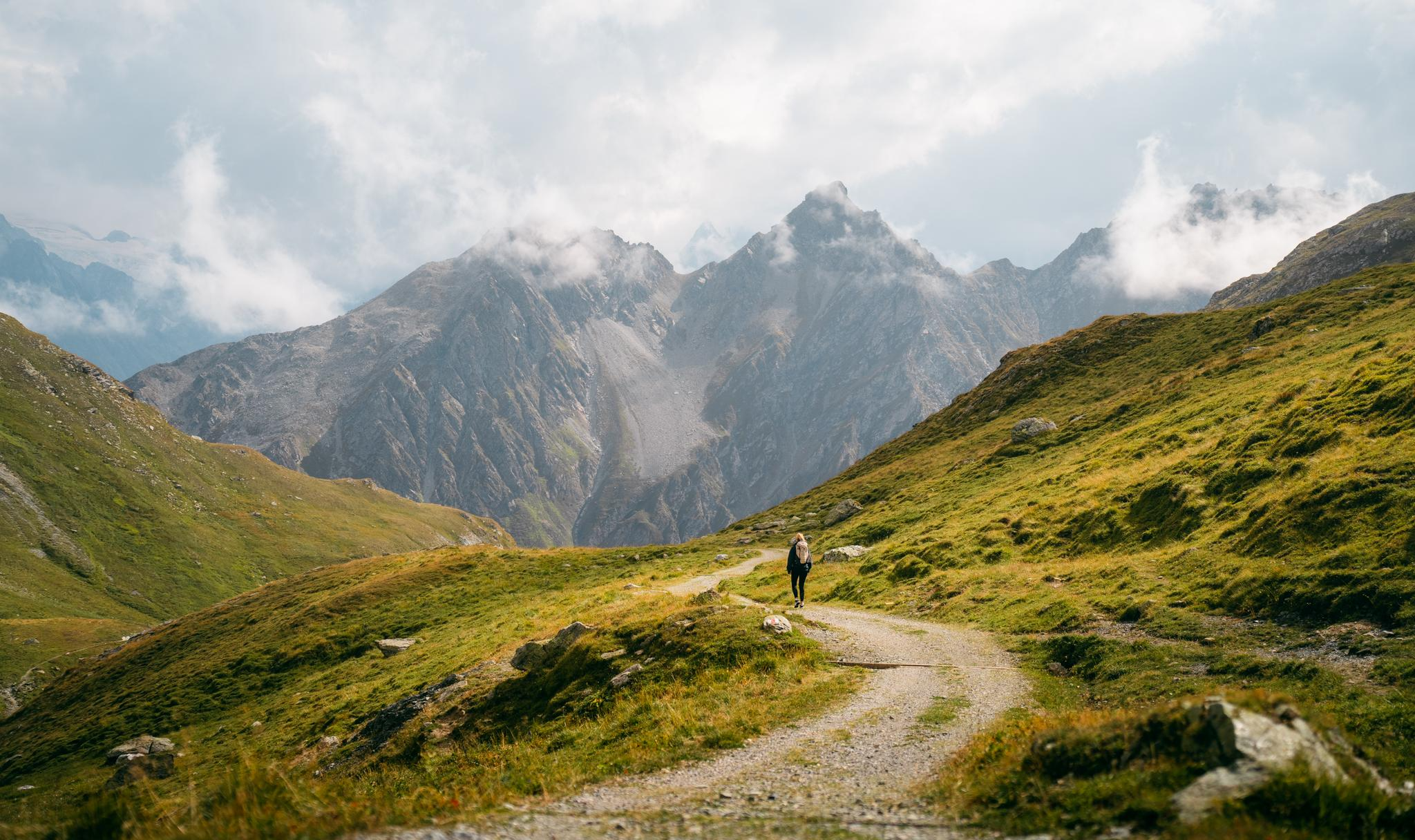
Quiet villages, proud passes, impressive history – the Via Sett
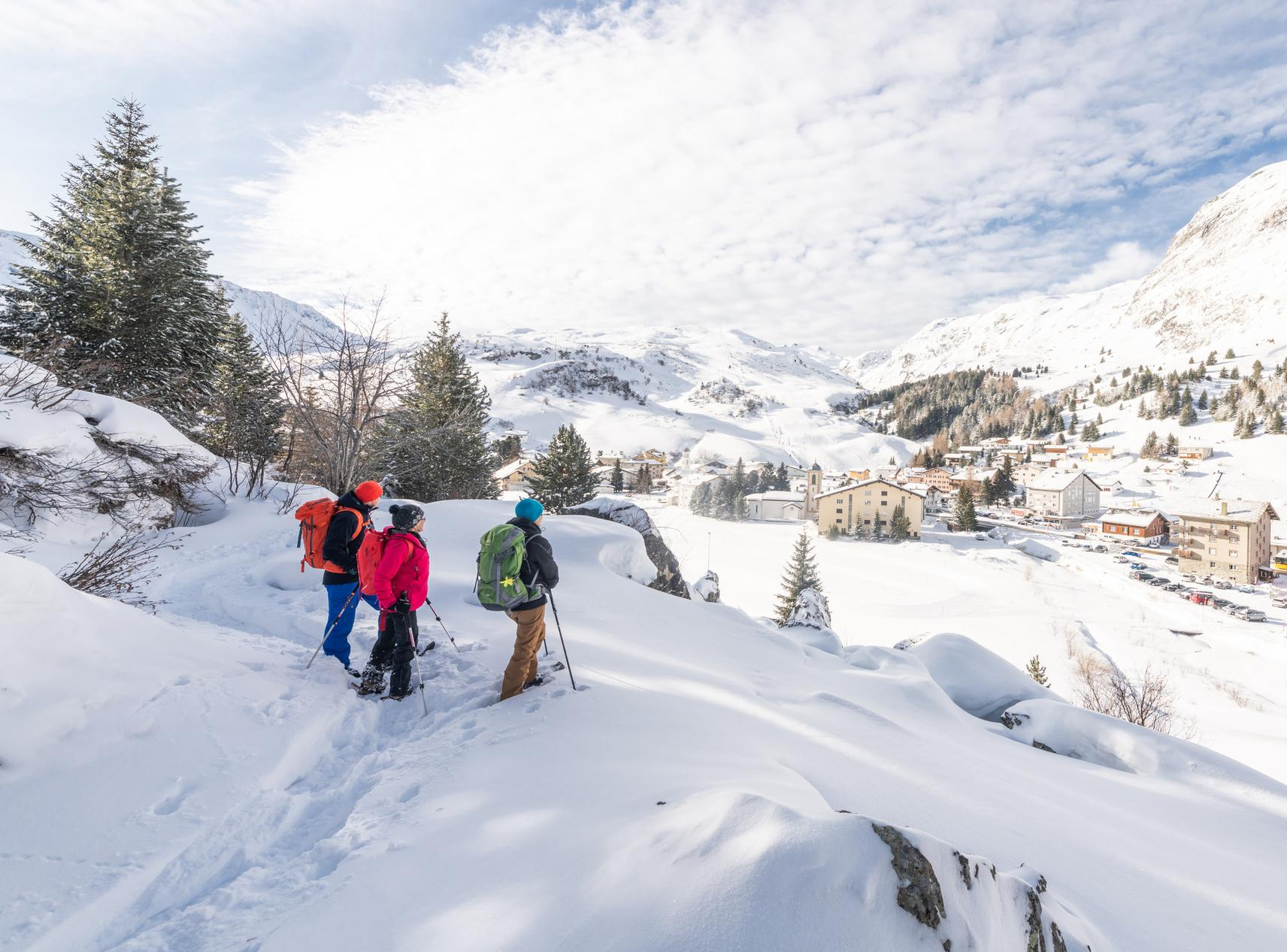
Snowshoe Safari – snowshoe trails through Graubünden
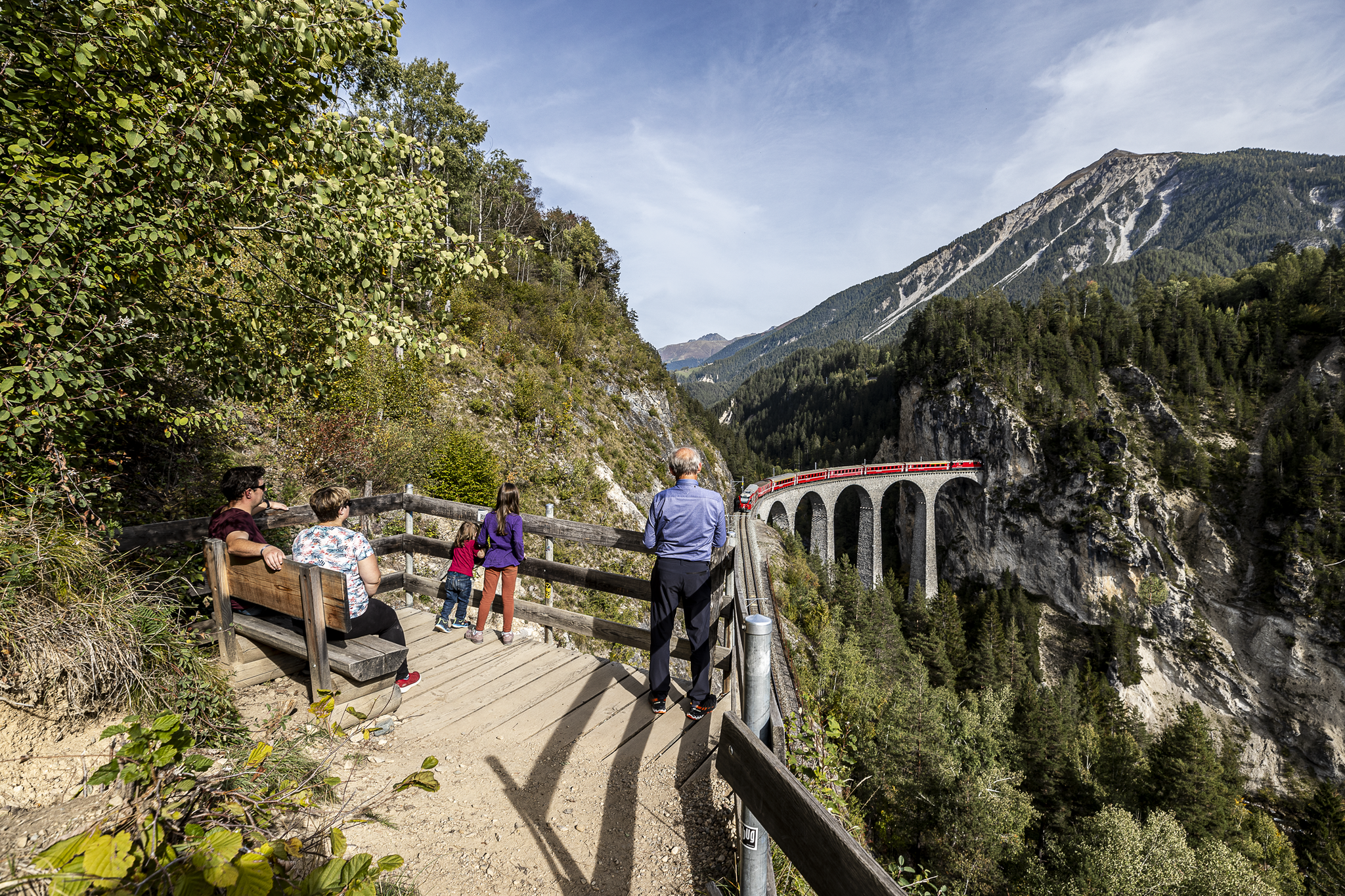
Historic railways and joyous hiking in the Landwasser World
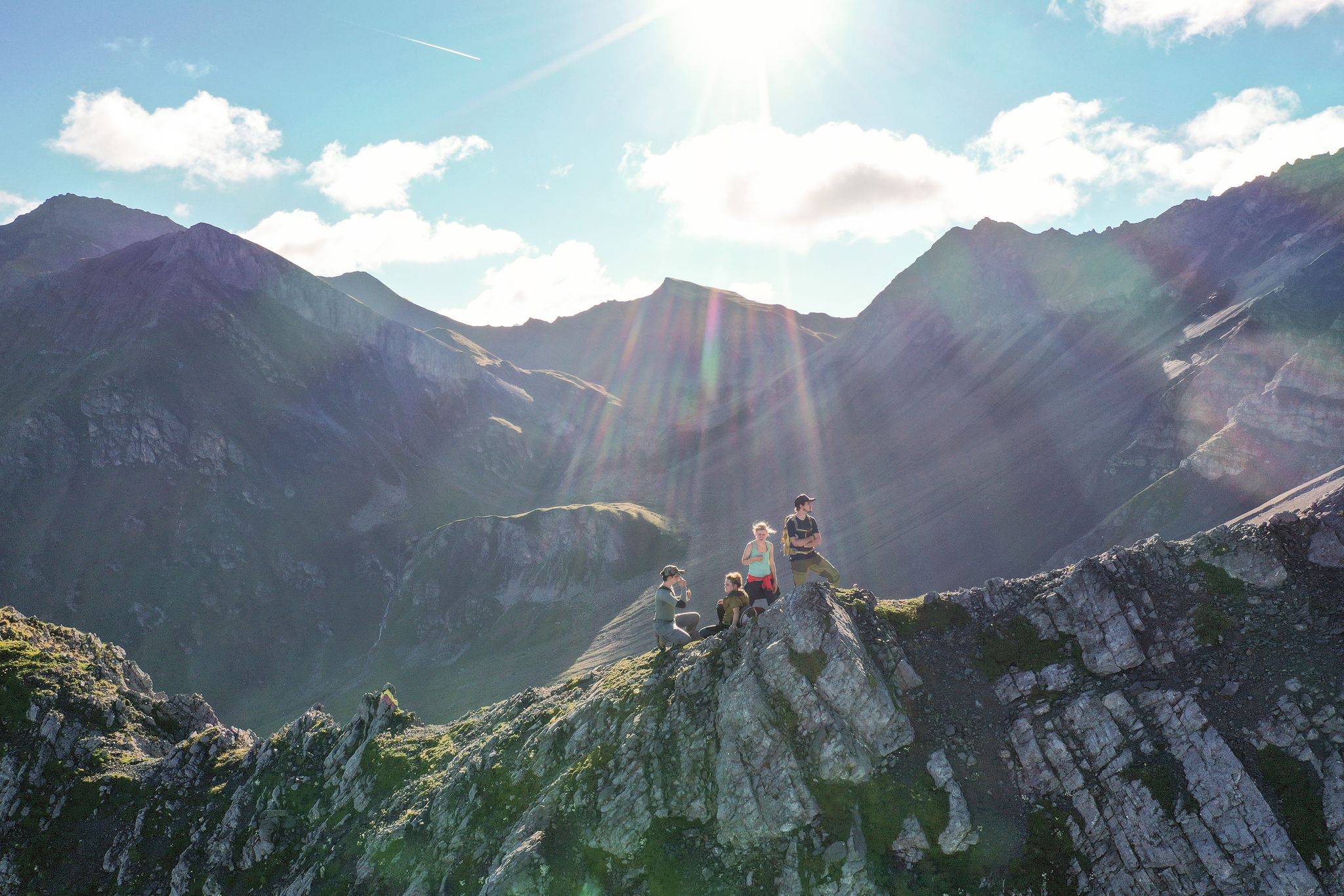
Satisfy your wanderlust in the Lenzerheide region
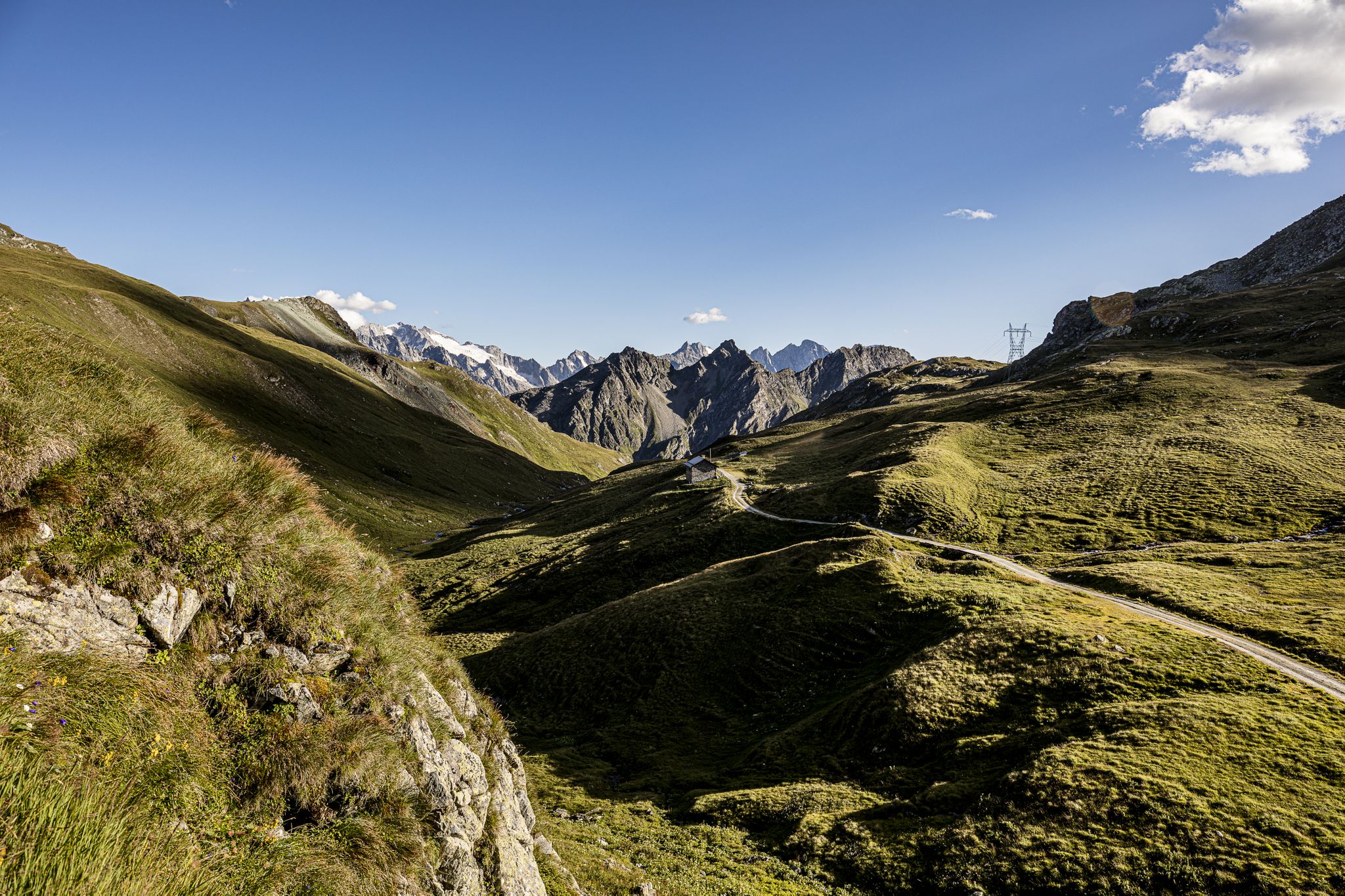
Parc Ela Trek – 17 days of trekking in the heart of Europe
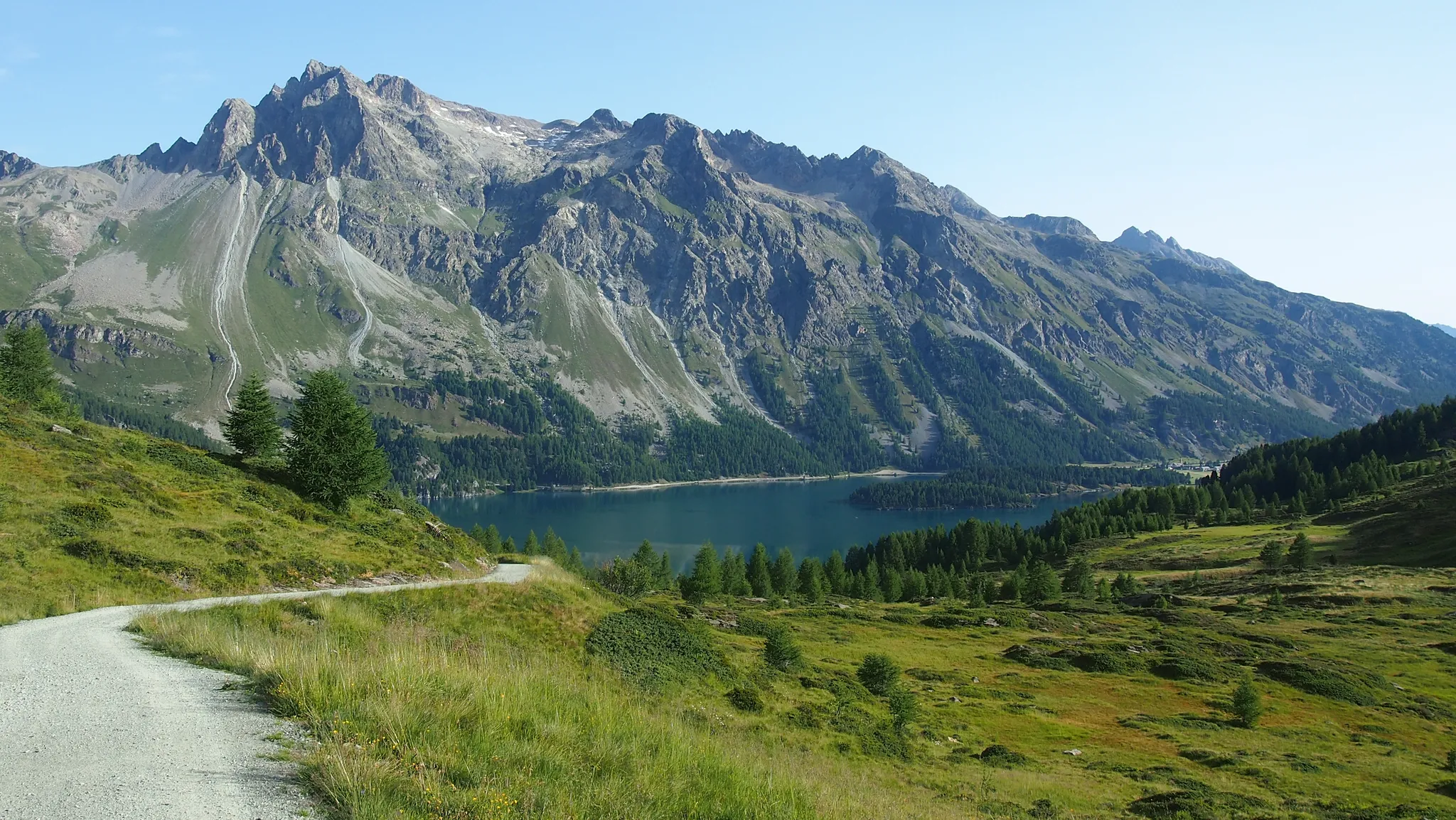
The Colors of Engadin - Senda Segantini
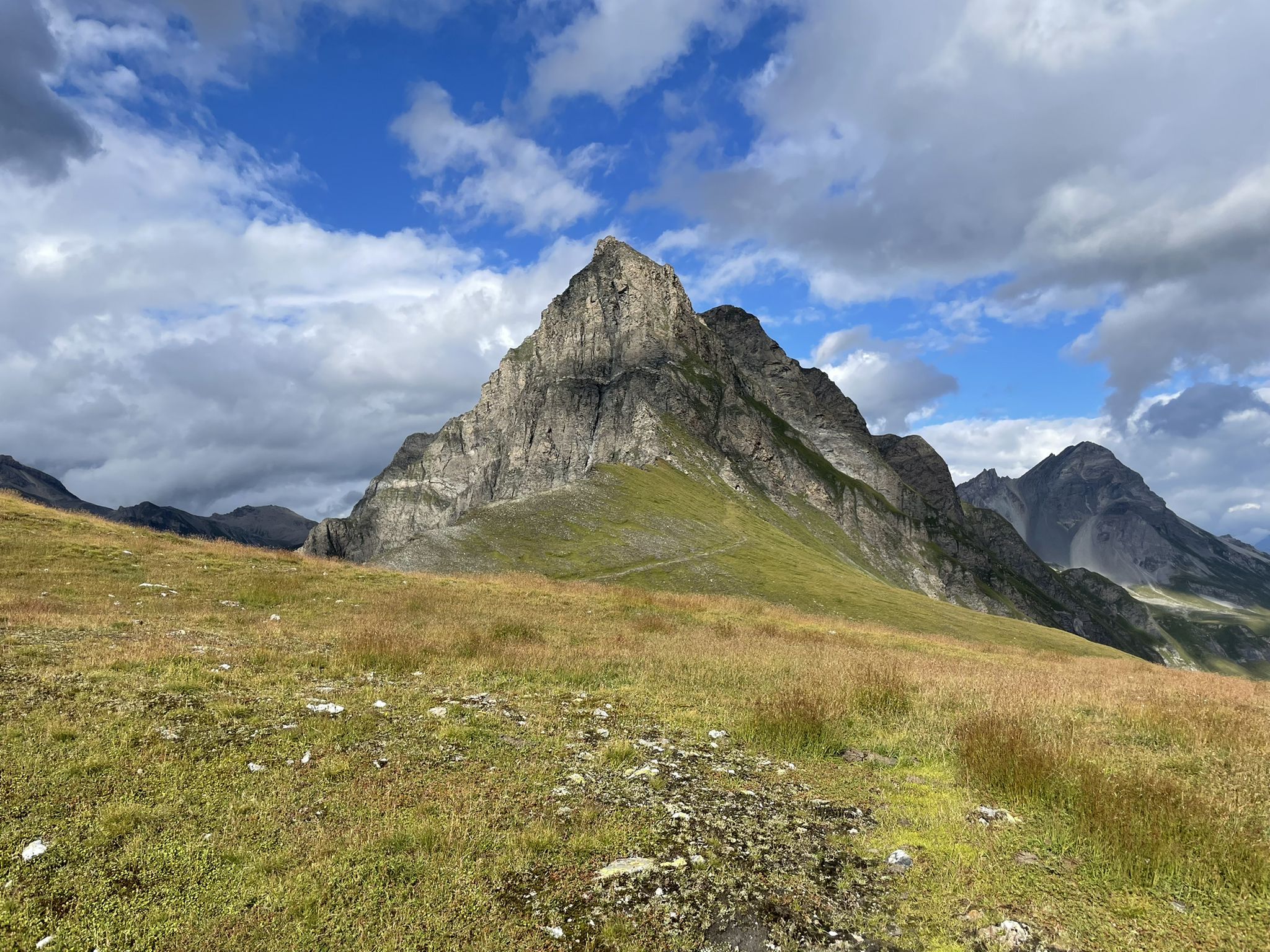
Spectacular nature park in Graubünden – Val Surses to Safiental
Other adventures around Parc Ela


Tips from the Community

not only for this view is it a super great tour
0
0

Landwasser Viaduct / Built 1901–02 The Landwasser Viaduct, built in 1901–02, is a masonry arch bridge, built in a curve, with a length of 136 m, a height of 65 m and spans of 20 m. It is one of the most elegant bridge constructions of the RhB. Text / Source: Bergün Filisur Tourismus AG Gästeinformation, Veja Stazion 11, Bergün/Bravuogn https://www.berguen-filisur.graubuenden.ch/de/landwasserviadukt
15
0
The Landwasser Viaduct of the Rhaetian Railway A must-see for all railway enthusiasts – beauty and boldness combined. With its 65m high, tapering pillars, the viaduct is one of the most elegant bridge constructions in Graubünden and the most photographed work of art of the Rhaetian Railway. The largest and at the same time most spectacular structure on the 63-kilometer-long Albula line between Thusis and St. Moritz. The Albula and Bernina lines of the Rhaetian Railway have been part of the Unesco World Heritage since mid-July 2008, and are only the third railway line worldwide to do so. The construction of the three main pillars of the viaduct in 1901/1902 was an architectural masterpiece, as they were built without scaffolding using two cranes. After 106 years, the masonry and the track trough were repaired for the first time. The natural stone viaduct made of calcdolomite is 142 meters long and leads in a sweeping curve over the wild Landwasser valley directly into a tunnel, the entrance of which is located on the vertically falling rock face. From the village of Filisur, a footpath leads in half an hour to a beautiful viewpoint from which the viaduct can be admired (and photographed). The path continues either down to the river, under the viaduct into the gorge, or at the fork in the path to the viewpoint, continuing for two hours to the Wiesenv iaduct. This can also be crossed on a footpath and thus becomes a special experience with a deep view. Text / Source: Bergün Filisur Tourismus AG, Veja Stazion 11, Bergün / Bravuogn https://www.myswitzerland.com/de-ch/erlebnisse/landwasserviadukt-der-rhb/
15
0
Landwasser Viaduct (near Filisur station) Landwasser Viaduct is a 65-meter-high and long railway bridge. Its pillars majestically rise 65 meters high: The Landwasser Viaduct on the Albula Line, which allows the Rhaetian Railway to cross the roaring Landwasser river over a length of 141.7 meters. In a large curve, the viaduct leads directly into a steep rock face. This breathtaking structure is today the most photographed subject on the Rhaetian Railway line. But the origin story of the viaduct is also amazing: The Greek-Swiss engineer Alexander Acatos (1873-1950) was entrusted with the construction of the viaduct. He was also the one who later planned the expansion of Zurich Main Station for the SBB. Under Acatos's guidance, the five limestone pillars with six semi-circular arches, each with a span of 20 meters, were built starting in March 1901. For cost reasons, a new construction technique was developed for the building: The pillars were built without external scaffolding. Instead, iron frameworks were embedded in the three longest pillars and adjusted in height with each construction progress. The three iron frameworks were connected with crossbeams, to which electric construction cranes could be mounted. These lifted the necessary building materials to the respective pillar height. To connect the stones of the pillars, a mixture of calcareous mortar and sand was used. The mortar came from a factory in Unterterzen on Lake Walen and was transported to the emerging Landwasser Viaduct via a construction railway laid on the future track with a 0.75-meter gauge. After only about one and a half years of construction, the Landwasser Viaduct was completed in October 1902. The building substance has since proven to be resilient: The Landwasser Viaduct only had to be slightly repaired in 2009. Today, the Landwasser Viaduct is still the landmark of the Rhaetian Railway and, as an imposing structure, invites passengers, tourists, and locals to take photos. Text / Source: Rhaetian Railway AG, Bahnhofstrasse 25, CH - 7001 Chur https://www.rhb.ch/de/blog/weltbekannt-der-landwasserviadukt
15
0
Landwasserviadukt „142 meters long and 65 meters high bridge piers“ The 142-meter-long Landwasserviadukt is the landmark of the Rhaetian Railway. The viaduct leads in a beautiful curve across the Landwasser Valley directly into the rugged rock face into the Landwasser Tunnel. The hallmark of the Landwasserviadukt are the six closely spaced, 65-meter-high bridge piers with a span of only 20 meters. „Built 1901–02“ Text / Source: Rhätische Bahn AG, Bahnhofstrasse 25, Chur https://tickets.rhb.ch/de/products/landwasserviadukt
15
0

Brilliant training ground for the biathletes
0
0

The parish church of St. Mary is beautifully situated on a green hill outside the village center of Lantsch/Lenz. It was first documented in 831 and has been expanded several times over the centuries. While its exterior appearance is rather simple, the interior boasts intricate murals. The church is closed, but can be visited by appointment with the church's attendant.
0
0
The spacious playground in the village center of Lantsch/Lenz is particularly popular with little ones with its many play options.
1
0
Frequently Asked Questions
How many family-friendly hiking trails are available in Parc Ela?
Parc Ela offers a wide variety of hiking trails suitable for families. You'll find over 300 routes in the region, with more than 80 specifically categorized as easy, perfect for outings with children.
What kind of natural features can we expect to see on family hikes in Parc Ela?
Parc Ela boasts diverse landscapes, from impressive Alpine panoramas to beautiful mountain lakes and protected moorlands. Many trails offer views of stunning peaks like Piz Ela, and you might encounter picturesque lakes such as Lai da Palpuogna, often considered one of Switzerland's most beautiful alpine lakes.
Are there any easy circular routes suitable for families?
Yes, there are several family-friendly circular routes. For example, the Lantsch Bual loop is an easy option, offering a pleasant walk of just under 5 km.
What are some notable landmarks or points of interest along family-friendly trails?
Many routes combine natural beauty with cultural highlights. You can explore trails that follow the historic Rhaetian Railway, a UNESCO World Heritage site, or visit charming villages like Preda. The Val Meltger Suspension Bridge Trail offers an exciting experience, while the Crap la Tretscha viewpoint provides panoramic vistas.
Can we access family-friendly hikes using public transport?
Yes, many areas within Parc Ela are well-served by public transport, making it easy to reach trailheads without a car. Routes like the Preda to Lai da Palpuogna Trail are accessible via public transport, often starting near train stations or bus stops.
Are there any trails that feature historic railway lines or viaducts?
Absolutely! The region is famous for its historic Rhaetian Railway. You can enjoy hikes that offer spectacular views of this UNESCO World Heritage site, such as the Viaduct hike in Filisur, which passes by the famous Landwasser Viaduct.
What is the best time of year for family hiking in Parc Ela?
The warmer months, from late spring to early autumn, are generally ideal for family hiking in Parc Ela. During this period, trails are typically clear of snow, and the weather is pleasant for exploring the diverse landscapes and enjoying outdoor activities.
Are there any easy trails suitable for younger children or strollers?
Parc Ela offers routes designed with younger children in mind. While not all trails are stroller-friendly, some, like parts of the Panoramaweg Savognin or the Bergün Children's Adventure Trail (mentioned in regional research), are known for their accessibility and gentle gradients, making them suitable for families with toddlers or strollers.
What do other hikers say about the family-friendly trails in Parc Ela?
The komoot community highly rates the trails in Parc Ela, with an average score of 4.7 stars from over 10,000 ratings. Hikers often praise the well-maintained paths, the stunning natural beauty, and the variety of options suitable for all ages, making it a favorite for family adventures.
Are there any trails where we might spot wildlife?
Parc Ela is Switzerland's largest regional nature park, offering excellent opportunities for wildlife spotting. While sightings are never guaranteed, keeping an eye out on quieter trails, especially in areas like Alp Flix's protected moorlands, might reward you with glimpses of local fauna in their natural habitat.
Most popular routes around Parc Ela
Most popular attractions around Parc Ela

Get inspired with the komoot mobile app


Explore more
Browse the best Hikes in other regions.
