Top 20 Natural Monuments around Bruchhausen
Natural monuments around Bruchhausen showcase a landscape shaped by ancient geological processes and rich history. The region is characterized by impressive rock formations, such as the Bruchhauser Steine, which are recognized for their geological and ecological significance. These natural features often host rare plant species and provide habitats for diverse wildlife. The area also holds archaeological importance, with evidence of prehistoric settlements and historical fortifications.
Best natural monuments around Bruchhausen
- The most popular natural monuments is Stenzelberg Rock Formations,…
Last updated: May 11, 2026
Drachenfels Castle Ruins
Highlight • Castle
Translated by Google •
Tip by

Siegfried Pulpit
Highlight • Viewpoint
Showing Translation
Tip by

Sign up now to discover places like this
Get recommendations on the best single tracks, peaks, & plenty of other exciting outdoor places.
Sign up for free
View of Drachenburg Castle
Highlight • Viewpoint
Showing Translation
Tip by

Stenzelberg Rock Formations
Highlight • Natural Monument
Geologically, the Stenzelberg is a …
Translated by Google •
Tip by

Drachenburg Castle
Highlight • Castle
Translated by Google •
Tip by

Sign up for free to discover even more natural monuments around Bruchhausen.
Sign up for free
Already have an account?
Start today with a free account
Your next adventure awaits.
Login or Signup

Tips from the Community

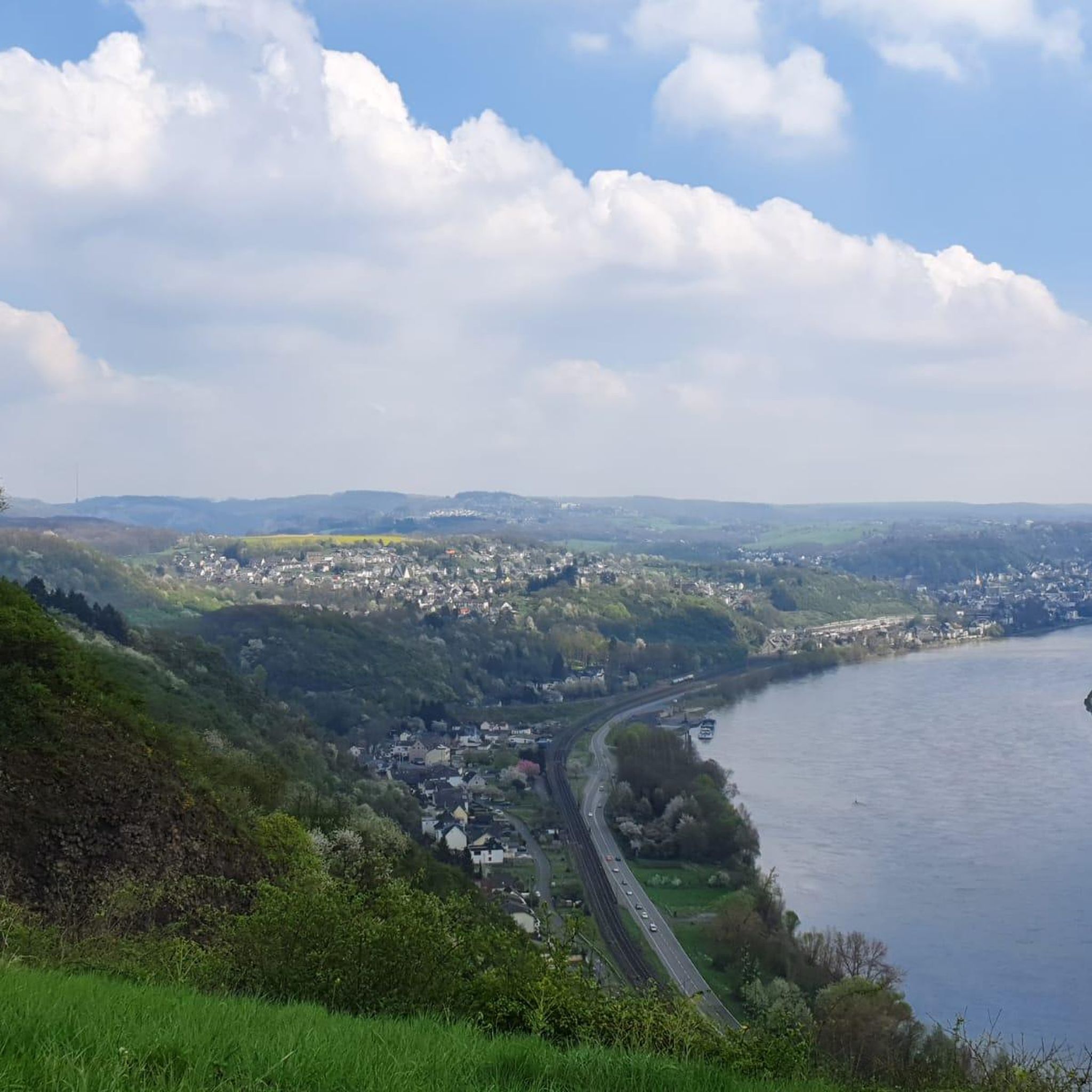
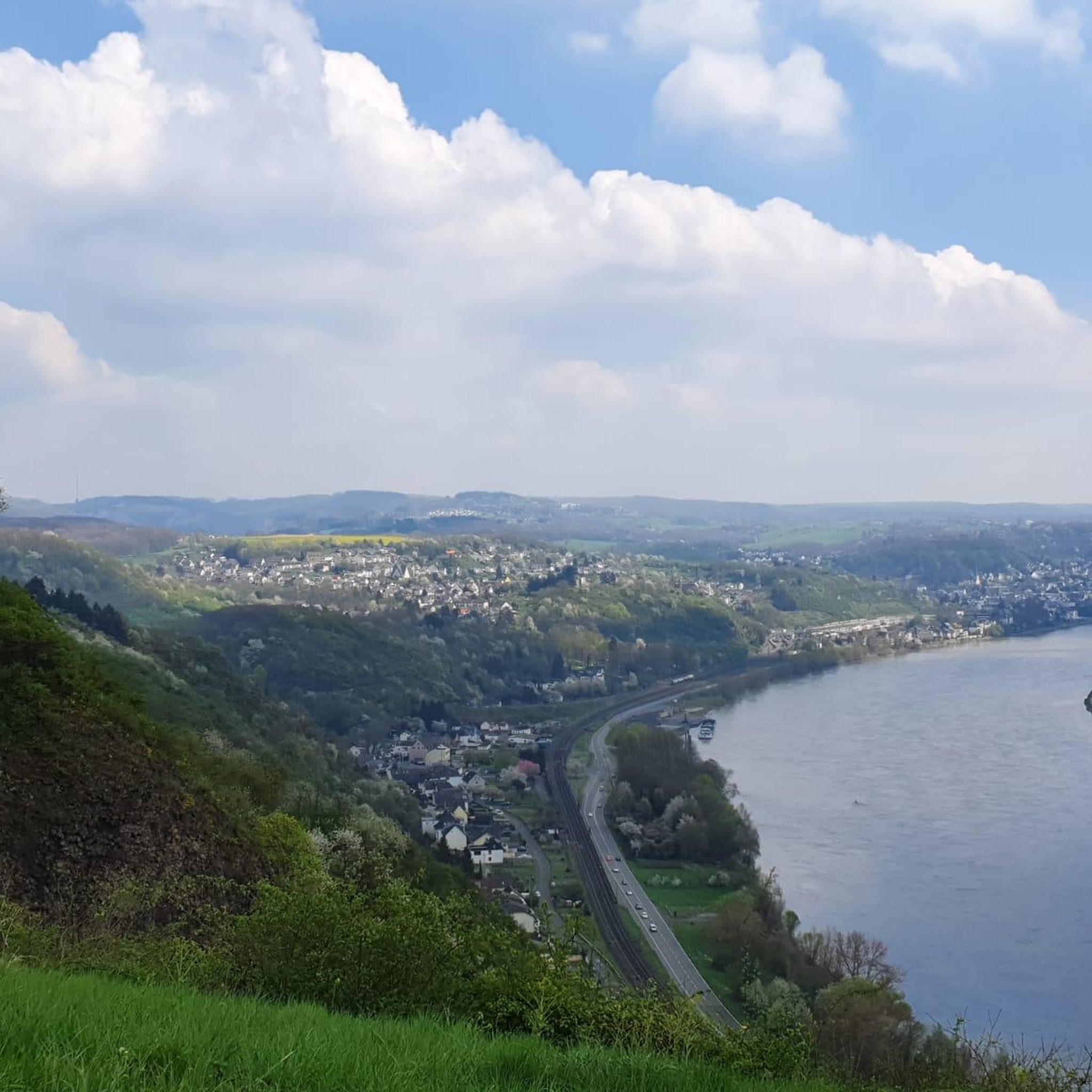
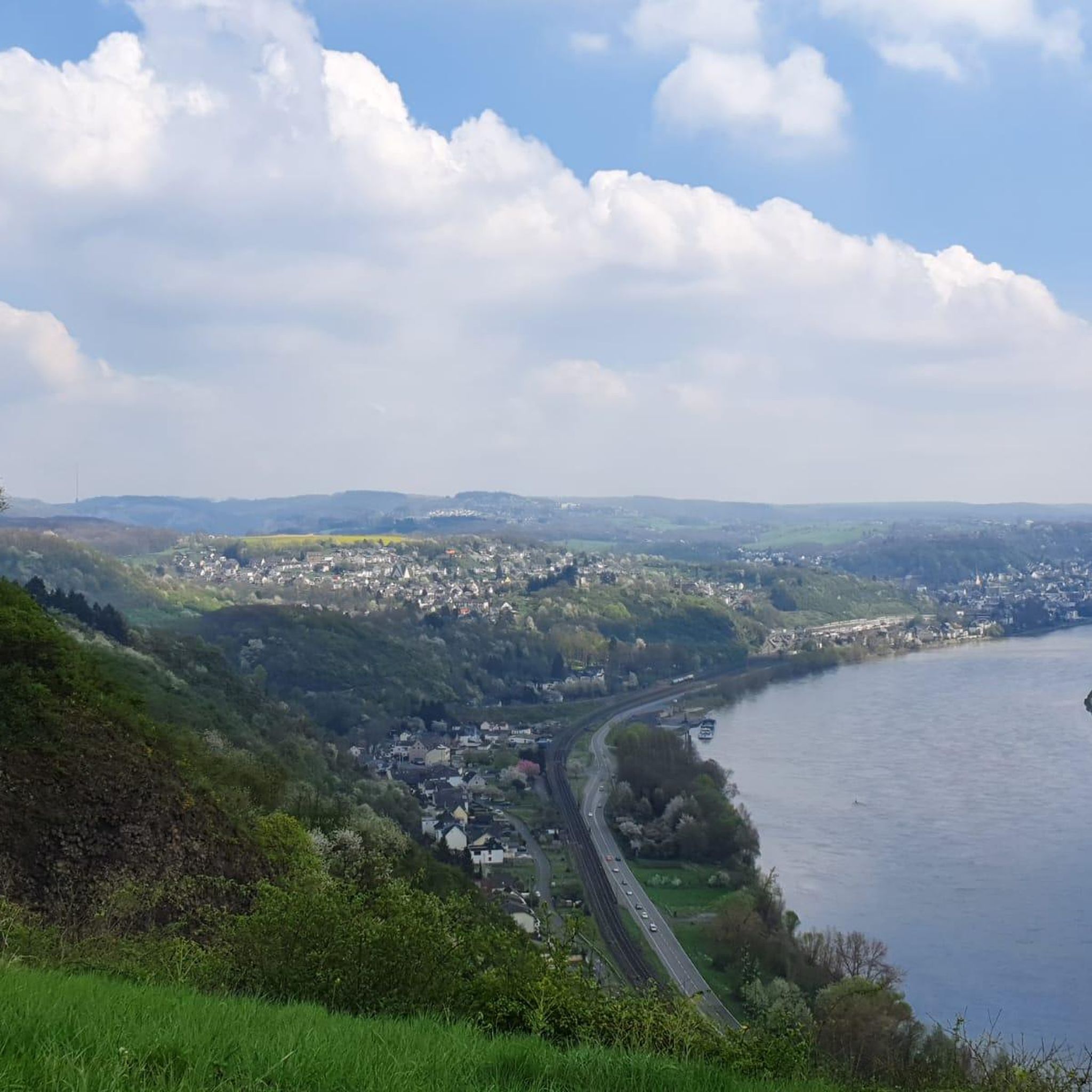
A little below the Plateau you will pass this vantage point of Drachenburg Castle on the way. The view of the (almost kitschy) castle with the Rhine and the Bonn skyline in the background is great. Photos from the small platform almost automatically have postcard quality.
18
0

Climbing on the Stenzelberg has been expressly forbidden since June 2005. Previously, the Rhein-Sieg district had tolerated climbing, although the Stenzelberg, like the entire Siebengebirge, had been designated as a nature reserve (NSG) since 1920. The climbing ban became necessary due to the new nature reserve ordinance in the course of the recognition of the Siebengebirge as FFH area 5309-301 (Fauna-Flora-Habitat) of the European Union. In particular, the occurrence of the wall lizard was concerned and egg-laying sites at the foothills of the fields were destroyed. Despite the ban, climbing continued illegally after 2005. The path to the rocks was therefore closed by the forestry department.
13
0

The Stenzelberg is geologically a spring dome from the volcanic rock Latit. The rising magma did not reach the earth's surface here, but got stuck in the surrounding tuff cover rock. The softer tuff was later eroded away, exposing the harder latite. The Stenzelberg has been used as a quarry since the 11th century, in which quartz latite rock was mined. The Heisterbach Abbey also operated a quarry on the Stenzelberg. The quarried material was also used to build the monastery buildings and the abbey church. Furthermore, rock from the Stenzelberg was used for the Propsteikirche in Oberpleis, the Nikolauskapelle in Heisterbacherrott and the Bonn Minster, and later also for the churches in Niederdollendorf, in Oberdollendorf and in Asbach. The operation of the quarry ended in 1931. Source: https://www.kuladig.de/Objectansicht/O-FJK-20100630-0032
13
0

The Stenzlberg offers rugged rocks, exciting views, history and beautiful narrow paths.
14
0

A bizarre rocky landscape in the Siebengebirge.
13
0
Has its appeal even in fog.
13
0

The Stenzelberg has retained its attractiveness even after stone quarrying ended. Stones have not been quarried since 1931. Due to its picturesque rocky landscape, the Stenzelberg is still a popular destination for many hikes. In addition, the 287-meter-high summit offers habitat for animals such as smooth snakes and wall lizards. For this reason, it is kept free of shrub and tree growth.
15
2

The Stenzelberg is a 287 meter high mountain in the Siebengebirge and is located southwest of the Heisterbacherrott district of Königswinter near the Heisterbach monastery. Geologically, the Stenzelberg is a spring dome from the volcanic rock Latit, whereby the rising magma did not reach the earth's surface, but got stuck in the surrounding tuff cover rock. Erosion later eroded the softer tuff and exposed the harder latite. The Stenzelberg has been used as a quarry for quartz latite since the 11th century. The stone was used, among other things, for the Propsteikirche in Oberpleis, the Nikolauskapelle in Heisterbacherrott and the Bonn Minster, and later also for the churches in Niederdollendorf, Oberdollendorf and Asbach. Quarrying ended in 1931.[3] After the closure of the quarries, a characteristic landscape developed on the Stenzelberg, which offers the special flora and fauna of a dry biotope. (Info taken from https://de.wikipedia.org/wiki/Stenzelberg)
20
0
Frequently Asked Questions
What are the most significant natural monuments to explore in the Bruchhausen area?
The most prominent natural monument is the Bruchhauser Steine, recognized as North Rhine-Westphalia's first National Natural Monument and a National Geotope. These impressive rock formations, including the Bornstein, Goldstein, Ravenstein, and Feldstein, offer unique geological, ecological, and archaeological insights. Another notable site is the Stenzelberg Rock Formations, a mountain with unique geological features that was historically used as a quarry.
What kind of geological features can I expect to see among the natural monuments?
The natural monuments around Bruchhausen showcase ancient geological processes. The Bruchhauser Steine, for instance, were formed approximately 390 million years ago from submarine volcanic eruptions, composed of hard quartz porphyry. You can observe how weathering sculpted these striking rocks from softer surrounding layers. The Stenzelberg Rock Formations are another example, being a spring dome from volcanic rock where erosion exposed harder latite after softer tuff was removed.
Are there any historical or cultural sites integrated with the natural monuments?
Yes, many natural monuments in the region have significant historical and cultural ties. The Bruchhauser Steine served as corner bastions of a rampart, possibly a place of worship, used until the early Middle Ages. Archaeological findings suggest prehistoric settlement traces and the remains of a vast Iron Age fortress. Additionally, the Drachenfels Castle Ruins offer a historical site with views from 321 meters altitude, accessible via several paths or a cog railway.
What outdoor activities can I do near the natural monuments around Bruchhausen?
The area around Bruchhausen is excellent for various outdoor activities. You can find numerous routes for hiking, cycling, and running. For instance, there are easy to moderate hiking routes like the 'Haanhof Estate – St. Marienberg Mining Memorial loop' near Bruchhausen. Cyclists can explore routes such as the 'Ludendorff Bridge, Remagen – Rhine River in Remagen loop'. You can find more details and routes on the Hiking around Bruchhausen, Cycling around Bruchhausen, and Running Trails around Bruchhausen guide pages.
Are there family-friendly natural monuments or activities in the area?
Yes, the natural monuments around Bruchhausen offer options for families. The Bruchhauser Steine site includes a visitors' center with amenities and a playground for children, and themed trails are suitable for family exploration. The View of the Seven Hills (Siebengebirge) from Petersberg is also listed as family-friendly, offering great views and a chance to learn about the area's history.
What kind of views can I expect from the natural monuments?
Many natural monuments in the region offer breathtaking panoramic views. From the Feldstein, one of the Bruchhauser Steine, you can climb to its summit cross for extensive views of the Hochsauerland region, and on clear days, even as far as the Teutoburg Forest and Münsterland. The View of Drachenburg Castle provides panoramas of Drachenburg Castle and the Rhine Valley, with Bonn as a backdrop, and on clear days, you might even spot the Cologne skyline.
What makes the Bruchhauser Steine ecologically important?
The Bruchhauser Steine area is a vital nature reserve. It hosts rare arctic-alpine plants, known as 'relict species' from the Ice Age, that have survived under extreme climatic conditions. It also serves as a crucial breeding ground for rare bird species like peregrine falcons and eagle owls, making it a significant site for biodiversity.
What do visitors enjoy most about the natural monuments around Bruchhausen?
Visitors frequently praise the stunning views and the historical significance of the sites. For example, the Drachenfels Castle Ruins are appreciated for their great views after a climb, and the View of Drachenburg Castle is loved for its beautiful panorama of the castle and the Rhine Valley. The unique geological formations and the opportunity to explore ancient history also receive high acclaim.
Are there any natural monuments that are particularly good for photography?
Absolutely. The rugged rocks and picturesque landscapes of the Stenzelberg Rock Formations make it a popular spot for photography. The panoramic views from the Feldstein at Bruchhauser Steine, or the vistas of Drachenburg Castle and the Rhine Valley from the View of Drachenburg Castle, also offer excellent opportunities for capturing memorable shots.
Can I find information about the history and geology of the Bruchhauser Steine on-site?
Yes, the Bruchhauser Steine site features an information center that provides detailed insights into their 380-million-year history. You can also explore themed trails, including a nature experience path and geological and archaeological paths, which offer information boards and 3D dioramas to enhance your understanding of the area's significance.
What is the best time of year to visit the natural monuments around Bruchhausen?
While the natural monuments offer beauty year-round, spring and autumn are particularly pleasant for hiking and exploring due to milder temperatures and vibrant foliage. Winter can also be a unique experience, especially for the Bruchhauser Steine, where the landscape takes on a different charm, though some paths might be more challenging. Always check local conditions before your visit.
Are there any specific trails or paths recommended for exploring the Bruchhauser Steine?
The Bruchhauser Steine offer various themed trails, including a nature experience path and dedicated geological and archaeological paths. These trails are designed to guide visitors through the site, providing information boards and 3D dioramas to explain the unique features and history of the rocks. The climb up the Feldstein is also a popular option for its panoramic views.
Most popular routes around Bruchhausen
Most popular attractions around Bruchhausen

Get inspired with the komoot mobile app


Explore more
Extend your search for the best caves by checking out these guides of the top ones around Bruchhausen:
