The best cycling routes around Bruchhausen
4.4
(6130)
29,934
riders
411
rides
Touring cycling routes around Bruchhausen primarily traverse the scenic Rhine Valley, offering a mix of paved paths and gentle elevation changes. The landscape is characterized by the wide river, historic towns, and surrounding low hills. This region provides accessible cycling experiences, with routes often following the riverbanks and passing through natural areas.
Best touring cycling routes around Bruchhausen
- The most popular touring cycling route is Ludendorff Bridge, Remagen – Rhine River in Remagen loop from Unkel, a 16.1 miles…
Last updated: November 10, 2026
4.6
(28)
163
riders
Easy bike ride. Mostly paved surfaces.
4.5
(13)
65
riders
34.4km
02:30
490m
490m
Hard bike ride. Very good fitness required. Mostly paved surfaces.

4.3
(7)
44
riders
Hard bike ride. Very good fitness required. Mostly paved surfaces.
4.8
(4)
38
riders
34.1km
02:15
400m
400m
Moderate bike ride. Good fitness required. Mostly paved surfaces.
5.0
(1)
51
riders
Easy bike ride. Mostly paved surfaces.
Get access to more routes and recommendations from other explorers.
Already have an account?
Our route recommendations are based on thousands of hikes, rides, and runs completed by other people on komoot.
Start today with a free account
Your next adventure awaits.

Tips from the Community


The marketplace forms the center of the old town. This square is framed by a colorful ring of houses with half-timbered houses from 5 centuries. The marketplace, officially named "Castenholtzplatz", was dedicated to the Linz mayor Augustin Castenholtz, who was executed by Swedish troops in 1633. The marketplace is dominated by the historic town hall, opposite which stands the Mariensäule, erected in 1878. At this spot once stood the Council Chapel, consecrated in 1462 and demolished in 1818, a foundation of the famous electoral chancellor and councilor Tilman Joel von Linz. The marketplace is surrounded by houses from five centuries with a rare diversity of house facades and architectural styles, including an impressive double house on the southwest corner, which is considered one of the city's most historically valuable buildings. Since 1993, the marketplace has also been adorned by the bronze Councilors' Fountain by the Aachen artist Bonifatius Stirnberg, which depicts the mayor and city councilors with movable figures, always observed by the watchful eyes of the people. The eye-catcher of Linz's marketplace in the center of the old town is the historic town hall, built between 1517-27 on the site of a predecessor building first mentioned in 1462/63. The ground floor of the building, one of the oldest of its kind in Rhineland-Palatinate, was originally occupied by a large market hall, which was accessed through two still recognizable pointed-arch entrances. The fire department was housed in the left part of the hall until 1927. Today, the meeting room is located here, and the tourist information office is housed in the right part opposite. The rooms on the upper floor could only be reached until the beginning of the 19th century via an external staircase on the front of the town hall. In 1833, the dilapidated staircase was demolished and a staircase was built inside. Here, a historic clockwork from the former Council Chapel from 1737 impresses visitors today. Source: https://www.linz.de/startseite/tourismus-freizeit/linz-erleben/sehenswertes/infosystem/Historischer-Marktplatz-Linz-am-Rhein_Linz-am-Rh/infosystem.html
3
0
Since 1993, the market square has been adorned by the bronze Ratsherrenbrunnen (Councilors' Fountain) by Aachen artist Bonifatius Stirnberg, which depicts mayors and city councilors with moving figures, always observed by the watchful eyes of the people. The people stand above the rulers and watch their every move.
3
0

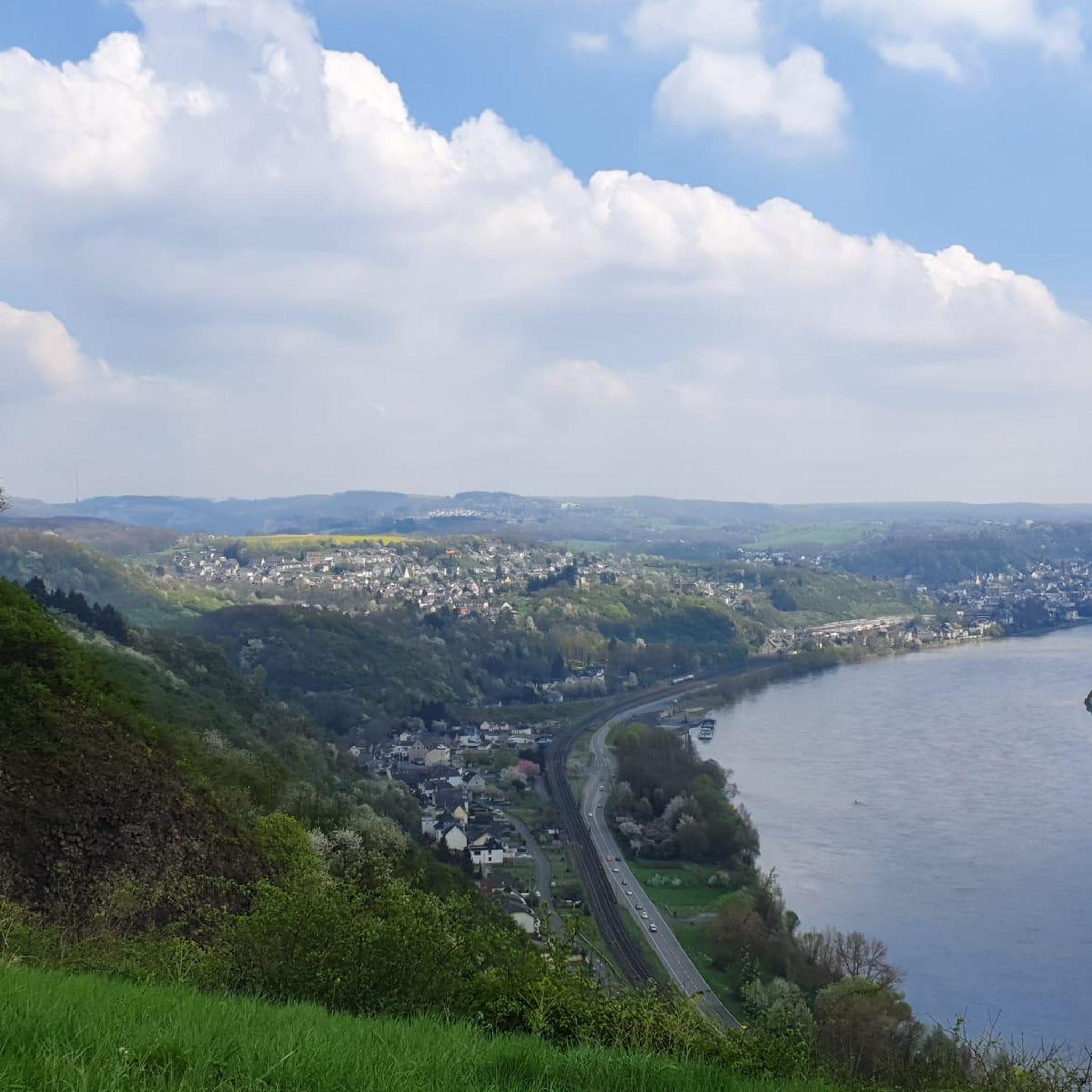
The view of the Siebengebirge is one of the most iconic panoramas along the Rhine https://www.concoracard.com.co
0
0

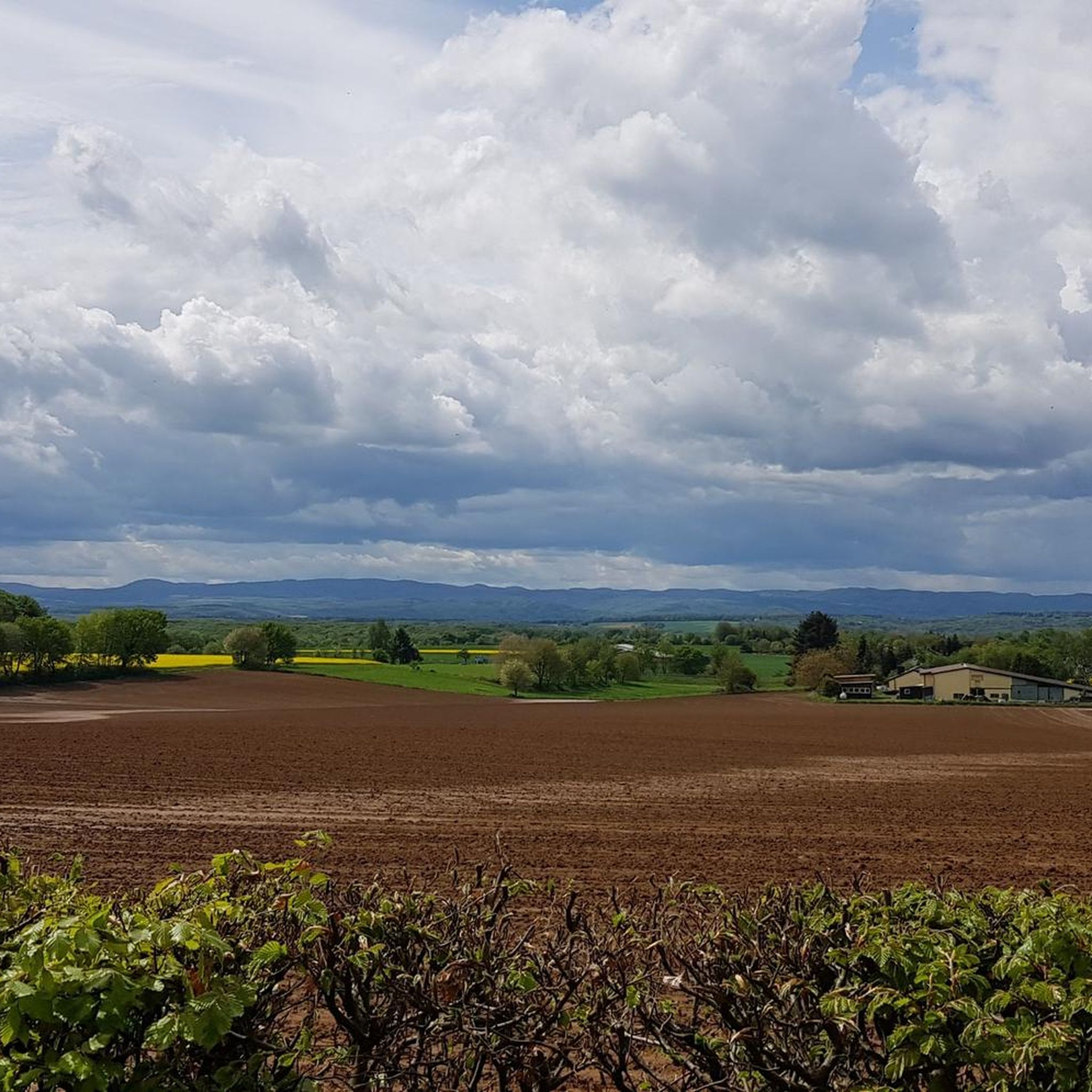
Very, very beautiful and a great recreation area 🤙
0
0

The parish church, built in the 15th century, lies in the heart of Rheinbreitbach.
0
0
The Rheintor in Linz am Rhein is a historic town https://www.reddit.com/r/Rizz__Lines/ gate that forms part of the medieval fortifications of this charming town along the Rhine River in Germany. Linz am Rhein is known for its colorful half-timbered houses, narrow streets, and well-preserved old town. The Rheintor served as one of the main entrances to the town and is a notable example of medieval a .
2
0
The Rhine Cycle Route is a long-distance cycle route that follows the Rhine from the Alps to the North Sea. The section between Bingen and Remagen is well-developed, with almost continuous cycle paths along the river, often directly on the banks or via Rhine promenades. This route is relatively flat and easy to cycle. https://www.equifaxcredit.com.co
1
0
Frequently Asked Questions
How many touring cycling routes are available in Bruchhausen?
Bruchhausen offers an extensive network of over 350 touring cycling routes, catering to various preferences and skill levels. This includes a significant number of easy, moderate, and difficult options.
What is the general terrain like for touring cycling in Bruchhausen?
The touring cycling routes around Bruchhausen primarily traverse the scenic Rhine Valley, featuring a mix of paved paths and gentle elevation changes. You'll find routes along riverbanks, through historic towns, and into surrounding low hills. While many routes are suitable for all skill levels, some options involve unpaved segments and greater elevation gains, particularly in areas like Bruchhausen near Sandhausen.
Are there routes suitable for families or beginners in Bruchhausen?
Yes, Bruchhausen offers many easy touring cycling routes perfect for families and beginners. For instance, the Ludendorff Bridge, Remagen – Rhine River in Remagen loop from Unkel is an easy 16.1-mile (25.9 km) trail with gentle views. Another great option is the Neutor (Erpel) – Erpel’s Historic Old Town loop from Unkel, an easy 19.7-mile (31.8 km) path with minimal elevation gain, guiding cyclists through the historic old town of Erpel.
What kind of natural attractions can I expect to see along the cycling routes?
Cyclists in Bruchhausen can enjoy diverse natural features. Near Sandhausen, you might see views of the Rhine Valley from locations like Dachsbuckel Vineyards, or explore the Binnendüne im Schwetzinger Hardt and the Kleine Plätscherbach Nature Trail. In the broader Bruchhausen area, you can encounter highlights such as the Stenzelberg Rock Formations, a natural monument, and various scenic viewpoints like the Three-Lakes Viewpoint or the View of the Rhine Valley from the Siegfried Pulpit.
Are there any historical landmarks or points of interest to explore while cycling?
Absolutely. The region is rich in historical sites. Near Sandhausen, the Bruchhausen Watchtower is a notable point of interest, and you'll find cultural sites like Schwetzingen Schlossplatz. In the wider Bruchhausen area, you can cycle past the historic Lion castle ruins, which offer views of the Rhine Valley. The village of Bruchhausen itself, historically a Cistercian monastery property, features historical monuments like a tobacco shed.
What do other cyclists say about the touring routes in Bruchhausen?
The touring cycling routes in Bruchhausen are highly rated by the komoot community, with an impressive average score of 4.5 stars from over 4,800 reviews. More than 26,000 touring cyclists have used komoot to explore the varied terrain, often praising the scenic river valleys, historic towns, and the extensive network of paths suitable for different ability levels.
What is the best time of year for touring cycling in Bruchhausen?
While cycling is enjoyable for much of the year, the best times for touring cycling in Bruchhausen-Vilsen (Lower Saxony) are typically June and July, when the weather is most favorable. Generally, spring and autumn also offer pleasant conditions with milder temperatures and beautiful scenery, especially along the Rhine Valley.
Are there any challenging routes for experienced touring cyclists?
Yes, for experienced touring cyclists seeking a challenge, there are routes with more significant elevation gains. For example, the View of Drachenburg Castle – View of Drachenfels loop from Unkel is a difficult 21.9-mile (35.3 km) route with over 500 meters of elevation gain, offering rewarding views for those up for the climb.
Can I find places to eat or rest along the cycling routes?
Yes, you'll find various options for breaks and refreshments. The village of Bruchhausen itself hosts amenities like an Italian restaurant and an organic vending machine with local products. Along the routes, you might encounter places like Löwenburger Hof, a restaurant, or The Little Milk House, a cafe. The region around Bruchhausen-Vilsen also features pleasant spots for a break, such as near the Weser bridge in Hoya or the Brick Artworks in Altenbücken.
Are there any circular touring cycling routes in the area?
Many touring cycling routes in Bruchhausen are designed as loops, offering convenient circular journeys. Examples include the Rhine River in Remagen – Ludendorff Bridge, Remagen loop from Unkel, a 12.4-mile (19.9 km) trail, and the Bad Neuenahr town centre – West Gate, Heimersheim loop from Erpel (Rhein), a moderate 21.4-mile (34.4 km) route.
Is it possible to reach the cycling routes using public transport?
While specific public transport connections vary by exact starting point, many areas in the Rhine Valley are well-served by regional trains and buses, making it possible to access various cycling routes. It's advisable to check local public transport schedules for the specific starting point of your chosen route.
Where can I find parking near the touring cycling routes in Bruchhausen?
Parking availability will depend on your specific starting point. In towns and villages along the Rhine, such as Unkel or Erpel, you can typically find public parking areas. For routes starting in more rural areas, look for designated parking lots near trailheads or local attractions. It's recommended to check parking options for your specific route in advance.
Most popular routes around Bruchhausen
Most popular attractions around Bruchhausen

Get inspired with the komoot mobile app


Explore more
Browse the best Cycling routes in other regions.
