Top 20 Natural Monuments in Steigerwald
Best natural monuments in Steigerwald are found within a diverse hill region in Northern Bavaria, Germany. This area is characterized by extensive deciduous and pine forests, numerous ponds, and vineyards. The Steigerwald Nature Park encompasses a variety of habitats, including ancient beech forests and lowland meadows, which support diverse plant and animal species. These natural features provide opportunities for hiking, nature observation, and experiencing Central European ecosystems.
Best natural monuments in Steigerwald
- The most popular natural monuments is Speckfeld Castle…
Last updated: September 26, 2026
Regnitz Confluence at Bischberg
Highlight (Segment) • River
Translated by Google •
Tip by

Schwanberg Castle Park
Highlight • Natural Monument
Translated by Google •
Tip by

Sign up now to discover places like this
Get recommendations on the best single tracks, peaks, & plenty of other exciting outdoor places.
Volkacher Mainschleife
Highlight • River
Translated by Google •
Tip by

Birkensee (Schwanberg)
Highlight • Lake
Translated by Google •
Tip by

Rose Garden at the New Residence, Bamberg
Highlight • Natural Monument
Translated by Google •
Tip by

Stollburg Ruins
Highlight • Castle
Translated by Google •
Tip by

Great Bishop's Pond
Highlight • Lake
Translated by Google •
Tip by

Speckfeld Castle — Tower Ruin
Highlight • Castle
Translated by Google •
Tip by

Zabelstein Castle Ruins
Highlight • Castle
Translated by Google •
Tip by

Handthaler Stollberg Vineyards
Highlight • Structure
Translated by Google •
Tip by
Sign up for free to discover even more natural monuments in Steigerwald.
Already have an account?
Start today with a free account
Your next adventure awaits.
Popular around Steigerwald
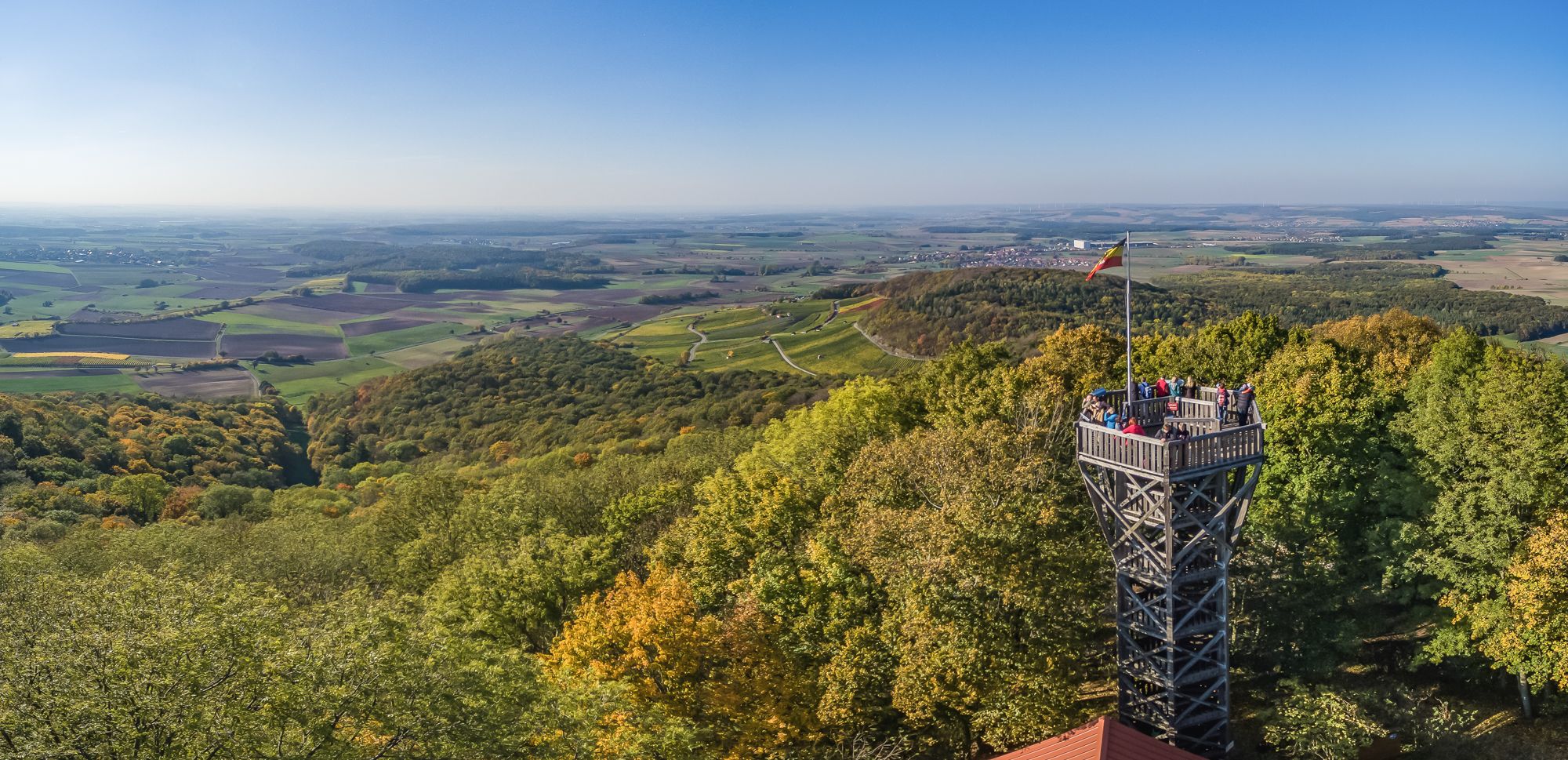
Steigerwald panorama trail — 9 days
Nuremberg to Erfurt – Discover the German countryside by bike
The National Natural Landscapes in Bavaria
Gravel meets rail – gravel rides in the greater Nuremberg area
From the metropolis to enjoyment – city hiking on the VGN
Nature, the outdoors and adventure – hiking through the VGN's nature parks
Hiking and culinary delights – walks in the Franconia wine region
Hiking through Bavaria's cultural landscapes
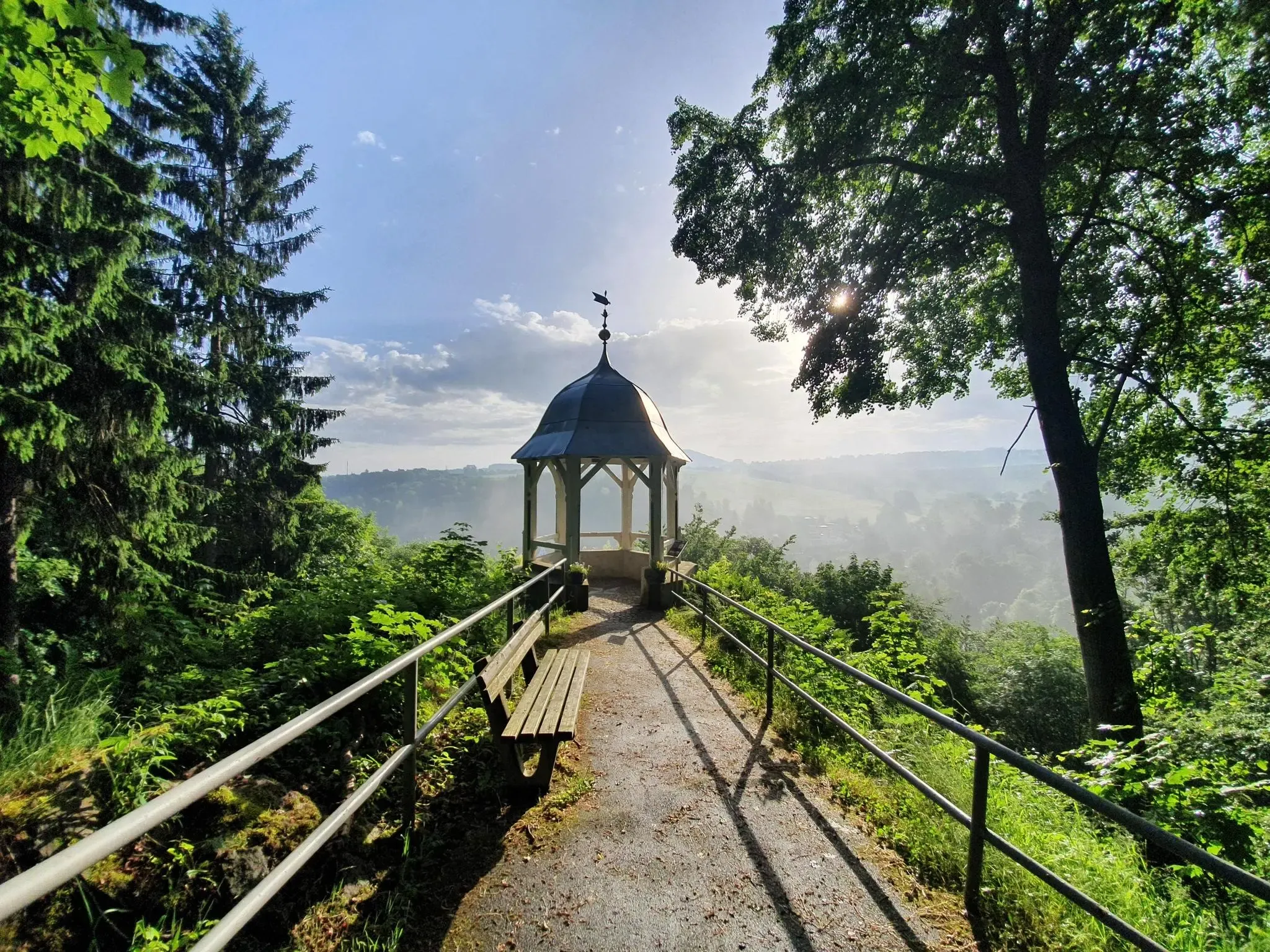
#GoFurther – discover the views of Germany!
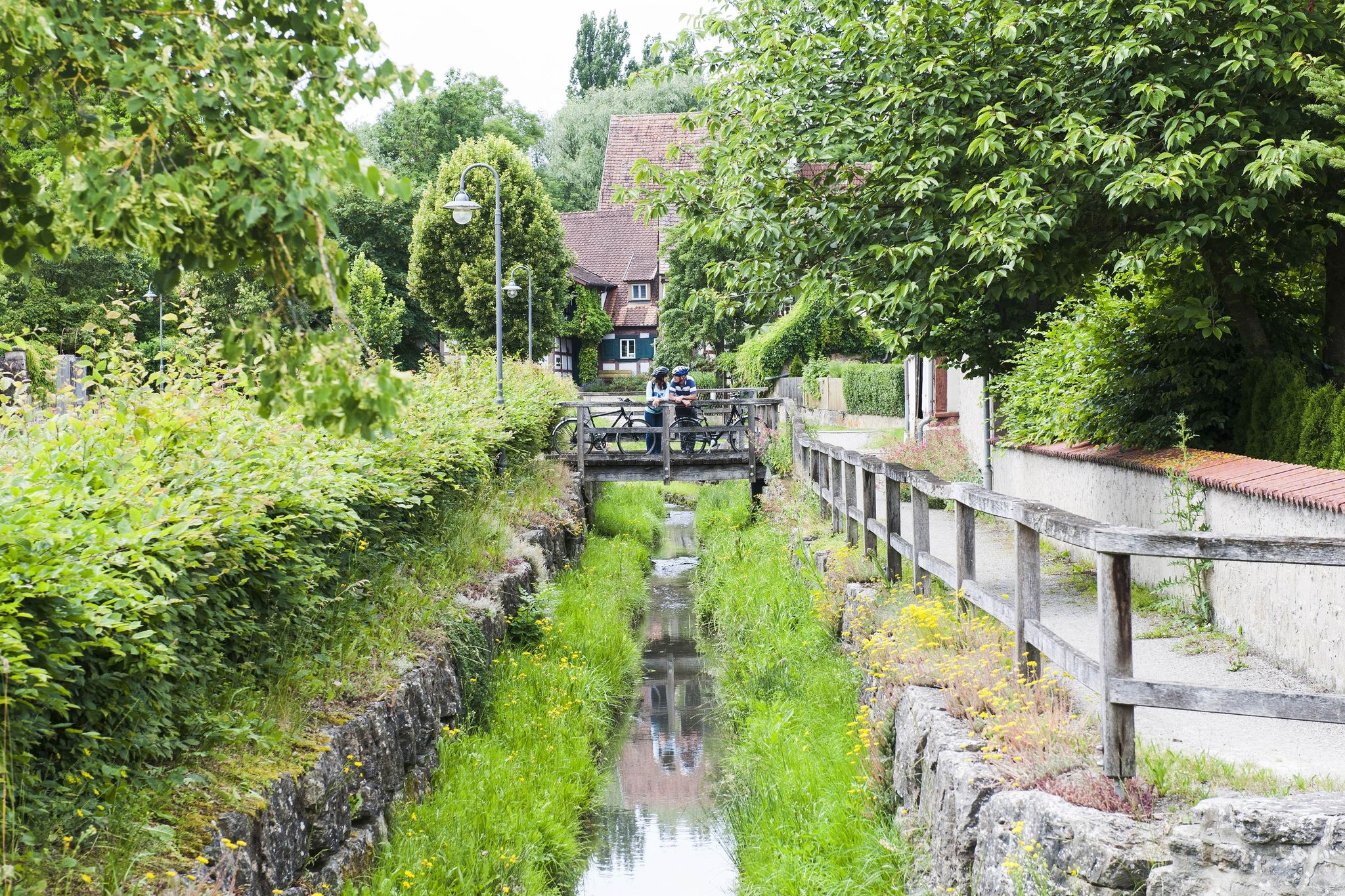
Fun, nature and culture – discover Franconia by bike
Other adventures in Steigerwald


Tips from the Community

Still 384 km to the confluence of the Main and the Rhine and the beginning of the canal leading to the Danube.
5
0

The Dechsendorfer Weiher (Großer Bischofsweiher) and the almost equally large Kleiner Bischofsweiher were created in the Middle Ages by the Bamberg bishops as carp ponds. Due to the large water surfaces and the immediate surroundings, both ponds are of great importance for species and biotope protection, especially for water birds. The Dechsendorfer Weiher are a popular destination for those seeking local recreation due to their proximity and closeness to nature. The pond is used as a bathing pond; however, use was restricted by the algae problem. The bathing ban is also announced locally and by clearly visible signs or signs at the bathing area. The fields to the west of the ponds are in the Sandachse Franken nature conservation project and the forest areas of the Markwald directly adjacent to the east are protected forest. The entire area is a landscape conservation area. The Dechsendorfer Weiher was previously flowed through by the Röttenbach. This has now been created as a new Röttenbach over a length of 1.6 km from the intermediate dam inlet area to the downstream area of the Dechsendorfer Weiher. A near-natural watercourse is intended to improve the previously moderate water structure and create new habitats for the ecological diversity of nature. The lack of passability of the Röttenbach was restored. In the new Röttenbach, nutrients, sediments and also fish from the catchment area of the Dechsendorfer Weiher can be diverted around it into the downstream area of the pond. The pond is no longer in the main tributary but in the bypass and can therefore be managed in terms of the quality and quantity of the incoming water. With the targeted planting of aquatic plants, the pond was returned to a plant-dominated state. [ Source: https://erlangen.de/aktuelles/gewaesserschutz-dechsendorfer-weiher ]
0
0

The Zabelstein ruins are a wonderful place. The remains of the castle, the rest area with kiosk and the observation tower are inviting. A childhood memory!
13
0

There is a lot to see along the cycle path
4
0


The inner part of the park is designed in a strictly formal manner. A large avenue of linden trees runs through the entire length of the park as a central axis. A walk along the avenue is always an experience: In spring, walk under the delicate green of the awakening linden trees, in summer, enjoy the shady coolness under the roof of the avenue, in autumn, walk on the golden carpet of linden leaves and in winter, enjoy the bizarre crown shapes of the avenue trees. https://www.geistliches-zentrum-schwanberg.de/erleben/schlosspark/rundgang-schlosspark/
8
1

Fantastic 👍. It is absolutely worthwhile to drive down the vineyards by mountain bike from Sommerach via Escherndorf.
1
0

Beautiful lake for rest, hiking, BBQ and camping
0
0
Frequently Asked Questions
What are some of the most popular natural monuments in Steigerwald?
Visitors frequently enjoy the Speckfeld Castle — Tower Ruin, a historic site offering views from its wooded mountain cone, and the Buger Spitze (Confluence of the Regnitz Arms), a scenic river confluence. Another favorite is the Stollburg Ruins, known for its well-preserved ruins and panoramic views.
Are there family-friendly natural attractions in Steigerwald?
Yes, several natural monuments are suitable for families. The Great Bishop's Pond offers a lake with a beach and facilities, perfect for a relaxing day. The Volkacher Mainschleife is another family-friendly river viewpoint. Additionally, the Steigerwald Forest Treetop Path, located in the Ebrach Forest, is wheelchair-friendly and provides an accessible way to experience the forest canopy.
What kind of natural features can I expect to see in Steigerwald?
The Steigerwald is characterized by diverse natural features. You'll find extensive beech forests, particularly between the Zabelstein Mountains and Ebrach, along with oak forests, bogs, and lowland meadows. The region also features numerous small ponds, which are havens for birds and dragonflies. River confluences like the Buger Spitze and the meandering Volkacher Mainschleife are also prominent natural sights.
What historical sites are considered natural monuments in Steigerwald?
Many natural monuments in Steigerwald have significant historical connections. The Speckfeld Castle — Tower Ruin and Stollburg Ruins are notable castle ruins that offer historical insights alongside their natural settings. The Zabelstein Castle Ruins also provide a glimpse into the region's past, once considered an impregnable fortress.
Are there good viewpoints to enjoy the Steigerwald landscape?
Absolutely. The Stollburg Ruins and Speckfeld Castle — Tower Ruin both offer excellent panoramic views. From the Zabelstein Castle Ruins, you can enjoy magnificent vistas of the Franconian region. The Steigerwald Forest Treetop Path also features a 42-meter-high observation tower with expansive views across the landscape.
What outdoor activities can I do near the natural monuments in Steigerwald?
The Steigerwald Nature Park offers a wide range of outdoor activities. You can explore numerous hiking trails, including the quality-certified Steigerwald Panorama Tour. For cyclists, there are many road cycling routes, and mountain biking enthusiasts will find dedicated MTB Trails in Steigerwald. If you're interested in more challenging treks, consider the Mountain Hikes in Steigerwald.
Are there hiking trails near these natural monuments?
Yes, the Steigerwald is excellent for hiking. You can find various trails near the natural monuments. For example, the Speckfeld Castle — Tower Ruin is accessible via trails through the forest. For a broader selection of routes, explore the Mountain Hikes in Steigerwald guide, which includes routes like the 'Großer Bischofsweiher loop' near the Great Bishop's Pond.
What do visitors enjoy most about the natural monuments in Steigerwald?
Visitors particularly appreciate the serene beauty of the ancient beech forests and the diverse ecosystems. The unique perspective offered by the Steigerwald Forest Treetop Path is also a highlight. Many enjoy the combination of historical ruins with stunning natural viewpoints, such as those found at Stollburg Ruins, which offer a 'fabulous view' and a sense of history.
Is the Steigerwald Forest Treetop Path accessible for everyone?
Yes, the Steigerwald Forest Treetop Path in the Ebrach Forest is designed to be accessible. Its gently ascending paths make it wheelchair-friendly, allowing visitors of all mobilities to experience the forest canopy and enjoy the views from the observation tower.
What is the best time of year to visit the natural monuments in Steigerwald?
The Steigerwald offers beauty throughout the year. Spring and autumn are particularly popular for hiking, as the deciduous forests display vibrant colors. Spring brings fresh greenery and blooming flora, while autumn transforms the beech forests into a spectacle of reds and golds. Summer is ideal for enjoying the lakes and ponds, and even winter can offer serene, snow-covered landscapes for those who enjoy quiet walks.
Are there any natural monuments related to water in the Steigerwald?
Yes, the Steigerwald features several water-related natural monuments. The Buger Spitze (Confluence of the Regnitz Arms) is a significant river confluence. The Volkacher Mainschleife showcases a beautiful river bend. Additionally, the Great Bishop's Pond and Small Bishop's Pond are tranquil lakes nestled within the natural landscape.
Most popular routes in Steigerwald
Most popular attractions in Steigerwald

Get inspired with the komoot mobile app


Explore more
Extend your search for the best caves by checking out these guides of the top ones in Steigerwald:
