Lsg Innerhalb Des Naturparks Steigerwald (Ehemals Schutzzone)
Lsg Innerhalb Des Naturparks Steigerwald (Ehemals Schutzzone)
Top 3 Caves in Lsg Innerhalb Des Naturparks Steigerwald (Ehemals Schutzzone)
Caves in Lsg Innerhalb Des Naturparks Steigerwald (Ehemals Schutzzone) are primarily characterized by natural underground formations within a landscape known for extensive forests, meadows, and vineyards. The geology of the Steigerwald, part of the Franconian Keuper Uplands, features some natural grottoes and former quarry sites. While the region does not host major visitor-accessible show caves with developed infrastructure, it offers various points of interest that include cave-like structures or historical underground elements. These sites provide insights into the area's natural features and historical uses.
Best caves in Lsg Innerhalb Des Naturparks Steigerwald (Ehemals Schutzzone)
- The most popular caves is Hohenlandsberg Castle Ruins, a castle that includes accessible casemates and a tunnel. This site features the remnants of a 13th-century castle, with foundation walls and entrances to underground casemates available for exploration.
- Another must-see spot is Külsheim Stone Cave, an other man-made structure offering a rewarding view over vineyards. Visitors can expect a shelter-like formation providing a break point with panoramic views towards Bad Windsheim.
- Visitors also love Mariengrotte Frankfurt, a religious building also known as the Lourdes Grotto. This grotto, built in 1959 on the site of a former quarry, serves as a point of interest.
- Lsg Innerhalb Des Naturparks Steigerwald (Ehemals Schutzzone) is known for natural grottoes, historical casemates, and former quarry sites. These features offer a variety of underground elements to observe and explore within the region's natural and historical context.
- The caves in Lsg Innerhalb Des Naturparks Steigerwald (Ehemals Schutzzone) are appreciated by the komoot community, with highlights receiving more than 470 upvotes and over 750 photos shared.
Last updated: May 14, 2026
Hohenlandsberg Castle Ruins
Highlight • Castle
is absolutely one of my favorites
more information at: osingverein.de/hohenland.html
Translated by Google •
Tip by

Külsheim Stone Cave
Highlight • Structure
Look up the hill and to the left. Otherwise you can easily overlook the "cave" 😉.
Translated by Google •
Tip by

Sign up now to discover places like this
Get recommendations on the best single tracks, peaks, & plenty of other exciting outdoor places.
Sign up for free
Höllern Gypsum Cave
Highlight • Cave
The cave system is winter quarters for bats. The cave is unfortunately not open to the public. The gypsum hills of the “Seven Humps” line the edges of a railing channel that has broken into the subsurface. Relics of post-glacial Steppenheide flora grow here with the characteristic feather grasses. In April and May, the golden yellow flowers of the spring adonis bloom. Further beautiful flowering phases extend well into September, when the lime asters with their blue-purple tongue and yellow tubular flowers woo attention. The intermediate and border areas are extensively mowed or grazed, here
will continue to develop lean grasslands in the future.
Translated by Google •
Tip by

Mariengrotte Frankfurt
Highlight • Religious Site
The ground on which the grotto was built used to be a quarry.
Translated by Google •
Tip by

Grotto viewpoint on the southern side of Schwanberg
Highlight • Viewpoint
Translated by Google •
Tip by

Sign up for free to discover even more caves in Lsg Innerhalb Des Naturparks Steigerwald (Ehemals Schutzzone).
Sign up for free
Already have an account?
Start today with a free account
Your next adventure awaits.
Login or Signup
Popular around Lsg Innerhalb Des Naturparks Steigerwald (Ehemals Schutzzone)
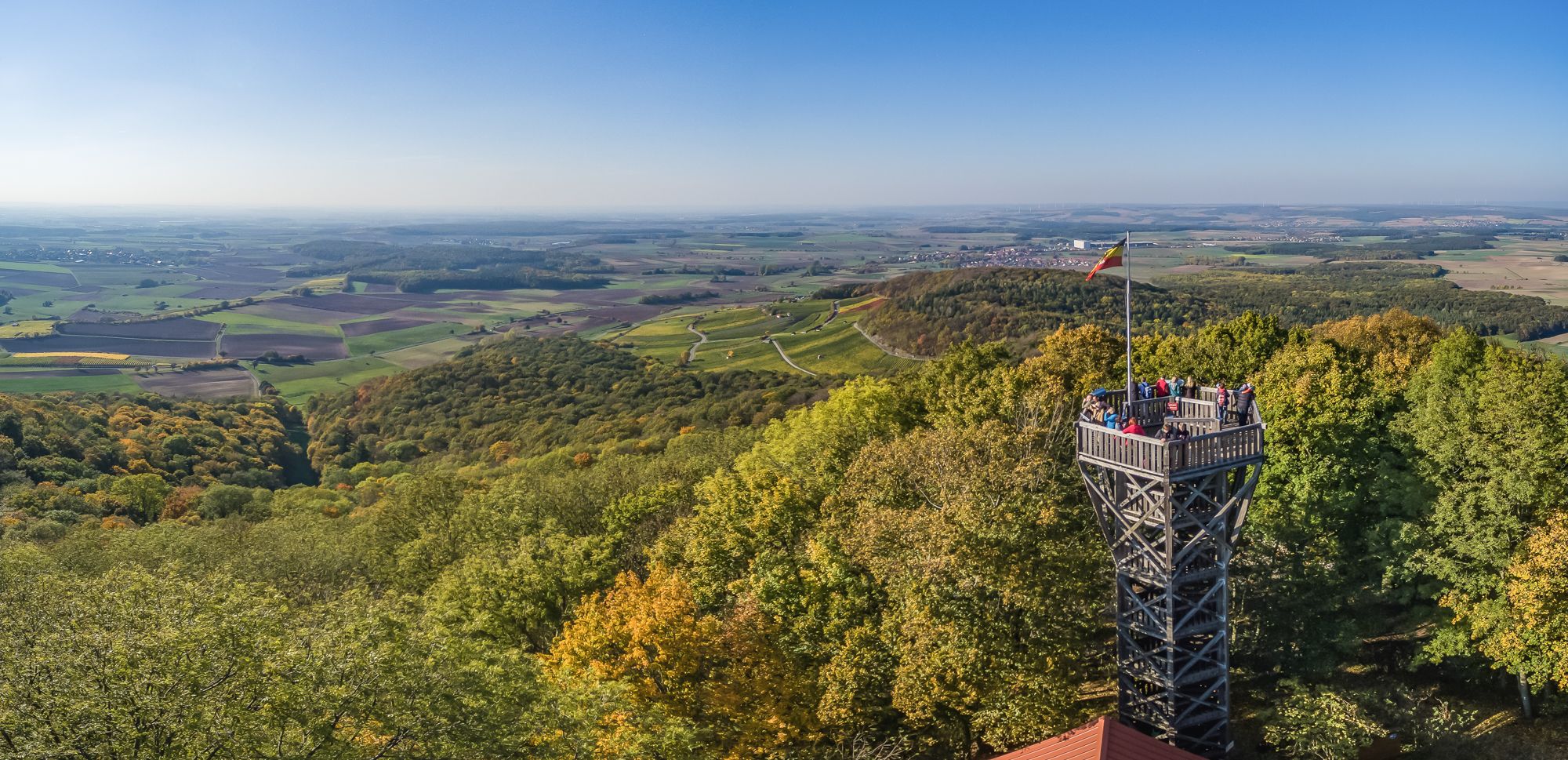
Steigerwald panorama trail — 9 days
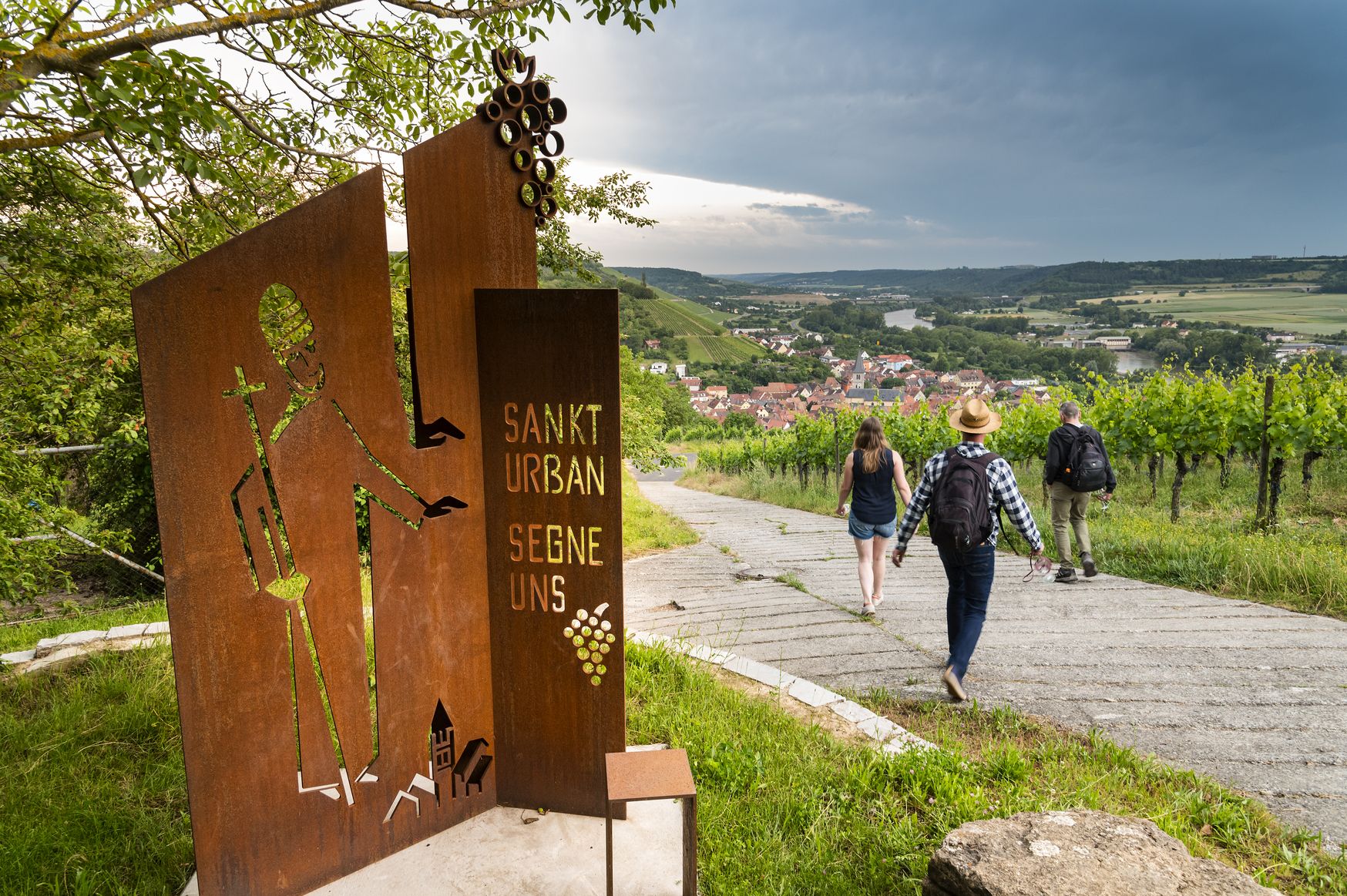
Hiking and culinary delights – walks in the Franconia wine region
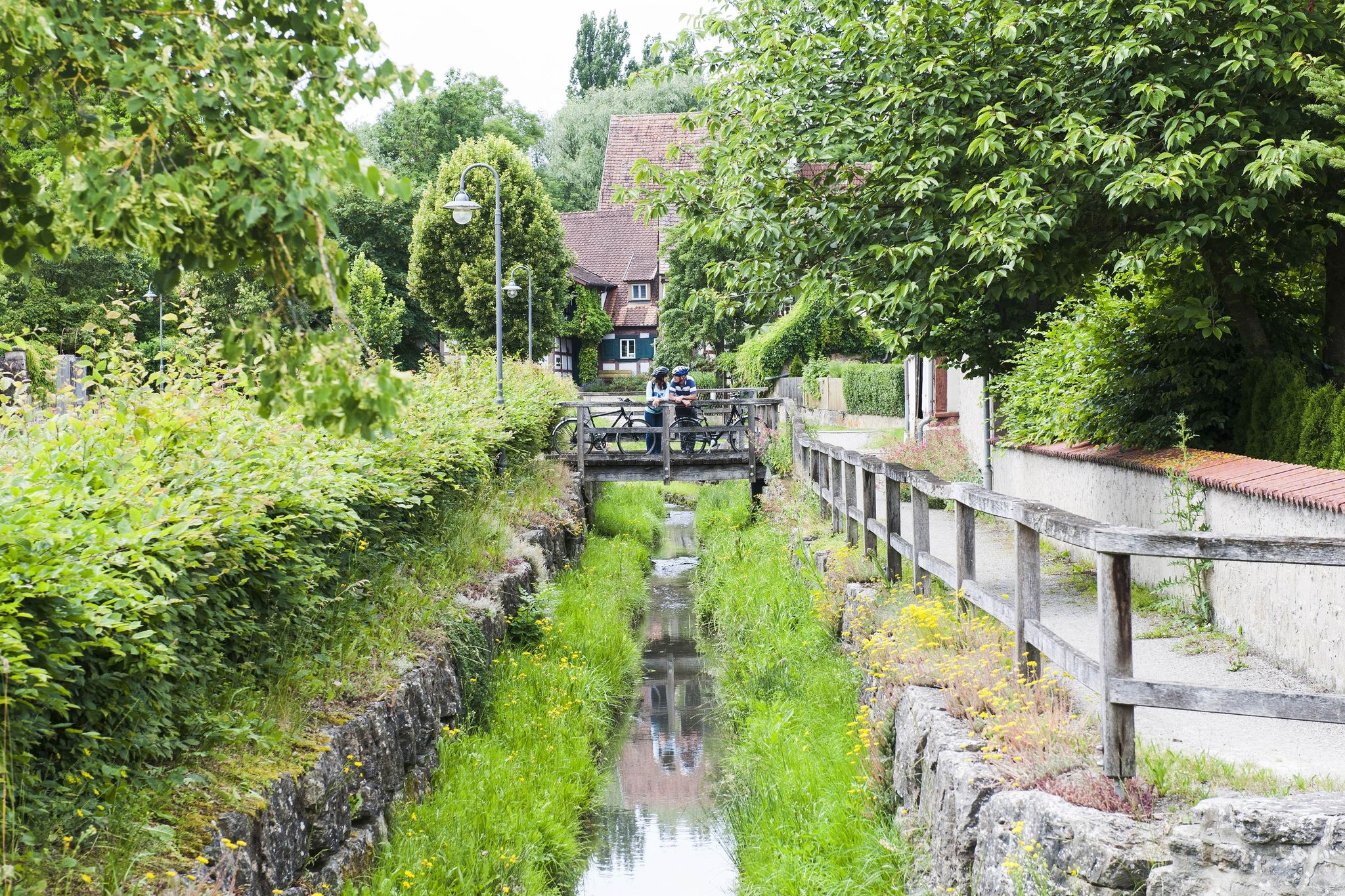
Fun, nature and culture – discover Franconia by bike
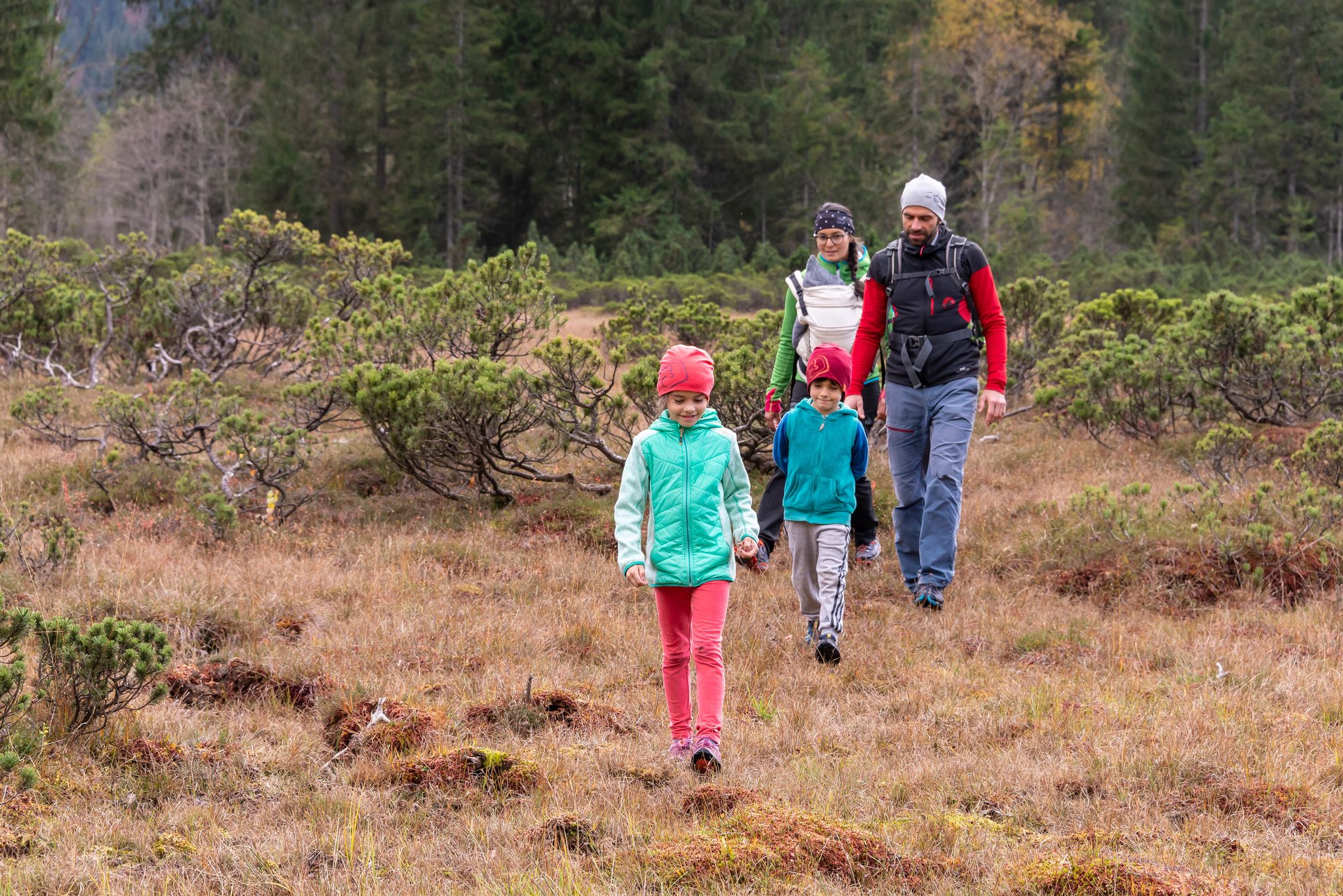
No time for boredom – family hikes with a fun factor in Bayern
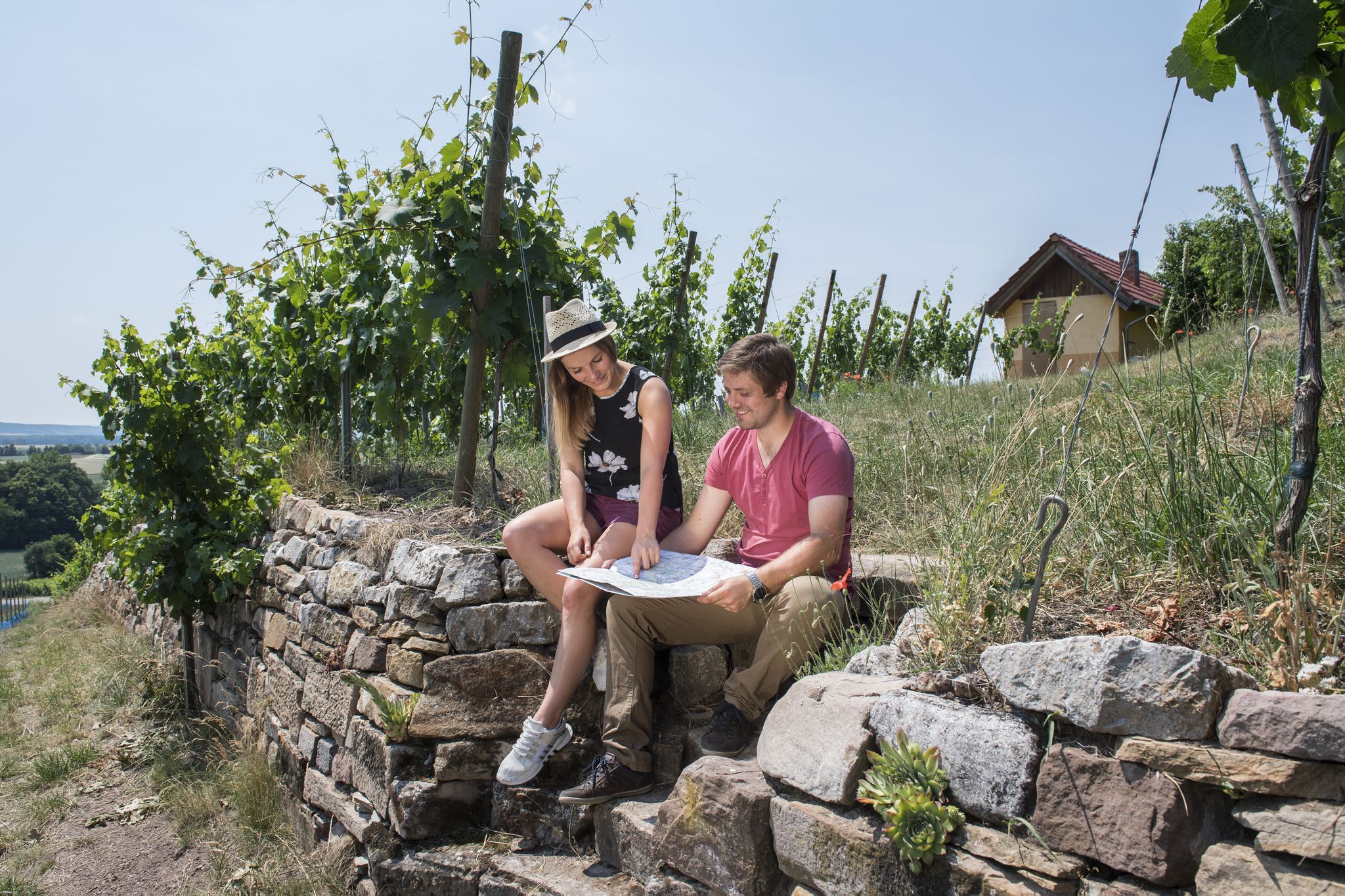
Vineyards, historic towns & forests – hiking through Schweinfurt in Bavaria
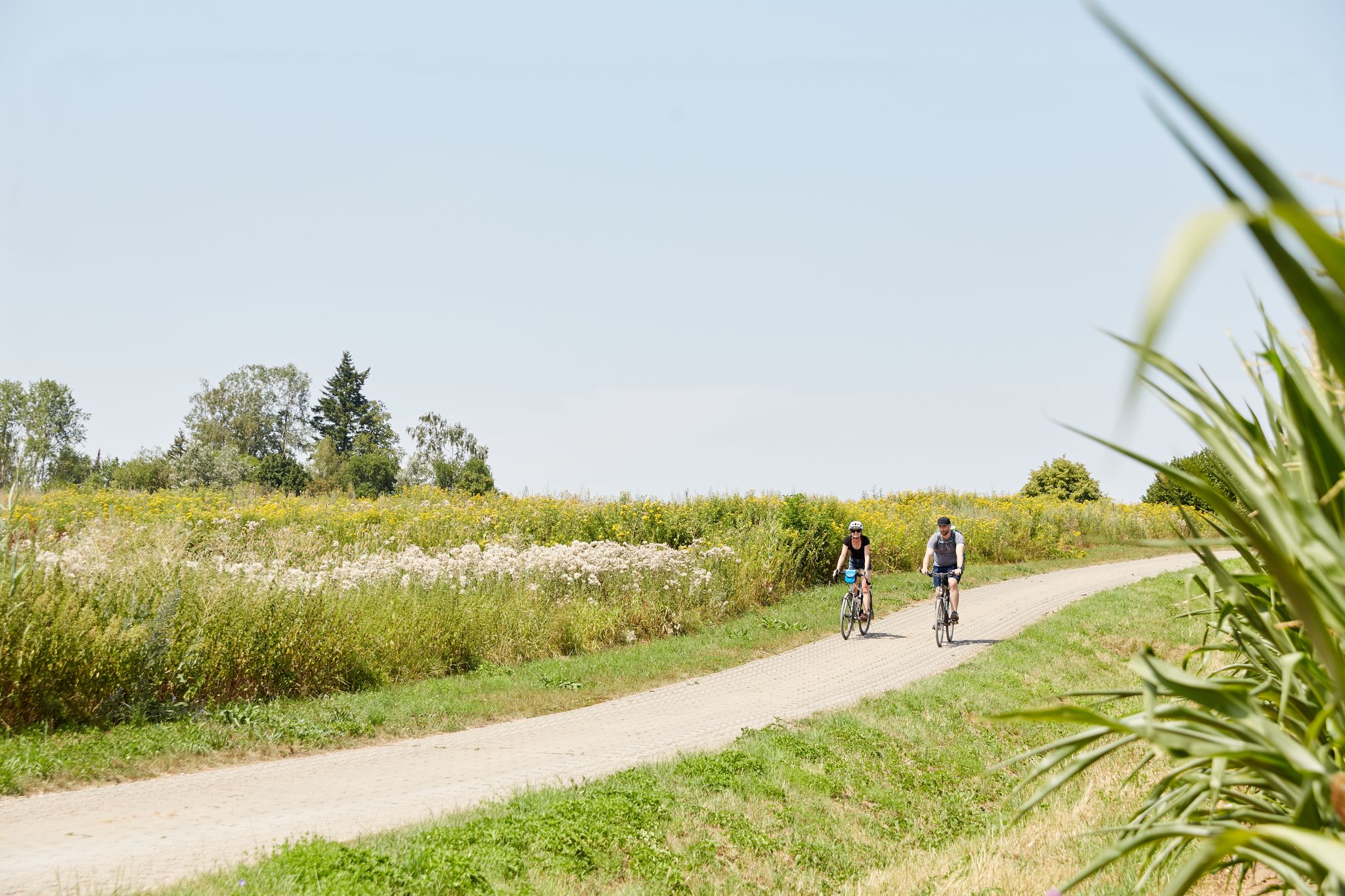
VGN presents 8 cycling day trips around Nuremberg
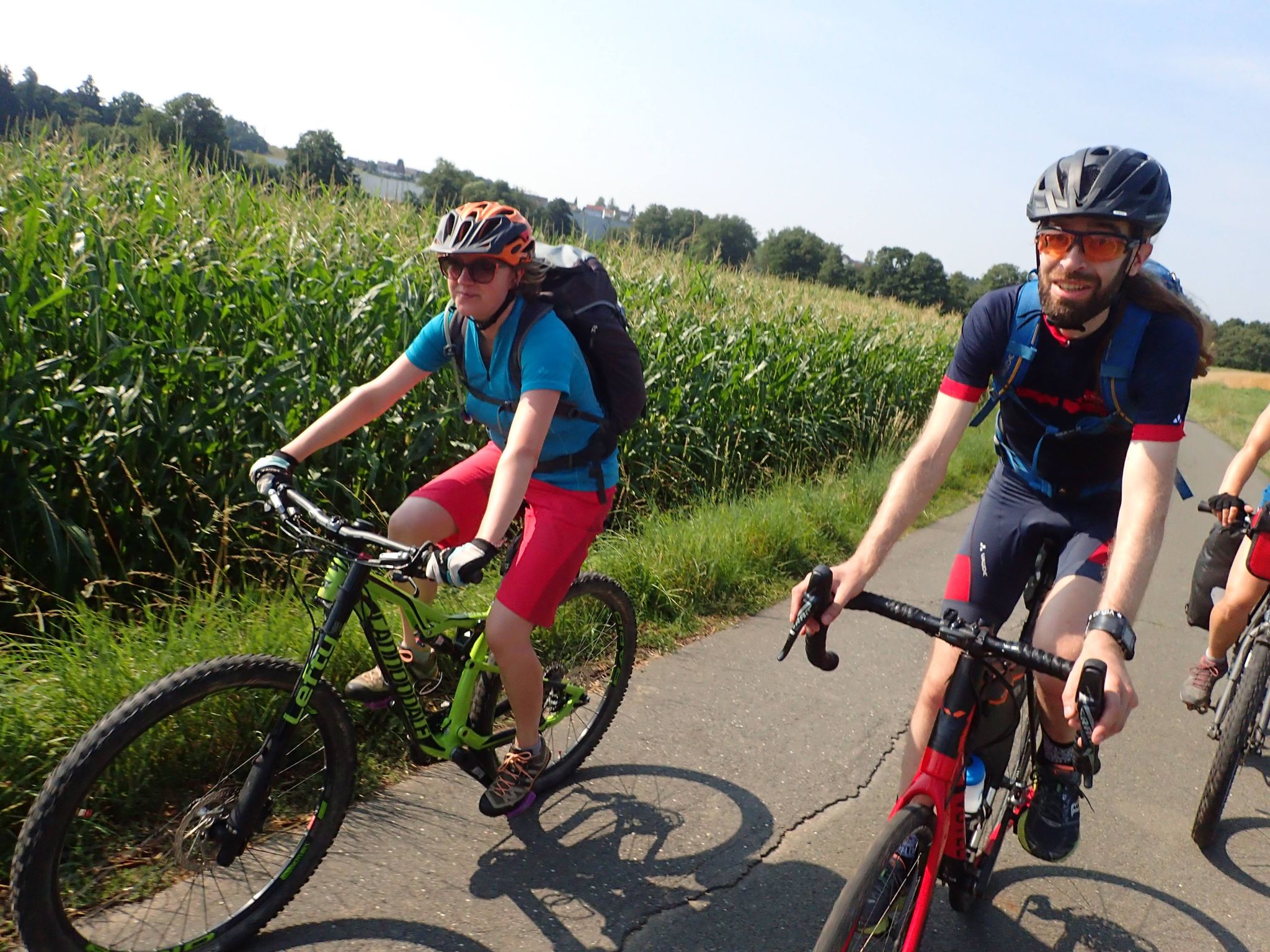
Bike tours in Franconia and Upper Palatinate — VGN leisure tips
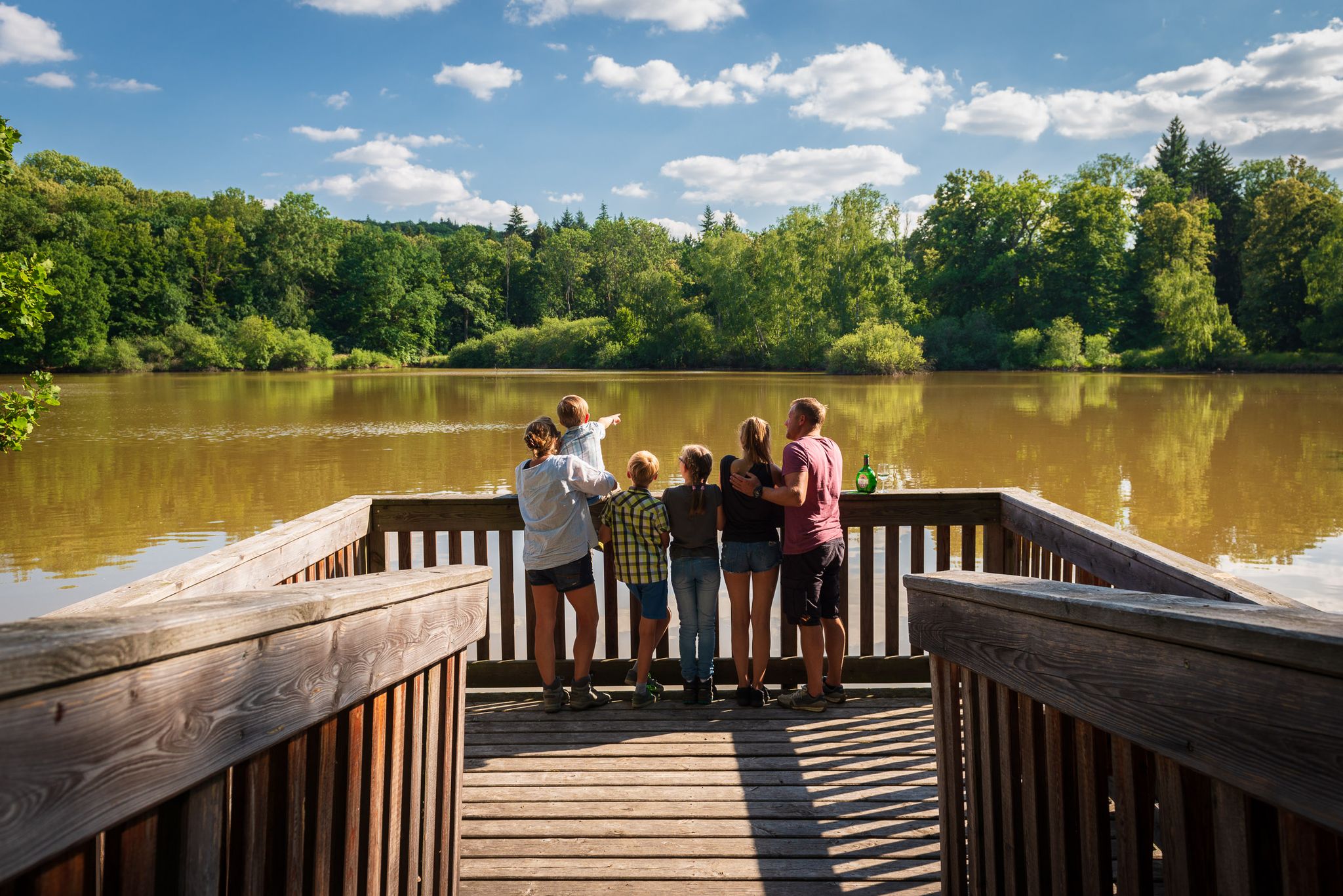
Naturerlebniswege im Kulturerbe Mittelwald Iphofen
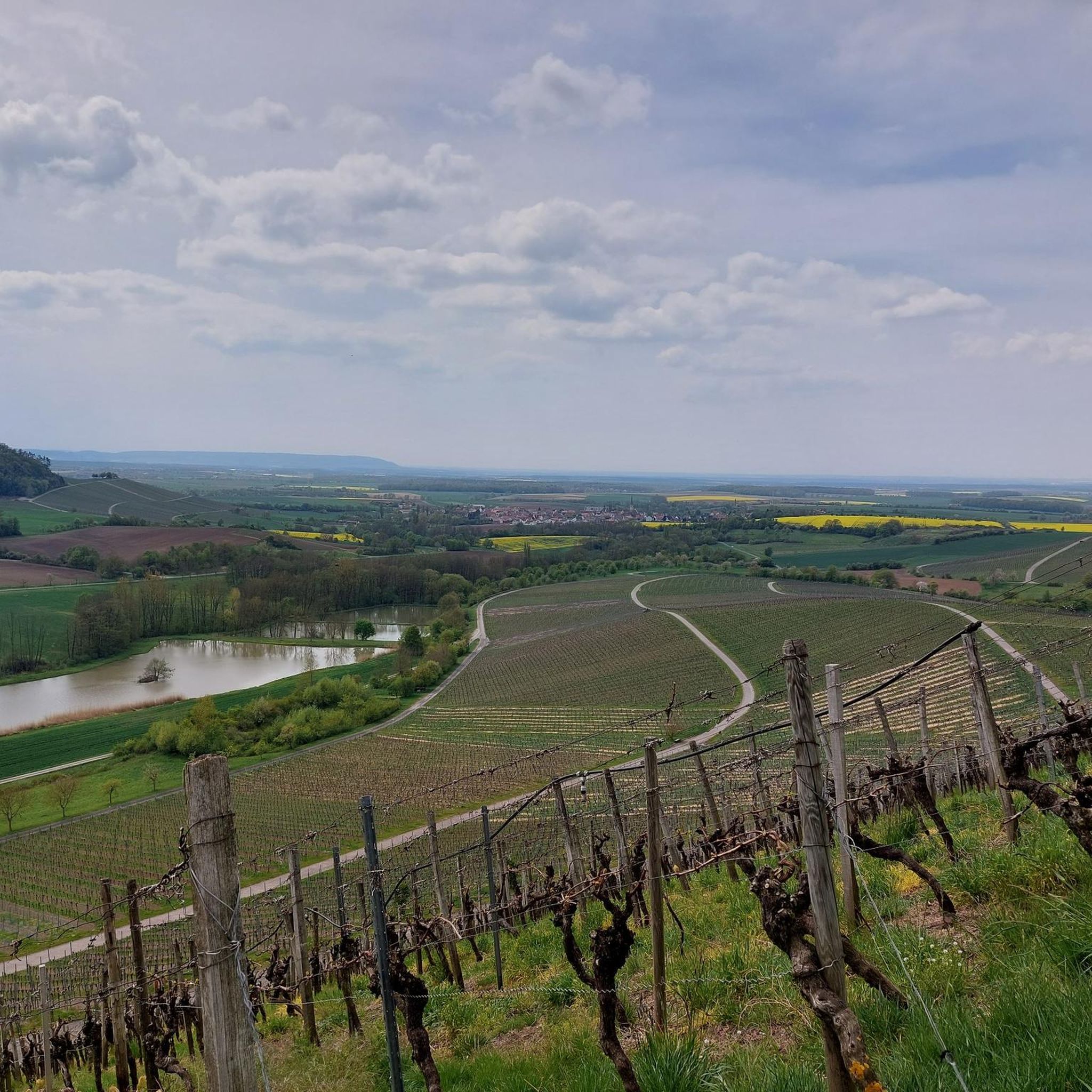
Hiking in Lsg Innerhalb Des Naturparks Steigerwald (Ehemals Schutzzone)
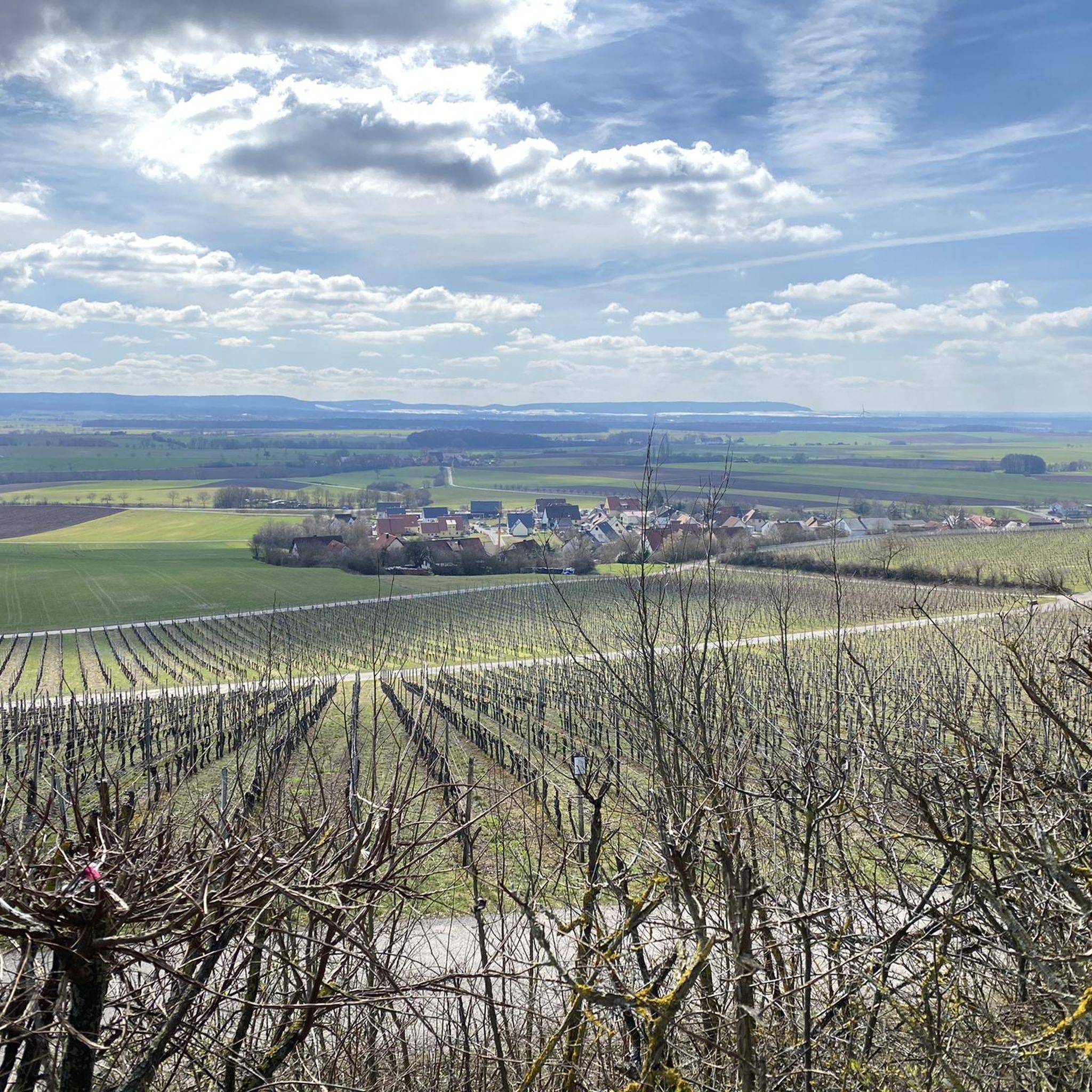
Cycling in Lsg Innerhalb Des Naturparks Steigerwald (Ehemals Schutzzone)
Other adventures in Lsg Innerhalb Des Naturparks Steigerwald (Ehemals Schutzzone)


Tips from the Community

Nice place for a break, with a wonderful view from the benches.
2
0

Beautiful view of Franconia
0
0

The Hohenlandsberg castle ruins are the remnants of the former Hohenlandsberg castle. The castle was built in the 13th century. built. During the Peasants' War in 1525, the castle was taken unscathed by the farmers. In 1554 the castle was destroyed. Today you can enter the castle complex through a tunnel and view the ramparts, foundation walls and the entrances to the casemates.
12
0
The steep section is tough. Not for people who aren't really good on foot.
9
0


Somewhat hidden from the path, there is the former "Weinberghüterhaus", also known locally as the "stone cave". Here you can take a break, both in good and bad weather, and enjoy a wonderful view. The already dilapidated "stone cave" was restored by the Külsheim fire brigade association.
1
0

Or also called Lourdes Grotto from 1959 is located in front of the town of Frankfurt. The ground on which the grotto was built used to be a quarry.
3
0

The castle, presumably founded in the 13th century, was not the ancestral seat of the Franconian-Bohemian noble family of the barons of Schwarzenberg-Hohenlandsberg, but a castle of the Hohenlohe, who exercised their bailiwick over the possessions of the Würzburg Dompropstei around Seinsheim from here. In the 15./16. In the 19th century, the castle was the administrative center of the Schwarzenberg rule of Hohenlandsberg, which in Seinsheim and the surrounding area the tithes (= high jurisdiction) and the authorities over the villages of Weigenheim, Seinsheim, Iffigheim, Herrnsheim, the predominant village rule in Bullenheim, shares in the village rule in Hüttenheim and Nenzenheim as well as presumably owned the large village of Dornheim. Further information and reference: https://de.wikipedia.org/wiki/Burgruine_Hohenlandsberg
9
0
Frequently Asked Questions
What kind of 'caves' can I expect to find in Lsg Innerhalb Des Naturparks Steigerwald?
The region features a mix of natural grottoes, historical casemates, and former quarry sites. Unlike typical show caves, these are often smaller formations, historical underground elements, or shelters. Examples include the accessible casemates at Hohenlandsberg Castle Ruins and the shelter-like Külsheim Stone Cave.
Are there any natural caves open for public exploration in the Steigerwald Nature Park?
While natural underground formations exist, there are no major visitor-accessible show caves with developed infrastructure or guided tours in the Steigerwald Nature Park. The Höllern Gypsum Cave, for instance, is a significant natural gypsum cave and a nature reserve, but it is not open to the public as it serves as a winter habitat for bats.
What are some historical or cultural 'cave' sites to visit?
You can explore the accessible casemates and a tunnel at the Hohenlandsberg Castle Ruins, which are remnants of a 13th-century castle. Another point of interest is the Mariengrotte Frankfurt, a religious grotto built in 1959 on the site of a former quarry.
What is the geology of the Steigerwald Nature Park regarding caves?
The Steigerwald is part of the Franconian Keuper Uplands. Its geology is not typically associated with the extensive karst formations that lead to large, visitor-friendly caves. While natural grottoes and gypsum caves like the Höllern Gypsum Cave exist, they are often formed in gypsum rather than limestone, and are not generally accessible to the public.
Are there family-friendly 'cave' locations in the region?
Yes, several sites are considered family-friendly. The Hohenlandsberg Castle Ruins offer an engaging historical exploration. The Külsheim Stone Cave provides a nice break point with views, and the Mariengrotte Frankfurt is a peaceful religious site suitable for families.
What outdoor activities can I do near these 'cave' sites?
The Steigerwald Nature Park is excellent for outdoor activities. You can find numerous hiking trails, including easy hikes like the 'Oasis of the senses Münchsteinach' or more challenging mountain hikes such as the 'Gräfweiher – Former gypsum quarry Kühlsheim loop'. Road cycling routes are also available, like the 'Ebrach Abbey – Burgwindheim Castle loop'. You can find more details on these activities in the easy hikes, mountain hikes, and road cycling guides for the region.
Are there viewpoints or natural features associated with these 'caves'?
Yes, the Külsheim Stone Cave offers a rewarding view over vineyards towards Bad Windsheim. Additionally, the Grotto viewpoint on the southern side of Schwanberg provides a panoramic terrace with wide views of Franconia and is considered one of Bavaria's most beautiful geotopes.
What is the best time to visit the Steigerwald Nature Park for exploring these sites?
The Steigerwald Nature Park is beautiful year-round, but spring and autumn offer pleasant temperatures for hiking and exploring. Spring brings blooming flora, while autumn showcases vibrant foliage. Summer is also suitable, especially for shaded forest trails.
Are permits required to visit any of the 'cave' locations?
Generally, no specific permits are required for public access to sites like the Hohenlandsberg Castle Ruins or the Külsheim Stone Cave. However, natural reserves like the area around the Höllern Gypsum Cave have strict protection rules, and the cave itself is not accessible to protect its bat population.
What amenities are available near the 'cave' sites in the Steigerwald Nature Park?
The Steigerwald Nature Park is well-equipped for visitors. You can find various accommodations, cafes, and pubs in nearby towns and villages. Specific amenities like huts or facilities might be available at or near some highlights, such as the Külsheim Stone Cave, which is noted as a good spot for a break.
Can I bring my dog to these 'cave' locations?
Most outdoor areas and trails in the Steigerwald Nature Park are dog-friendly, provided dogs are kept on a leash. For specific sites like the Hohenlandsberg Castle Ruins or the Külsheim Stone Cave, dogs are generally welcome, but always check local signage for any specific restrictions.
Most popular routes in Lsg Innerhalb Des Naturparks Steigerwald (Ehemals Schutzzone)
Most popular attractions in Lsg Innerhalb Des Naturparks Steigerwald (Ehemals Schutzzone)

Get inspired with the komoot mobile app


Explore more
Extend your search for the best caves by checking out these guides of the top ones in Lsg Innerhalb Des Naturparks Steigerwald (Ehemals Schutzzone):
