Top 6 Caves around Regionalverband Saarbrücken
Best caves around Regionalverband Saarbrücken offers a diverse range of underground and cave-like attractions. The region, while not known for extensive natural cave systems, features sites with historical, cultural, and geological significance. Visitors can explore ancient religious sites carved into rock, unique natural phenomena, and artificial historical structures. These locations provide insights into the area's Roman past, industrial heritage, and natural curiosities.
Best caves around Regionalverband Saarbrücken
- The most popular caves is Mithras Cave (Heathen Chapel) on the Halberg,…
Last updated: September 29, 2026
Burning Mountain
Highlight • Natural Monument
The surrounding area is very beautiful, however, and it is also worth walking through the small gorge.
Translated by Google •
Tip by

Mithras Cave (Heathen Chapel) on the Halberg
Highlight • Cave
Translated by Google •
Tip by

Sign up now to discover places like this
Get recommendations on the best single tracks, peaks, & plenty of other exciting outdoor places.
Former Beer Cellar at Grube Von der Heydt
Highlight • Historical Site
Translated by Google •
Tip by

Hohlenstein Rock Formation
Highlight • Natural Monument
Translated by Google •
Tip by

Old Iron Ore Mine in the Saarkohlewald
Highlight • Structure
Translated by Google •
Tip by

Bat Cave
Highlight • Cave
Translated by Google •
Tip by

Start today with a free account
Your next adventure awaits.
Popular around Regionalverband Saarbrücken
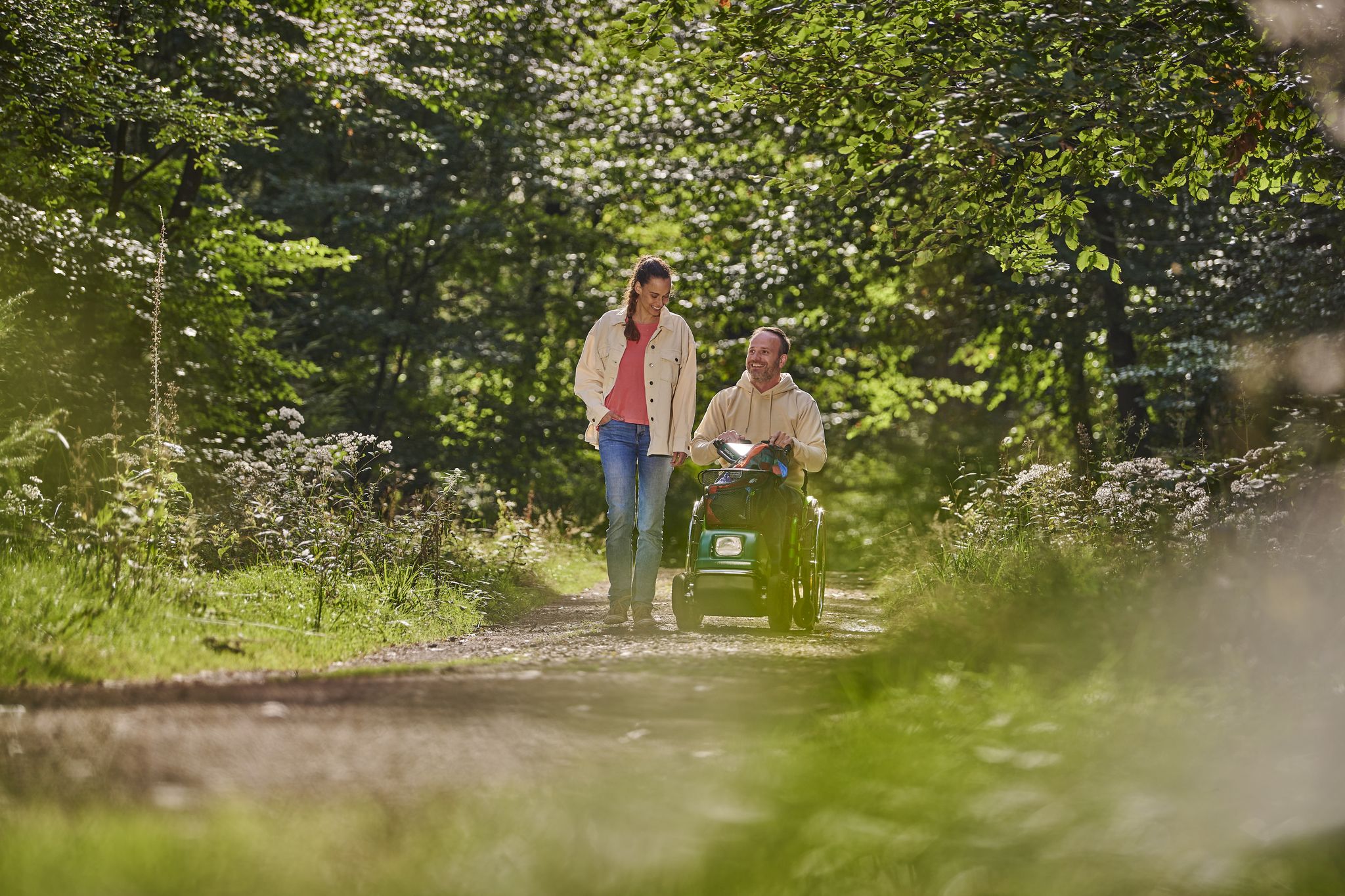
Experience nature without detours - barrier-free adventures in Saarland
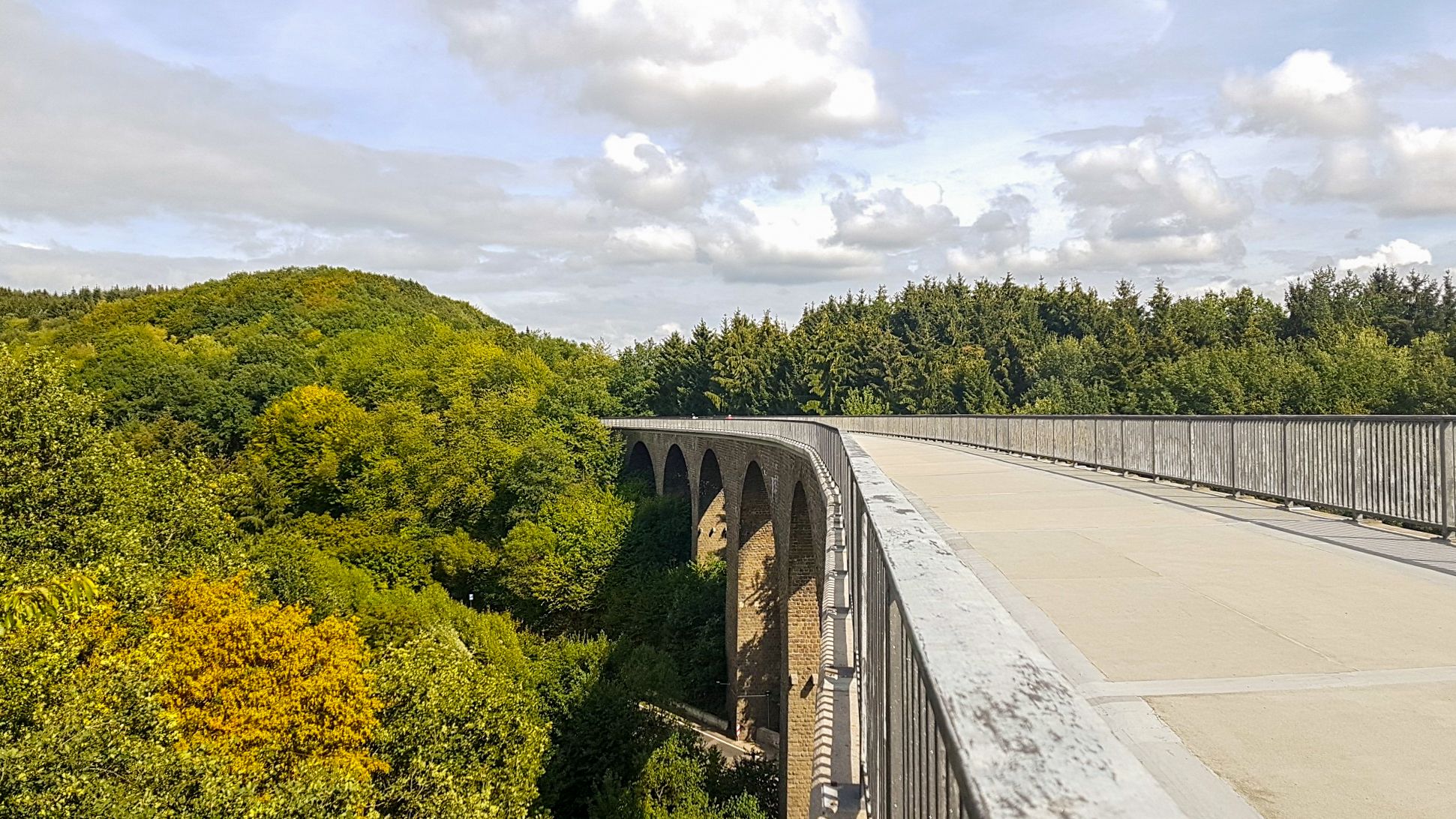
Saarland Cycle Path — Small country, big tour on 7 stages
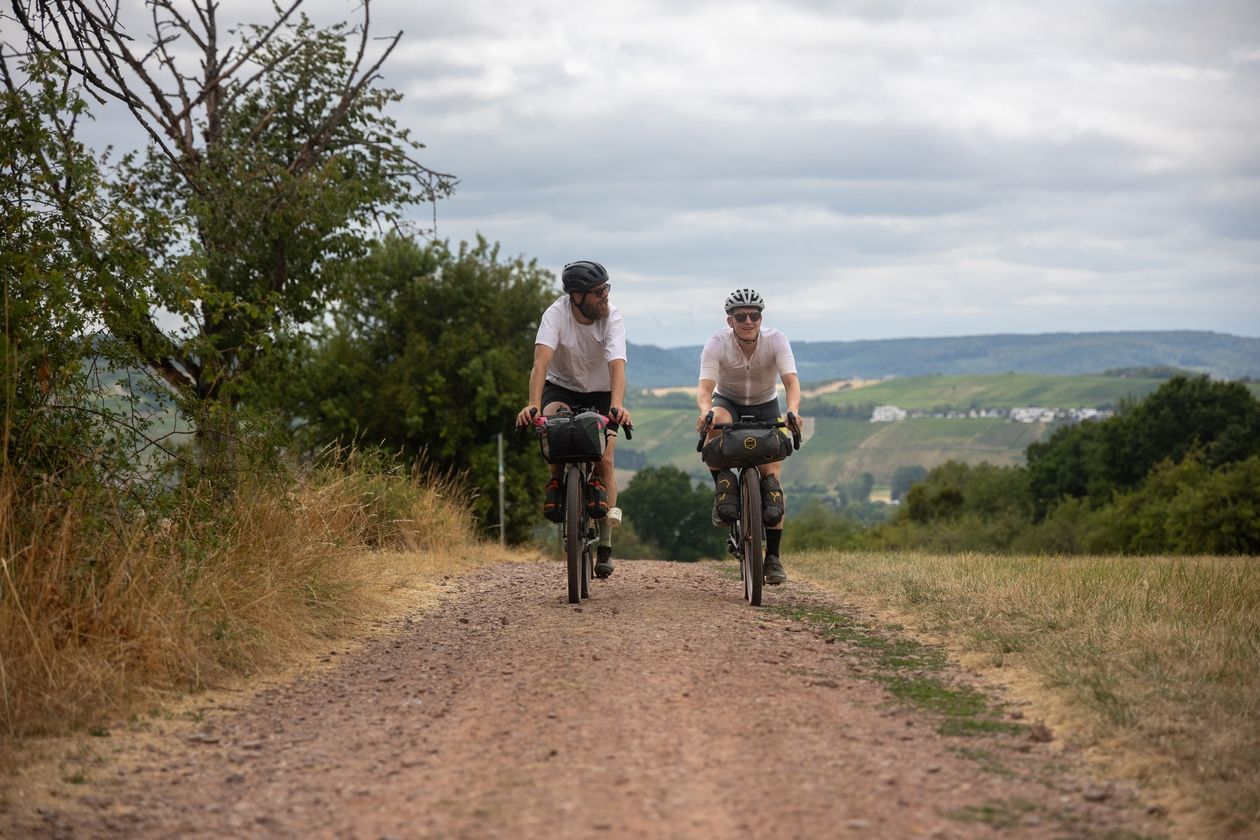
Saarland Gravel Loop: a three-border bikepacking tour
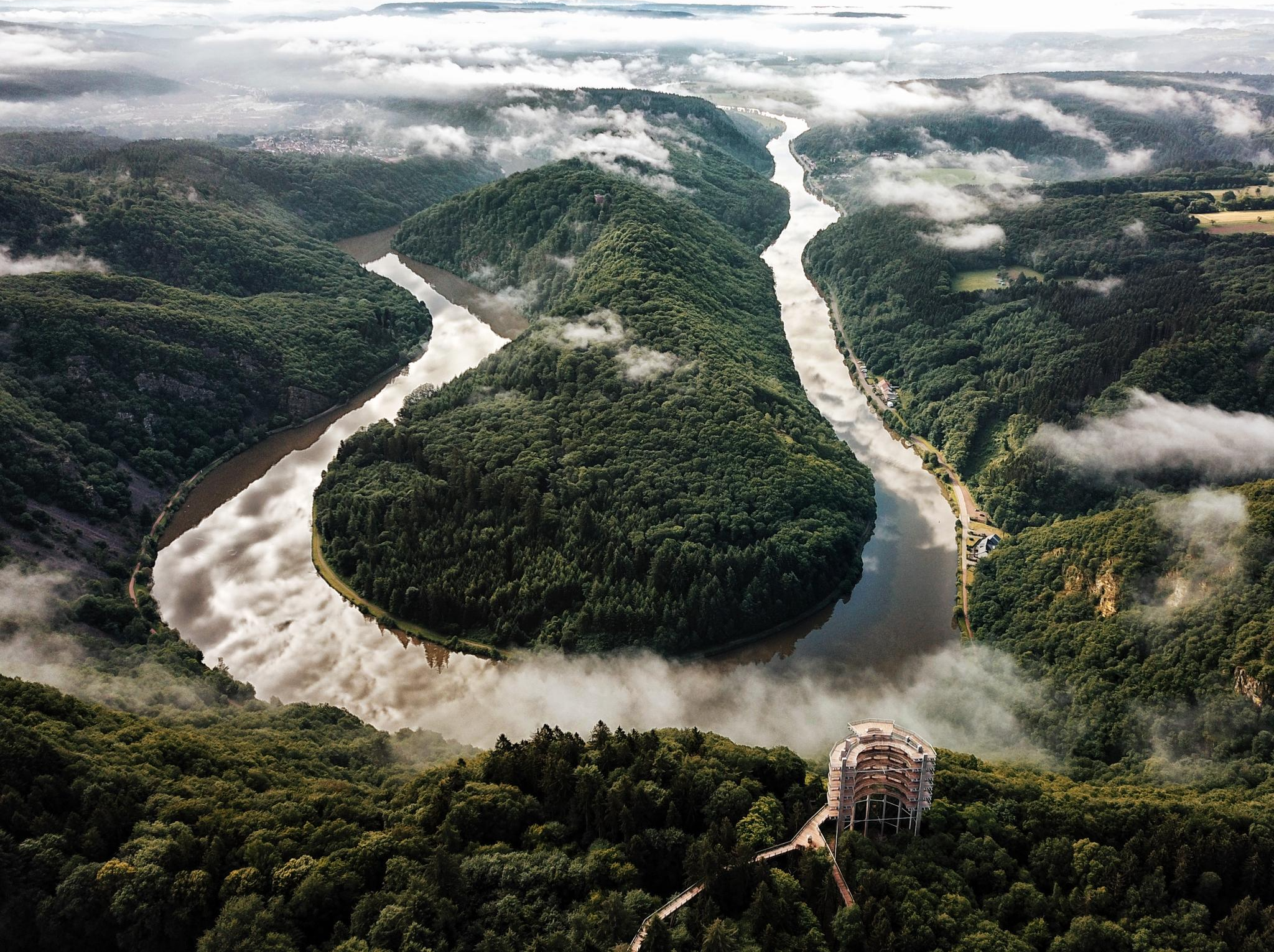
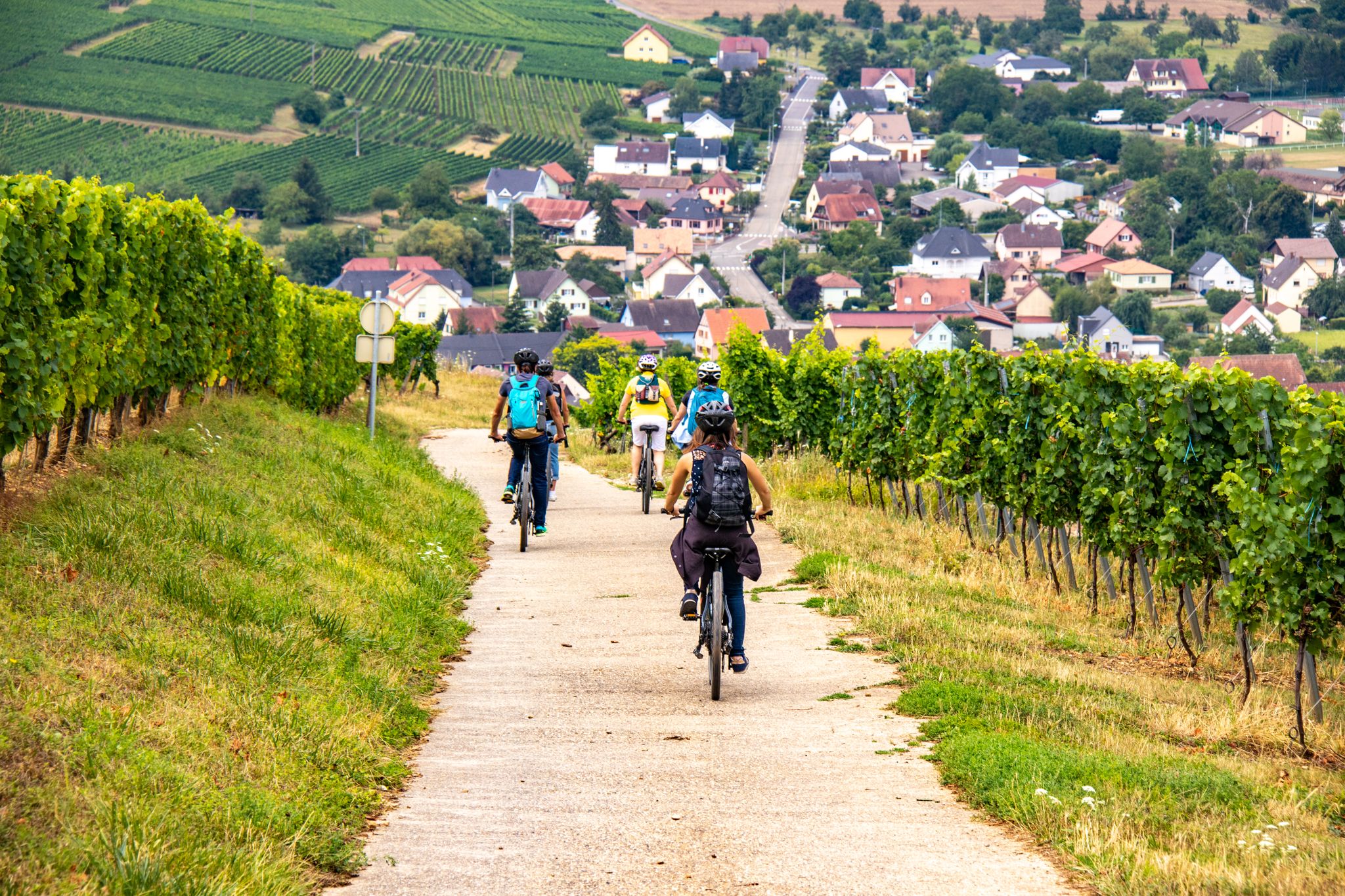
Forests, vineyards and plenty of culture – borderless cycling in Saarland
Step on the pedals – discover Saarland and the Black Forest by bike
Cycling without borders in Saarland
Saarland – primeval forests, river bends and secret night camps
#GoFurther – discover the views of Germany!
EuroVelo 5 - Via Romea (Moselle - Alsace)
5 days on the Via Regia in Moselle – GR 5G from Saarbrücken to Metz
Other adventures around Regionalverband Saarbrücken


Tips from the Community

Mithraeum (Latin mithraeum, plural mithraeen) is the name given to the temples of the Mithras cult. Mithraeums were usually built underground or carved into rock. A relatively small cult room was sufficient for the Mithras communities, which had only one to two dozen members. The largest known mithraeum had space for 80 believers. In contrast to Christianity, where larger churches were built in larger communities, in Mithraism the number, not the volume, was increased. At the height of the Mithras cult in the 3rd century, there were supposedly 800 mithraeums in Rome alone. However, since the individual mithraeums were usually not in use for long, this high number says nothing about the number of followers. To date, the remains of over 1000 mithraeums have been archaeologically proven throughout the entire Roman Empire.
1
0

For me this is one of the sensations in Saarbrücken! The cave and the recesses created later are still in great condition. There is also a bench under a ledge. If only it weren't for the car noise (like it was 2,000 years ago). "In pre-Christian and Roman times, a Mithraic cult was practiced on the Halberg - by the Gallo-Romans who lived here or the Roman soldiers of the nearby garrison. For this purpose, they created a barrel-vaulted mithraeum in the sandstone on the western slope of the Halberg, which is known in older literature as the "Heidenkapelle " is called. After Christianization in the 6th century, the grotto was incorporated into Christian worship. This means that the Halberg is possibly the oldest Christian place of worship in the region. The remains of this site can still be admired here and are in a relatively well-preserved condition." https://de.wikipedia.org/wiki/Halberg_(Saarland)
3
0

With the closure of the Amelung and Steinbach shafts in 1932 during the global economic crisis, Von der Heydt's time as an independent mine ended. In 1951 the Amelung shafts were swamped and used as extending weather shafts for the Viktoria mine in Püttlingen until 1963. During the construction of the Ludwigsstollen, the composite tunnel between the Luisenthal and Jägerfreude mines, the Amelung shafts were used in 1963 for ventilation, cable transport and material transport.[1] After the mine was finally closed in 1965, the daytime facilities were largely demolished. The mining machine house at the Amelung I shaft, a magazine building from 1885/1886 and the colliery house at the Amelung II shaft, which was built as an administration building and building in the early 1950s when the mine was reactivated, have been preserved.[2] The station building, which was built around 1870, has also been preserved. The station was used for passenger traffic until October 1959; until the end of the 1990s the one in Von der
1
0
it established the connection to the Steinbachtal in the east. The Kirchheckschächte and the Steinbachschächte were built at the Burbach tunnel.[1] Between 1865 and 1869, rope conveying was also used in the Burbach tunnel; between 1873 and 1917 the coal was transported using a chain railway.[2] In 1885 the mine employed 2,777 miners; Over 700,000 tons of coal were mined.[3] Between 1884 and 1886, the Amelung I shaft (named after the mining captain Karl Gustav Amelung, 1818–1866) was sunk; This means that the Von der Heydt mine transitioned from tunnel construction to civil engineering very late.[4] A second production shaft followed in 1899, the Amelung II shaft. In the east of the mine field, the Neuhaus I weather shaft was built in 1901. From 1920, as a result of the Treaty of Versailles, the mine was under French administration. In the district of Rastpfuhl, another weather shaft, the Pasteur or South Shaft, was sunk in 1922.
1
0
The pit - named after the banker and Prussian trade and finance minister August Freiherr von der Heydt (1801-1874) - was built in 1850 and is classified as one of the so-called railway pits that the Prussian mining treasury built when the Saar region was opened up by the Saarbrücken Railway. In 1852 the mine received a railway connection to St. Johann-Saarbrücken. In the upper Burbachtal, the location of the mine, coal mining had been carried out since at least 1770. In 1850, the approximately 1.3 kilometer long Von Heydt tunnel leading to the northwest was struck. In this tunnel, horizontal cable conveyance was used for the first time in Europe in 1862; previously it had been supported with horses. The Lampennest tunnel, which was started in 1853, served to promote the Lampennest mine, located north of the Burbachtal near Güchenbach (today Riegelsberg). Between 1855 and 1862, the approximately 2.3 kilometer long Burbach tunnel was excavated in the opposite direction.
1
0

A nice little cave, you drove past it quickly
0
0

Very great acting. I was there at minus 1 degrees. Then you can actually see the smoke. Unfortunately, you can't see it in warmer temperatures.
4
0

A childhood memory, back then often a destination on a hiking day at school.
3
0
Frequently Asked Questions
What types of 'caves' can I expect to find in Regionalverband Saarbrücken?
The Regionalverband Saarbrücken area offers a unique array of cave-like attractions, focusing on historical, cultural, and geological significance rather than extensive natural cave systems. You'll discover ancient religious sites carved into rock, unique natural phenomena like burning coal seams, and artificial historical structures such as former beer cellars and mining adits.
Are there any historical or cultural 'caves' to explore in the region?
Yes, the region is rich in historical and cultural underground sites. A notable example is the Mithras Cave (Heathen Chapel) on the Halberg, a former temple for the ancient Mithras cult, offering a glimpse into Roman religious history. Another is the Former Beer Cellar at Grube Von der Heydt, an artificial structure representing local industrial heritage.
What is the 'Burning Mountain' and when is the best time to visit it?
The Burning Mountain is a unique natural phenomenon where coal seams have been burning underground for centuries, creating fissures and hot cavities. This site is best experienced on colder days when the heat and smoke are more noticeable. The surrounding area, including a small gorge, is also beautiful to explore.
Can I find any natural rock formations or shelters in the area?
While not traditional caves, the region features adventurous paths among steep, rocky, and overgrown sandstone formations, which may include smaller caves or rock shelters. These areas offer a more rugged outdoor experience, though caution is advised on rainy days.
Are there any family-friendly 'cave' attractions in Regionalverband Saarbrücken?
Many of the sites, such as the Burning Mountain, are accessible and can be enjoyed by families, especially when combined with a hike. The historical and geological aspects of these sites can be educational and engaging for children. Always check specific trail difficulties if planning a longer hike with young children.
What outdoor activities can I combine with a visit to these sites?
The region offers various outdoor activities that can be combined with visiting these unique sites. You can find numerous hiking and walking routes that incorporate these points of interest. For cycling enthusiasts, there are many options, including routes from the Cycling around Regionalverband Saarbrücken guide. Mountain biking and gravel biking routes are also available, as detailed in the MTB Trails around Regionalverband Saarbrücken guide and Gravel biking around Regionalverband Saarbrücken guide.
Is it possible to visit an old mine in the Regionalverband Saarbrücken?
Yes, the region has a rich mining history. While not always open for direct exploration, sites like the Old Iron Ore Mine in the Saarkohlewald highlight the area's industrial past. The Former Beer Cellar at Grube Von der Heydt is also connected to this industrial heritage, being an artificial structure dug into a mountain.
Are there any 'caves' that are home to wildlife, like bats?
Yes, there is a small Bat Cave in the region. While not very large, it provides a habitat for bats and is a point of interest for those looking for wildlife.
What do visitors enjoy most about the 'caves' and cave-like attractions in Regionalverband Saarbrücken?
Visitors appreciate the unique blend of history, culture, and natural phenomena. The historical significance of sites like the Mithras Cave, the intriguing natural spectacle of the Burning Mountain, and the insights into local industry at the Former Beer Cellar are frequently highlighted. The beautiful surrounding landscapes and hiking opportunities are also highly valued.
Are there any specific considerations for visiting these sites, such as parking or public transport?
Accessibility varies by site. For example, the Mithras Cave on the Halberg is typically accessed via hiking paths, and parking would be available at nearby trailheads. For the Burning Mountain, there are usually designated parking areas for visitors. It's advisable to check specific location details on komoot or local tourism sites for the most up-to-date information on parking and public transport options for each attraction.
Most popular routes around Regionalverband Saarbrücken
Most popular attractions around Regionalverband Saarbrücken

Get inspired with the komoot mobile app


Didn’t find what you were looking for?
Discover more caves around Regionalverband Saarbrücken region by region:
Explore more
Extend your search for the best caves by checking out these guides of the top ones around Regionalverband Saarbrücken:
