Top 15 Caves in Steigerwald
Best caves in Steigerwald are found within a diverse hill region in the Bavarian-Franconian part of the South German Scarplands. This area is characterized by extensive deciduous and pine forests, vineyards, and a network of scenic hiking trails. While not known for large natural karst cave systems, the Steigerwald offers various cave-like features, including historical cellars, former quarries, and man-made shelters. The geology of the Keuper Uplands contributes to unique natural and man-made formations that are explored by hikers.
Best…
Last updated: August 5, 2026
Hohenlandsberg Castle Ruins
Highlight • Castle
Translated by Google •
Tip by

Bat cellar on Bierweg
Highlight • Cave
Translated by Google •
Tip by

Sign up now to discover places like this
Get recommendations on the best single tracks, peaks, & plenty of other exciting outdoor places.
Sign up for free
Fingalshöhle Sandstone Quarry
Highlight • Historical Site
Translated by Google •
Tip by

Blueberry Cave
Highlight • Cave
Translated by Google •
Tip by

Jungferla Keller
Highlight • Cave
Translated by Google •
Tip by

Külsheim Stone Cave
Highlight • Structure
Look up the hill and to the left. Otherwise you can easily overlook the "cave" 😉.
Translated by Google •
Tip by

Höllern Gypsum Cave
Highlight • Cave
Translated by Google •
Tip by

Aschgrund Cellars
Highlight • Structure
Felsenkeller an outstanding cultural asset of the Aischgrund. From Marktbergel to Adelsdorf they can be found in almost every place. Sometimes …
Translated by Google •
Tip by

Bamberg Underground Cellars
Highlight • Cave
Showing Translation
Tip by

Felsenkeller Sauer in Röttenbach
Highlight • Historical Site
An unusual feature of the 65 meter long cellar is a centrally located, eight meter high ice cellar. Ice floes …
Translated by Google •
Tip by

Sign up for free to discover even more caves in Steigerwald.
Sign up for free
Already have an account?
Start today with a free account
Your next adventure awaits.
Login or Signup
Popular around Steigerwald
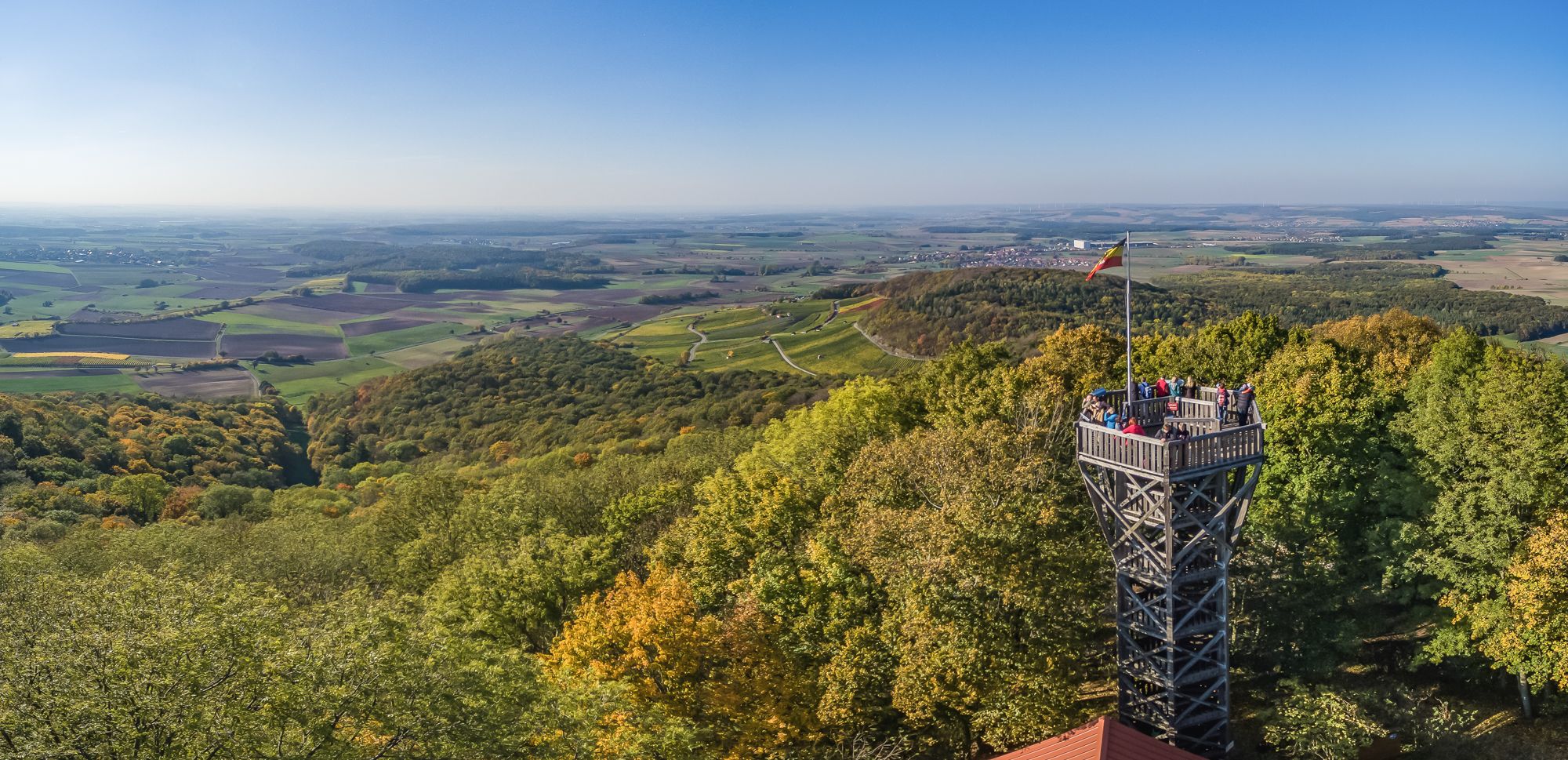
Steigerwald panorama trail — 9 days
Nuremberg to Erfurt – Discover the German countryside by bike
The National Natural Landscapes in Bavaria
Gravel meets rail – gravel rides in the greater Nuremberg area
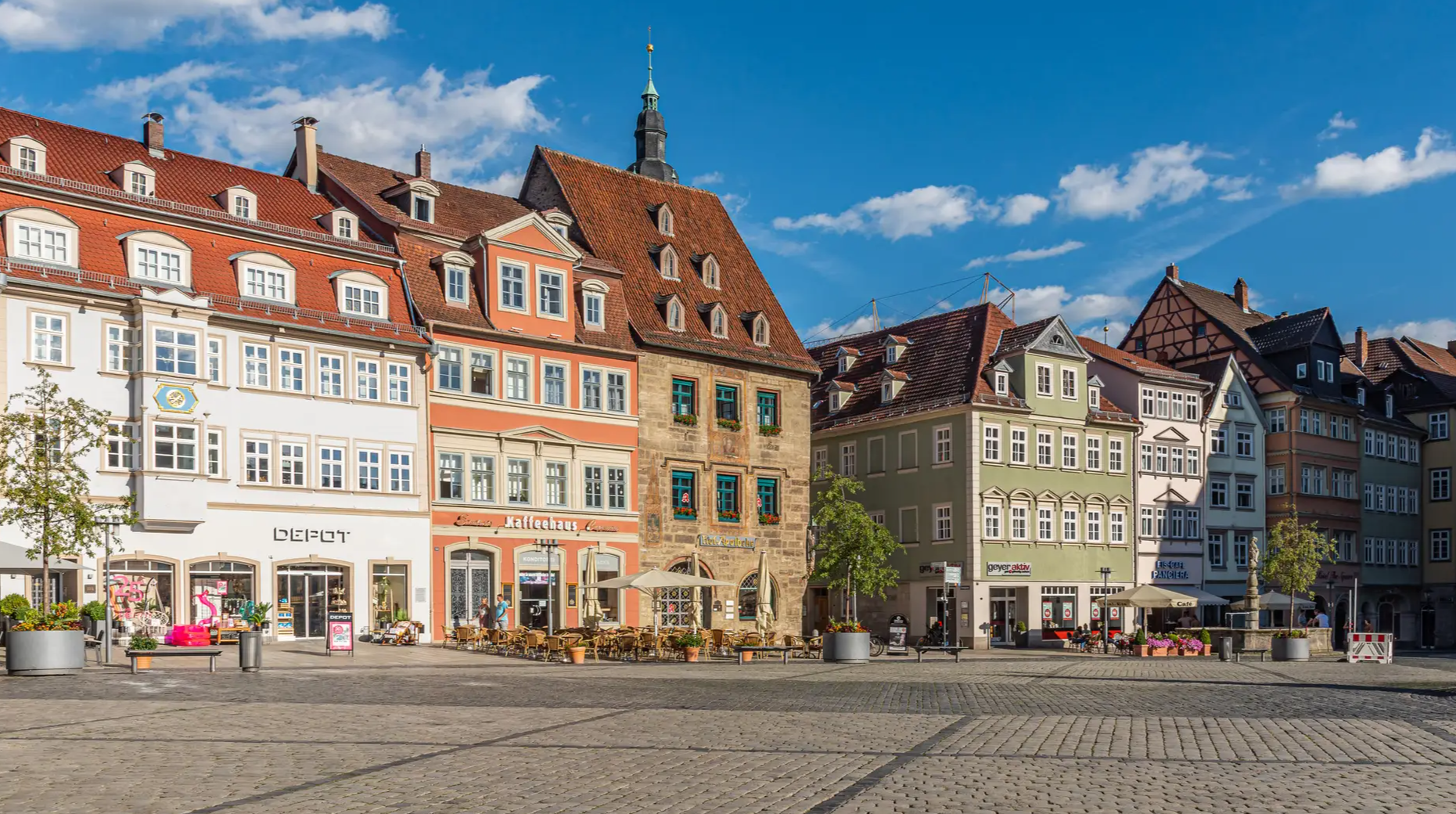
From the metropolis to enjoyment – city hiking on the VGN
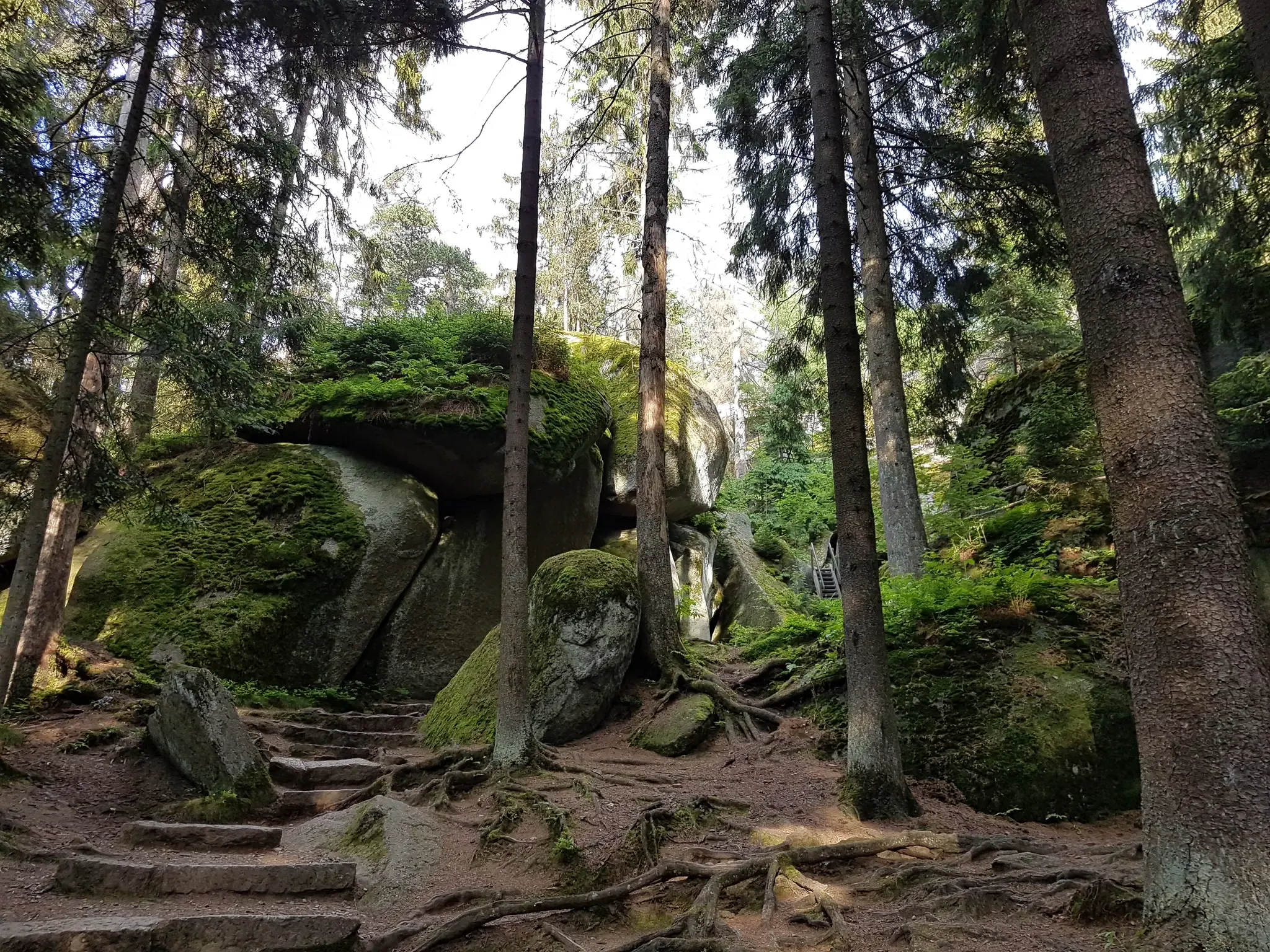
Nature, the outdoors and adventure – hiking through the VGN's nature parks
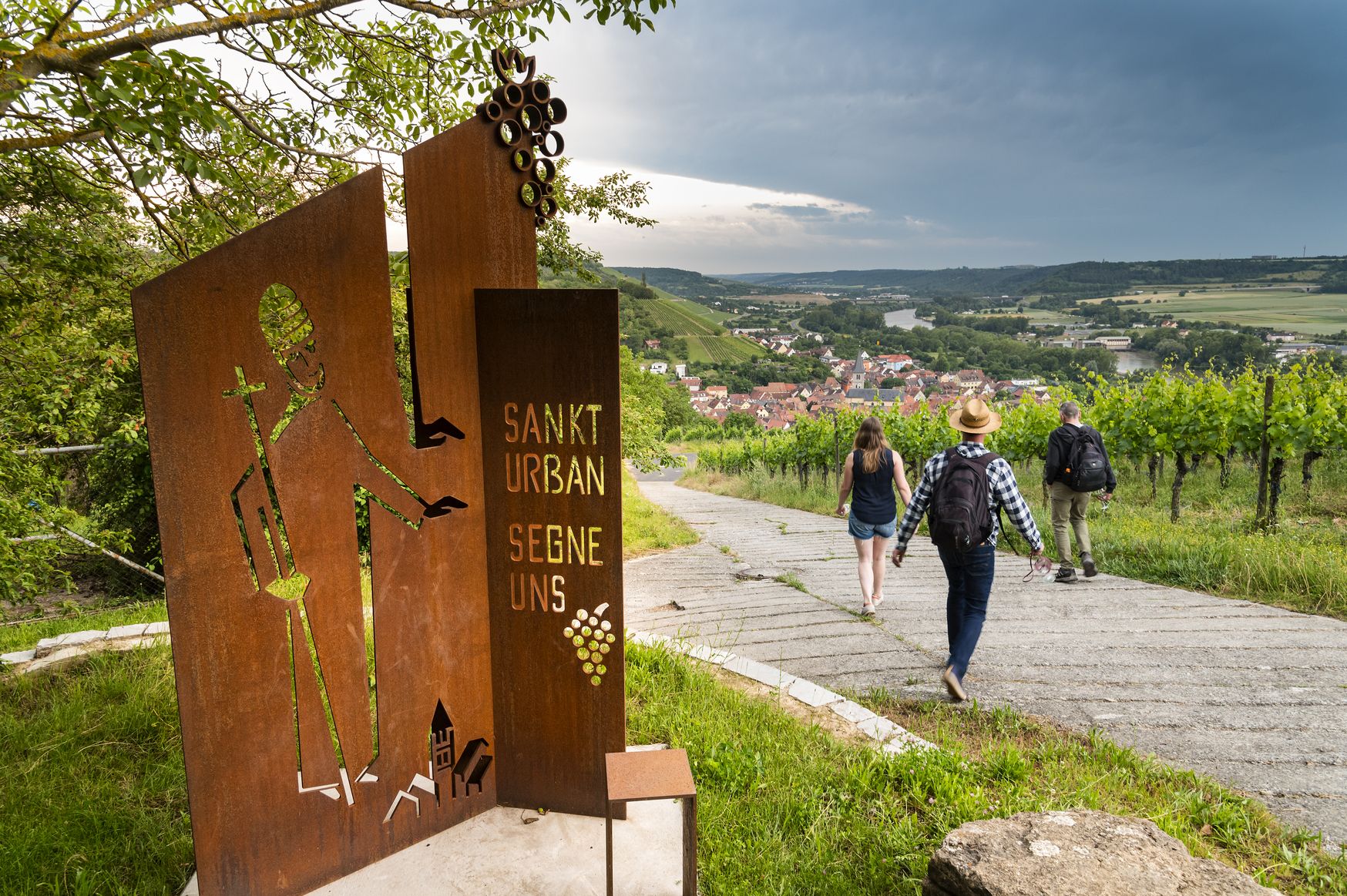
Hiking and culinary delights – walks in the Franconia wine region
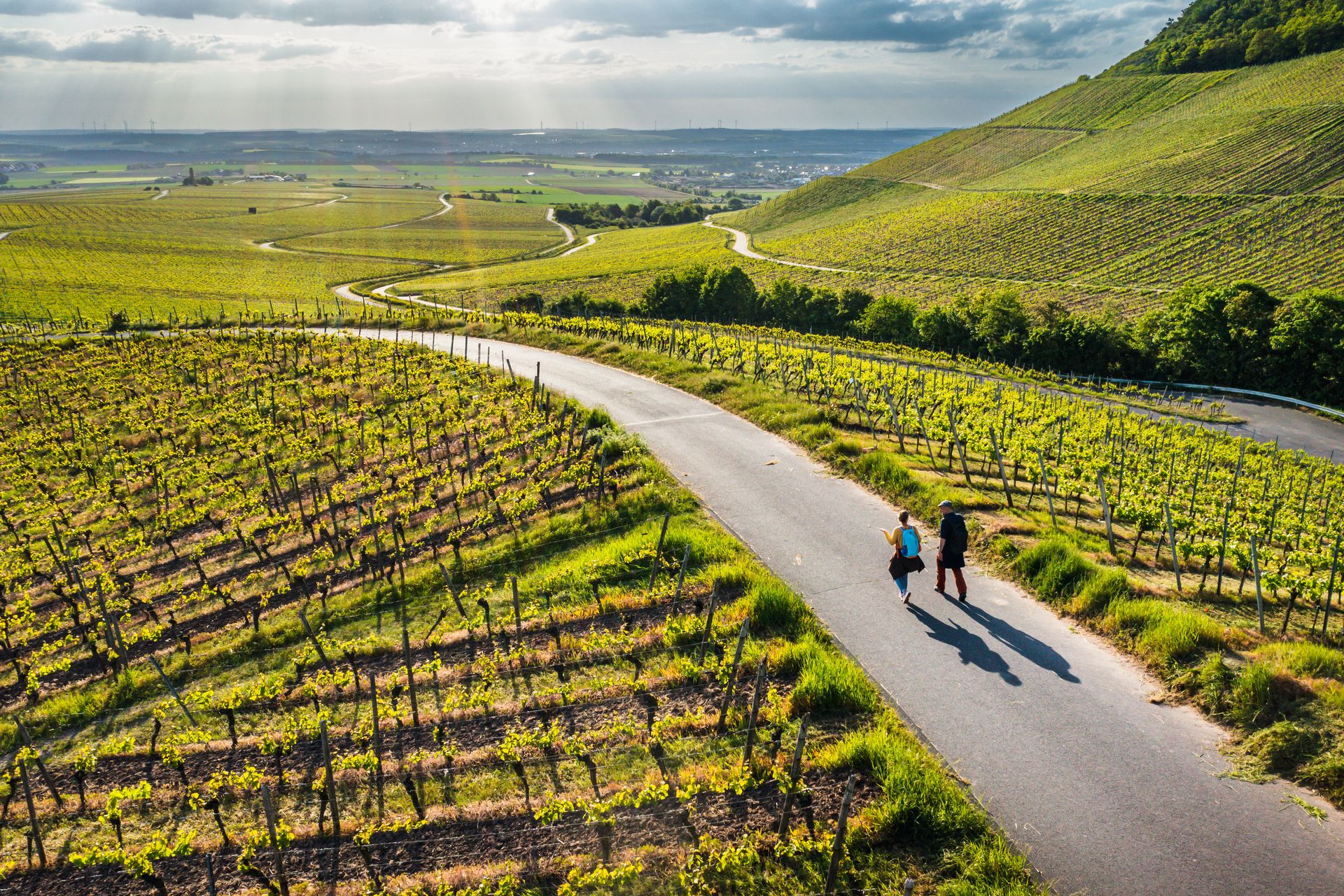
Hiking through Bavaria's cultural landscapes
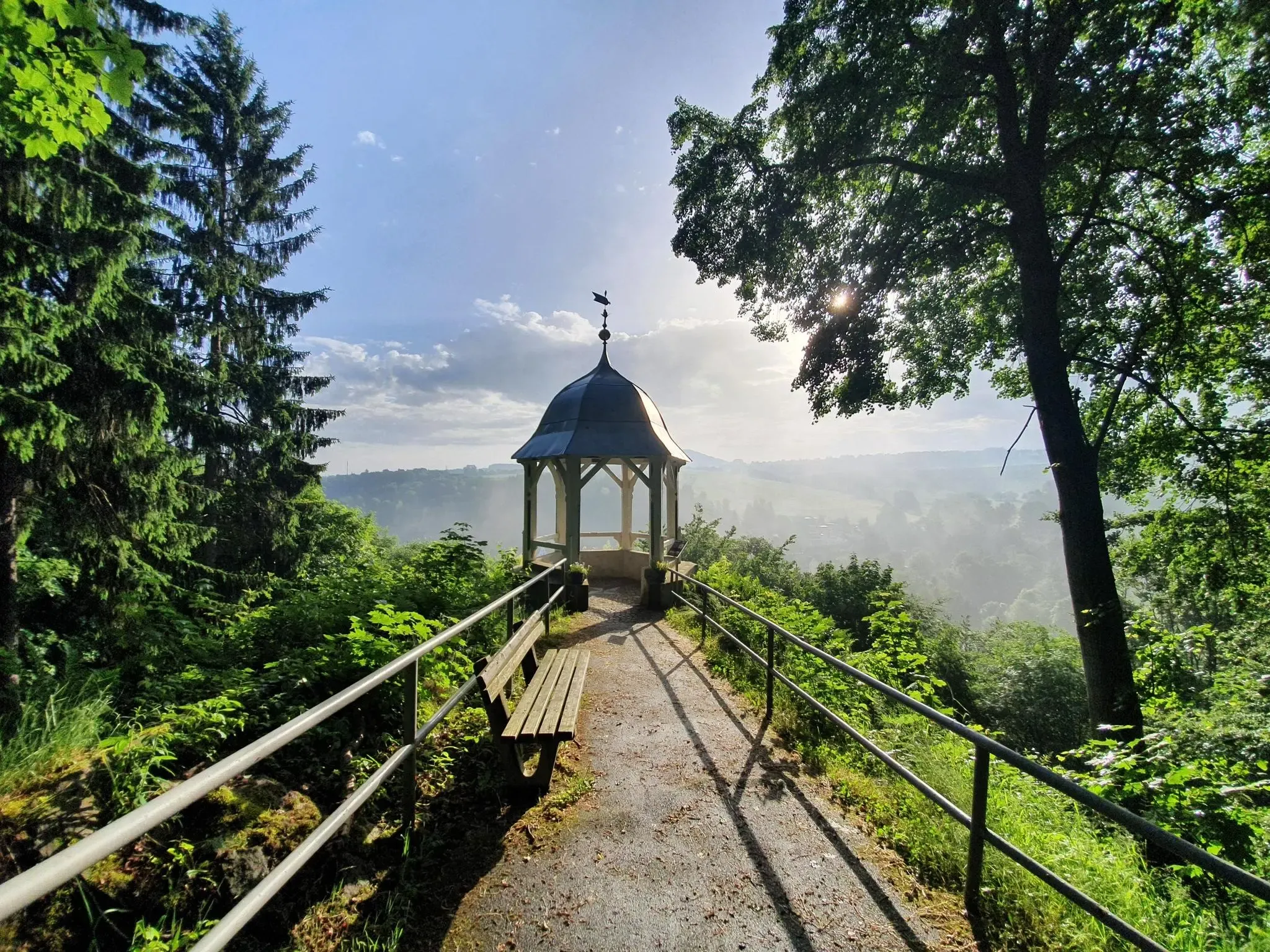
#GoFurther – discover the views of Germany!
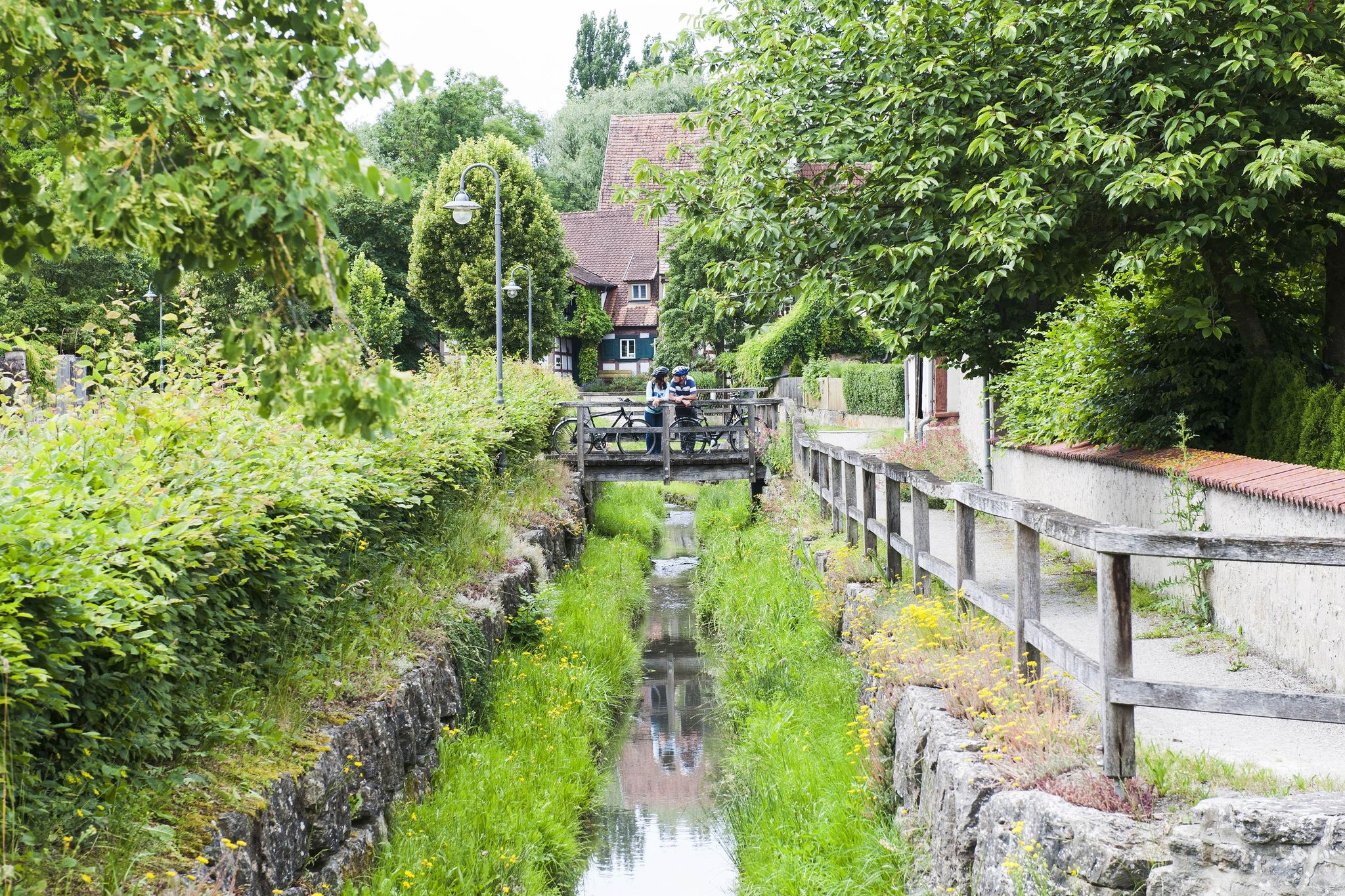
Fun, nature and culture – discover Franconia by bike
Other adventures in Steigerwald


Tips from the Community

A singletrack leads to the Fingalshöhle. Either walk there briefly or ride there with trekking/MTB tires.
0
0

The "Jungferla Spring" originates in this 85-meter-long, multi-branched sandstone cellar. In the 1960s, the entrance to the sandstone cellar was bricked up and overgrown for safety reasons. It was thus no longer visible, but it wasn't entirely forgotten by the residents of Baiersdorf. In 2006, the water in the renovated Jungferla Fountain dried up shortly before its inauguration. This prompted the decision to search for the spring's source in the buried sandstone cellar. After extensive excavation, the former cellar entrance was found bricked up. On December 5, 2006, the cellar was entered again for the first time. Its condition was so good that the local history society, with the support of sponsors and local businesses, renovated and restored it, redesigning the entrance area. On May 25, 2008, the cellar was reopened to the public with the first "Jungferla Cellar Festival." Due to popular demand, a "cellar festival" is now held every year on Ascension Day. Sandstone or rock cellars have a long tradition in Franconia. They were used primarily for storing beer, wine, and agricultural products. Without additional cooling, the cellars maintain a constant temperature of around 8°C year-round. Because beer was stored in the cellars, a tavern was often built nearby, usually above or in front of them – which is why even today in Franconia people still go "to the cellar" rather than to a beer garden. The cellars consist of passages of varying lengths and sizes, hewn into hillsides. The cellar is closed off with a gate. {Source: Information panel on site]
0
0

Nice place for a break, with a wonderful view from the benches.
2
0

This path is actually called “Beer Path”.
0
0

The Hohenlandsberg castle ruins are the remnants of the former Hohenlandsberg castle. The castle was built in the 13th century. built. During the Peasants' War in 1525, the castle was taken unscathed by the farmers. In 1554 the castle was destroyed. Today you can enter the castle complex through a tunnel and view the ramparts, foundation walls and the entrances to the casemates.
12
0
The steep section is tough. Not for people who aren't really good on foot.
9
0

What the cellars in the Aischgrund are all about. Felsenkeller an outstanding cultural asset of the Aischgrund. From Marktbergel to Adelsdorf they can be found in almost every place. Sometimes in the middle of the village, often on the outskirts, occasionally also in the woods. There could be up to 1000 cellars in total. Most of the local cellars were hewn into the rock in the mid-19th century. There was a veritable "building boom" between 1850 and 1900. Their emergence is closely related to the flourishing of brewing culture, as they were primarily used to store beer, but also must, wine, fruit and vegetables. Because the temperatures in the cellars are moderate and surprisingly constant. This keeps the stored goods fresh and durable for a long time.
0
0

The geological subsoil of the Bamberger Berggebiet is Keuper sandstone. Sand extraction has been carried out since the 11th century, continuing well into the industrial age. In the 17th and 18th centuries, the rock cellars were used for storing wine, later beer and malt. During the 19th century, further tunnel systems were added, creating a tunnel system with a length of almost 10 km. In 1941, the underground tunnels were expanded for air-raid shelter purposes. Visits only as part of a guided tour, which can be booked here: https://www.bamberg.info/veranstaltungen/bamberg_und_seine_stollenanlag-47008/
0
0
Frequently Asked Questions
What types of 'caves' can I explore in Steigerwald?
The Steigerwald region is not known for large natural karst cave systems. Instead, you'll find a variety of unique cave-like features, including historical cellars, former quarries, and man-made shelters. These sites offer insights into the region's history and geology.
Are there historical cave sites in Steigerwald?
Yes, the region features several historical cave-like sites. For example, the Hohenlandsberg Castle Ruins include well-preserved casemates and a tunnel for exploration, offering a glimpse into medieval architecture. Another historical site is the Fingalshöhle Sandstone Quarry, an abandoned quarry with numerous inscriptions from past visitors.
Are there any family-friendly cave experiences in Steigerwald?
Yes, some cave-like locations are suitable for families. The Hohenlandsberg Castle Ruins are listed as family-friendly, allowing exploration of its casemates and tunnel. The Külsheim Stone Cave, a man-made shelter, also offers a rewarding stop with views, making it a good option for families.
What natural features can I expect to see near these cave sites?
Many cave-like sites in Steigerwald are nestled within the region's characteristic deciduous and pine forests. You might encounter unique sandstone formations, as seen near the Blueberry Cave, or enjoy scenic viewpoints over vineyards, such as from the Külsheim Stone Cave.
Can I find hiking trails that lead to or pass by caves in Steigerwald?
Yes, many cave-like features in Steigerwald are accessible via hiking trails. The region is known for its extensive network of scenic hiking routes. You can find various options, including easy to moderate trails, that incorporate these unique sites. For more hiking ideas, explore the Hiking in Steigerwald guide.
Are there any caves that serve as wildlife habitats?
Yes, the Bat cellar on Bierweg is a former wine cellar that now serves as a sleeping place for bats. Access to this specific site is blocked to protect these endangered animals, highlighting its importance as a wildlife habitat.
What is the best time to visit the cave-like sites in Steigerwald?
The Steigerwald region is beautiful year-round. Spring and autumn offer pleasant temperatures for hiking and exploring the outdoor sites. Summer is also suitable, though it can be warmer. As many sites are historical or man-made shelters, they are generally accessible in most seasons, but always check local conditions.
Are there any underground cellars to explore in Steigerwald?
Yes, the Steigerwald region features historical cellars. The Bamberg Underground Cellars are an example of such man-made structures that can be explored, offering a unique historical perspective.
What kind of terrain can I expect when visiting these cave sites?
The terrain around Steigerwald's cave-like sites varies. You might encounter forest paths, trails leading up to castle ruins, or paths through former quarries. The region is characterized by hills, so some routes may involve moderate ascents and descents. Always wear appropriate footwear for hiking.
Are there other outdoor activities available near the caves in Steigerwald?
Absolutely. The Steigerwald is a prime region for various outdoor activities. Besides hiking, you can find mountain biking trails, and scenic routes through vineyards and forests. For more options, check out the Mountain Hikes in Steigerwald guide or the Waterfall hikes in Steigerwald guide.
What is the <a href="https://www.komoot.com/highlight/1101630" target="_blank" rel="noopener">Höllern Gypsum Cave</a>?
The Höllern Gypsum Cave is a natural monument in the Steigerwald region. While specific details about its accessibility or features are limited, it represents one of the natural cave formations found in the area.
What are the <a href="https://www.komoot.com/highlight/5551440" target="_blank" rel="noopener">Aschgrund Cellars</a>?
The Aschgrund Cellars are historical, man-made structures that are considered cave-like features within the Steigerwald. They offer another example of the region's unique underground sites.
Most popular routes in Steigerwald
Most popular attractions in Steigerwald

Get inspired with the komoot mobile app


Explore more
Extend your search for the best caves by checking out these guides of the top ones in Steigerwald:
