Top 20 Castles around Mühlwald - Selva Dei Molini
Best castles around Mühlwald - Selva Dei Molini are situated in a region known for its picturesque landscape and historical significance. While Mühlwald - Selva Dei Molini itself is characterized by traditional mills and natural beauty, the broader area features notable historical fortresses. This region offers a blend of natural scenery and medieval architecture, providing insights into its past. Visitors can explore well-preserved castles that stand as testaments to centuries of history.
Best castles around Mühlwald - Selva Dei Molini
- The most popular castles is Castel Tures / Taufers Castle, a castle that is well-preserved and offers an immersive historical experience. This medieval fortress showcases Romanesque and Gothic architectural styles, with many original furnishings and art collections.
- Another must-see spot is View of Taufers Castle, a viewpoint offering panoramic vistas of the historic fortress. From this location, visitors can appreciate the strategic position of Taufers Castle and the surrounding valleys.
- Visitors also love Rienza Cycle Path and Castello di Rodengo, a cycle way that passes by a castle. This route provides a scenic experience along the river, combining outdoor activity with historical landmarks.
- Mühlwald - Selva Dei Molini is known for medieval fortresses and historical sites. The area offers a variety of castles to see and explore, often integrated into scenic routes or offering historical insights.
- The castles around Mühlwald - Selva Dei Molini are appreciated by the komoot community, with over 940 upvotes and more than 650 photos shared by visitors.
Last updated: May 26, 2026
Castel Tures / Taufers Castle
Highlight • Castle
Admission only with a guide, German-speaking. This costs 8 euros per person. P. and takes place at 11 a.m. and 3 p.m. We really enjoyed it, even though I'm not particularly interested in history.
Translated by Google •
Tip by

Brunico Castle – Messner Mountain Museum Ripa
Highlight • Castle
Translated by Google •
Tip by

Sign up now to discover places like this
Get recommendations on the best single tracks, peaks, & plenty of other exciting outdoor places.
Sign up for free
Castel Tures / Taufers Castle
Highlight • Castle
Translated by Google •
Tip by

Soldiers' Cemetery, Bruneck
Highlight • Historical Site

Campo Tures – Sand in Taufers
Highlight • Settlement
Campo Tures, with the nearby hamlets Caminata (Kematen) and Molini di Tures (Mühlen), is appreciated by visitors for its quiet and its beautiful scenery: magnificent peaks all around, natural parks, extensive fir forests, hidden paths, streams and meadows where cattle and horses graze freely.
The town is also known for its beautiful Castle (Burg Taufers), one of the most impressive in South Tyrol, and, in addition to this, it offers visitors the opportunity to use a ski center, go hiking in the woods and ride on bike path or local roads without traffic to Brunico: here you enter the Val Pusteria (Puster Valley) and can take the Pustertal Radweg, the cycle route that follows the Rienza river leading west to Brixen and east to San Candido-Innichen.
Tip by

Sign up for free to discover even more castles around Mühlwald - Selva Dei Molini.
Sign up for free
Already have an account?
Start today with a free account
Your next adventure awaits.
Login or Signup
Popular around Mühlwald - Selva Dei Molini
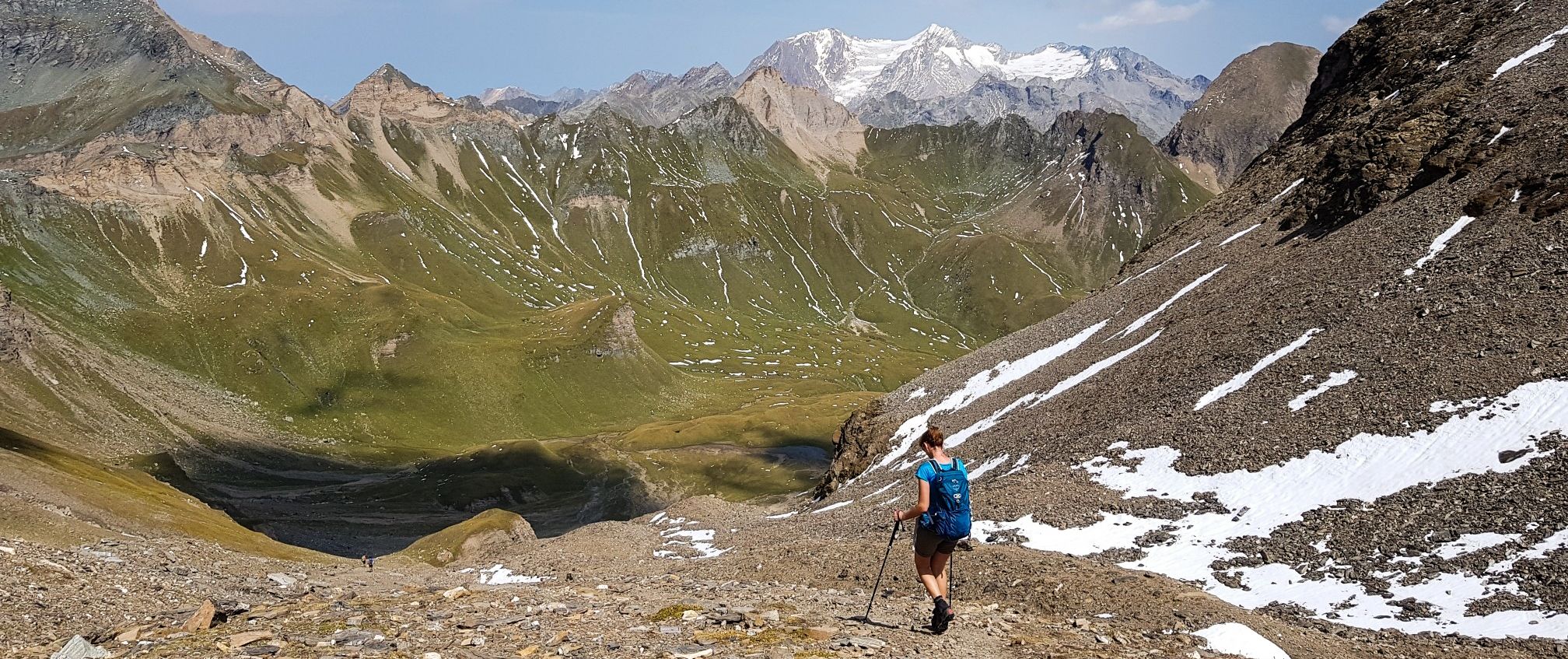
The Pfunderer High Route – Alpine. Solitary. Breathtaking.
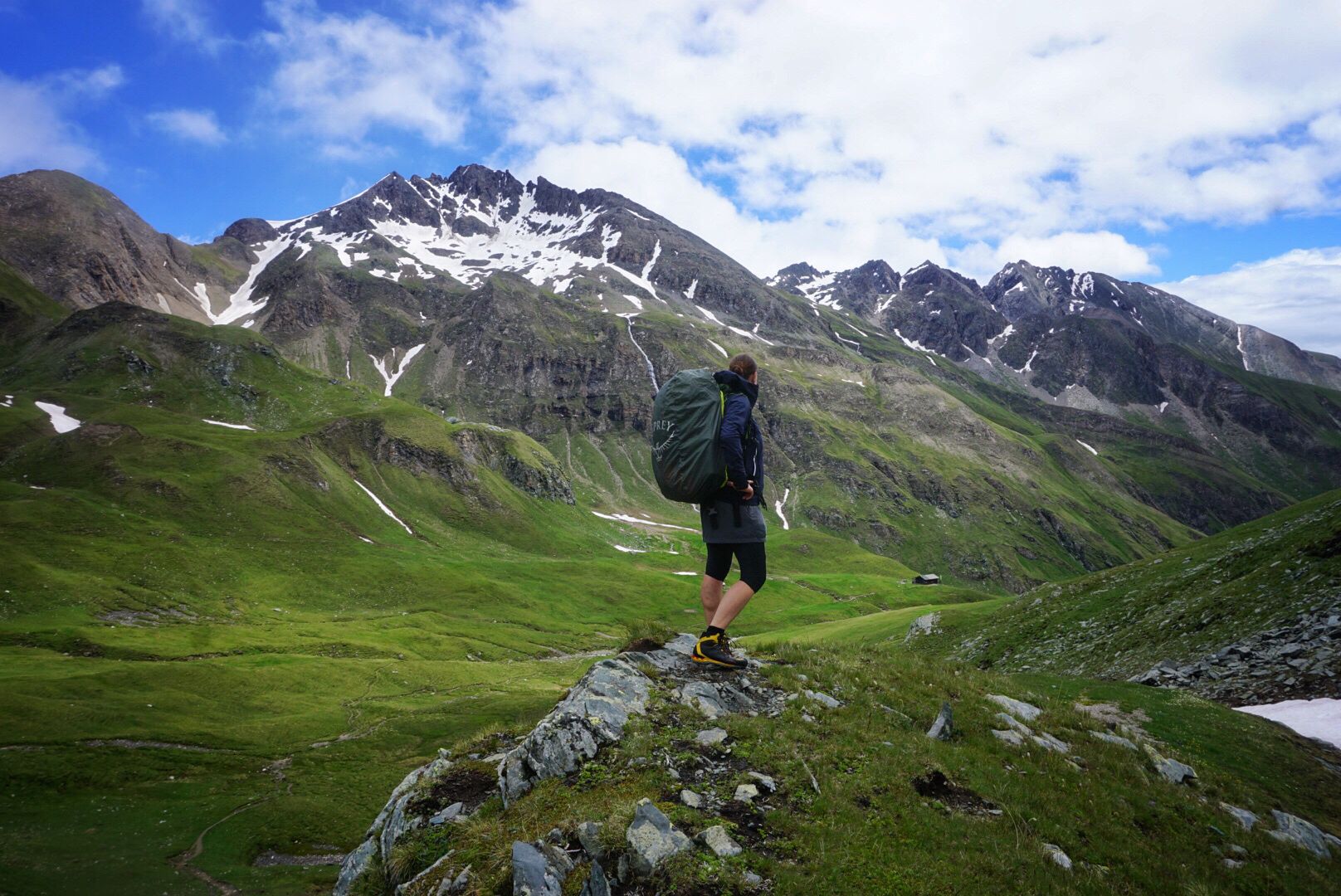
Pfunderer Mountain Trail in South Tyrol – high alpine hiking
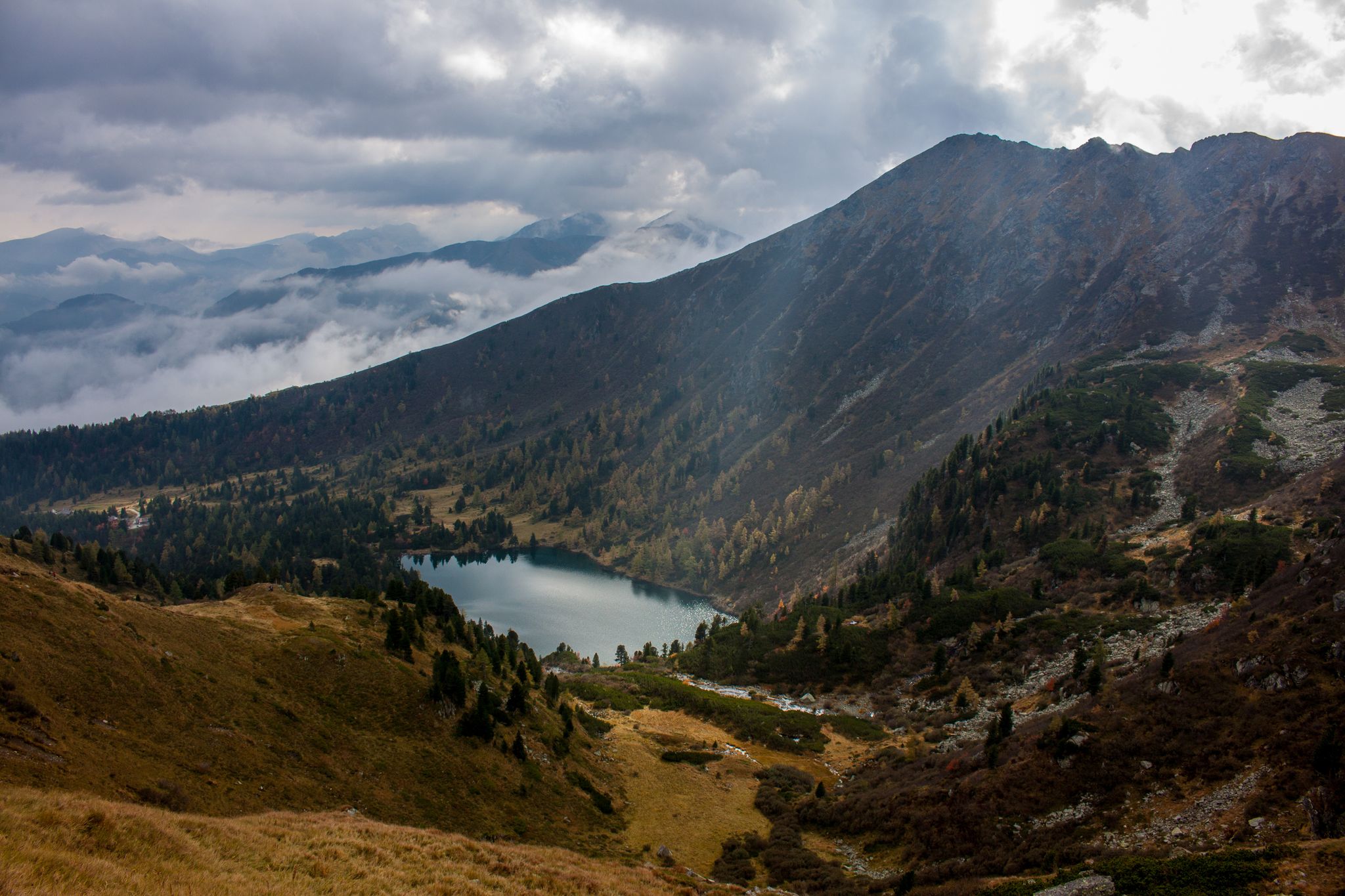
Berge mit unglaublichen Namen
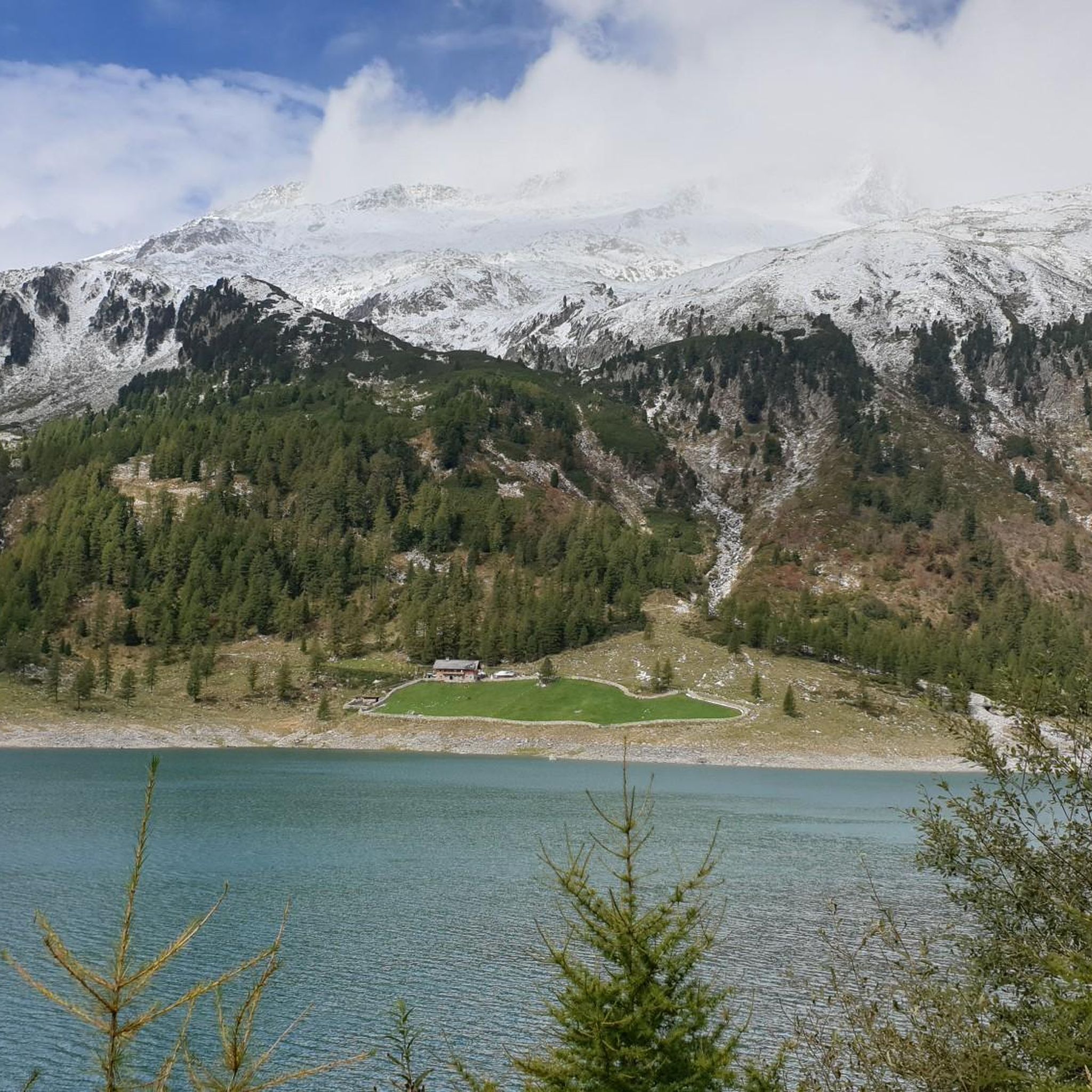
Hiking around Mühlwald - Selva Dei Molini
Cycling around Mühlwald - Selva Dei Molini
Road Cycling Routes around Mühlwald - Selva Dei Molini
MTB Trails around Mühlwald - Selva Dei Molini
Running Trails around Mühlwald - Selva Dei Molini
Mountain Hikes around Mühlwald - Selva Dei Molini
Gravel biking around Mühlwald - Selva Dei Molini


Tips from the Community

We've seen many military cemeteries, but this one is truly poignant. It serves as the final resting place for fallen soldiers of various nationalities and denominations from the First and Second World Wars. The complex was designed by the pioneer officer and architect Ing. A. Bechtold from Bregenz to blend harmoniously into the forest setting. Typical of the cemetery is that most of the graves are made of wood and individually designed, giving it its character as a "forest cemetery." The only stone structures are the cemetery chapel and the fountain of tears. There are fenced-off sections for Muslim and Jewish graves, highlighting the diversity of those buried here.
1
0
We've seen many military cemeteries, but this one is truly moving. It serves as the final resting place for those who fell in the First and Second World Wars, representing various nations and denominations. The grounds were designed by the pioneer officer and architect A. Bechtold from Bregenz, so that they blend harmoniously into the surrounding forest. A typical feature of the cemetery is that most of the graves are made of wood and individually designed, giving it its character as a "forest cemetery." The only stone structures are the cemetery chapel and the Fountain of Tears. There are fenced sections for Muslim and Jewish graves, highlighting the diversity of those buried here. The cemetery was established during the First World War because Bruneck was home to several military hospitals, and the many deceased soldiers and prisoners of war could not be buried in the town cemetery.
2
0

Very well-kept beautiful cemetery
1
0

The Bruneck Military Cemetery (officially: Cimitero Militare di Brunico) is a war cemetery from the First World War, in which mainly Austro-Hungarian and Italian soldiers who died in the mountain fighting on the Dolomites Front are buried.
1
0

In the middle of the 13th century, a fortress was built on the rock that juts out into the valley to protect the administrative seat of the Prince-Bishop of Brixen. Today it is the Messner Mountain Museum.
4
0

In Tibetan, "ri" means mountain and "pa" means man. The Messner Mountain Museum Ripa in Brunico introduces visitors to the culture and way of life of the mountain peoples. Whether Africa or Asia, South America or Europe - life in mountainous regions poses special challenges to people all over the world. During his expeditions, Reinhold Messner had many encounters with people who were shaped by life in the mountains. The permanent exhibition Heritage of the Mountains sheds light on the everyday life of various mountain peoples, but also tells about their religion and the effects of tourism.
5
0

The former bishop's castle, Bruneck Castle, towers majestically above the city. Visit the magnificent rooms and the Messner Mountain Museum Ripa and enjoy the wonderful view. You can find more information at https://www.messner-mountain-museum.it/de/ripa/museum/.
3
0

Sand in Taufers, also known as Campo Tures, is a picturesque village in the South Tyrol region, embedded in the impressive mountain landscape of the Dolomites. This charming community is characterized not only by its idyllic location, but also by its rich history, traditional architecture and the warm hospitality of the locals. The center of Sand in Taufers is overlooked by an imposing castle, Taufers Castle. This medieval castle, majestically perched on a hill, is not only a historical gem, but also offers spectacular views of the surrounding mountains and valleys. Visitors can stroll through the castle's well-preserved rooms and towers and immerse themselves in the region's fascinating history. The area around Sand in Taufers is a paradise for nature lovers and hiking enthusiasts. The Dolomites offer numerous hiking trails and panoramic routes that have their own charm in every season. In winter, the region becomes a popular destination for winter sports enthusiasts as there are world-class ski resorts nearby. The village itself impresses with its traditional Tyrolean architecture with colorful houses, well-kept gardens and cozy squares. The local shops and restaurants invite you to taste the delicious South Tyrolean cuisine and discover handmade products. Overall, Sand in Taufers exudes an unmistakable charm, which is created by the combination of breathtaking nature, historical heritage and warm hospitality. For travelers longing for a tranquil retreat amidst the mountains, Sand in Taufers is undoubtedly an enchanting destination.
2
0
Frequently Asked Questions
What is the main castle attraction near Mühlwald - Selva Dei Molini?
While Mühlwald - Selva Dei Molini itself is known for its natural beauty, the most prominent castle in the broader region is Castel Tures / Taufers Castle. Located near Campo Tures, it is one of the best-preserved medieval fortresses in the Tyrolean region, offering a rich historical and cultural experience.
What makes Castel Tures / Taufers Castle historically significant?
Castel Tures, first documented around 1225, showcases a blend of Romanesque and Gothic architectural styles. It's unique for its well-preserved interiors, including 64 furnished rooms, frescoes, an armoury, and a library, largely due to never suffering major enemy attacks. It offers a deep dive into centuries of history.
Are there guided tours available at Castel Tures?
Yes, guided tours are available at Castel Tures. They are typically offered in German and Italian, with English handouts available. According to visitor tips, tours cost around 8 euros per person and usually take place at 11 a.m. and 3 p.m., providing an engaging and humorous account of the castle's history.
Can I visit other castles or historical sites in the area?
Beyond Castel Tures, you can also experience the Rienza Cycle Path and Castello di Rodengo, which offers a scenic route passing by another castle. Additionally, the Soldiers' Cemetery in Bruneck is a well-kept historical site with a good view of the nearby castle in Bruneck.
Are there family-friendly activities at or near the castles?
Castel Tures is considered family-friendly, offering an immersive historical experience that can be engaging for children. The nearby town of Campo Tures – Sand in Taufers also provides opportunities for hiking and cycling on paths like the Rienza Cycle Path, which are suitable for families.
What kind of views can I expect when visiting castles in this region?
The castles in this region, particularly Castel Tures, are strategically positioned to offer magnificent panoramic views. You can get a stunning perspective from the View of Taufers Castle, which provides vistas of Campo Tures village and the surrounding valleys and majestic Zillertal Alps.
What outdoor activities can I do near these castles?
The region around Mühlwald - Selva Dei Molini offers various outdoor activities. You can explore numerous cycling routes, such as those found in the Cycling around Mühlwald - Selva Dei Molini guide, or try gravel biking with options in the Gravel biking around Mühlwald - Selva Dei Molini guide. For mountain biking enthusiasts, there are challenging trails listed in the MTB Trails around Mühlwald - Selva Dei Molini guide.
How accessible is Castel Tures / Taufers Castle?
Castel Tures can be reached by a short, scenic footpath from Campo Tures. While it's also accessible by car, parking at the castle itself is limited. The castle's location on a rocky outcrop means there might be some steep sections on the approach.
What do visitors enjoy most about the castles in this region?
Visitors frequently praise the excellent condition and preservation of castles like Castel Tures, especially its interiors. The immersive historical experience provided by guided tours, the blend of Romanesque and Gothic architecture, and the stunning panoramic views from their strategic locations are highly appreciated.
Are there cafes or restaurants near the castles?
Yes, Castel Tures itself is listed as having a cafe. Additionally, the nearby town of Campo Tures – Sand in Taufers offers various cafes, pubs, and restaurants where you can relax and refuel after your visit.
What is the best time of year to visit the castles around Mühlwald - Selva Dei Molini?
The castles, particularly Castel Tures, are generally best visited during the warmer months, from spring to autumn, when the weather is pleasant for exploring and the surrounding natural scenery is at its most vibrant. This also aligns with the best seasons for hiking and cycling in the region.
Most popular routes around Mühlwald - Selva Dei Molini
Most popular attractions around Mühlwald - Selva Dei Molini

Get inspired with the komoot mobile app


Explore more
Looking for the best castles somewhere else? Discover other guides around Mühlwald - Selva Dei Molini:
