Top 20 Natural Monuments in Pembrokeshire Coast
Best natural monuments in Pembrokeshire Coast include a diverse range of geological formations, coastal features, and elevated landscapes. The region is characterized by its dramatic coastline, ancient hills, and unique natural structures. These sites offer varied experiences, from coastal walks to inland explorations. The area's natural monuments are shaped by geological processes and provide habitats for wildlife.
Best natural monuments in Pembrokeshire Coast
- The most popular natural monuments is Foel Cwmcerwyn summit, a natural monument that is the highest…
Last updated: September 29, 2026
Carningli Mountain
Highlight • Viewpoint
Tip by

Foel Cwmcerwyn summit
Highlight • Natural Monument
Tip by

Sign up now to discover places like this
Get recommendations on the best single tracks, peaks, & plenty of other exciting outdoor places.
Foel Drygarn Hillfort and Cairns
Highlight • Viewpoint
Tip by

Carn Llidi Summit View
Highlight • Natural Monument
Tip by
St Govan's Chapel
Highlight • Historical Site
Tip by
Sign up for free to discover even more natural monuments in Pembrokeshire Coast.
Already have an account?
Start today with a free account
Your next adventure awaits.
Popular around Pembrokeshire Coast
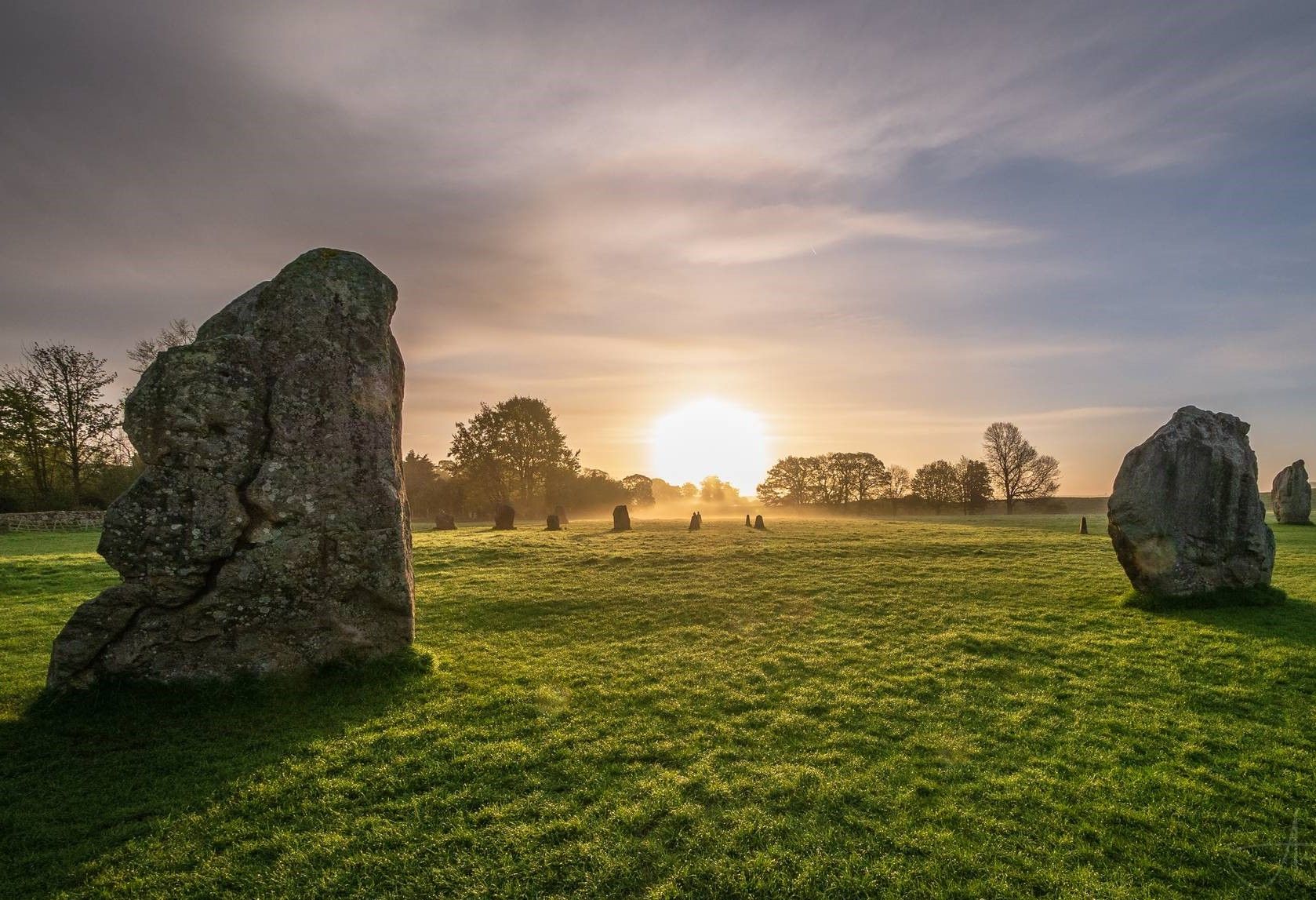
Celtic Way — An epic pilgrimage through prehistory and wild beauty
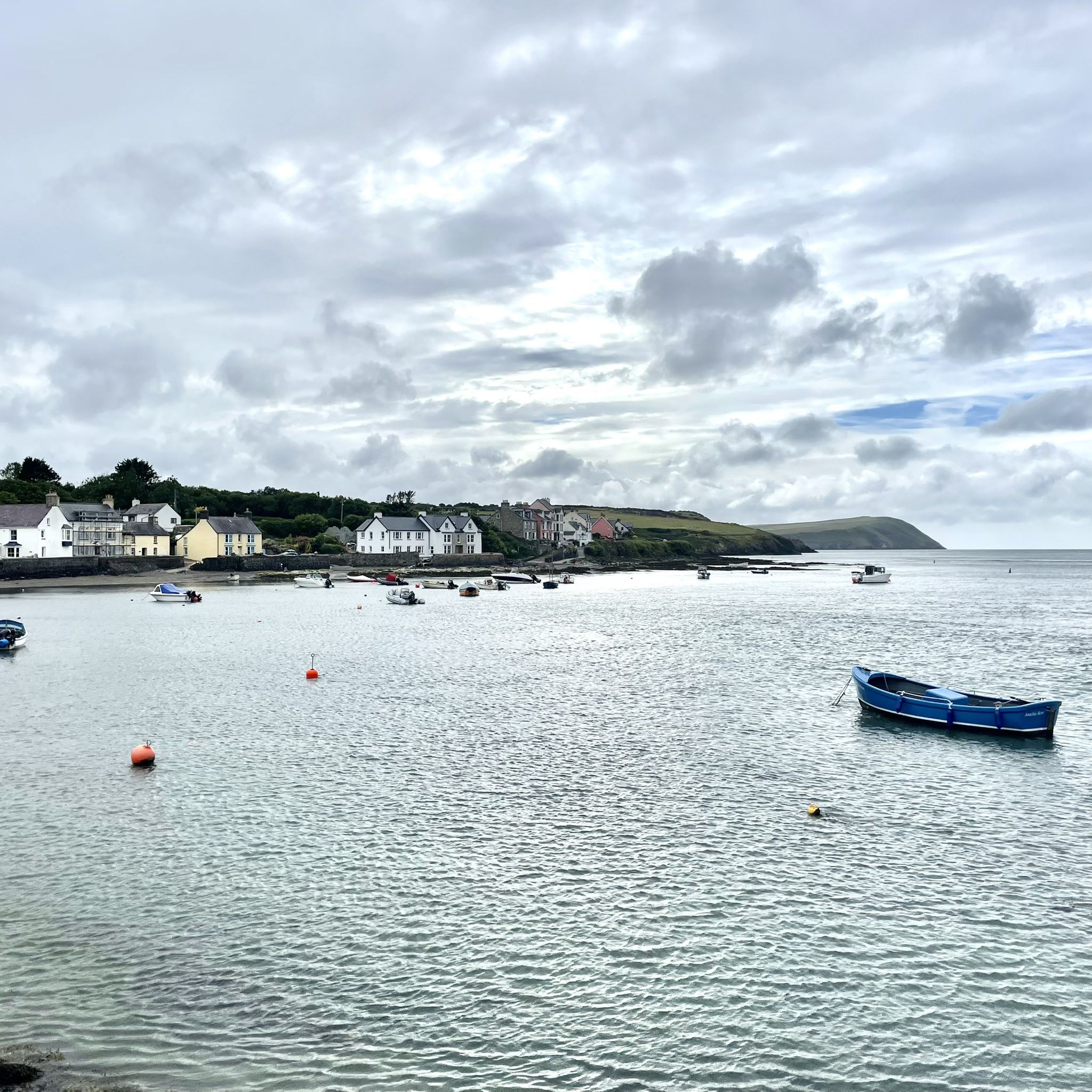
Newport to Cemaes Head – Pembrokeshire walks
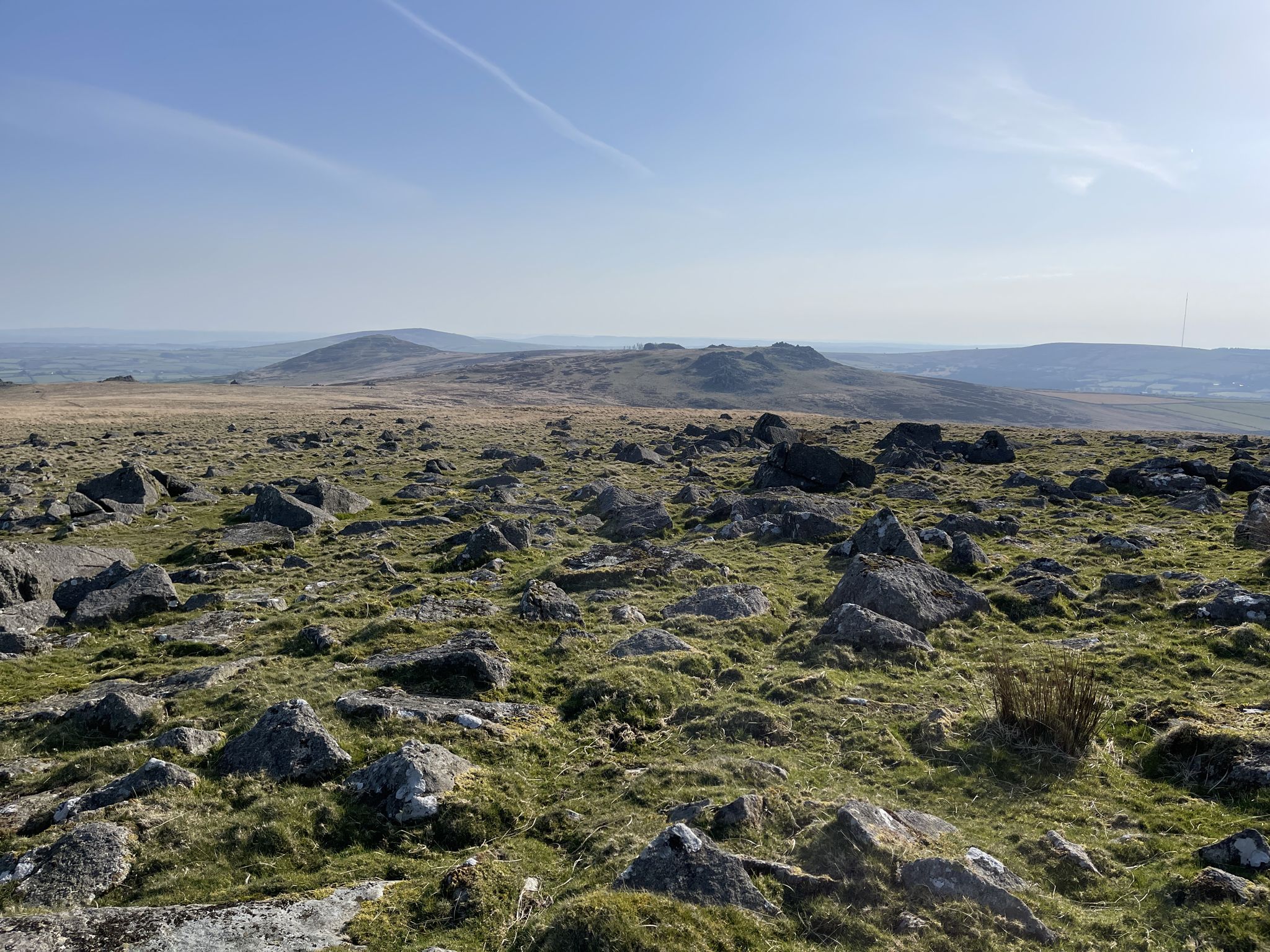
Preseli Hills – Pembrokeshire walks
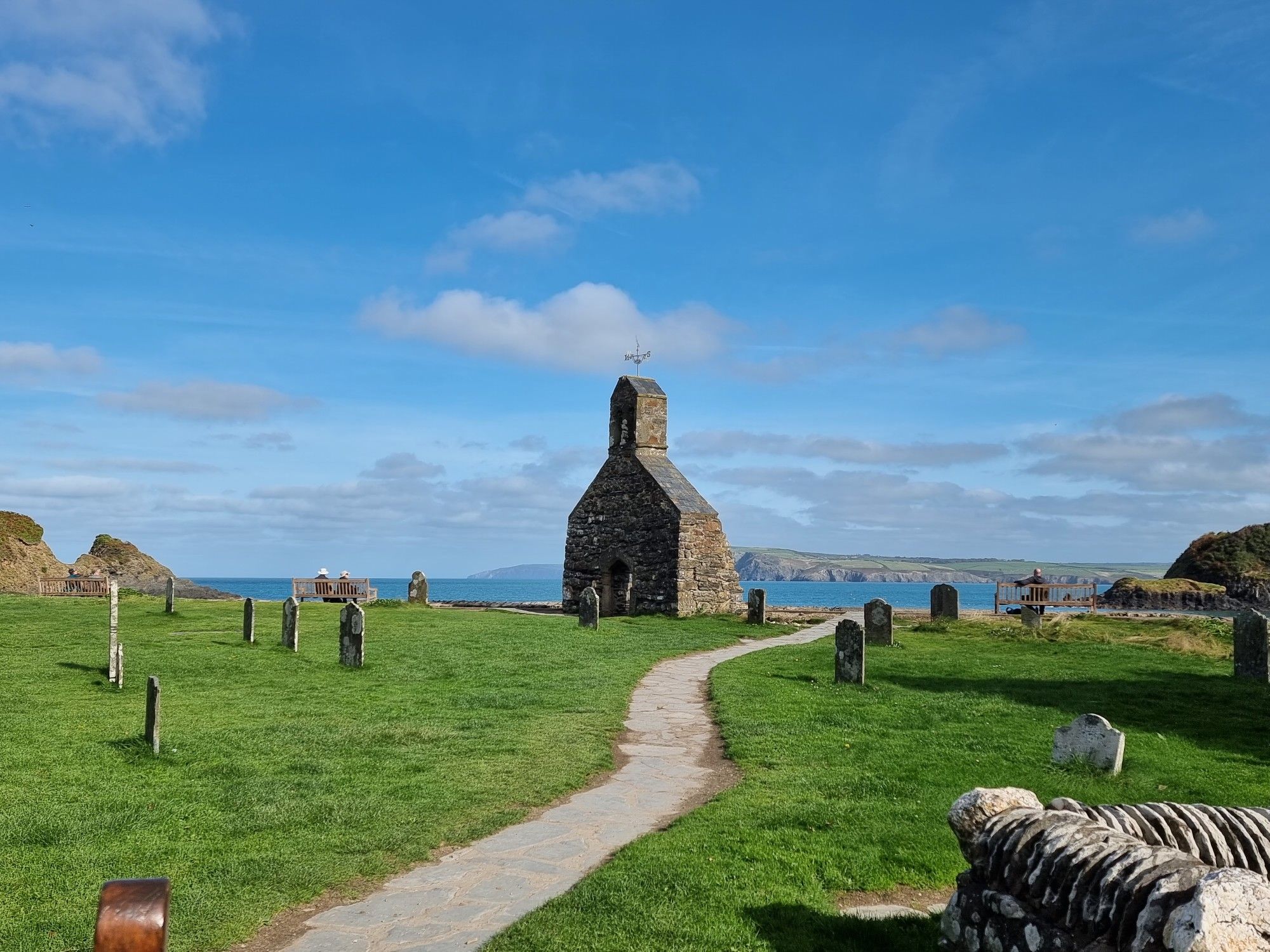
Fishguard and Gwaun Valley – Pembrokeshire walks
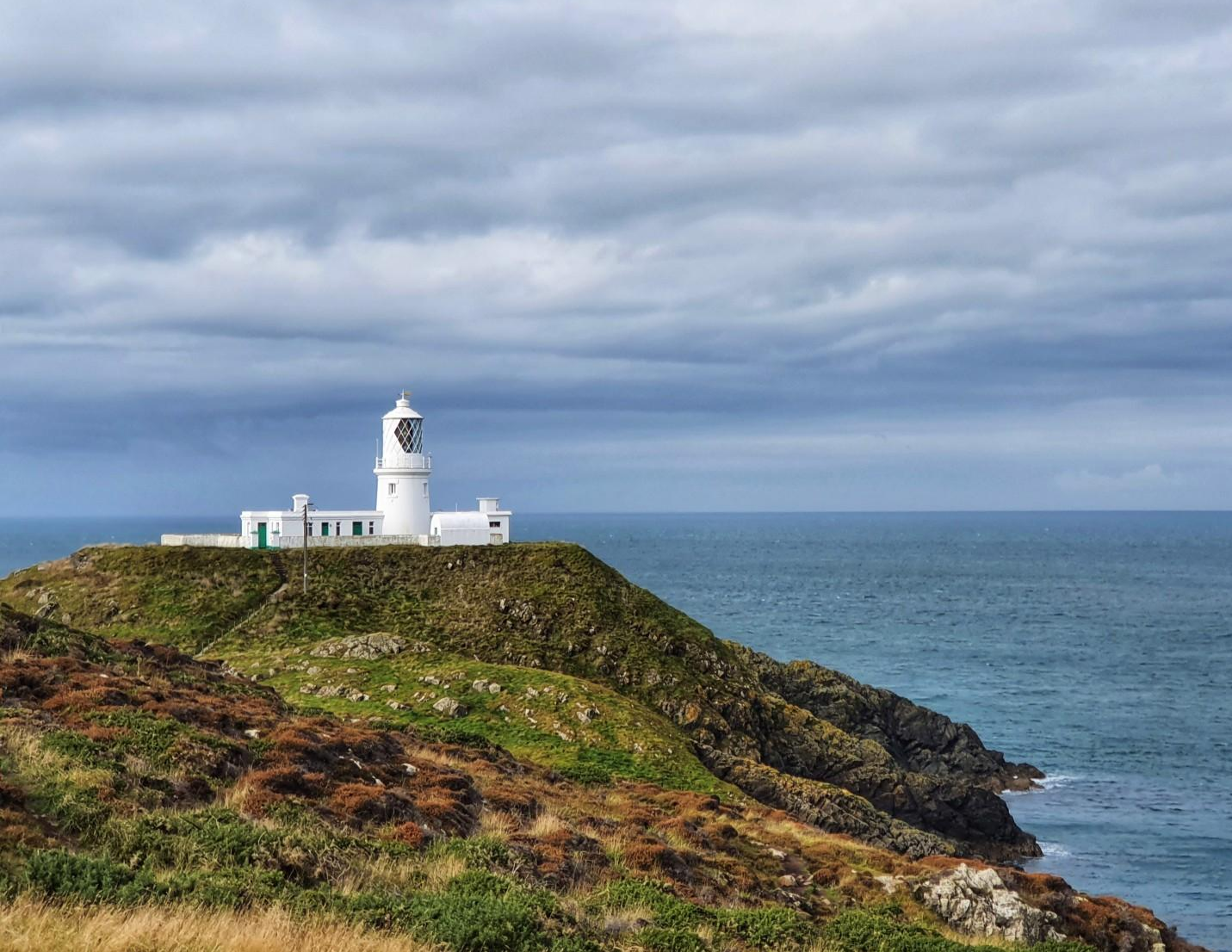
Abercastle to Strumble Head – Pembrokeshire walks
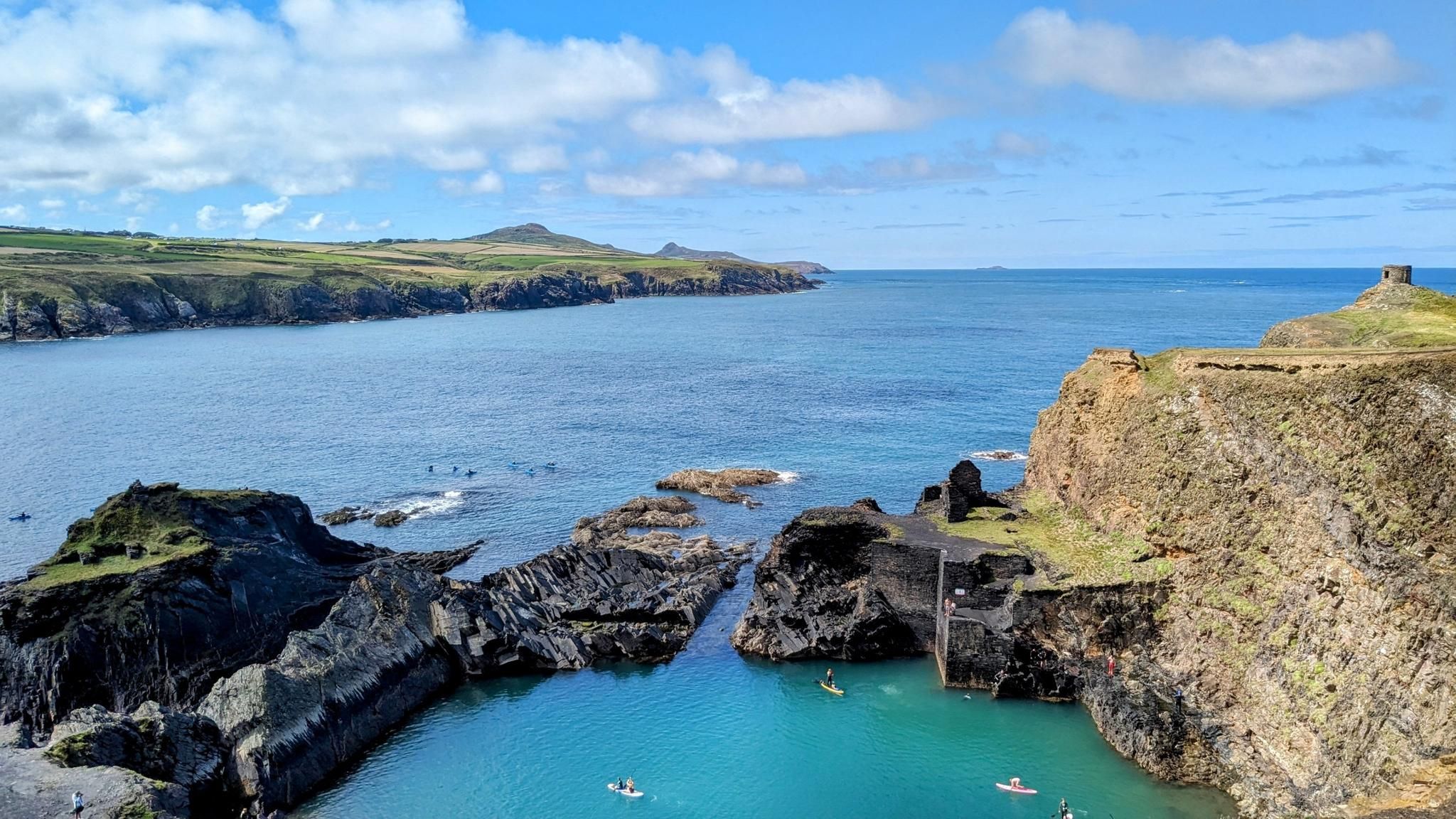
St Davids Head to Abercastle – Pembrokeshire walks
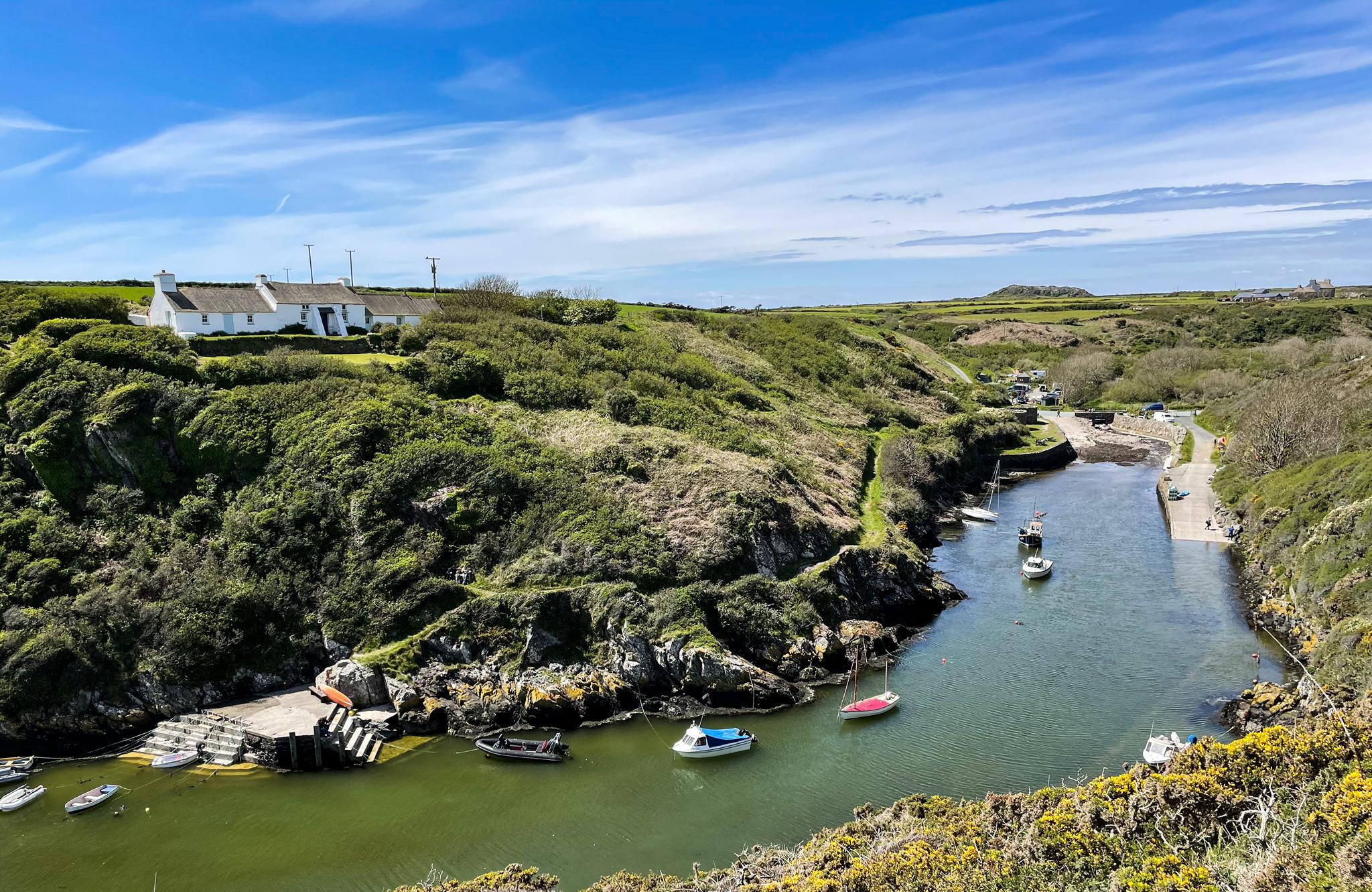
St Davids and Solva – Pembrokeshire walks
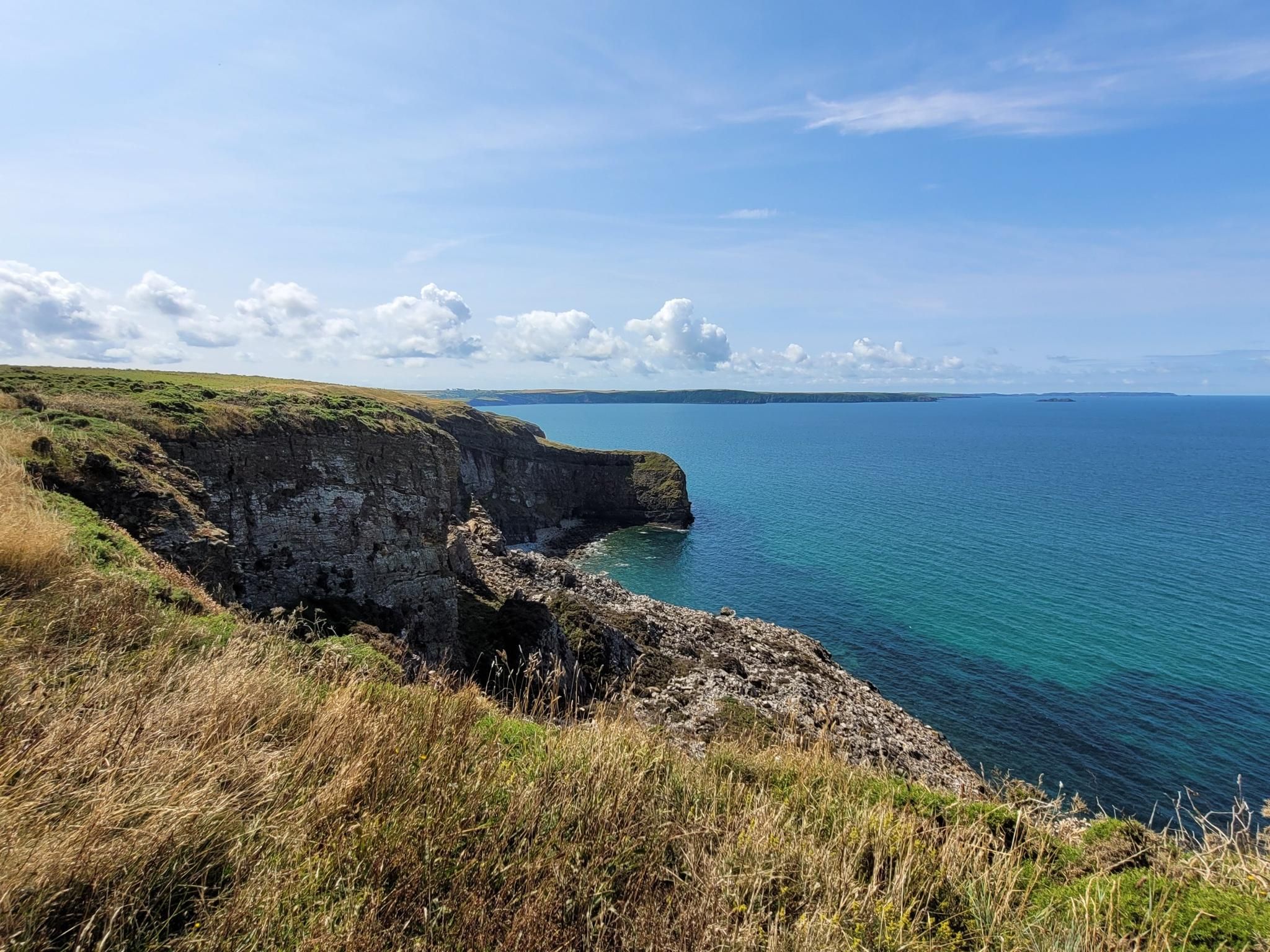
Broad Haven and St Brides Bay – Pembrokeshire walks
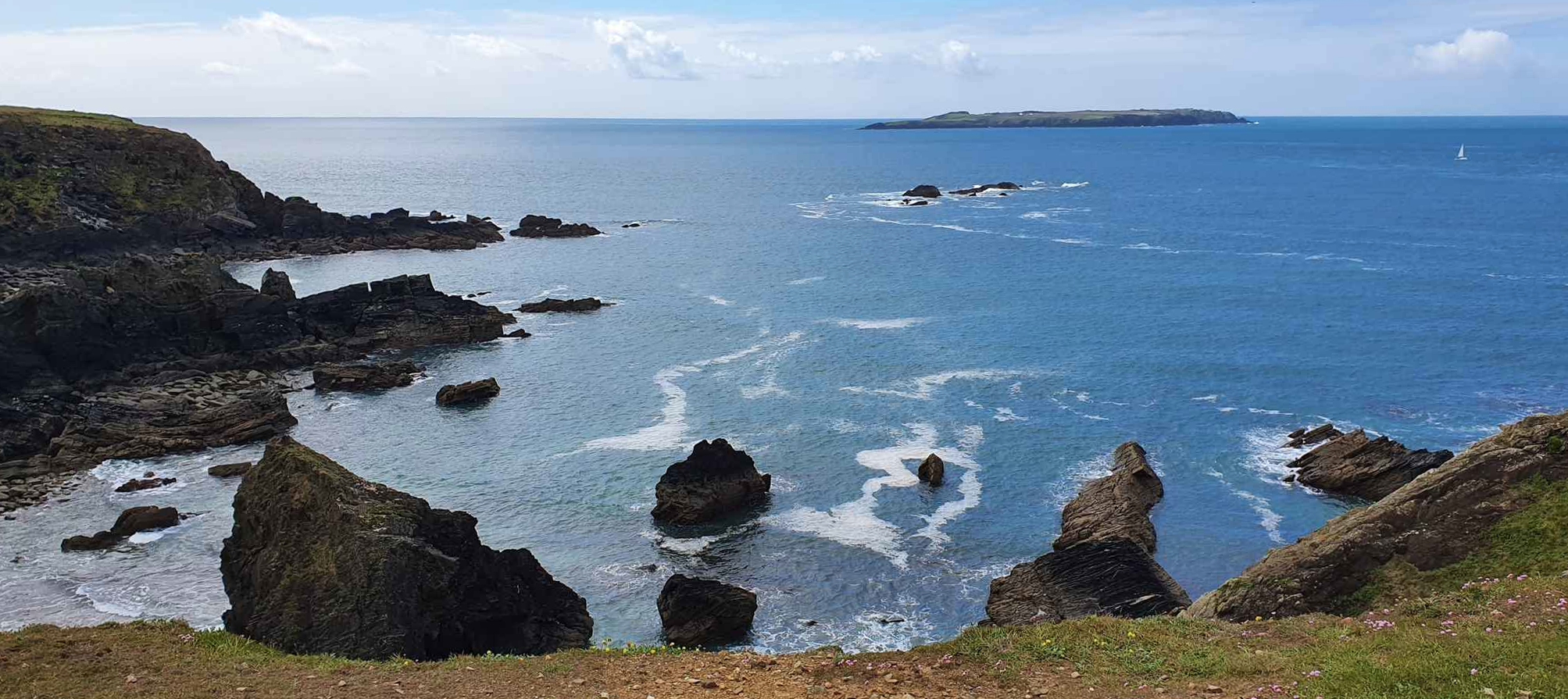
Marloes Peninsula and Skomer – Pembrokeshire walks
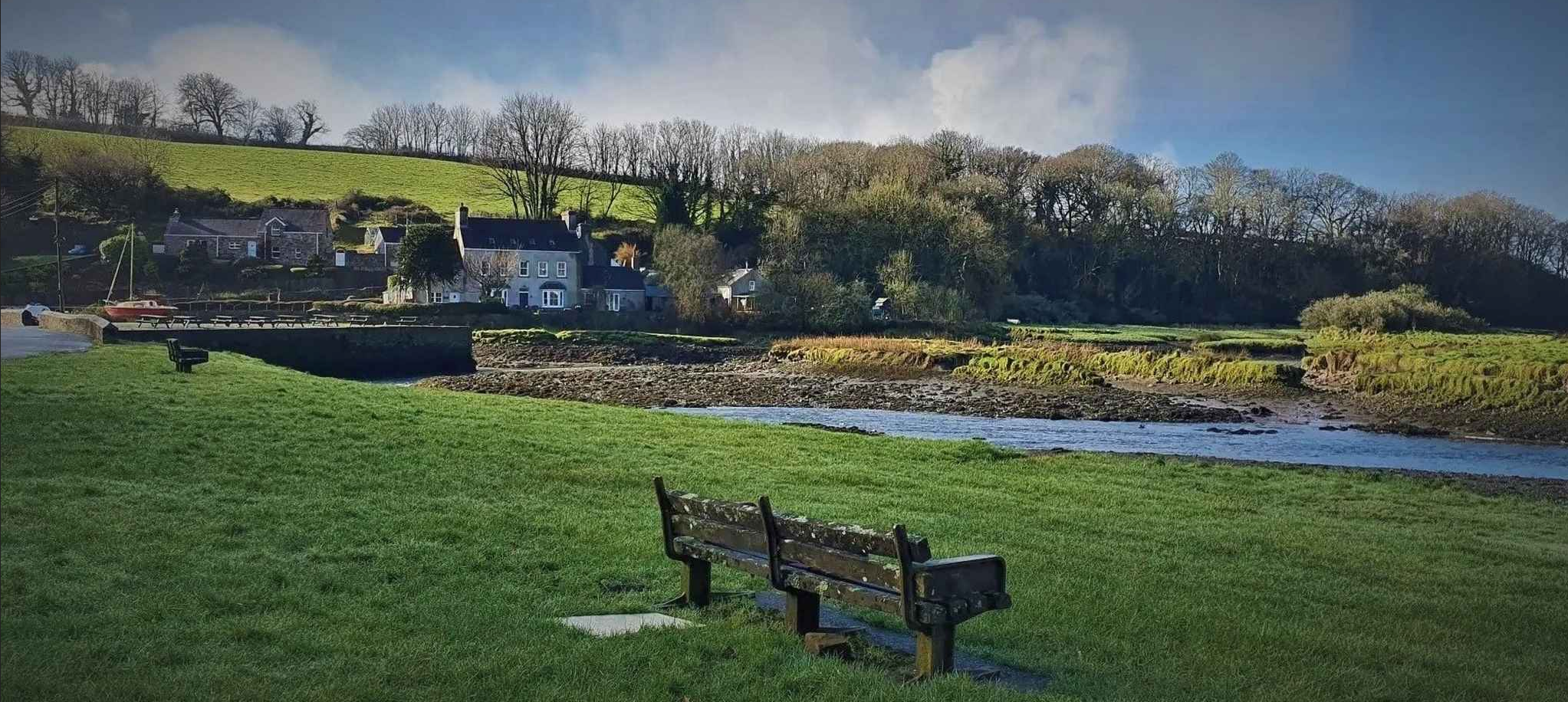
Daugleddau Estuary – Pembrokeshire walks
Other adventures in Pembrokeshire Coast


Tips from the Community

Views all round, to the sea, Cardigan Bay, north and Milford Haven in south.
0
0


Mynydd Carningli, or Carningli for short (or "Carn Ingli"), is almost 350 meters high and around 450 million years old. It is a long-extinct volcano that has been eroded by sea, rainwater, and wind. Today, only the core of Carningli remains. It was first documented as "Mons Angelorum" (Mountain of the Angels) in the 12th century. Saint Brynach is said to have lived nearby in a small community of monks around 450 AD and often climbed the mountain to speak with the angels. Those who climb the mountain today, enjoying the peace and the surrounding views, can easily imagine that the saint—like other people—sought proximity to the angels there.
0
0

Top spot, with a great view. The approach from the east side is adventurous as there is usually little or no path visible. With only the summit roughly in sight, we steadily fought our way up.
1
0
You can hardly estimate what awaits you here from above. The path down the slippery steps is deficient. value!
1
0
St Govan's Chapel is a rock cell where a saint lived. According to legend, he had a magic bell that he used to warn pirates. Exciting and a special atmosphere here!
1
0

Very beautiful view and a small, simple chapel. Steep path and slippery steps. The story about St Govan who (allegedly) hid in the crevice is quite interesting.
2
0
The monument includes the remains of two chamber tombs from the Neolithic period (ca. 4,400 BC - 2,900 BC). Chamber tombs were built and used by local farming communities over long periods of time. The two sub-megalithic burial chambers lie in rock-strewn open moorland on the sloping terrain northwest of Garn Llidi, at the westernmost point of the ridge.
2
0
Frequently Asked Questions
What are some of the most notable natural landmarks in Pembrokeshire Coast?
Pembrokeshire Coast is home to many remarkable natural monuments. Highlights include the dramatic limestone arch of Foel Cwmcerwyn summit, the highest point of the Preseli Hills offering panoramic views. You can also explore the ancient Foel Drygarn Hillfort and Cairns, or enjoy coastal vistas from Carn Llidi Summit View. Beyond these, the iconic Green Bridge of Wales and the unique Witches Cauldron are also must-sees.
What unique natural features can I expect to see in Pembrokeshire Coast?
The region boasts a diverse range of natural features. You'll find spectacular coastal formations like the Green Bridge of Wales, a natural limestone arch, and the towering Stack Rocks. Inland, the Preseli Hills offer rolling landscapes and ancient tracks. The Witches Cauldron is a fascinating collapsed sea cave with iridescent blue-green water, while Bosherston Lakes are famous for their stunning water lilies in summer.
What is the best time of year to visit the natural monuments in Pembrokeshire Coast?
The best time to visit depends on your interests. For birdwatching, spring and early summer (April to July) are ideal, especially around Stack Rocks and Ramsey Island, when seabirds are nesting. June is perfect for seeing the water lilies in full bloom at Bosherston Lakes. For general hiking and enjoying the landscapes, late spring to early autumn (May to September) offers milder weather.
Are there family-friendly natural monuments in Pembrokeshire Coast?
Many natural monuments in Pembrokeshire Coast are suitable for families. Gentle walks around Bosherston Lakes to see the water lilies are popular. The Blue Lagoon at Abereiddy offers a unique swimming and coasteering experience for older children. Exploring the Preseli Hills can also be a great family adventure, with various trails available.
Which natural monuments are best for wildlife spotting?
For wildlife enthusiasts, Ramsey Island Nature Reserve is exceptional, hosting a large Atlantic grey seal colony (especially in September and October) and often porpoises in Ramsey Sound. Stack Rocks are crucial nesting sites for thousands of seabirds like guillemots and kittiwakes. Strumble Head is also an excellent spot for birdwatching and potentially spotting marine life such as dolphins and basking sharks.
Can I combine a visit to natural monuments with historical sites?
Absolutely. Many natural monuments in Pembrokeshire Coast have historical significance. For instance, Foel Drygarn Hillfort and Cairns features an Iron Age hillfort and Bronze Age burial cairns. Carn Llidi Summit View includes Neolithic chamber tombs. Additionally, St Govan's Chapel, nestled into the cliffs, is a historical religious site within a dramatic natural setting.
Are there natural monuments inland, away from the coast?
Yes, the Preseli Hills (also known as Preseli Mountains) offer a distinct natural monument experience away from the coastline. This range stretches for 13 miles and includes Foel Cwmcerwyn summit, Pembrokeshire's highest point. These hills are characterized by rolling landscapes, ancient tracks, and offer panoramic views, making them ideal for hiking and enjoying tranquil scenery.
What outdoor activities can I do near these natural monuments?
The Pembrokeshire Coast offers a wealth of outdoor activities. You can find numerous hiking trails, including those around the Preseli Hills and coastal paths. For cycling, explore routes like those mentioned in the Cycling in Pembrokeshire Coast guide. Running enthusiasts can find trails such as the Bosherston Lily Ponds loop, detailed in the Running Trails in Pembrokeshire Coast guide. Coasteering is also popular at spots like the Blue Lagoon.
Are there hiking trails near the natural monuments?
Yes, many natural monuments are integrated into or are accessible via hiking trails. For example, you can hike to the Witches Cauldron from Ceibwr Bay. The Preseli Hills, including Foel Cwmcerwyn summit and Carningli Mountain, are excellent for hiking. You can find more detailed hiking options in the Waterfall hikes in Pembrokeshire Coast guide, which includes routes like the Carningli Mountain – Aberfforest Waterfall loop.
Where can I find parking for Pembrokeshire Coast natural monuments?
Parking availability varies by location. For popular spots like the Green Bridge of Wales and Stack Rocks, parking is often available nearby, though access may be restricted due to their location within a military training area, so check in advance. For Carningli Mountain, there's a free car park on Ffordd bedd Morris Road or at Newport Bridge. Many coastal access points and villages near monuments will have designated parking areas.
What do visitors enjoy most about the natural monuments in Pembrokeshire Coast?
Visitors consistently praise the breathtaking panoramic views from summits like Foel Cwmcerwyn and Foel Drygarn Hillfort and Cairns. The dramatic coastal scenery, unique geological formations, and the opportunity for wildlife spotting are also highly valued. The sense of isolation and tranquility, especially at places like Strumble Head, is frequently mentioned as a highlight.
Are there any hidden gem natural monuments in Pembrokeshire Coast?
While many sites are well-known, the Witches Cauldron near Moylegrove, a collapsed sea cave, offers a unique and somewhat mystical experience that feels like a hidden gem. Its dramatic formation and the surrounding tranquil beach make it a special find. Exploring the less-trafficked paths within the Preseli Hills can also lead to quiet, stunning viewpoints.
Most popular routes in Pembrokeshire Coast
Most popular attractions in Pembrokeshire Coast

Get inspired with the komoot mobile app


Explore more
Extend your search for the best caves by checking out these guides of the top ones in Pembrokeshire Coast:
