Attractions and Places To See around Parco nazionale dell'Appennino Tosco-Emiliano - Top 20
Best attractions and places to see around Parco nazionale dell'Appennino Tosco-Emiliano, a protected area nestled between Tuscany and Emilia-Romagna. This region, recognized as a UNESCO Man and Biosphere Reserve, features rugged mountain peaks, glacial lakes, and dense forests. Visitors can explore a diverse landscape that includes significant natural landmarks and historical sites. The park offers a variety of attractions for those interested in nature and cultural heritage.
Best attractions and places to see around Parco nazionale dell'Appennino Tosco-Emiliano
- The most popular attractions is Lagastrello Dam, a man-made monument created in 1911 for electricity production. This dam forms Lake Paduli and marks a border point between three provinces: Parma, Reggio Emilia, and Massa-Carrara.
- Another must-see spot is Giovanni Mariotti Mountain Hut at Lago Santo, a hut located on the shores of Lago Santo. This refuge offers kitchen service, reception rooms, and beds, and is accessible via chairlift or on foot.
- Visitors also love Pradarena Pass, an Apennine pass that divides Emilia Romagna from Tuscany. It features a restaurant for refreshments and is known for its challenging routes.
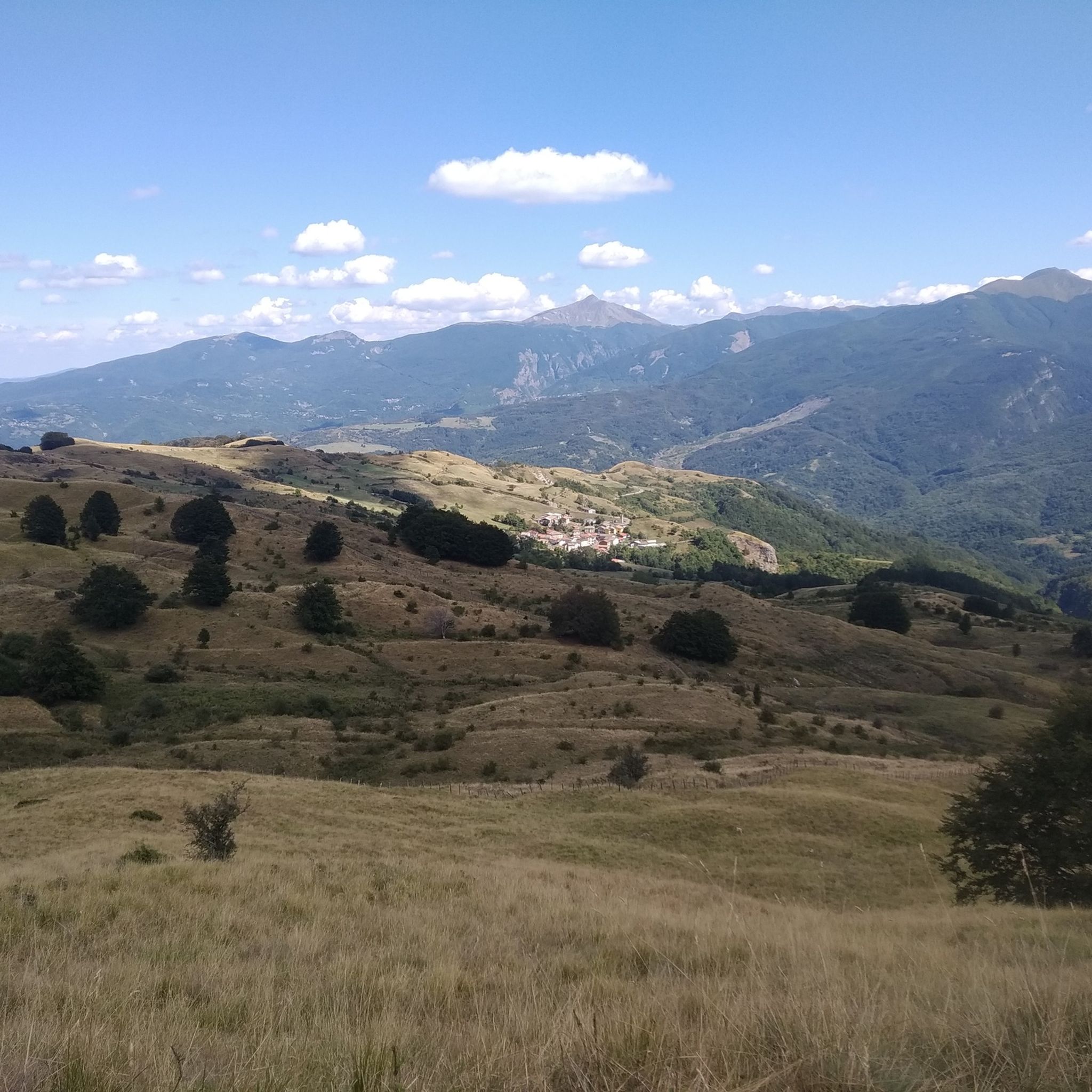
- Parco nazionale dell'Appennino Tosco-Emiliano is known for its rugged mountain peaks, tranquil glacial lakes, and historical medieval villages and fortresses. The region offers a wide variety of attractions to see and explore, from natural wonders to cultural sites.
- The attractions around Parco nazionale dell'Appennino Tosco-Emiliano are appreciated by the komoot community. With over 100 highlights, including 26 photos and 97 upvotes, the region offers many places to discover.
Last updated: August 3, 2026
Lake Santo Parmense
Highlight • Lake
Translated by Google •
Tip by

Lagdei Hut
Highlight • Mountain Hut
Translated by Google •
Tip by

Sign up now to discover places like this
Get recommendations on the best single tracks, peaks, & plenty of other exciting outdoor places.
Sign up for free
Lagastrello Dam
Highlight • Monument
Translated by Google •
Tip by

Giovanni Mariotti Mountain Hut at Lago Santo
Highlight • Mountain Hut
Translated by Google •
Tip by
Silara Pass
Highlight • Mountain Pass
Translated by Google •
Tip by
Sign up for free to discover even more attractions around Parco nazionale dell'Appennino Tosco-Emiliano.
Sign up for free
Already have an account?
Start today with a free account
Your next adventure awaits.
Login or Signup
Popular around Parco nazionale dell'Appennino Tosco-Emiliano
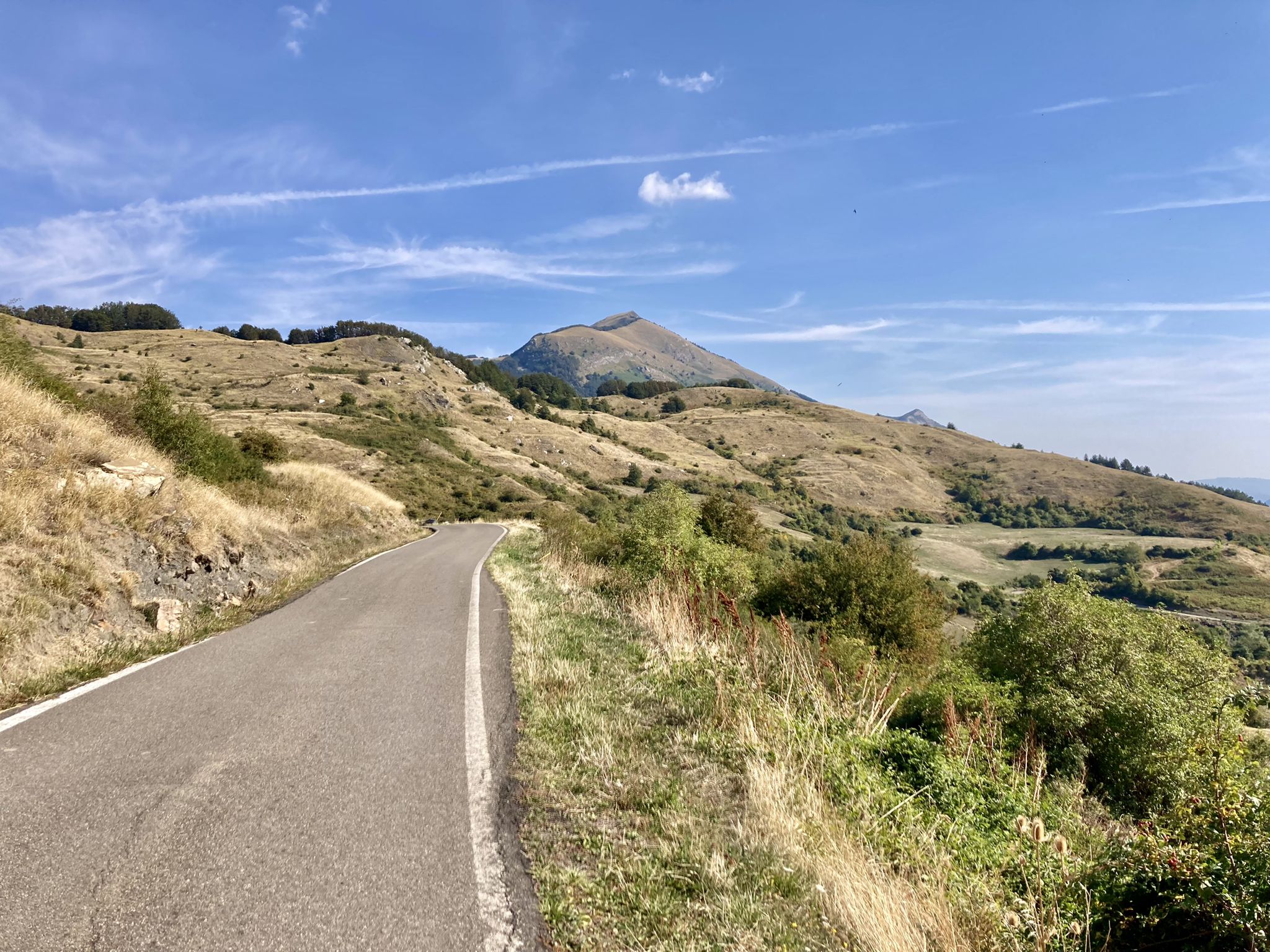
Apperò l'Appennino – five days of Italy's Emilian climbs
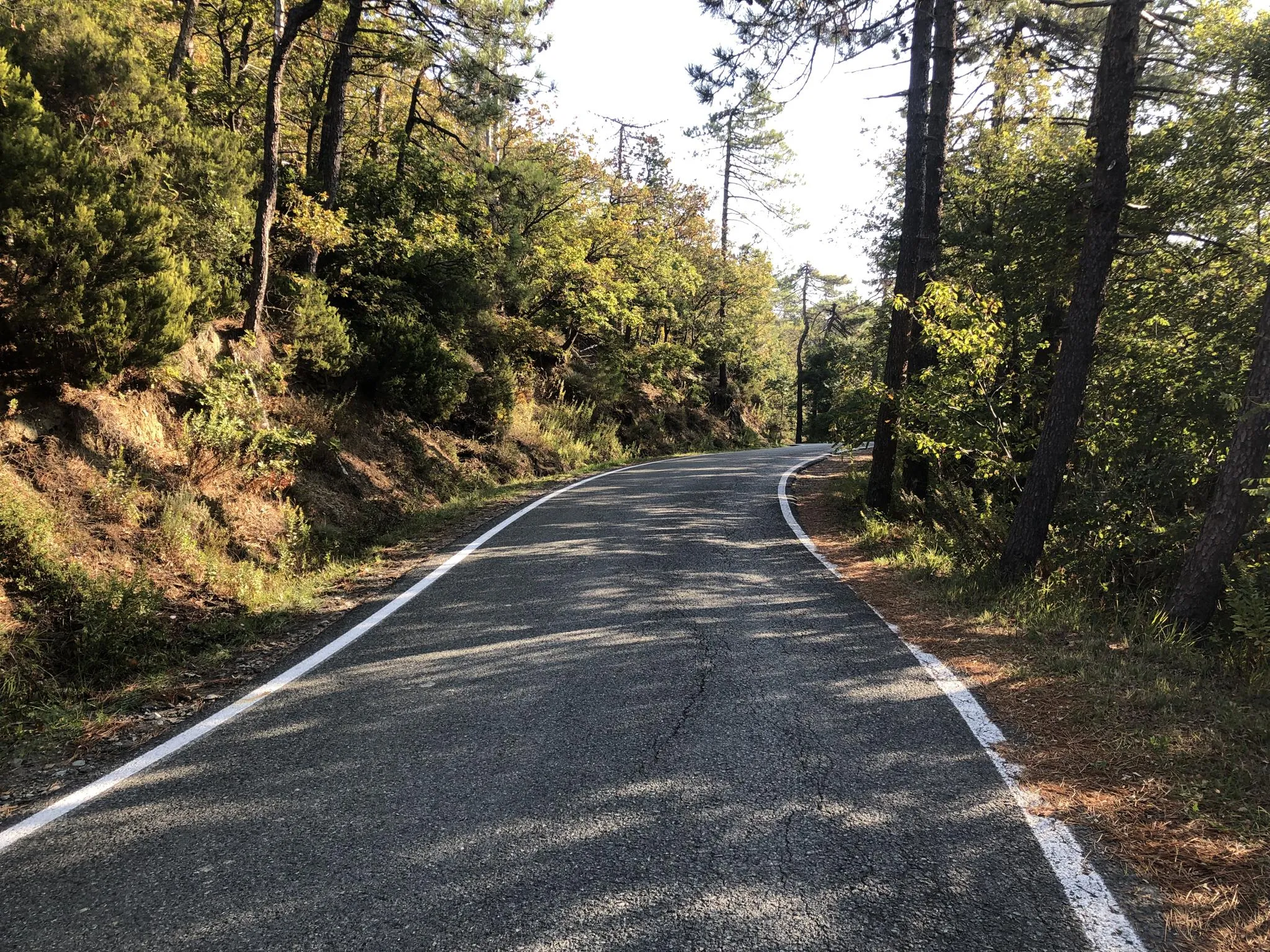
Apennine Cycle Route (Part 1) - From Liguria to Umbria
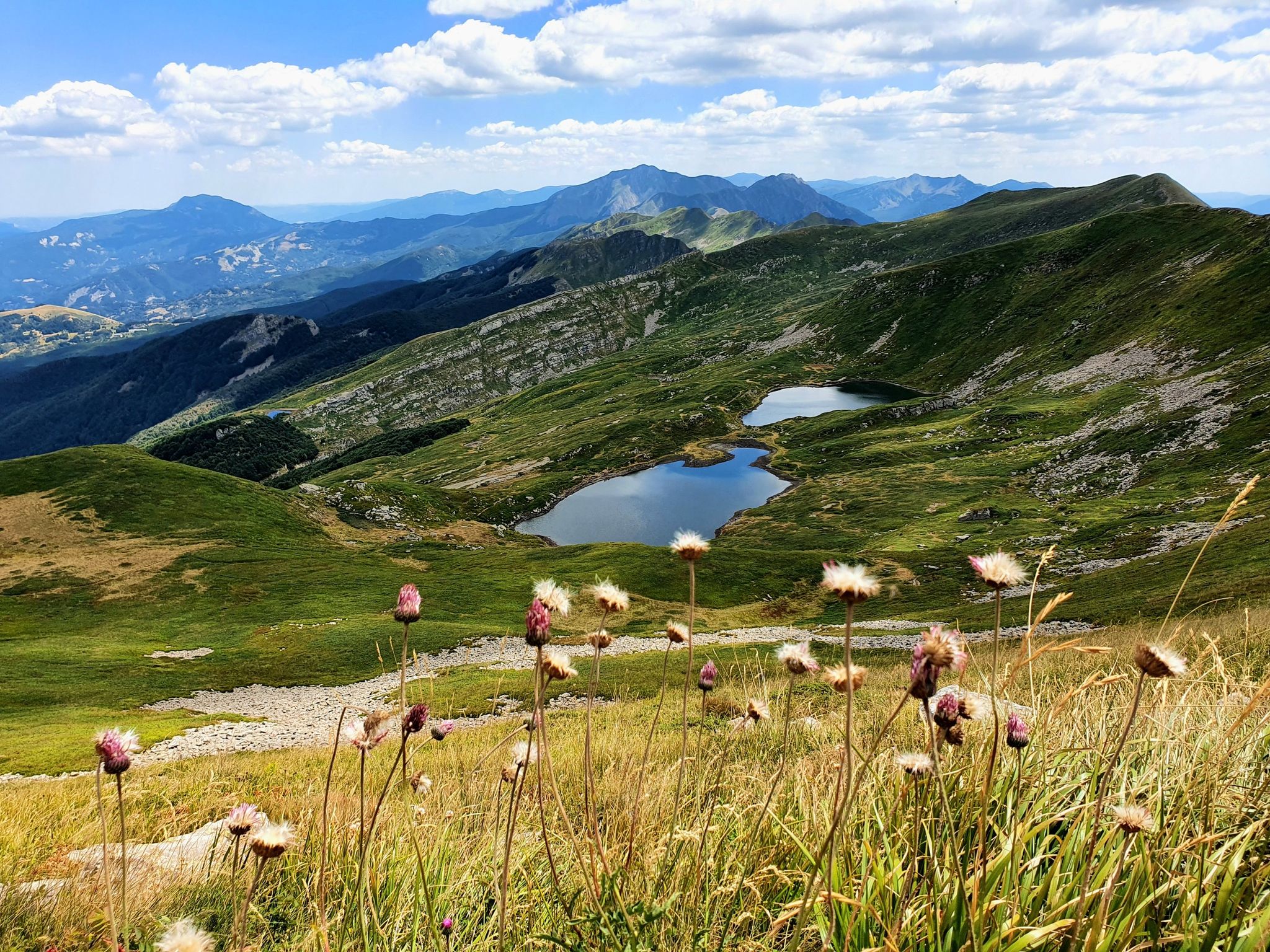
Berceto to Abetone – Alta Via dei Parchi (part 1)
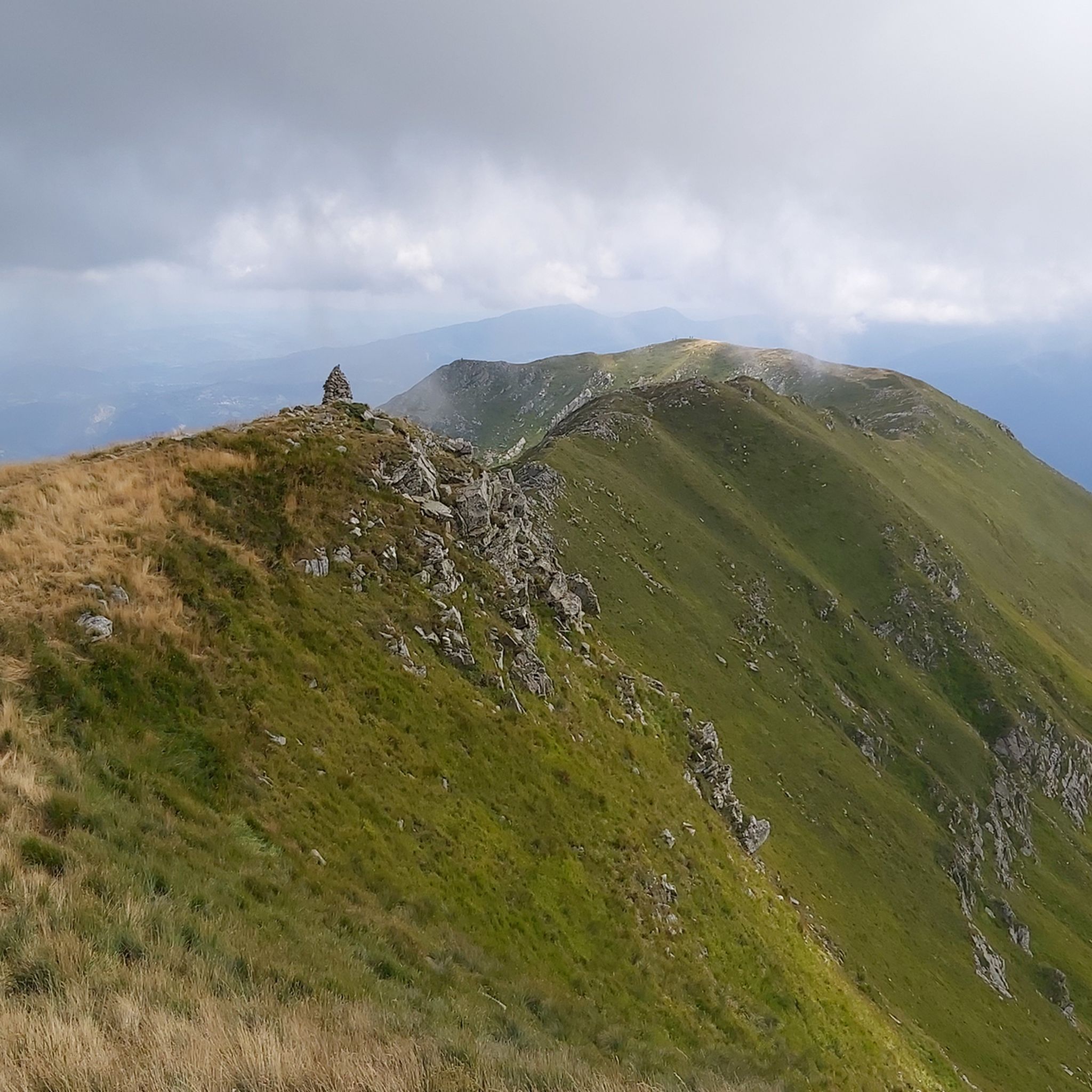
Hiking around Parco nazionale dell'Appennino Tosco-Emiliano
MTB Trails around Parco nazionale dell'Appennino Tosco-Emiliano
Running Trails around Parco nazionale dell'Appennino Tosco-Emiliano
Cycling around Parco nazionale dell'Appennino Tosco-Emiliano
Gravel biking around Parco nazionale dell'Appennino Tosco-Emiliano
Road Cycling Routes around Parco nazionale dell'Appennino Tosco-Emiliano

Mountain Hikes around Parco nazionale dell'Appennino Tosco-Emiliano
Other adventures around Parco nazionale dell'Appennino Tosco-Emiliano


Tips from the Community

The Diga del Lagastrello (officially called Diga di Lago Paduli) is an artificial dam located in the Tuscan-Emilian Apennines, at an altitude of about 1,157 meters in the municipality of Comano (Massa-Carrara), very close to the Passo del Lagastrello which separates Tuscany from Emilia-Romagna. Built between 1906 and 1910 for hydroelectric purposes by damming the Enza stream, it creates the Lago Paduli, an artificial basin that collects over 3 million cubic meters of water. From an engineering point of view, it is a notable example of an earth-fill dam with a central impermeable clay core. In December 1909, during the final stages of its construction, it suffered a partial and disastrous collapse that devastated the underlying Val Cedra, fortunately without causing any casualties.
0
0
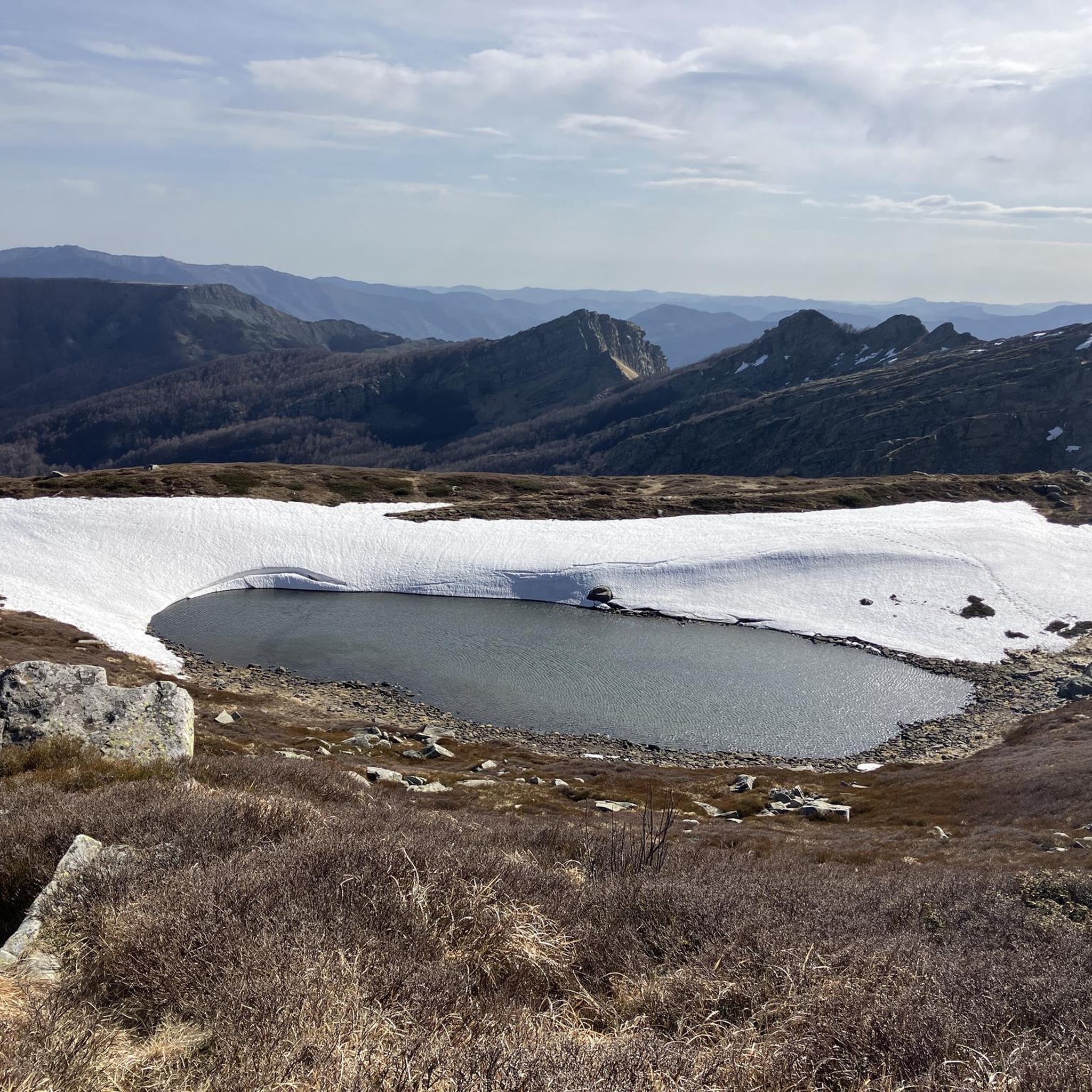
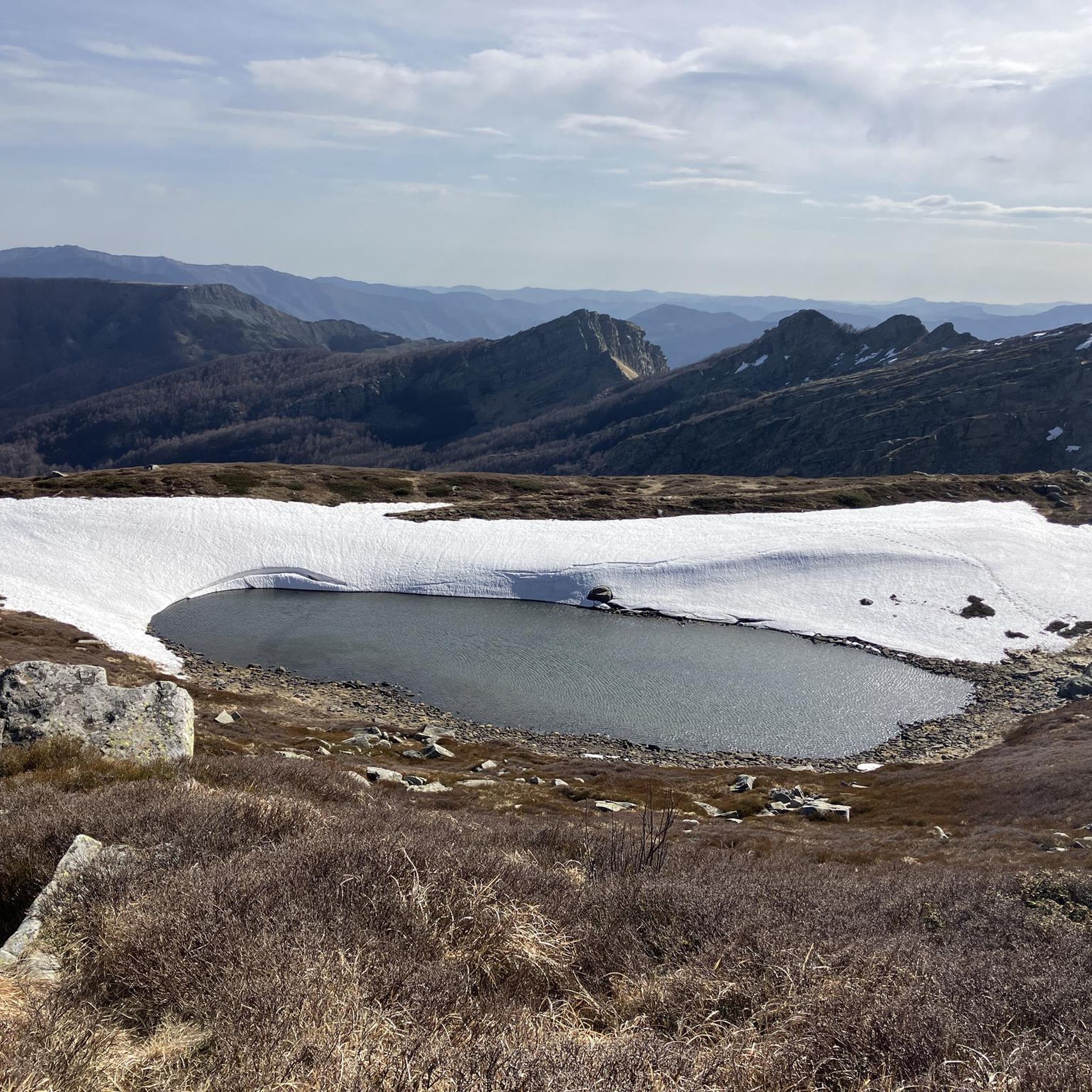
Lago Santo Parmense is the largest glacial lake in Emilia-Romagna and the largest natural body of water in the entire northern Apennines. Located at an altitude of 1,507 meters in the municipality of Corniglio, it covers an area of over 81,000 square meters and reaches a maximum depth of 22.5 meters. It is located within the Tuscan-Emilian Apennine National Park (also known as Parco dei Cento Laghi) and is dominated by the walls of Monte Marmagna.
0
0

Beautiful route, with a stunning summit panorama
1
0

You find it while riding the Appennino bike tour
2
0

A refuge on Lago Santo Parmense. Located in a magnificent setting, it's a delightful place to stop. It's managed; all the information is on the website. It can be reached on foot or by chairlift from Lagdei.
1
0
There's not much to say here. Lago Santo is on the list of top places in our Apennines. A quick web search and a few photos are all it takes to understand what it's all about.
2
0
Mountain pass located at 1,200 m above sea level which allows you to set off on various excursions both on foot and by mountain bike
0
0

Both sides have beautiful climbs, the only flaw is that in the heat there are no fountains and it's full of horseflies that sting like crazy.
0
0
Frequently Asked Questions
What natural features can I explore in Parco Nazionale dell'Appennino Tosco-Emiliano?
The park is rich in diverse natural landscapes. You can discover rugged mountain peaks such as Monte Cusna (2,121 meters) and Monte Prado (2,054 meters), offering breathtaking views. A distinctive landmark is the Lagastrello Dam, which forms Lake Paduli. Other notable features include glacial lakes like Lago Santo, deep valleys, and various streams. The park also boasts dense beech and fir forests, and alpine meadows that are vibrant with wildflowers in warmer months.
Are there any historical or cultural sites to visit in the region?
Yes, the region has a rich history. You can explore medieval villages and fortresses, such as the impressive Fortezza delle Verrucole in San Romano in Garfagnana, which includes an Archeopark. Ancient paths like the Via del Sale and the Via Francigena have traversed this region for centuries. Another significant cultural site is the Santuario della Madonna della Guardia, perched on Monte Argegna, offering stunning views.
What kind of outdoor activities can I do near these attractions?
The area around Parco Nazionale dell'Appennino Tosco-Emiliano is ideal for various outdoor activities. You can find numerous hiking trails, with options ranging from moderate to challenging. For example, popular routes include the 'Monte Sillara and ridge of the lakes – loop tour' and the 'Celestial Trail'. Cyclists can enjoy challenging road cycling routes, such as the 'Passo del Cirone – Duomo di Berceto loop'. There are also dedicated running trails available. For more details on routes, visit the hiking guide, road cycling guide, or running guide for the area.
Are there family-friendly attractions or activities in the park?
Absolutely! The Park of Orecchiella is a magnificent place for families, home to various wild animals including Apennine wolves, deer, mouflon, and golden eagles. Many mountain huts, like the Lagdei Hut, are noted as family-friendly and offer refreshments. Easy walking paths are also available, making it suitable for families with children.
Where can I find accommodation or refreshments within the park?
The park offers several options for accommodation and refreshments. Mountain huts like the Giovanni Mariotti Mountain Hut at Lago Santo provide kitchen service, reception rooms, and beds. The Lagdei Hut is open all year and offers refreshments. Additionally, the Pradarena Pass features a restaurant where you can stop for a good refueling. There are also 11 visitor centers located in small villages around the park's edges, which can provide information on local services.
What is the best time of year to visit Parco Nazionale dell'Appennino Tosco-Emiliano?
The best time to visit depends on your interests. In warmer months, typically spring and summer, the alpine meadows burst with wildflowers, and the weather is ideal for hiking and exploring the lakes. Autumn transforms the woodlands into a vibrant display of colors, making it a beautiful time for scenic walks. Winter offers opportunities for snow-related activities, though some higher passes and trails may be less accessible.
What kind of wildlife can I expect to see in the park?
The Parco Nazionale dell'Appennino Tosco-Emiliano is renowned for its immense biodiversity, hosting nearly 70% of Italy's total species. You might encounter wildlife such as the Apennine wolf, roe deer, wild boar, and golden eagles. The Park of Orecchiella is a particularly good spot for observing various animals in a natural setting.
Are there any notable mountain passes in the area?
Yes, the park is characterized by several significant mountain passes. The Pradarena Pass is a well-known Apennine pass dividing Emilia Romagna from Tuscany, featuring a restaurant. Another important pass is the Silara Pass, a secondary pass of the Emilian Apennines, offering scenic views through dense woodland. The Lagastrello Pass is also a key point, marking a border between three provinces.
What do visitors enjoy most about the attractions in this region?
Visitors frequently appreciate the stunning natural beauty and the tranquility of the area. Many highlight the enchanting views from places like the Lagastrello Dam and the peaceful atmosphere around Lago Santo. The challenging yet rewarding routes through the Apennine passes, such as Pradarena Pass, are also highly valued by the komoot community.
Where can I find information or maps for exploring the park?
The Parco Nazionale dell'Appennino Tosco-Emiliano has 11 visitor centers strategically located in small villages around its edges. These centers serve as excellent starting points for your trips, providing maps, detailed information about trails, attractions, and local services. They are a great resource for planning your visit.
Are there any unique rock formations to see?
Yes, one of the most distinctive natural landmarks is the Pietra di Bismantova. This striking sandstone rock formation rises abruptly from the surrounding landscape and is a prominent feature within the park. It's a popular spot for climbing and hiking, offering unique panoramic views of the area.
Most popular routes around Parco nazionale dell'Appennino Tosco-Emiliano
Most popular attractions around Parco nazionale dell'Appennino Tosco-Emiliano

Get inspired with the komoot mobile app


Explore more
Still not found the Highlight you’re looking for? See guides of the top attractions in other regions:
