The best traffic-free bike rides around Réserve naturelle des Hauts Plateaux du Vercors
4.5
(75)
481
riders
37
rides
Gravel biking around Réserve naturelle des Hauts Plateaux du Vercors offers extensive no traffic gravel bike trails through a preserved natural setting. The region features vast plateaus, dramatic limestone cliffs, and extensive forests, providing varied terrain for cycling. Its karstic relief creates a unique topography of bumps and hollows, while the absence of permanent roads in its core enhances the wilderness experience. This environment supports a diverse ecosystem, making it suitable for those seeking disconnection and adventure on gravel routes.
…Last updated: November 12, 2026
5.0
(1)
10
riders
46.0km
04:11
1,370m
1,370m
Hard gravel ride. Very good fitness required. Mostly paved surfaces.
5
riders
57.3km
05:53
2,030m
2,020m
Hard gravel ride. Very good fitness required. Mostly paved surfaces.

1.0
(1)
5
riders
18.0km
01:35
510m
510m
Hard gravel ride. Very good fitness required. Mostly paved surfaces.
4.5
(6)
32
riders
48.8km
04:02
1,330m
1,330m
Hard gravel ride. Very good fitness required. Mostly paved surfaces.
4.0
(2)
14
riders
30.5km
02:09
570m
570m
Hard gravel ride. Very good fitness required. Mostly paved surfaces.
Get access to more routes and recommendations from other explorers.
Already have an account?
Our route recommendations are based on thousands of hikes, rides, and runs completed by other people on komoot.
Start today with a free account
Your next adventure awaits.
Popular around Réserve naturelle des Hauts Plateaux du Vercors
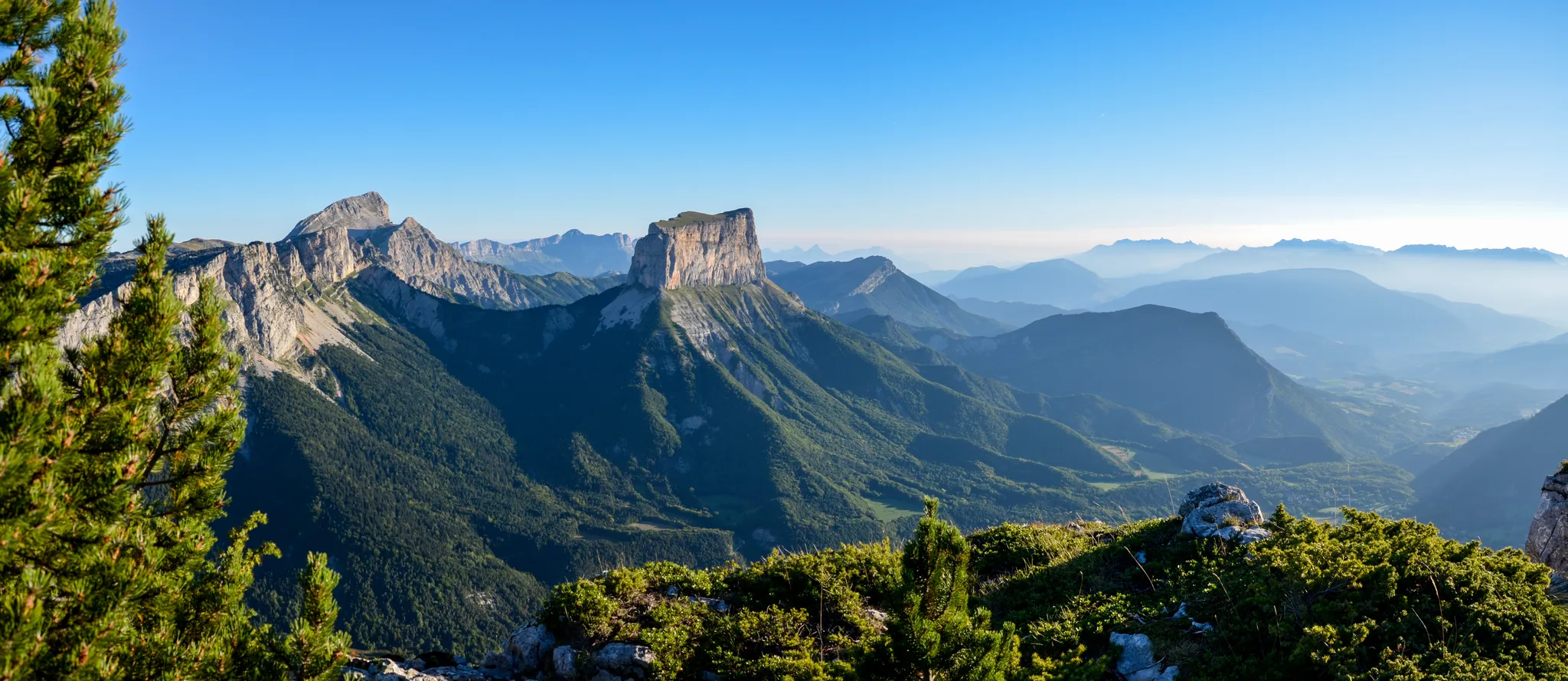
Grand Tour of the Vercors – first section
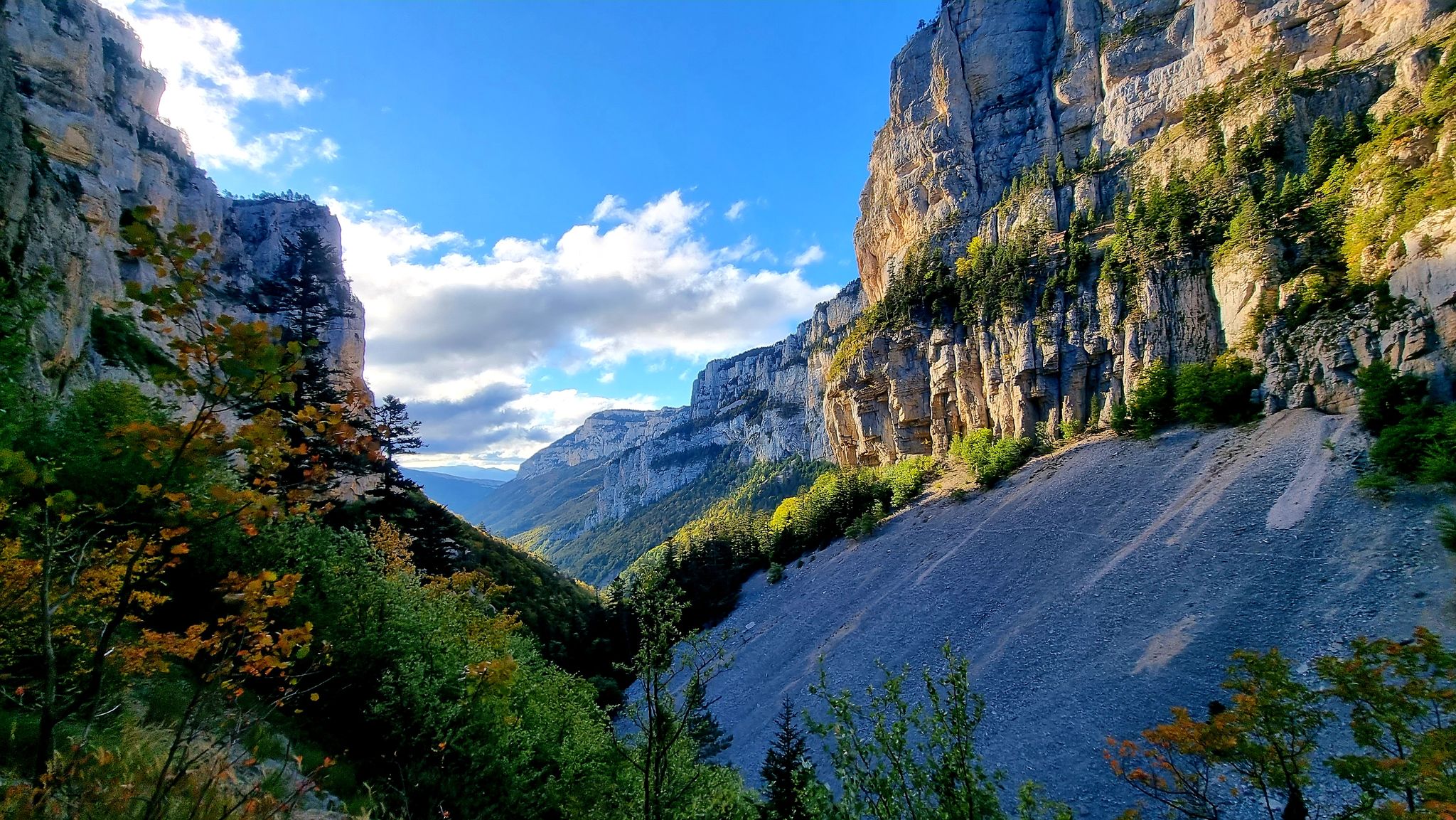
Écrins, Belledonne and Vercors – HexaTrek, Hautes-Alpes
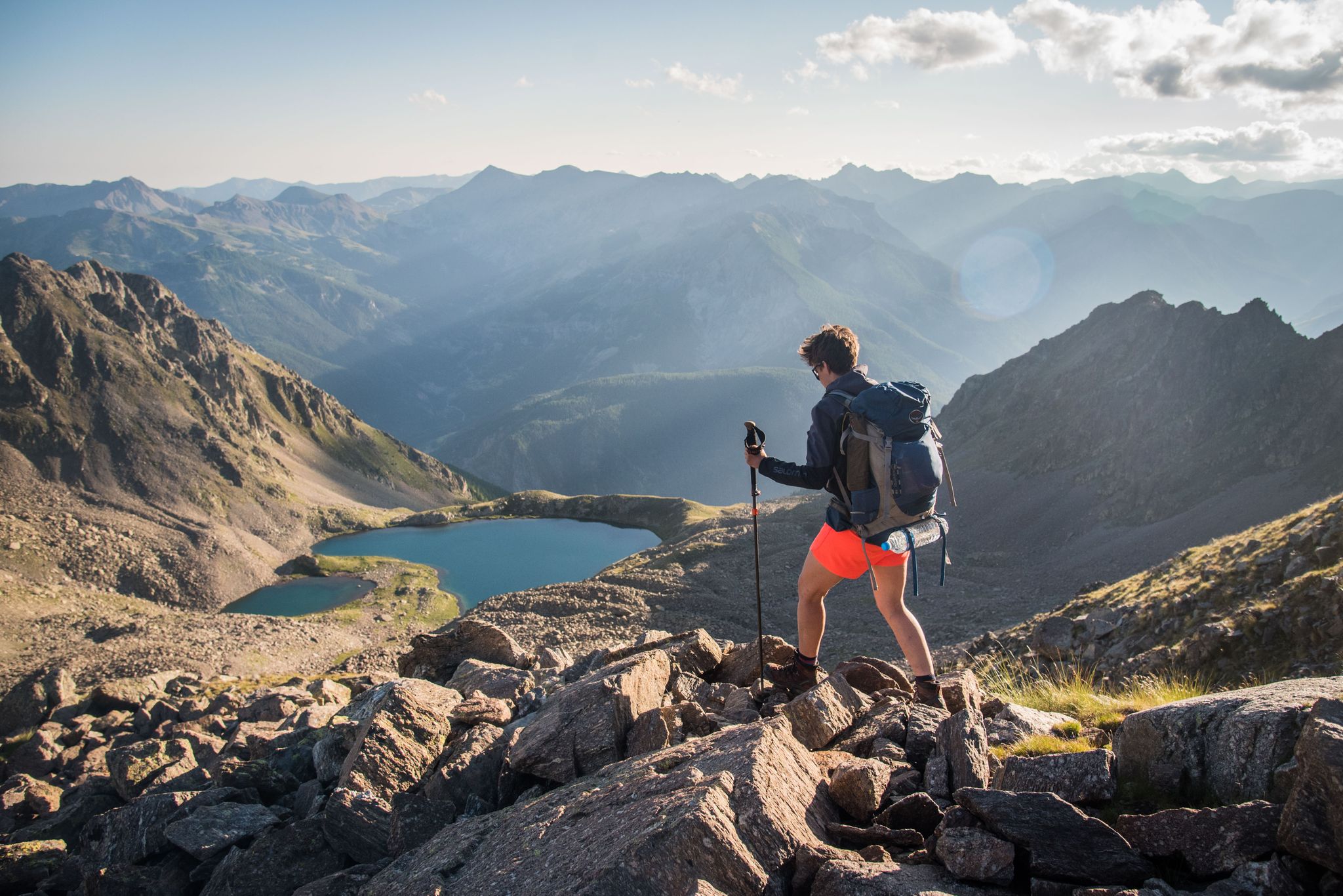
France — two weeks of hiking at its best!
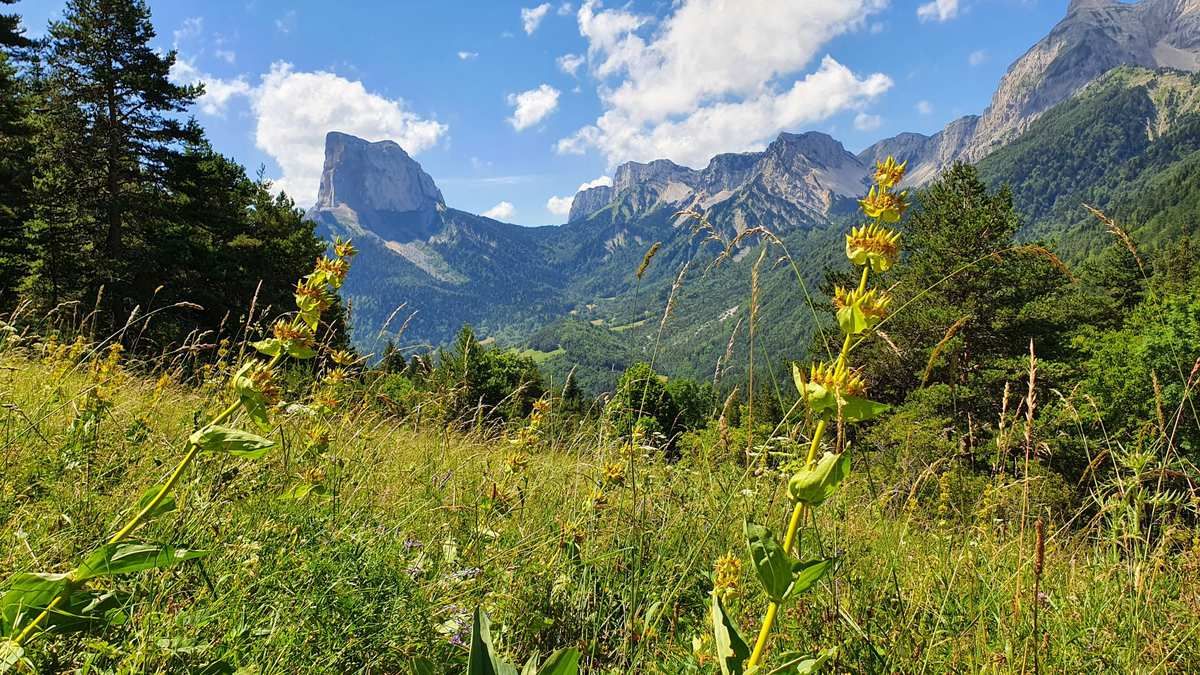
High altitude adventure — hiking across the high plateaus of the Vercors

Traffic-free bike rides around Réserve naturelle des Hauts Plateaux du Vercors

Traffic-free bike rides around Réserve naturelle des Hauts Plateaux du Vercors
Other adventures around Réserve naturelle des Hauts Plateaux du Vercors


Tips from the Community

Picturesquely nestled along the Drôme River and dominated by the spectacular limestone cliffs of the Vercors massif (right at the foot of the Col du Rousset), the historic town of Die is an unmissable stop. Its historic center boasts an ancient charm with architecture dating back to the 12th century. It's the perfect place for a regenerating break among its alleys, artisan shops, and outdoor cafes.
10
0
The Drôme river is the true beating heart of the French department of the same name. Characterized by clear, turquoise waters flowing between the Vercors cliffs and lavender fields, it is one of the rare rivers in Europe without artificial dams, maintaining a wild and natural character.
10
0
One of the most striking passes in the Vercors, nestled between dense forests and wide mountain landscapes. The climb offers a wild and tranquil environment, with the road winding through woods and plateaus. An ideal place to savor the most authentic and spectacular side of the Vercors by bike.
8
0

Valchevrière, a place of silence and contemplation, is one of the most moving and evocative sites of the Resistance in Vercors. This hamlet, deep in the forest, served as a camp for the maquisards before becoming the scene of a severe confrontation on July 22 and 23, 1944. On the belvedere overlooking the village, men sacrificed themselves to slow the advance of the Nazi armies and died with weapons in hand. The houses were then set on fire, only the chapel was spared. The hamlet has remained as it was, with its bare stones blackened by fire. A Stations of the Cross, each station of which is an original structure, connects Villard de Lans to Valchevrière.
0
0
Valchevrière, a place of silence and contemplation, is one of the most moving and evocative sites of the Resistance in Vercors. This hamlet, deep in the forest, served as a camp for the maquisards before being the scene of a severe confrontation on July 22 and 23, 1944. On the belvedere overlooking the village, men sacrificed themselves to delay the advance of the Nazi armies and died with weapons in hand. The houses were then set on fire, only the chapel was spared. The hamlet has remained as it was, with its bare stones blackened by fire. A Stations of the Cross, each station being an original edifice, connects Villard de Lans to Valchevrière.
0
0
Corrençon (1,111 m altitude) is located at the extreme south of the 4 Montagnes, a few kilometers from Villard-de-Lans. The road stops in this small village at the end of the world, the gateway to the protected areas of the Réserve Naturelle des Hauts Plateaux du Vercors.
0
0

Frequently Asked Questions
How many no-traffic gravel bike trails are available in Réserve naturelle des Hauts Plateaux du Vercors?
There are nearly 30 dedicated no-traffic gravel bike trails in and around the Réserve naturelle des Hauts Plateaux du Vercors. These routes offer a unique opportunity to explore the vast plateaus, forests, and karstic landscapes of this exceptional natural reserve, largely free from vehicular traffic.
What kind of terrain can I expect on the no-traffic gravel bike trails in the Vercors?
The terrain is incredibly varied, reflecting the diverse ecosystems of the Vercors. You'll encounter everything from expansive alpine pastures and forest paths to challenging ascents on limestone cliffs and old rural roads. The karstic relief creates a unique topography of bumps and hollows, ensuring an engaging ride. Expect a mix of gravel, dirt, and some rocky sections, typical of a preserved mountain environment.
Are there any family-friendly no-traffic gravel bike routes in the Réserve naturelle des Hauts Plateaux du Vercors?
While the core of the reserve is wild and many routes are challenging, the broader Vercors area offers options. Most of the listed no-traffic gravel routes are rated as 'difficult' due to significant elevation gain and distance, making them more suitable for experienced riders. For families, it's best to look for specific sections of the Via Vercors or other designated greenways outside the immediate, most demanding parts of the reserve, which might offer gentler gradients and shorter distances.
What are some notable natural features or landmarks I can see along these gravel trails?
The region is rich in natural beauty. You can encounter dramatic limestone cliffs, vast plateaus, and extensive forests. Highlights include the majestic Grand Veymont, the highest point of the Vercors, and the Pas des Chattons, offering spectacular views. You might also pass by the Baume Rousse Spring or the Pré Peyret Hut, which provides a glimpse into the nomadic immersion experience of the reserve.
What is the best time of year to go gravel biking in Réserve naturelle des Hauts Plateaux du Vercors?
The best time for gravel biking is typically from late spring to early autumn (May to October). During these months, the weather is generally more stable, and trails are clear of snow. Spring brings lush greenery and wildflowers, while autumn offers stunning foliage. Winter can be challenging due to snow and ice, making many trails impassable for gravel bikes.
Are there any circular no-traffic gravel bike routes available?
Yes, many of the no-traffic gravel routes in the Vercors are designed as loops, allowing you to start and finish at the same point. For example, the challenging Châtillon-en-Diois – Miscon Pass loop offers a significant climb and descent, while the East Balcony of the Vercors – Col des Deux loop provides a different perspective of the region's dramatic landscapes.
What do other gravel bikers enjoy most about the no-traffic trails in Réserve naturelle des Hauts Plateaux du Vercors?
The area is highly rated by the komoot community, with an average score of 4.7 stars. Reviewers often praise the profound sense of disconnection and adventure offered by the wild, preserved natural setting. The extensive network of trails, the challenging ascents, and the constantly changing scenic beauty, from alpine meadows to dramatic cliffs, are frequently highlighted as major draws for those seeking a true wilderness gravel biking experience.
Is it possible to access these gravel trails using public transport?
Accessing the deeper parts of the Réserve naturelle des Hauts Plateaux du Vercors directly by public transport can be limited due to the reserve's wild and preserved nature. However, some gateway towns around the Vercors, such as Châtillon-en-Diois or Gresse-en-Vercors, may have bus connections, from which you can start your gravel biking adventure. It's advisable to check local transport schedules in advance.
Where can I find parking for these no-traffic gravel bike trails?
Parking is typically available in the villages and towns bordering the reserve, which serve as common starting points for many routes. For instance, you can find parking in Châtillon-en-Diois for routes like the Miscon Pass – Châtillon-en-Diois loop, or in Corrençon-en-Vercors for the Plateau de Château Julien – Col d'Herbouilly loop. Always check local signage for specific parking regulations and availability.
Are there any particularly long-distance no-traffic gravel routes for multi-day trips?
The Vercors region is well-suited for longer gravel biking adventures, including multi-day tours. While individual routes like the Meaudre – The Méaudret gorges loop offer significant distances, many riders combine several routes or utilize sections of the Grandes Traversées du Vercors (GTV) to create extended, traffic-free journeys. The minimal infrastructure within the reserve encourages self-reliance and a true sense of exploration over multiple days.
What level of fitness is required for gravel biking in the Réserve naturelle des Hauts Plateaux du Vercors?
Most of the no-traffic gravel bike trails in this region are rated as 'difficult' due to substantial elevation gains and considerable distances. Riders should possess a good level of physical fitness, experience with varied terrain, and be comfortable with long climbs and descents. The challenging nature of the routes is part of the appeal for those seeking a rigorous outdoor experience.
Most popular routes around Réserve naturelle des Hauts Plateaux du Vercors
Most popular attractions around Réserve naturelle des Hauts Plateaux du Vercors

Get inspired with the komoot mobile app


Explore more
Browse the best Gravel rides in other regions.
