The best traffic-free bike rides in the Bavarian Forest
4.5
(32701)
165,075
riders
5,073
rides
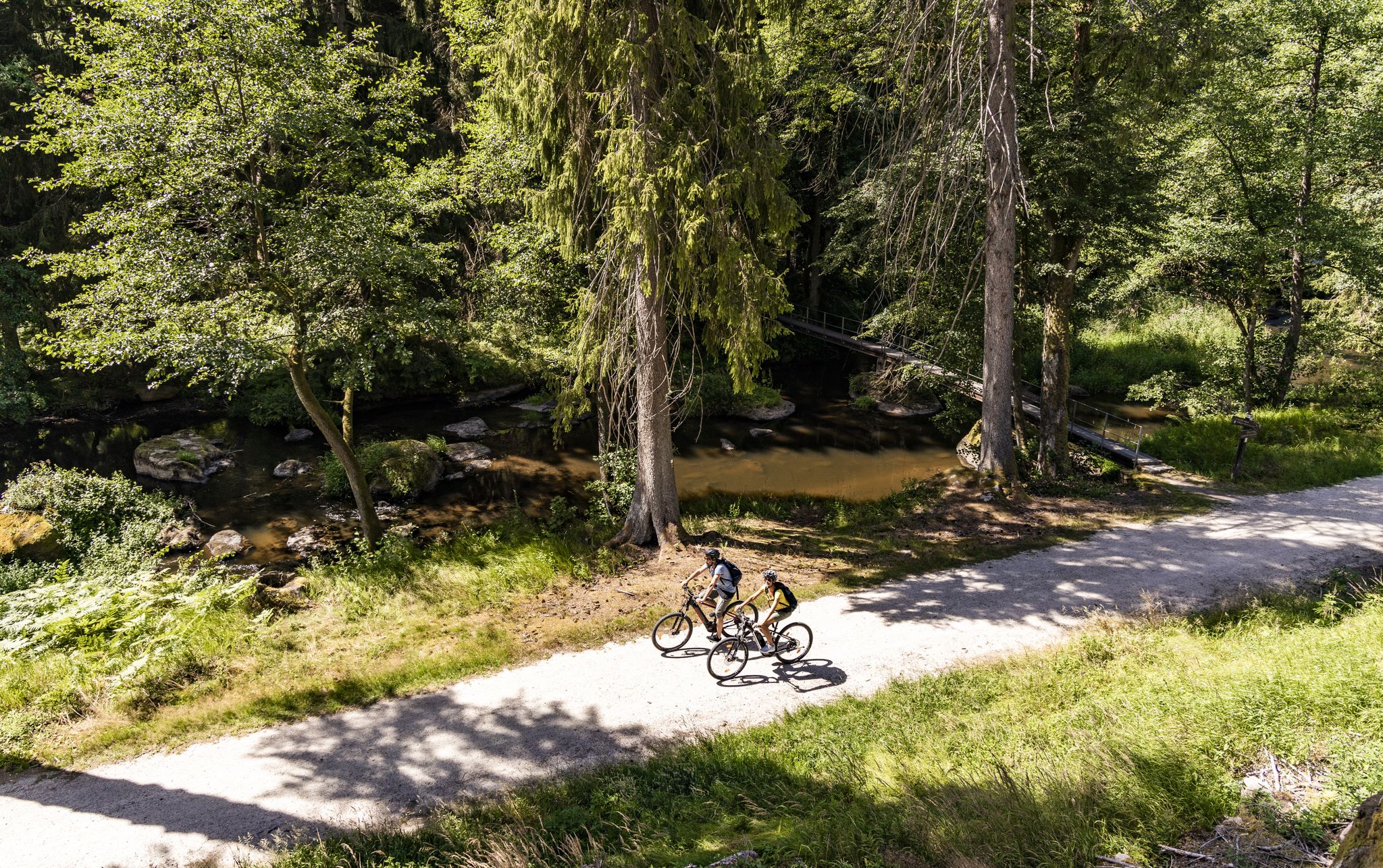
No traffic touring cycling routes in the Bavarian Forest traverse Central Europe's largest continuous forest landscape, characterized by expansive woodlands and low mountain ranges. The region features diverse terrain, including mysterious moors, clear streams, and glacial lakes, offering varied cycling experiences. Its network extends into the neighboring Czech Šumava National Park, providing cross-border exploration opportunities. River valleys and well-maintained paths cater to touring cyclists seeking routes without vehicle traffic.
Best no traffic touring cycling routes in the Bavarian Forest
- The…
Last updated: July 30, 2026
4.7
(207)
753
riders
60.0km
04:06
350m
350m
Moderate bike ride. Good fitness required. Mostly paved surfaces. Suitable for all skill levels.
4.6
(118)
477
riders
44.1km
02:53
160m
160m
Moderate bike ride. Good fitness required. Mostly paved surfaces. Suitable for all skill levels.

Sign up for free
4.8
(94)
367
riders
59.4km
04:27
560m
560m
Hard bike ride. Very good fitness required. Mostly paved surfaces. Suitable for all skill levels.
4.7
(90)
405
riders
29.1km
02:22
660m
660m
Hard bike ride. Very good fitness required. Some segments of this route may be unpaved and difficult to ride.
4.8
(41)
177
riders
105km
06:40
570m
610m
Hard bike ride. Very good fitness required. Mostly paved surfaces. Suitable for all skill levels.
Get access to more routes and recommendations from other explorers.
Sign up for free
Already have an account?
Our route recommendations are based on thousands of hikes, rides, and runs completed by other people on komoot.
Start today with a free account
Your next adventure awaits.
Login or Signup
Popular around Bavarian Forest
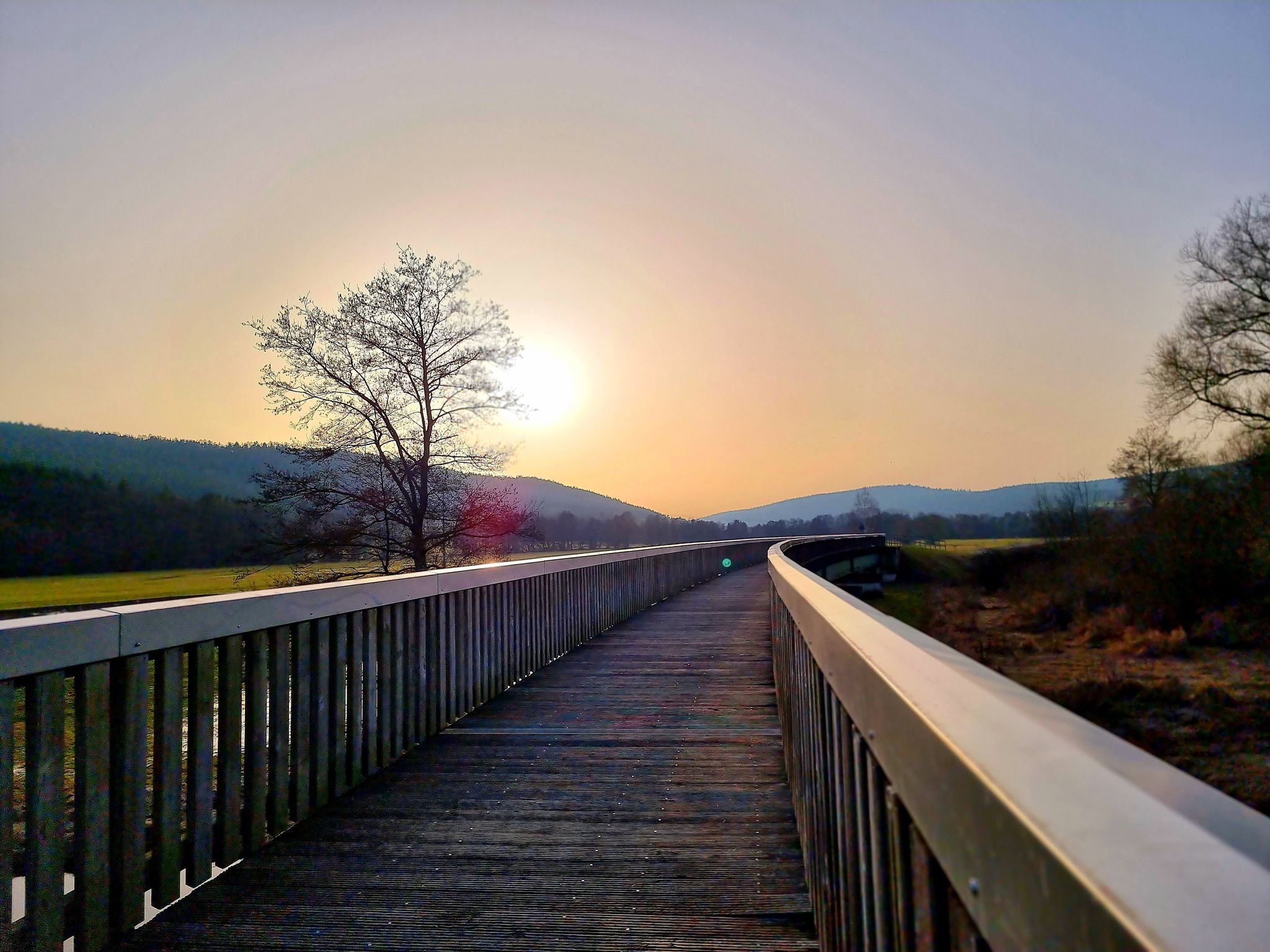
Bavaria-Bohemia long-distance cycling trail – Crossing borders
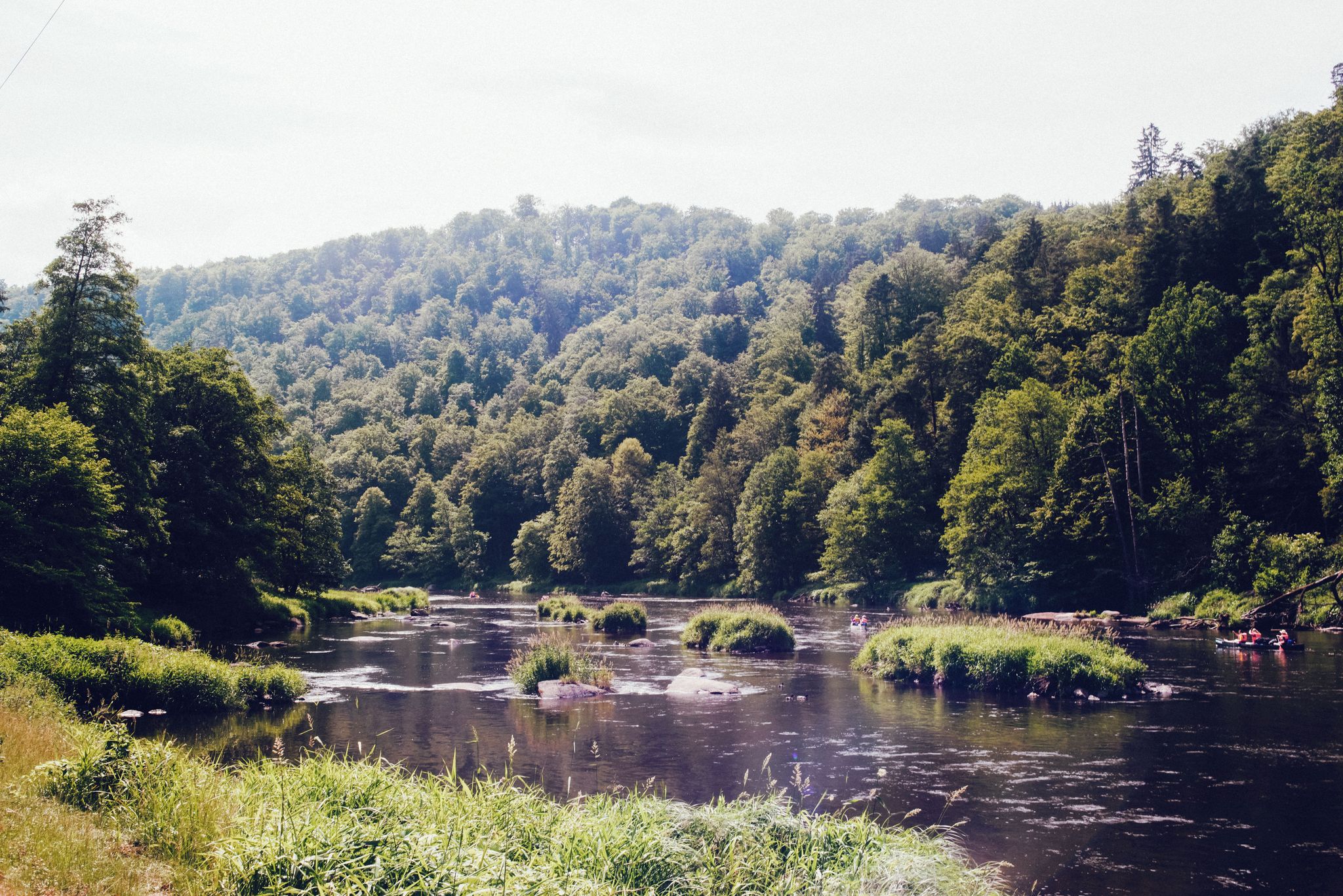
The Rain valley cycle path — 4 days through the Bavarian Forest
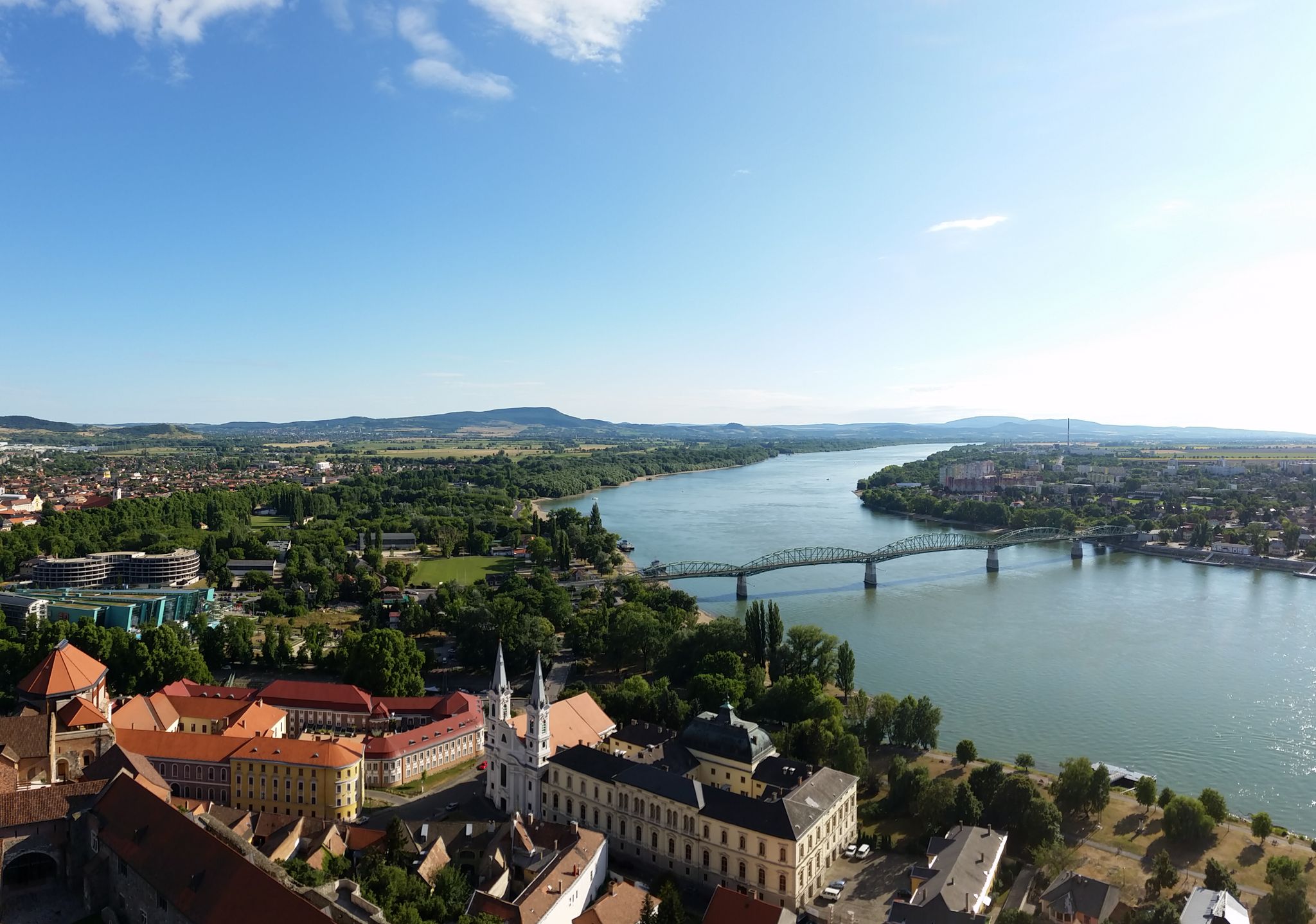
The Danube Cycle Path – From Donaueschingen to Budapest
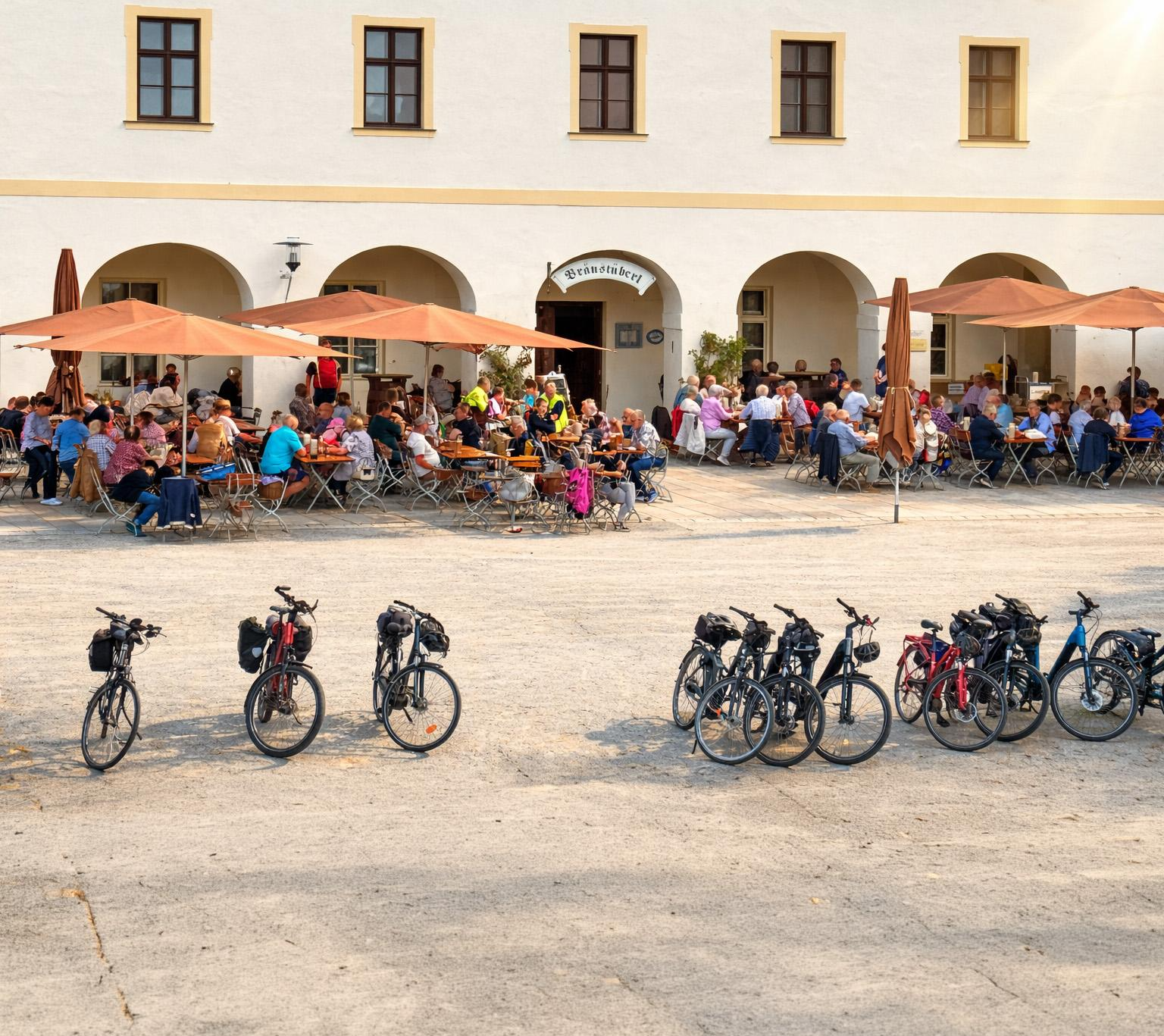
Beer culture on two wheels – 3 multi-day routes, 2 countries, 1 pulse
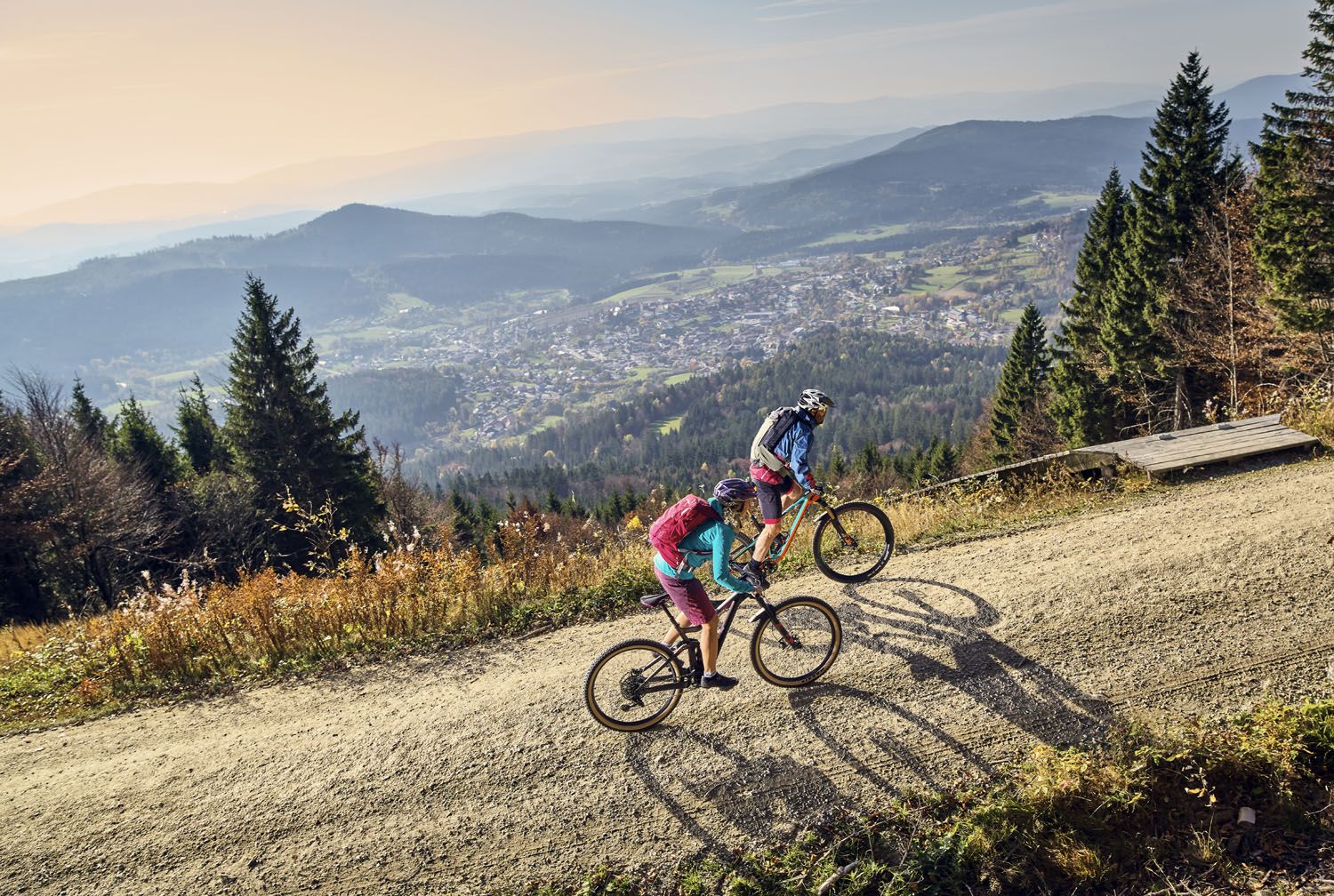
Exciting cycle and (e)-mountain bike Tours in the Bavarian Forest
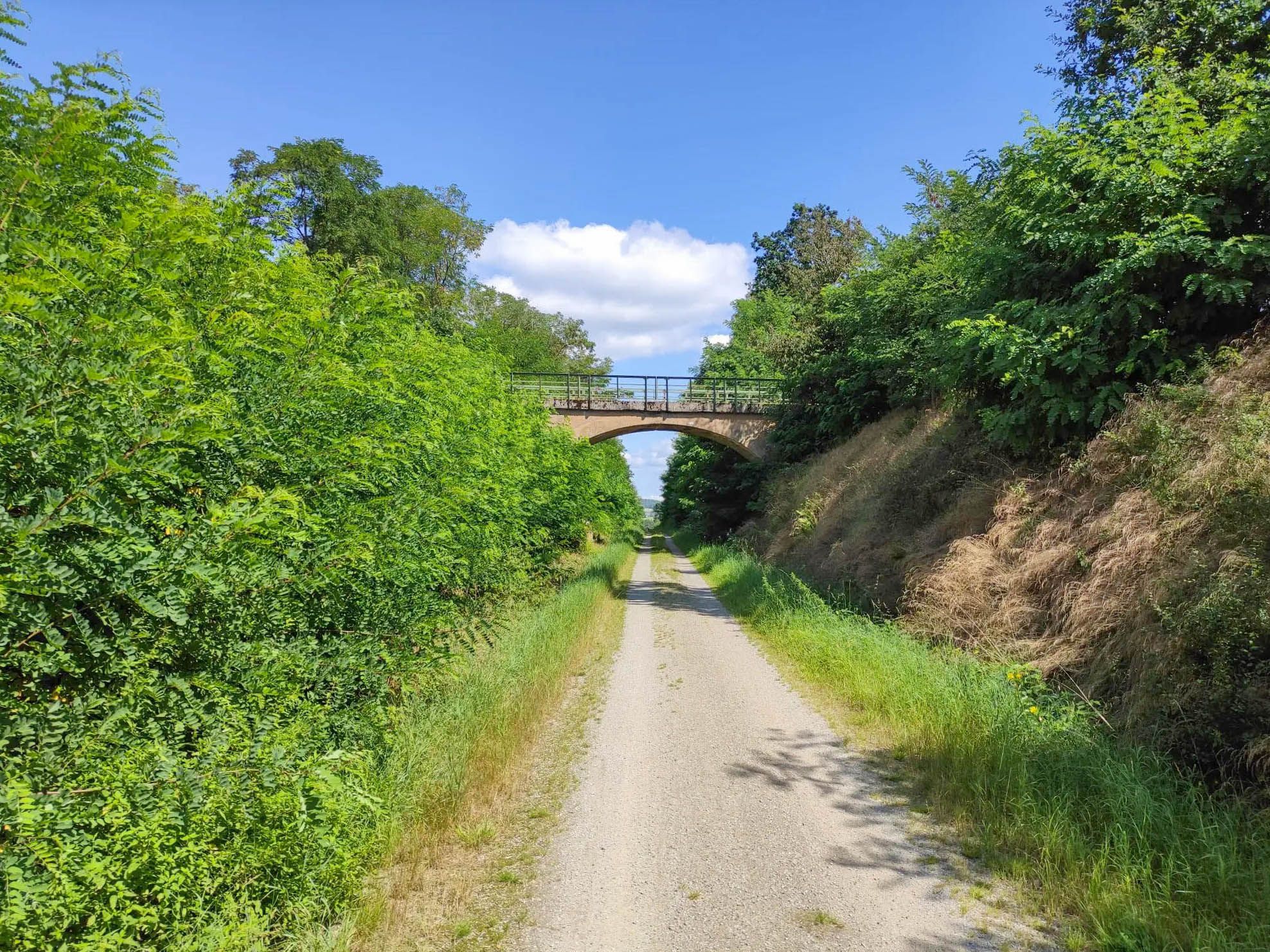
Cycling on the Bavarian-Bohemian Friendship Trail
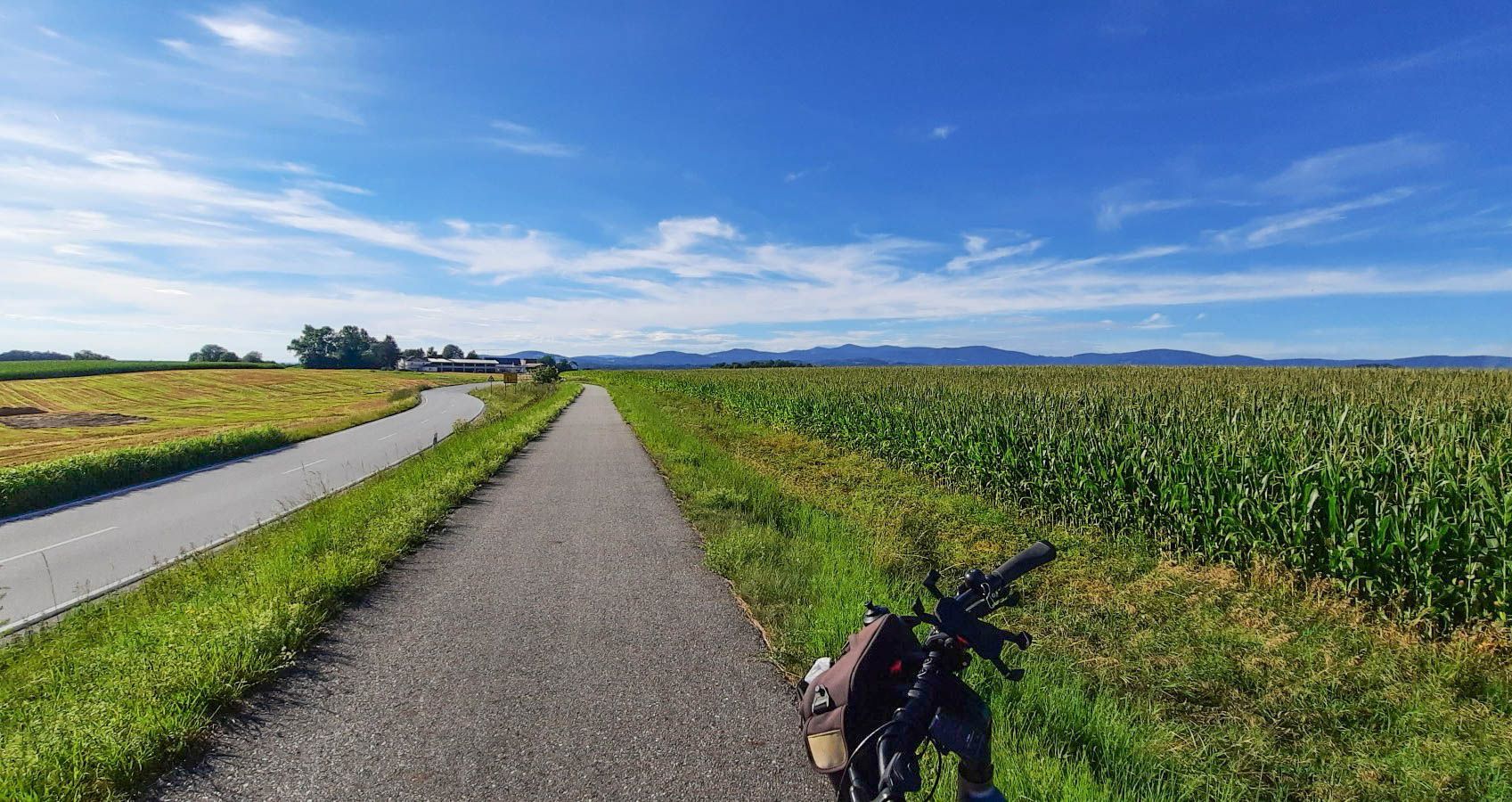
From river to river on the Danube-Ilz Cycle Path
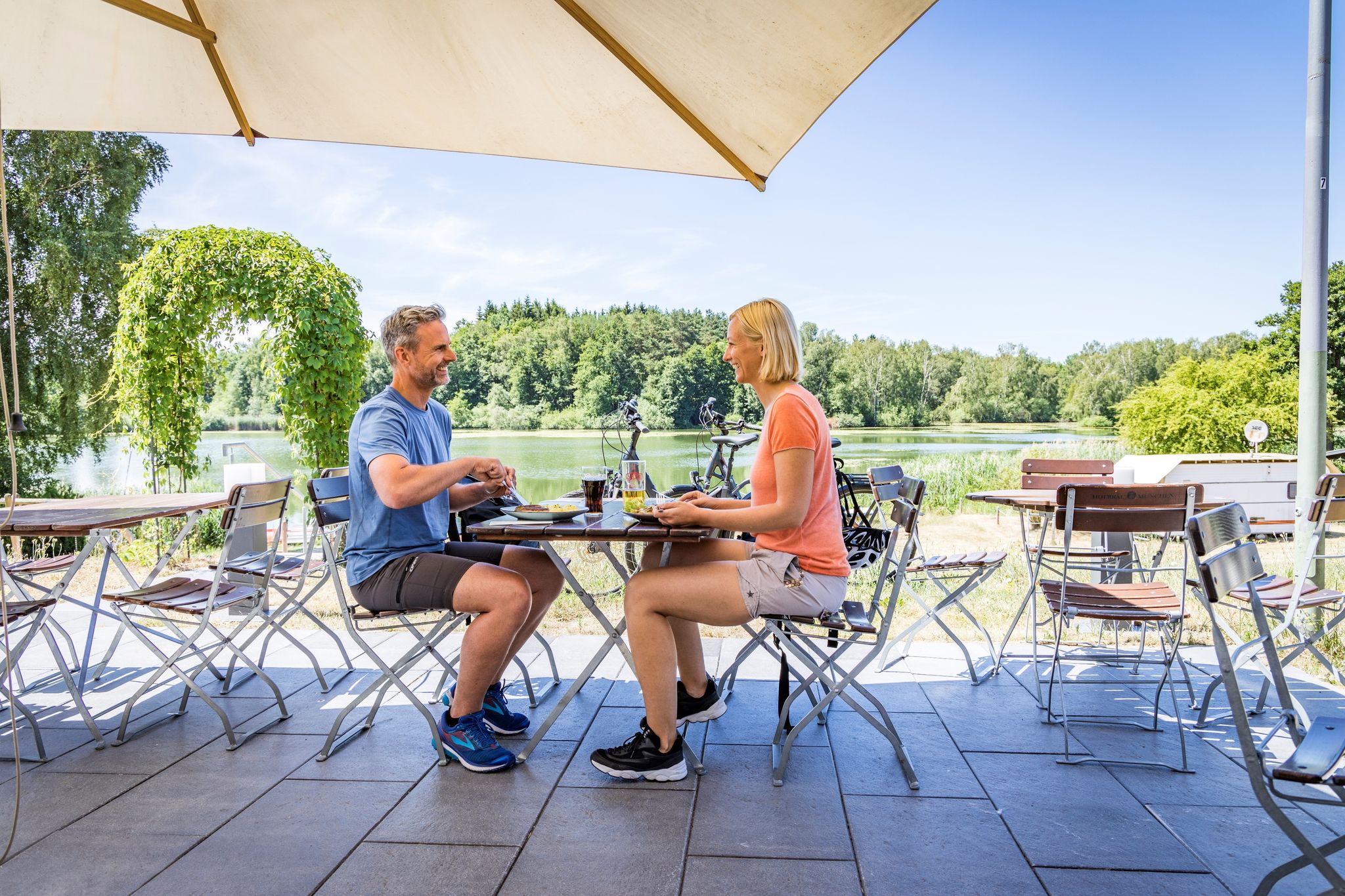
Cycling to the Inn – fun Tours in the Upper Palatinate Forest
Your cycling adventure in the Upper Palatinate – Oberpfälzer Radl-Welt
A cycling adventure from Paris to Prague – Pan-European Cycle Route
Other adventures in the Bavarian Forest


Tips from the Community

Wonderful stretches of trail in a magnificent area
1
0

Lake Steinberger Lake Steinberger is part of the Upper Palatinate Lake District and, with an area of 1.84 km², is the largest lake in the Upper Palatinate. It was named after the municipality of Steinberg am See. It is 1.98 km long, 1.4 km wide, and has a maximum depth of 50 meters. The Schreckerbach stream feeds and drains the lake. After the Bavarian lignite industry ceased mining operations in the mid-1980s, the open-cast mine "Steinberger See" was flooded by reducing the water level. Remaining mining equipment was demolished and still lies on the lakebed. Two small, wooded islands also remain, which now divide the lake into a northern and a southern section. In the following decades, tourism developed at Lake Steinberger, bringing a degree of economic growth to the region. In addition to the Steinberger Yacht Club (SYC), founded in 1987, the area now boasts a sailing school, a water ski lift, a boat rental, a leisure park for families and children, a surf club, and most recently, an adventure golf course and a roughly 40-meter-high wooden "adventure sphere" with viewing platforms, an obstacle course, and a giant slide. Numerous restaurants, inns, and cafés complement the leisure offerings. A water rescue station has been established for the safety of visitors. Due to the increasing improvement in water quality and visibility in recent years, Lake Steinberger has become one of the most popular diving areas in the Upper Palatinate. Like all lakes in the Upper Palatinate Lake District, which originated from lignite mines, the water is acidic due to leaching. Because of the ongoing improvement in water quality, fish populations are steadily increasing. Perch and the occasional pike have been observed most frequently. The water is very clean; on windless days, visibility is possible to a depth of at least 10 meters. Occasionally, the tops of dead trees can be seen on the bottom. According to the ordinance issued by the Schwandorf District Office on August 8, 2002, the entire Steinberger See is open for diving. Especially in summer and winter, very good visibility (up to 20 meters) has been possible in recent years. Source: Excerpts from www.wikipedia.de
5
0

Good connections and signage for drivers, but somewhat more difficult to reach for cyclists as not all paths are suitable for bikes. Good parking facilities for cars.
0
0

The medieval town of Nabburg, with its architecture, offers a glimpse into times long past. The historic old town and the almost completely intact town wall, with its Mähntor and Obertor gates, are landmarks of the town's medieval importance. The Dean's Tower, the Old Town Hall, the Citizens' Hospital, the parish church, the Powder Tower, the castle courtyard, the Schmidt House, and the Zehenstadel (tithe barn) are further testaments to the past. It's well worth taking a leisurely stroll through the town. A large part of Nabburg's old town is a listed historical monument. Virtually every building here is worth seeing. A walk through the Lower and Upper Market Squares to the 13th-century Catholic parish church of St. John the Baptist, the Gothic Obertor gate, and Nabburg Castle is highly recommended. A beautiful walking path also leads along the town wall outside the town, offering magnificent views of the Naab Valley. https://de.wikivoyage.org/wiki/Nabburg https://www.nabburg.de/tourismus-kultur/auf-einen-blick/sehenswuerdigkeiten/#historische-altstadt
3
0


Beautiful path around the lake, unfortunately a bit crowded in summer
3
0

The two-part fountain symbolizes art on the one hand and the waterway on the other. Both could stand alone, but together they form a symbiotic relationship through their blending forms. Source: https://www.bodenwoehr.de/freizeit-tourismus/kunst-und-wasserweg/
2
0

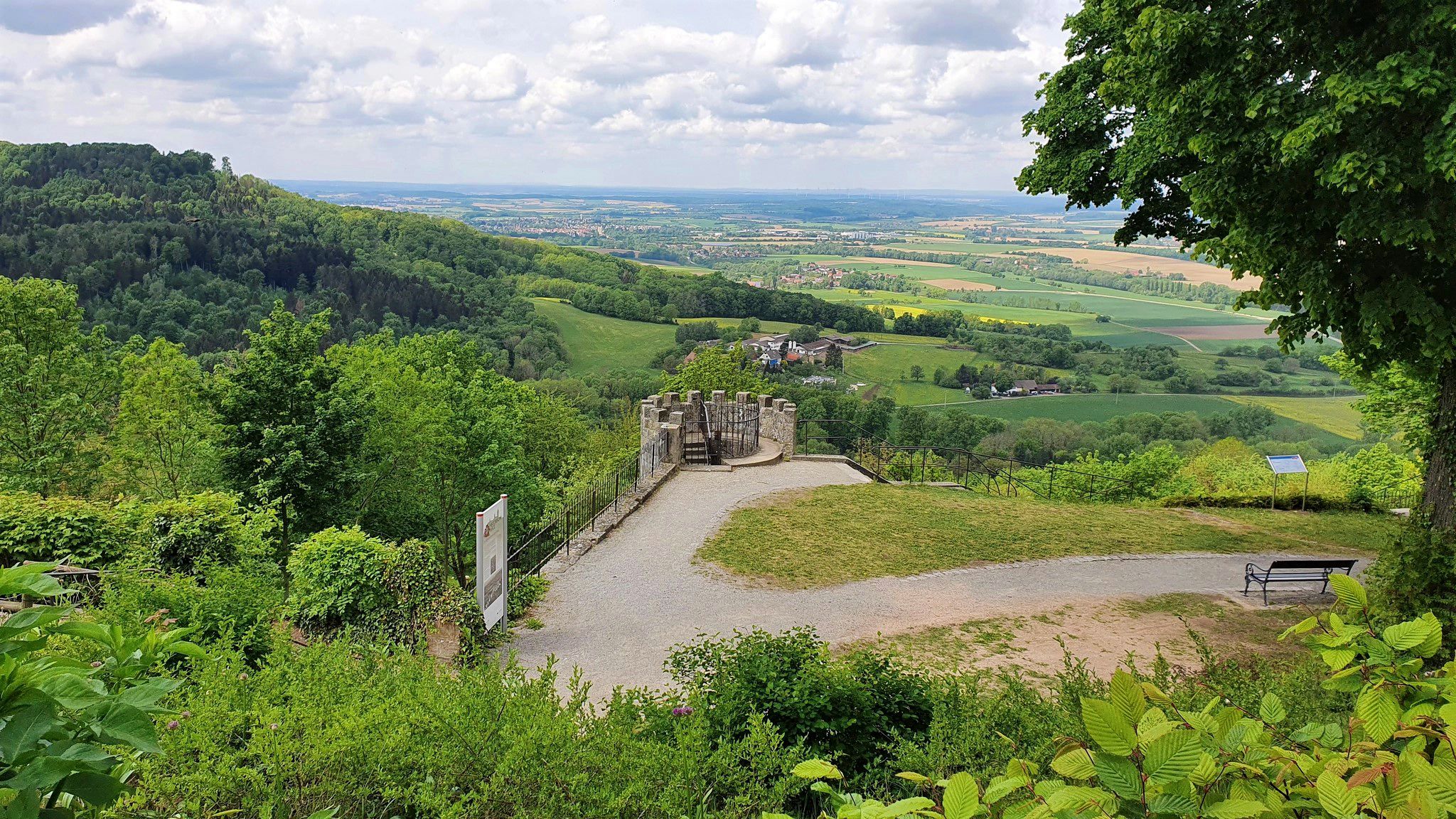
A wonderful view here.
3
0
Frequently Asked Questions
How many no-traffic touring cycling routes are available in the Bavarian Forest?
The Bavarian Forest offers a vast network of routes, with over 5,000 touring cycling routes available on komoot. Many of these are designed to be traffic-free, allowing you to enjoy the region's natural beauty in peace.
What kind of terrain can I expect on no-traffic touring cycling routes in the Bavarian Forest?
The Bavarian Forest features diverse terrain, from gentle paths along river valleys to more demanding climbs through wooded low mountain landscapes. You'll find routes suitable for various fitness levels, including those with significant elevation gains, as well as flatter sections ideal for leisurely rides. The region is characterized by expansive forests, mysterious moors, and crystal-clear streams.
Are there any easy, no-traffic touring cycling routes suitable for beginners in the Bavarian Forest?
Yes, the Bavarian Forest has numerous easy touring cycling routes that are perfect for beginners or those seeking a relaxed ride. Many paths follow river valleys, offering minimal ascents and a pleasant experience. For example, the Short loop of the lakes is a moderate option with relatively low elevation gain, providing a scenic ride without excessive challenge.
What is the best time of year to enjoy no-traffic touring cycling in the Bavarian Forest?
The cycling season in the Bavarian Forest is best enjoyed from late spring to early autumn, typically from May to September. During these months, the weather is pleasant, and the lush greenery of the forest is at its peak, offering ideal conditions for exploring the region's traffic-free routes.
Are there family-friendly, no-traffic touring cycling routes in the Bavarian Forest?
Absolutely. Many of the region's cycling paths are well-suited for families, particularly those along river valleys which often feature minimal ascents and low traffic. These routes provide a safe and enjoyable environment for cyclists of all ages to experience the Bavarian Forest's natural beauty.
Can I bring my dog on no-traffic touring cycling routes in the Bavarian Forest?
While many areas of the Bavarian Forest are dog-friendly, it's essential to check specific route regulations, especially within the National Park. Dogs are generally welcome on leashes on most public paths. Always ensure your dog is well-behaved and that you carry waste bags. Some wildlife enclosures or sensitive natural areas might have restrictions.
What scenic attractions can I discover along no-traffic touring cycling routes?
The Bavarian Forest is rich in natural beauty. Along your rides, you might encounter stunning waterfalls like the Riesloch Falls or the Lower Riesloch Falls. The region also features impressive summits such as Großer Arber Summit and Lusen Summit, offering panoramic views. Don't miss glacial lakes like the Great Arber Lake, remnants from the Ice Age.
Are there any circular no-traffic touring cycling routes in the Bavarian Forest?
Yes, the Bavarian Forest offers several excellent circular routes for touring cyclists. These loops allow you to start and end at the same point, making logistics easier. An example is the Across the Upper Palatinate Lake District route, which provides a comprehensive experience of the local scenery.
What do other touring cyclists enjoy most about the no-traffic routes in the Bavarian Forest?
The no-traffic touring cycling routes in the Bavarian Forest are highly rated by the komoot community, with an average score of 4.56 stars. Reviewers often praise the region's 'untamed nature' philosophy, the extensive network of well-signposted paths, and the unique experience of cycling through Central Europe's largest continuous forest without human intervention.
Can I access these no-traffic cycling routes using public transport?
Many areas within the Bavarian Forest National Park and surrounding regions are accessible by public transport, including buses and regional trains. Some services are specifically designed to accommodate cyclists, making it possible to reach trailheads without a car. It's advisable to check local public transport schedules and bike carriage policies in advance.
Are there opportunities for cross-border cycling into the Czech Republic?
Yes, the Bavarian Forest seamlessly connects with the neighboring Czech Šumava National Park, forming the largest continuous forest in Central Europe. Cyclists can enjoy cross-border excursions using designated border crossings at Bayerisch Eisenstein, Finsterau, and Gsenget, extending your no-traffic cycling adventure into a broader wilderness.
Where can I find parking for no-traffic touring cycling routes in the Bavarian Forest?
Designated parking areas for cyclists are available at many popular trailheads and visitor centers throughout the Bavarian Forest. These often include information boards and sometimes facilities like restrooms. Look for signs indicating 'Wanderparkplatz' or 'Radwanderparkplatz' which are common terms for hiker and cyclist parking.
Most popular routes in the Bavarian Forest
Most popular attractions in the Bavarian Forest

Get inspired with the komoot mobile app


Explore more
Browse the best Cycling routes in other regions.
