Maroon Bells-Snowmass Wilderness
Maroon Bells-Snowmass Wilderness
Top 4 Mountain Passes in Maroon Bells-Snowmass Wilderness
Best mountain passes in Maroon Bells-Snowmass Wilderness are found within Colorado's Elk Mountains, an area known for its dramatic landscapes and alpine lakes. This wilderness features high-altitude terrain and offers extensive views of prominent peaks. The region provides a range of routes for exploring its natural features.
Best mountain passes in Maroon Bells-Snowmass Wilderness
- The most popular mountain passes is Mt. Sopris, a summit that stands above the town of Carbondale and the Roaring Fork Valley at an elevation…
Last updated: July 26, 2026
Mt. Sopris
Highlight • Summit
Tip by

Trail Rider Pass
Highlight • Mountain Pass
Tip by

Sign up now to discover places like this
Get recommendations on the best single tracks, peaks, & plenty of other exciting outdoor places.
Sign up for free
Frigid Air Pass
Highlight • Mountain Pass
Tip by
West Maroon Pass
Highlight • Mountain Pass
Tip by
Buckskin Pass
Highlight • Mountain Pass
Tip by
Start today with a free account
Your next adventure awaits.
Login or Signup
Popular around Maroon Bells-Snowmass Wilderness
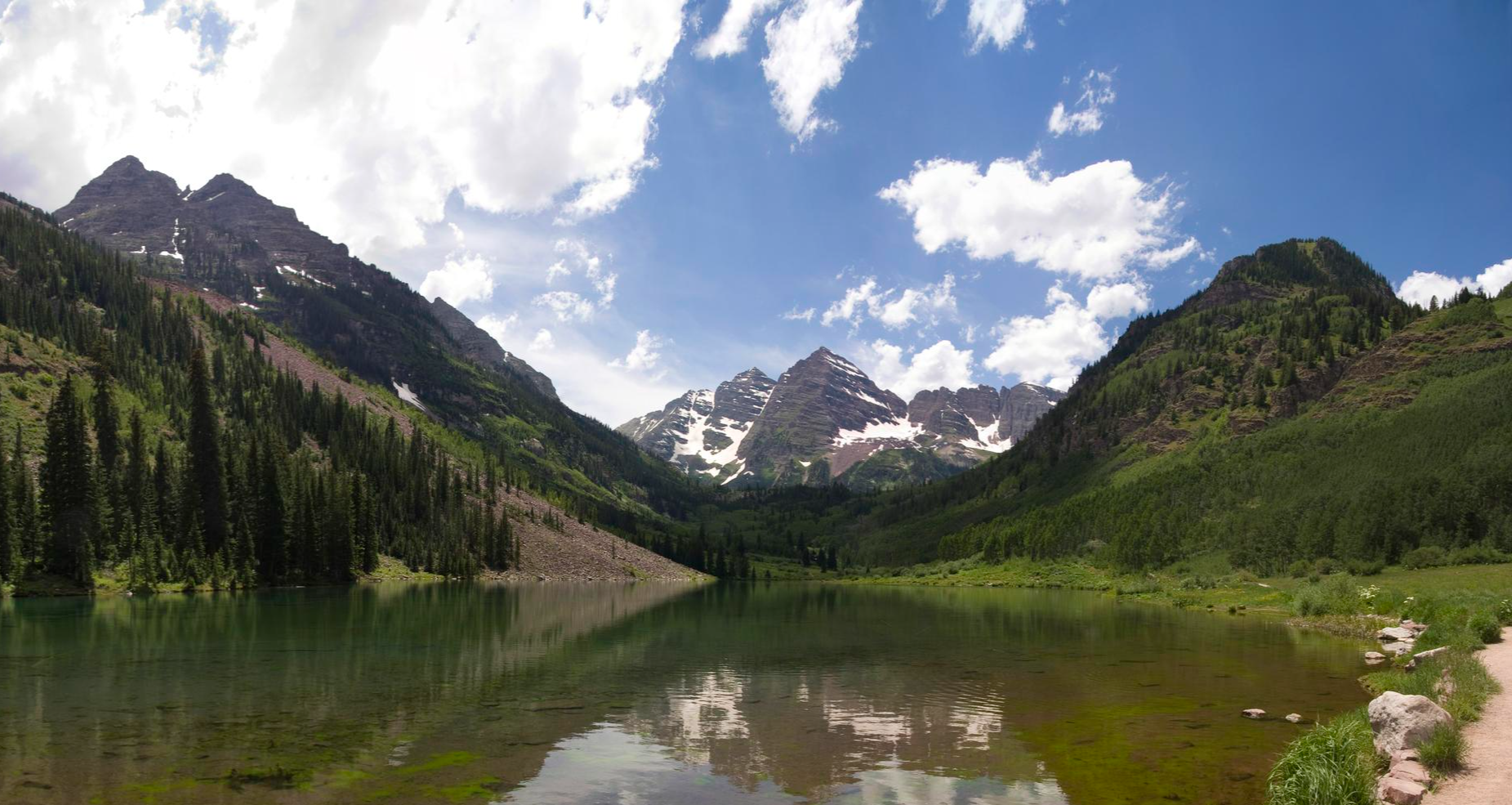
Four Pass Loop — Four times the challenge, four times the reward
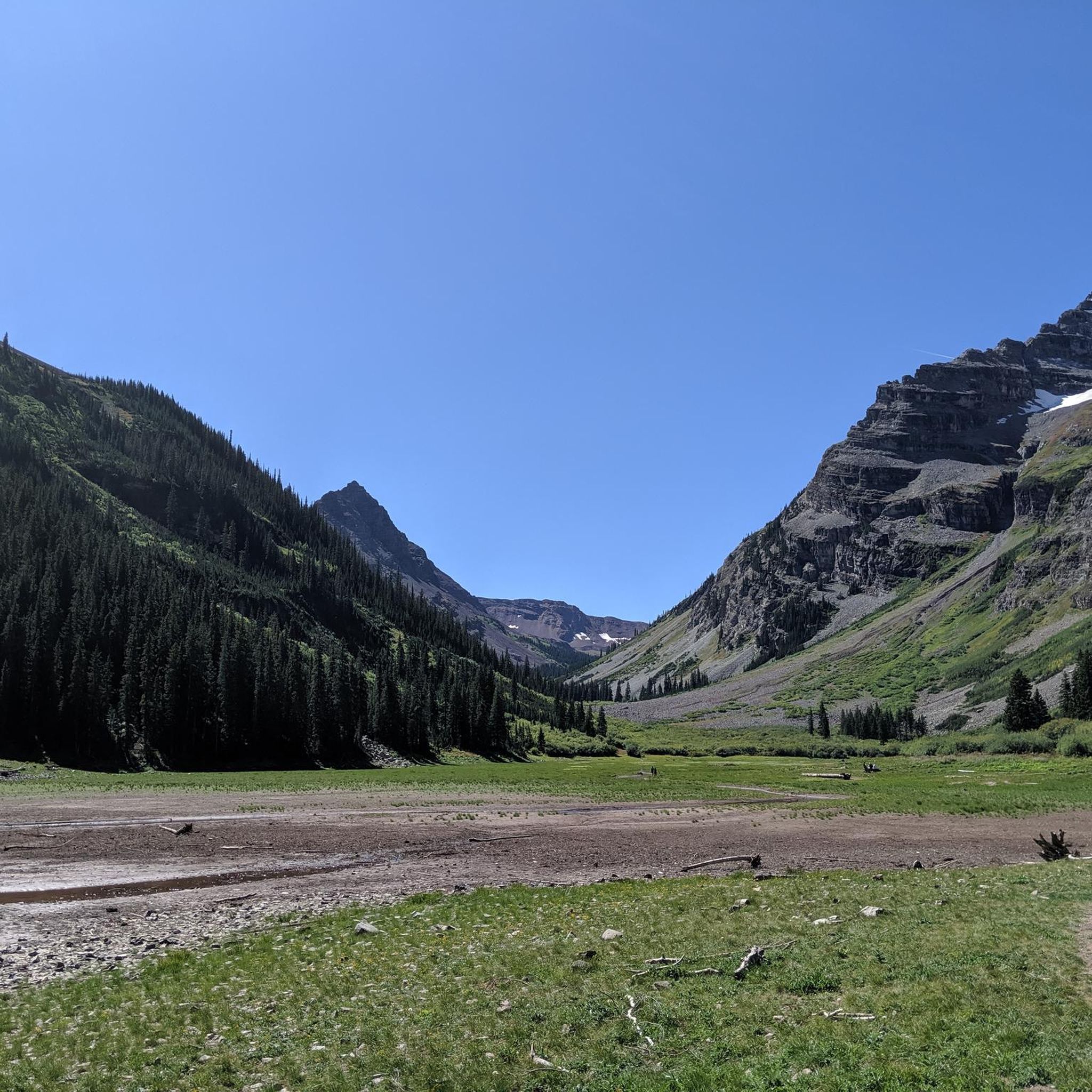
Hiking in Maroon Bells-Snowmass Wilderness
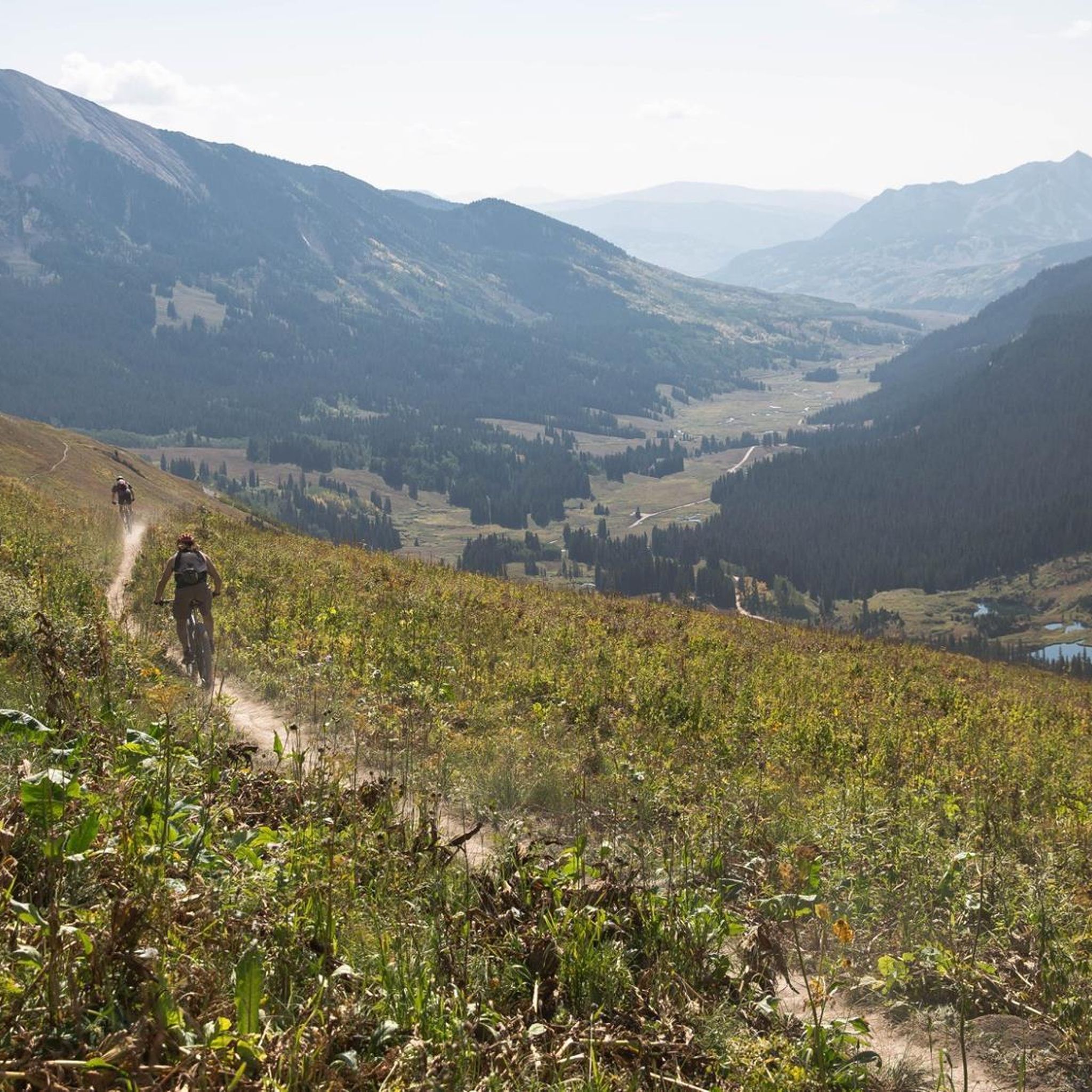
MTB Trails in Maroon Bells-Snowmass Wilderness
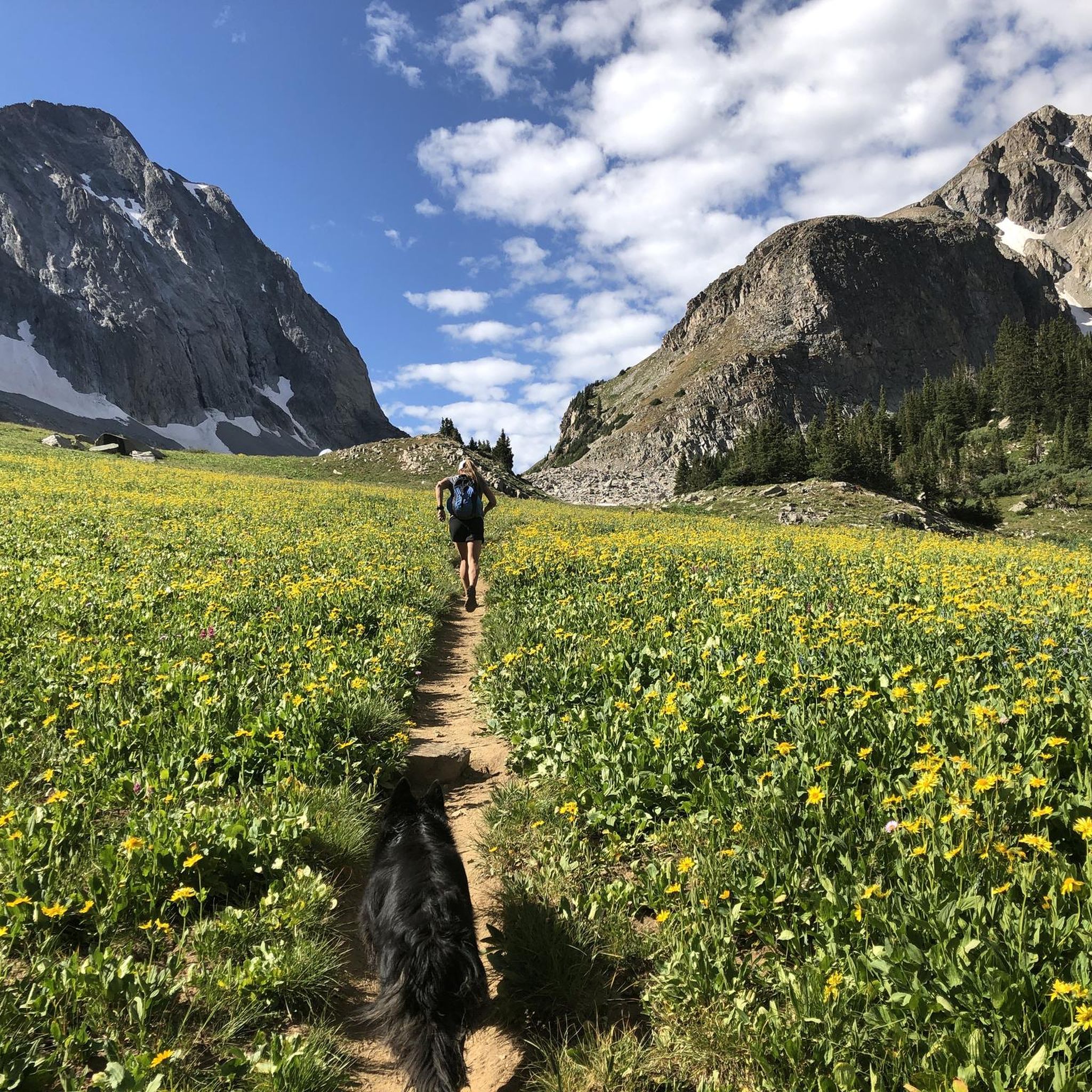
Running Trails in Maroon Bells-Snowmass Wilderness
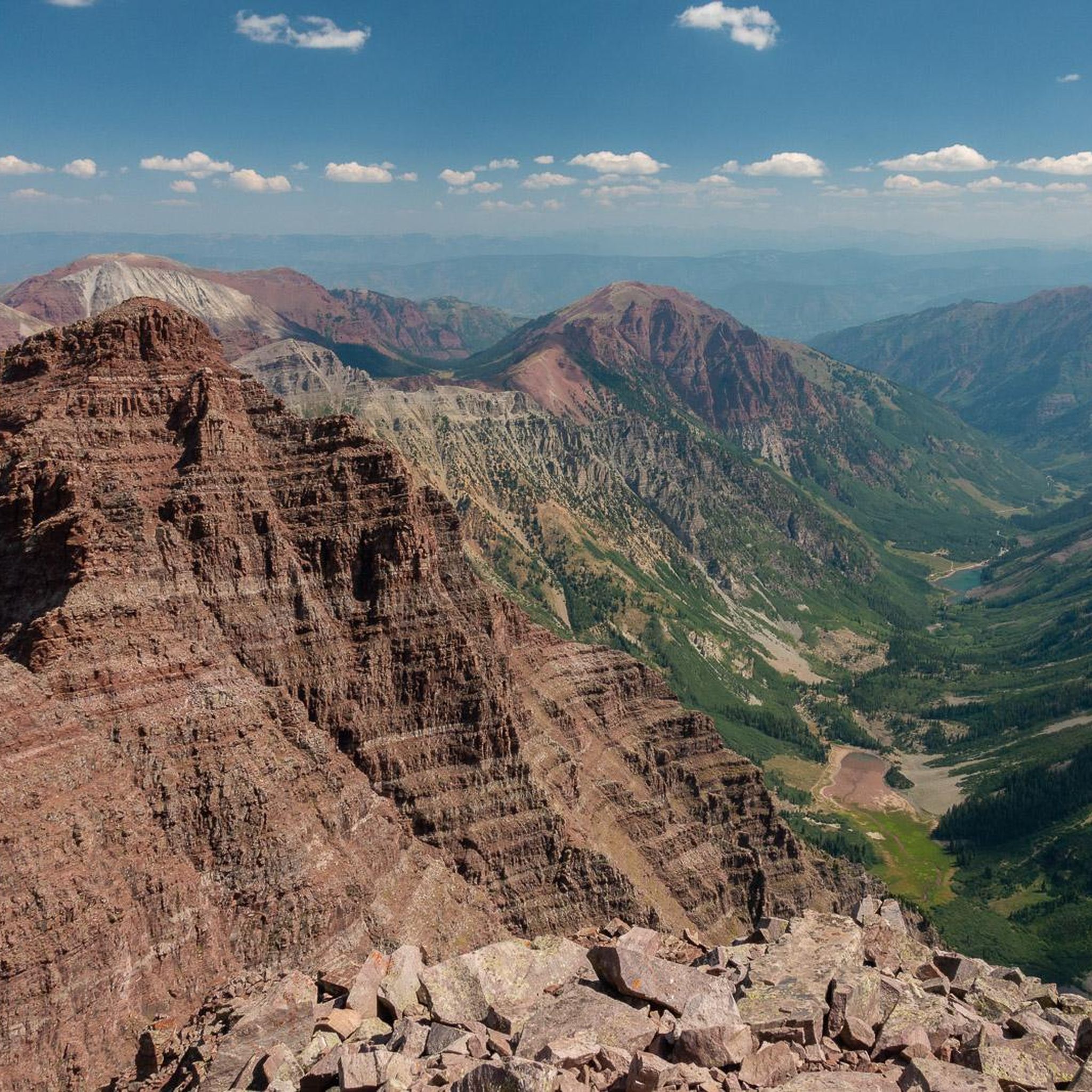
Road Cycling Routes in Maroon Bells-Snowmass Wilderness
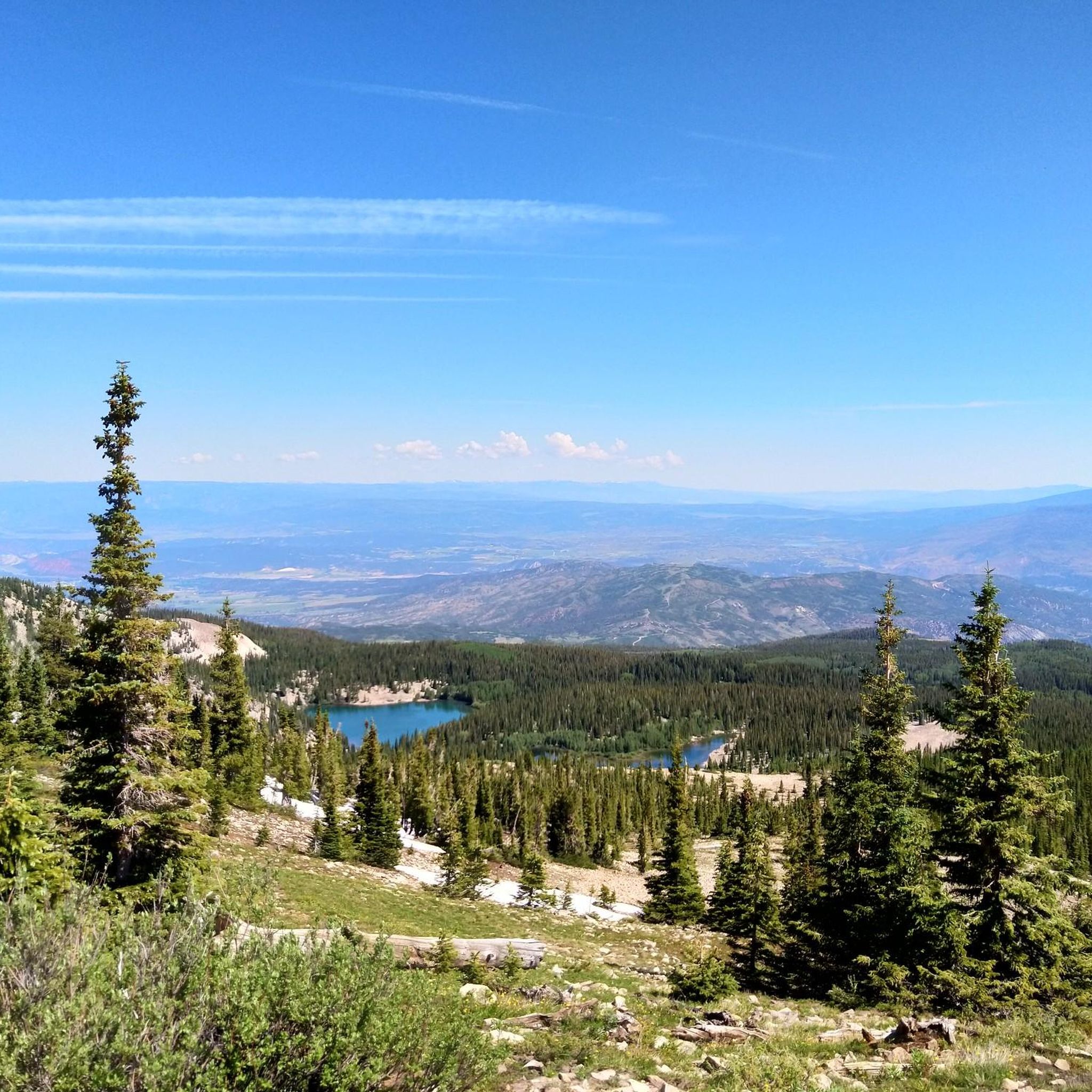
Cycling in Maroon Bells-Snowmass Wilderness
Other adventures in Maroon Bells-Snowmass Wilderness

Tips from the Community

At over 12,500 feet, the air is thin. Once you reach the top, the reward is a breathtaking, 360-degree panorama. The view looking down at Crater Lake and the iconic Maroon Bells is a sight you will never forget.
0
0
The pass gets its name for a reason—even on a warm day, you can expect strong, frigid winds at the top. You’ll be looking down on both the Crystal River Valley and the vast basins to the west. Watch your step as you go down the south side.
0
0
At over 12,400 feet, the pass is often windy and cold, even on a sunny day, but the views from the top are your ultimate reward. You'll get a perfect, bird's-eye view of Snowmass Lake, a stunning emerald jewel nestled in the valley below.
0
0
The altitude here is over 12,000 feet, so be mindful of your breathing and the thinner air. You want to get here early in case of afternoon thunderstorms. You'll be rewarded with a spectacular view of the Maroon Bells and Pyramid Peak.
0
0

Mt. Sopris is located in the Elk Range of Colorado and is actually a twin summit mountain. It stands above the town of Carbondale and the Roaring Fork Valley at an elevation of 12,965 ft.
0
0
Mt. Sopris is located in the Elk Range of Colorado and is actually a twin summit mountain. It stands above the town of Carbondale and the Roaring Fork Valley at an elevation of 12,965 ft.
1
0
Frequently Asked Questions
What are the most popular mountain passes in Maroon Bells-Snowmass Wilderness?
The Maroon Bells-Snowmass Wilderness is renowned for its challenging and scenic mountain passes. Among the most popular are West Maroon Pass, Frigid Air Pass, Trail Rider Pass, and Buckskin Pass. These passes are often experienced together as part of the iconic Four Pass Loop, offering unparalleled high-alpine scenery.
What is the best time to visit the mountain passes in Maroon Bells-Snowmass Wilderness?
The ideal time to visit the mountain passes in Maroon Bells-Snowmass Wilderness is typically from July through September. Outside of these months, the passes and trails are often snow-covered and inaccessible due to their high altitude.
What kind of terrain and elevation can I expect on these mountain passes?
You can expect challenging, high-altitude terrain. Most of the prominent passes, including West Maroon Pass, Frigid Air Pass, Trail Rider Pass, and Buckskin Pass, soar above 12,000 feet. For example, Mt. Sopris, a twin summit, reaches over 12,900 feet. Trails often involve steep sections, switchbacks, and rocky areas, requiring good physical condition.
Are there any notable landmarks or viewpoints on these mountain passes?
Absolutely. From West Maroon Pass, you'll see Treasure Mountain, the iconic Maroon Bells, and Pyramid Peak. Frigid Air Pass offers a unique perspective of the Maroon Bells massif, Snowmass Mountain, and Hagerman Peak. Trail Rider Pass provides breathtaking views of Snowmass Peak and the sparkling Snowmass Lake below. Buckskin Pass delivers panoramic vistas of Snowmass Mountain, Capitol Peak, Pyramid Peak, and the Maroon Bells.
Do I need permits for overnight stays or certain trails in Maroon Bells-Snowmass Wilderness?
Yes, overnight stays in permitted zones within the Maroon Bells-Snowmass Wilderness require advance reservations. It's crucial to check the latest regulations and secure any necessary permits well before your trip, especially if you plan to undertake multi-day treks like the Four Pass Loop.
What outdoor activities can I do near the mountain passes in Maroon Bells-Snowmass Wilderness?
Beyond exploring the mountain passes themselves, the region offers a variety of outdoor activities. You can find numerous hiking trails, including routes to Crater Lake and Snowmass Lake. For cyclists, there are options for road cycling and gravel biking. Popular hiking routes include the challenging Capitol Peak via Capitol Ditch Trail and Conundrum Hot Springs via Conundrum Creek Trail. You can explore more hiking routes here.
Are there family-friendly mountain pass hikes in Maroon Bells-Snowmass Wilderness?
While many of the main mountain passes like West Maroon Pass and Buckskin Pass are considered challenging due to their high altitude and steep sections, there are other trails in the Maroon Bells-Snowmass Wilderness that might be more suitable for families. It's best to research specific trail difficulty and length, and consider options that don't involve crossing the highest passes, or focus on shorter, lower-elevation hikes in the surrounding valleys.
What are the typical trail conditions for mountain passes in the Maroon Bells-Snowmass Wilderness?
Trail conditions vary significantly by season. During the recommended summer months (July-September), trails are generally clear of snow, though you may encounter some snow patches at higher elevations early in the season. Expect rocky terrain, steep ascents and descents, and potentially windy and cold conditions at the summits, even on sunny days. Outside of summer, snow cover makes most passes inaccessible.
What kind of natural features can I expect to see around the mountain passes?
The Maroon Bells-Snowmass Wilderness is rich in natural beauty. You'll encounter dramatic landscapes, pristine alpine lakes like Crater Lake and Snowmass Lake, and imposing peaks. The valleys and basins below the passes are often characterized by maroon cliffs, emerald meadows, and vibrant wildflower displays, especially from mid-July to August. Expect stunning panoramic views from the pass summits.
What do visitors enjoy most about the mountain passes in Maroon Bells-Snowmass Wilderness?
Visitors consistently rave about the breathtaking, 360-degree panoramas from the pass summits. The intense wildflower displays from mid-July to August are a major draw, as are the stunning views of iconic landmarks like the Maroon Bells, Pyramid Peak, and Snowmass Lake. The sense of accomplishment after navigating challenging, high-altitude terrain is also a highlight for many.
Are there any less crowded alternatives to the main Maroon Bells passes?
While the Four Pass Loop is incredibly popular, exploring other areas within the vast Maroon Bells-Snowmass Wilderness or visiting during shoulder seasons (late June or late September) might offer a less crowded experience. Researching specific trails that are not part of the main Four Pass Loop could also lead to quieter, yet equally rewarding, high-alpine experiences.
Most popular routes in Maroon Bells-Snowmass Wilderness
Most popular attractions in Maroon Bells-Snowmass Wilderness

Get inspired with the komoot mobile app


