The best dog-friendly hikes and walks in Maroon Bells-Snowmass Wilderness
4.8
(70)
2,200
hikers
10
hikes
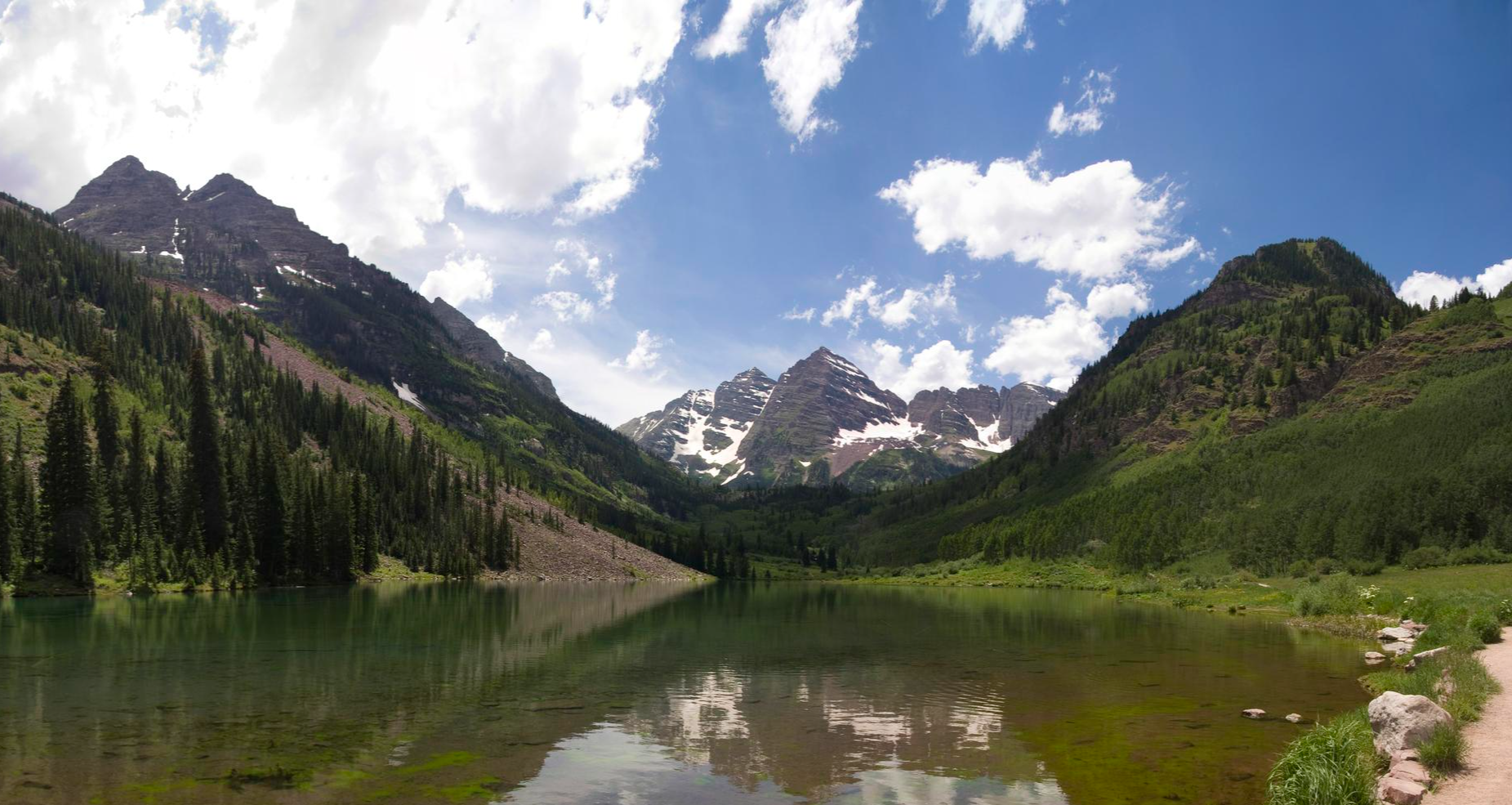
Dog friendly hiking trails in Maroon Bells-Snowmass Wilderness traverse a landscape characterized by the Elk Mountains, featuring prominent peaks like the Maroon Bells, which exceed 14,000 feet. The region encompasses diverse terrain, including alpine lakes, glacial valleys, and extensive areas above the treeline. Hikers will find lush aspen groves and wildflower-filled meadows at lower elevations. This wilderness area offers a variety of routes through its rugged mountain environment.
Best dog friendly hiking trails in Maroon Bells-Snowmass Wilderness
- The most popular…
Last updated: May 13, 2026
5
hikers
7.67km
03:43
870m
20m
Embark on the Buckskin Pass, a moderate hiking route spanning 4.8 miles (7.7 km) with a significant elevation gain of 2864 feet (873 metres). You can expect to complete this…
7.76km
04:05
1,300m
20m
Embark on a demanding adventure up the North Maroon Peak Trail, a difficult hike that plunges you into the rugged heart of the Maroon Bells-Snowmass Wilderness. This route spans 4.8…

Sign up for free
5.0
(1)
23
hikers
23.8km
09:40
1,310m
1,310m
Hard hike. Very good fitness required. Mostly accessible paths. Sure-footedness required.
5
hikers
20.8km
07:04
1,010m
990m
Hard hike. Very good fitness required. Mostly accessible paths. Sure-footedness required.
4.5
(2)
4
hikers
7.28km
02:11
240m
240m
Hike the moderate 4.5-mile Village Bound and Nature Trail Loop in Snowmass Village, gaining 797 feet over 2 hours and 10 minutes.
Get access to more routes and recommendations from other explorers.
Sign up for free
Already have an account?
Our route recommendations are based on thousands of hikes, rides, and runs completed by other people on komoot.
Start today with a free account
Your next adventure awaits.
Login or Signup
Popular around Maroon Bells-Snowmass Wilderness
Other adventures in Maroon Bells-Snowmass Wilderness

Tips from the Community

In my opinion, actually more worth seeing than the Maroon Bells.
0
0
A little off the beaten track but with a beautiful panoramic view and conifers in the foreground.
0
0
Especially beautiful in autumn, of course.
0
0

Located in a beautiful glaciated basin, it's surrounded by towering peaks. It's quite a challenge to get here, but you will likely find more solitude here compared to Crater Lake.
0
0
The river starts close to Frigid Air pass, flowing into the Fravert Basin. The meadows here are known for their spectacular wildflowers, which burst with color in late summer. Take a lot of care as you cross the river here, especially in the spring and early summer.
0
0
From here you can head to either North Maroon Peak or Buckskin Pass. Dispersed camping is allowed, 200 feet away from the trail or water sources. There is a stream very close from here. As campfires are prohibited above 10,800 feet, this is a good place to set up camp.
0
0
The pass gets its name for a reason—even on a warm day, you can expect strong, frigid winds at the top. You’ll be looking down on both the Crystal River Valley and the vast basins to the west. Watch your step as you go down the south side.
0
0
There is a large waterfall in the Fravert Basin area, with water cascading down multiple rocky tiers into a misty pool. The area around the falls is a perfect place to stop for a snack and enjoy the cool spray and stunning views. Following the trail above the falls, there is a great camping spot with a great view of the basin.
0
0
Frequently Asked Questions
How many dog-friendly hiking trails are available in Maroon Bells-Snowmass Wilderness?
The Maroon Bells-Snowmass Wilderness offers a variety of dog-friendly hiking experiences. Our guide features 11 curated routes, ranging from easy strolls to challenging multi-day treks, ensuring there's something for every dog and owner.
What are the general rules for hiking with dogs in the Maroon Bells-Snowmass Wilderness?
Dogs are generally welcome in the Maroon Bells-Snowmass Wilderness, but they must be kept on a leash at all times to protect wildlife and ensure the safety of other hikers. Always pack out all waste, and be aware that some areas, particularly popular ones like the Maroon Bells Scenic Area, may have specific restrictions or require shuttle bus access where dogs might not be permitted on the bus itself. Always check local regulations before heading out.
Are there any easy dog-friendly hikes suitable for beginners or older dogs?
Yes, there are several easier options. For a pleasant walk, consider the Village Bound and Nature Trail Loop. This moderate route offers a gentle elevation gain and covers about 7.3 km, making it suitable for a relaxed outing with your canine companion.
What kind of terrain can I expect on dog-friendly trails in the Maroon Bells-Snowmass Wilderness?
The terrain varies significantly across the wilderness. You'll encounter everything from well-maintained paths through lush aspen groves and wildflower meadows to more rugged, rocky, and root-filled sections, especially on higher-elevation trails. Some routes involve significant elevation changes, crossing mountain passes above 12,000 feet. Always check the specific trail description for detailed terrain information.
When is the best time of year to hike with my dog in the Maroon Bells-Snowmass Wilderness?
The best time for dog-friendly hiking is typically from late spring to early fall (June to September). During this period, trails are generally clear of snow, and the weather is more predictable. Mid-summer brings vibrant wildflowers, while early fall offers stunning aspen foliage. Be aware that high-altitude trails can retain snow into July, and afternoon thunderstorms are common in summer. Winter hiking is possible but requires specialized gear and avalanche awareness.
Do I need a permit to hike with my dog in the Maroon Bells-Snowmass Wilderness?
For day hikes, permits are generally not required for you or your dog. However, for overnight stays in popular backcountry areas like Conundrum Hot Springs, Capitol Lake, Crater Lake, and the Four Pass Loop, advance reservation permits are mandatory. Bear canisters are also required for all backpackers. It's always best to check the latest regulations from the US Forest Service or local authorities, as rules can change.
What natural features or landmarks can I see while hiking with my dog?
The wilderness is renowned for its breathtaking natural beauty. You can explore stunning alpine lakes like Crater Lake, Thomas Lakes, and Avalanche Lake. Iconic mountain passes such as Buckskin Pass and Frigid Air Pass offer panoramic views. The famous Maroon Bells themselves are a highlight, often reflected in Maroon Lake, though access to the immediate Maroon Bells Scenic Area may have specific dog restrictions or require shuttle use during peak season.
Are there any challenging dog-friendly trails for experienced hikers and their dogs?
Absolutely. For those seeking a rigorous adventure, the Buckskin Pass trail offers a significant climb with stunning rewards. Another challenging option is the North Maroon Peak Trail, which involves substantial elevation gain and rugged terrain, suitable only for very fit dogs and experienced hikers. Always assess your dog's fitness and your own before attempting difficult routes.
What do other hikers enjoy the most about hiking in Maroon Bells-Snowmass Wilderness?
The Maroon Bells-Snowmass Wilderness is highly rated by the komoot community, with an average score of 4.8 stars. Reviewers consistently praise the spectacular scenery, including the iconic Maroon Bells reflected in pristine lakes, the diverse ecosystems from aspen groves to alpine tundra, and the extensive trail system that offers a variety of challenges and rewards. The sense of wilderness and solitude on less-traveled paths is also frequently highlighted.
Are there any dog-friendly loop trails in the Maroon Bells-Snowmass Wilderness?
Yes, loop trails are available for varied experiences. For a longer, challenging multi-day loop, the Trail Rider Pass – North Fork Crystal River loop from Snowmass Lake is a demanding option that circumnavigates through stunning alpine landscapes. For a shorter, moderate loop, the Village Bound and Nature Trail Loop provides a pleasant circular walk.
What should I bring for a dog-friendly hike in this wilderness area?
Beyond your usual hiking essentials, remember to pack plenty of water for both you and your dog, a collapsible bowl, dog waste bags, and a leash. Consider dog booties for rocky or snowy terrain, especially on longer hikes. A first-aid kit that includes supplies for your dog is also highly recommended. Always be prepared for changing weather conditions, as mountain weather can be unpredictable.
What wildlife might I encounter, and how should I react with my dog?
The wilderness is home to diverse wildlife, including elk, deer, bighorn sheep, and occasionally bears or mountain lions. Keeping your dog on a leash is crucial to prevent encounters and protect both your pet and the wildlife. If you encounter wildlife, keep your dog close, make noise to alert animals to your presence, and never approach or feed them. Carry bear spray if you are in bear country and know how to use it.
Most popular routes in Maroon Bells-Snowmass Wilderness
Most popular attractions in Maroon Bells-Snowmass Wilderness

Get inspired with the komoot mobile app


Explore more
Browse the best Hikes in other regions.
