Mount Evans Wilderness
Mount Evans Wilderness
Top 5 Natural Monuments in Mount Evans Wilderness
Best natural monuments in Mount Evans Wilderness include a 74,401-acre expanse west of Denver. This area is characterized by high-altitude terrain, unique ecosystems, and dramatic glacial landscapes. The wilderness features prominent peaks, alpine lakes, and rare arctic tundra. These natural monuments offer diverse opportunities for exploration within a rugged mountain environment.
Best natural monuments in Mount Evans Wilderness
- The most popular natural monuments is Mount Bierstadt Summit, a summit known as one of Colorado's 14,000-foot peaks. It offers a…
Last updated: June 1, 2026
Mount Bierstadt Summit
Highlight • Summit
Tip by

Mount Blue Sky (Evans) Summit
Highlight • Summit
Tip by

Sign up now to discover places like this
Get recommendations on the best single tracks, peaks, & plenty of other exciting outdoor places.
Sign up for free
Helms Lake
Highlight • Lake
Tip by

Upper & Lower Chicago Lakes
Highlight (Segment) • Lake
Tip by
Start today with a free account
Your next adventure awaits.
Login or Signup
Tips from the Community

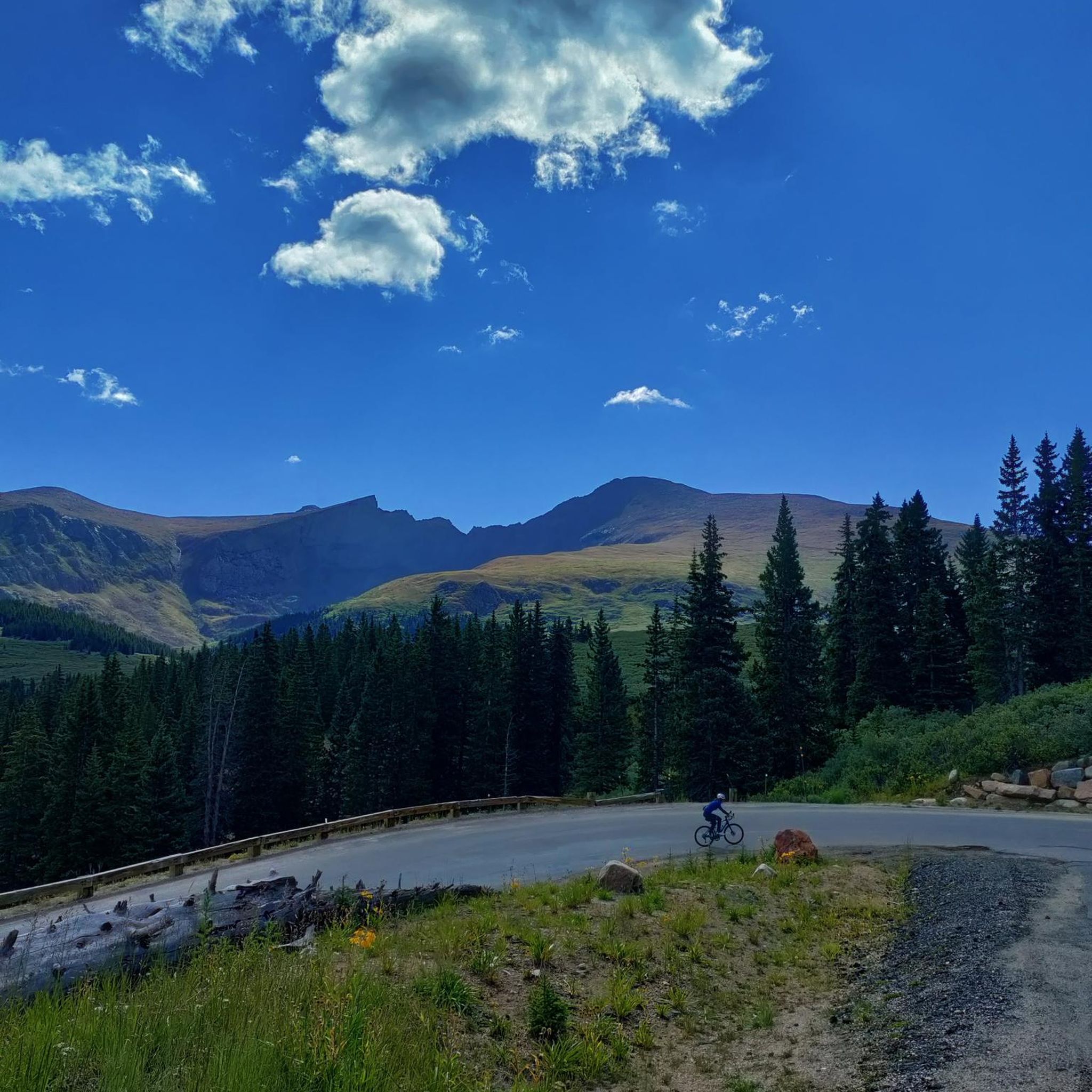
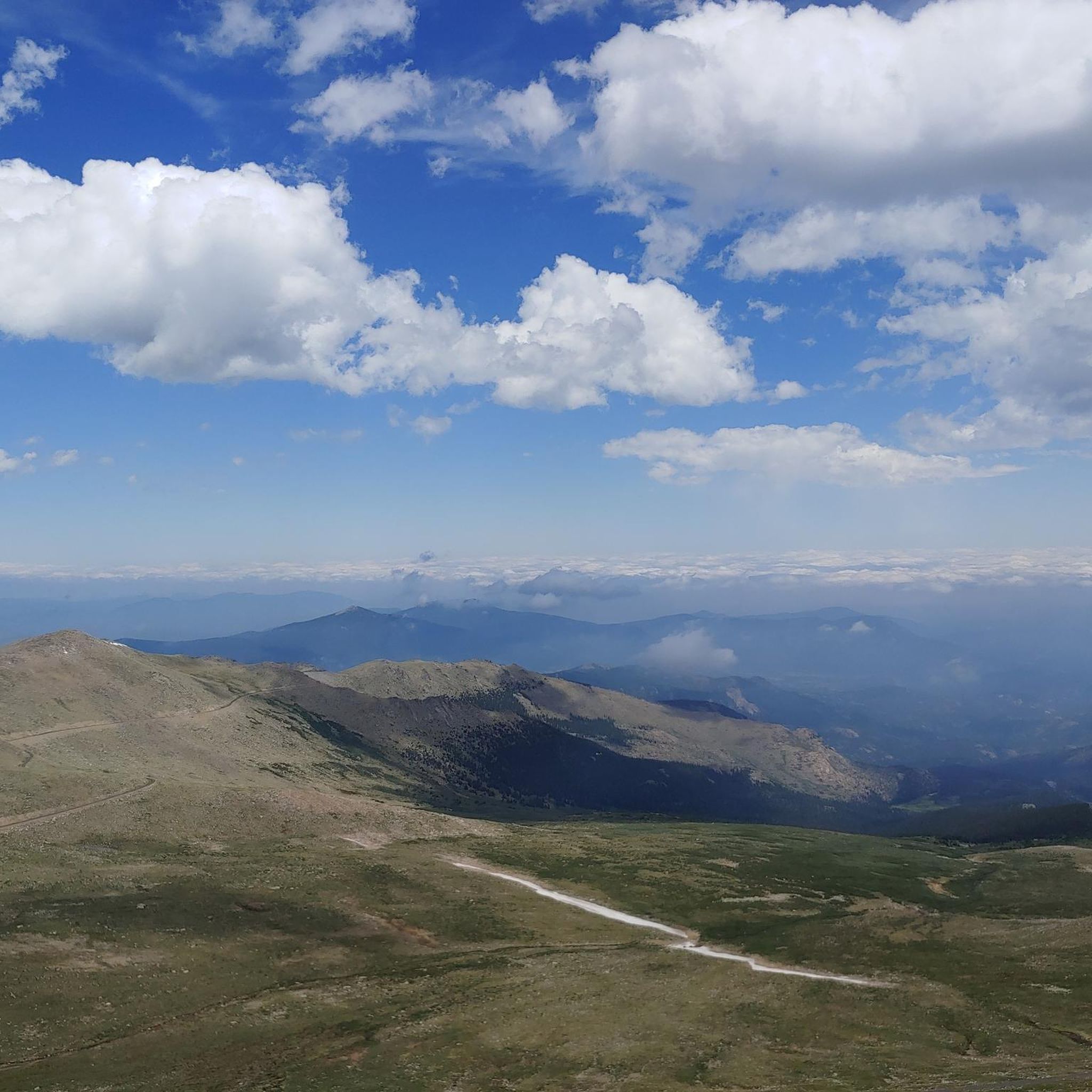
Embarking on the ascent of Mount Blue Sky (formerly Mount Evans) is must-do for any cyclist looking for a high altitude challenge. The road up to the summit, which is at 14,130 feet above sea level, is the highest paved road in North America, so as you ride up this epic switchbacking road, keep an eye on how you feel because many experience altitude sickness at these elevations. The summit parking lot is a great place to rest, take photos, and enjoy the views before heading back down the road, which demands vigilance. There are no guardrails, little to no shoulder, and steep drops along the road so please be aware as you begin your descent.
0
0

Mount Bierstadt has a reputation for being one of the easiest mountains over 14,000 feet to climb within Colorado state. The reality is that it's still a tough run!
0
0

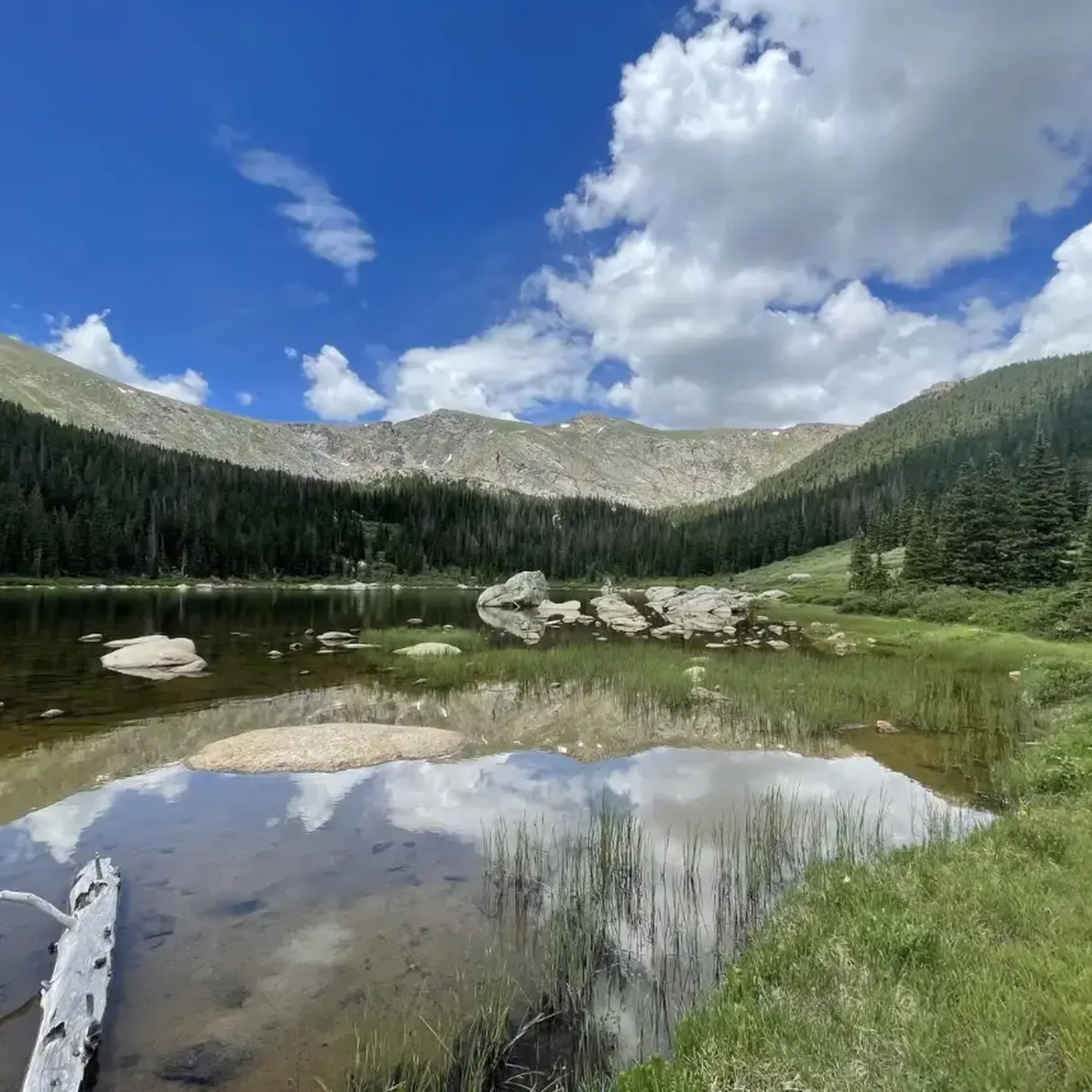
Helms Lake rests just over treeline at 11,735 feet. The alpine pool is about 2,300 feet lower than Mount Bierstadt, which makes for a great backdrop. There is some camping near the lake with wilderness area LNT principles governing the sites.
0
1
Helms Lake rests just over treeline at 11,735 feet. The alpine pool is about 2,300 feet lower than Mount Bierstadt, which makes for a great backdrop. There is some camping near the lake with wilderness area LNT principles governing the sites.
0
0
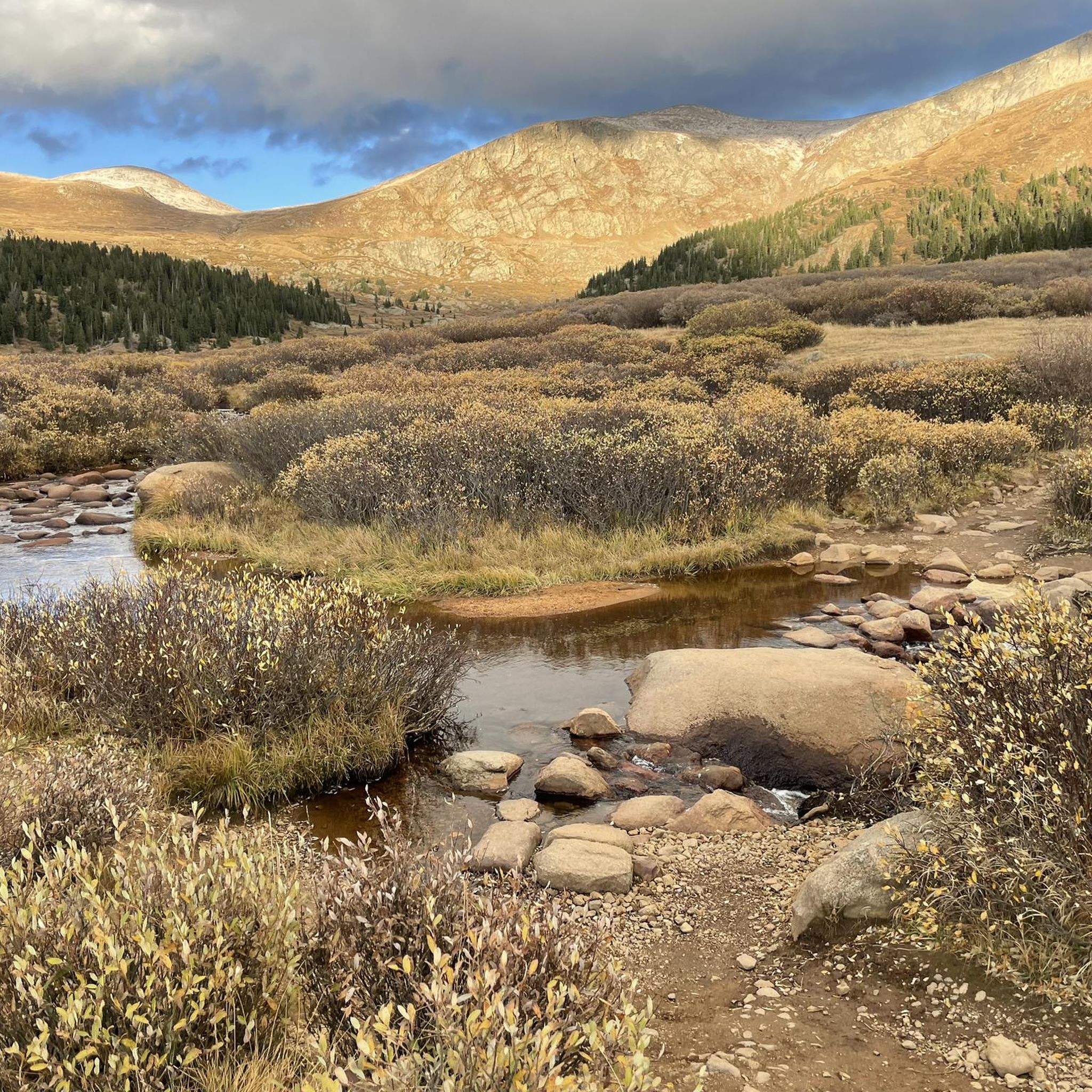
Both the upper and lower lake offer great views of the surrounding peaks in the Mount Evans Wilderness. The lower lake is situated right around treeline and is much easier to get to than the upper lake. While the route to the upper lake is straightforward, the trail disappears at times and is very steep.
0
0
Mount Bierstadt has a reputation for being one of the easiest mountains over 14,000 feet to climb within Colorado state. The reality is that the effort remains important to reach the top.
1
0

The highest paved road in North America! Epic switchback roads take you to the summit parking lot at 14,130 ft. above sea level. As you ascend to this height the air continually gets thinner (3% less oxygen for every 1,000' above sea level). So there is 42% less oxygen at the top. Be careful for altitude sickness. And be aware to monitor yourself and see how the altitude affects you on your way up. I felt a bit woozy and scatterbrained in during the ascent from Summit Lake to the top. But it may affect you differently. These affects make it imperative to be cautious on the descent as there are no guard rails and steep drops from the road. Disc brakes are a no-brainer for the descent unless you have a car to take you back down.
0
2

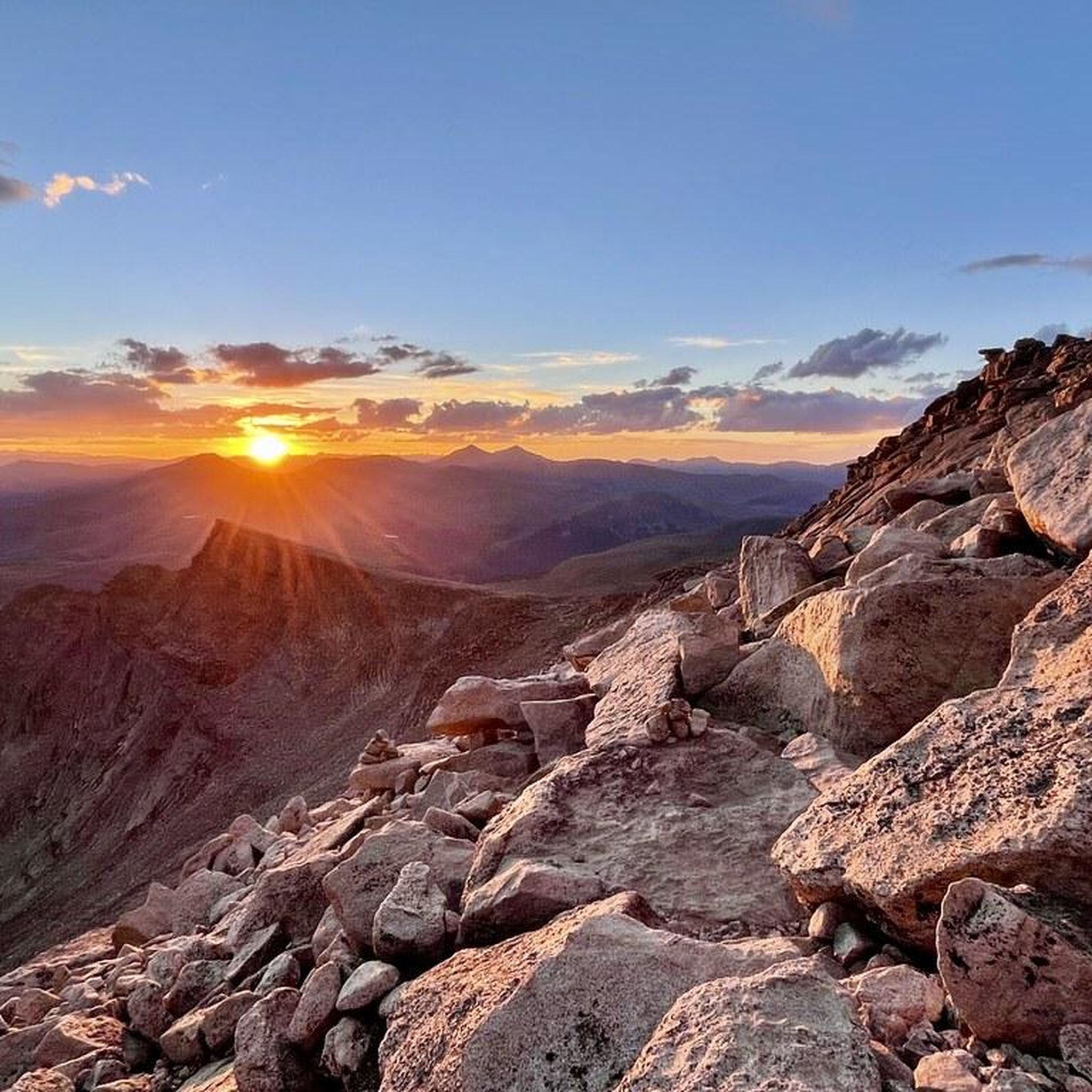
Great to sit and watch the sun come up just past Mt. Evans. Get an early start in the dark to beat the crowds.
0
2
Frequently Asked Questions
What are some of the most prominent natural monuments to visit in Mount Evans Wilderness?
The Mount Evans Wilderness is home to several remarkable natural monuments. Among the most prominent are the towering 14,000-foot peaks, Mount Blue Sky (Evans) Summit and Mount Bierstadt Summit, which offer challenging ascents and panoramic views. Another popular spot is Helms Lake, an alpine lake nestled just above the treeline with Mount Bierstadt as a stunning backdrop.
What unique natural features can I expect to see in the Mount Evans Wilderness?
Beyond its prominent peaks and alpine lakes, the Mount Evans Wilderness boasts several unique natural features. You can explore small regions of rare arctic tundra, an ecosystem typically found much further north, characterized by its moisture and numerous small pools. The area also features ancient bristlecone pines within the Mount Goliath Natural Area, known for their longevity and gnarled forms. Additionally, the landscape showcases classic glacial landforms like cirques, U-shaped valleys, and moraines, evidence of past glacial activity.
Are there any natural monuments that are easier to access or less strenuous to reach?
While many natural monuments in the Mount Evans Wilderness require strenuous hiking, Mount Blue Sky (Evans) Summit offers a unique level of accessibility. The summit is reachable via North America's highest paved road, allowing visitors to experience high-altitude vistas without a long hike. For those looking for a moderate hike to an alpine lake, the lower section of Upper & Lower Chicago Lakes is generally easier to reach than the upper lake.
What is the best time of year to visit the natural monuments in Mount Evans Wilderness?
The best time to visit the natural monuments in Mount Evans Wilderness is typically during the summer months, from late June through early September. During this period, the high-altitude roads and trails are usually clear of snow, and the weather is generally more favorable for hiking and exploration. However, be prepared for rapidly changing weather conditions, even in summer, and always check forecasts before heading out.
What kind of wildlife might I encounter near the natural monuments?
The Mount Evans Wilderness is home to diverse wildlife adapted to its high-altitude environment. Near the summits of Mount Blue Sky and Mount Bierstadt, you might frequently spot bighorn sheep and mountain goats. The arctic tundra regions are home to birds like ptarmigan and various small mammals, including yellow-bellied marmots. Keep an eye out for these creatures, but always observe them from a respectful distance.
Are there family-friendly options for exploring the natural monuments?
While many trails in the Mount Evans Wilderness are challenging, families can still enjoy some natural monuments. The drive up the Mount Blue Sky Scenic Byway to Mount Blue Sky (Evans) Summit offers incredible views without extensive hiking, making it suitable for all ages. For a moderate hike, the trail to Helms Lake is a rewarding option, though still requiring a good level of fitness.
What outdoor activities can I do near these natural monuments?
The Mount Evans Wilderness offers a wide range of outdoor activities. You can find numerous hiking trails, from challenging ascents to moderate routes, including the Mount Bierstadt Trail and the Rosalie Trail to Helms Lake. For cycling enthusiasts, there are demanding road cycling routes like the Echo Lake to Mount Blue Sky (Evans) Summit. Mountain biking trails, such as the South Park - Burning Bear Loop, are also available. You can find more details on these activities and routes in the Hiking in Mount Evans Wilderness, MTB Trails in Mount Evans Wilderness, and Road Cycling Routes in Mount Evans Wilderness guides.
What should I know about hiking to the summits like Mount Bierstadt?
Hiking to summits like Mount Bierstadt Summit is a challenging endeavor due to the high altitude and rugged terrain. While it's often considered one of Colorado's more accessible 14,000-foot peaks, the effort required is still significant. Be prepared for a long hike, potential exposure to elements, and the effects of reduced oxygen. Always carry plenty of water, layers of clothing, and appropriate gear. The views from the top are incredibly rewarding.
Are there any specific regulations or permits required for visiting the natural monuments?
As part of a designated wilderness area, visitors to Mount Evans Wilderness should be aware of Leave No Trace principles to preserve its pristine nature. While specific permits for day hiking are generally not required for most areas, certain activities like overnight camping in the wilderness may require permits. Always check with the local Forest Service office for the most current regulations regarding permits, parking, and any seasonal closures, especially for areas like the Mount Blue Sky Scenic Byway.
What do visitors enjoy most about the natural monuments in Mount Evans Wilderness?
Visitors frequently highlight the breathtaking panoramic views from the summits of peaks like Mount Blue Sky (Evans) Summit and Mount Bierstadt Summit. The unique experience of driving North America's highest paved road to Mount Blue Sky is also a major draw. Many appreciate the sense of solitude and spectacular scenery found at alpine lakes such as Helms Lake, and the challenging yet rewarding nature of the high-altitude hikes.
Can I bring my dog to explore the natural monuments?
Dogs are generally permitted in the Mount Evans Wilderness, including on trails leading to many natural monuments, but they must be kept on a leash. It's crucial to practice Leave No Trace principles, which includes packing out all pet waste. Be mindful of your dog's capabilities at high altitudes and on strenuous trails, and ensure they have adequate water and protection from the elements. Always check specific trail regulations before you go, as some areas might have restrictions.
What geological features are prominent in the Mount Evans Wilderness?
The Mount Evans Wilderness is a prime example of a landscape shaped by glacial activity. Prominent geological features include steep headwalls forming cirques, which are amphitheater-like valleys carved by glaciers. You'll also find U-shaped valleys, often holding strings of alpine lakes, and moraines, which are deposits of glacial debris. These features provide clear evidence of the area's dramatic glacial past and contribute to its rugged beauty.
Most popular routes in Mount Evans Wilderness
Most popular attractions in Mount Evans Wilderness

Get inspired with the komoot mobile app


Explore more
Extend your search for the best caves by checking out these guides of the top ones in Mount Evans Wilderness:
