Fuentes Carrionas Y Fuente Cobre - Montaña Palentina
Fuentes Carrionas Y Fuente Cobre - Montaña Palentina
Top 7 Mountain Passes in Fuentes Carrionas Y Fuente Cobre - Montaña Palentina
Best mountain passes in Fuentes Carrionas Y Fuente Cobre - Montaña Palentina are located within a mountainous region in northern Palencia, Spain. This area is part of the Cantabrian Mountains and offers a diverse natural landscape. The passes provide access to rich biodiversity and connect various provinces. Visitors can experience challenging cycling routes, serene hiking trails, and numerous viewpoints.
Best mountain passes in Fuentes Carrionas Y Fuente Cobre - Montaña Palentina
- The most popular mountain passes is Piedrasluengas Viewpoint,…
Last updated: May 15, 2026
Piedrasluengas Viewpoint
Highlight • Viewpoint
Translated by Google •
Tip by

Collado de la Cruz Armada
Highlight • Mountain Pass
Translated by Google •
Tip by

Sign up now to discover places like this
Get recommendations on the best single tracks, peaks, & plenty of other exciting outdoor places.
Sign up for free
Alto de La Varga Viewpoint
Highlight • Viewpoint
Translated by Google •
Tip by

Mirador del Portillo de Carro
Highlight • Viewpoint
Translated by Google •
Tip by
Collado del Ves
Highlight • Mountain Pass
Translated by Google •
Tip by

Sign up for free to discover even more mountain passes in Fuentes Carrionas Y Fuente Cobre - Montaña Palentina.
Sign up for free
Already have an account?
Start today with a free account
Your next adventure awaits.
Login or Signup
Popular around Fuentes Carrionas Y Fuente Cobre - Montaña Palentina
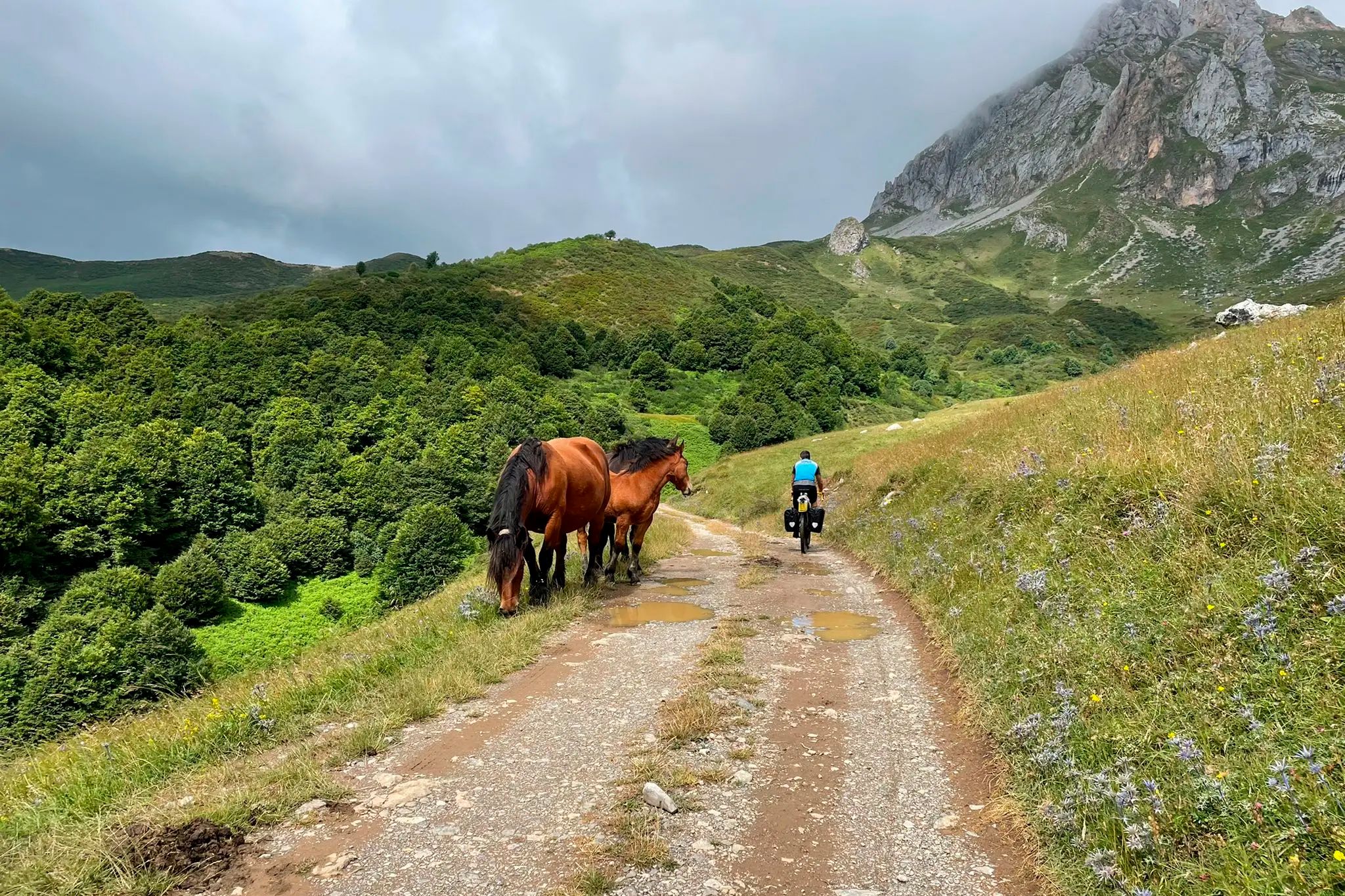
TransCantabrica – Extreme mountain biking in northern Spain
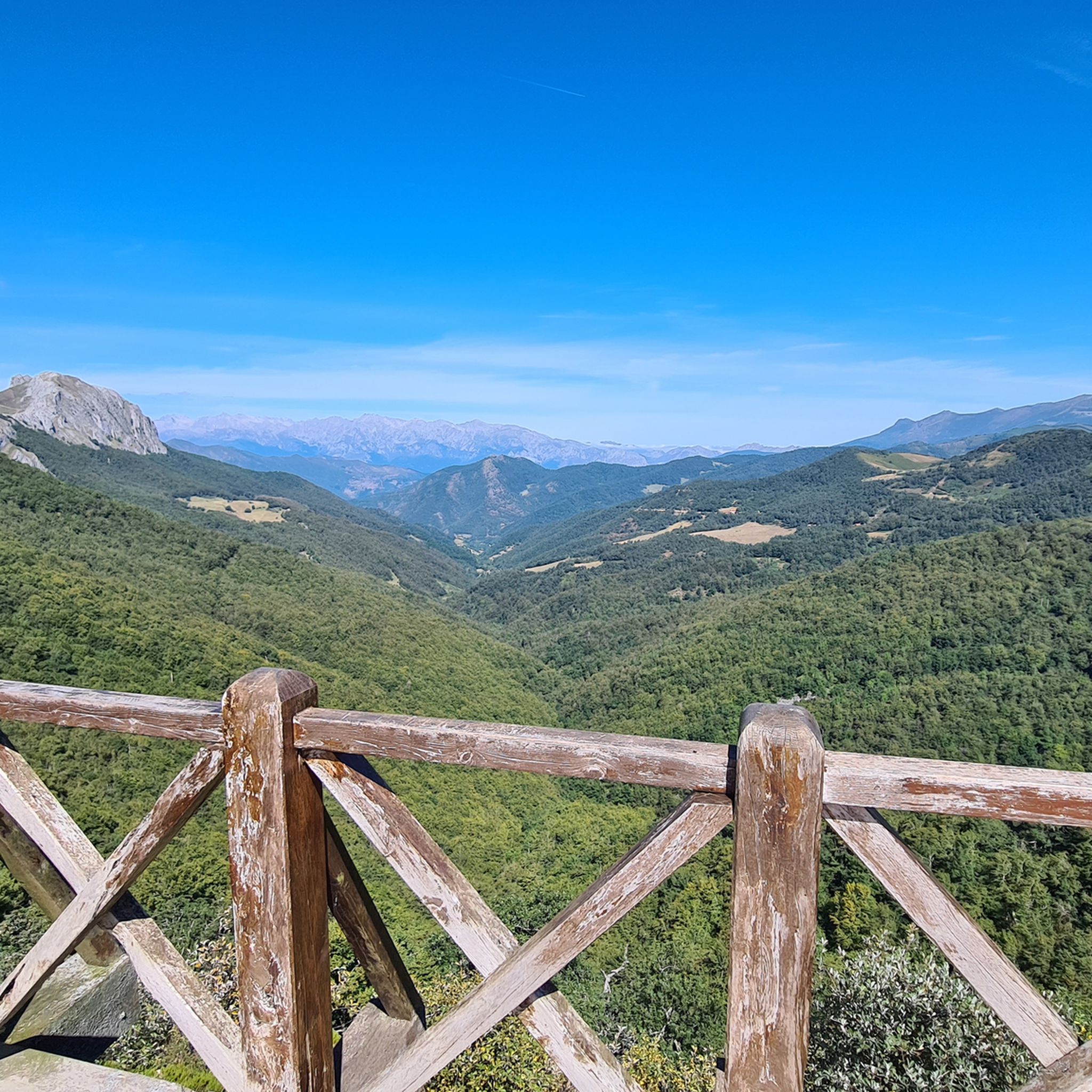
Hiking in Fuentes Carrionas Y Fuente Cobre - Montaña Palentina
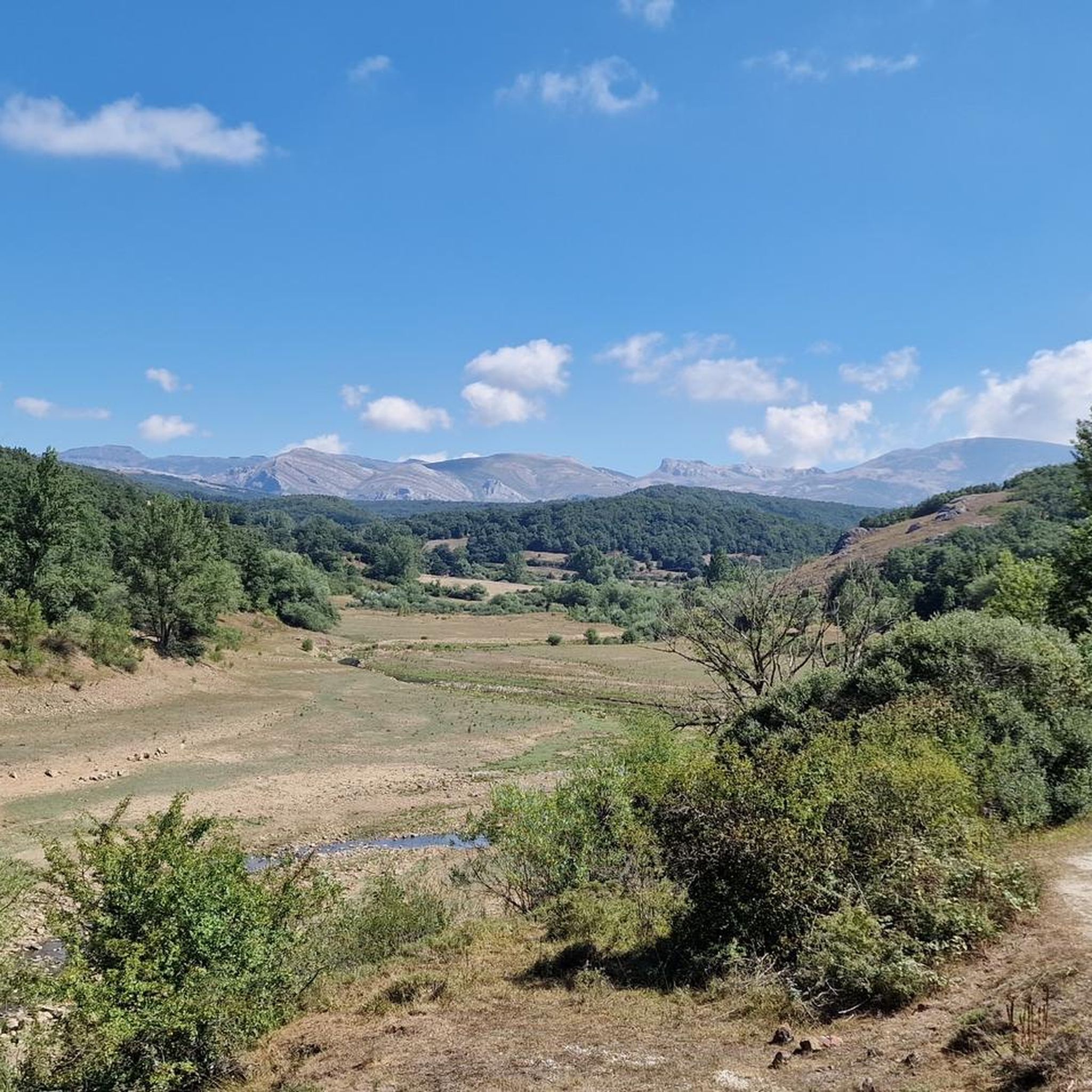
MTB Trails in Fuentes Carrionas Y Fuente Cobre - Montaña Palentina
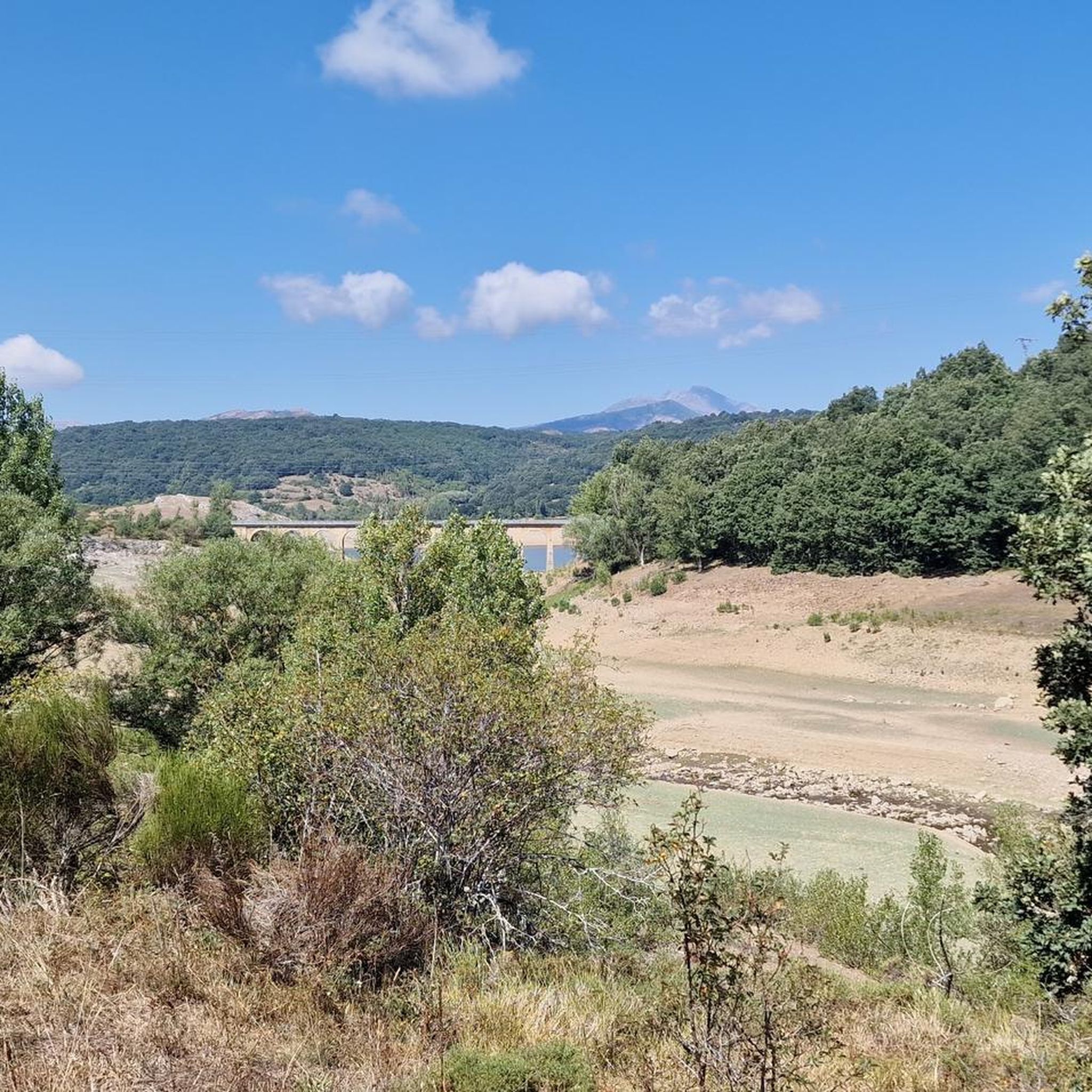
Cycling in Fuentes Carrionas Y Fuente Cobre - Montaña Palentina
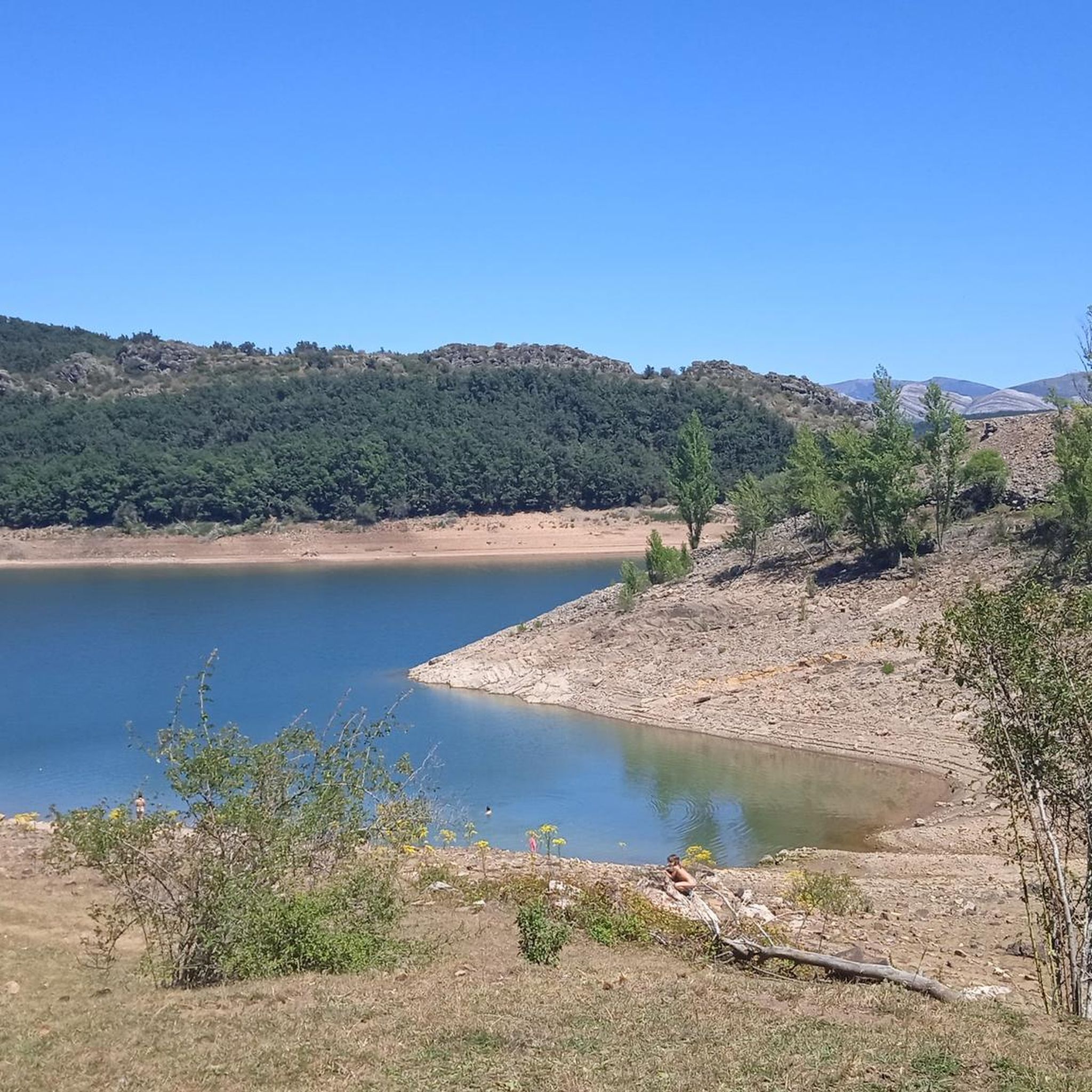
Running Trails in Fuentes Carrionas Y Fuente Cobre - Montaña Palentina
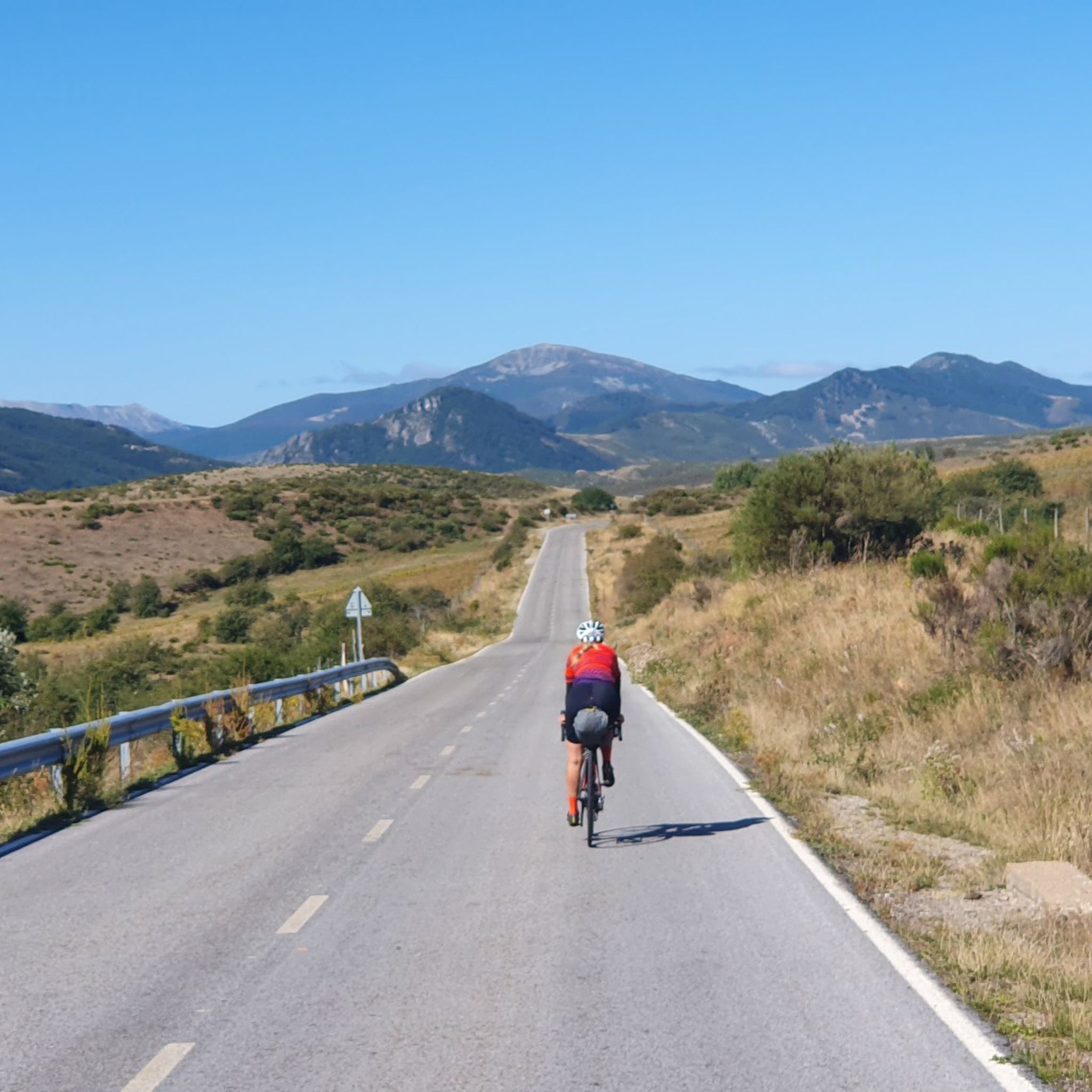
Road Cycling Routes in Fuentes Carrionas Y Fuente Cobre - Montaña Palentina

Gravel biking in Fuentes Carrionas Y Fuente Cobre - Montaña Palentina

Mountain Hikes in Fuentes Carrionas Y Fuente Cobre - Montaña Palentina
Other adventures in Fuentes Carrionas Y Fuente Cobre - Montaña Palentina

Tips from the Community

A solitary mountain pass between the Valdeón and Sajambre valleys, where the silence is broken only by the wind. Its name recalls an old iron cross that marked the boundary between the municipalities and served as a guide for muleteers. Some say a Carlist skirmish took place there, others that it was a meeting point for smugglers. What is certain is that from the summit the mountains open up like a sea of stone, and one understands why this place still smells of a borderland.
0
0

Spectacular views of the eastern massif of Picos de Europa
0
0

Beautiful road from Puetenansa up to there for road bikes, less traffic
1
0

Great views from 1413 meters above sea level of the Sierra Palentina. Take a break and take a photo of two.
1
0
This is a nice peak with great views. Note that depending on where you're coming from and where you're going, there are several trails leading in different directions from very close to here. From the top you should be able to see most of them.
1
0

Spectacular views over the surrounding landscape of the Palencia mountains, the Mirador Alto de La Varga is a must stop, if only to catch your breath after the long climb.
1
0
Mirador del Portillo de Carro is one of several large viewpoints along the Senda del Oso. There are signs to help you identify the surrounding mountains and great views.
2
0

Viewpoint located in the homonymous hill at more than 1300 meters. From there you can see the Picos de Europa, Peña Labra, the Tres Mares peak, the Cuchillón peak and much more.
2
0
Frequently Asked Questions
What are some of the most scenic viewpoints along the mountain passes?
The region offers several stunning viewpoints. The Piedrasluengas Viewpoint, located at over 1,300 meters, provides panoramic views of the Picos de Europa, Peña Labra, and the Liébana Valley. Another must-see is the Alto de La Varga Viewpoint, offering spectacular vistas of the Sierra Palentina from 1,413 meters. Additionally, the Mirador del Corzo and Collado de Llesba near Puerto de San Glorio offer exceptional views, including the 'Monumento al Oso'.
Are there opportunities for cycling on these mountain passes?
Yes, the mountain passes in Fuentes Carrionas y Fuente Cobre - Montaña Palentina are well-known for cycling. Puerto de San Glorio, for instance, has been part of the Vuelta a España several times, offering a challenging ascent, especially from the Cantabrian side. Puerto de Pandetrave also presents a significant climb for cyclists. For more cycling routes, you can explore gravel biking tours in the region.
What kind of hiking trails can I find near the mountain passes?
The area around the mountain passes is rich with hiking opportunities. Puerto de Pandetrave serves as a crossroads for various trails, including a section of the Ruta Vadiniense. From Puerto de San Glorio, you can access trails leading to peaks like Peña Prieta or Mojón de Tres Provincias. For specific routes, check out easy hikes or running trails in the Montaña Palentina Natural Park.
Are there any family-friendly mountain passes or viewpoints?
Yes, several spots are suitable for families. The Piedrasluengas Viewpoint is considered family-friendly, offering accessible views. The Mirador del Portillo de Carro is another great option, being one of several large viewpoints along the Senda del Oso with signs to identify surrounding mountains, making it engaging for all ages.
What unique natural features can be observed around these passes?
The region boasts diverse natural features. Around Puerto de Piedrasluengas, you can find the blue viperine, an endemic plant listed in the Catalog of Threatened Flora. The passes also traverse areas rich in flora and fauna, bordering the Picos de Europa National Park and the Fuentes Carrionas y Fuente Cobre-Montaña Palentina Natural Park, offering opportunities for wildlife viewing.
What is the best time of year to visit the mountain passes in Montaña Palentina?
The best time to visit the mountain passes for outdoor activities like hiking and cycling is generally during the warmer months, from late spring to early autumn (May to October). During this period, the weather is more stable, and the passes are fully accessible, offering clear views and pleasant conditions for exploration.
Are there any historical aspects associated with these mountain passes?
Yes, some passes have historical significance. Puerto de Piedrasluengas, for example, was historically an important route, with ancient Roman roads and transhumance routes passing through the area. The name 'Piedrasluengas' itself refers to 'large stones,' likely due to the notable rock formations that have been a landmark for centuries.
Which mountain pass offers the highest altitude experience?
Puerto de San Glorio is one of the highest paved mountain passes in the Cantabrian Mountains, reaching a maximum altitude of 1,609 meters above sea level. It offers a truly elevated experience with extensive panoramic views.
What kind of local gastronomy can I expect near the mountain passes?
The nearby Liébana region in Cantabria, accessible from passes like Puerto de San Glorio and Puerto de Piedrasluengas, is renowned for its rich gastronomy. You can savor local specialties such as Cocido Lebaniego (a hearty stew), Quesuco de Liébana (local cheese), and Orujo (a traditional pomace brandy), reflecting the area's unique microclimate and culinary traditions.
Can I find accommodation or places to eat near the mountain passes?
While the passes themselves are often remote, nearby villages and towns offer accommodation and dining options. For instance, the gastronomic richness of the Liébana region, accessible from Puerto de San Glorio and Puerto de Piedrasluengas, means you can find restaurants and cafes in towns like Potes. Cervera de Pisuerga is another hub with amenities.
What makes Collado de la Cruz Armada a notable mountain pass?
Collado de la Cruz Armada is a solitary mountain pass offering great views between the Valdeón and Sajambre valleys. It's known for its profound silence, broken only by the wind, and its historical significance as a boundary marker and a potential site for past skirmishes or smuggling activities. From its summit, the mountains unfold like a vast sea of stone.
What is special about Collado del Ves?
Collado del Ves serves as a natural connection between the Cardaños Valley and the isolated mountain cirques where the Carrión River originates. It's particularly known for its meadow, which leads to the enormous meadows of the Vega del Ves, offering a unique landscape for hikers exploring the legendary Fuentes Carrionas lagoon area.
Most popular routes in Fuentes Carrionas Y Fuente Cobre - Montaña Palentina
Most popular attractions in Fuentes Carrionas Y Fuente Cobre - Montaña Palentina

Get inspired with the komoot mobile app


Explore more
See even more epic mountain passes by checking out these guides in Fuentes Carrionas Y Fuente Cobre - Montaña Palentina:
