Top 9 Lakes around Argamasilla De Calatrava
Lakes around Argamasilla De Calatrava are characterized by their unique geological origins within the Campo de Calatrava region. This area, located in the province of Ciudad Real, features a landscape shaped by volcanic activity, resulting in distinctive lakes and wetlands. Argamasilla de Calatrava itself is situated in a valley of the Tirteafuera river, surrounded by small mountains. The region's natural heritage includes ancient volcanic craters and ephemeral lagoons.
Best lakes around Argamasilla De Calatrava
- The most popular lakes include El…
Last updated: October 7, 2026
Laguna de Almodóvar
Highlight • Lake
Translated by Google •
Tip by

El Charcazo Area
Highlight • Rest Area
Translated by Google •
Tip by
Sign up now to discover places like this
Get recommendations on the best single tracks, peaks, & plenty of other exciting outdoor places.
Argamasilla de Calatrava
Highlight • Settlement
Translated by Google •
Tip by
Maar and Strombolian volcano of Almodóvar del Campo
Highlight • Volcano
Translated by Google •
Tip by
Laguna Blanca
Highlight • Lake
Translated by Google •
Tip by
Sign up for free to discover even more lakes around Argamasilla De Calatrava.
Already have an account?
Start today with a free account
Your next adventure awaits.
Popular around Argamasilla De Calatrava
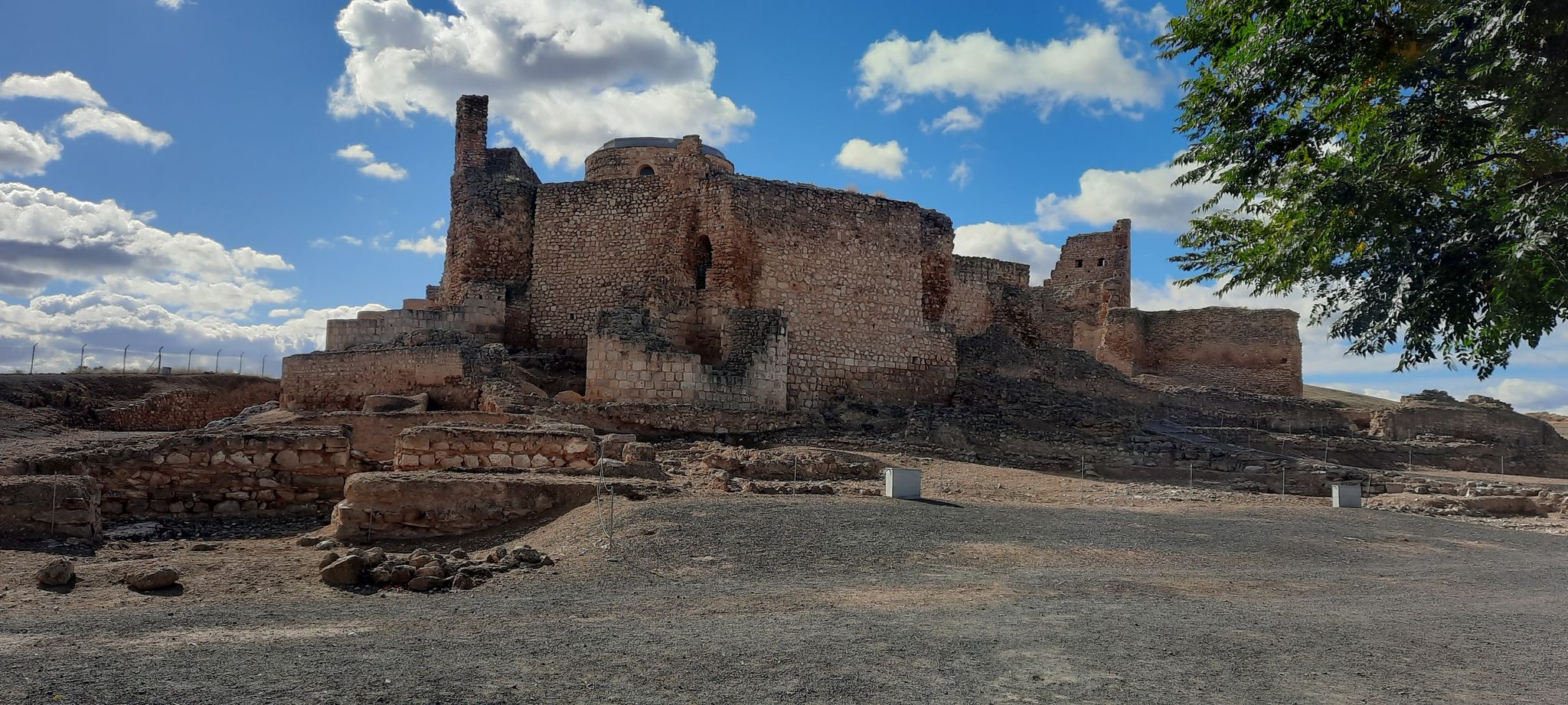
Old volcanoes and castles – bikepacking through Campo de Calatrava
Road Cycling Routes around Argamasilla De Calatrava
Cycling around Argamasilla De Calatrava
MTB Trails around Argamasilla De Calatrava
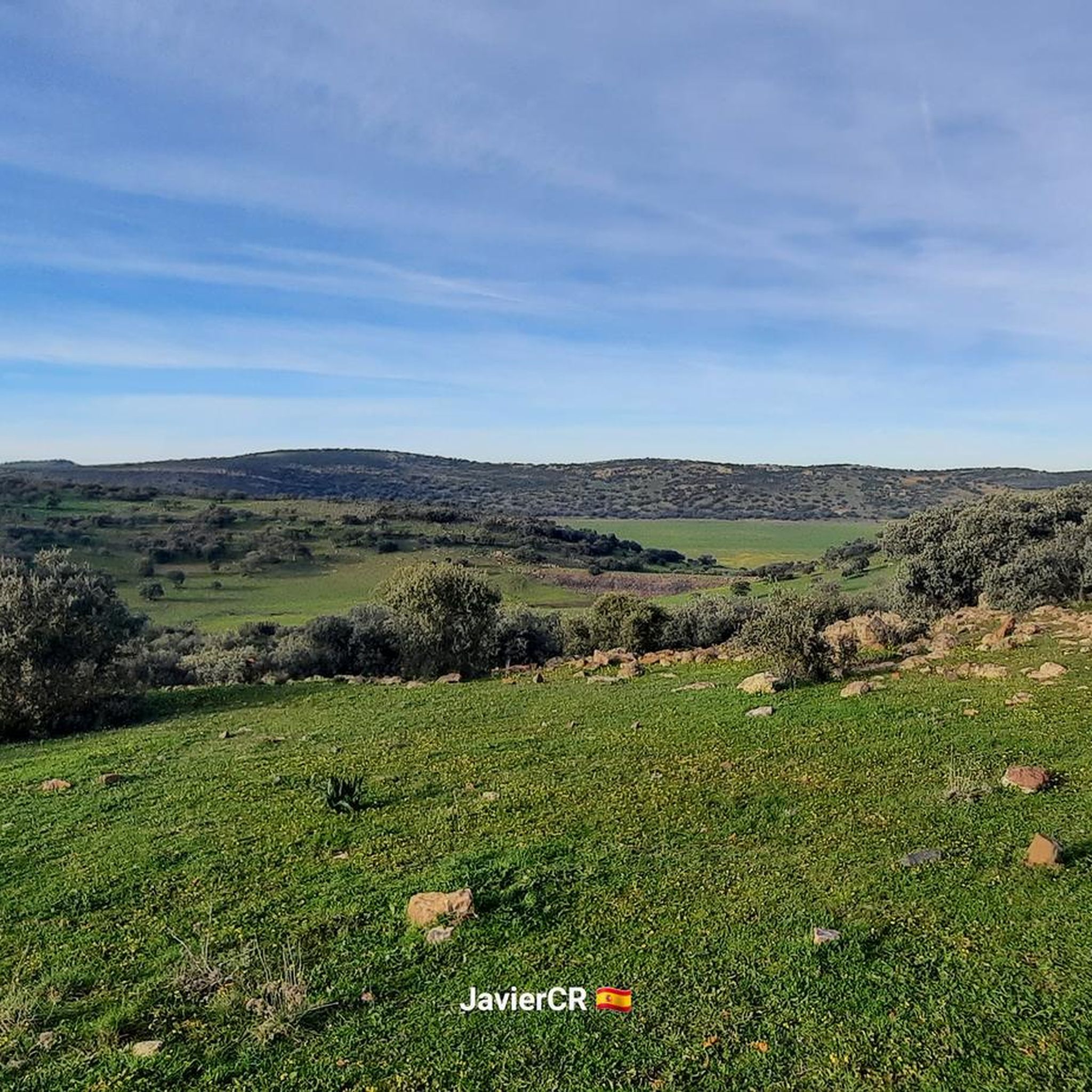
Hiking around Argamasilla De Calatrava
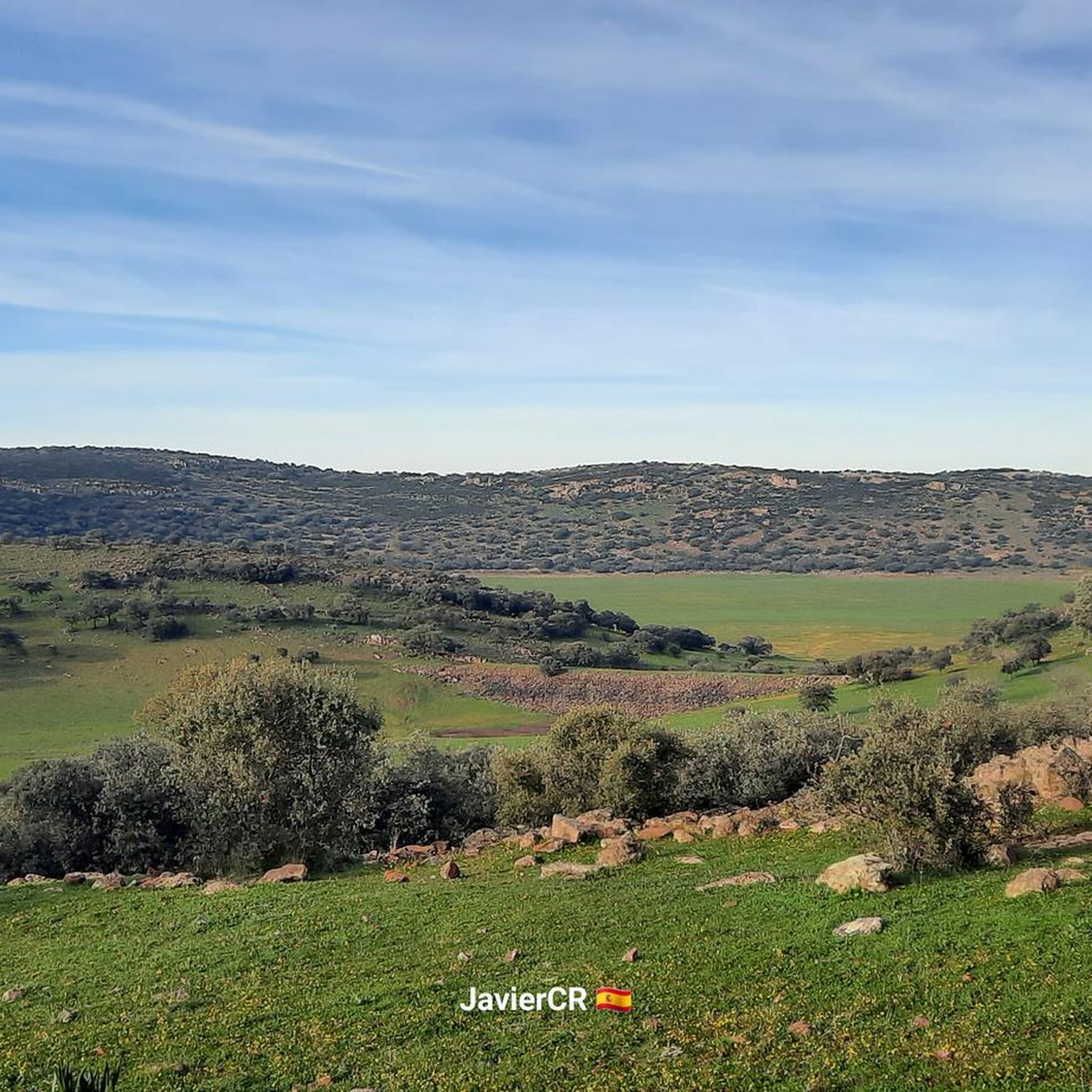
Running Trails around Argamasilla De Calatrava

Gravel biking around Argamasilla De Calatrava
Other adventures around Argamasilla De Calatrava

Tips from the Community

The Almodóvar del Campo Lagoon is a unique natural and geological feature located in the province of Ciudad Real, within the Campo de Calatrava region, famous for its volcanic landscapes. It is a lagoon formed in the crater of a volcano after a phreatomagmatic eruption (interaction between magma and groundwater). This type of lagoon is called a maar.
4
0
The Laguna Blanca in Argamasilla de Calatrava is an interesting natural formation. It was created by volcanic explosions that created depressions filled with rainwater1. This lagoon is known for the whitish colour of its waters, a result of the minerals present in the soil, such as bicarbonate and sodium sulphate. It is an excellent place for bird watching, as many species choose it as a stopover, resting or nesting point. In addition, the area around the lagoon has archaeological remains dating back to the Paleolithic, which adds historical value to the place.
22
0
The “El Charcazo” recreational area in Corral de Calatrava is a lovely place to enjoy a day outdoors. It is located about 300 metres from the exit of the town towards Abenójar, on the CM-4112 road. This place is part of the Don Quixote Route and is of great volcanic, scenic, hiking and architectural interest. It has barbecues, picnic tables under the shade of holm oaks, and a small lake with ducks. It is ideal for bird watching thanks to its two large wetlands. Although it is a perfect place for a picnic or barbecue, it is important to remember that swimming in the reservoir is not permitted. In addition, there are toilets available and a fountain with non-potable water.
16
0
It is formed by a Strombolian volcanic cone of pyroclasts, and due to the quarry in it, its internal structure is exposed. Attached to the foot of this volcano is the Almodóvar maar, which is a phreatomagmatic explosion crater that erupted at the edge of the Paleozoic series, cutting a substrate of hard lithology and destroying part of the previous volcano. The maar crater is funnel-type (hard-type substrate) and houses an ephemeral lagoon inside. In its southern and eastern contour the maar has a ring of tuffs, with pyroclastic facies. The phreatomagmatic deposits of the maar ring are located on a Cenozoic red colluvium. The main interest is of a volcanological (petrological) type and as a secondary interest the geomorphological interest stands out.
2
0
It is formed by a Strombolian volcanic cone of pyroclasts, and due to the quarry in it, its internal structure is exposed. Attached to the foot of this volcano is the Almodóvar maar, which is a phreatomagmatic explosion crater that erupted at the edge of the Paleozoic series, cutting a substrate of hard lithology and destroying part of the previous volcano. The maar crater is funnel-type (hard-type substrate) and houses an ephemeral lagoon inside. In its southern and eastern contour the maar has a ring of tuffs, with pyroclastic facies. The phreatomagmatic deposits of the maar ring are located on a Cenozoic red colluvium. The main interest is of a volcanological (petrological) type and as a secondary interest the geomorphological interest stands out.
28
0
It is a volcanic formation made up of a crater and the Cerro de los Molinos. The crater gives rise to the lagoon and the hill is composed of solid lava. It is located near Almodóvar del Campo, in an easterly direction and, according to historians, it gave origin and name to the settlement of the population.
1
0
Detour to El Charcazo Carretera CM-4112.
15
0

Paraje el charcazo 3km from Corral de Calatrava, where they celebrate the pilgrimage of the town. Place with picnic areas, a fountain, swings and a (pond - lagoon) with Ducks.
6
0
Frequently Asked Questions
What makes the lakes around Argamasilla de Calatrava unique?
The lakes in this region are characterized by their unique geological origins within the Campo de Calatrava area. They are primarily volcanic lakes and wetlands, formed by ancient volcanic activity, including phreatomagmatic explosions that created depressions now filled with water. This results in distinctive features like ephemeral lagoons and tuffs.
Which lakes offer recreational facilities for visitors?
The El Charcazo Area is a notable recreational spot. It features a pond and provides amenities such as picnic spots, barbecue facilities, and swings, making it a great place for a relaxing day out.
What geological features can I explore near Argamasilla de Calatrava?
You can explore significant volcanic features such as the Maar and Strombolian volcano of Almodóvar del Campo, which showcases a Strombolian volcanic cone and a phreatomagmatic explosion crater with an ephemeral lagoon. Another key site is Laguna Blanca, formed by volcanic explosions and surrounded by a ring of tuffs.
What are the main attractions of Laguna Blanca?
Laguna Blanca is known for its geological significance, being formed by volcanic explosions. Its waters have a distinctive whitish color due to minerals like bicarbonate and sodium sulphate. It's also an important spot for birdwatching, serving as a migratory stopover, resting, or nesting ground for various avian species.
Are there opportunities for birdwatching around the lakes?
Yes, Laguna Blanca is an excellent location for birdwatching. When it holds water, it attracts numerous bird species, making it a significant site for observing local and migratory birds.
What kind of cycling routes are available near the lakes?
The region offers various cycling opportunities. You can find road cycling routes, such as the 'Aldea del Rey from Argamasilla de Calatrava – circular by the Castillo de Caracuel' (80.4 km, moderate difficulty). There are also touring bicycle routes like the 'Calatrava Volcanoes Loop from Argamasilla' (47.7 km, moderate difficulty), and gravel biking trails, including the 'Argamasilla de Calatrava – Inquisition House-Palace loop' (29.8 km, moderate difficulty). For more details, visit the Road Cycling Routes, Cycling, and Gravel Biking guides.
What is the best time of year to visit the lakes in this region?
The lakes, particularly ephemeral ones like Maar and Strombolian volcano of Almodóvar del Campo and Laguna Blanca, are often fed by rainwater. Therefore, visiting after periods of rain, typically in late winter or spring, might offer the best chance to see them with water, enhancing birdwatching and scenic views.
Are the lakes around Argamasilla de Calatrava suitable for families with children?
Yes, some areas are family-friendly. The El Charcazo Area is designed for recreation with picnic spots, barbecue facilities, and swings. Laguna Blanca also offers a natural setting suitable for families interested in nature and birdwatching.
What historical significance does the area around Laguna Blanca hold?
The area around Laguna Blanca has significant historical value, with archaeological remains dating back to the Paleolithic era found there. This adds a layer of historical interest to its natural beauty.
What is the general geological context of the lakes in the Campo de Calatrava region?
The Campo de Calatrava region is renowned for its volcanic landscape. The lakes here are often volcanic in origin, formed by processes like phreatomagmatic explosions. This geological activity has created a unique environment of craters, ephemeral lagoons, and wetlands, which are among central Spain's finest.
Are there any other notable volcanic lakes in the wider Campo de Calatrava area?
While Laguna Blanca is directly associated with Argamasilla de Calatrava, the broader Campo de Calatrava region features other volcanic lakes such as Caracuel Lagoon Nature Reserve, Michos Volcanic Lake, Posadilla Lake, and the Hoya de Cervera Lagoon. These contribute to the region's exceptional wetlands.
What can I expect to see at the Maar and Strombolian volcano of Almodóvar del Campo?
At the Maar and Strombolian volcano of Almodóvar del Campo, you will observe a Strombolian volcanic cone, with its internal structure exposed due to a quarry. Adjacent to it is the Almodóvar maar, a phreatomagmatic explosion crater that houses an ephemeral lagoon. The site is of significant volcanological and geomorphological interest.
Most popular routes around Argamasilla De Calatrava
Most popular attractions around Argamasilla De Calatrava

Get inspired with the komoot mobile app


Explore more
Still not found your perfect lake around Argamasilla De Calatrava? Check out the guides of these regions to see even more beautiful places.
