The best walks and hikes around Argamasilla De Calatrava
4.6
(38)
264
hikers
63
hikes
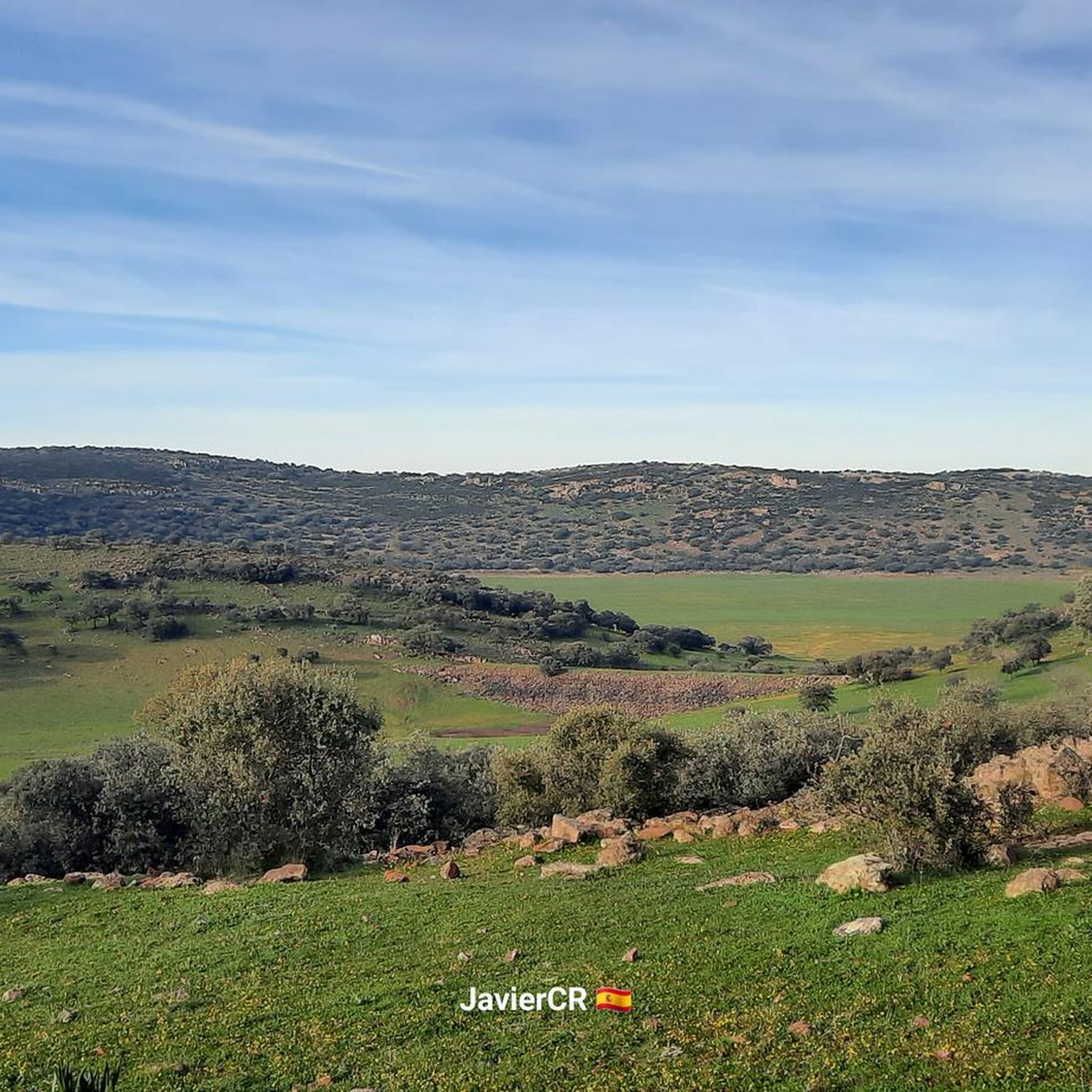
Hiking around Argamasilla De Calatrava offers routes through the flat, open landscapes of the La Mancha region, characterized by agricultural fields and paths connecting local points of interest. The terrain generally features gentle elevation changes, making many trails accessible. Hikers can expect to find routes that traverse rural areas and link to nearby towns.
Best hiking trails around Argamasilla De Calatrava
- The most popular hiking route is Santuario de Nuestra Señora del Socorro y Ermita de San Isidro — desde…
Last updated: October 11, 2026
Moderate hike. Good fitness required. Easily-accessible paths. Suitable for all skill levels.
4.7
(12)
24
hikers
16.8km
04:32
200m
200m
Moderate hike. Good fitness required. Easily-accessible paths. Suitable for all skill levels.

4.3
(3)
19
hikers
9.22km
02:25
80m
80m
Moderate hike. Good fitness required. Easily-accessible paths. Suitable for all skill levels.
5.0
(2)
12
hikers
9.52km
02:54
320m
320m
Moderate hike. Good fitness required. Easily-accessible paths. Suitable for all skill levels.
5.0
(2)
9
hikers
13.4km
03:31
110m
110m
Moderate hike. Good fitness required. Easily-accessible paths. Suitable for all skill levels.
Get access to more routes and recommendations from other explorers.
Already have an account?
Our route recommendations are based on thousands of hikes, rides, and runs completed by other people on komoot.
Start today with a free account
Your next adventure awaits.
Popular around Argamasilla De Calatrava

Other adventures around Argamasilla De Calatrava

Tips from the Community

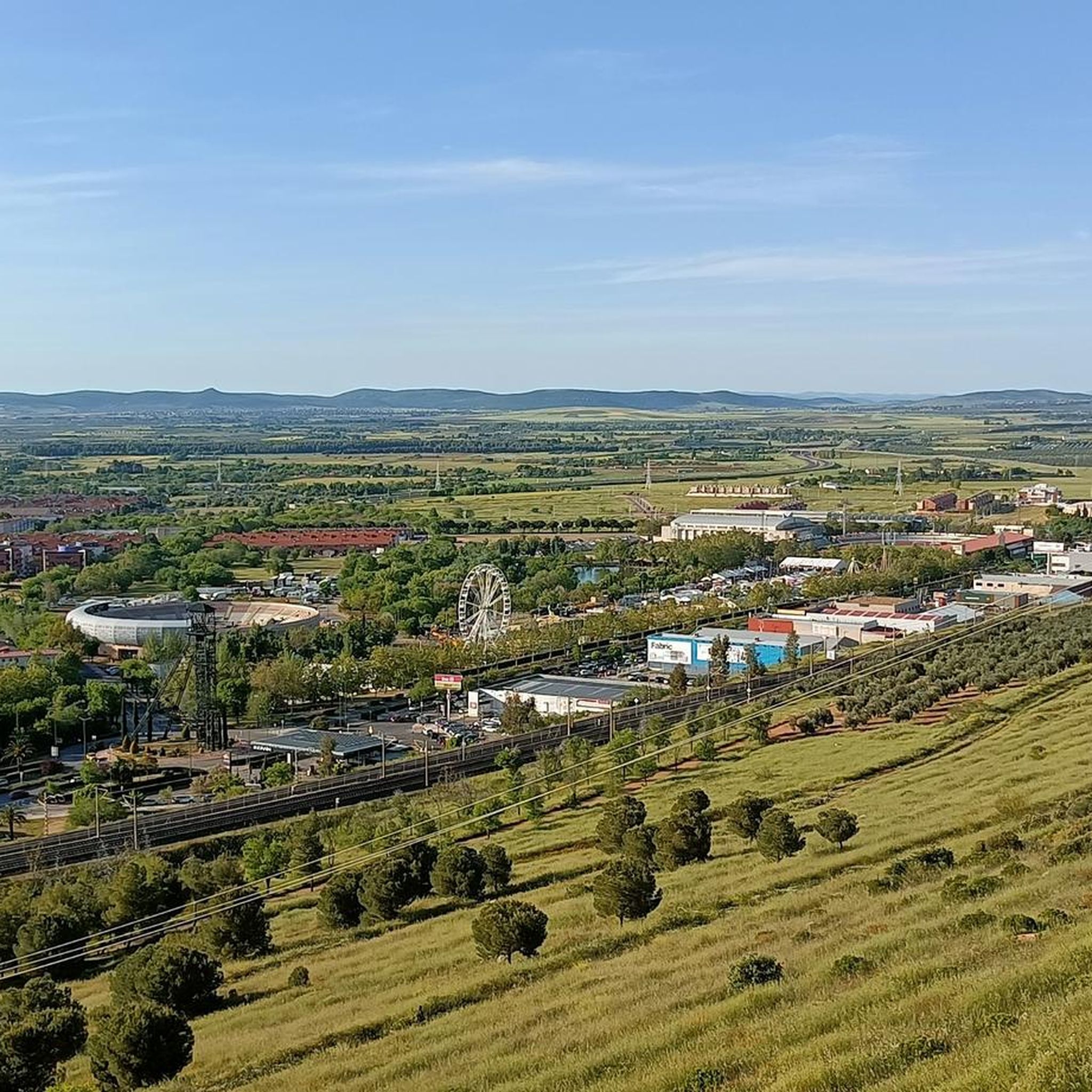
Located at the foot of the Monumento al Minero, an imposing bronze sculpture by Pepe Noja that represents the city's mining history, it borders the volcanic area of Campo de Calatrava and is close to the Alcudia Valley. Mining activity is of particular importance with the Mining Museum, a building that surrounds an old headframe and simulates a coal selection workshop. On its two floors, the museum addresses the transformation of Puertollano into an industrial city due to the discovery of coal.
13
0
Plaza Doctor Fleming in Puertollano is a central and well-known location in the city. It is located in the province of Ciudad Real and is a popular place for residents. The square is surrounded by green areas and parks, making it a pleasant place to stroll and relax.
23
0
The Casa de Baños in Puertollano is a historic building that currently houses the Citizens' Assistance Office (OAC) of the Puertollano City Council. It is located on Paseo de San Gregorio.
24
0
The Paseo de San Gregorio is one of the most iconic spots in Puertollano. This promenade is a large landscaped space that runs the length of the town and is a popular meeting point for residents and visitors. The promenade features beautiful gardens and several fountains, including the famous Fuente Agria.
23
0
The Fuente Agria is one of the most emblematic icons of Puertollano. Located on the Paseo de San Gregorio, this fountain is known for its water with a high iron content, which gives it a characteristic flavor and health benefits.
25
0
The Ricardo Cabañero Monument in Puertollano is a tribute to Ricardo Cabañero and Fulgencio Arias, erected in the 1960s. The sculpture, created by artist Joaquín García Donaire, depicts a woman wearing a laurel wreath with the inscription "Puertollano to the Cabañero Heroes"
23
0
The Parish of San José in Puertollano is a charming and familiar place, known for its simple but well-preserved architecture. It is located in Plaza San José, 12
25
0

Puertollano is a Spanish town in the province of Ciudad Real, in the autonomous community of Castilla-La Mancha. Traditionally, it has been associated with oil shale and coal mining and industry. The area in which Puertollano is located has been inhabited since prehistory, with archaeological remains found that correspond to Homo heidelbergensis and Homo antecessor. During the Middle Ages the city was born, linked to the repopulation process of Castile during the 13th century. In the 16th century, Puertollano received the rank of town, a privilege granted by Philip II. At that time Puertollano was an important agricultural and livestock center. The demographic consolidation of the city occurred at the end of the 19th century, with the development of coal mining and the inauguration of the train line between Madrid and Badajoz. Its cultural heritage It corresponds mainly to religious buildings, such as the church of Nuestra Señora de la Soledad (14th century), the church of the Virgen de Gracia (15th century) and the church of the Asunción (16th century). There is also a mining museum, and an old medicinal sour water spa, known as the Bath House, which today is a municipal service to citizens.
1
0
Frequently Asked Questions
What kind of hiking trails can I expect around Argamasilla De Calatrava?
The trails around Argamasilla De Calatrava are generally characterized by flat, open landscapes of the La Mancha region. You'll find paths traversing agricultural fields and connecting local points of interest, often with gentle elevation changes, making many routes accessible for various fitness levels.
Are there many easy hiking options in the area?
Yes, Argamasilla De Calatrava offers a good selection of easy hikes. Out of the 42 available routes, 17 are classified as easy, making them suitable for beginners or those looking for a relaxed stroll through the countryside.
Are there any circular walks available?
Many of the routes in the region are designed as circular walks, allowing you to start and end at the same point. For example, the San José Parish – Doctor Fleming Square loop from Puertollano is a popular moderate option that explores urban and green spaces.
What are some interesting natural sights or landmarks to see while hiking?
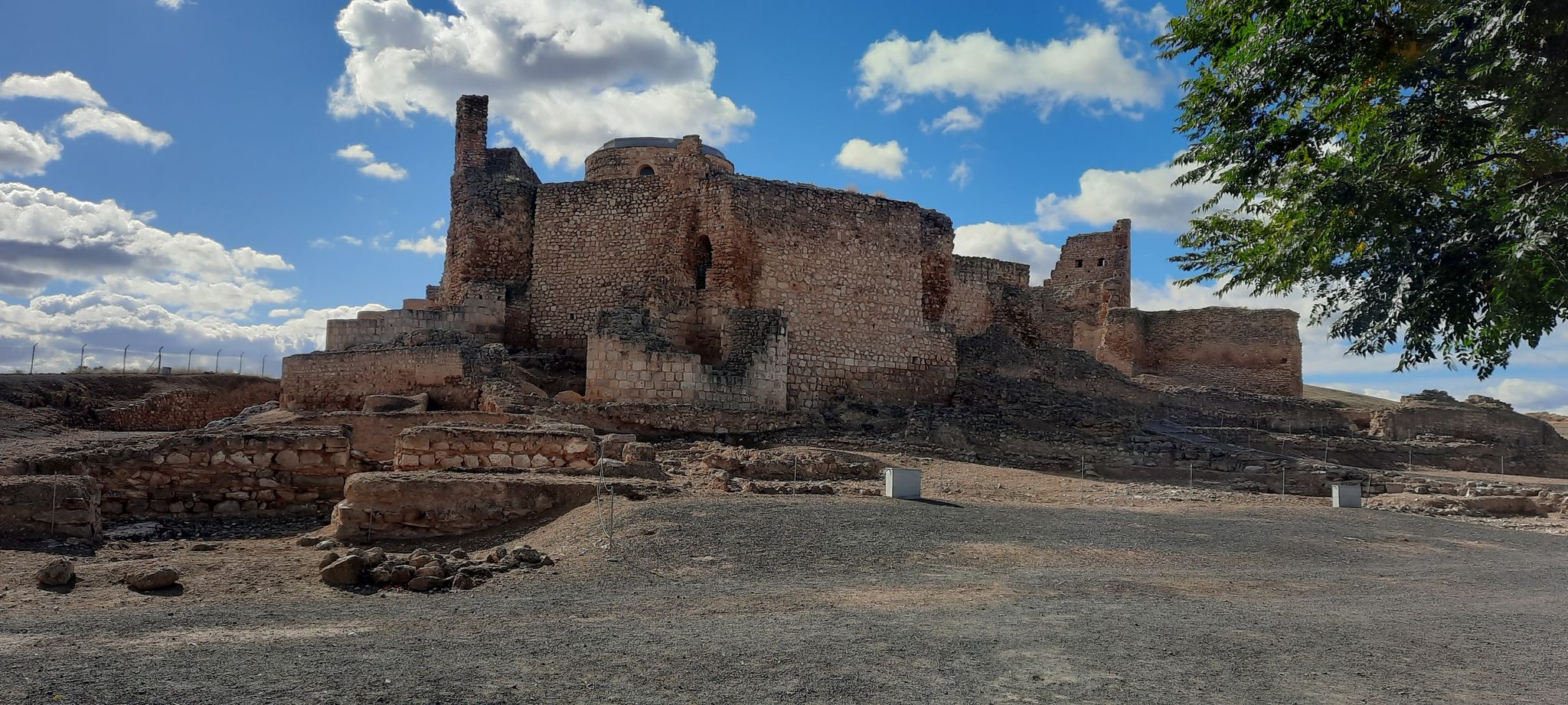
The area boasts several interesting natural and historical landmarks. You can explore the unique Maar and Strombolian volcano of Almodóvar del Campo, visit the historic Castle of Calatrava la Nueva and Sacred Convent, or discover the natural monument of Fuente Agria. There are also several lakes like Laguna Blanca and Laguna de Caracuel nearby.
What do other hikers say about the trails in Argamasilla De Calatrava?
The komoot community rates the trails in Argamasilla De Calatrava highly, with an average score of 4.7 stars from over 30 reviews. Hikers often appreciate the accessible terrain, the cultural points of interest, and the opportunity to experience the unique La Mancha landscape.
Are the hiking trails suitable for families with children?
Given the generally gentle elevation changes and open terrain, many of the 17 easy routes are well-suited for families. These paths often connect local points of interest, providing engaging walks for children without being overly strenuous.
What is the best time of year to go hiking in Argamasilla De Calatrava?
The best time for hiking in Argamasilla De Calatrava is typically during spring (March to May) and autumn (September to November). During these seasons, temperatures are milder and more comfortable for outdoor activities. Summers can be very hot in La Mancha, and winters can be chilly.
Are there any trails that offer a mix of nature and cultural sites?
Yes, several routes combine natural beauty with cultural exploration. For instance, the Santuario de Nuestra Señora del Socorro y Ermita de San Isidro — desde Argamasilla de Calatrava trail connects significant religious sites, offering a blend of cultural and natural experiences.
Can I find trails that are less crowded?
While some popular routes, especially those connecting towns or specific landmarks, might see more foot traffic, the extensive network of paths through agricultural fields and rural areas often provides opportunities for more solitary walks. Exploring some of the lesser-known easy or moderate routes can lead to a quieter experience.
Are there any trails that pass by cafes or places to stop for refreshments?
Many routes connect to or pass through nearby towns like Puertollano, where you can find cafes and restaurants. For example, the Fuente Agria – Paseo de San Gregorio loop from Puertollano takes you through urban parks and along a promenade, offering easy access to amenities.
What should I wear for hiking in Argamasilla De Calatrava, especially in summer?
In summer, lightweight, breathable clothing is essential due to the high temperatures. A wide-brimmed hat, sunglasses, and plenty of water are crucial. For other seasons, layers are recommended to adapt to changing conditions. Always wear comfortable, sturdy walking shoes suitable for varied terrain.
Are there any trails accessible by public transport?
Many routes start or pass through towns like Argamasilla De Calatrava itself or nearby Puertollano, which are typically served by local public transport. Checking local bus schedules for connections to trailheads or town centers is advisable.
Most popular routes around Argamasilla De Calatrava
Most popular attractions around Argamasilla De Calatrava

Get inspired with the komoot mobile app


Explore more
Browse the best Hikes in other regions.
