The best walks and hikes in the Dinaric Alps Mountains
4.5
(40644)
241,763
hikers
5,506
hikes
Hiking in the Dinaric Alps Mountains offers diverse terrain characterized by extensive karst topography, dramatic limestone formations, and deep canyons. The region features a blend of Mediterranean, Continental, and Alpine influences, supporting varied ecosystems. Numerous rivers have carved impressive gorges, and the landscape includes high mountain ranges and national parks.
Best hiking trails in the Dinaric Alps Mountains
- The most popular hiking route is Milanovački Waterfall – Veliki Prstavak Waterfall loop from Plitvička Jezera, a 10.5 miles (16.8 km)…
Last updated: May 10, 2026
4.9
(1071)
7,507
hikers
Moderate hike. Good fitness required. Easily-accessible paths. Suitable for all skill levels.
4.7
(150)
520
hikers
10.0km
03:27
400m
400m
Moderate hike. Good fitness required. Mostly accessible paths. Sure-footedness required.

Sign up for free
4.7
(949)
4,332
hikers
Hard hike. Very good fitness required. Sure-footedness, sturdy shoes and alpine experience required.
4.8
(657)
3,736
hikers
15.7km
08:04
1,290m
1,290m
Hard hike. Very good fitness required. Mostly accessible paths. Sure-footedness required.
4.7
(75)
185
hikers
7.30km
02:33
330m
330m
Moderate hike. Good fitness required. Mostly accessible paths. Sure-footedness required.
4.8
(507)
2,371
hikers
18.0km
08:21
1,140m
1,140m
Hard hike. Very good fitness required. Mostly accessible paths. Sure-footedness required.
4.8
(454)
2,478
hikers
Moderate hike. Good fitness required. Easily-accessible paths. Suitable for all skill levels.
4.5
(58)
199
hikers
7.40km
02:07
150m
150m
Moderate hike. Good fitness required. Mostly accessible paths. Sure-footedness required.
4.7
(352)
2,274
hikers
5.76km
02:03
200m
200m
Hard hike. Good fitness required. Sure-footedness, sturdy shoes and alpine experience required.
4.6
(356)
1,313
hikers
Moderate hike. Good fitness required. Mostly accessible paths. Sure-footedness required.
Get access to more routes and recommendations from other explorers.
Sign up for free
Already have an account?
Our route recommendations are based on thousands of hikes, rides, and runs completed by other people on komoot.
Start today with a free account
Your next adventure awaits.
Login or Signup
Popular around Dinaric Alps Mountains
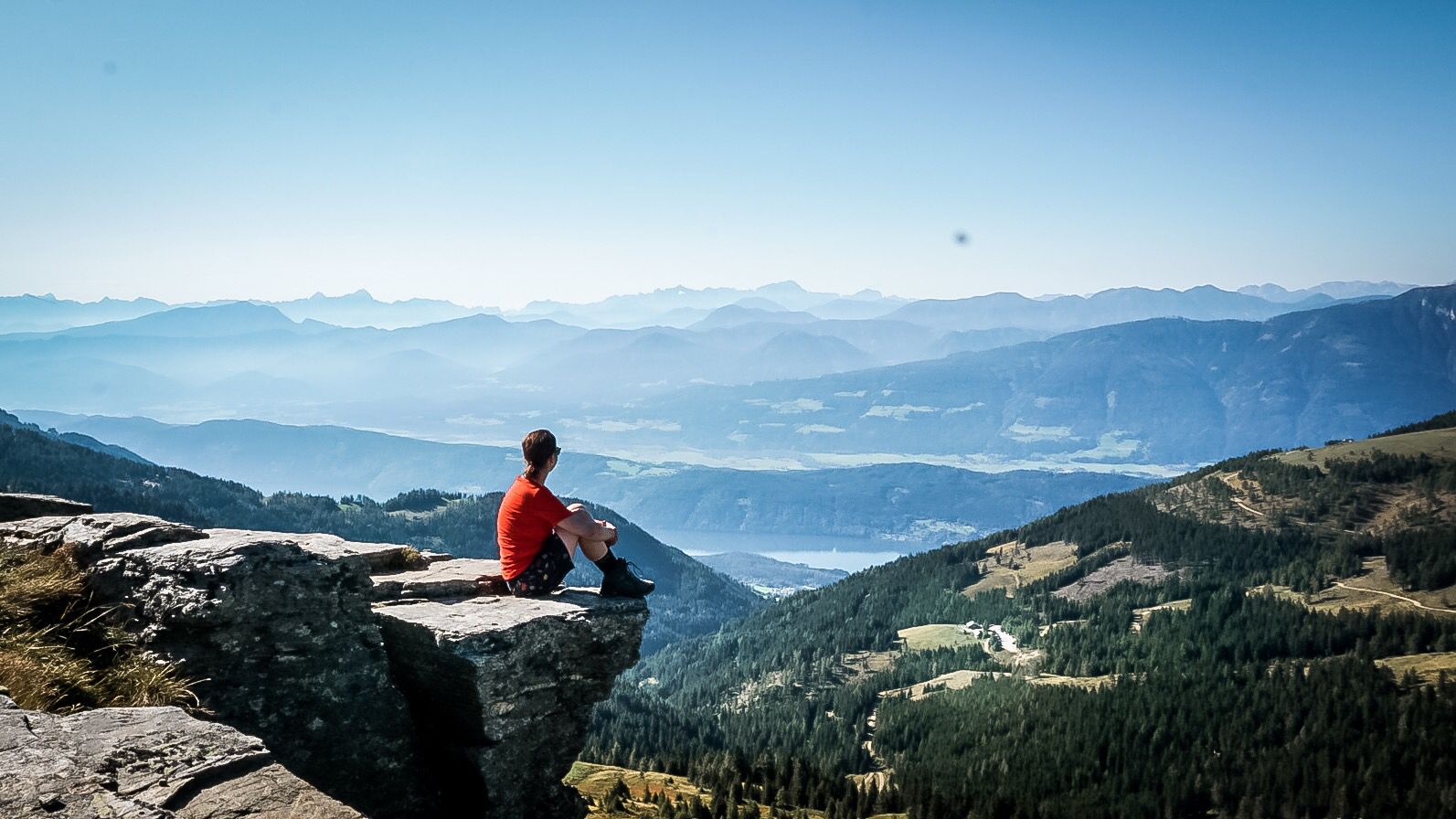
Alpe-Adria-Trail: My long-distance hike from the glacier to the sea
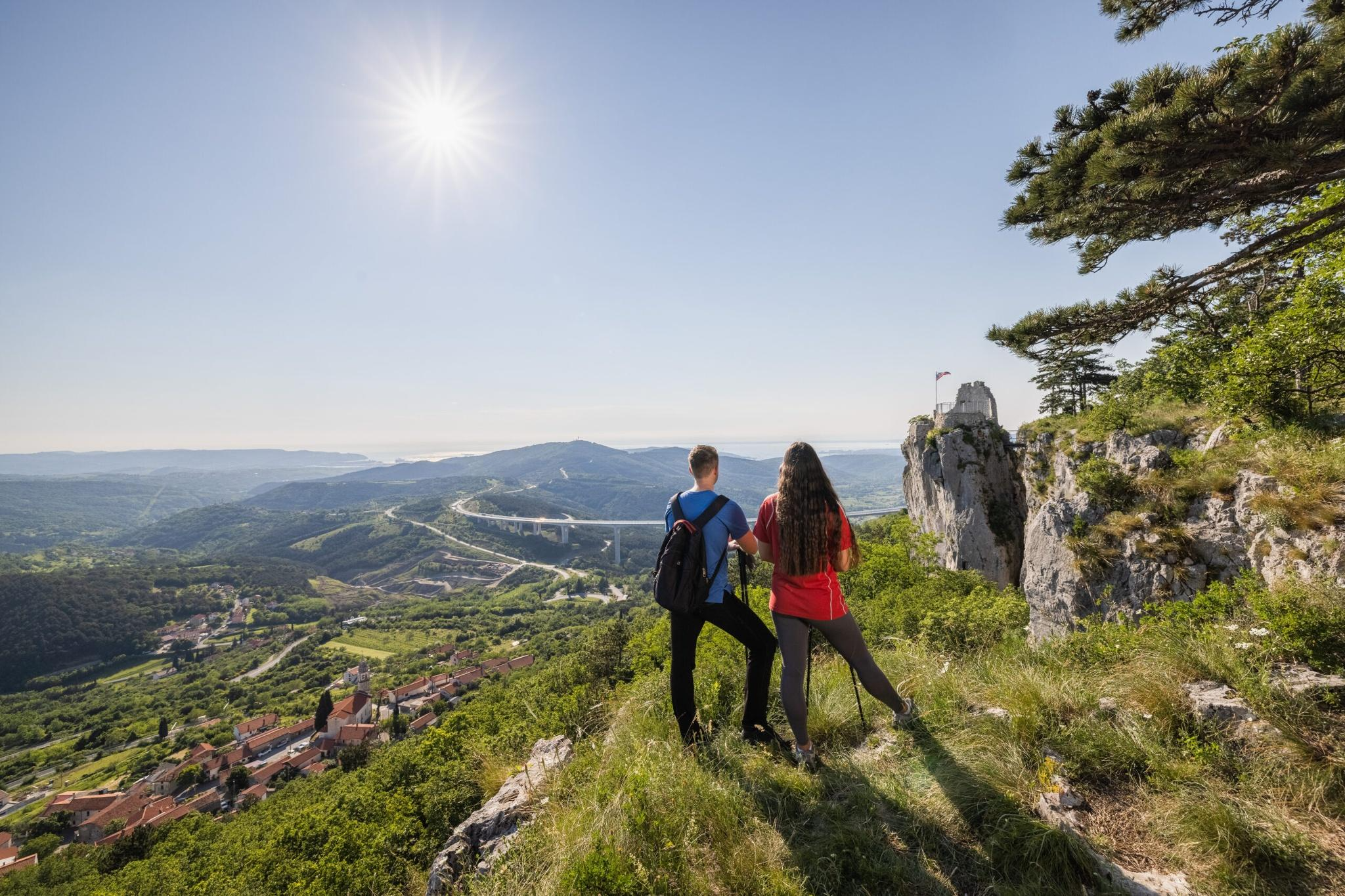
Hiking adventures in Slovenia for families away from the hustle and bustle
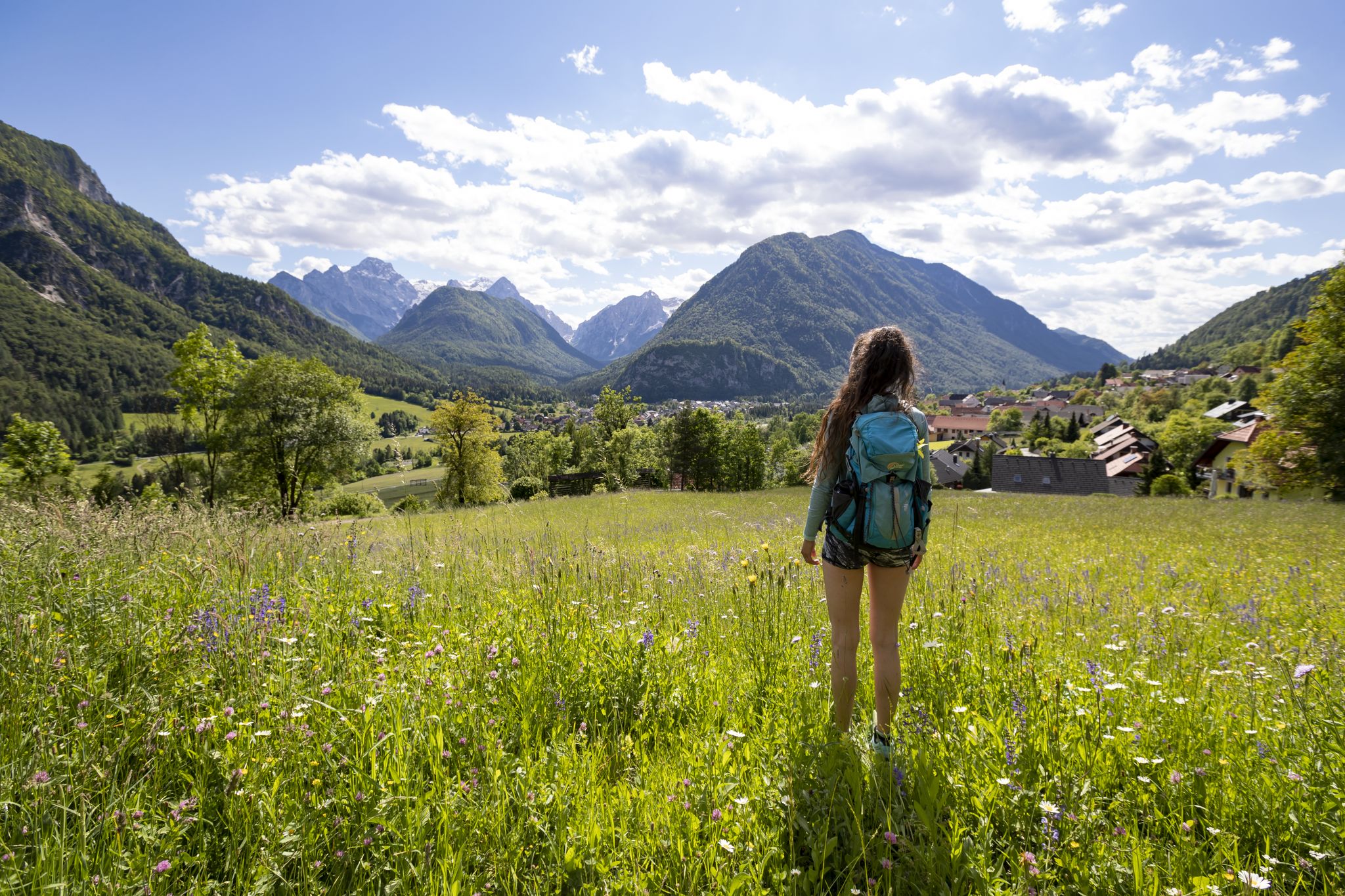
Uniquely secluded - long-distance hiking on Slovenia's Juliana Trail
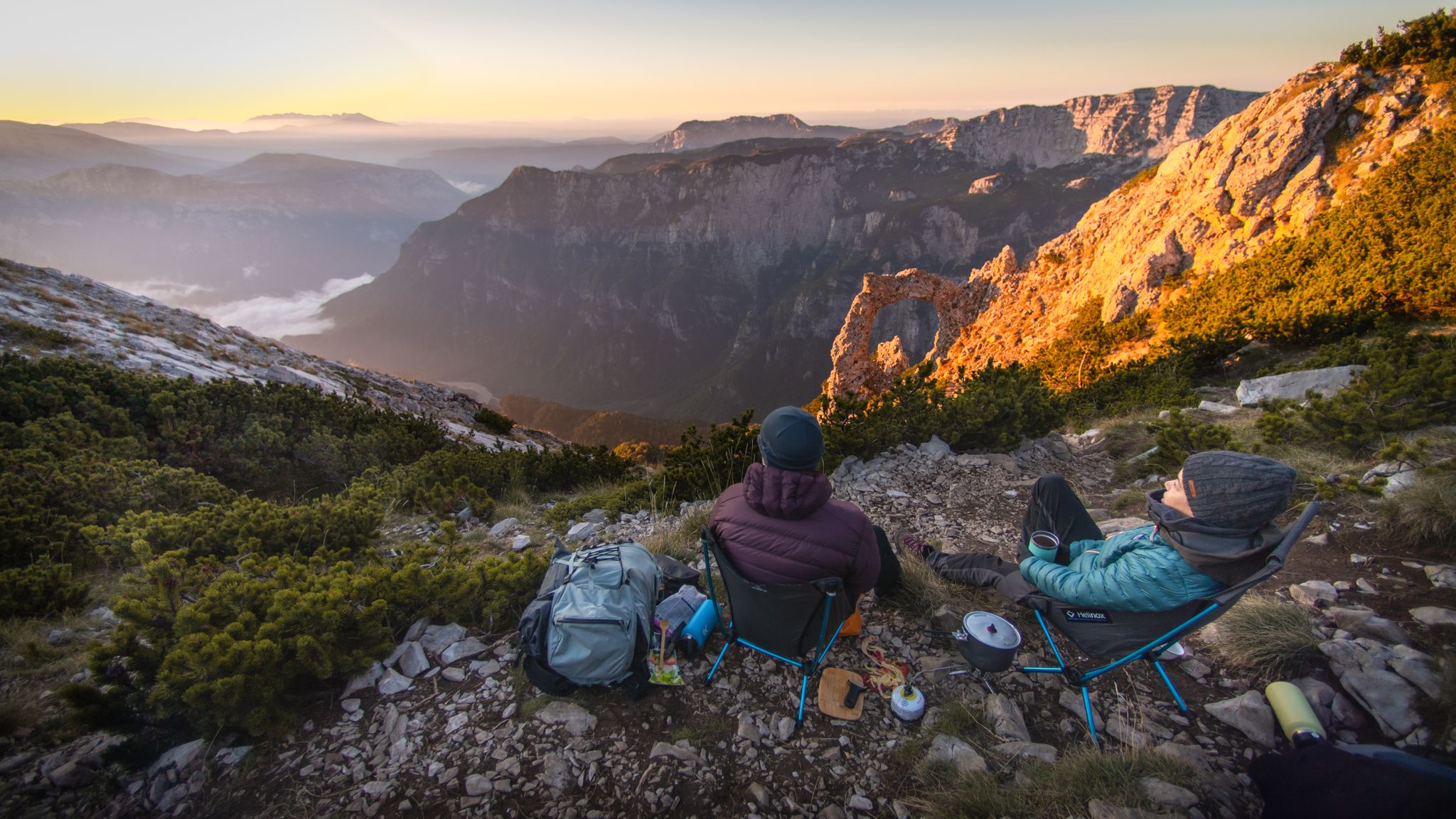
Warm earth and wild mountains — hiking in the Bosnian Alps
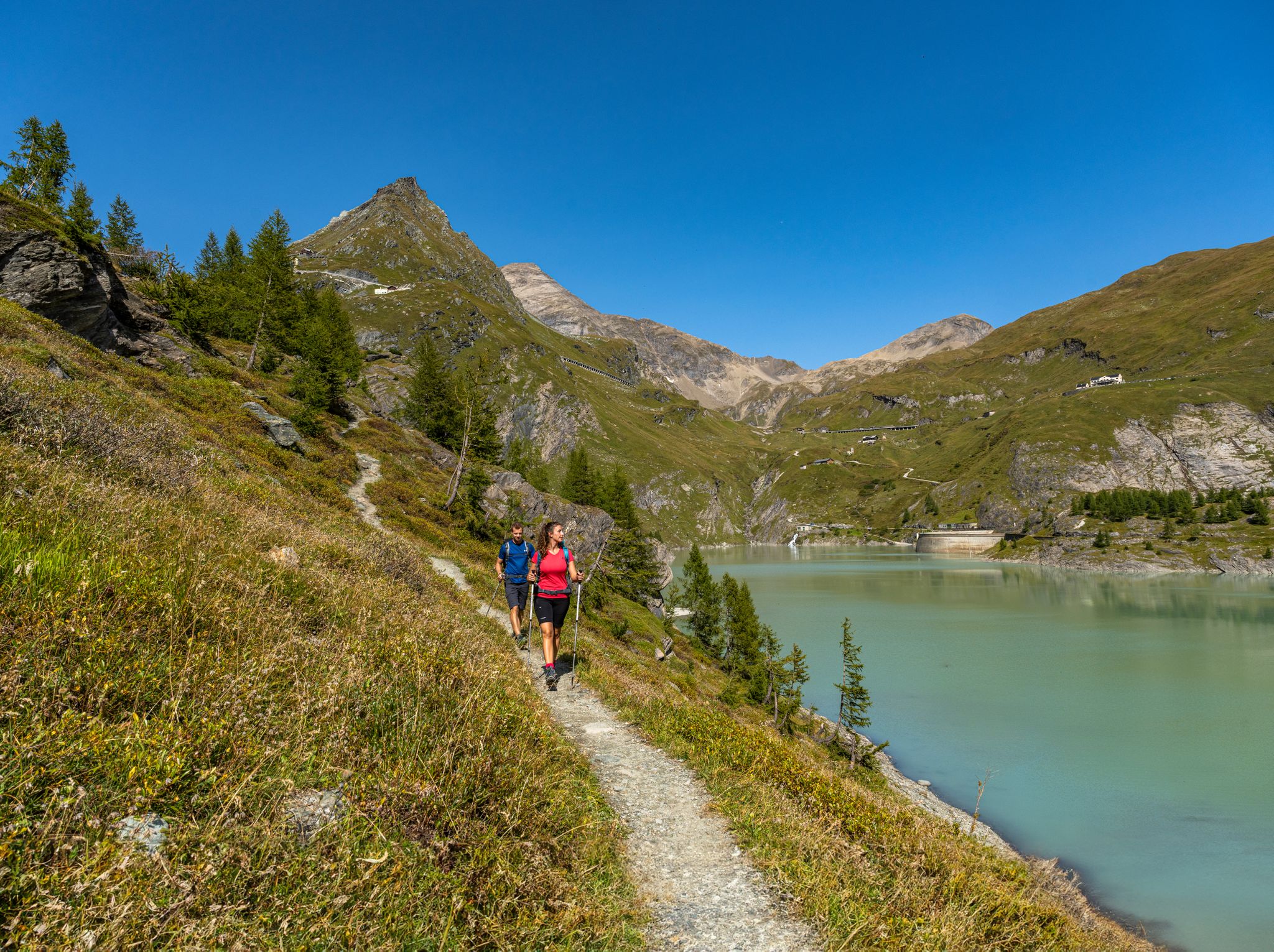
From the Grossglockner to the sea on the Alpe Adria Trail
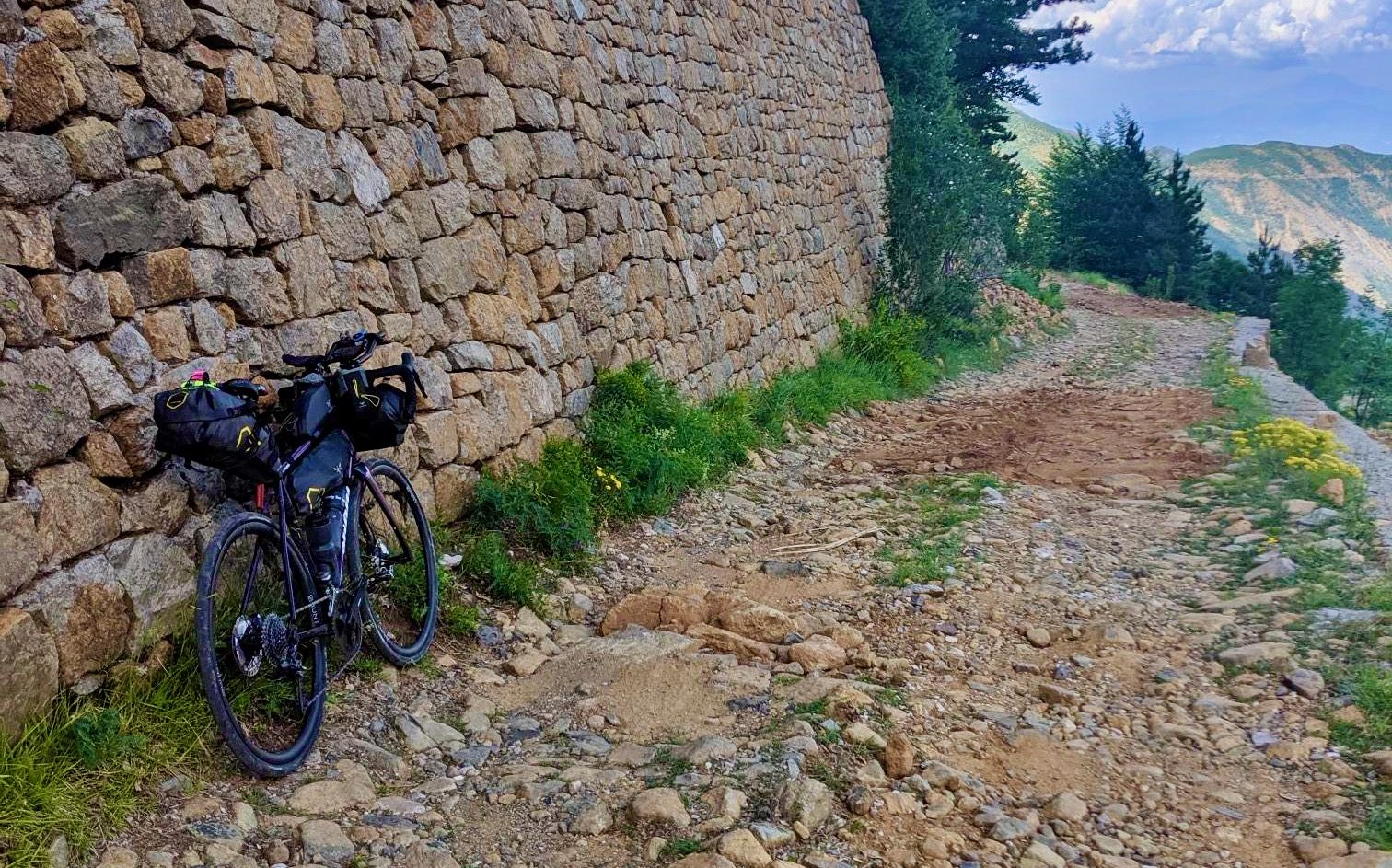
Traversing the Dinaric Alps — bikepacking from the mountains to the sea
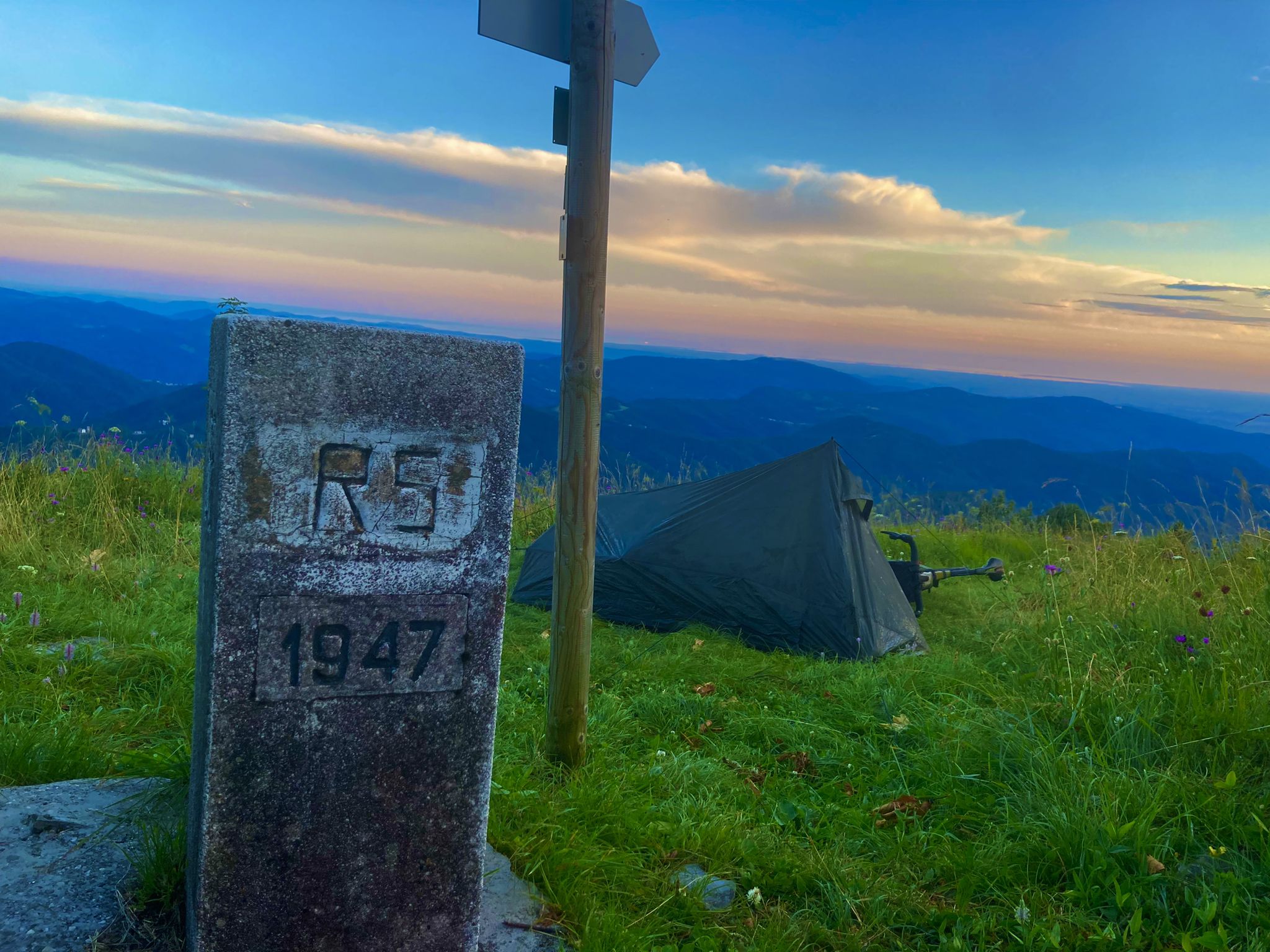
From Bavaria to the Adriatic - My Bikepacking Adventure to Croatia 2023
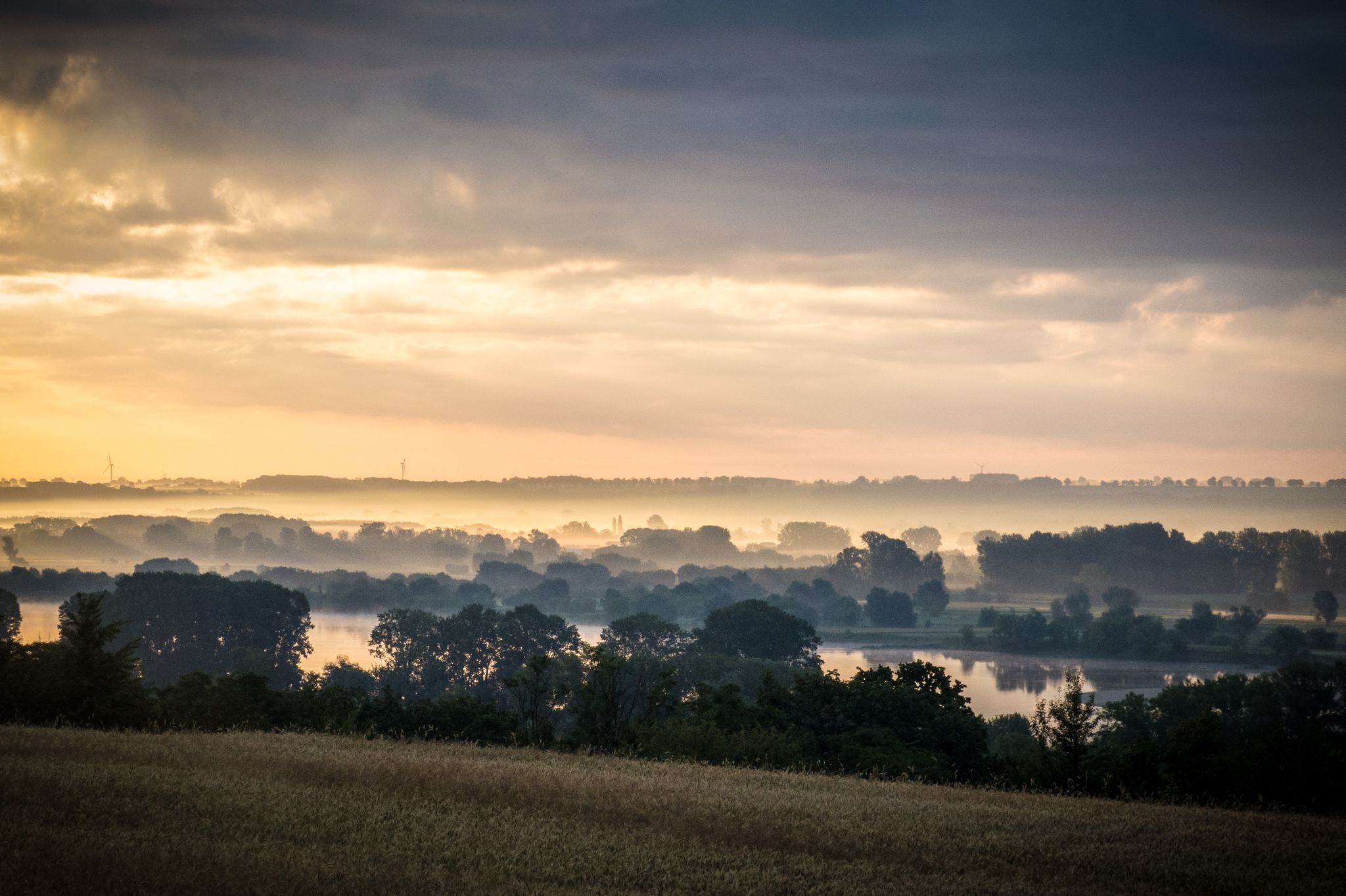
EuroVelo 9 – The Amber Route from the Baltic to Adriatic Sea
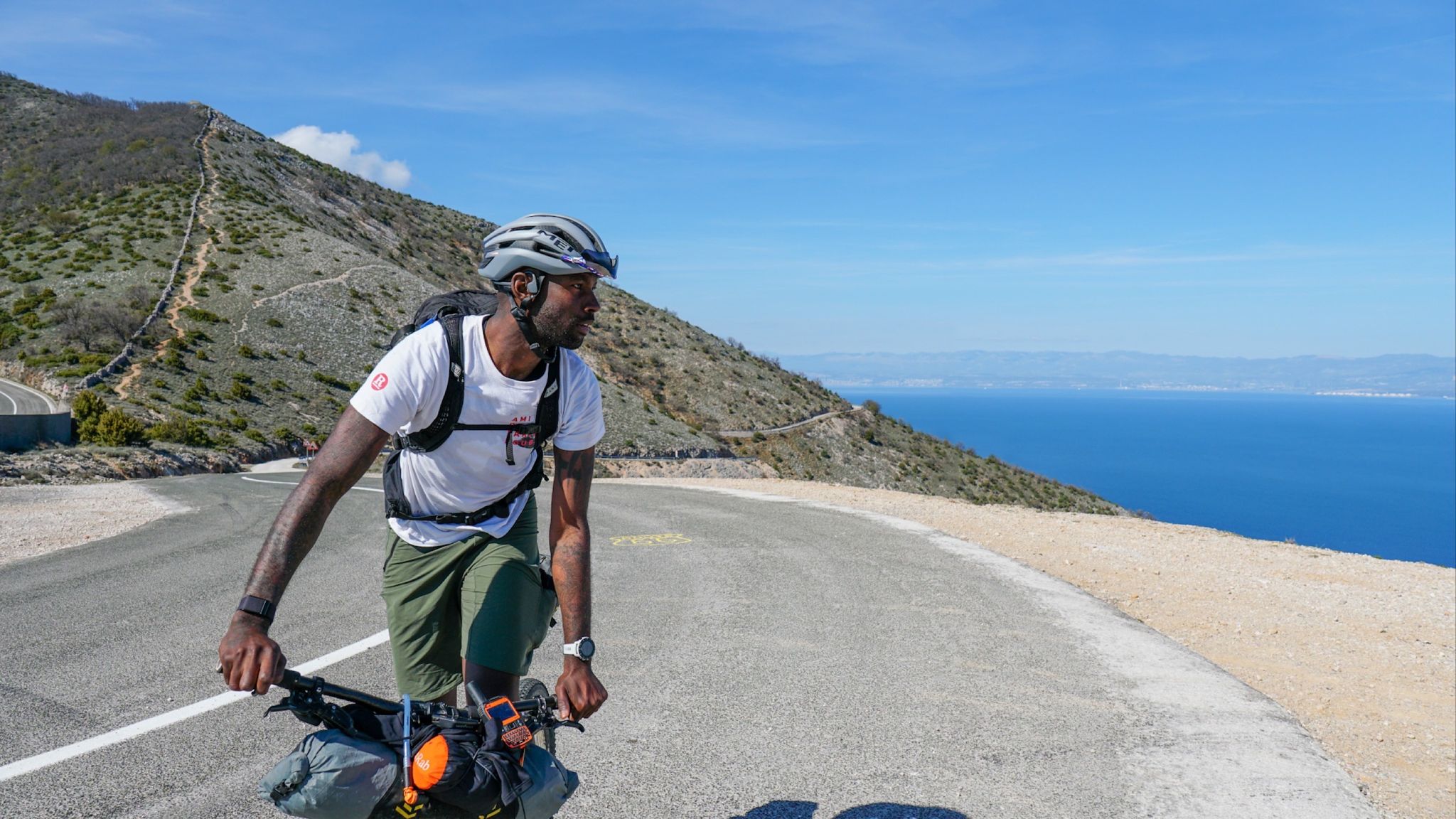
Slovenian mountains to island hopping around the Adriatic Crest
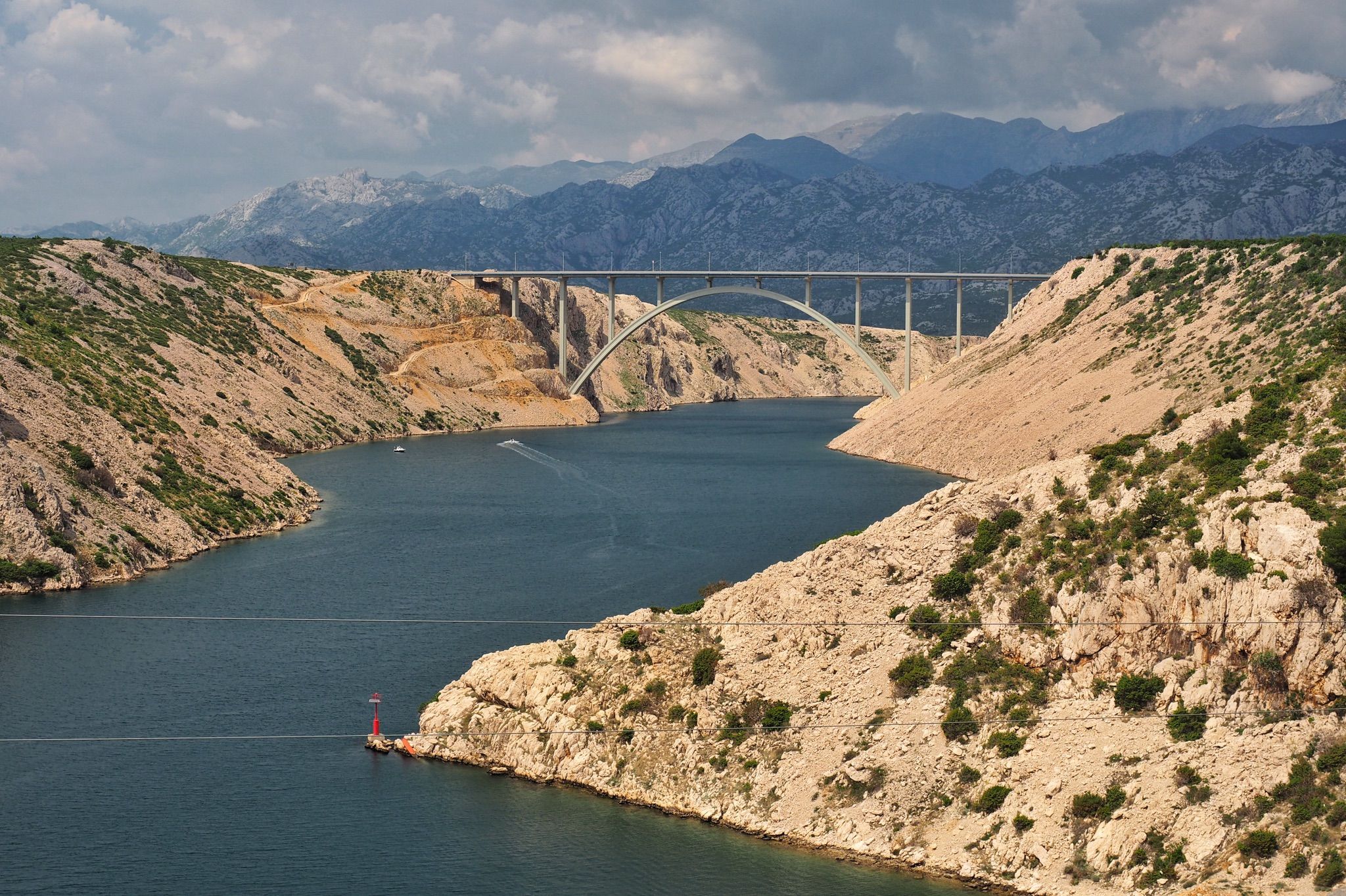
The Dinaric Alps – explore the Adriatic Sea in a different way
Other adventures in the Dinaric Alps Mountains


Tips from the Community

The former Gabrio Modugno station is the first stop you encounter when ascending the Giordano Cottur cycle path from Trieste. Located in the Altura district, it owes its name to the memory of the Bersaglieri second lieutenant Gabrio Modugno, who fell during the First World War. Originally conceived as a railway stop on the Trieste-Kozina line, the station today has lost its tracks to become a crucial hub for the city's soft mobility. The building, despite having changed function, retains the typical volume of secondary stations from the late nineteenth century. It represents the point where the route definitively leaves the strictly urban context to immerse itself in the greenery of the woods that precede the scenic entrance to Val Rosandra. For many Triestines, Modugno station is the true "point zero" to begin the climb towards the Karst, an equipped resting place where you can catch your breath while admiring the first glimpses of the Gulf from above.
0
0
The Giordano Cottur cycle path is a route of about 12 kilometers that connects the center of Trieste to the Karst plateau, following the track of the disused Trieste-Kozina railway. Starting from the San Giacomo district, the route climbs with a constant and gentle gradient, crossing tunnels dug into the rock and spectacular viaducts that offer dizzying views of the Val Rosandra. Along the way, the landscape quickly changes from an urban environment to Mediterranean scrub, until it reaches the white limestone of the Karst. After passing the Draga Sant’Elia station, the trail crosses the Slovenian border, becoming a symbol of cross-border union. It is a much-loved green artery for leisure, capable of blending industrial archaeology and wild nature.
0
0
Located behind Trieste, Val Rosandra is a unique nature reserve where the homonymous stream has carved the only deeply incised valley of the Trieste Karst. The landscape is dominated by rugged limestone cliffs, white scree slopes, and vegetation that blends Mediterranean and continental species. Famous for its 36-meter-high waterfall, the valley is a sanctuary of biodiversity and history: it hosts the remains of a 1st-century AD Roman aqueduct and the ancient church of Santa Maria in Siaris. A prime location for Trieste's mountaineering, its cliffs were the school of Emilio Comici. Between arduous trails and views of the Gulf, Val Rosandra represents a concentration of wild nature and millennia-old testimonies, suspended between the Karst plateau and the Adriatic Sea.
0
0

Impressive tunnels, trenches, and embankments along this former railway, now a cycle-pedestrian path. Not to mention the always beautiful views of the Rosandra Valley in every season. Be careful when the Bora wind blows, it's really tough going
0
0
Beautiful former railway, always, today restored at the bottom offers splendid views of the Val Rosandra.
0
0

It's worth it for the beauty of the place. Not suitable for people with walking difficulties.
0
0

Great place to relax. Cafes are also nearby!
0
0
Beautiful bridge in a fantastic setting.
0
0
Frequently Asked Questions
How many hiking trails are available in the Dinaric Alps Mountains?
The Dinaric Alps Mountains offer a vast network of trails, with over 5,500 hiking routes available on komoot. This includes more than 2,000 easy trails, over 2,600 moderate routes, and around 800 difficult paths, catering to all experience levels.
What do other hikers say about the trails in the Dinaric Alps Mountains?
The hiking trails in the Dinaric Alps Mountains are highly regarded by the komoot community, boasting an average rating of 4.5 stars from over 40,000 reviews. More than 240,000 hikers have used komoot to explore the region's diverse terrain, often praising its dramatic karst landscapes, deep canyons, and rich biodiversity.
What kind of landscapes can I expect to see while hiking in the Dinaric Alps?
The Dinaric Alps are renowned for their distinctive karst topography, featuring striking limestone formations, vast cave systems, and deep canyons carved by turquoise rivers. You'll encounter high mountain ridges like Velebit and Biokovo, lush forests, and serene lakes, particularly in areas like Plitvice Lakes National Park. The region offers a unique blend of Mediterranean, Continental, and Alpine influences.
Are there easy hiking trails suitable for beginners in the Dinaric Alps?
Yes, the Dinaric Alps offer numerous easy hiking trails perfect for beginners. Out of over 5,500 routes, more than 2,000 are classified as easy. These paths often meander through valleys, along riverbanks, or around lower-altitude areas, providing accessible ways to experience the region's natural beauty without strenuous climbs.
Can I find challenging multi-day treks in the Dinaric Alps?
Absolutely. The Dinaric Alps are home to the Via Dinarica, a long-distance trail network that offers extensive multi-day trekking opportunities. The 'White Trail' follows the highest summits, providing challenging ascents and requiring good fitness and alpine experience. Other difficult routes, such as the Grunas Waterfall – Theth Canyon loop from Thethi National Park, offer rugged mountain scenery over longer distances.
Are there circular hiking routes in the Dinaric Alps?
Yes, many circular hiking routes are available, allowing you to start and end your journey at the same point. For instance, the Val Rosandra Circular Trail from Former Gabrio Modugno Station is a moderate 10 km loop. Another option is the View of the Paklenica Gorge – View of the Velika Paklenica Gorge loop from Marasovići, which takes you through impressive rock formations.
Are there hikes that feature waterfalls in the Dinaric Alps?
The Dinaric Alps are famous for their stunning waterfalls. Plitvice Lakes National Park is a UNESCO World Heritage site renowned for its cascading lakes and interconnected waterfalls, including the Upper Lakes Waterfalls and Milanovački Waterfall. You can also explore the View of the Theth Valley – Grunas Waterfall loop from Thethi National Park to see the impressive Grunas Waterfall.
What are some good options for family-friendly hikes in the Dinaric Alps?
For families, look for easier trails, especially those in national parks or along well-maintained paths. Many sections of the national parks, such as Plitvice Lakes, offer boardwalks and gentle trails suitable for children. Consider routes with interesting natural features like smaller waterfalls or scenic viewpoints that are easily accessible.
Are dogs allowed on the hiking trails in the Dinaric Alps?
Dog policies vary significantly across different national parks, protected areas, and specific trails within the Dinaric Alps. While some areas may permit dogs on leash, others might have restrictions or require specific permits. It's always best to check the regulations of the specific park or trail you plan to visit beforehand to ensure a smooth trip with your canine companion.
Where can I find panoramic viewpoints along the trails?
The Dinaric Alps offer countless panoramic viewpoints due to their rugged terrain. Peaks like Maglić Peak (the highest in Bosnia and Herzegovina) and Dinara Peak provide breathtaking vistas. The Velebit and Biokovo ridges in Croatia, and the Durmitor Mountains in Montenegro, are also known for their spectacular views. Many trails, even moderate ones, will lead to elevated points offering expansive scenery.
What is the best time of year to go hiking in the Dinaric Alps?
The best time for hiking in the Dinaric Alps is generally from late spring (May) to early autumn (October). During these months, the weather is typically mild, and trails are clear of snow, especially at lower and mid-altitudes. Summer (July-August) can be warm, particularly in lower canyons, while spring and autumn offer pleasant temperatures and vibrant natural colors. Higher mountain areas may retain snow until early summer.
Are there specific attractions or landmarks I should look out for?
Beyond the stunning natural landscapes, the Dinaric Alps are rich in attractions. Don't miss the cascading lakes of Plitvice Lakes National Park. For impressive rock formations, explore Paklenica National Park, home to the unique Tulove Grede massif. You can also find historical sites like Fortica Fortress in Omiš, offering cultural insights amidst your hikes.
Most popular routes in the Dinaric Alps Mountains
Most popular attractions in the Dinaric Alps Mountains

Get inspired with the komoot mobile app


Explore more
Browse the best Hikes in other regions.
