Top 11 Lakes in Rio Grande National Forest
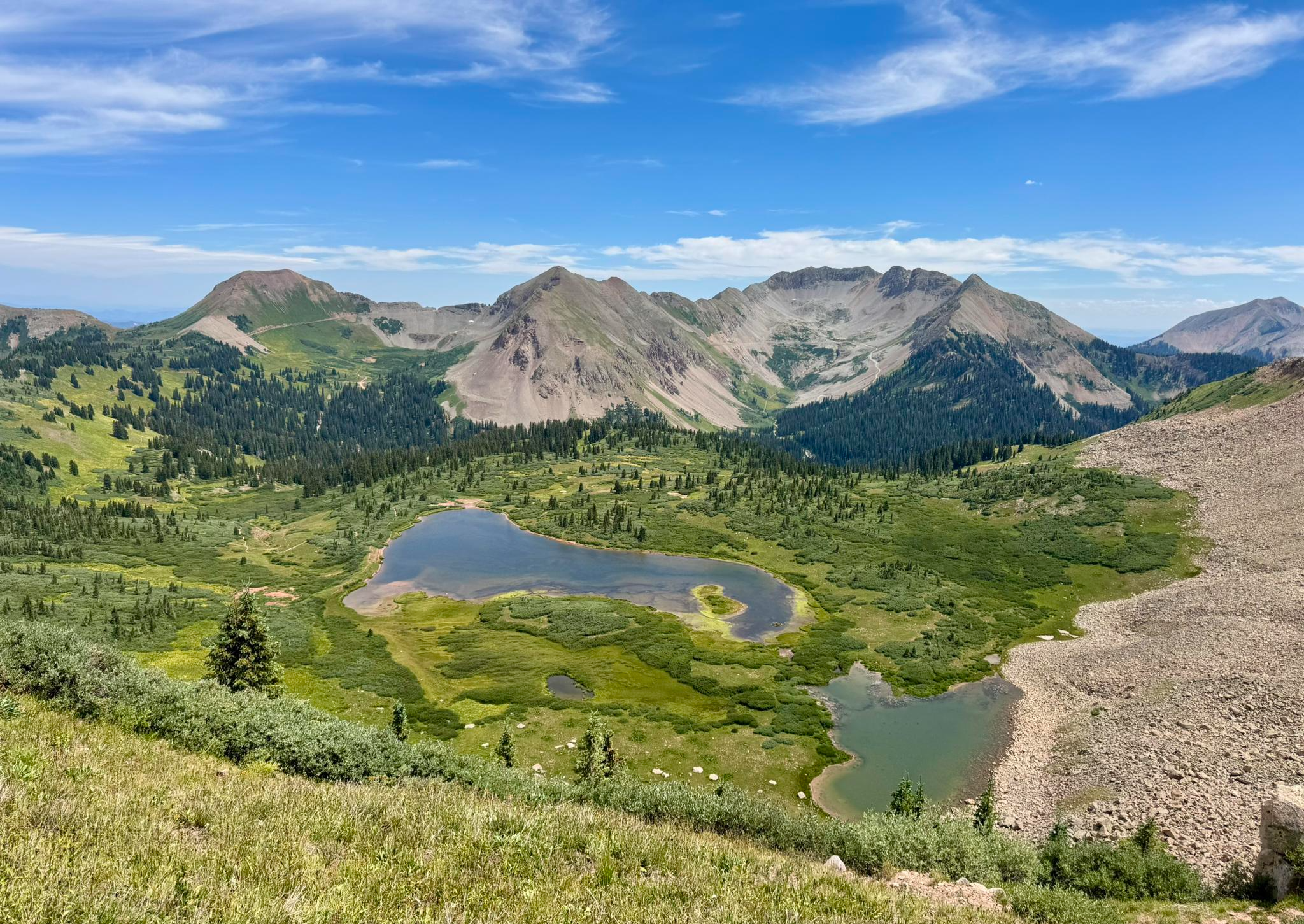
Best lakes in Rio Grande National Forest are often high alpine gems situated within the San Juan Mountains, offering diverse natural landscapes. This region features a variety of lakes, many of which are headwaters for the Rio Grande River. The forest encompasses vast wilderness areas, providing opportunities for outdoor activities centered around its numerous water bodies. It is characterized by mixed aspen and spruce-fir stands, clear waters, and significant elevation changes.
Best lakes in Rio Grande National Forest
- The most popular lakes is Archuleta Trail, a trail that leads to Archuleta Lake in the Weminuche Wilderness. This 6.5-mile trail takes visitors along creeks, through forests, open meadows, and aspen groves, connecting with the Continental Divide Trail.
- Another must-see spot is Red Lake Trail, a 2.5-mile scenic trail leading to Red Lake. This trail features a mild, gradual climb to an elevation of 10600 ft, making the lake accessible after a forest road drive.
- Visitors also love Archuleta Trailhead at Big Meadows Reservoir, a trailhead located at the south shore of Big Meadows Reservoir. It provides a large parking lot and facilities, serving as a starting point for the Archuleta Trail to Archuleta Lake and connecting with the Continental Divide Trail.
- Rio Grande National Forest is known for its high alpine lakes, many of which are popular for fishing and offer dispersed camping. The region features a variety of lakes, from those accessible via moderate trails to more remote wilderness destinations.
- The lakes in Rio Grande National Forest are appreciated by the komoot community, with 12 photos and 1 upvote contributing to the guide's content.
Last updated: October 11, 2026
Lake and campsites
Highlight • Lake
Tip by

Archuleta Trailhead at Big Meadows Reservoir
Highlight • Trail
Tip by
Sign up now to discover places like this
Get recommendations on the best single tracks, peaks, & plenty of other exciting outdoor places.
Archuleta Trail
Highlight • Trail
Tip by
Red Lake Trail
Highlight • Trail
Tip by

Lake Como
Highlight • Lake
Tip by

Sign up for free to discover even more lakes in Rio Grande National Forest.
Already have an account?
Start today with a free account
Your next adventure awaits.
Popular around Rio Grande National Forest
Colorado Trail — The pinnacle of wild Colorado
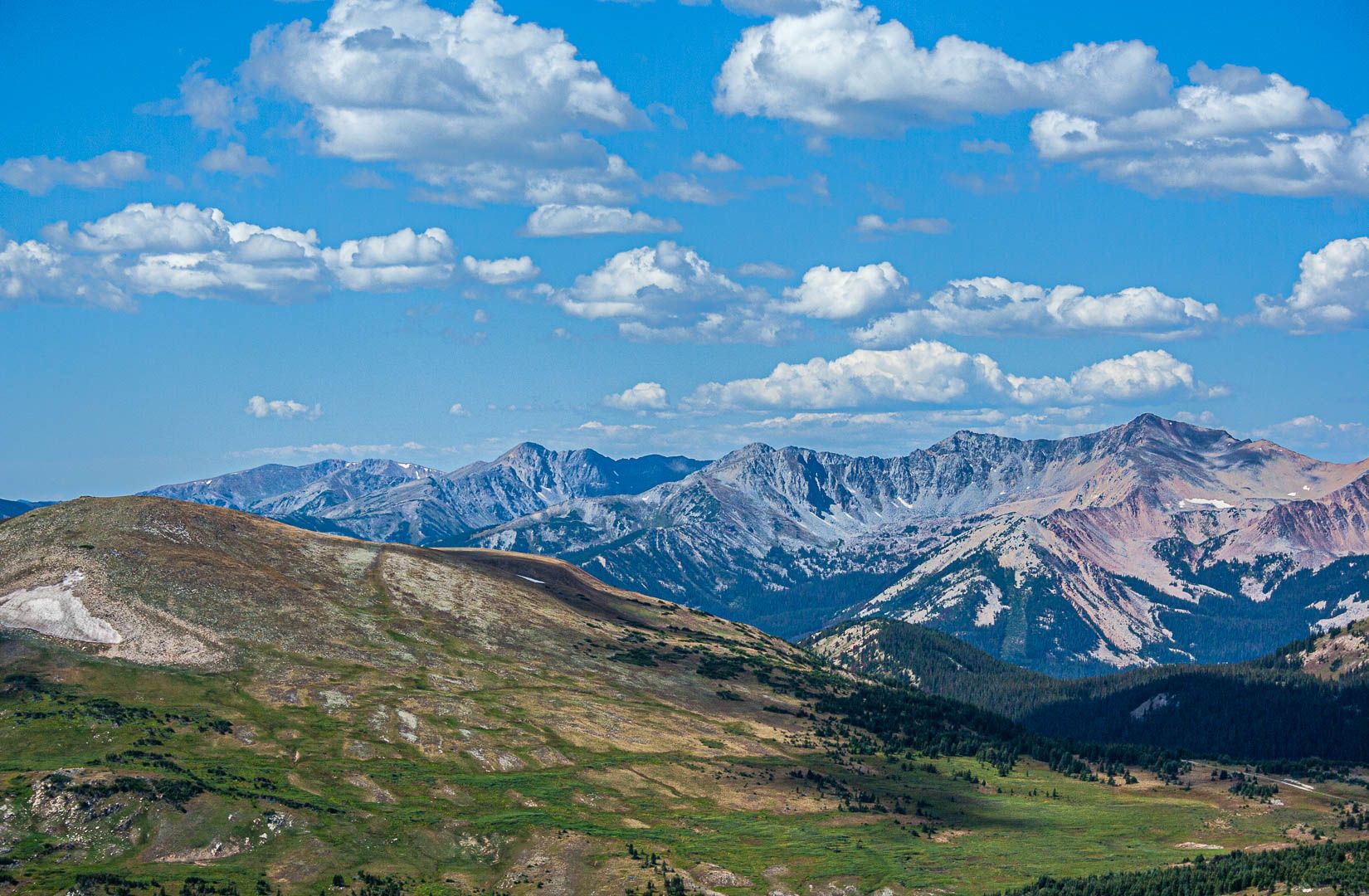
The Continental Divide Trail — Across the sky of America
Hiking in Rio Grande National Forest
Running Trails in Rio Grande National Forest
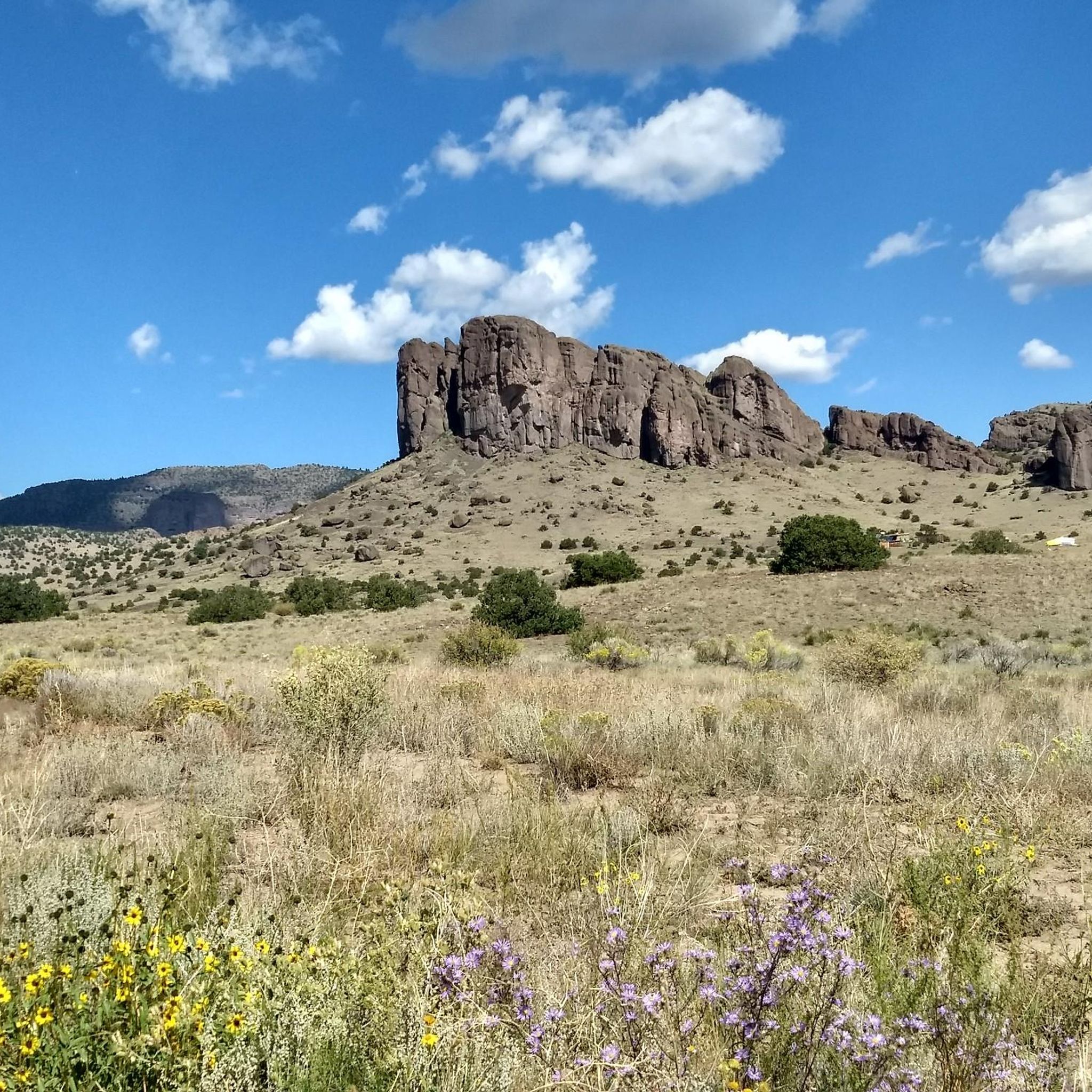
MTB Trails in Rio Grande National Forest
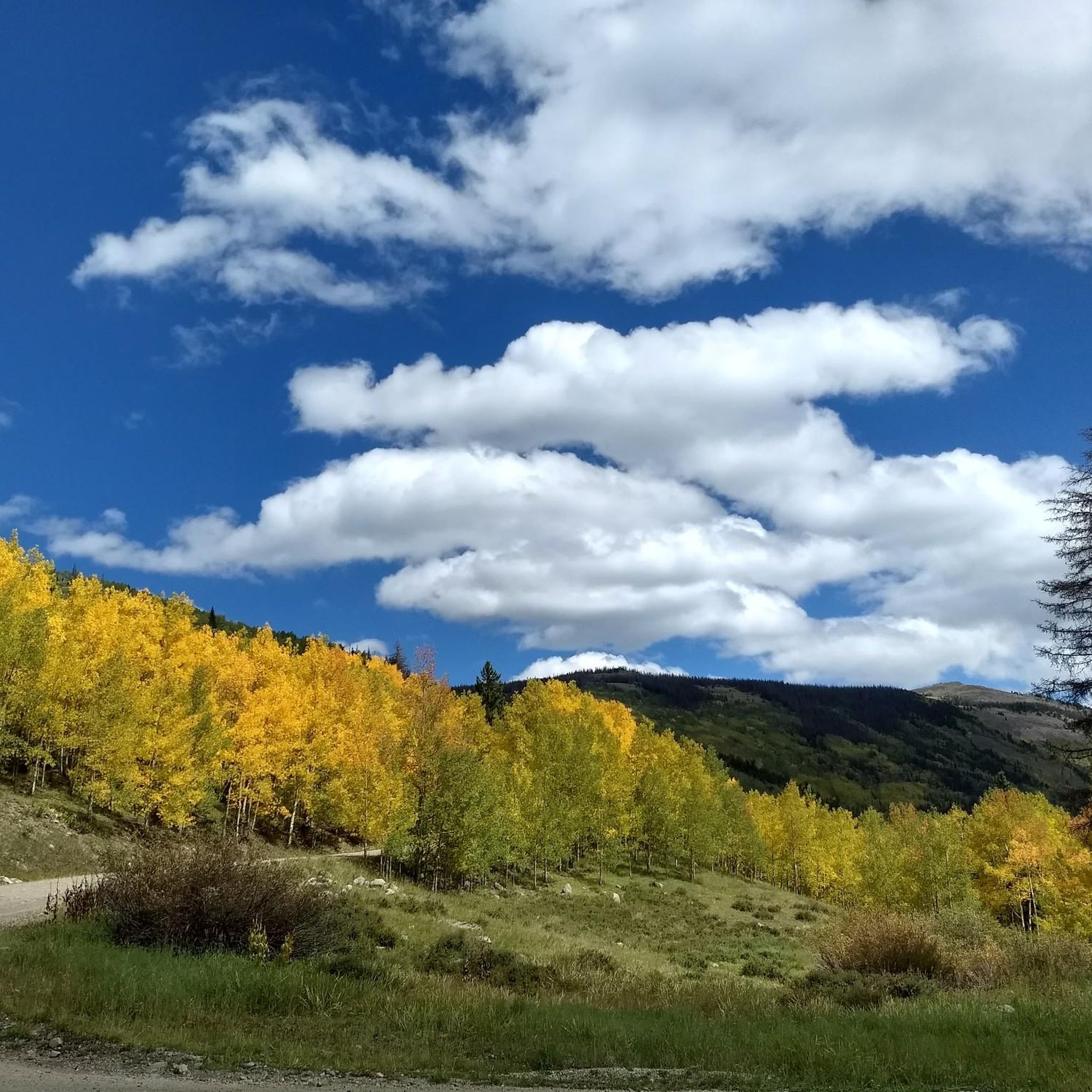
Cycling in Rio Grande National Forest

Road Cycling Routes in Rio Grande National Forest
Other adventures in Rio Grande National Forest


Tips from the Community

At this junction, you can decide to follow the Cataract Gulch Trail for some yards to get to Cataract Lake, stay at this smaller lake right in front of you or continue your hike along the Colorado Trail/CDT. The shore at the small lake offers room for 5+ tents, Cataract Lake has plenty of room for more camping. Moreover, there are big trout in Cataract Lake if you are into fishing.
2
0

This junction marks Cataract Lake Trail and the smaller lake on the southwest, which offers numerous open, dispersed camping areas and fantastic views. To access the main Cataract Lake, take the side trail off the Colorado Trail/CDT for a short .3 miles north.
0
0
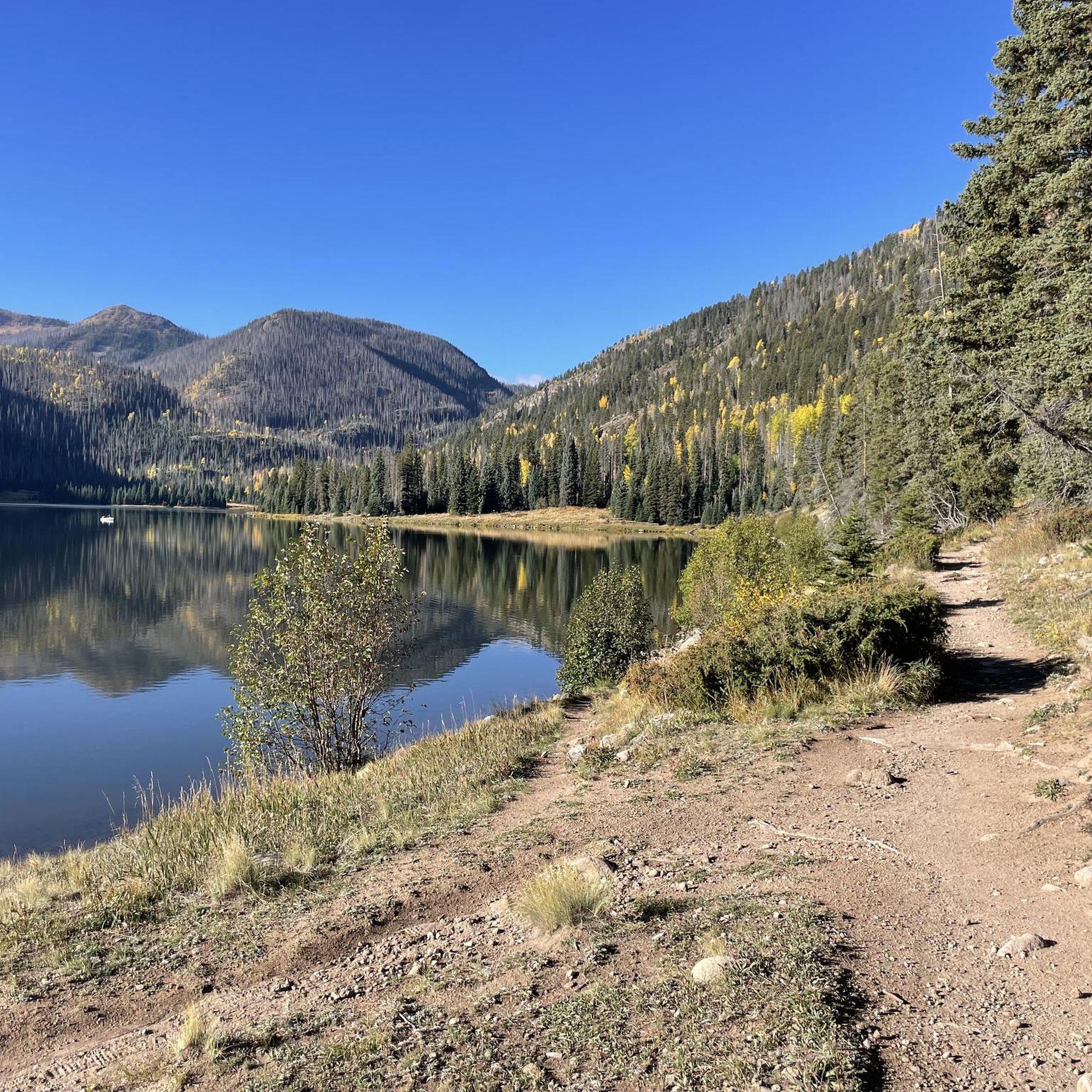
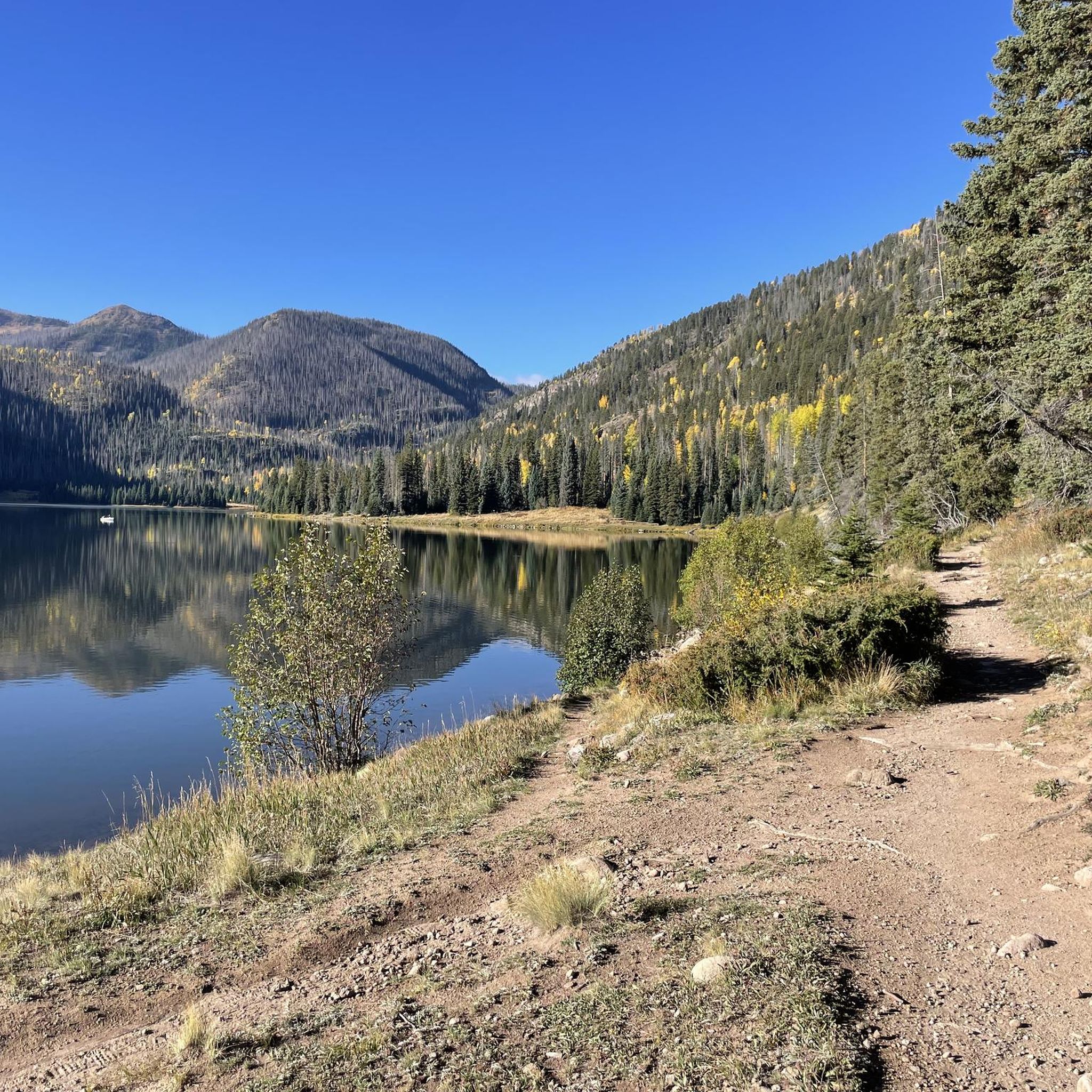
Starting at Big Meadows Reservoir, the Archuleta Trail is roughly 6.5 miles long to where it connects with the Continental Divide Trail and to the beautiful Archuleta Lake. It will take you along creeks, through forest, open meadows and through Aspen forests.
3
0
The Archuleta Trailhead is located at the south shore of Big Meadows Reservoir. There is a large parking lot and a pit toilet. You can walk around the lake combining a section of the Archuleta Lake with the Big Meadows Loop Trail. The Archuleta Trail leads up to Archuleta Lake in the Weminuche Wilderness and connects with the Continental Divide Trail.
4
0

Lake Como sits at 11745 ft, at the base of Little Bear Peak and Blanca Peak. It's a green water lake surrounded by forest, with scenic alpine views. The road leading to the trailhead, Mount Blanca Road, is risky to access by regular vehicle, it's recommended to go with a 4x4.
0
0

The mostly gravel forest road leads after a few miles to the 2.5 mile long Red Lake Trail. It is a mild gradual climb to 10600 ft elevation. The lake is pretty and a good mushroom hunting area in the fall.
0
0
Frequently Asked Questions
What kind of natural features can I expect to see around the lakes in Rio Grande National Forest?
The lakes in Rio Grande National Forest are often high alpine gems nestled within the San Juan Mountains. You'll find diverse landscapes including mixed aspen and spruce-fir stands, clear waters, and significant elevation changes. Many lakes are set against a backdrop of majestic Rocky Mountains.
Are there good fishing opportunities at the lakes in Rio Grande National Forest?
Yes, many lakes in the Rio Grande National Forest are popular for fishing. For instance, Cataract Lake is known to have big trout, and Bear Lake is a popular fishing spot within the South San Juan Wilderness. Heart Lake also offers good fishing opportunities. The region is renowned for fly fishing, particularly for species like Rio Grande Cutthroat Trout, Brook Trout, and Arctic Grayling.
Which lakes are suitable for camping in the Rio Grande National Forest?
Several lakes offer great camping. Heart Lake has excellent camping areas, ideal for backpackers seeking solitude. Cataract Lake provides numerous open, dispersed camping areas with fantastic views. For those seeking a more remote experience, primitive camping is possible along the strenuous hike to South Zapata Lake.
What are some popular hiking trails to lakes in the Rio Grande National Forest?
The Archuleta Trail is a popular 6.5-mile route leading to Archuleta Lake, taking you through creeks, forests, open meadows, and aspen groves. The Red Lake Trail is a scenic 2.5-mile trail with a mild, gradual climb to Red Lake. Other notable hikes include the stunning alpine route to Heart Lake and the strenuous trek to South Zapata Lake, which offers incredible views and passes Zapata Falls.
Are there any challenging hikes to high alpine lakes in the area?
Yes, for experienced hikers, the trek to South Zapata Lake is a challenging but highly rewarding option, often around 10 miles round trip with significant elevation gain. The hike to Heart Lake is also considered a moderate to challenging alpine route with significant elevation gain.
Where can I park when visiting lakes in the Rio Grande National Forest?
A good starting point for many lake adventures is the Archuleta Trailhead at Big Meadows Reservoir. It offers a large parking lot and facilities, serving as a gateway to Archuleta Lake and connecting with the Continental Divide Trail.
What outdoor activities can I do near these lakes besides hiking?
Beyond hiking, the Rio Grande National Forest offers a variety of outdoor activities. You can find numerous routes for mountain biking, such as the challenging Red Lake Trail – Conejos Canyon Overlook loop, and various cycling routes like the Willow Creek Drainage Pond loop. For more options, explore the hiking, MTB, and cycling guides for the region.
Are there any less crowded lakes for a more secluded experience?
Lakes like Heart Lake are known for offering solitude, especially for backpackers. Archuleta Lake, located in the vast Weminuche Wilderness, also provides a more remote and immersive backcountry experience due to its scenic, diverse trail.
What is the best time to visit the lakes in Rio Grande National Forest?
The best time to visit is generally during the warmer months when trails are clear of snow, typically from late spring through early fall. This allows for hiking, camping, and fishing. Fall also offers beautiful scenery with colorful aspens, particularly on trails like the one to South Zapata Lake.
Are there any lakes with historical significance or unique geological features?
While the focus is on natural beauty, the region does have a history tied to its resources. For instance, the area around South Zapata Lake offers views of the Sangre de Cristo wilderness and the Great Sand Dunes National Park, showcasing unique geological formations. However, it's important to be aware of sites like the Summitville Mine Tailings Pond, which represents a past of gold mining and environmental impact, and should be avoided.
Can I combine a lake visit with a longer trail adventure?
Absolutely. Many lake trails connect with longer routes. For example, the Archuleta Trail connects with the Continental Divide Trail. Similarly, the trail to Cataract Lake branches off the Colorado Trail/CDT, offering opportunities to extend your hike.
Most popular routes in Rio Grande National Forest
Most popular attractions in Rio Grande National Forest

Get inspired with the komoot mobile app


Explore more
Still not found your perfect lake in Rio Grande National Forest? Check out the guides of these regions to see even more beautiful places.
