The best MTB trails around Parc Natural del Cap de Creus
4.6
(901)
5,591
riders
18
rides
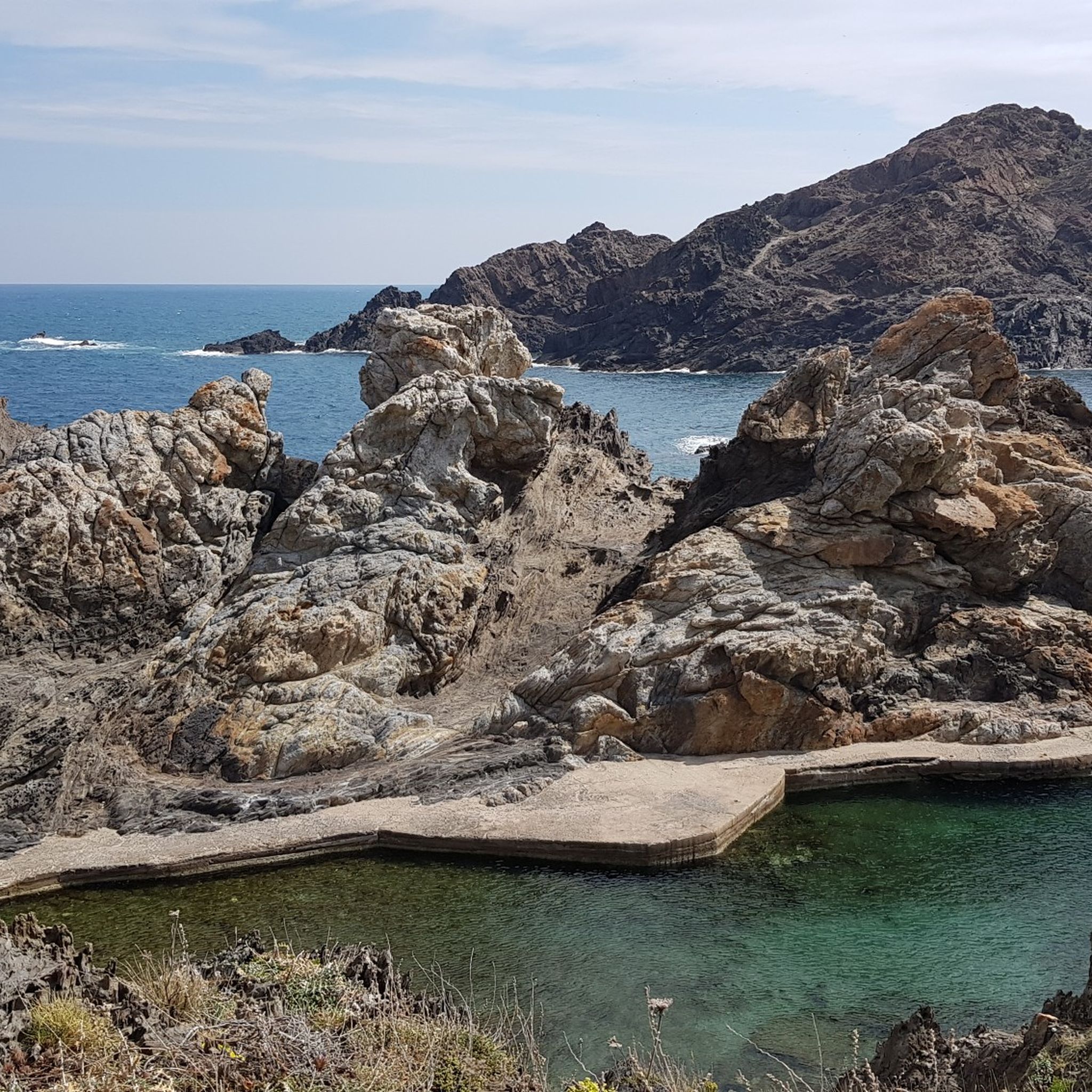
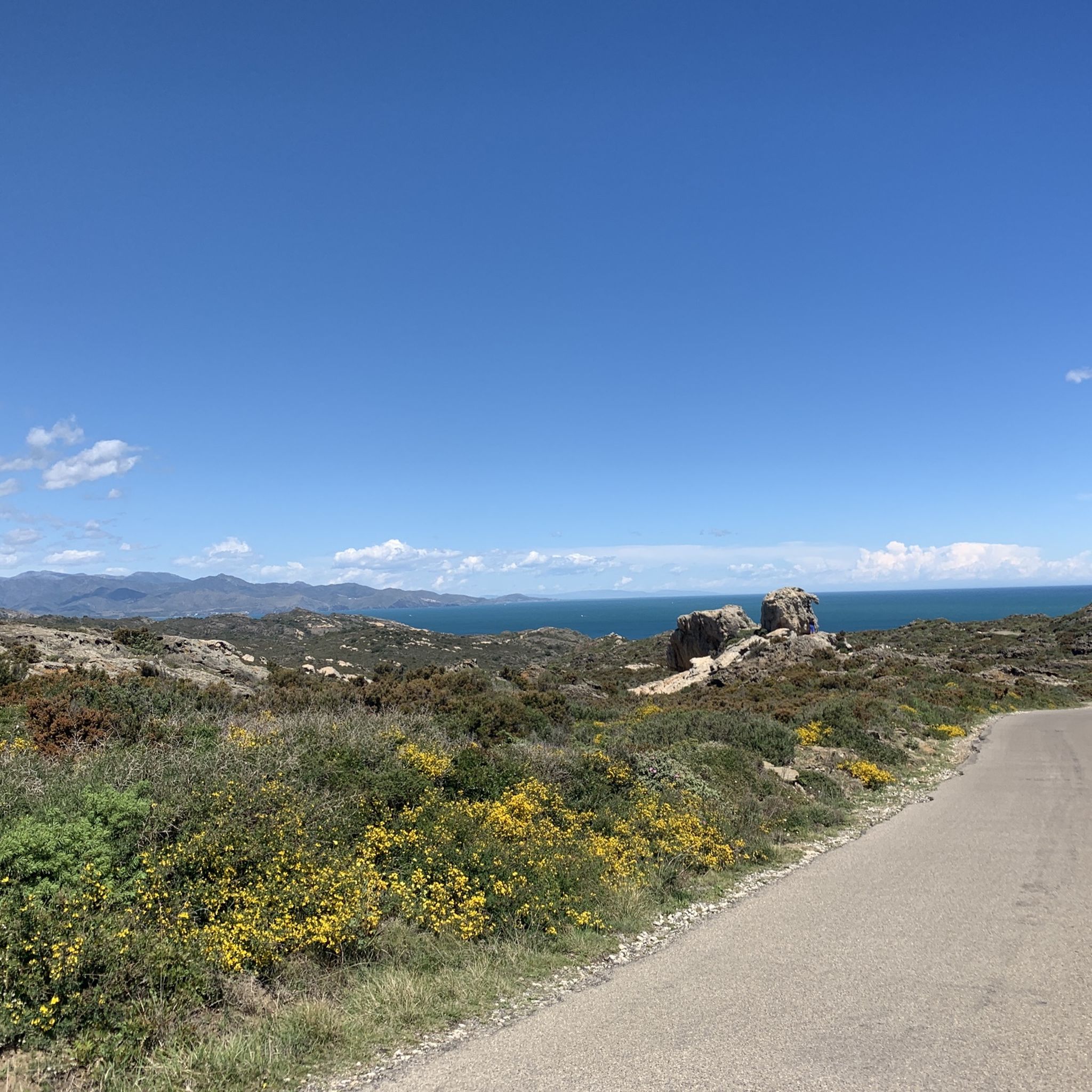
Mountain biking around Parc Natural del Cap de Creus offers diverse terrain where the Pyrenees meet the Mediterranean Sea. The region is characterized by a barren, windswept, and rocky landscape with spectacular rock formations sculpted by erosion. Riders can expect varied trails, from coastal paths with sea views to routes with considerable elevation gain through rugged hills. This unique geology provides a challenging yet rewarding environment for mountain bikers.
Best mountain bike trails around Parc Natural del Cap de Creus
…Last updated: October 2, 2026
4.5
(34)
248
riders
Moderate mountain bike ride. Good fitness required. Advanced riding skills necessary.
4.6
(37)
197
riders
27.2km
02:29
620m
620m
Moderate mountain bike ride. Good fitness required. Advanced riding skills necessary.

5.0
(6)
61
riders
Hard mountain bike ride. Good fitness required. Advanced riding skills necessary. Some portions of the route may require you to push your bike.
4.8
(4)
31
riders
37.6km
03:35
970m
970m
Hard mountain bike ride. Very good fitness required. Advanced riding skills necessary. Some portions of the route may require you to push your bike.
34
riders
Hard mountain bike ride. Great for any fitness level. Advanced riding skills necessary. Some portions of the route may require you to push your bike.
Get access to more routes and recommendations from other explorers.
Already have an account?
Our route recommendations are based on thousands of hikes, rides, and runs completed by other people on komoot.
Start today with a free account
Your next adventure awaits.
Popular around Parc Natural del Cap de Creus


Tips from the Community

Closed on Mondays, cannot be visited. There is a machine outside to get water bottles if you run out of water like us, hehe but it only works with coins. Very beautiful surroundings. I recommend not doing it in the middle of July like us because it is very hot.
1
0

Ruined farmhouse, from here down a gravel cycle path
0
0

The Romanyach farmhouse is also mentioned as Mas Farigoles. It is located in the northeast of the municipality of Roses, built on a large plain formed by a depression and its lands were formed by 178 acres of fields for sowing wheat, oats, barley and other grasses for livestock and wastelands for grazing the flocks1. In the year 976, Count Gausfred of Empúries made an important donation to the monastery of Santa Maria to the top of the Pení mountain. Although it cannot be stated with certainty, it is believed that the Romanyach farmhouse followed a chronology similar to that of the Figa and Llobatera farmhouses, whose origin dates back to large emphyteutic establishments granted by the monks to individuals2. 1 "The farmhouses of Roses", by Joan Rabell i Coll 2 "The lost farmhouses of Cap de Creus", by Arnald Plujà i Canals Source: https://www.portalgironi.cat/index.php/masos-pairalies/masos-altemporda/masos-alt-emporda-roses/966-masos-roses-romanyac
0
0

Another corner of the Cap de Creus Natural Park worth visiting.
0
0
At this point begins a very demanding and poor condition climb.
1
0
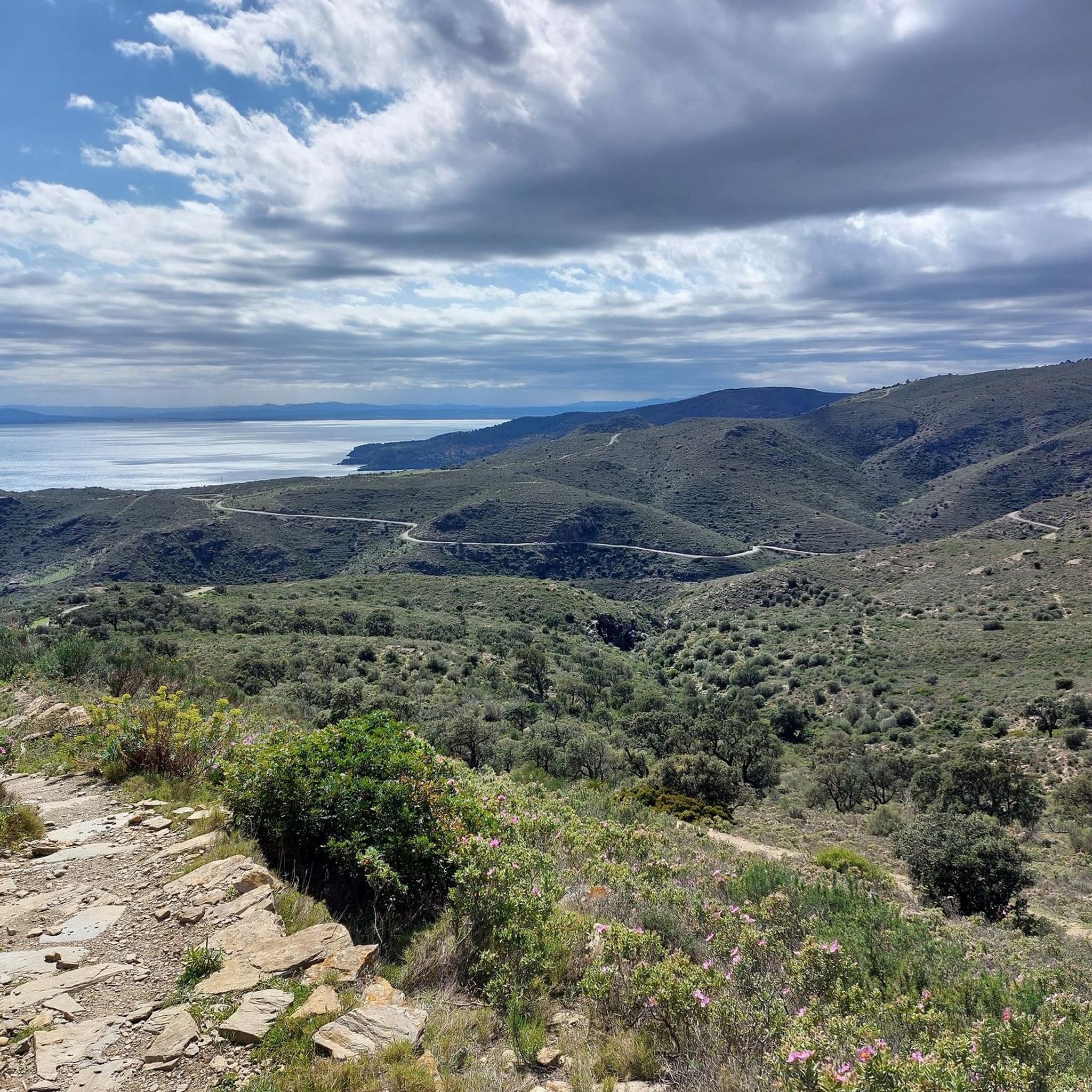
A beautiful trail with some ups and downs and some steep and narrow sections. The landscapes along this trail are spectacular.
1
0
Nice place in Cadaqués
0
0

Frequently Asked Questions
How many mountain bike trails are available in Parc Natural del Cap de Creus?
There are over 270 mountain bike trails available in Parc Natural del Cap de Creus. These routes cater to various skill levels, with approximately 50 easy, 150 moderate, and 70 difficult options, ensuring a diverse riding experience for everyone.
What kind of terrain can I expect when mountain biking in Cap de Creus?
The terrain in Cap de Creus is characterized by a unique blend of rocky coastal paths and rugged inland hills where the Pyrenees meet the Mediterranean. You'll encounter barren, windswept landscapes with spectacular rock formations, offering both challenging climbs and scenic descents. The park's geology, sculpted by erosion and the Tramuntana wind, provides a distinctive and varied riding surface.
What are some notable landmarks or viewpoints I can see along the mountain bike trails?
Many trails offer stunning views and pass by significant landmarks. You can ride towards the Cap de Creus Lighthouse, the easternmost point of mainland Spain, or explore routes near the Cala Nans Lighthouse. Other points of interest include the Els Falcons Viewpoint and the Norfeu Tower, offering panoramic vistas of the dramatic coastline and the Mediterranean Sea.
Are there any family-friendly mountain bike routes in Parc Natural del Cap de Creus?
Yes, while some sections can be challenging, there are routes suitable for families, especially if using electric mountain bikes for longer rides or those with considerable elevation gain. Look for trails categorized as 'easy' within the park, which often feature less technical terrain and more manageable distances.
Can I bring my dog on the mountain bike trails in Cap de Creus?
Parc Natural del Cap de Creus is a protected area, and while dogs are generally allowed on trails, it's crucial to keep them on a leash to protect the unique biodiversity and wildlife. Always check specific trail regulations, especially in integral nature reserves, to ensure compliance.
What is the best time of year for mountain biking in Parc Natural del Cap de Creus?
The best time for mountain biking in Cap de Creus is typically during the spring (April-May) and autumn (September-October). During these seasons, the weather is milder, avoiding the intense heat of summer and the stronger winds or occasional rain of winter. This allows for more comfortable riding conditions and clearer views.
Are there any loop routes that start and end in the same place?
Yes, many of the mountain bike routes in Cap de Creus are designed as loops. For example, you can try the Port de la Selva – Viewpoint of Port de la Selva loop from Cadaqués, a moderate 35 km trail, or the View of Cadaqués – View of Cadaqués loop from elBulli1846, which is 27.4 km. These loops offer convenient starting and ending points.
Where can I find cafes or places to eat near the mountain bike trails?
The charming towns bordering the park, such as Cadaqués, El Port de la Selva, and Roses, offer numerous cafes, pubs, and restaurants. These towns are often starting points or pass-through locations for many trails, making it easy to find refreshments. Cadaqués, in particular, is a popular village with many options.
What do other mountain bikers enjoy most about the trails in Parc Natural del Cap de Creus?
The mountain bike trails in Parc Natural del Cap de Creus are highly rated by the komoot community, with an average score of 4.6 stars from over 1,400 reviews. Riders frequently praise the continuous sea vistas, the unique rocky landscapes, and the challenging yet rewarding environment where the Pyrenees meet the Mediterranean.
Are there any beginner-friendly mountain bike routes in the park?
Yes, among the 270+ routes, there are around 50 classified as 'easy'. These routes typically feature less technical terrain and more gradual elevation changes, making them suitable for beginners or those looking for a more relaxed ride. It's always a good idea to check the route details for specific difficulty ratings and elevation profiles.
What are some challenging mountain bike trails in Cap de Creus?
For experienced riders seeking a challenge, the park offers around 70 difficult routes. These trails often feature significant elevation gains, technical descents, and rugged, rocky terrain. An example of a moderate route with considerable elevation is the El Port de la Selva – Cadaqués loop from la Selva de Mar, which covers 38.5 km with over 870 meters of ascent.
Is public transport available to reach the mountain biking areas in Cap de Creus?
Public transport options to and within the Cap de Creus Natural Park can be limited, especially for reaching specific trailheads. It's often more convenient to use a car to access various starting points. However, some larger towns like Cadaqués and Roses may have bus connections from major cities, from which you can then cycle into the park.
Are there any permits or specific regulations for mountain biking in Parc Natural del Cap de Creus?
As Catalonia's first maritime-terrestrial natural park, Cap de Creus has specific regulations to protect its unique environment. While general access for mountain biking is permitted on designated trails, it's advisable to check the official park website or local information centers for any specific permit requirements or restrictions, especially concerning integral nature reserves. Always stay on marked paths to preserve the delicate ecosystem.
Most popular routes around Parc Natural del Cap de Creus
Most popular attractions around Parc Natural del Cap de Creus

Get inspired with the komoot mobile app


Explore more
Browse the best MTB trails in other regions.
