Attractions and Places To See around Mont-Louis - Top 20
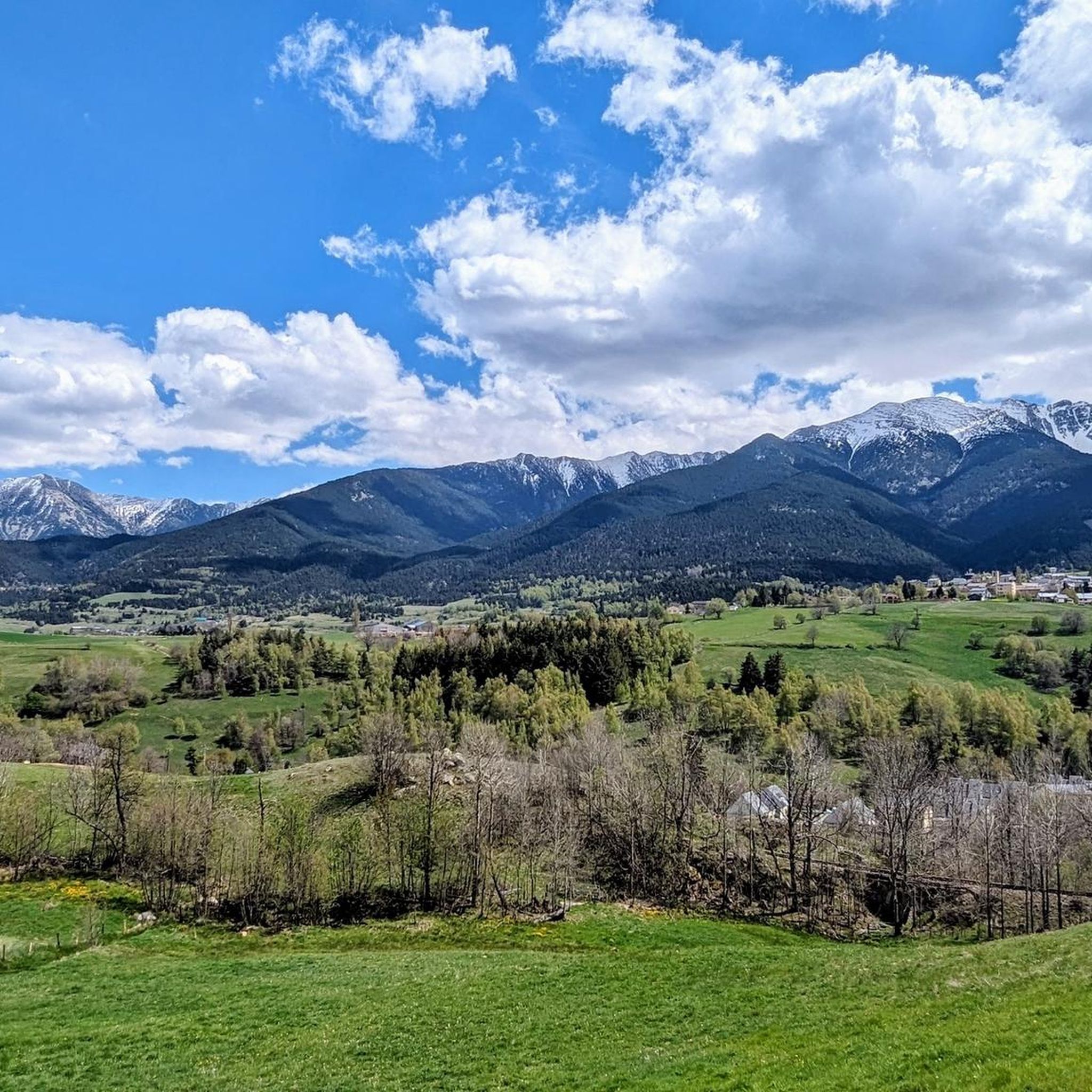
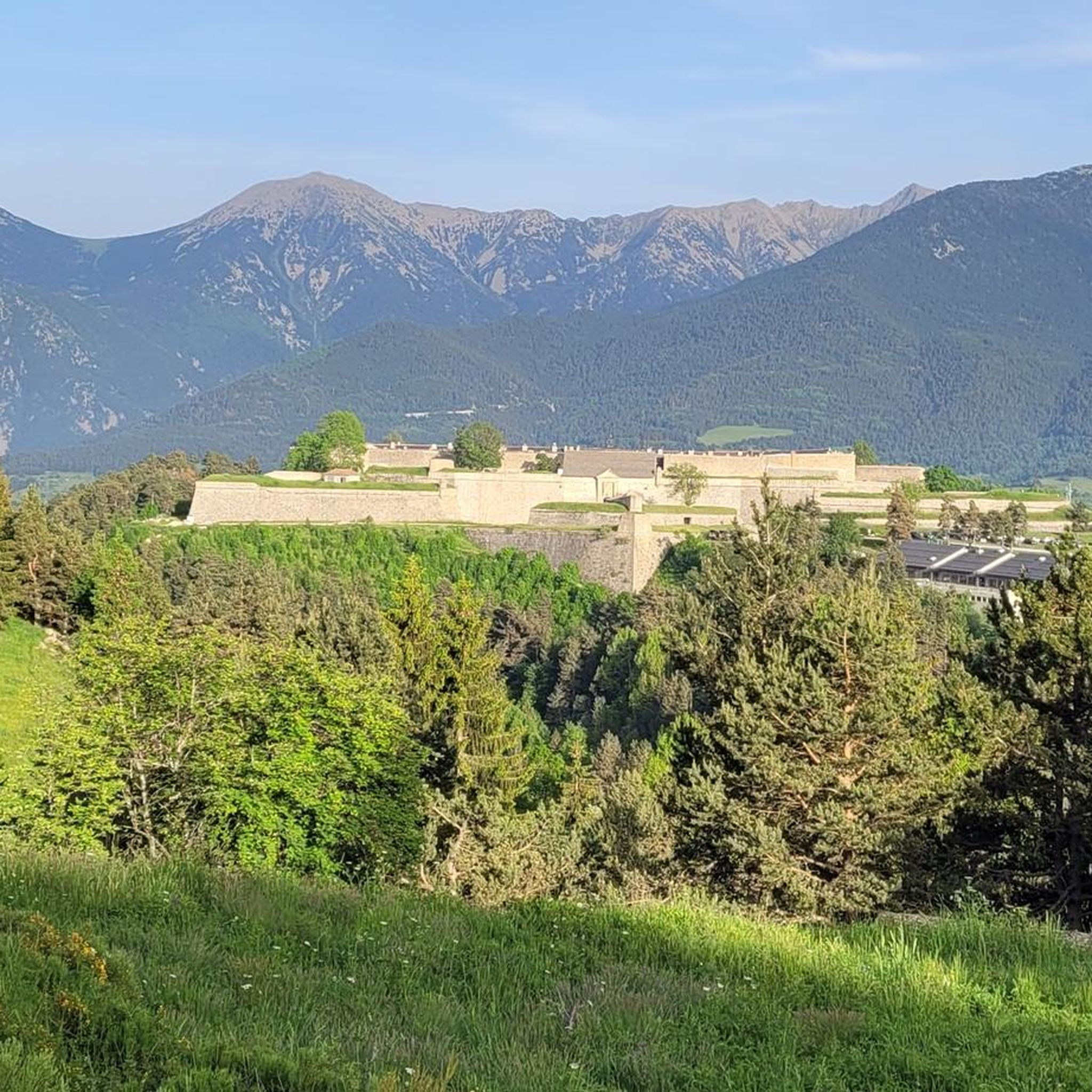
Best attractions and places to see around Mont-Louis include its UNESCO World Heritage fortified town, nestled in the Catalan Pyrenees. This region offers a blend of historical military architecture and natural landscapes. Visitors can explore the 17th-century fortifications and access the surrounding Pyrenees for outdoor activities. Mont-Louis serves as a gateway to the Occitanie region's diverse natural features.
Best attractions and places to see around Mont-Louis
- The most popular attractions is Carança Corniche, a gorge that features dizzying and…
Last updated: October 9, 2026
Carança Corniche
Highlight • Gorge
Translated by Google •
Tip by

The Footbridges of the Carançà Gorge
Highlight • Gorge
Translated by Google •
Tip by

Sign up now to discover places like this
Get recommendations on the best single tracks, peaks, & plenty of other exciting outdoor places.
Suspension bridge over the Carança Gorge
Highlight • Bridge
Translated by Google •
Tip by
Chemin de la Corniche
Highlight (Segment) • Trail
Translated by Google •
Tip by

Hängebrücke
Highlight • Other
Translated by Google •
Tip by

Sign up for free to discover even more attractions around Mont-Louis.
Already have an account?
Other adventures around Mont-Louis

Tips from the Community

We were here in April 2026. The suspension bridges and walkways are in very poor condition. One bridge had a broken floor plate crudely repaired with 2 planks and tension straps. On another, one of the floor plates was loose because the screws had rusted through. In itself, a really nice tour, but we would have gladly spared ourselves this additional adventure due to a lack of maintenance.
0
0

Take your time and respect the two-person-at-a-time rule.
0
0

A very wobbly suspension bridge, but it is secured with a net. The only one on the classic circular route, in the section further up there are several more in combination with footbridges.
1
0

Beautiful point, but watch your head because of the rock points and where you put your feet. Here you can easily pass each other
20
0
Breathtaking gorge, great parking 5 euros, just follow komoot for the most beautiful route, fear of heights? Do not look into the depths, but especially where you put your feet. If you are Dutch tall, then also pay attention to the rocky points at head height. What a great trip😀
22
0

When the path joins the river and next to a small dam, we connect with the path that comes from the ledge. Here begins the most exciting part of the excursion! Ahead of us are ten bridges, numbered in yellow paint, as well as walkways built with metal panels from which we see the river slide between the rocks beneath our feet. All steps are aerial but well secured with cables and railings. Of course: we have to pay special attention if we go with children. This area, in addition to being a real adventure, is ideal for contemplating the small waterfalls from the front row and listening to the murmurs of the river. Here you can enjoy the grandeur of an overflowing nature… After the bridge marked with a 10, the path widens and we pass over a small stone bridge that crosses the Roig stream, a tributary of the Tet river. We pass a stone hut without a roof and arrive at the last footbridge, located at a point where the river is enclosed by a rock wall. At this point, most walkers turn around and those who continue do so thinking of reaching the refuge of the Ras de Carançà, still far away. The last time I did this stretch (see excursion: https://www.komoot.com/es-es/tour/994475321/ ) it was just the other way around, coming from the refuge of Ras de Carançà.
1
0
When we reach the fork in the road, we will continue on the left that goes across the river over a suspension bridge. Here we will find the last footbridge of the route. We enter the Camí de la Corniche (Chemin de la Corniche), which runs along the cliff and is a luxury balcony: Roc de la Madrieu, Serrat del Cortal, Thuès and its church of Sant Genís, the Tet valley... It is a narrow and vertiginous path dug into the rock, similar to the Ruta del Cares, which follows the cliff formed by the river. It seems that it was built to have access to the hydroelectric plant that we left a little above and that produces the energy that moves the yellow train. That is why during the tour we will find access doors to the company's facilities almost hidden among the rocks. The road to the ledge produces vertigo, seen from the other side it looks like a small scratch in the rock, but once inside we see that this is not the case. It is wide enough to walk without problems and it also has a safety cable, as a handrail. There is nothing to fear, but if one wants to admire the abyss it is better to stop and thus avoid a possible trip with dramatic consequences.
5
0
Frequently Asked Questions
What historical sites can I explore in Mont-Louis?
Mont-Louis is a UNESCO World Heritage site, primarily known for its Vauban Fortifications. You can explore the impressive citadel and city walls, which offer insights into 17th-century military engineering. Guided tours are available for parts of the citadel, including the 'Puits de Forçats'. Additionally, the 18th-century Church of St. Louis and the former military barracks, the Casernas of Saint Pierre, provide further historical context within the fortified town.
What is the Mont-Louis Solar Furnace?
The Mont-Louis Solar Furnace is a pioneering facility built in 1949, recognized as the world's first double-reflection solar furnace. It now serves an educational purpose, offering guided tours to explain the operation of solar furnaces and the uses of solar energy, showcasing innovative technology.
Are there challenging hiking trails around Mont-Louis?
Yes, the area offers several challenging hiking experiences. The Gorges de la Carança are particularly popular, featuring thrilling pathways, footbridges, and sections carved into the rock. Highlights within the gorges include the Carança Corniche, known for its dizzying passages, and The Footbridges of the Carançà Gorge, which involve ladders and suspension bridges for an adventurous trek.
What are some easier walks or trails near Mont-Louis?
For more relaxed walks, you can enjoy the Tour des Remparts, an hour-long path circling the fortifications with panoramic views. The Sentier des Oiseaux is a shorter, 30-minute walk ideal for birdwatching and enjoying local flora and fauna. These trails offer a gentler way to experience the natural beauty surrounding Mont-Louis.
Where can I find scenic viewpoints near Mont-Louis?
Excellent viewpoints can be found along the Vauban Fortifications' ramparts, offering expansive views of the surrounding Pyrenees. The Col de la Perche (1,579 m) also provides splendid 360° views of the mountains, valleys, and plains of the Catalan Pyrenees Natural Park. Additionally, the Section of rock path at el Fornàs offers unique perspectives dominating Thuès-Entre-Valls.
What natural attractions are there beyond the town of Mont-Louis?
Beyond the town, you can visit Lac du Bouillouses, one of Europe's highest lakes, popular for hiking. The majestic Pic du Canigou is a significant natural landmark in the region. Mont-Louis is also situated within the Regional Natural Park of the Catalan Pyrenees, offering unspoiled landscapes perfect for walking or cycling.
Are there cycling routes available around Mont-Louis?
Yes, the Mont-Louis area is excellent for cycling. You can find a variety of routes for different disciplines. For road cycling, explore options in the Road Cycling Routes around Mont-Louis guide. If you prefer off-road adventures, check out the Gravel biking around Mont-Louis guide. General cycling routes are also available in the Cycling around Mont-Louis guide.
Are there family-friendly activities or attractions in Mont-Louis?
Families can enjoy the educational tours at the Mont-Louis Solar Furnace. The easier walks like the Tour des Remparts and Sentier des Oiseaux are suitable for all ages. While not directly in Mont-Louis, the Yellow Train (Le Petit Train Jaune) offers a scenic and fun way to travel through the Pyrenees-Orientales, which can be a memorable family experience.
When is the best time to visit Mont-Louis for outdoor activities?
The best time to visit Mont-Louis for outdoor activities like hiking and cycling is generally during the warmer months, from late spring to early autumn (May to October). During this period, the weather is typically mild and sunny, making it ideal for exploring the Pyrenees' natural beauty and historical sites. Winter offers opportunities for snow sports in nearby areas, but some high-altitude trails may be inaccessible.
What do visitors particularly enjoy about the Carança Gorges?
Visitors to the Carança Gorges frequently highlight the adventurous and spectacular nature of the trails. Many enjoy the unique experience of navigating ladders, suspension bridges, and sections carved directly into the rock, as seen at The Footbridges of the Carançà Gorge. The breathtaking views and the varied terrain make it a memorable and exciting hike, though some note it can be challenging for those with vertigo or young children.
How can I travel to Mont-Louis and explore the surrounding area?
Mont-Louis is accessible by road. For a scenic and unique travel experience, consider taking the Yellow Train (Le Petit Train Jaune), which connects Mont-Louis with other charming villages in the French Pyrénées-Orientales. This historic railway offers a picturesque journey through the region's landscapes, providing an alternative to car travel for exploring the wider area.
Most popular routes around Mont-Louis
Most popular attractions around Mont-Louis

Get inspired with the komoot mobile app


Explore more
Still not found the Highlight you’re looking for? See guides of the top attractions in other regions:
