The 8 Most Amazing Peaks around Lamanère
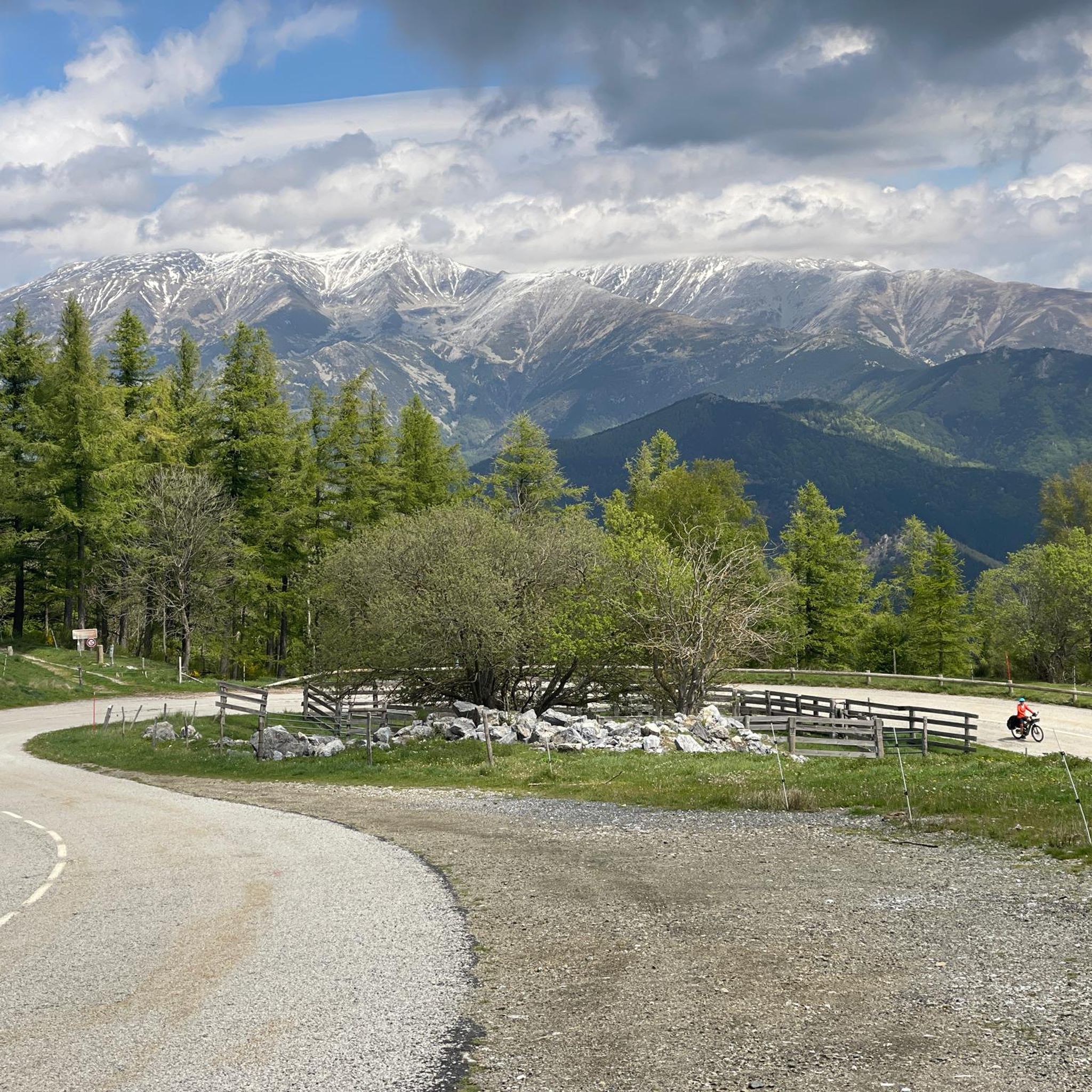
Best mountain peaks around Lamanère are found in the Pyrénées-Orientales department of Southern France. This region provides access to several notable mountain peaks, offering diverse landscapes and natural beauty. The area is characterized by forests of chestnut and beech trees, supporting a rich array of flora and fauna typical of the Pyrenees. Lamanère serves as a starting point for various hiking experiences, ranging from moderate to challenging.
Best mountain peaks around Lamanère
- The most popular mountain peaks is Hermitage of…
Last updated: August 11, 2026
Puig de Bassegoda
Highlight • Summit
Translated by Google •
Tip by

Santa Bàrbara de Pruneres
Highlight • Religious Site
Translated by Google •
Tip by

Sign up now to discover places like this
Get recommendations on the best single tracks, peaks, & plenty of other exciting outdoor places.
Sign up for free
Hermitage of Sant Antoni
Highlight • Religious Site
Translated by Google •
Tip by

View from Serre de la Garsa
Highlight • Viewpoint
At night, it's a great place for stargazing.
Translated by Google •
Tip by

Cim del Ferran (983 m)
Highlight • Summit
It is a complement for any excursion in the area.
Translated by Google •
Tip by

Sign up for free to discover even more peaks around Lamanère.
Sign up for free
Already have an account?
Start today with a free account
Your next adventure awaits.
Login or Signup

Tips from the Community

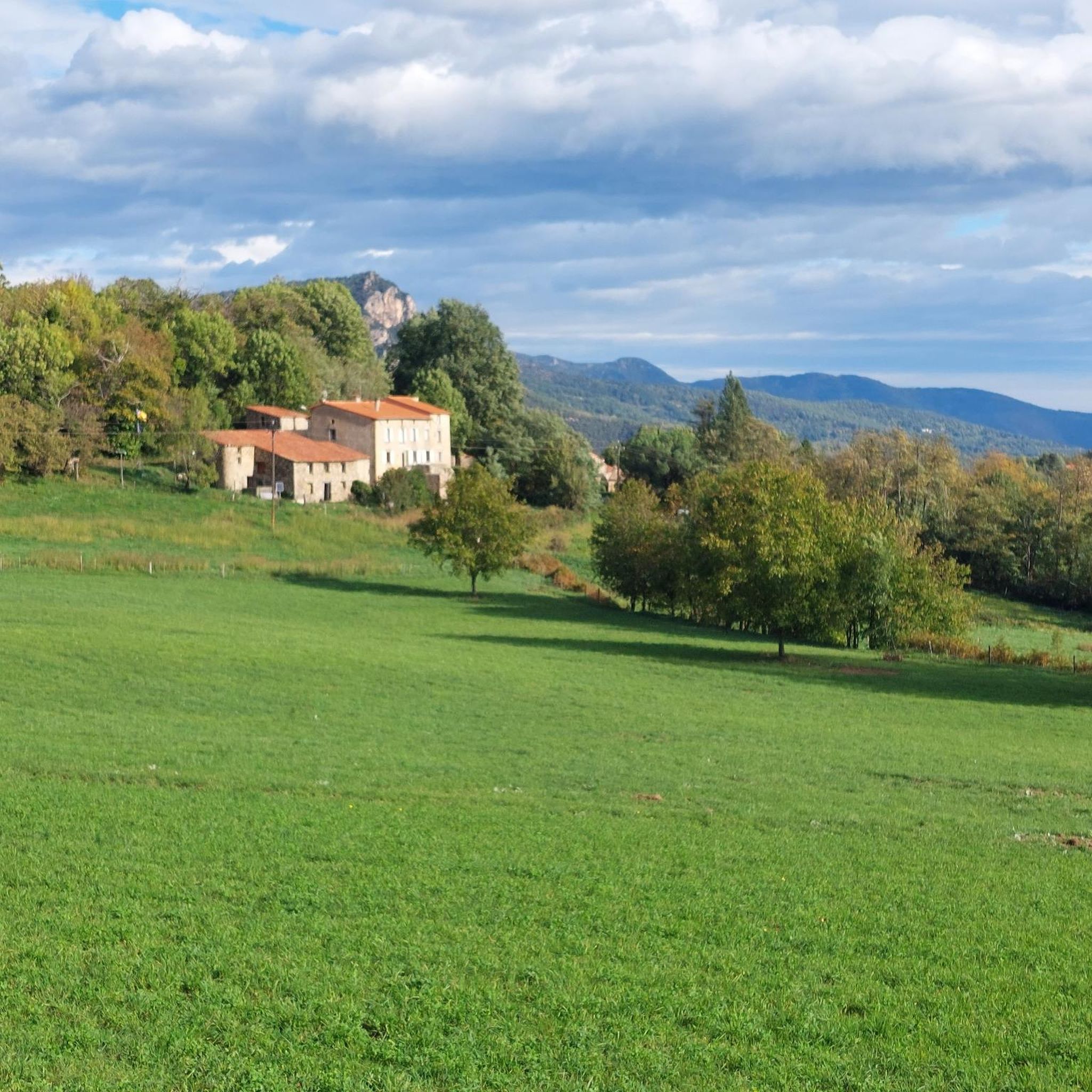
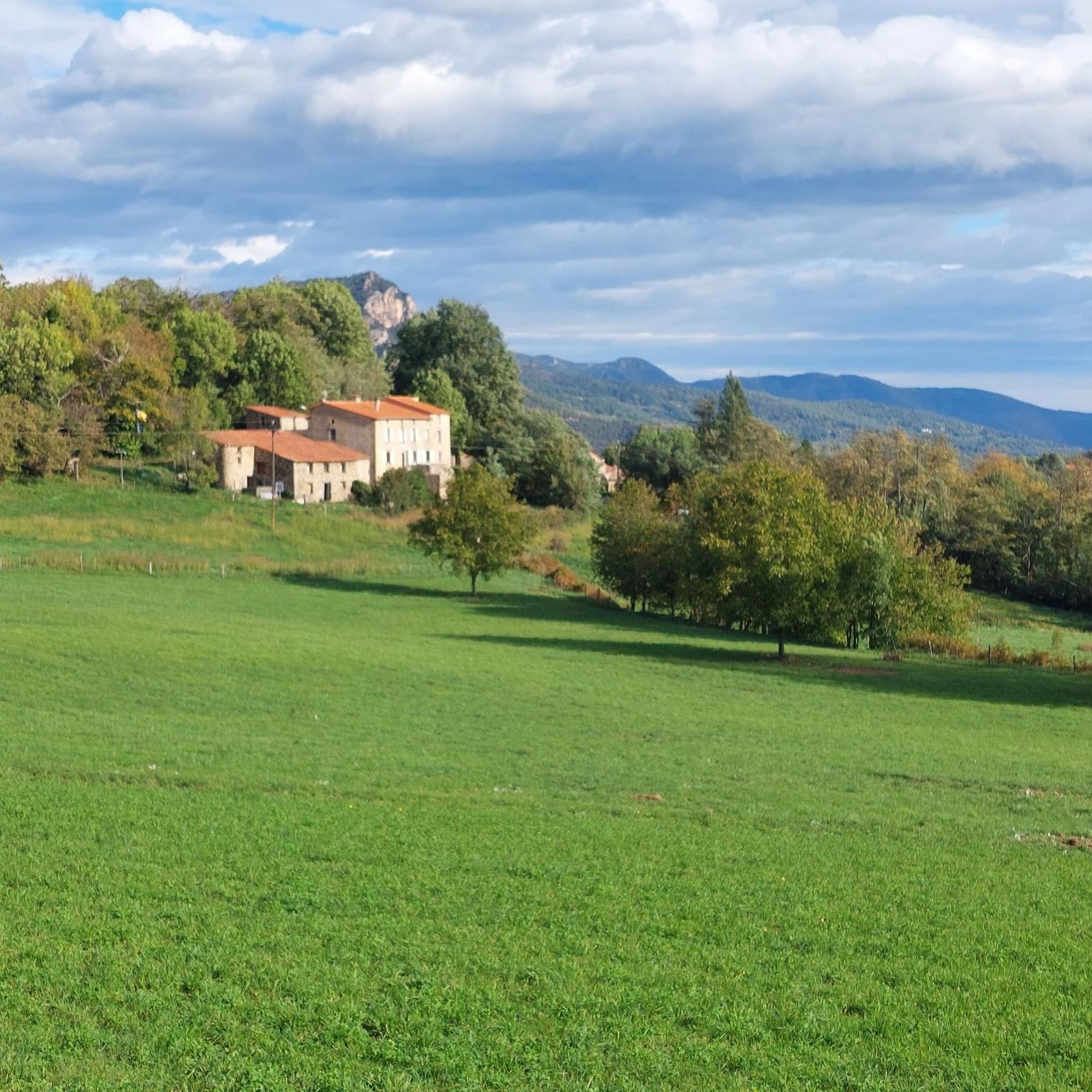
Unfortunately, visibility here isn't always good. You'll have to push your bike to reach the highest point, but then you'll enjoy the downhill section that awaits you. At night, it's a great place for stargazing.
2
0

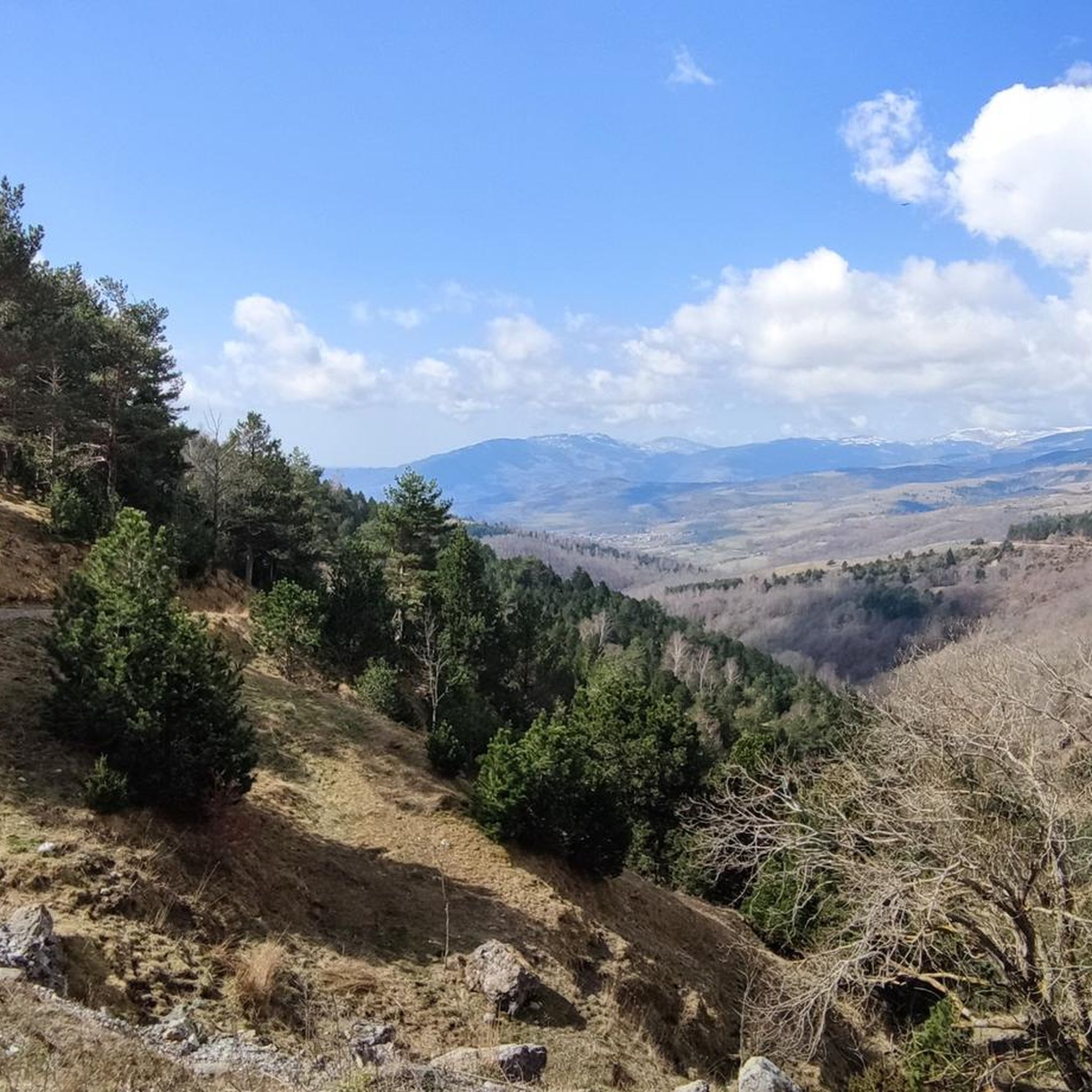
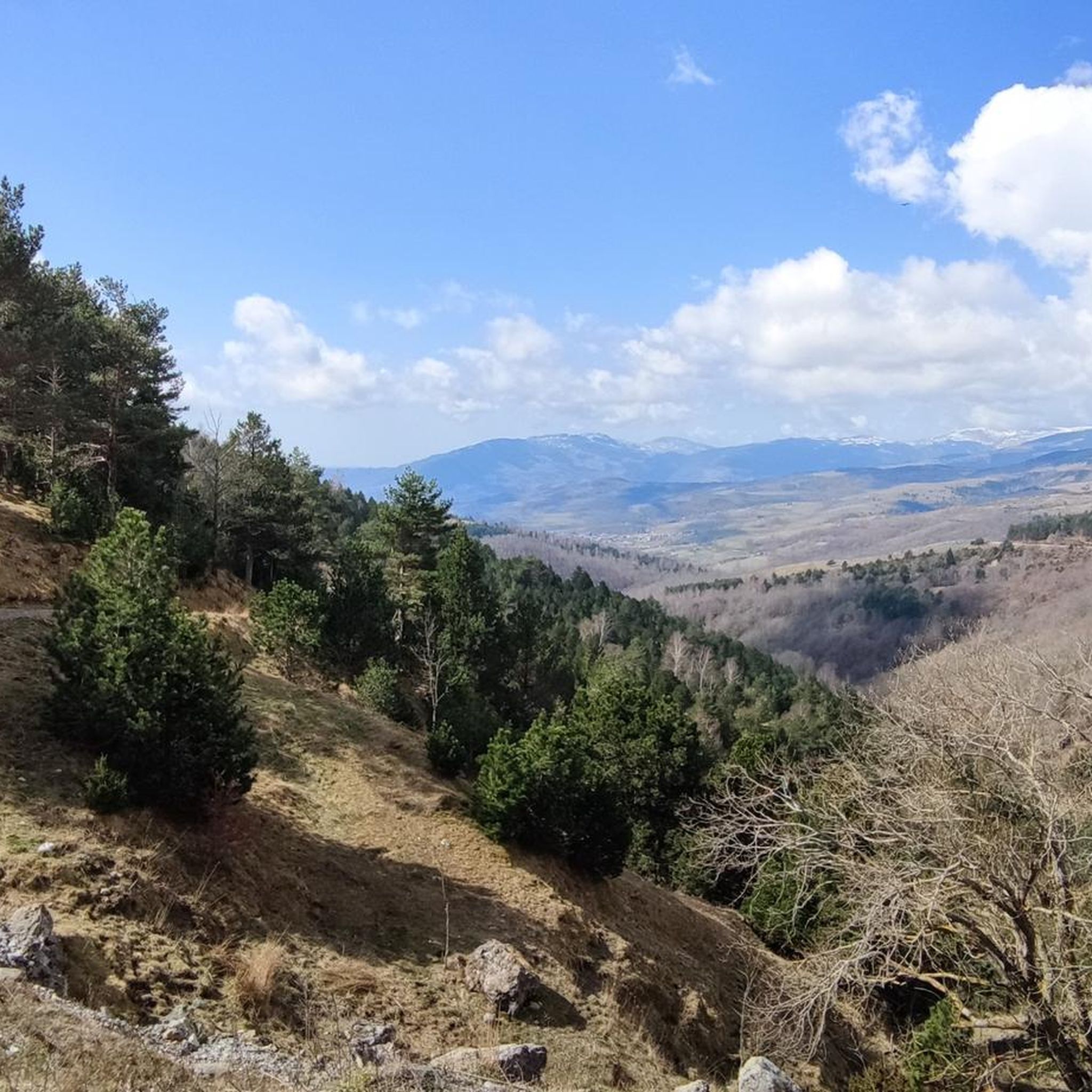
Once you reach the top you will be rewarded with a great view. Greetings Marcus
1
0

At 1,373 meters high, the Puig de Bassegoda is located on the border between the regions of La Garrotxa and Alt Empordà. The climb accumulates a lot of positive unevenness in a short distance. For this reason, in the last section it has staples and chains to help itself.
2
1

Monastery from the year 1702 located at the top of the Col de la Brossa near Camprodon. From there you have a panoramic view of the surrounding villages and mountains.
0
0

Small, very worthwhile detour from the signposted hiking trail
0
0

Although the views are partial, due to the existing vegetation, they are good for guessing the nearby peaks. It is a complement for any excursion in the area.
0
1
It is a building dating from the twelfth or early thirteenth century, although it probably existed before an earlier church. The word Prunarias appears in a document from the year 966 as belonging to Sant Pere de Camprodon. The building is mentioned again in 1017. It seems that from shortly after 966 it belonged to the priory of Santa Maria del Coll de Panissars, a situation that must have been maintained until the beginning of the 17th century. In 1617 the church was joined to that of Sant Llorenç d'Oix. In 1661 there were 3 altars: the one of Santa Bàrbara, the one of Santa Caterina and the one of Sant Bartomeu. The church was damaged during the Civil War of 1936-39. The whole complex was completely restored between 1972-1979 by the Friends of Alta Garrotxa. Inside, different artistic pieces were kept, such as a tombstone representing the burial of a lady from the castle of Bestracà, which was damaged during the riots of 1936. Some of the fragments were deposited in the Museum of Olot by Dr. Joaquim Danès. Until the end of the 19th century, a Romanesque carving was venerated there, today deposited in the Museu d'Art de Catalunya, from the Plandiura collection. The fragments of an altarpiece representing the life of the saint are kept in the Parish Museum of Olot. From 1972 to 1981, restoration work was carried out, which meant that the building built on the nave during the 17th and 18th centuries was abandoned, as well as the one that turned the old belfry into a tower, rebuilt after a lightning strike. destroyed it in September 1978.
0
1
Its characteristic pointed shape, its height and the fact that it is isolated from other nearby peaks make it easily identifiable. At the foot of the Bassegoda hill on its north-eastern slope, the Borró river, a tributary of the Fluvià, is born. It is actually two peaks separated by a gap. The western one (1363m) is called Taula d'en Gustí and the eastern one (1373m), Taula d'en Sala and is what is properly considered the summit. It seems that the toponym Bassegoda comes from two Basque words: basa, which means 'wilderness, desert', and goiti, which means 'summit, height'; thus Basagoiti would mean 'barren peak', referring to being an absolutely rocky lookout but with excellent 360º views from the Gulf of Roses to Canigó.
2
2
Frequently Asked Questions
What are some of the most notable mountain peaks to visit around Lamanère?
Beyond the popular spots, you can explore Puig de Coma Negra, which is the southernmost point of continental France and offers exceptional panoramas. Another significant peak is Puig de les Bruixes, known for its stunning views and local legends. For a blend of history and views, consider the Cabrens Towers.
What kind of views can I expect from the mountain peaks in Lamanère?
The peaks around Lamanère offer diverse and breathtaking views. From Puig de Coma Negra, you can see the entire Pyrenees range, extending across Empordà, Gironès, Garrotxa, Ripollès, Haut-Conflent, Vallespir, and the Fluvià Valley. The View from Serre de la Garsa also promises great rewards, though visibility can vary. Many trails provide exceptional views of both the Spanish side of the border and the majestic Canigou massif.
Are there any historical or cultural sites located on the mountain peaks?
Yes, the region offers a rich blend of natural beauty and history. The Cabrens Towers are remains of an ancient fortified site, with one tower at 1290m that can be climbed for a 360° panoramic view. You can also visit the Hermitage of Sant Antoni, a monastery dating back to 1702, offering panoramic views near Camprodon. Another restored Romanesque hermitage is Santa Bàrbara de Pruneres, located on a peak with great views of the Alta Garrotxa.
What is the best time of year to hike the mountains around Lamanère?
The region's mountains are generally beautiful for hiking, especially during spring and autumn when the weather is mild and the natural colors are vibrant. The vast forests of chestnut and beech trees provide stunning scenery. While some trails are accessible year-round, it's always advisable to check local weather conditions, especially for higher elevations or during winter months.
What is the difficulty level of hiking trails to the mountain peaks in Lamanère?
Hiking trails in the Lamanère area vary significantly in difficulty. You can find everything from easy strolls suitable for families to more demanding treks requiring good fitness and sure-footedness. For example, the journey to Puig de Coma Negra is considered a challenging and rewarding sporting trek, often combined with Coll de Malrems. Puig de Bassegoda is also a challenging summit with staples and chains in its last section.
Are there family-friendly mountain walks or easy routes for beginners?
While some peaks like Puig de Coma Negra and Puig de Bassegoda are more challenging, the region does offer easier options. Many trails are described as 'strolls suitable for families.' Look for routes that are less steep and shorter in duration. The area's diverse ecosystem and beautiful forests make even shorter walks enjoyable for all ages.
What kind of wildlife and nature can I expect to see in the Lamanère mountain region?
The mountains around Lamanère are characterized by their natural beauty, featuring vast forests primarily composed of chestnut and beech trees. The region's diverse ecosystem supports a rich array of flora and fauna, characteristic of the Pyrenees. Nature enthusiasts can enjoy spotting various plant species and potentially encounter local wildlife during their hikes.
What outdoor activities can I do near the mountain peaks of Lamanère?
Beyond hiking to the peaks, the Lamanère area is excellent for various outdoor activities. You can explore numerous running trails, such as the 'Coll de les Falgueres loop from Lamanère' or 'Miracles Peak – Dolmen of Castillo loop from Prats-de-Mollo-la-Preste'. There are also extensive MTB trails, including challenging routes like 'Valle de Camprodon – circular desde Baget a Comanegre'. For gravel biking, consider routes like 'Collado Fonda – View of Pont Nou in Camprodon loop'. You can find more details on running, MTB, and gravel biking guides.
Are there any specific tips for visiting the Cabrens Towers?
The hike to the Cabrens Towers is described as rigorous but beautiful. One of the towers, at 1290m, can be climbed, but access requires obtaining a key from a local cafe/restaurant in Serralongue. It's advisable to check ahead for key availability and opening times before planning your visit to ensure you can access the climbable tower.
What do visitors enjoy most about the mountain peaks around Lamanère?
Visitors frequently praise the exceptional panoramic views from the summits, often extending across vast landscapes and even to the distant sea. The blend of challenging hikes with rewarding vistas, along with the historical and cultural elements like ancient fortifications and hermitages, are highly appreciated. The natural beauty of the forests and the diverse flora and fauna also contribute to a memorable experience.
What is unique about Puig de Coma Negra?
Puig de Coma Negra holds the unique distinction of being the highest point in the municipal territory of Lamanère and, notably, the southernmost point of continental France. Its summit is located directly on the Franco-Spanish border, marked by a totem. The hike offers a challenging journey along the border ridge and rewards with an exceptional panorama of the entire Pyrenees mountain range.
Can I find circular hiking routes in the Lamanère mountain area?
Yes, the region is known for offering various loop hikes. For instance, Puig de les Bruixes is often part of loop hikes that also include Puig de Coma Negra, providing diverse scenic routes starting from Lamanère. These circular routes allow hikers to experience different aspects of the landscape without retracing their steps.
Most popular attractions around Lamanère

Get inspired with the komoot mobile app


Explore more
See even more amazing summits around Lamanère with these guides:
