The best mountain hikes in Japan
4.5
(66)
1,536
hikers
105
hikes
Mountaineering in Japan offers a diverse landscape characterized by extensive mountain ranges, active volcanic peaks, and ancient forests. The country's terrain is predominantly mountainous, providing a wide array of routes from challenging alpine ascents to more accessible trails. Key features include the Japan Alps, the iconic Mount Fuji, and numerous national parks that preserve these varied environments. This geography creates a rich setting for mountaineering, with routes often leading through dramatic volcanic scenery and dense woodlands.
Best mountaineering routes in…
Last updated: July 27, 2026
3.7
(3)
105
hikers
Hard mountaineering route. Very good fitness required. Sure-footedness, sturdy shoes and alpine experience required.
42
hikers
7.54km
03:12
430m
430m
Moderate mountaineering route. Good fitness required. Mostly accessible paths. Sure-footedness required.

Sign up for free
5.0
(1)
43
hikers
7.00km
03:04
630m
630m
Moderate mountaineering route. Good fitness required. Easily-accessible paths. Suitable for all skill levels.
4.0
(2)
38
hikers
4.96km
02:45
480m
480m
Moderate mountaineering route. Good fitness required. Mostly accessible paths. Sure-footedness required.
43
hikers
13.9km
07:07
1,170m
1,170m
Hard mountaineering route. Very good fitness required. Mostly accessible paths. Sure-footedness required.
41
hikers
6.58km
03:01
640m
640m
Moderate mountaineering route. Good fitness required. Easily-accessible paths. Suitable for all skill levels.
35
hikers
11.6km
04:14
710m
710m
Moderate mountaineering route. Good fitness required. Easily-accessible paths. Suitable for all skill levels.
5.0
(1)
39
hikers
11.7km
06:01
1,370m
1,370m
Hard mountaineering route. Very good fitness required. Sure-footedness, sturdy shoes and alpine experience required.
5.0
(1)
37
hikers
9.86km
05:28
1,330m
1,330m
Hard mountaineering route. Very good fitness required. Easily-accessible paths. Suitable for all skill levels.
5.0
(1)
32
hikers
4.19km
01:51
340m
340m
Moderate mountaineering route. Good fitness required. Mostly accessible paths. Sure-footedness required.
Get access to more routes and recommendations from other explorers.
Sign up for free
Already have an account?
Our route recommendations are based on thousands of hikes, rides, and runs completed by other people on komoot.
Start today with a free account
Your next adventure awaits.
Login or Signup
Popular around Japan
Mountain Hikes in the Japanese Alps

Mountain Hikes around Mikuni-sammyaku

Mountain Hikes in the Ou Mountains

Mountain Hikes in the Kii Mountains
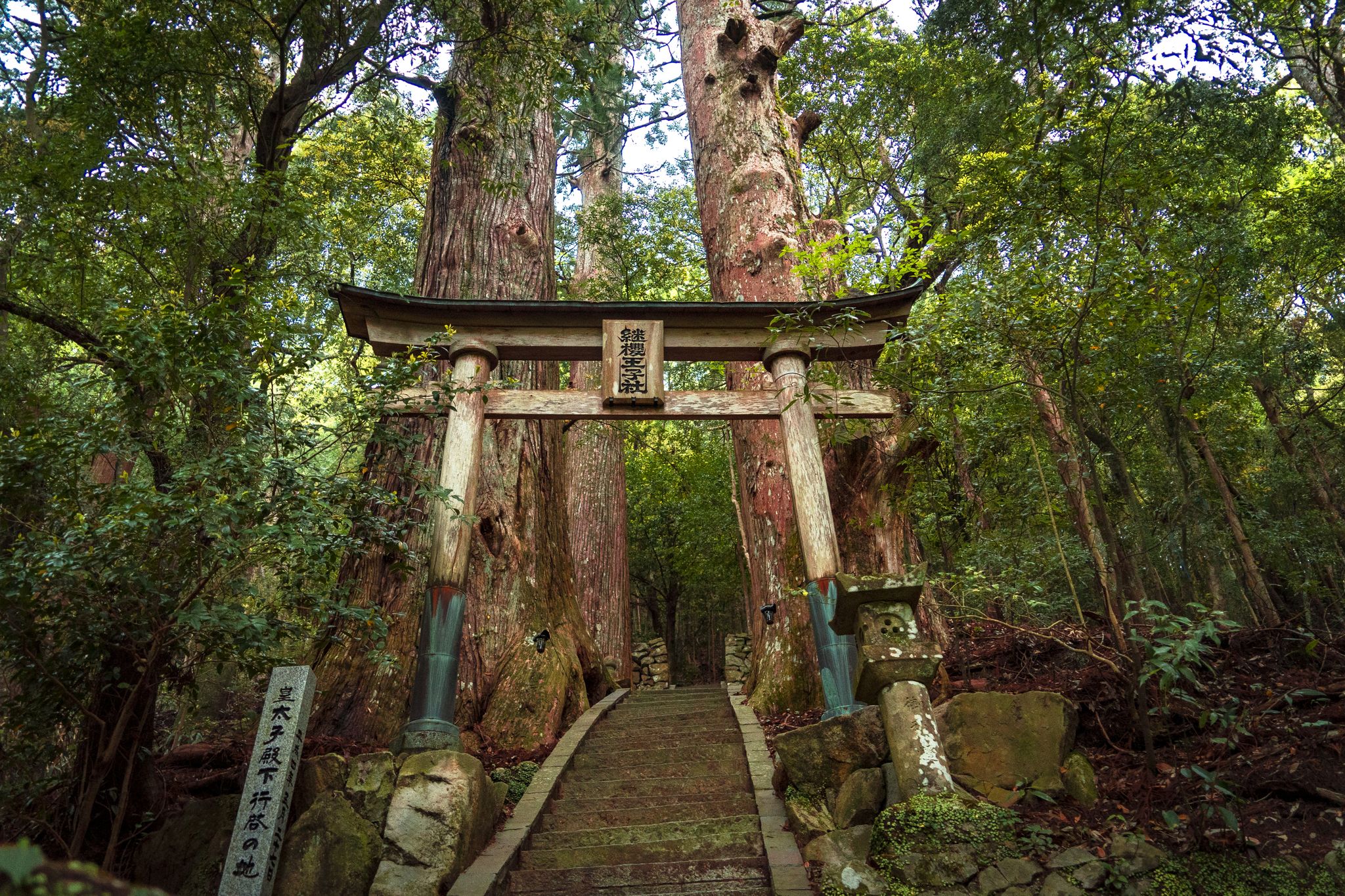
Kumano Kodo – a pilgrimage in the sacred forests of Japan
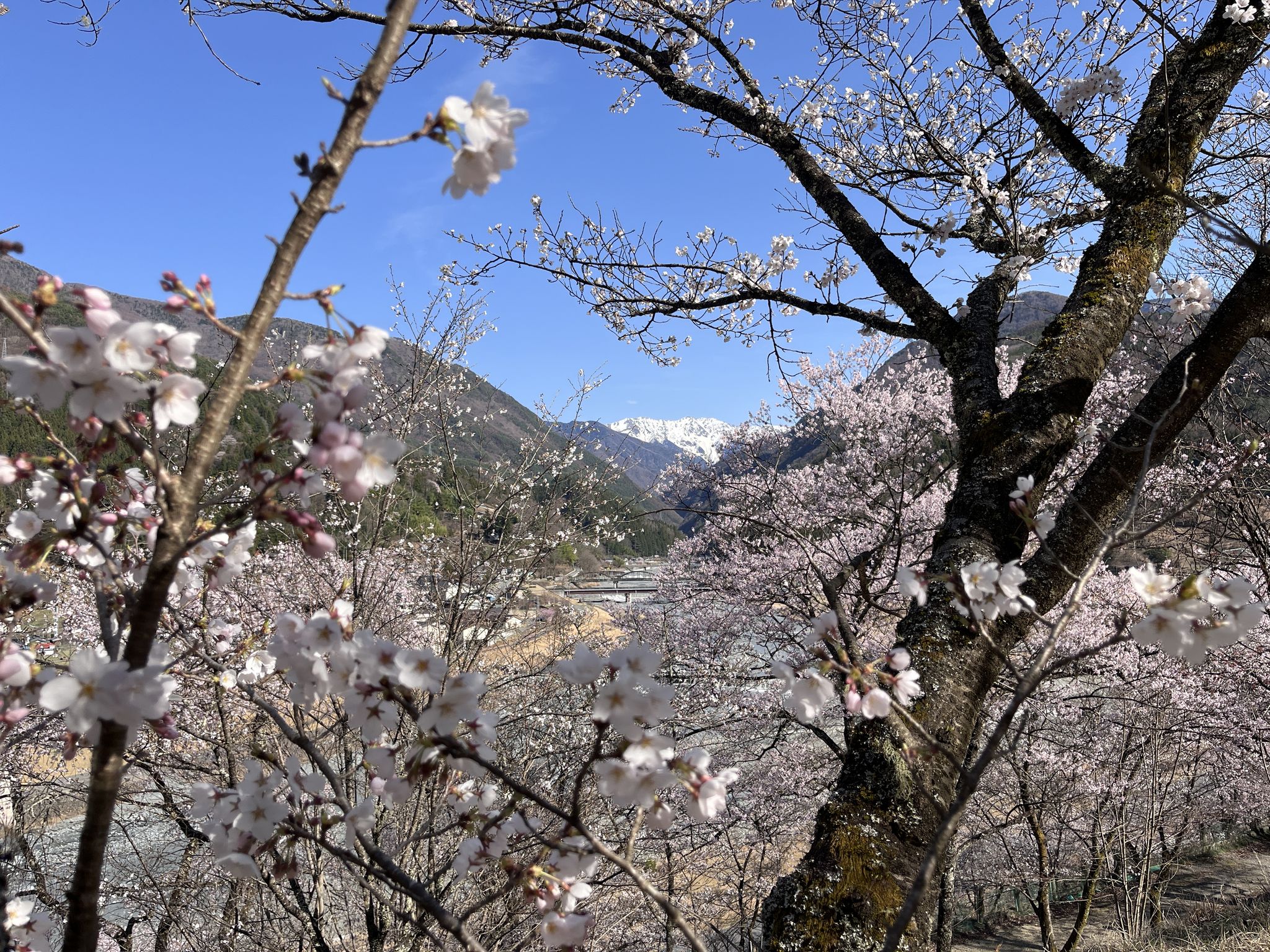
Oshika Akiha Kodo Hanami Tours
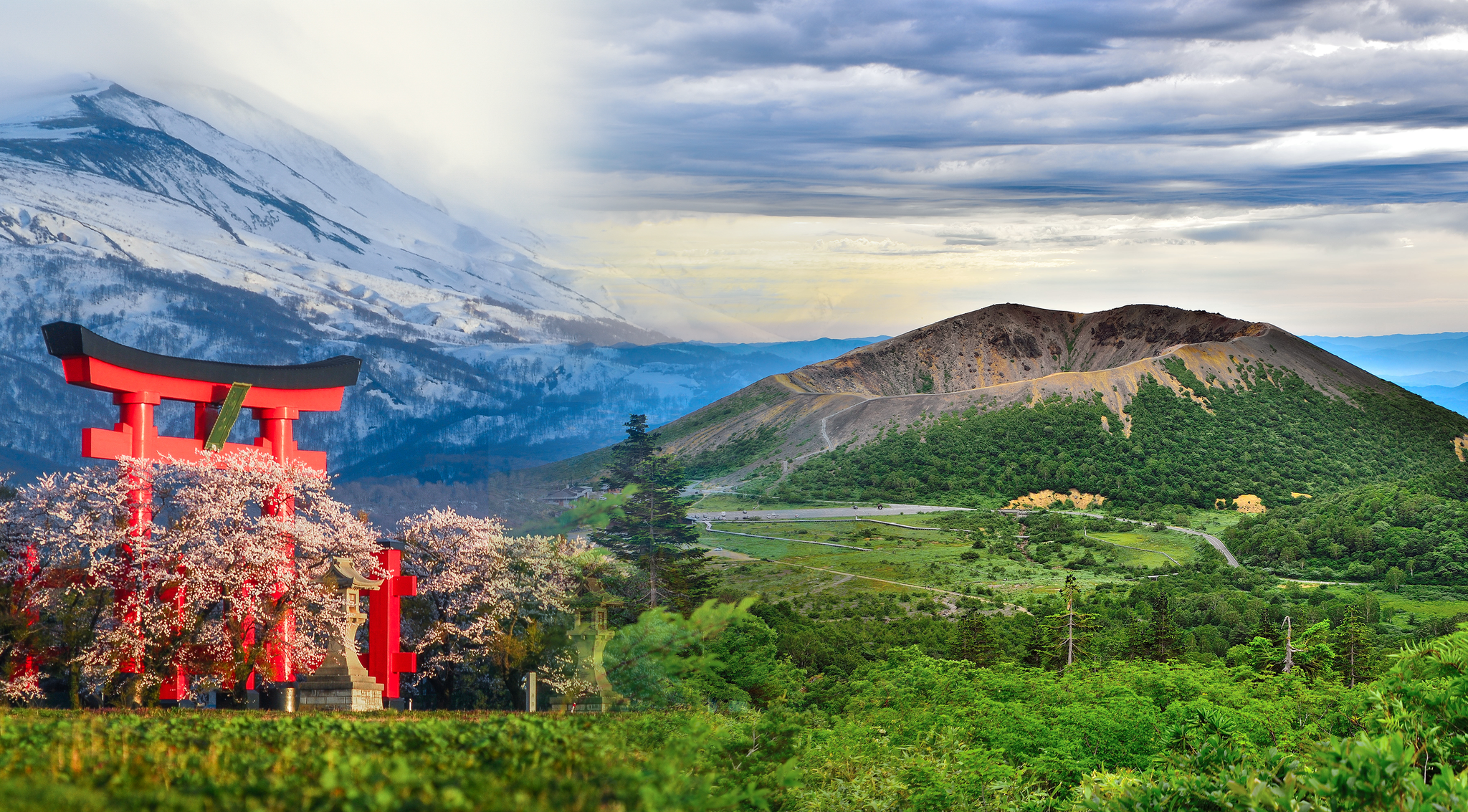
Spiritual peaks — hiking Bandai Asahi National Park’s Volcano Trail
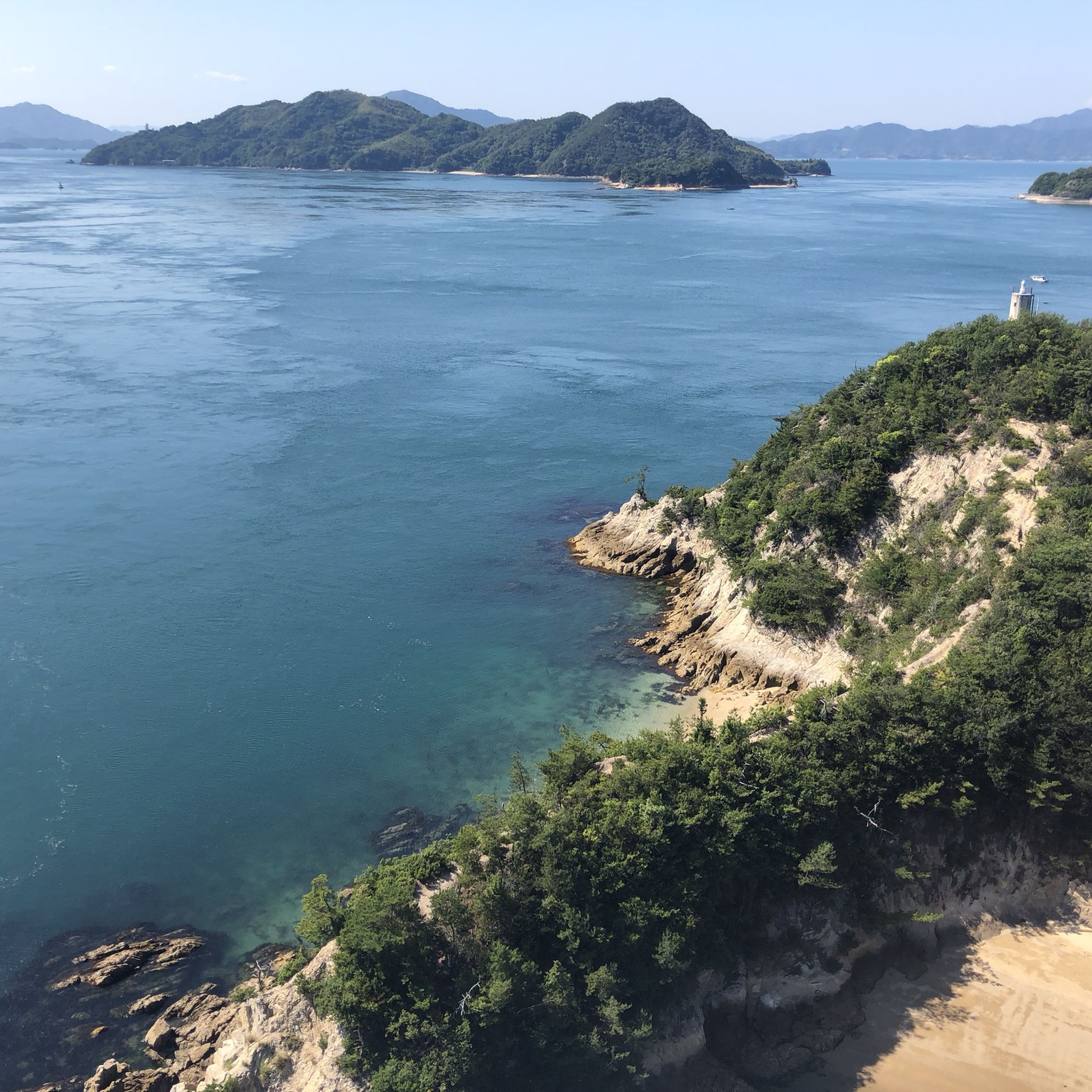
The Japanese Odyssey — 1,600km of volcanic islands to Tokyo
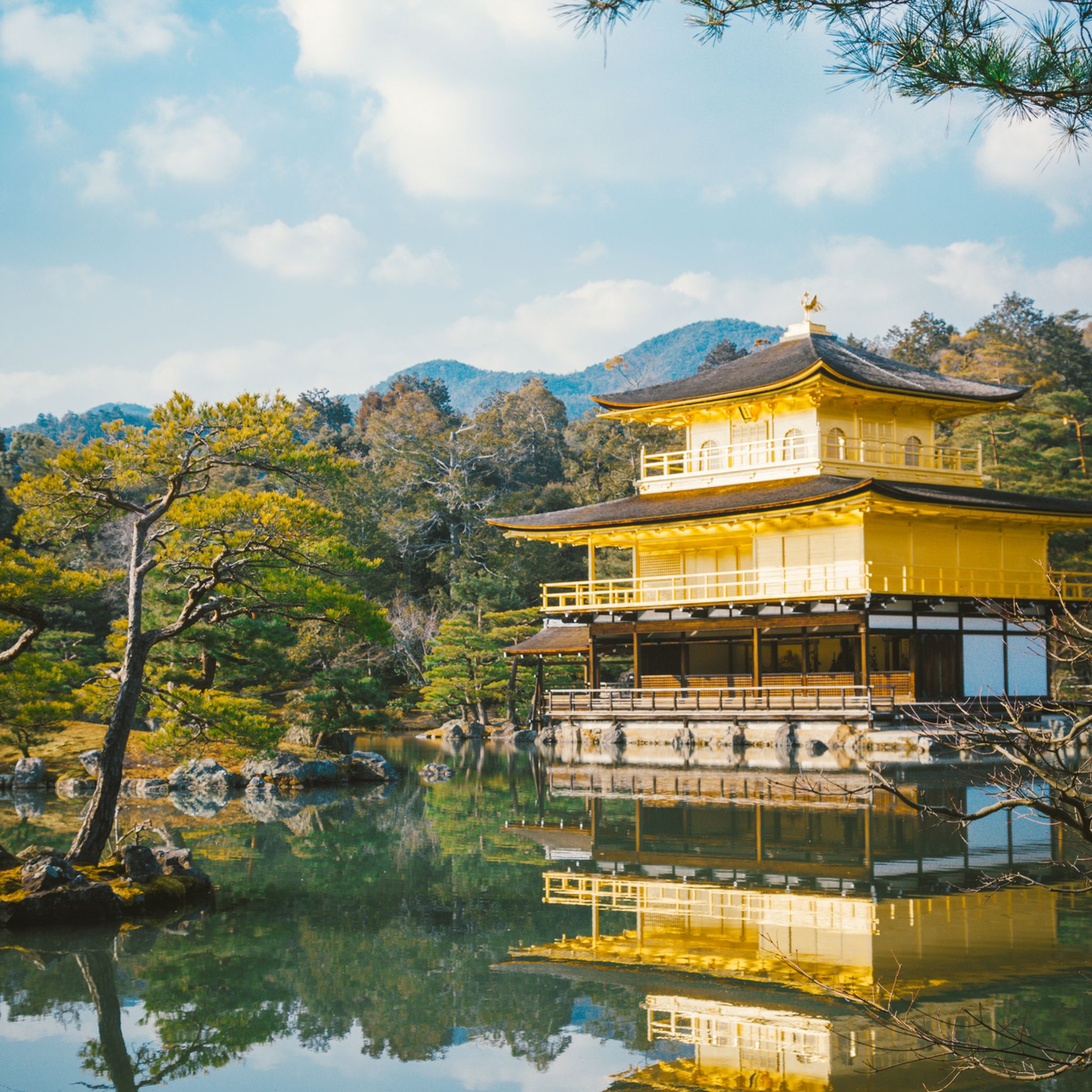
Hiking in Japan
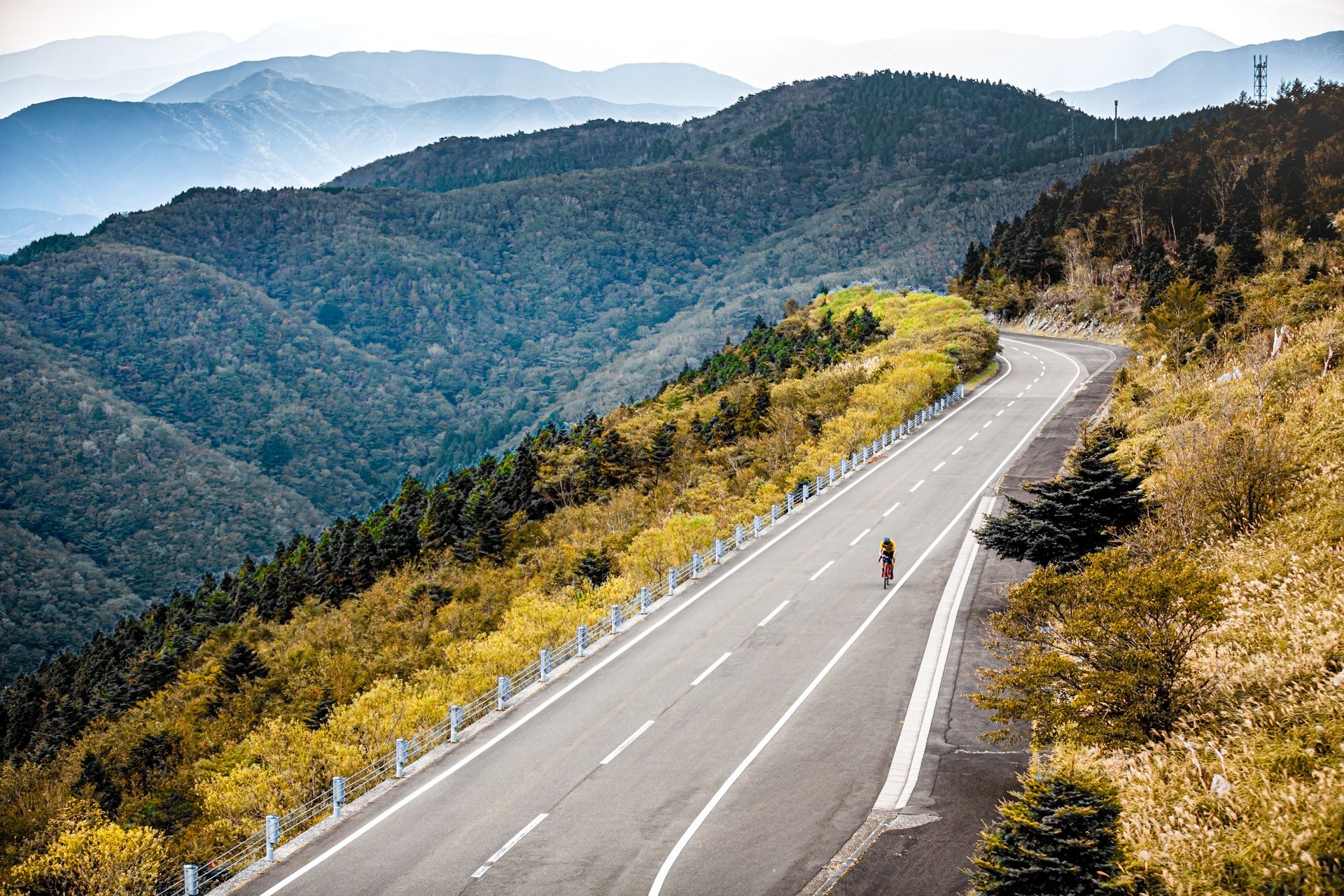
Cycling in Japan
Other adventures in Japan


Tips from the Community

The highest hut on the Yoshida Trail.
6
0
Kusushi-jinja (久須志神社) is a small Shinto shrine on the summit of Mount Fuji at an altitude of 3,715 m. It is located on the northeast side of the crater rim near the endpoints of the Yoshida, Subashiri, and Kawaguchiko routes. The shrine is a sub-shrine of Fujisan Hongū Sengen Taisha and is dedicated to the deities Ōnamuji and Sukunahikona. For many mountaineers, it is a spiritual highlight of the Fuji climb and a popular place for a stamp in their hiking stick or pilgrim's booklet.
0
0
The Fujikan mountain hut is located on the popular Yoshida Trail to Mount Fuji. It offers simple sleeping accommodations in dormitory rooms, hot meals, drinks, and toilets. Many climbers use the hut for an overnight stay to start their night-time summit ascent well-rested and experience the sunrise on Fuji. During the official climbing season, a reservation is recommended.
3
0
Making the best of it when the weather forecasts were wrong.
6
0


Awesome, view, feeling. Everything is great. Always pay attention to the weather forecast and prepare accordingly!
2
0

Shinto shrine. There is also a place to stay, a simple eatery that also sells hot canned coffee in the mornings, restrooms, and souvenir vendors. The Subashiri Trail and the Yoshida Trail also end here.
2
0

The Kusushi Shrine is at the edge of the Fujisan crater and the first point you reach when coming up via the Yoshida and Subashiri Trails. From there it's possible to circle the crater via the Ohachimeguri Trail. Outside of the official climbing season (July 1st - September 10th) crampons and ice axe are highly recommended.
1
0
Frequently Asked Questions
How many mountaineering routes are available in Japan?
Japan offers a wide array of mountaineering experiences, with over 100 routes documented on komoot. These routes cater to various skill levels, from moderate day hikes to challenging multi-day expeditions across the country's diverse terrain.
What are the difficulty levels of mountaineering routes in Japan?
The mountaineering routes in Japan vary significantly in difficulty. You'll find approximately 5 easy routes, 58 moderate routes, and 44 difficult routes. This range ensures there are options for both beginners and experienced mountaineers looking for a challenge.
Are there any family-friendly mountaineering routes in Japan?
While many routes in Japan can be quite challenging, there are options suitable for families. For instance, the 大菩薩嶺 – 雷岩 loop from Daibosatsu Pass is a moderate 7.5 km path that offers scenic views and is often enjoyed by a wider range of hikers. Always check the specific route details for elevation gain and terrain to ensure it matches your family's capabilities.
What kind of natural features can I expect to see on mountaineering routes in Japan?
Japan's mountaineering routes showcase incredibly diverse natural features. You'll encounter towering peaks of the Japan Alps, dramatic volcanic landscapes, and ancient forests. Many trails lead through national parks, offering breathtaking alpine scenery, hot springs, and waterfalls, reflecting the country's unique geological activity.
Are there any circular mountaineering routes in Japan?
Yes, many mountaineering routes in Japan are designed as loops, allowing you to start and end at the same point. For example, the 黒檜山 – 駒ヶ岳 loop from Mt. Akagi is a moderate 5 km route, and the 男体山 – 弁慶茶屋跡 loop from Mount Tsukuba is a 6.9 km trail offering summit views.
What are some notable landmarks or attractions near the mountaineering routes?
Near many mountaineering routes, you can discover a variety of attractions. For example, you might find serene lakes like Ōhori Park Pond or Shinobazu Pond. Mountain passes such as Wada Pass (Wada-tōge) and viewpoints like Mysterious mountain landscapes offer stunning vistas and cultural insights.
What is the best time of year for mountaineering in Japan?
Japan offers distinct seasonal experiences for mountaineering. Summer is generally ideal for climbing many high peaks, including Mount Fuji, due to more favorable weather. Autumn brings spectacular fall foliage, while winter provides opportunities for snowshoeing and winter mountaineering. Always check specific route conditions as they can vary greatly by season and region.
How accessible are the mountaineering routes by public transport?
Many popular hiking and mountaineering destinations in Japan are surprisingly accessible by public transport, especially during the summer climbing season. Japan has a well-developed infrastructure, making it convenient to reach trailheads from major cities. However, for more remote areas, some planning might be required.
Are there any multi-day mountaineering treks in Japan?
Yes, Japan offers excellent opportunities for multi-day mountaineering treks, particularly in regions like the Japan Alps and Daisetsuzan National Park in Hokkaido. These areas feature vast wilderness and extensive trail networks, with many high-elevation mountains having 'yamagoya' (mountain huts) where climbers can stay overnight, providing essential amenities for longer expeditions.
What makes mountaineering in Japan unique?
Mountaineering in Japan is unique due to its blend of natural beauty, cultural significance, and well-established infrastructure. Mountains hold a profound role in Japanese culture, often considered sacred sites. You'll find well-marked trails, mountain huts for overnight stays, and the chance to experience diverse landscapes from volcanic peaks to ancient cedar forests, often with the added bonus of nearby hot springs.
What do other mountaineers think about the routes in Japan?
The mountaineering routes in Japan are highly regarded by the komoot community, with an average rating of 4.6 stars from over 60 reviews. Mountaineers often praise the stunning natural beauty, the variety of terrain, and the cultural experiences found along the trails.
Can I find hot springs (onsen) near mountaineering routes in Japan?
Absolutely! Japan's volcanic activity means hot springs (onsen) are abundant. Many mountaineering regions, such as those around Mount Tate (Tateyama) and Mount Kirishima, offer the perfect opportunity to relax in an onsen after a challenging climb. It's a cherished part of the Japanese outdoor experience.
Do I need permits for mountaineering in Japan?
While many popular trails do not require specific permits for day hikes, certain areas, especially in national parks or for multi-day treks, might require registration or permits. It's always advisable to check the regulations for your specific route and region before you go, as rules can vary and are subject to change.
Most popular routes in Japan
Most popular attractions in Japan

Get inspired with the komoot mobile app


Didn’t find what you were looking for?
Check out more Mountain Hikes & Routes throughout Japan below and find the perfect route in your destination.
Explore more
Browse the best Mountain Hikes & Routes in other regions.
