The best running trails around Waterloo
4.3
(95)
2,717
runners
140
runs
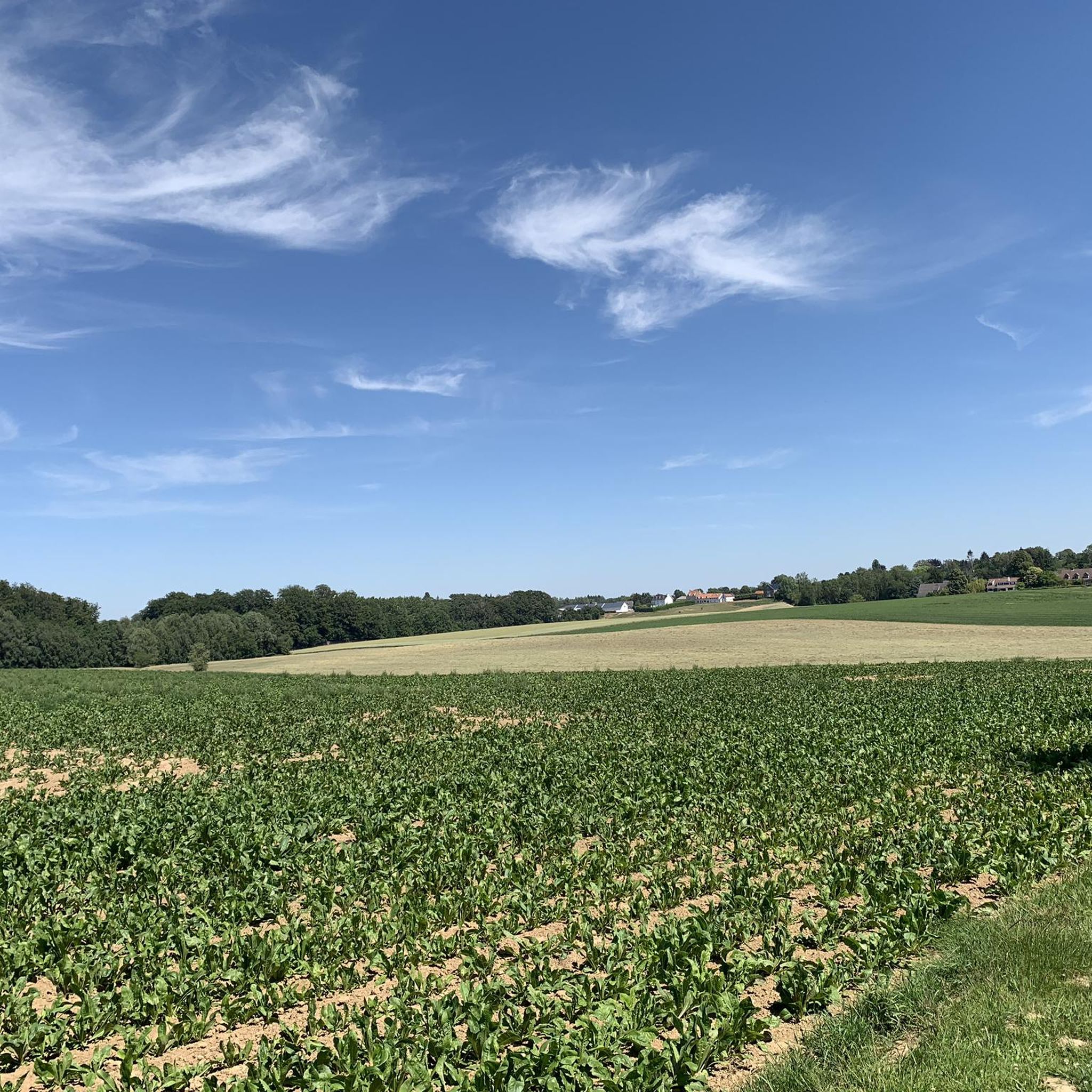
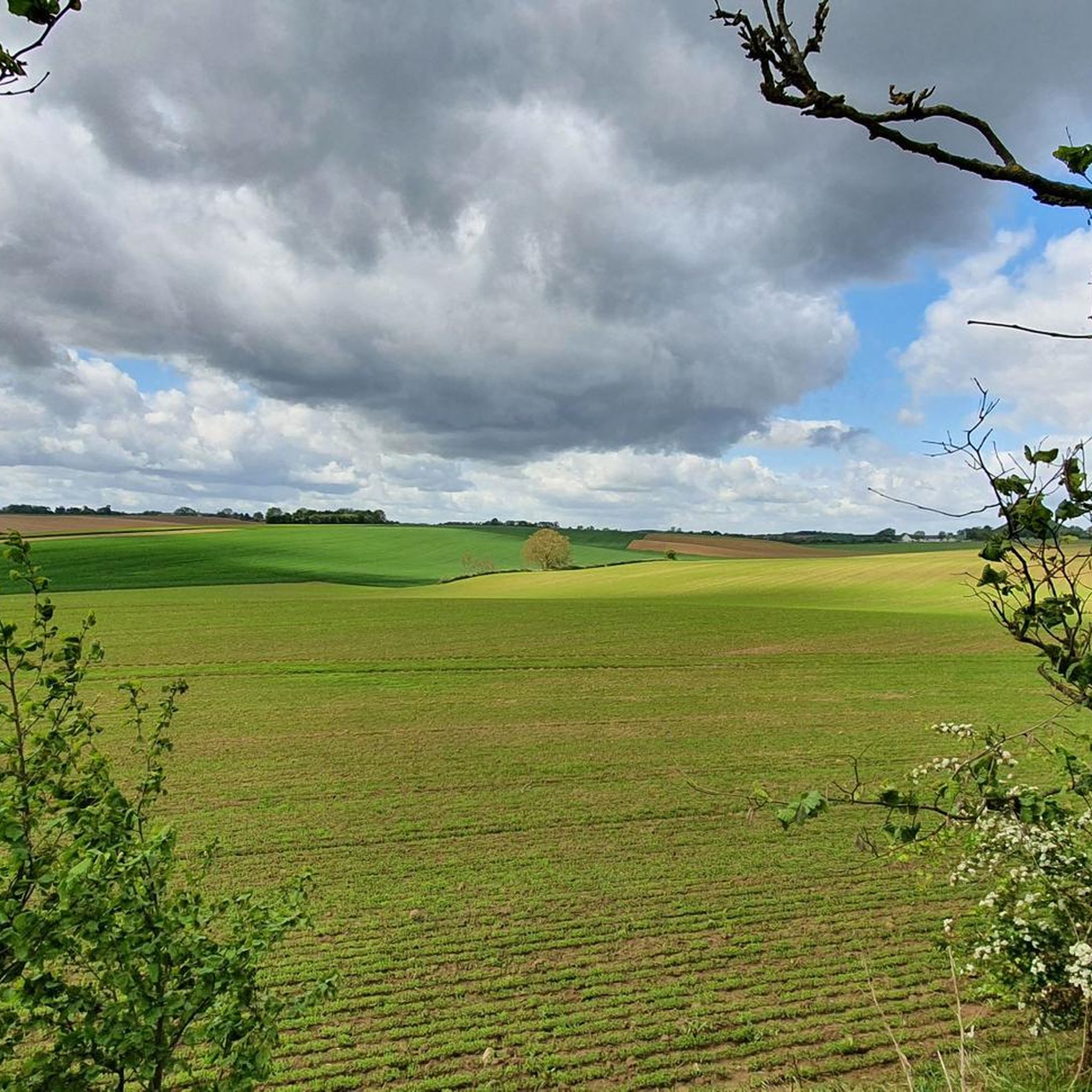
Jogging around Waterloo offers a diverse range of experiences across its extensive trail networks and green spaces. The region features a variety of terrain, from paved urban paths to more rugged routes within conservation areas. Notable natural features include the Grand River and Laurel Creek, which are paralleled by several scenic trails. These varied landscapes provide ample opportunities for different jogging preferences and fitness levels.
Best jogging routes around Waterloo
- The most popular jogging route is La Hulpe castle – Domaine Solvay loop from Forest reserve Ticton A, a 7.2 miles (11.5 km) trail that takes 1 hour 15 minutes to complete. This route offers a scenic loop around a historic castle and through a forest reserve.
- Another top favourite among local runners is Nature Oasis Sonian Forest – Ganzepoot Pond loop from Forest reserve Ticton A, a moderate 6.7 miles (10.8 km) path. This trail winds through the natural setting of the Sonian Forest, featuring a pond and varied woodland terrain.
- Local runners also love the Scenic Gravel Road – Drève longue crossroads loop from Waterloo, a 4.4 miles (7.1 km) trail leading through gravel paths and forested areas, often completed in about 45 minutes.
- Jogging around Waterloo is defined by extensive trail networks, diverse green spaces, and conservation areas, offering options for easy, moderate, and difficult running experiences.
- The routes in Waterloo are highly rated by the komoot community with an average score of 4.6 stars from over 75 reviews. More than 1600 runners have used komoot to explore Waterloo's varied terrain.
Last updated: July 31, 2026
3.8
(4)
226
runners
11.5km
01:15
140m
140m
Moderate run. Good fitness required. Mostly paved surfaces. Suitable for all skill levels.
4.3
(4)
125
runners
6.50km
00:41
40m
40m
Moderate run. Good fitness required. Mostly paved surfaces. Suitable for all skill levels.

Sign up for free
105
runners
17.1km
01:50
130m
130m
Hard run. Very good fitness required. Mostly paved surfaces. Suitable for all skill levels.
4.3
(6)
107
runners
Moderate run. Good fitness required. Mostly paved surfaces. Suitable for all skill levels.
4.5
(4)
109
runners
7.11km
00:45
60m
60m
Moderate run. Good fitness required. Mostly paved surfaces. Suitable for all skill levels.
Get access to more routes and recommendations from other explorers.
Sign up for free
Already have an account?
Our route recommendations are based on thousands of hikes, rides, and runs completed by other people on komoot.
Start today with a free account
Your next adventure awaits.
Login or Signup


Tips from the Community

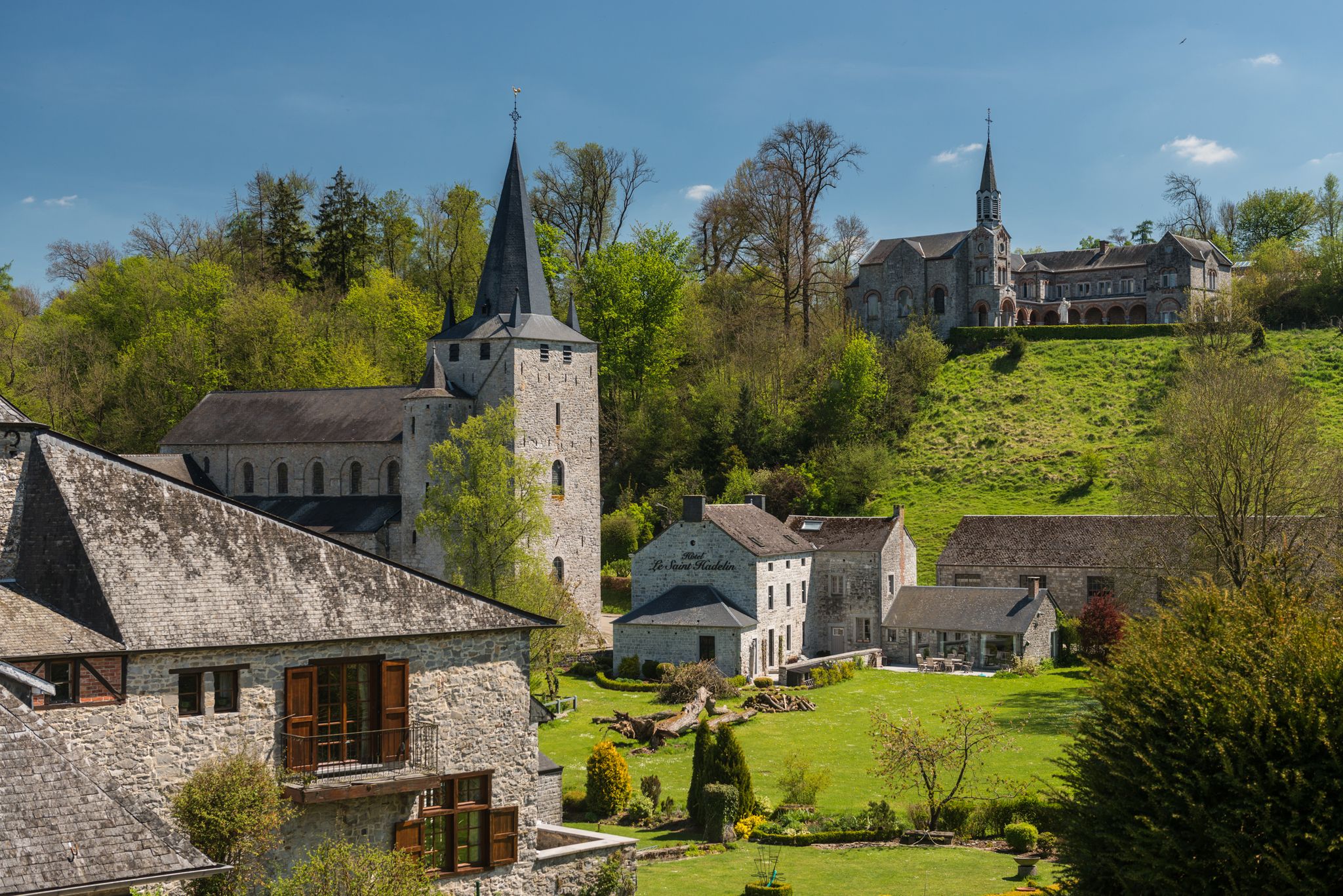
Step into the place where royalty, like Leopold II, once followed the horse races. Experience a piece of history, enjoy luxury, tranquility, and the vast greenery of the Sonian Forest. This hidden gem, built in 1924 under Albert I, was once the heart of the famous Groenendaal racecourse and today once again exudes elegance and exclusivity.
0
0


The Groenendaal racecourse was built in 1888-1889 on the initiative of Leopold II in the middle of the Sonian Forest, next to the road to Waterloo, and in 1892, as part of easy access, it received its own railway connection to Groenendaal station. To realize this racecourse, approximately 100 hectares of forest were cleared at the end of the 19th century. King Leopold II had his own box there, located between two metal grandstands for the public. After the First World War, this area was used for the dismantling of weapons and ammunition left behind in the Westhoek. German prisoners of war had to clear mines under the supervision of the Belgian army. During a fire and the subsequent explosions of ammunition on May 6, 1919, the hippodrome's grandstands and buildings were heavily damaged. After another explosion in November, the ammunition depot was completely dismantled in 1920. Two years later, the racecourse was restored and the grandstands were rebuilt. The royal box for Albert I was not rebuilt until 1924. Its appearance was completely different from the pre-war grandstand. When the current appearance came about is not entirely clear, although the current box is attributed to Albert I in the literature, see also monogram. Inventory of Immovable Heritage: Royal Box and remains of bookmaker's room, https://id.erfgoed.net/erfgoedobjecten/302991
4
0
The Groenendaal racecourse was built in 1888-1889 on the initiative of Leopold II in the middle of the Sonian Forest, next to the road to Waterloo. In 1892, it was given its own rail connection to Groenendaal station as part of a smooth development. To realize this racecourse, about 100 hectares of forest were cleared at the end of the 19th century. King Leopold II had his own box, located between two metal grandstands for the public. After the First World War, this area was used for the dismantling of weapons and ammunition left behind in the Westhoek. German prisoners of war had to clear mines under the supervision of the Belgian army. A fire and subsequent explosions of ammunition on May 6, 1919, heavily damaged the grandstands and buildings of the hippodrome. After another explosion in November, the ammunition depot was completely dismantled in 1920. Two years later, the racecourse was restored and the grandstands were rebuilt. The royal box for Albert I was only rebuilt in 1924. Its appearance was completely different from the pre-war grandstand. When the current appearance came about is not entirely clear, although the current box is attributed to Albert I in the literature, see also monogram. Inventory of Immovable Heritage: Royal Box and remains of bookmaker's office, https://id.erfgoed.net/erfgoedobjecten/302991
4
0
The Groenendaal racecourse was built in 1888-1889 on the initiative of Leopold II in the middle of the Sonian Forest, next to the road to Waterloo, and in 1892, as part of a smooth access, it received its own rail connection to Groenendaal station. To realize this racecourse, about 100 hectares of forest were cleared at the end of the 19th century. King Leopold II had his own box located between two metal grandstands for the public. After the First World War, this area was used for the dismantling of weapons and ammunition left behind in the Westhoek. German prisoners of war had to clear mines under the supervision of the Belgian army. A fire and the subsequent explosions of ammunition on May 6, 1919, heavily damaged the grandstands and buildings of the hippodrome. After another explosion in November, the ammunition depot was completely dismantled in 1920. Two years later, the racecourse was restored and the grandstands were rebuilt. The royal box for Albert I was only rebuilt in 1924. Its appearance was completely different from the pre-war grandstand. When the current appearance came about is not entirely clear, although the current box is attributed to Albert I in the literature, see also monogram. Inventory of Immovable Heritage: Royal Box and remains of bookmakers' room, https://id.erfgoed.net/erfgoedobjecten/302991
6
0

Known for its distinctive shape with three protrusions that resemble the toes of a goose foot.
3
0

Here in the courtyard you can get something to drink and eat (be careful, it is only open until 6 p.m.), which is a bit of a shame.
1
0

Frequently Asked Questions
How many running routes are available around Waterloo?
There are over 100 running routes around Waterloo, offering a wide variety of experiences. You'll find options ranging from easy urban paths to more challenging trails within conservation areas.
What kind of terrain can I expect on jogging trails in Waterloo?
Waterloo's jogging trails feature diverse terrain. You can find fully paved urban paths like the Iron Horse Trail and Laurel Trail, as well as more natural, rugged routes through forests and meadows in areas like the Huron Natural Area and Laurel Creek Conservation Area. Many trails also run alongside the scenic Grand River.
Are there any family-friendly running routes in Waterloo?
Yes, Waterloo offers several family-friendly options. Parks like Waterloo Park and Victoria Park provide beautiful, accessible paths suitable for all ages. The paved sections of the Iron Horse Trail are also excellent for a relaxed family run.
Can I bring my dog on the running trails in Waterloo?
Many trails in Waterloo are dog-friendly, provided your pet is on a leash. Areas like the Huron Natural Area and sections of the Walter Bean Trail are popular choices for runners with dogs, offering natural settings to explore together.
What are some scenic running routes with viewpoints or natural attractions?
For scenic runs, consider trails along the Grand River, which offer refreshing views. The Huron Natural Area provides winding trails through diverse habitats. While the provided routes are in a different region, they give an idea of the scenic variety you might find. For example, the La Hulpe castle – Domaine Solvay loop offers a scenic run around a historic castle and forest reserve, and the Nature Oasis Sonian Forest – Ganzepoot Pond loop winds through a natural forest setting with a pond.
Are there any circular running routes in the Waterloo area?
Yes, many routes in and around Waterloo are designed as loops, perfect for a continuous run. For instance, the Scenic Gravel Road – Drève longue crossroads loop is a popular 7.1 km circular trail. Another option is the Gravel Path in Zoniënwoud loop, which covers 11 km.
What do other runners say about the jogging routes in Waterloo?
The running routes in Waterloo are highly rated by the komoot community, with an average score of 4.6 stars from over 75 reviews. Runners often praise the diverse green spaces, well-maintained paths, and the variety of terrain suitable for different fitness levels.
Are there any easy running routes for beginners in Waterloo?
Absolutely. Waterloo offers several easy routes ideal for beginners. The paved sections of the Iron Horse Trail and Laurel Trail are relatively flat and well-maintained. Parks like Waterloo Park also provide gentle paths perfect for a relaxed jog. Overall, about 6 of the routes in the region are considered easy.
What are some notable landmarks or points of interest I might see while running?
While running in Waterloo, you can enjoy various natural and historical points of interest. The region's trails often pass through beautiful parks like Waterloo Park and Victoria Park. For specific landmarks, you might encounter features similar to those found in other regions, such as castles or natural monuments. For example, the Château de La Hulpe and Domaine Solvay are examples of historical sites that can be found along routes in other areas, providing inspiration for what you might discover locally.
How long are the typical running routes around Waterloo?
The running routes around Waterloo vary significantly in length. You can find shorter paths perfect for a quick jog, such as the Scenic Gravel Road – Drève longue crossroads loop at 7.1 km. There are also longer routes, like the La Hulpe castle – Domaine Solvay loop which is 11.5 km, or the Sept Fontaines Lake – Tahoux trail loop at 12 km, offering more extended running experiences.
Are there any trails near water bodies for a refreshing run?
Yes, Waterloo is fortunate to have the Grand River, and several trails, including portions of the Walter Bean Trail, run alongside it, offering scenic views and a refreshing environment. Laurel Creek Conservation Area also provides trails near water, perfect for a peaceful run.
Most popular attractions around Waterloo

Get inspired with the komoot mobile app


Explore more
Browse the best Running Trails & Routes in other regions.
