The best traffic-free bike rides around Waterloo
4.5
(312)
2,377
riders
105
rides
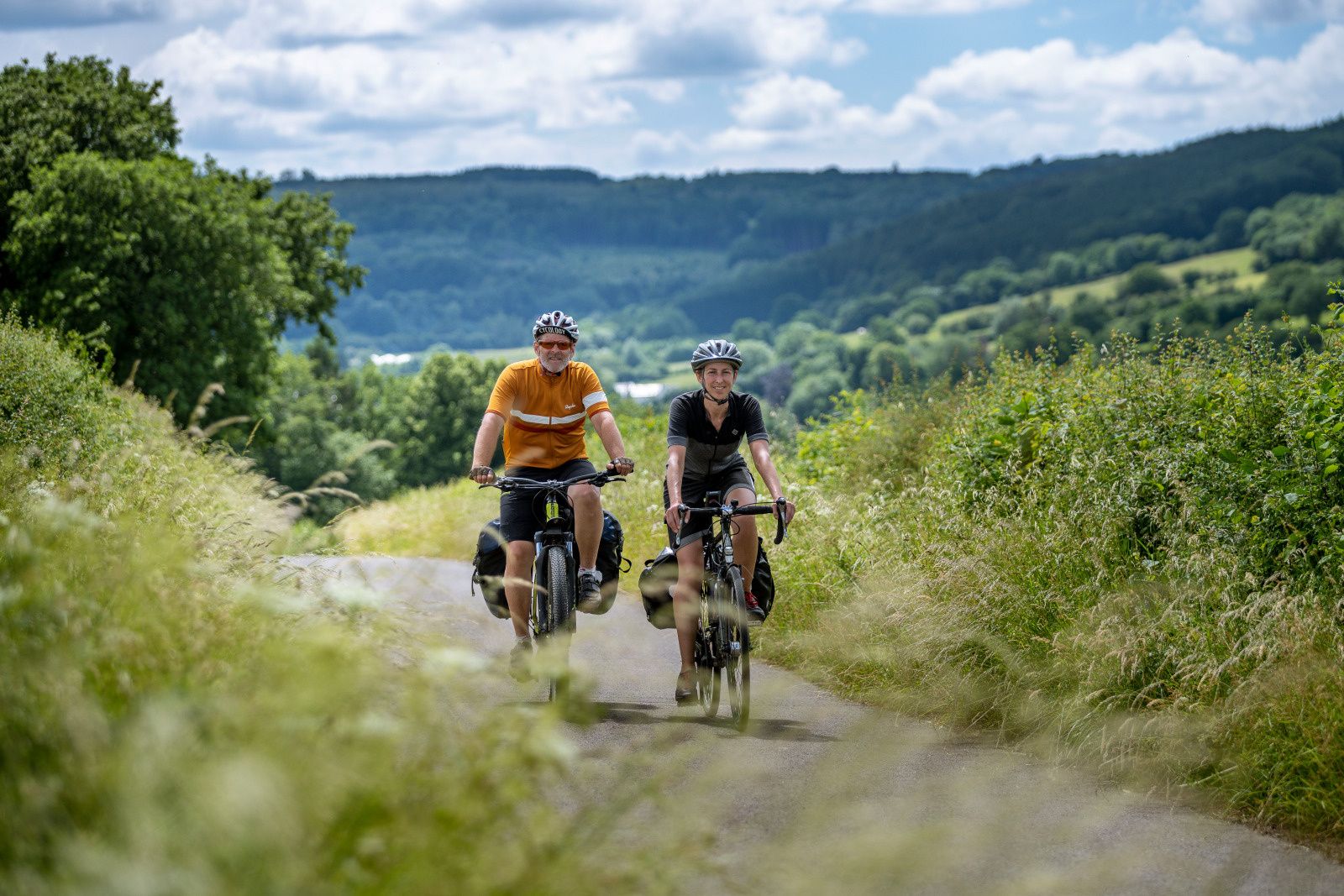
No traffic gravel bike trails around Waterloo are characterized by a mix of forested areas and open landscapes. The region features varied terrain with moderate elevation changes, providing diverse riding experiences. Many routes utilize dedicated pathways and forest trails, ensuring a focus on natural surroundings.
Best no traffic gravel bike trails around Waterloo
- The most popular no traffic gravel bike trail is Broctiaux Path – Barrier Pathway loop from De Hoek, a 18.5 miles (29.8 km) trail that takes…
Last updated: May 19, 2026
4.0
(4)
46
riders
29.7km
01:54
260m
260m
Hard gravel ride. Good fitness required. You may need to push your bike for some segments of this route.
5.0
(3)
16
riders
Moderate gravel ride. Good fitness required. Mostly paved surfaces. Suitable for all skill levels.

Sign up for free
4.0
(2)
8
riders
21.6km
01:18
160m
160m
Moderate gravel ride. Good fitness required. Mostly paved surfaces. Suitable for all skill levels.
9
riders
44.1km
02:42
390m
390m
Hard gravel ride. Good fitness required. You may need to push your bike for some segments of this route.
8
riders
38.1km
02:12
340m
340m
Moderate gravel ride. Good fitness required. Mostly paved surfaces. Suitable for all skill levels.
Get access to more routes and recommendations from other explorers.
Sign up for free
Already have an account?
Our route recommendations are based on thousands of hikes, rides, and runs completed by other people on komoot.
Start today with a free account
Your next adventure awaits.
Login or Signup


Tips from the Community

Nice piece of forest with some single tracks and beautiful old trees.
0
0
Trail that runs through fields where the Battle of Waterloo took place.
0
0
The most famous monument on the battlefield of Waterloo. The hill can be seen from afar.
1
0

The Groenendaal racecourse was built in 1888-1889 on the initiative of Leopold II in the middle of the Sonian Forest, next to the road to Waterloo, and in 1892, as part of easy access, it received its own railway connection to Groenendaal station. To realize this racecourse, approximately 100 hectares of forest were cleared at the end of the 19th century. King Leopold II had his own box there, located between two metal grandstands for the public. After the First World War, this area was used for the dismantling of weapons and ammunition left behind in the Westhoek. German prisoners of war had to clear mines under the supervision of the Belgian army. During a fire and the subsequent explosions of ammunition on May 6, 1919, the hippodrome's grandstands and buildings were heavily damaged. After another explosion in November, the ammunition depot was completely dismantled in 1920. Two years later, the racecourse was restored and the grandstands were rebuilt. The royal box for Albert I was not rebuilt until 1924. Its appearance was completely different from the pre-war grandstand. When the current appearance came about is not entirely clear, although the current box is attributed to Albert I in the literature, see also monogram. Inventory of Immovable Heritage: Royal Box and remains of bookmaker's room, https://id.erfgoed.net/erfgoedobjecten/302991
4
0
The Groenendaal racecourse was built in 1888-1889 on the initiative of Leopold II in the middle of the Sonian Forest, next to the road to Waterloo. In 1892, it was given its own rail connection to Groenendaal station as part of a smooth development. To realize this racecourse, about 100 hectares of forest were cleared at the end of the 19th century. King Leopold II had his own box, located between two metal grandstands for the public. After the First World War, this area was used for the dismantling of weapons and ammunition left behind in the Westhoek. German prisoners of war had to clear mines under the supervision of the Belgian army. A fire and subsequent explosions of ammunition on May 6, 1919, heavily damaged the grandstands and buildings of the hippodrome. After another explosion in November, the ammunition depot was completely dismantled in 1920. Two years later, the racecourse was restored and the grandstands were rebuilt. The royal box for Albert I was only rebuilt in 1924. Its appearance was completely different from the pre-war grandstand. When the current appearance came about is not entirely clear, although the current box is attributed to Albert I in the literature, see also monogram. Inventory of Immovable Heritage: Royal Box and remains of bookmaker's office, https://id.erfgoed.net/erfgoedobjecten/302991
4
0

It's a treat to cycle here through the seemingly endless fields.
0
0

Here in the courtyard you can get something to drink and eat (be careful, it is only open until 6 p.m.), which is a bit of a shame.
1
0

Superb view of the Lion
1
0
Frequently Asked Questions
How many traffic-free gravel bike trails are available in the Waterloo Region?
The Waterloo Region offers a vast network of trails suitable for traffic-free gravel biking. While this guide focuses on a selection of routes, komoot features over 100 tours in the area that can be enjoyed on a gravel bike, many of which utilize dedicated paths and quiet rural roads.
What kind of terrain can I expect on gravel bike trails in Waterloo?
Waterloo's gravel trails offer a diverse experience. You'll find many routes on well-maintained rail trails with fine gravel or stone dust surfaces, like the Kissing Bridge Trailway. Other trails follow river valleys, such as the Grand River, often passing through Carolinian forests. Rural areas, particularly around St. Jacobs and Elmira, feature rolling countryside and quiet farm roads. Some routes might include gentle hills, but many are relatively flat, especially along riverbeds and former railway lines.
Are there any family-friendly, traffic-free gravel routes in Waterloo?
Yes, the Waterloo Region has several excellent options for families. Rail trails like the Cambridge to Paris Rail Trail are particularly suitable due to their flat, well-maintained surfaces and separation from vehicle traffic. These trails often follow scenic river paths, providing a safe and enjoyable experience for all ages.
Can I bring my dog on the gravel bike trails in Waterloo?
Many multi-use trails in the Waterloo Region, including popular rail trails, are dog-friendly, provided your dog is on a leash and you clean up after them. It's always a good idea to check specific trail regulations before heading out, but generally, the extensive network of car-free paths welcomes well-behaved, leashed dogs.
What are some scenic highlights or points of interest along Waterloo's gravel routes?
The region is rich in scenic beauty and unique attractions. Along the Kissing Bridge Trailway, you can see the historic West Montrose Covered Bridge, Ontario's last remaining covered bridge. Many trails follow the Grand River, offering picturesque river views and passing through lush Carolinian forests. The rural Mennonite countryside around St. Jacobs provides a unique cultural backdrop. While the specific routes in this guide are located in Waterloo, Belgium, the Waterloo Region in Ontario offers similar natural beauty and charming villages.
Are there any circular gravel bike routes in the Waterloo Region?
Yes, the extensive trail network in Waterloo allows for many circular routes. While specific named loops might vary, it's easy to combine sections of rail trails, river paths, and quiet rural roads to create your own circular adventures. The Classic Grand River Loop, for example, is a popular 40 km intermediate route that combines paved and unpaved sections in a loop.
What is the best time of year to go gravel biking in Waterloo?
Spring, summer, and fall are generally the best seasons for gravel biking in Waterloo. Spring brings lush greenery, while fall offers stunning autumn foliage, especially along river valleys. Summer is great for longer rides, but be prepared for warmer temperatures. Winter riding is possible, but trails may be snow-covered or icy, requiring appropriate gear and caution.
Are there places to eat or get coffee near the traffic-free gravel trails?
Yes, many of Waterloo Region's gravel trails connect to or pass near charming towns and villages like St. Jacobs, Elmira, Cambridge, and Paris. These communities offer a variety of cafes, restaurants, and local shops where you can refuel and relax. The Iron Horse Trail, for instance, connects urban centers with numerous amenities.
How accessible are Waterloo's gravel trails by public transport?
Waterloo Region has a public transit system (Grand River Transit) that serves Kitchener, Waterloo, and Cambridge. Some urban trails, like the Iron Horse Trail and Laurel Trail, are directly accessible by public transport, making it convenient to start your ride without a car. For more rural trails, public transport access might be limited, so planning your route and starting point is advisable.
What do other gravel bikers enjoy most about the Waterloo Region?
The komoot community highly rates the outdoor experiences in Waterloo, with an average score of 4.4 stars from over 360 ratings. Reviewers often praise the region's extensive network of quiet, traffic-free trails, the scenic beauty of the Grand River and Carolinian forests, and the unique charm of the Mennonite countryside. The variety of terrain, from smooth rail trails to rolling rural roads, also makes it a favorite for gravel cyclists.
Most popular attractions around Waterloo

Get inspired with the komoot mobile app


Explore more
Browse the best Gravel rides in other regions.
