The best traffic-free bike rides around Waterloo
4.2
(207)
1,345
riders
68
rides
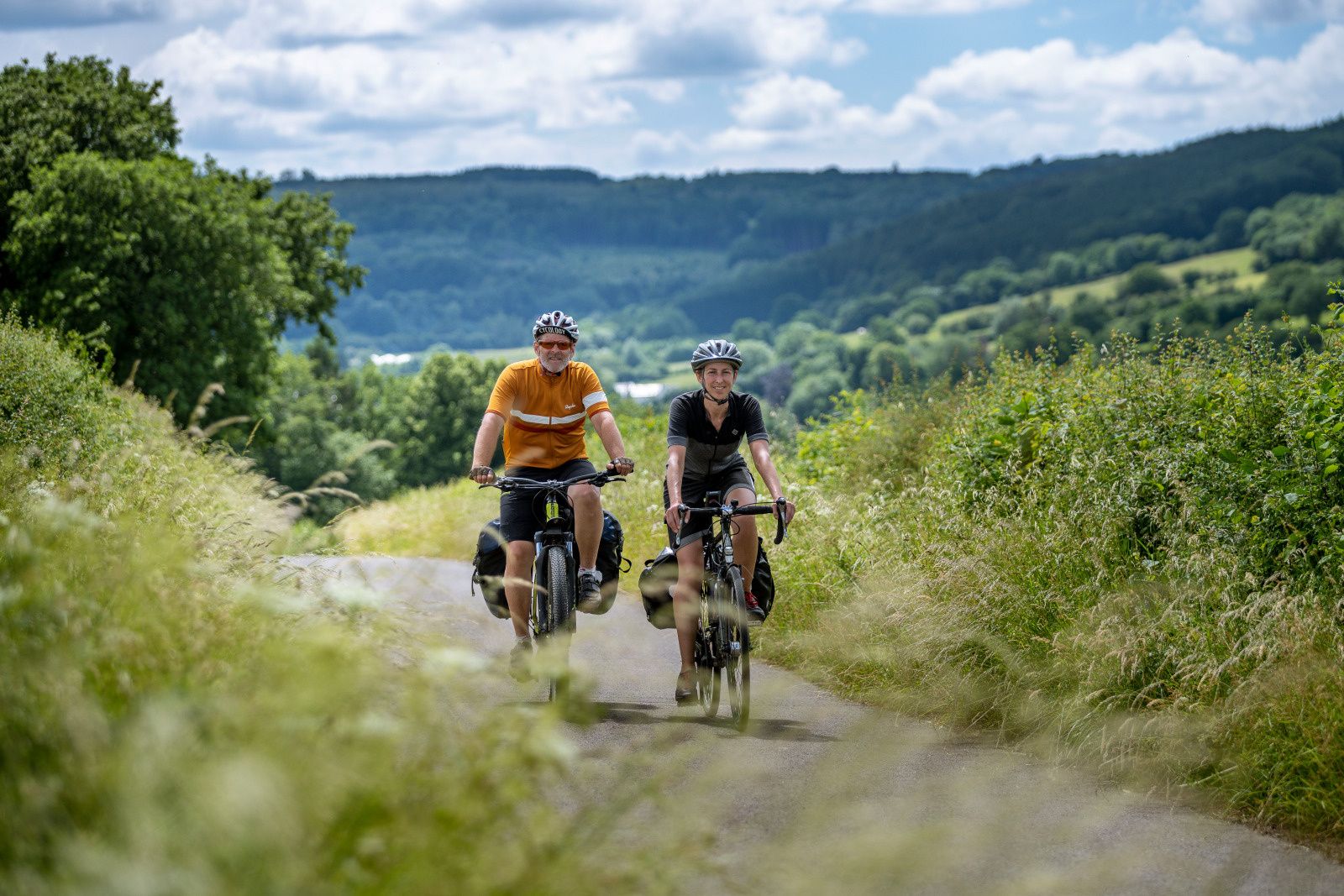
No traffic touring cycling routes around Waterloo are characterized by a diverse landscape featuring river valleys, extensive forests, and gently rolling terrain. The region offers a mix of paved paths and natural trails, providing varied surfaces for touring cyclists. Elevation changes are generally moderate, with some routes featuring climbs up to 200 meters. The area's natural features include significant waterways and dense woodlands, creating scenic and engaging cycling environments.
Best no traffic touring cycling routes around Waterloo
- The most popular…
Last updated: August 10, 2026
4.2
(31)
78
riders
28.3km
01:49
210m
210m
Moderate bike ride. Good fitness required. Mostly paved surfaces. Suitable for all skill levels.
4.5
(2)
80
riders
Hard bike ride. Very good fitness required. You may need to push your bike for some segments of this route.

Sign up for free
4.4
(9)
30
riders
41.8km
02:40
370m
370m
Moderate bike ride. Good fitness required. Mostly paved surfaces. Suitable for all skill levels.
3.7
(9)
28
riders
37.4km
02:23
280m
280m
Hard bike ride. Good fitness required. You may need to push your bike for some segments of this route.
4.7
(3)
21
riders
22.3km
01:31
160m
160m
Moderate bike ride. Good fitness required. Mostly paved surfaces. Suitable for all skill levels.
Get access to more routes and recommendations from other explorers.
Sign up for free
Already have an account?
Our route recommendations are based on thousands of hikes, rides, and runs completed by other people on komoot.
Start today with a free account
Your next adventure awaits.
Login or Signup


Tips from the Community

This tour goes for kilometers through the forest. In spring it is beautiful with the hyacinths and wood anemones. In summer nice and cool.
0
0

The Groenendaal racecourse was built in 1888-1889 on the initiative of Leopold II in the middle of the Sonian Forest, next to the road to Waterloo, and in 1892, as part of easy access, it received its own railway connection to Groenendaal station. To realize this racecourse, approximately 100 hectares of forest were cleared at the end of the 19th century. King Leopold II had his own box there, located between two metal grandstands for the public. After the First World War, this area was used for the dismantling of weapons and ammunition left behind in the Westhoek. German prisoners of war had to clear mines under the supervision of the Belgian army. During a fire and the subsequent explosions of ammunition on May 6, 1919, the hippodrome's grandstands and buildings were heavily damaged. After another explosion in November, the ammunition depot was completely dismantled in 1920. Two years later, the racecourse was restored and the grandstands were rebuilt. The royal box for Albert I was not rebuilt until 1924. Its appearance was completely different from the pre-war grandstand. When the current appearance came about is not entirely clear, although the current box is attributed to Albert I in the literature, see also monogram. Inventory of Immovable Heritage: Royal Box and remains of bookmaker's room, https://id.erfgoed.net/erfgoedobjecten/302991
4
0
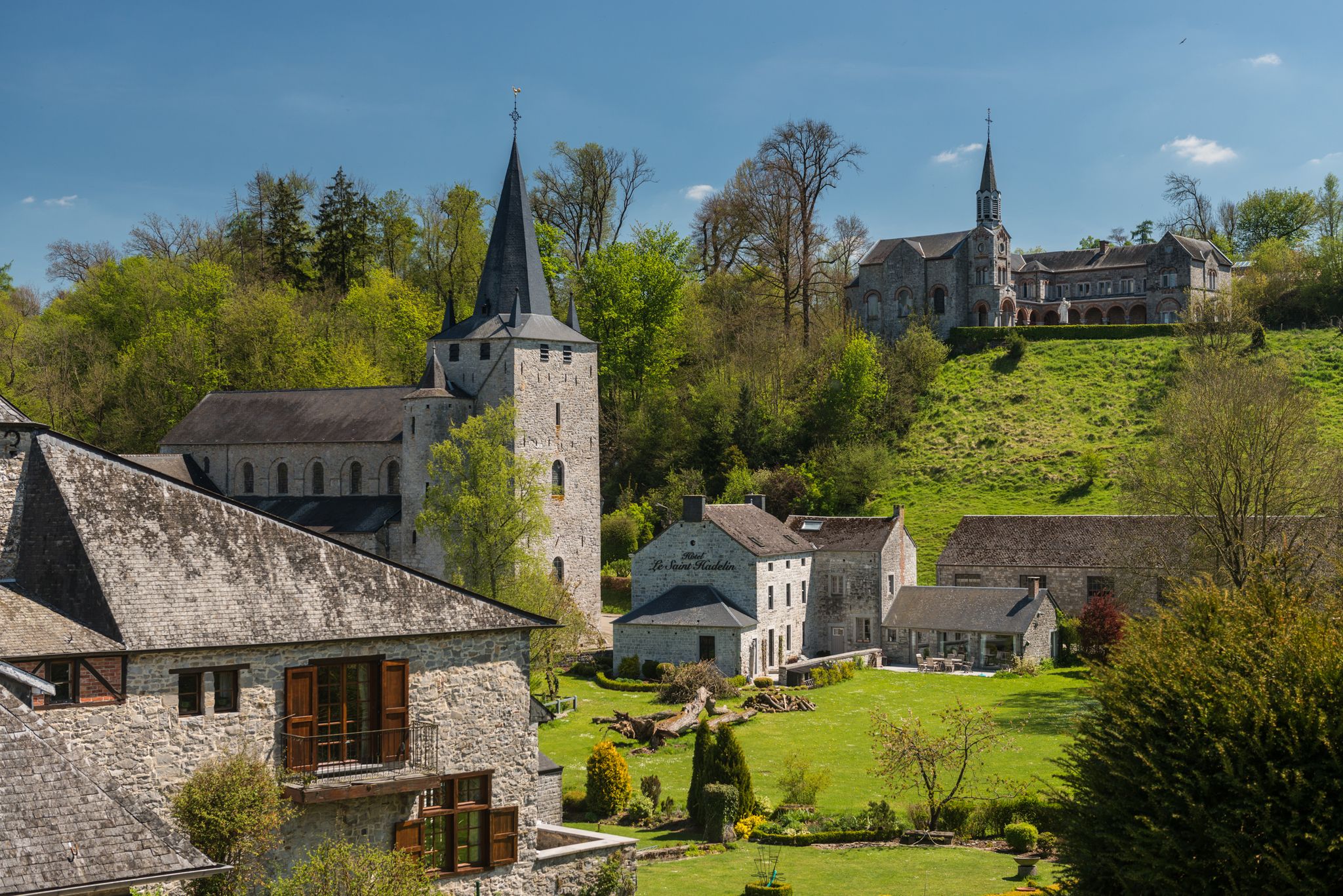
Two important lordships formed the basis of the current Hoeilaart: the lordship of Ter Heyde south of the IJse on the one hand, and the lordship of Holaer or Hoeilaart north of the IJse on the other. Here once stood the castle of the Ter Heyde lordship from the fifteenth century. That lordship ceased to exist after the abolition of the ancien régime. The current castle was built in 1858 on the orders of baron Jean de Man d’Attenrode (mayor of Hoeilaart from 1854-1878) and his wife Maria Carolina d’Ormesson. It is therefore not a remnant of the old lordship. BUT: the chapel and former closed farm next to it are. This building has now, as others have mentioned, been given a different function and dominates the view in the park. Inventory of Immovable Heritage: Kasteel van Hoeilaart, https://id.erfgoed.net/erfgoedobjecten/39785
6
0

Here in the courtyard you can get something to drink and eat (be careful, it is only open until 6 p.m.), which is a bit of a shame.
1
0

Good for adventure
0
0
Very beautiful wood, worth a visit 🙏❤️🌳😎🌞
0
0

Long cobblestone strips on both sides of this tunnel
0
0

Nice sighting when out riding, there is a gravel track passing through and a bit later you'll meet a pasture with beautiful Highland Cows!
1
0
Frequently Asked Questions
How many no-traffic touring cycling routes are available around Waterloo?
There are nearly 60 dedicated no-traffic touring cycling routes around Waterloo. These routes cater to various skill levels, with a good mix of easy, moderate, and challenging options.
What kind of terrain can I expect on these no-traffic touring routes?
The routes around Waterloo offer diverse terrain. You'll find paths winding through dense forests like the Zonienwald (Sonian Forest) and Hallerbos — The Bluebell Forest, often featuring gravel paths and forest trails. Some routes, like the "Waterloo - Province of Brabant Wallon" (view route), offer a mix of surfaces, while others, such as those through the Sonian Forest, are known for their natural, unpaved sections.
Are there any circular no-traffic touring routes near Waterloo?
Yes, many of the no-traffic touring routes around Waterloo are circular, making them convenient for day trips. For example, the "Bluebell bloom in Hallerbos – Forest Path Through Hallerbos loop from Waterloo" (view route) and the "Zonienwald (Sonian Forest) – Forest Path loop from Waterloo" (view route) are excellent loop options that allow you to start and finish in the same location.
What natural features or landmarks can I see along these routes?
You can explore significant natural landmarks such as the expansive Zonienwald (Sonian Forest), famous for its ancient trees and tranquil atmosphere, and Hallerbos — The Bluebell Forest, which is particularly stunning in spring. You might also encounter the historic Domaine Solvay and serene Drowned Children Ponds.
Are there any easy no-traffic touring routes suitable for beginners or families?
Absolutely. There are 26 easy routes around Waterloo perfect for beginners or families seeking a relaxed ride. A good example is the "Drève de la Sapinière – Ecoduct Grenslandthal loop from Waterloo" (view route), which offers a manageable distance and elevation gain, allowing for an enjoyable outing without significant challenges.
What do other touring cyclists enjoy most about cycling in Waterloo?
The komoot community highly rates the touring cycling experience around Waterloo, with an average score of 4.3 stars. Reviewers often praise the peaceful, traffic-free nature of the routes, the beauty of the forests like Sonian and Hallerbos, and the well-maintained paths that make for an enjoyable ride.
Are there more challenging no-traffic touring routes for experienced cyclists?
Yes, for experienced cyclists looking for a greater challenge, there are 12 difficult routes available. The "Bluebell bloom in Hallerbos – Forest Path Through Hallerbos loop from Waterloo" (view route) is a longer, more demanding option with significant elevation changes, providing a rewarding workout through beautiful scenery.
When is the best time of year to go touring cycling in Waterloo?
The best time to go touring cycling in Waterloo is generally from spring through autumn. Spring offers the spectacular bluebell bloom in Hallerbos, while summer and early autumn provide pleasant weather for exploring the forests and countryside. Winter cycling is possible, but conditions can be colder and paths may be wet or muddy.
Are there any routes that specifically focus on gravel or forest paths?
Many routes around Waterloo feature gravel and forest paths, especially those traversing the large forested areas. The "Drève de la Sapinière – Drève de la Meute Gravel Path loop from Waterloo" (view route) is a prime example, offering a dedicated gravel path experience through the natural landscape.
Can I find places to eat or stay near the no-traffic cycling routes?
While specific cafes or accommodations are not directly on every route, Waterloo and its surrounding villages offer various amenities. Many routes pass close to towns where you can find places to eat, drink, and potentially stay, making it easy to plan refreshment stops or overnight stays during your tour.
What are some alternative quiet cycling trails if I want to avoid main roads entirely?
If you're looking to avoid main roads, focus on routes that primarily use forest paths, dedicated cycleways, or former railway lines. The extensive network within the Sonian Forest and Hallerbos are excellent choices, as they are designed for recreational use and offer a peaceful, car-free environment.
Most popular attractions around Waterloo

Get inspired with the komoot mobile app


Explore more
Browse the best Cycling routes in other regions.
