Top 20 Huts and Cabins around Faedo Valtellino
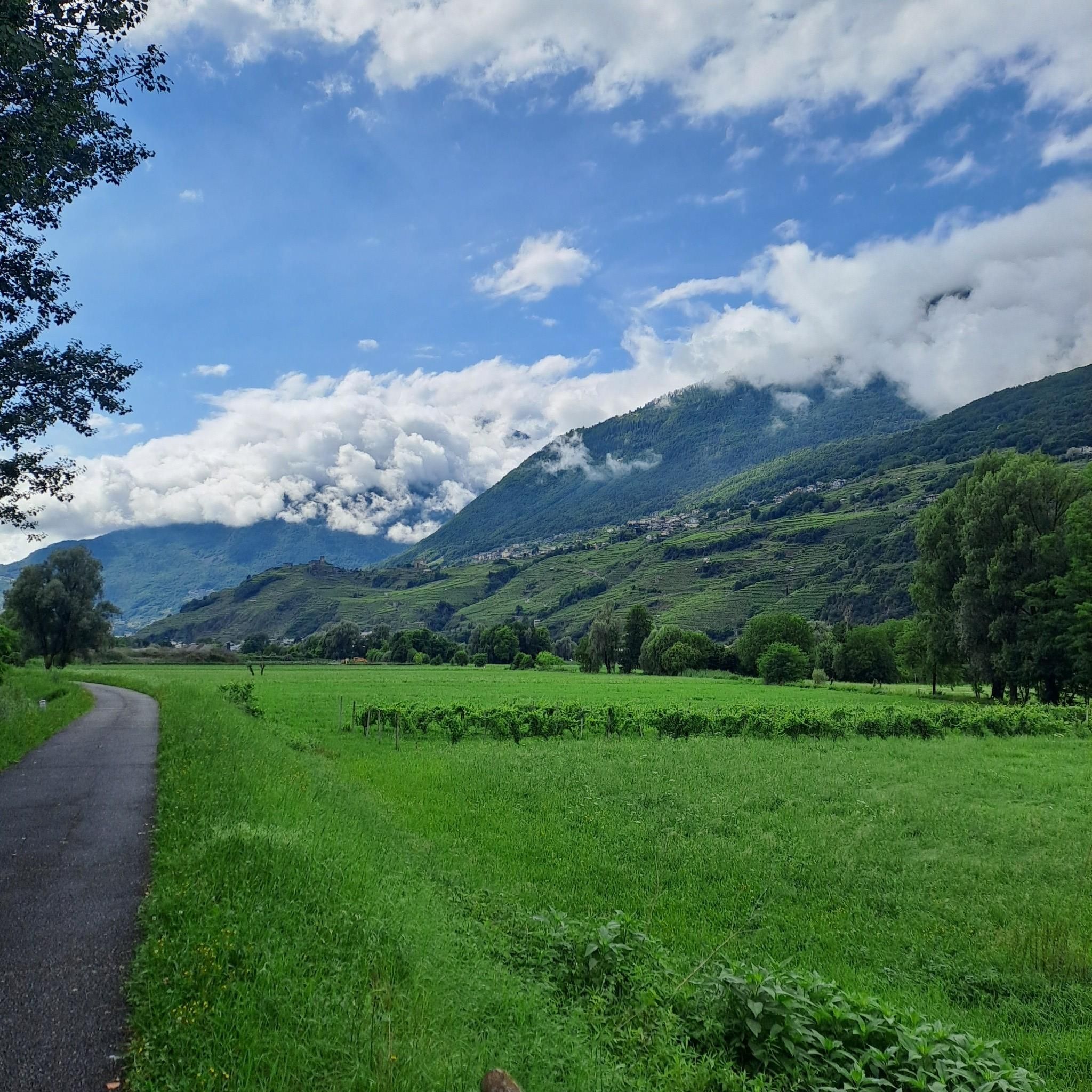
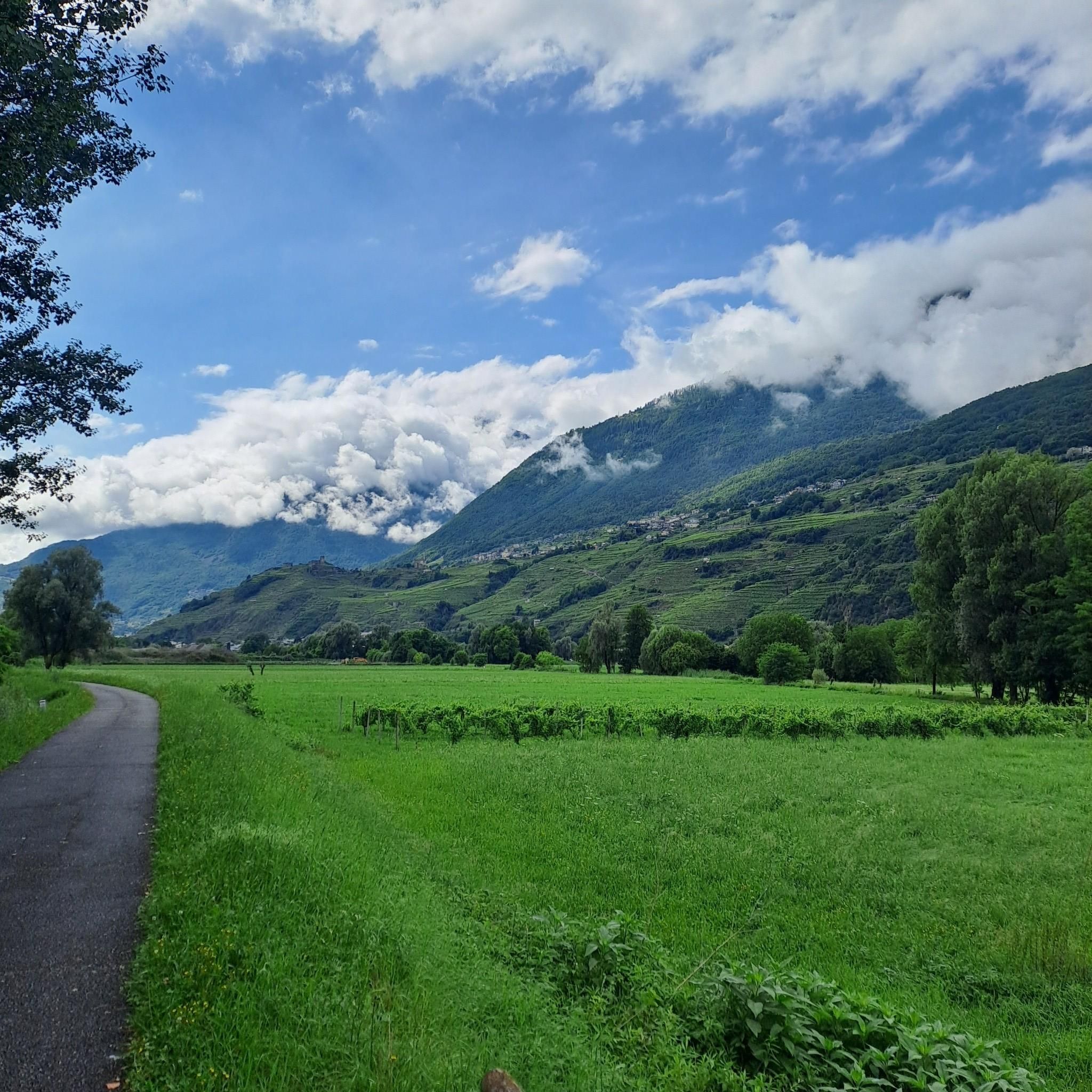
Huts around Faedo Valtellino provide access to mountain experiences within the province of Sondrio. This small municipality is characterized by its alpine environment, historically used for grazing. The area offers diverse hiking terrain, with elevations reaching over 2000 meters. Visitors can explore a range of natural features and enjoy scenic views across the Valtellina region.
Best huts around Faedo Valtellino
- The most popular huts is Antonio Baroni al Brunone Hut, a challenging hut with facilities and accommodation. It is…
Last updated: July 28, 2026
Antonio Baroni al Brunone Hut
Highlight • Mountain Hut
Translated by Google •
Tip by

Flavio Pedrinelli Bivouac
Highlight • Mountain Hut
bergamonews.it/2026/08/04/quel-bivacco-nato-per-aiutare-gli-escursionisti-e-il-dolore-di-vederlo-trasformato-in-un-luogo-da-occupare/913032
Showing Translation
Tip by

Sign up now to discover places like this
Get recommendations on the best single tracks, peaks, & plenty of other exciting outdoor places.
Sign up for free
Alpe di Piasci and Rifugio Cometti
Highlight • Mountain Hut
Translated by Google •
Tip by

Rifugio Gino e Massimo
Highlight • Mountain Hut
Translated by Google •
Tip by

Rifugio Val di Togno
Highlight • Mountain Hut
Translated by Google •
Tip by

Sign up for free to discover even more huts and cabins around Faedo Valtellino.
Sign up for free
Already have an account?
Start today with a free account
Your next adventure awaits.
Login or Signup

Tips from the Community


Stage 3 - Rifugio Baroni al Brunone
0
0

Excellent bivouac that also allows people to rest thanks to 6 bunk beds. Inside there is also a table with a couple of chairs where you can eat in the shade. All around the bivouac there are large stones that can be used as a bench. For animal lovers I recommend making little noise as in the area it is very easy to see wild ibex wandering around the bivouac
1
0

Beautiful even if unfortunately less frequented than other refuges in the Orobie given the difference in altitude encountered when climbing from Fiumenero.
0
0

The refuge is located on a mountain pasture that offers a splendid panorama and is located on the high side of the Orobie Valtellinesi. The Gino and Massimo refuge has been renovated and used as a refuge with an adjoining small bivouac since 2013.
0
0

The Gino e Massimo Refuge is located in the Gironi area. It is a now renovated cabin (used as a refuge since 2013). The refuge, with an adjoining small bivouac, is dedicated to Gino Berniga, from Piateda, and Massimo Donati, from Castello dell'Acqua.
1
0

A small alpine refuge on the Piasci alp
0
0

The Rifugio is completely ready to receive (a limited number of) guests. Wonderful place where you will be pampered.
1
0
Frequently Asked Questions
What types of huts can I find around Faedo Valtellino?
The area around Faedo Valtellino offers a variety of mountain shelters, including traditional refuges, bivouacs, and alpine huts. These range from challenging, high-altitude huts like Antonio Baroni al Brunone Hut with full facilities, to more basic, stone-built bivouacs such as Flavio Pedrinelli Bivouac, which provides shelter and bunk beds.
Are there any huts directly within Faedo Valtellino?
Yes, the **Capanna Foppa** is located directly within Faedo Valtellino at an altitude of 1550 meters. It is always open and equipped with a fireplace and benches, offering a convenient base for local excursions. Information can be obtained by calling 0342 566066.
What are some huts with great panoramic views?
For stunning views, consider Alpe di Piasci and Rifugio Cometti, located at 1720 meters, which offers panoramic views of Valmalenco, including peaks like Pizzi Roseg and Bernina. Another option is Rifugio Gino e Massimo, situated on a mountain pasture with splendid vistas over the Orobie Valtellinesi.
How accessible are the huts around Faedo Valtellino?
Accessibility varies. The **Capanna Foppa** can be reached by a hike of about an hour and a half from Caprari. Some locations, like Alpe di Piasci, can be reached by car, though a transit permit is often required. Other huts, such as Antonio Baroni al Brunone Hut, are known for being challenging to reach, requiring significant elevation gain.
What kind of natural features can I expect to see on trails to these huts?
The trails to huts around Faedo Valtellino often pass through picturesque alpine environments. You can expect to see larch woods, large clearings, and meadows historically used for grazing. The area around Flavio Pedrinelli Bivouac is also known for sightings of wild ibex.
Are there any family-friendly options for visiting huts?
While specific family-friendly hut categories are not listed, intermediate huts like Alpe di Piasci and Rifugio Cometti, which can be reached by mountain bike or with a transit permit for cars, might offer more accessible options for families. The **Capanna Foppa** also serves as a good base with amenities, and its 1.5-hour hike from Caprari could be suitable for active families.
What outdoor activities can I do near these huts?
Beyond hiking to the huts, the region offers various outdoor activities. You can explore cycling routes like the 'Ascent to Caspoggio' or the 'Bridge over the Adda River – Valtellina Trail loop' from Poggiridenti-Tresivio-Piateda, which are part of the cycling guide around Faedo Valtellino. There are also road cycling and gravel biking options available.
Are there challenging huts for experienced hikers?
Yes, several challenging huts cater to experienced hikers. The Antonio Baroni al Brunone Hut is known as one of the most notable and highest refuges in the Bergamo area, serving as a starting point for climbs to Pizzi Redorta and Pizzo Scais. The Flavio Pedrinelli Bivouac and Bivacco Aldo Frattini are also categorized as challenging.
What amenities can I expect at the huts?
Amenities vary greatly. The **Capanna Foppa** offers a fireplace, benches, and water (though availability is not always guaranteed). Larger refuges like Antonio Baroni al Brunone Hut provide more extensive facilities, including accommodation, a pub, and a restaurant. Bivouacs like Flavio Pedrinelli Bivouac typically offer basic shelter with bunk beds and a table.
Can I use public transport to reach huts or trailheads?
While the guide data does not specify public transport options directly to huts, many mountain regions in the Alps have local bus services that connect to trailheads in nearby villages. It's advisable to check local transport schedules for the specific starting points of your chosen hut hike.
What is the best time of year to visit the huts around Faedo Valtellino?
The best time to visit typically depends on the hut and your activity. Most alpine huts are fully operational during the summer and early autumn months (June to September) when trails are clear of snow and weather conditions are more stable. Some huts, like the **Capanna Foppa**, are always open, but amenities like water might be seasonal. For high-altitude bivouacs, summer is generally recommended.
Are there any bivouacs in the area?
Yes, the region is known for its bivouacs. Notable ones include the Flavio Pedrinelli Bivouac, a unique stone-built structure with bunk beds, and the Bivacco Aldo Frattini, a red metal construction offering free use for shelter. The Rifugio Gino e Massimo also has an adjoining small bivouac.
Most popular routes around Faedo Valtellino
Most popular attractions around Faedo Valtellino

Get inspired with the komoot mobile app


Explore more
Find more beautiful huts and cabins around Faedo Valtellino by checking out the top ones in these nearby places:
