The best cycling routes around Dignano
4.5
(455)
4,282
riders
241
rides
Touring cycling around Dignano offers diverse landscapes, characterized by the Tagliamento River, rolling Friulian countryside, and varied elevation profiles. The region features routes that traverse riverine environments and extend into the surrounding hills. Cyclists can expect a mix of paved and unpaved surfaces, with some routes including significant climbs.
Best touring cycling routes around Dignano
- The most popular touring cycling route is View of the Tagliamento River – Pinzano Fort loop from Carpacco / Cjarpât, a 28.7 miles (46.2…
Last updated: November 21, 2026
4.7
(6)
26
riders
41.2km
02:39
270m
270m
Moderate bike ride. Good fitness required. Mostly paved surfaces.
5.0
(1)
8
riders
28.7km
02:11
300m
300m
Hard bike ride. Good fitness required. You may need to push your bike for some segments of this route.

5.0
(3)
13
riders
46.4km
03:10
720m
720m
Hard bike ride. Very good fitness required. Mostly paved surfaces.
4.0
(1)
12
riders
22.7km
01:23
120m
120m
Easy bike ride. Mostly paved surfaces.
8
riders
Easy bike ride. Mostly paved surfaces.
Get access to more routes and recommendations from other explorers.
Already have an account?
Our route recommendations are based on thousands of hikes, rides, and runs completed by other people on komoot.
Start today with a free account
Your next adventure awaits.

Tips from the Community

Spilimbergo is a charming medieval village nestled on the right bank of the Tagliamento river, in Friuli-Venezia Giulia. Internationally known as the "City of Mosaic", it preserves a prestigious artistic tradition that lives and is passed down in its famous Scuola Mosaicisti del Friuli, a world reference point founded in 1922. Strolling through the historic center, you breathe an atmosphere of yesteryear, amidst elegant frescoed palaces, ancient towers, and the suggestive Castle, embellished by the colorful Palazzo Dipinto. The Cathedral of Santa Maria Maggiore, a Gothic masterpiece, houses precious 14th-century fresco cycles. Spilimbergo wonderfully blends the solidity of Friulian culture with the refinement of art, offering a perfect combination of excellent craftsmanship, history, and a welcoming enogastronomic tradition.
0
0

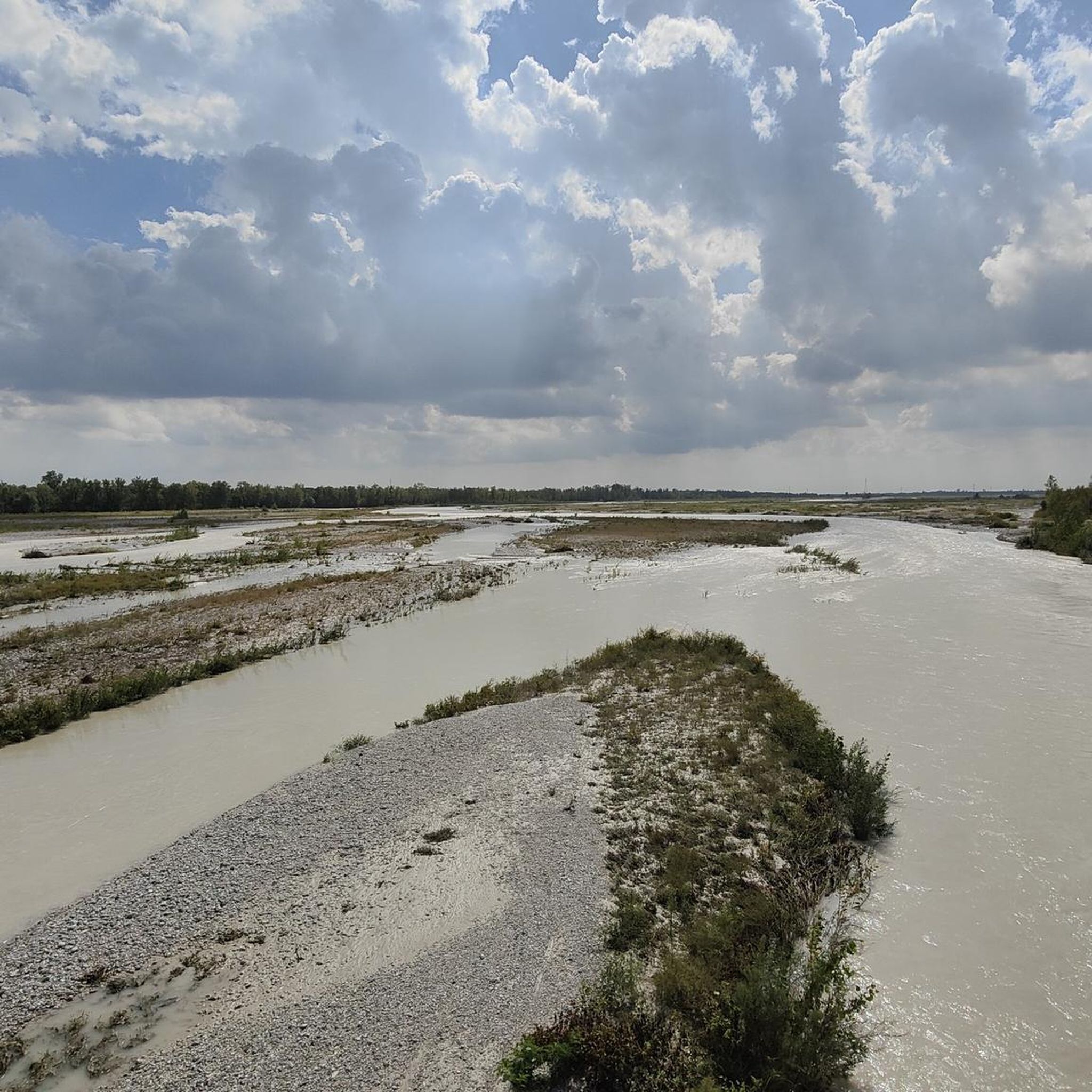
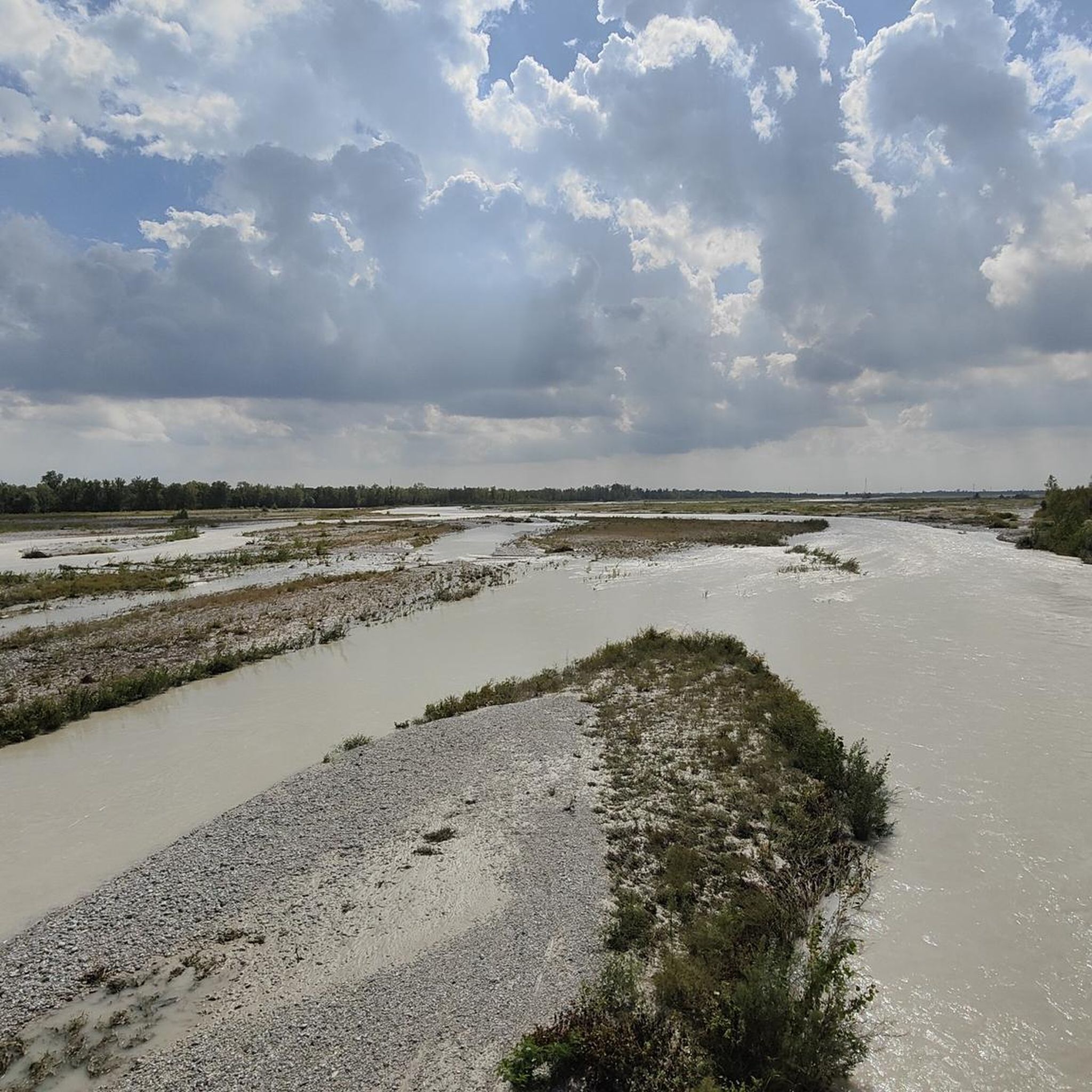
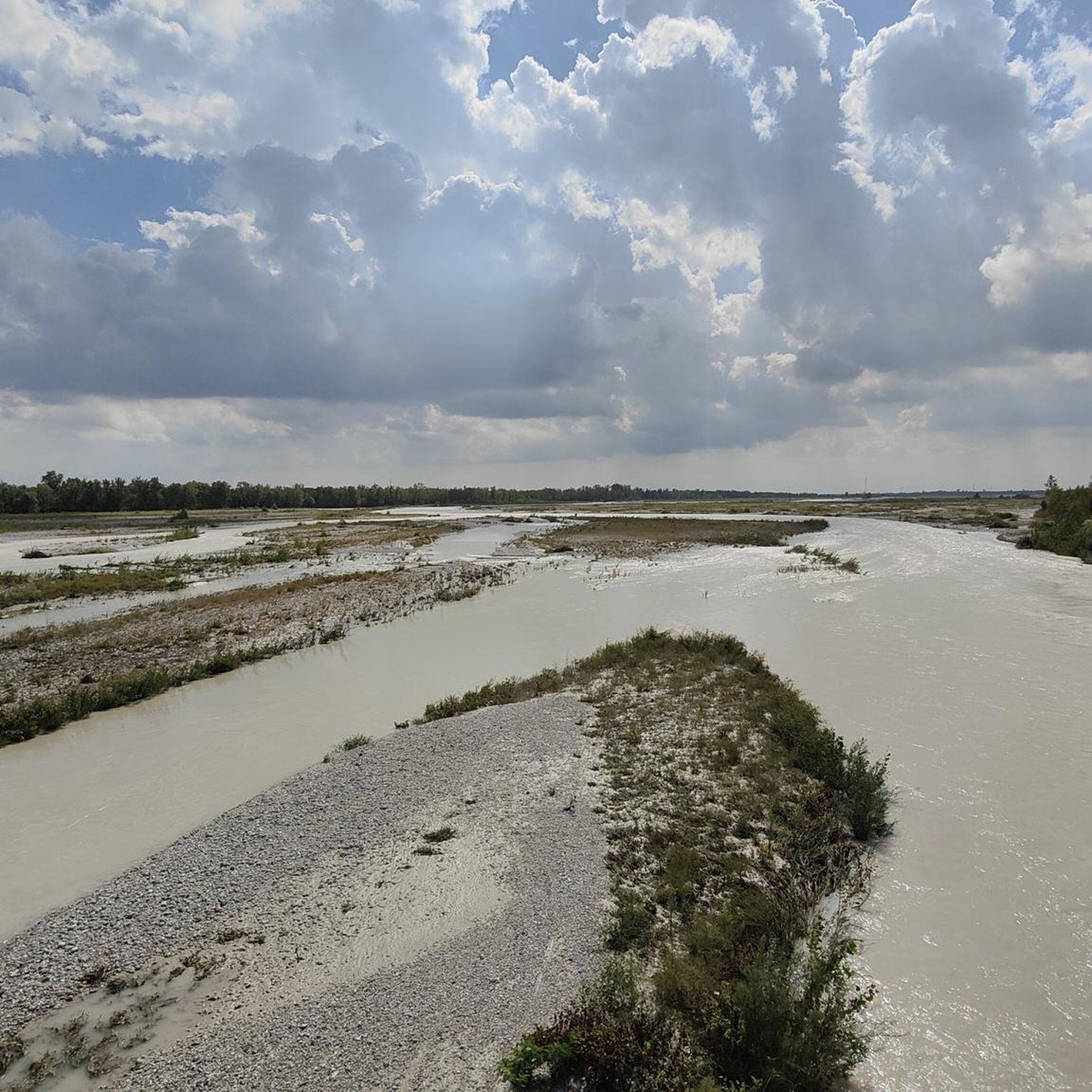
Spectacular view of the width of the Tagliamento River and Pinzano Bridge. See Koomot Route ConLoZaino By Romano Paludgnach crest of Monte di Ragogna from the Alpine Church Park Car with ascent from Muris
0
0

Directions near the Parish of Santa Maria Maggiore.
18
0


Attention: my car was broken into here
0
0

The façade is adorned with seven oculi and is extremely sober. The symbolic number seven recalls several texts of the Bible, first and foremost the lamb with "seven horns and seven eyes" from the Apocalypse of John. Two of the seven oculi, walled up in 1858, were reopened in 2011. The north side of the Cathedral, on Piazza del Duomo The main entrance is not the one on the façade, but the portal built on the northern façade, which overlooks Piazza Duomo. This was built in 1376 by Zenone da Campione and was originally reserved for the entrance of lords. Interior The Pordenone - Conversion of Saul - Organ door. The large organ, in the central nave The interior consists of three naves. In the central nave, second span, there is the Renaissance organ relocated here in 1981 after the restoration work following the earthquake in Friuli. The original instrument, a 1515 work by Bernardino Vicentino from Venice, had been lost over the centuries and was restored by Francesco Zanin using period materials and methods. It is used for liturgy, concerts and numerous recordings. The chest, among the oldest in the world, is decorated with canvases and panels painted by Pordenone in 1525. The organ doors contain three depictions: Assumption of Mary (closed doors); Fall of Simon Magus (open door on the left); Conversion of Saul (open door on the right). In the parapet of the choir there are five panels with the Stories of the Virgin, while in the lateral spaces some Pages are depicted. Presbytery The presbytery is decorated with a cycle of fourteenth-century frescoes, clearly derived from the lesson that Vitale da Bologna had left in the cathedral of Udine. The unknown author is cited as the Master of the Pavilions and his works date back to the period 1350-1380. The right wall is decorated with stories from the Old Testament: Master of the Pavilions - Susanna bathing. Creation of Adam and Eve Expulsion from Paradise Adam's Work Killing of Abel Lameus kills Cain Noah's Ark Sacrifice of Isaac Jews in the desert Capture of Jericho David and Goliath Death of Absalom Return of Tobias and Sarah Susanna bathing King Solomon Still life On the left wall, instead, there are stories from the life of Christ, derived from the New Testament: Master of the Pavilions - Stories of Christ. Nativity Adoration of the Shepherds Presentation at the Temple Flight into Egypt Massacre of the Innocents Christ among the Doctors Wedding at Cana Expulsion of the Merchants from the Temple Transfiguration Entry into Jerusalem Prayer in Gethsemane Capture of Christ Flagellation Ascent to Calvary The back wall is dominated by the dramatic scene of the Crucifixion. Crypt The burial ark of Walterpertoldo. The lower church consists of five rooms, one of which has recently been closed. The northern chapel contains the burial ark of Walterpertoldo, who died in 1382, lord of Spilimbergo and podestà of Treviso. Until 1964 the ark was on display in the square next to the church, and was then placed in the crypt. Chapel of the Rosary Chapel of the Rosary - the painting Presentation at the Temple with inserts by Gasparo Narvesa. Chapel of the Rosary - Giovanni Martini - Presentation at the Temple. The chapel is dominated by the altarpiece Presentation at the Temple by Giovanni Martini (1503), with a frame between the vegetal intrigues the Mysteries of the Rosary and the Madonna of the Rosary with the Child Jesus and Saint Dominic, work of Gasparo Narvesa (1626-1627).
0
0
The church was commissioned by the lord of Spilimbergo Walterpertoldo in 1284 and the first stone was laid on October 4 of the same year. Construction continued until about 1359, although the cathedral was consecrated only in 1453. The irregularity of the building plan is due, more than to rethinking or remaking, to the exploitation of existing structures and the conformation of the territory. In fact, the building was built leaning against a wall, and the bell tower was built on a portal of the same.
0
0

beautiful square, with a cobbled ground
0
0
Frequently Asked Questions
How many touring cycling routes are available around Dignano?
Dignano offers 16 touring cycling routes, catering to various skill levels. You'll find 3 easy routes, 8 moderate routes, and 5 challenging routes with significant elevation gains.
What kind of terrain can I expect on touring cycling routes in Dignano?
The terrain around Dignano is diverse, featuring a mix of paved and unpaved surfaces. Routes often traverse the rolling Friulian countryside and follow the Tagliamento River, with some sections including substantial climbs, especially on more difficult trails.
Are there any family-friendly touring cycling routes in Dignano?
Yes, Dignano offers several easy touring cycling routes suitable for families. For example, the San Odorico Village – Turrida Village Center loop from Dignano / Dignan is an easy 30.4 km path with minimal elevation, perfect for a relaxed family ride.
What natural features or landmarks can I see along the touring cycling routes?
Many routes offer scenic views of the Tagliamento River and its surrounding landscapes. You can also encounter historical sites like the Pinzano Castle and View of the Tagliamento River, or cross the impressive Pinzano Bridge over the Tagliamento. The region's countryside is dotted with charming villages and offers distant mountain views.
Are there any routes that feature waterfalls?
While not directly on the touring cycling routes listed, the broader area around Dignano is home to beautiful waterfalls. You could plan a detour to visit highlights such as the Sflunc Waterfall or the Acqua Caduta Waterfall.
What do other touring cyclists enjoy most about cycling in Dignano?
The touring cycling routes around Dignano are highly rated by the komoot community, with an average score of 4.5 stars from over 200 reviews. Cyclists frequently praise the diverse landscapes, the blend of riverine environments and rolling hills, and the options for various ability levels.
Are there any circular touring cycling routes available?
Yes, many routes around Dignano are designed as loops. For instance, the challenging View of the Tagliamento River – Pinzano Fort loop from Carpacco / Cjarpât offers a circular journey with significant elevation, while the moderate The Muro di Ragogna – Lago di Ragogna loop from Carpacco / Cjarpât provides a shorter loop around Lago di Ragogna.
What is the best time of year for touring cycling in Dignano?
The region around Dignano is generally pleasant for cycling from spring through autumn. The Friuli Venezia Giulia region experiences varied weather, so checking local forecasts is always recommended. Spring and early autumn offer milder temperatures and beautiful scenery, ideal for touring.
Are there any particularly challenging routes for experienced touring cyclists?
Absolutely. Experienced cyclists looking for a challenge can tackle routes with significant elevation gains. The Lago di Ragogna – The Muro di Ragogna loop from Dignano / Dignan is a difficult 46.3 km route that incorporates the demanding Muro di Ragogna, known for its steep sections.
Can I find places to eat or stay near the cycling routes?
Dignano and its surrounding villages offer various amenities. While specific cafes or accommodations directly on every trail are not guaranteed, the charming villages and historical town centers in the Friulian countryside provide opportunities for refreshments and lodging, allowing you to experience local culture and cuisine.
Are there any routes that offer views of historical castles?
Yes, the region is rich in history. Besides the Pinzano Castle, which is part of a popular loop, you can also find other historical sites like Fagagna Castle, which offers dominant views of the plain, making for interesting stops on your cycling tour.
How can I access the trailheads for touring cycling routes in Dignano?
Access to trailheads typically involves reaching Dignano or nearby starting points like Carpacco / Cjarpât. While specific public transport details for each trailhead vary, Dignano is a municipality in the Udine province, and local transport options may connect to some starting points. Parking is generally available in or near the towns and villages that serve as route beginnings.
Most popular attractions around Dignano

Get inspired with the komoot mobile app


Explore more
Browse the best Cycling routes in other regions.
