The best walks and hikes around Dignano
4.4
(1167)
4,694
hikers
242
hikes
Hiking around Dignano offers a network of trails through a landscape characterized by low elevation gains and a mix of historic towns, agricultural areas, and riverine environments. The region's terrain is generally flat to gently rolling, making it accessible for various activity levels. Trails often connect cultural points of interest with natural surroundings, providing diverse walking experiences.
Best hiking trails around Dignano
- The most popular hiking route is Historic Center of Spilimbergo loop from Spilimbergo / Spilimberc, a 7.0…
Last updated: October 8, 2026
4.0
(2)
21
hikers
Moderate hike. Good fitness required. Easily-accessible paths. Suitable for all skill levels.
4.0
(1)
10
hikers
9.82km
02:35
90m
90m
Moderate hike. Good fitness required. Easily-accessible paths. Suitable for all skill levels.

8
hikers
Easy hike. Great for any fitness level. Easily-accessible paths. Suitable for all skill levels.
4.7
(7)
5
hikers
5.42km
01:24
30m
30m
Easy hike. Great for any fitness level. Easily-accessible paths. Suitable for all skill levels.
6
hikers
Easy hike. Great for any fitness level. Easily-accessible paths. Suitable for all skill levels.
Get access to more routes and recommendations from other explorers.
Already have an account?
Our route recommendations are based on thousands of hikes, rides, and runs completed by other people on komoot.
Start today with a free account
Your next adventure awaits.
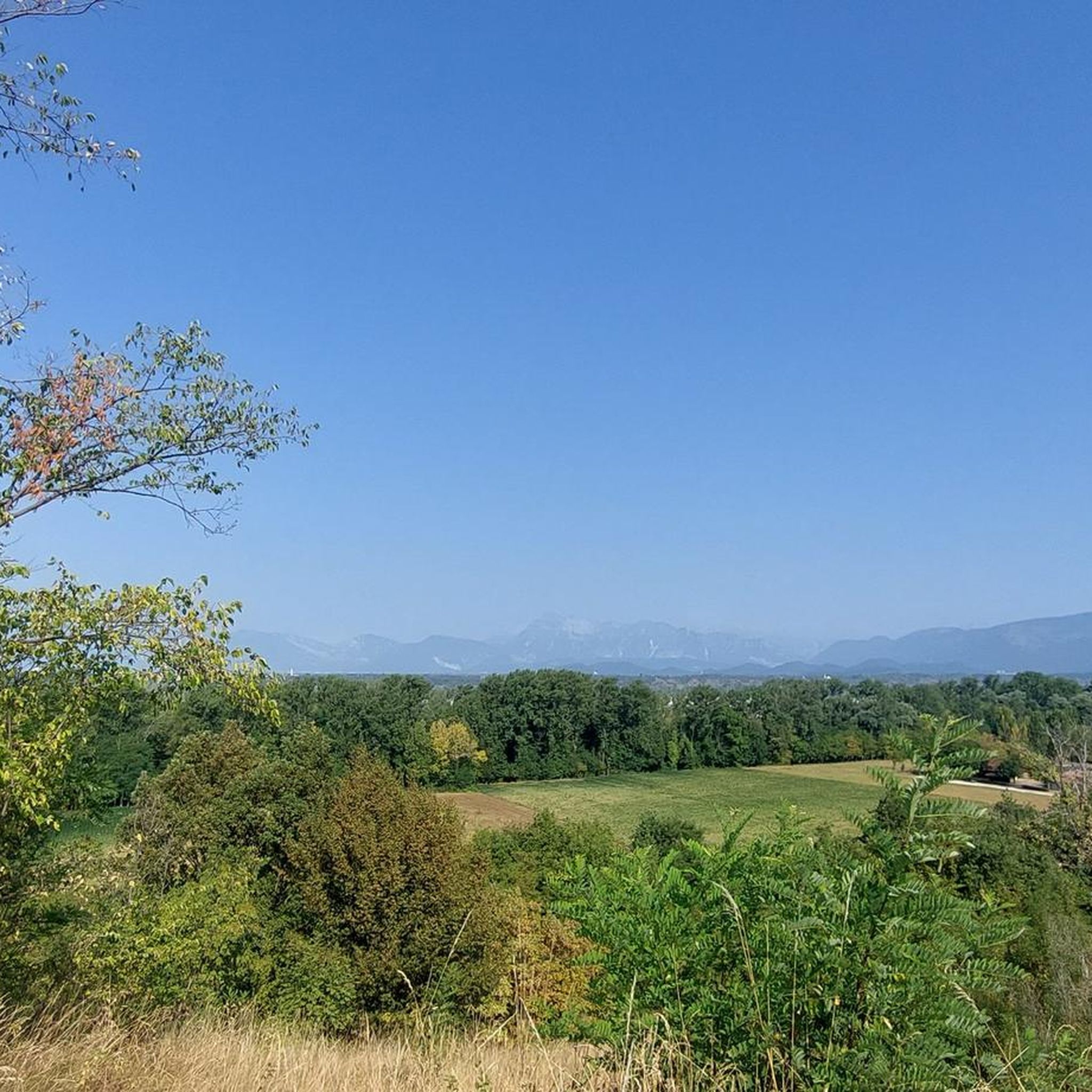

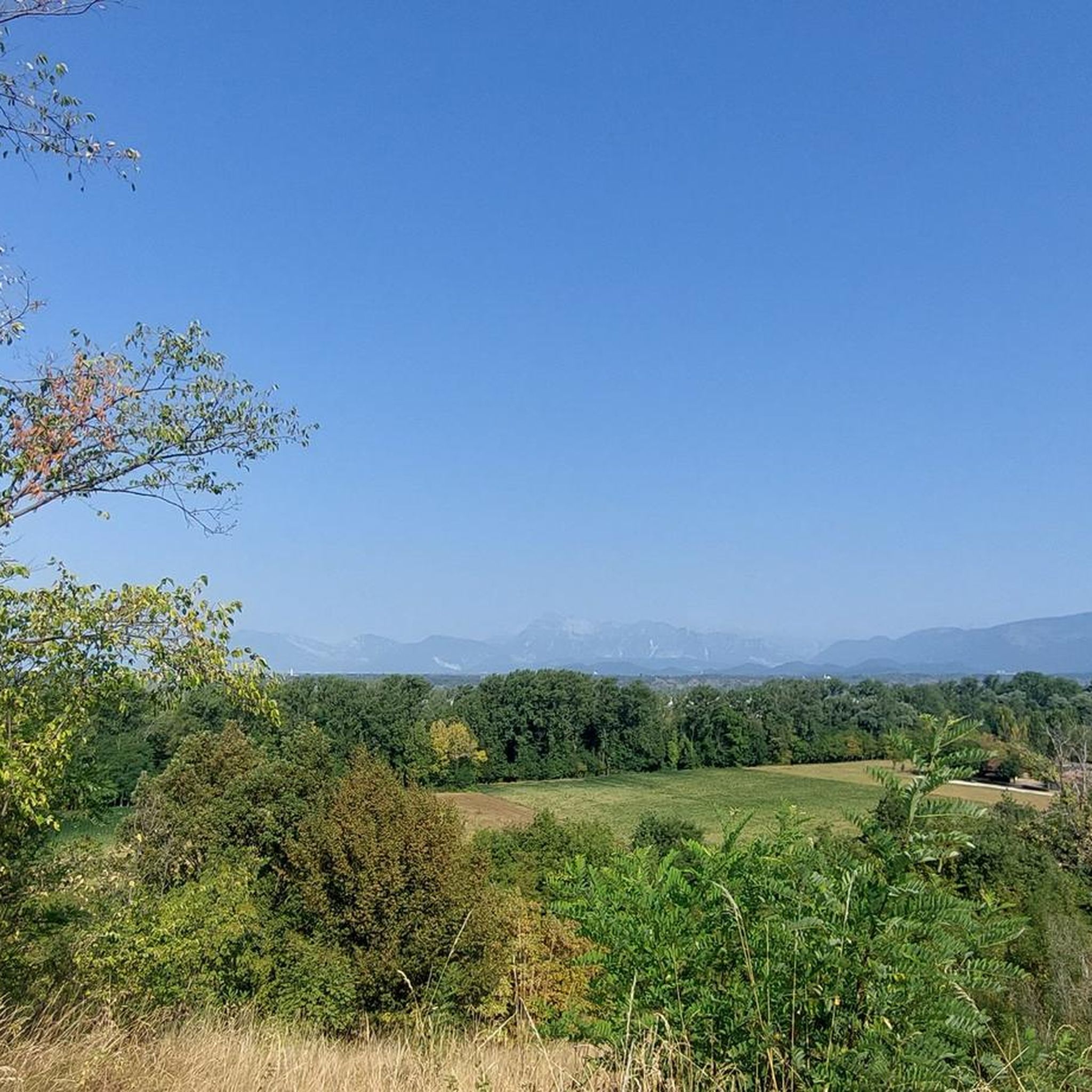
Tips from the Community

Nahezu ein mystischer Ort ... die Roggia schlängelt sich vor dem Kanalregelwerk in einem kraftvollen "S" und rauscht neben dem Weg. Die Weggestaltung beim Werk und das Werk sind absolut sehenswert.
0
0
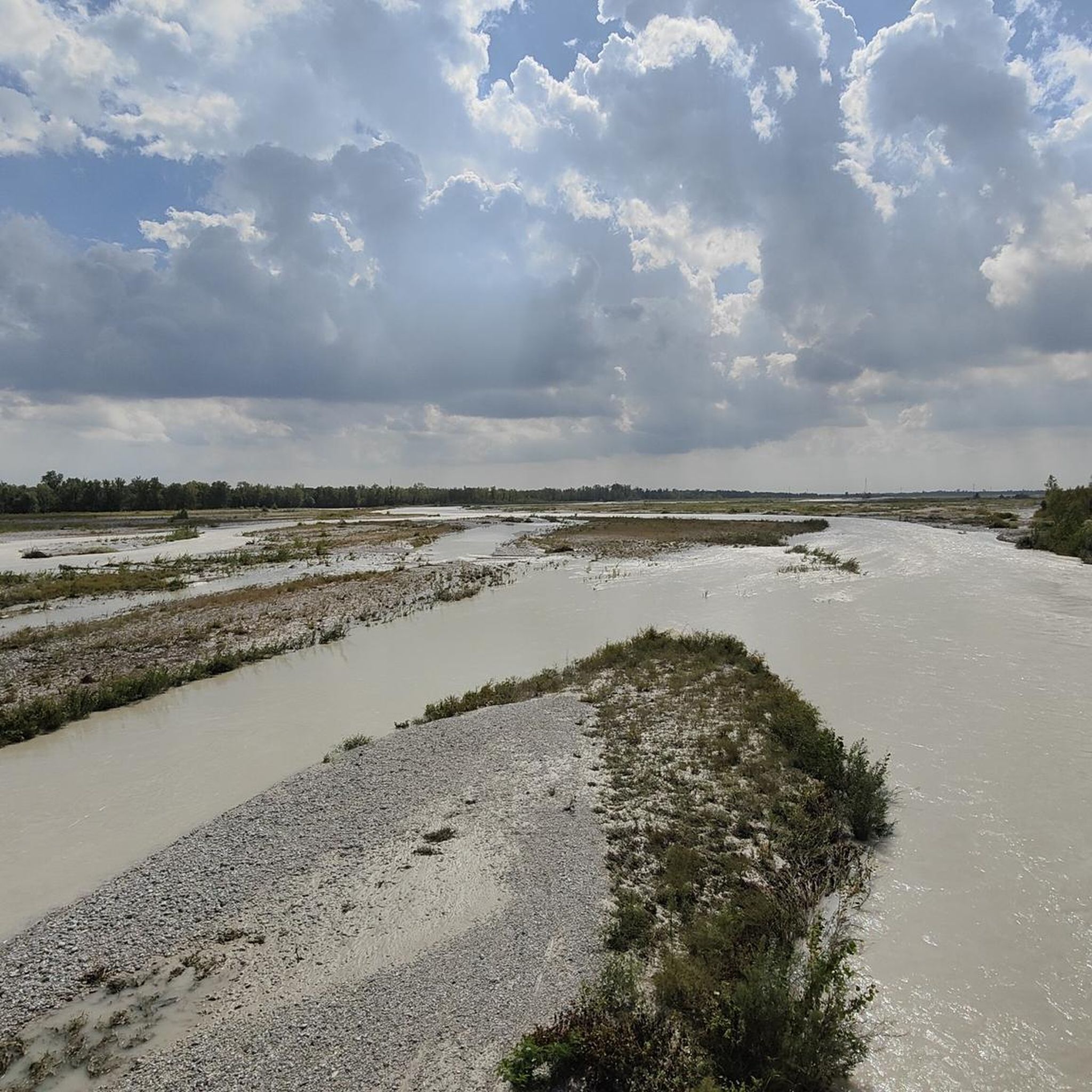
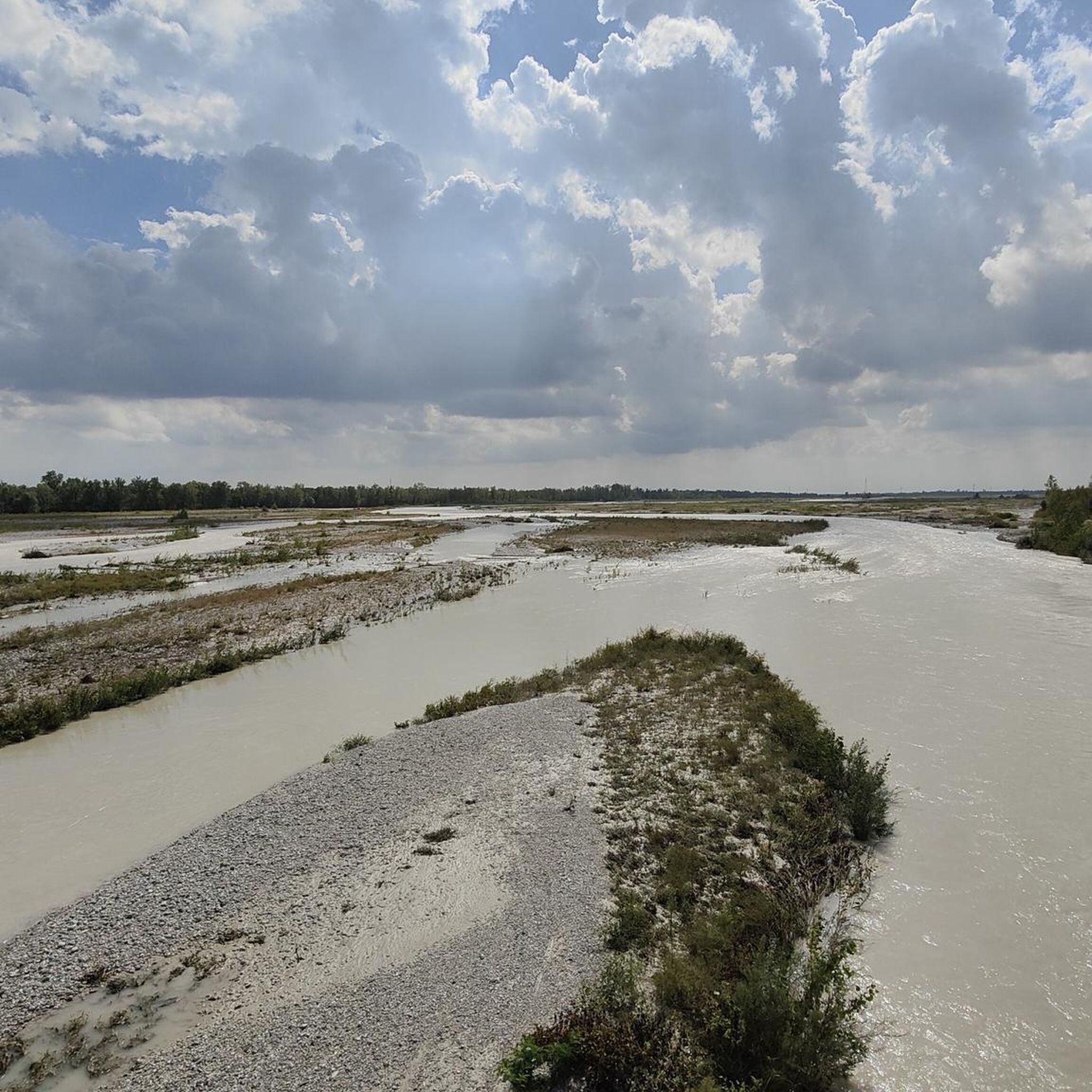
The bridge offers excellent views of the Tagliamento riverbed on both lanes. On the bridge there are some small bays next to the lanes, where it is possible to stop for a moment to photograph the views.
0
0

Challenging section due to the presence of a cemented staircase to access the trail near Carpacco.
0
0

Spilimbergo is a charming medieval village nestled on the right bank of the Tagliamento river, in Friuli-Venezia Giulia. Internationally known as the "City of Mosaic", it preserves a prestigious artistic tradition that lives and is passed down in its famous Scuola Mosaicisti del Friuli, a world reference point founded in 1922. Strolling through the historic center, you breathe an atmosphere of yesteryear, amidst elegant frescoed palaces, ancient towers, and the suggestive Castle, embellished by the colorful Palazzo Dipinto. The Cathedral of Santa Maria Maggiore, a Gothic masterpiece, houses precious 14th-century fresco cycles. Spilimbergo wonderfully blends the solidity of Friulian culture with the refinement of art, offering a perfect combination of excellent craftsmanship, history, and a welcoming enogastronomic tradition.
0
0
A castle classic that unites many eras and owners. Today, the visit feels like a journey into the Middle Ages.
0
0
The current building dates back to the sixteenth century. It was built on the ruins of an older church founded around the twelfth century, whose presence is attested by a bequest from 1350.
0
0

Directions near the Parish of Santa Maria Maggiore.
18
0
The course of the Tagliamento River between the municipalities of Dignano and Spilimbergo. https://it.wikipedia.org/wiki/Tagliamento
18
0
Frequently Asked Questions
How many hiking trails are available around Dignano?
Dignano offers a wide selection of hiking opportunities, with over 200 routes available. These trails cater to various preferences, ranging from easy strolls to more challenging excursions.
Are there easy hiking trails suitable for beginners or families in Dignano?
Yes, Dignano is well-suited for beginners and families, with over 100 easy routes. A great option is the Hiking loop from Rive d'Arcano / Rivis Darcjan, which is an easy 3.6-mile (5.8 km) path featuring gentle terrain, often following river banks or open countryside.
What kind of terrain can I expect on hikes around Dignano?
The region around Dignano is characterized by generally flat to gently rolling terrain, with low elevation gains. You'll find a mix of historic towns, agricultural areas, and riverine environments, offering diverse walking experiences.
Are there any circular hiking routes in Dignano?
Many of the trails around Dignano are designed as loops, allowing you to start and end in the same location. For example, the popular Historic Center of Spilimbergo loop from Spilimbergo / Spilimberc is a moderate 7.0-mile (11.3 km) circular route exploring the historic town center.
What natural attractions or landmarks can I see while hiking near Dignano?
While hiking near Dignano, you can discover several beautiful waterfalls and historical sites. Notable waterfalls include Sflunc Waterfall, Acqua Caduta Waterfall, and the Butines Waterfalls. You might also encounter historical points of interest like the Ruins of Samontan.
What is the typical length and duration of hikes in Dignano?
Hikes in Dignano vary in length and duration. Many popular routes range from 3.5 to 10 miles (5.5 to 16 km), typically taking between 1.5 to 5 hours to complete, depending on your pace and the trail's difficulty. For instance, the Scuola Mosaicisti del Friuli loop from Spilimbergo / Spilimberc is about 5.6 miles (9.1 km) and takes around 2 hours 20 minutes.
Are there more challenging or advanced hiking routes for experienced hikers?
While Dignano's terrain is generally gentle, there are a few routes that offer a bit more challenge, with 12 difficult trails available. These might involve slightly longer distances or more varied paths, though significant elevation gains are uncommon in the immediate area.
Can I bring my dog on the hiking trails around Dignano?
Most hiking trails in Dignano are dog-friendly, allowing you to enjoy the natural surroundings with your canine companion. It's always a good idea to keep your dog on a leash, especially in agricultural areas or near wildlife, and to carry waste bags.
What do other hikers enjoy most about hiking in Dignano?
The area is highly rated by the komoot community, with an average score of 4.4 stars from over 900 reviews. Reviewers often praise the blend of historic towns with natural landscapes, the accessibility of the trails, and the peaceful riverine environments.
Are there any hikes that pass through or near interesting cultural sites?
Absolutely. Many routes in Dignano integrate cultural landmarks into the hiking experience. The Historic Center of Spilimbergo – Spilimbergo Castle loop from Spilimbergo / Spilimberc is a great example, allowing you to explore the historic center and its castle.
Are there hiking trails accessible by public transport or with parking facilities?
While specific public transport connections vary, many trailheads in and around Dignano's towns like Spilimbergo or Rive d'Arcano are often accessible by local bus services. Parking is generally available in these towns or at designated starting points for popular trails. It's advisable to check local transport schedules and parking availability for your chosen trailhead.
What is the best time of year to hike in Dignano?
The best time to hike in Dignano is typically during spring (April-June) and autumn (September-October) when the weather is mild and pleasant. Summer can also be enjoyable, but it's best to start early to avoid the midday heat. Winter hikes are possible, but some paths might be muddy or require appropriate footwear.
Most popular attractions around Dignano

Get inspired with the komoot mobile app


Explore more
Browse the best Hikes in other regions.
