Top 20 Castles around Sarntal - Sarentino
Best castles around Sarntal - Sarentino offer a journey through the region's rich history, nestled in a valley known for its natural landscapes and cultural significance. The area features historical landmarks, including medieval castles and towers, providing insights into centuries of regional heritage. These structures, some dating back to the 13th century, highlight the strategic importance and architectural evolution of the Sarntal Valley. Visitors can explore various historical sites that showcase the area's past.
Best castles around Sarntal - Sarentino
…Last updated: May 9, 2026
View of Schloss Tirol, Brunnenburg and vineyards from Dorf Tirol
Highlight • Viewpoint
to the Brunnenburg.
Welcome to Tirol Castle, the residential castle of the Counts of Tyrol. The castle gave the state of …
Translated by Google •
Tip by

Schenna — village, church, castle and mausoleum
Highlight • Settlement
There is, among other things, a tourist office with a very competent advice around
the holidays.
Address: Erzherzog-Johann-Platz, …
Translated by Google •
Tip by

Sign up now to discover places like this
Get recommendations on the best single tracks, peaks, & plenty of other exciting outdoor places.
Sign up for free
View from the Pulverturm over Merano
Highlight • Viewpoint
Translated by Google •
Tip by

Schenna Castle
Highlight • Castle
Translated by Google •
Tip by

View of the Gardens at Trauttmansdorff Castle
Highlight • Viewpoint
Translated by Google •
Tip by

Sign up for free to discover even more castles around Sarntal - Sarentino.
Sign up for free
Already have an account?
Start today with a free account
Your next adventure awaits.
Login or Signup
Popular around Sarntal - Sarentino
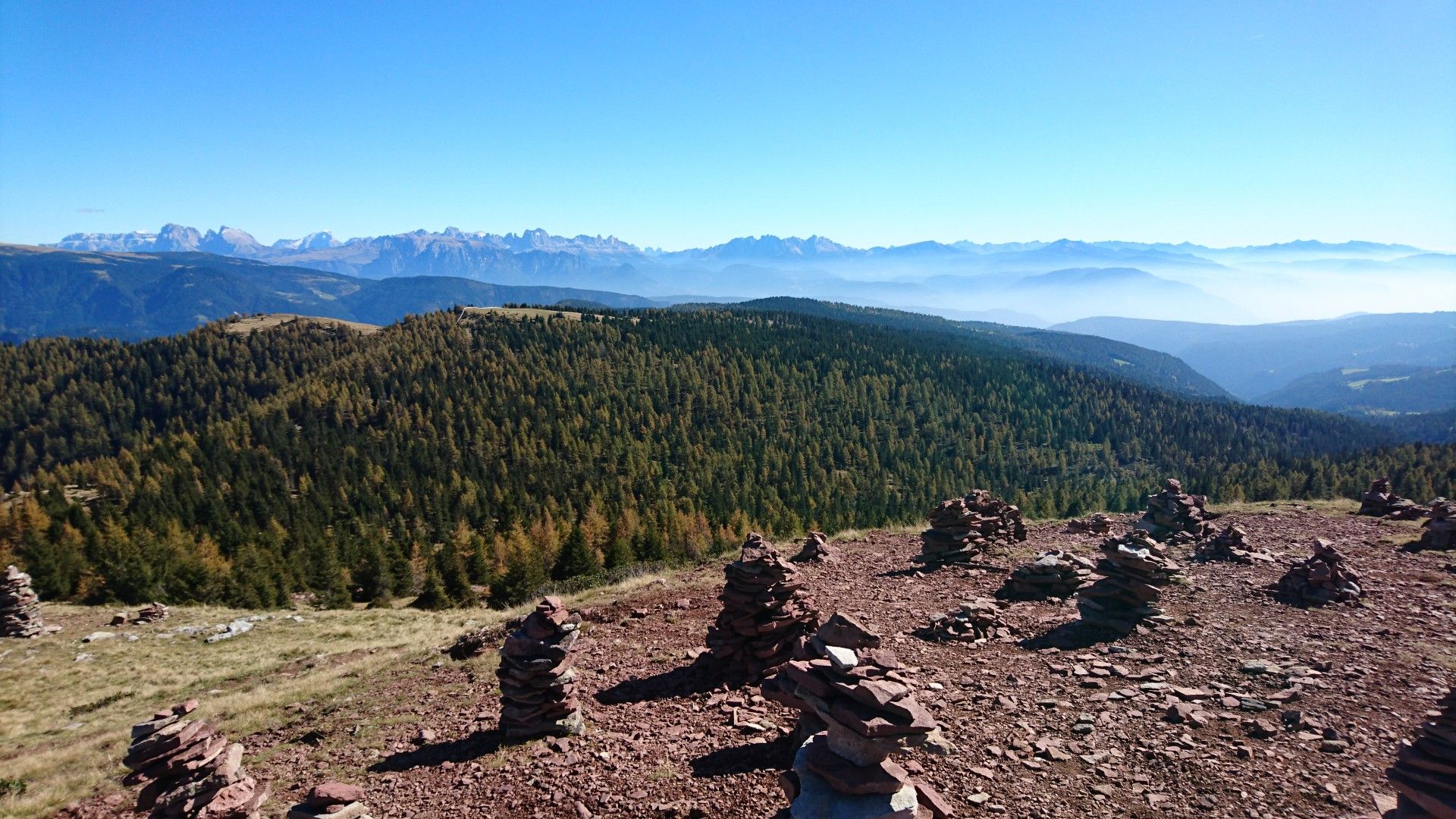
Exciting Tours in the mountains – hiking around Bolzano
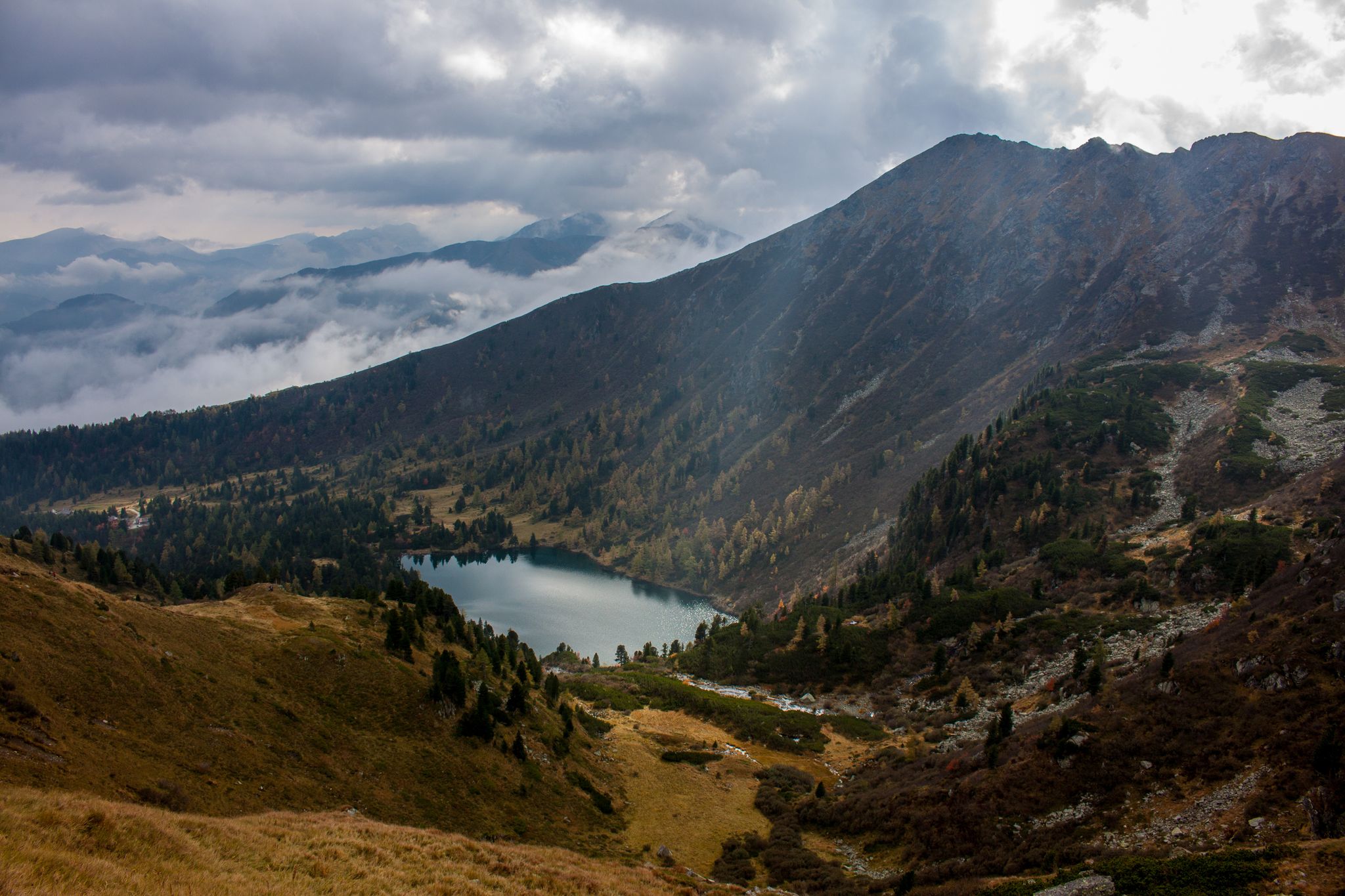
Berge mit unglaublichen Namen
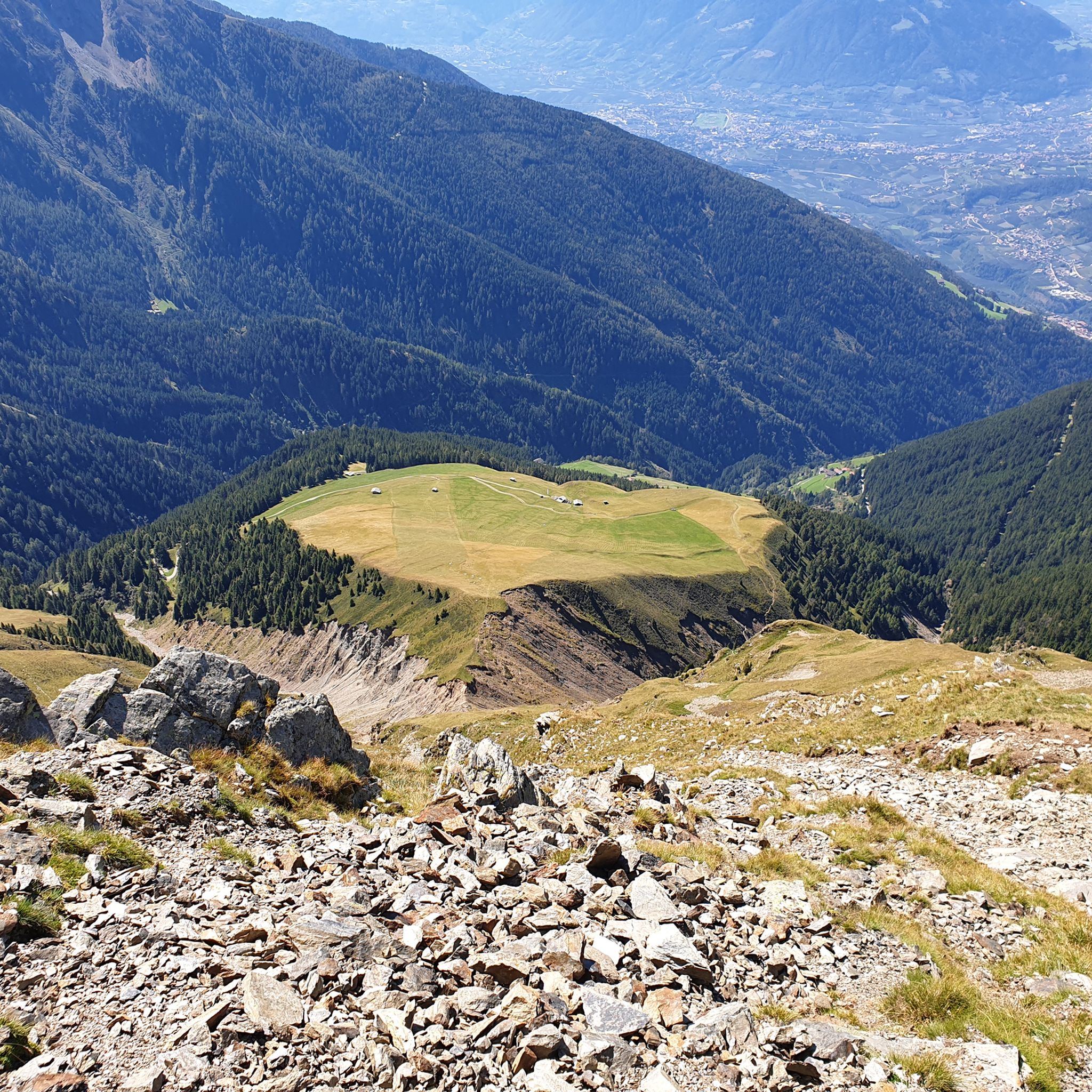
Hiking around Sarntal - Sarentino
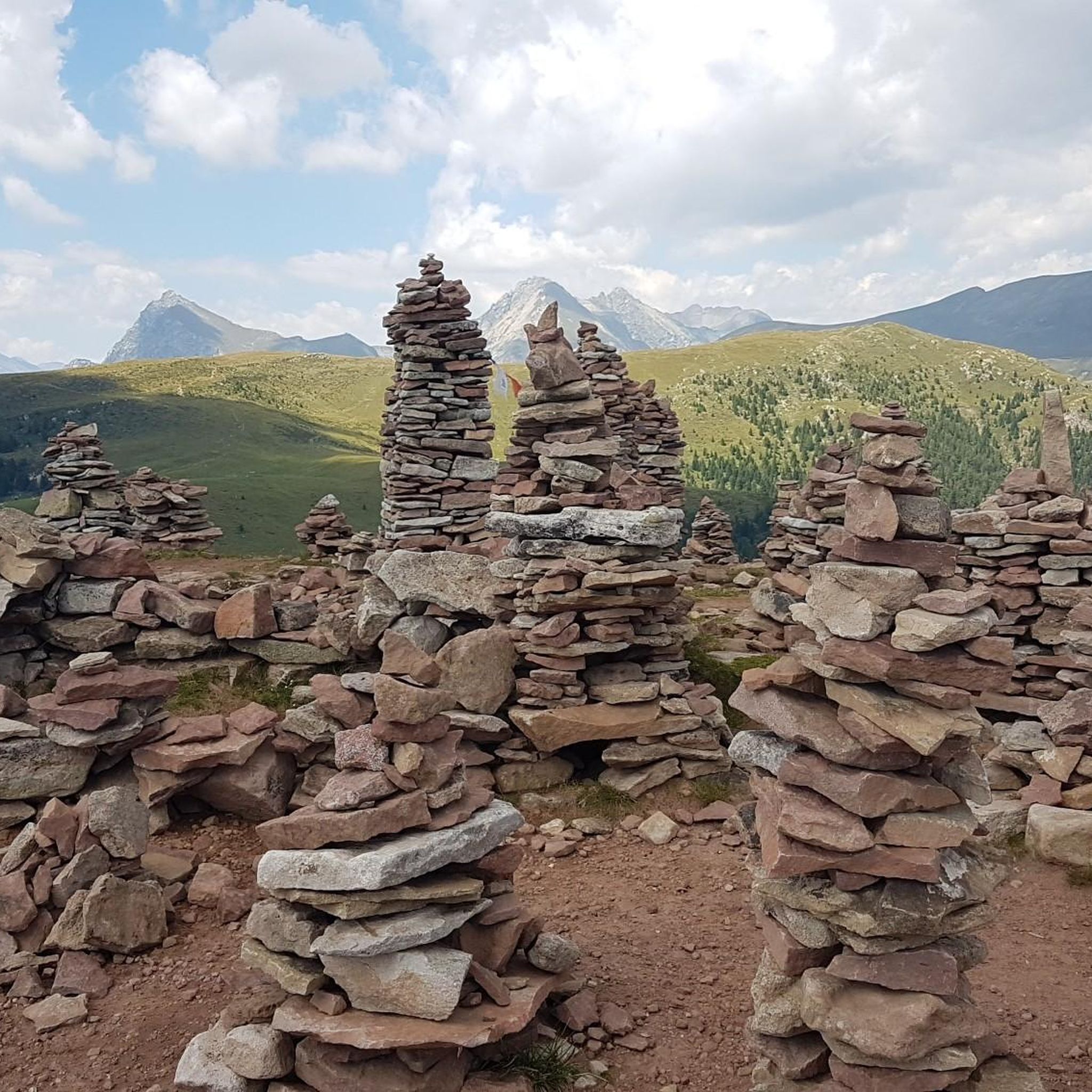
MTB Trails around Sarntal - Sarentino
Road Cycling Routes around Sarntal - Sarentino

Gravel biking around Sarntal - Sarentino
Cycling around Sarntal - Sarentino
Running Trails around Sarntal - Sarentino

Mountain Hikes around Sarntal - Sarentino
Other adventures around Sarntal - Sarentino


Tips from the Community

In 1903 he sold the castle to the entrepreneur Karl Schwickert from Pforzheim, who had it rebuilt. After his death in 1927, the castle fell into disrepair again until the de Rachewiltz family took up residence there and over time turned the castle into a center for cultural encounters. The American poet Ezra Pound completed his life's work, the Cantos, here from 1958 to 1962. Source: https://www.brunnenburg.net/de/willkommen-auf-der-brunnenburg/sagengeschichte/
12
0
The Brunneburg was built in 1250 by Wilhelm Tarant on a glacial rubble cone below Tyrol Castle. In 1356 the princely administrator of the Bishopric of Trent, Heinrich von Bopfingen, acquired it; he was pastor of Tyrol, envoy of Ludwig of Brandenburg and until 1359 also governor of Tyrol. In 1421 it was acquired by Ulrich Putsch, chaplain of Duke Frederick with his empty pockets, who later became a patron of art and science as Bishop of Brixen. In 1457 the castle came into the possession of Hans Kripp. It belonged to this Hall family for three and a half centuries. In 1705, Gregor Hofer built a house with a barn and gate at the foot of the castle rock using the “high wall tips” that still existed from the ruins. In 1884 the Brunnenburggut came into the hands of the mayor of Dorf Tirol, Michael Sonnenburger. Source:https://www.brunnenburg.net/de/willkommen-auf-der-brunnenburg/sagengeschichte/
13
0
Here you can see the Tyrol Castle as well to the Brunnenburg. Welcome to Tirol Castle, the residential castle of the Counts of Tyrol. The castle gave the state of Tyrol its name. Aspects of the country's history and rulership are combined here in a clear way. From the outer bailey of Tyrol Castle you have an impressive view of the Etsch Valley and the Vinschgau. Here you will feel like you have been transported back to a distant time when the Counts of Tyrol were the masters of this area. Source: https://www.schlosstirol.it/
14
0

The castle ruins of Ortenstein are located on the southern slope of the Küchelberg or Zenoberg above the spa town of Meran on the Tappeinerweg and today only consist of the keep of the castle, the powder tower. The tower is 12 meters high, inside there is a steel structure with stairs.
4
0

The Pulverturm is located directly on the Tappeinerweg and is easy to climb. From here you have a great view over the Adige Valley.
16
1

A bit out of the way, beautiful
4
0

In the direction of the powder tower, we followed a primary school class, which, however, did not dare to climb up. From the powder tower you have a great view over the old town of Meran.
5
0

Schenna Castle near Meran is associated with prominent figures in Austrian history: Margarete "Maultasch". Archduke Johann and Andreas Hofer. Here the Count himself leads through the historic rooms.
4
0
Frequently Asked Questions
What historical significance do the castles in Sarntal - Sarentino hold?
The castles in Sarntal - Sarentino are deeply rooted in the region's history, with many dating back to the 13th century. They served various purposes, from strategic strongholds controlling trade routes to residences for influential families like the Counts of Sarnthein. Structures like Castel Reinegg and Kränzelstein Tower offer insights into medieval architecture and life, showcasing the valley's strategic importance and cultural evolution over centuries.
Which castles in Sarntal - Sarentino are open to the public?
While some castles are privately owned, the Kränzelstein Tower (Torre Kränzelstein) in Sarnthein was extensively renovated and opened to the public in 2022, offering a direct experience of a medieval residential tower. Rafenstein Castle, though on private property, can be visited year-round by groups of at least 20 participants through guided tours.
Are there any unique architectural features among the castles in the Sarntal Valley?
Yes, several castles boast unique features. Castel Reinegg, for instance, is known for its original design, including a large hall with Gothic columns and a chapel dedicated to St. George with a fresco from around 1250, considered the oldest in the valley. The Kränzelstein Tower is a mighty residential tower with a rectangular ground plan, showcasing significant extensions from the early 16th century, including weapons embrasures and a beamed ceiling.
What is the best season to visit the castles in Sarntal - Sarentino?
The best season to visit the castles and explore the surrounding area is generally from late spring to early autumn (May to October). During these months, the weather is milder, making it ideal for exploring castle grounds and enjoying nearby outdoor activities. While some castles might be accessible in winter, many outdoor paths and views are best enjoyed without snow.
Are there family-friendly castles or activities near Sarntal - Sarentino?
Many of the castles and their surroundings offer family-friendly experiences. For example, the Schenna — village, church, castle and mausoleum highlight is considered family-friendly, offering historical buildings and a village square to explore. The Gardens at Trauttmansdorff Castle, though slightly outside the immediate Sarntal, are a unique mix of botanical garden and leisure attraction with diverse adventure stations, making them very suitable for families.
Are there hiking trails near the castles in Sarntal - Sarentino?
Yes, the Sarntal Valley is excellent for hiking, with routes often passing near or offering views of historical sites. You can find various hiking trails, from moderate to difficult, that allow you to explore the natural beauty alongside the castles. For detailed routes, explore the Hiking around Sarntal - Sarentino guide, which includes trails like the 'Urlesteig Nature Trail from Reinswald'.
What other outdoor activities can I do near the castles in Sarntal - Sarentino?
Beyond hiking, the region offers excellent opportunities for cycling. You can find various routes for touring bicycles and road cycling that take you through the scenic Sarntal Valley and past historical landmarks. Check out the Cycling around Sarntal - Sarentino guide or the Road Cycling Routes around Sarntal - Sarentino guide for detailed tour suggestions.
What do visitors enjoy most about the castles around Sarntal - Sarentino?
Visitors particularly appreciate the blend of historical exploration and stunning natural scenery. The opportunity to step back in time while enjoying impressive views, such as the View of Schloss Tirol, Brunnenburg and vineyards from Dorf Tirol, is highly rated. The historical significance and well-preserved aspects of castles like Schenna Castle, often with personal tours, also receive high praise.
Are there good viewpoints to see the castles in Sarntal - Sarentino?
Yes, the mountainous terrain provides several excellent viewpoints. For instance, the View of Schloss Tirol, Brunnenburg and vineyards from Dorf Tirol offers an impressive panorama of the Etsch Valley, including Tyrol Castle and Brunnenburg. While Castel Reinegg is privately owned, its imposing presence on a hillside above Sarnthein makes it a significant landmark visible from various points in the valley.
Can I visit castles in Sarntal - Sarentino with a dog?
Policies regarding dogs vary by specific castle and site. While outdoor areas and hiking trails around the castles are generally dog-friendly, it's advisable to check individual castle regulations before visiting, especially for indoor tours or specific castle grounds. Always keep dogs on a leash and clean up after them.
How can I get to the castles in Sarntal - Sarentino by public transport?
Sarntal - Sarentino is connected by public bus services from Bolzano, which can take you to the main villages like Sarnthein. From there, access to individual castles may require further walking or local transport. It's recommended to check the local public transport schedules and routes in advance to plan your visit effectively, as some castles are in more remote locations.
Are there cafes, pubs, or accommodation options near the castles?
The Sarntal Valley, particularly around the main village of Sarnthein and other settlements like Schenna, offers a variety of cafes, pubs, and accommodation options ranging from hotels to guesthouses. These establishments provide convenient places to relax and refuel after exploring the castles and surrounding nature. It's a good idea to book accommodation in advance, especially during peak seasons.
Most popular routes around Sarntal - Sarentino
Most popular attractions around Sarntal - Sarentino

Get inspired with the komoot mobile app


Explore more
Looking for the best castles somewhere else? Discover other guides around Sarntal - Sarentino:
