The best road cycling routes around Assisi
4.5
(343)
12,612
riders
56
rides
Road cycling routes around Assisi are characterized by the diverse terrain of Italy's Umbria region. The area features rolling hills, fertile plains of the Valle Umbra, and the slopes of Mount Subasio, providing a mix of gentle descents and challenging climbs. Cyclists can navigate well-maintained paved surfaces through picturesque countryside adorned with vineyards and olive groves, often connecting to historic towns. This landscape offers varied elevation profiles suitable for different fitness levels.
Best road cycling routes around Assisi
- The most…
Last updated: July 19, 2026
4.3
(11)
224
riders
40.6km
02:14
770m
770m
This moderate racebike loop around Assisi and the Parco Regionale del Monte Subasio covers 25.2 miles (40.6 km) with a significant 2536 feet (773 metres) of elevation gain, taking about…
5.0
(1)
92
riders
101km
05:19
1,210m
1,210m
Hard road ride. Very good fitness required. Some segments of this route may be unpaved and difficult to ride.

Sign up for free
91
riders
68.1km
03:06
660m
660m
Moderate road ride. Good fitness required. Mostly well-paved surfaces and easy to ride.
31
riders
54.2km
02:28
500m
500m
Moderate road ride. Good fitness required. Mostly well-paved surfaces and easy to ride.
5.0
(2)
25
riders
75.2km
03:31
750m
750m
Moderate road ride. Good fitness required. Mostly well-paved surfaces and easy to ride.
Get access to more routes and recommendations from other explorers.
Sign up for free
Already have an account?
Our route recommendations are based on thousands of hikes, rides, and runs completed by other people on komoot.
Start today with a free account
Your next adventure awaits.
Login or Signup
Popular around Assisi
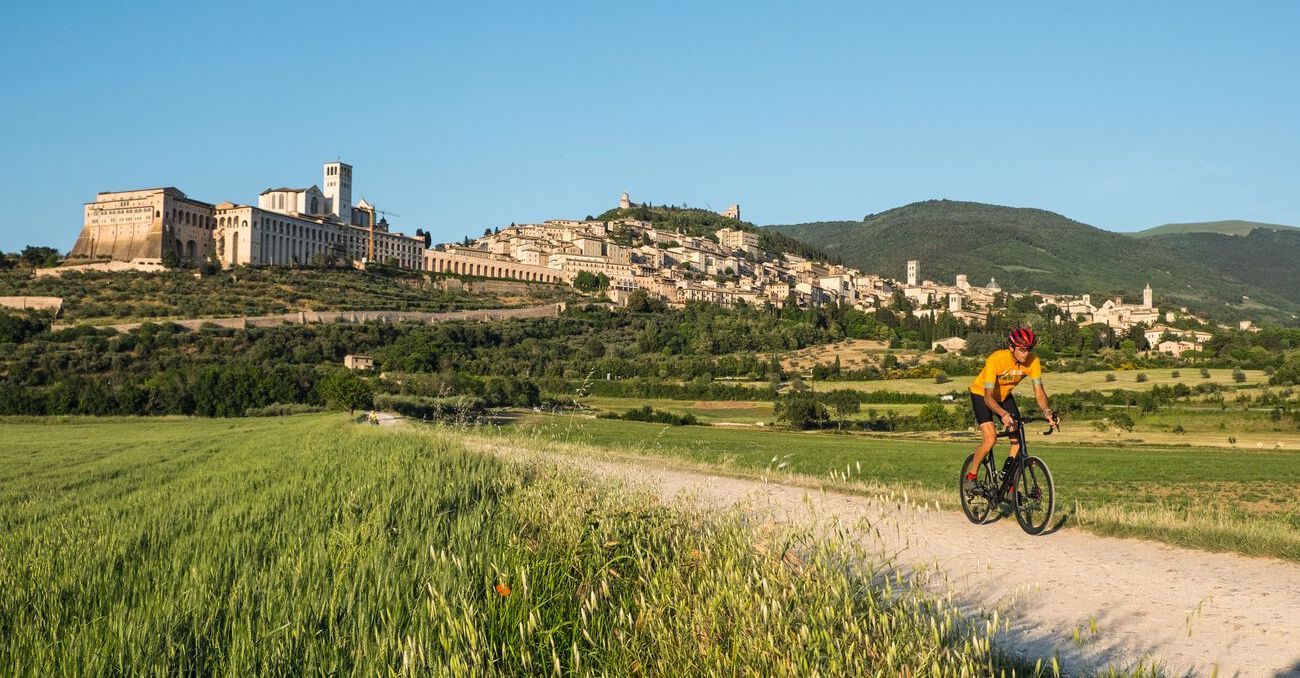
Umbria - Italy's hilly center
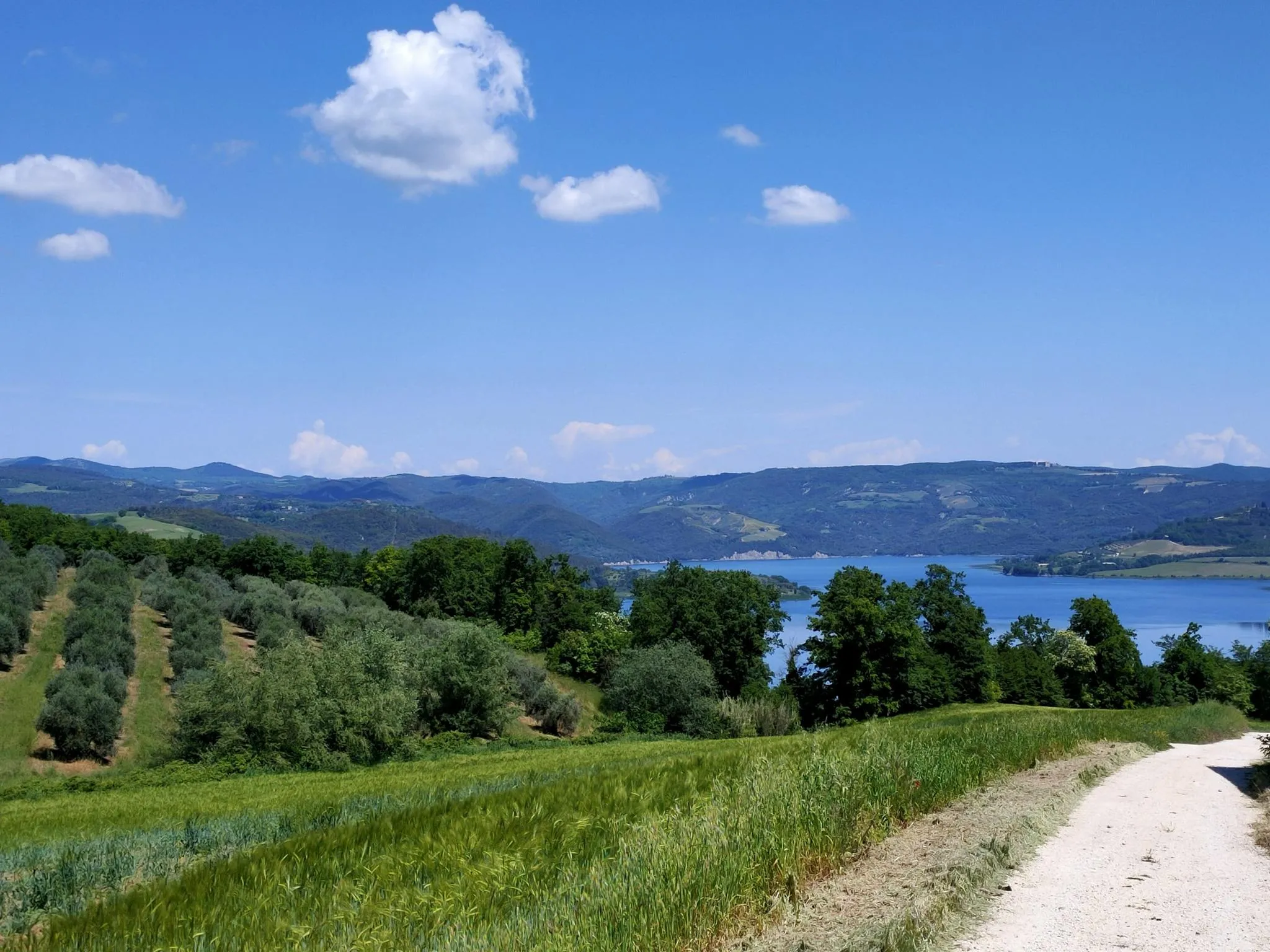
Italian Coast2Coast – From Portonovo to Orbetello
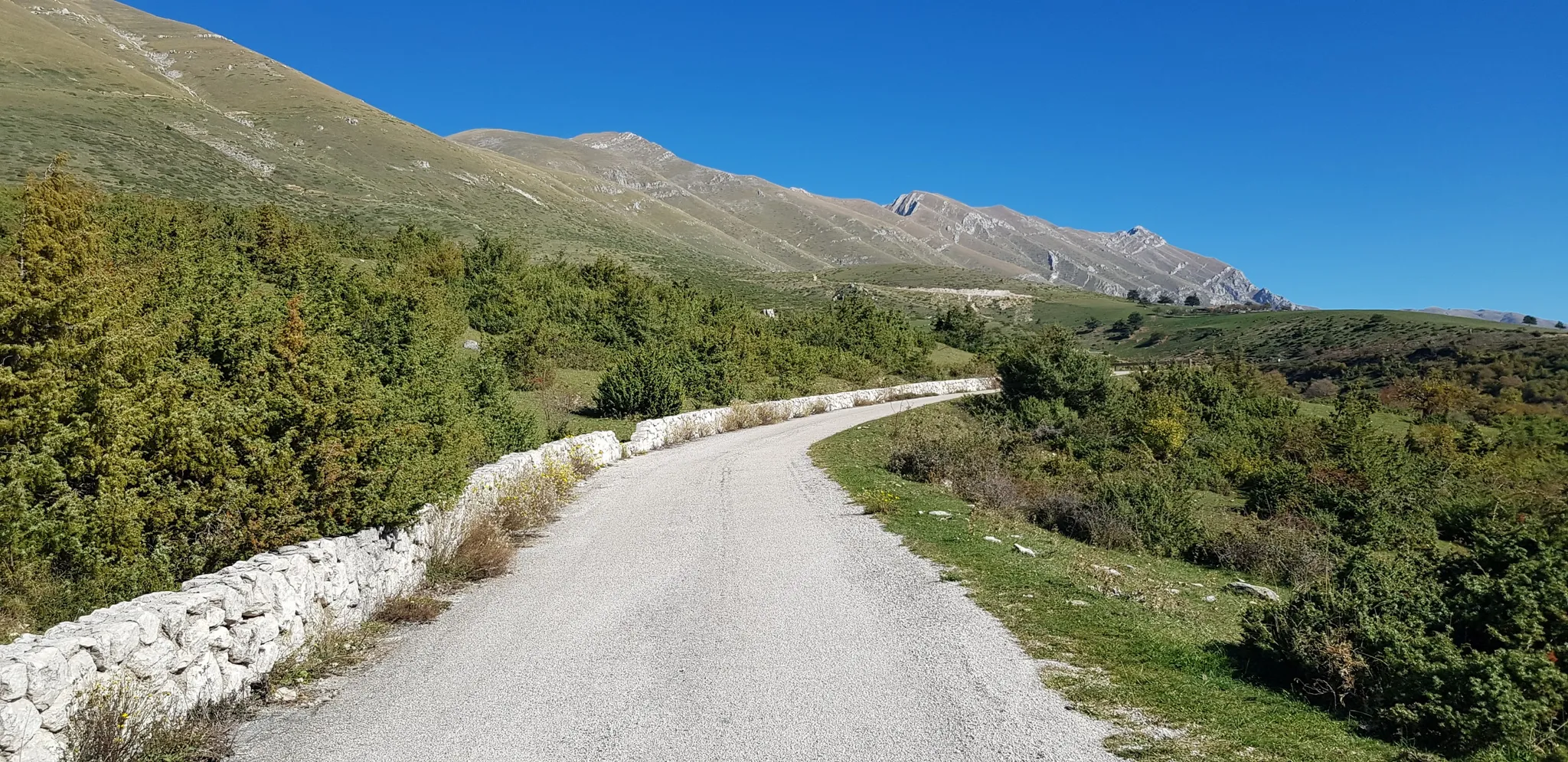
The Apennine Cycleway (Part 2) - From Umbria to Calabria
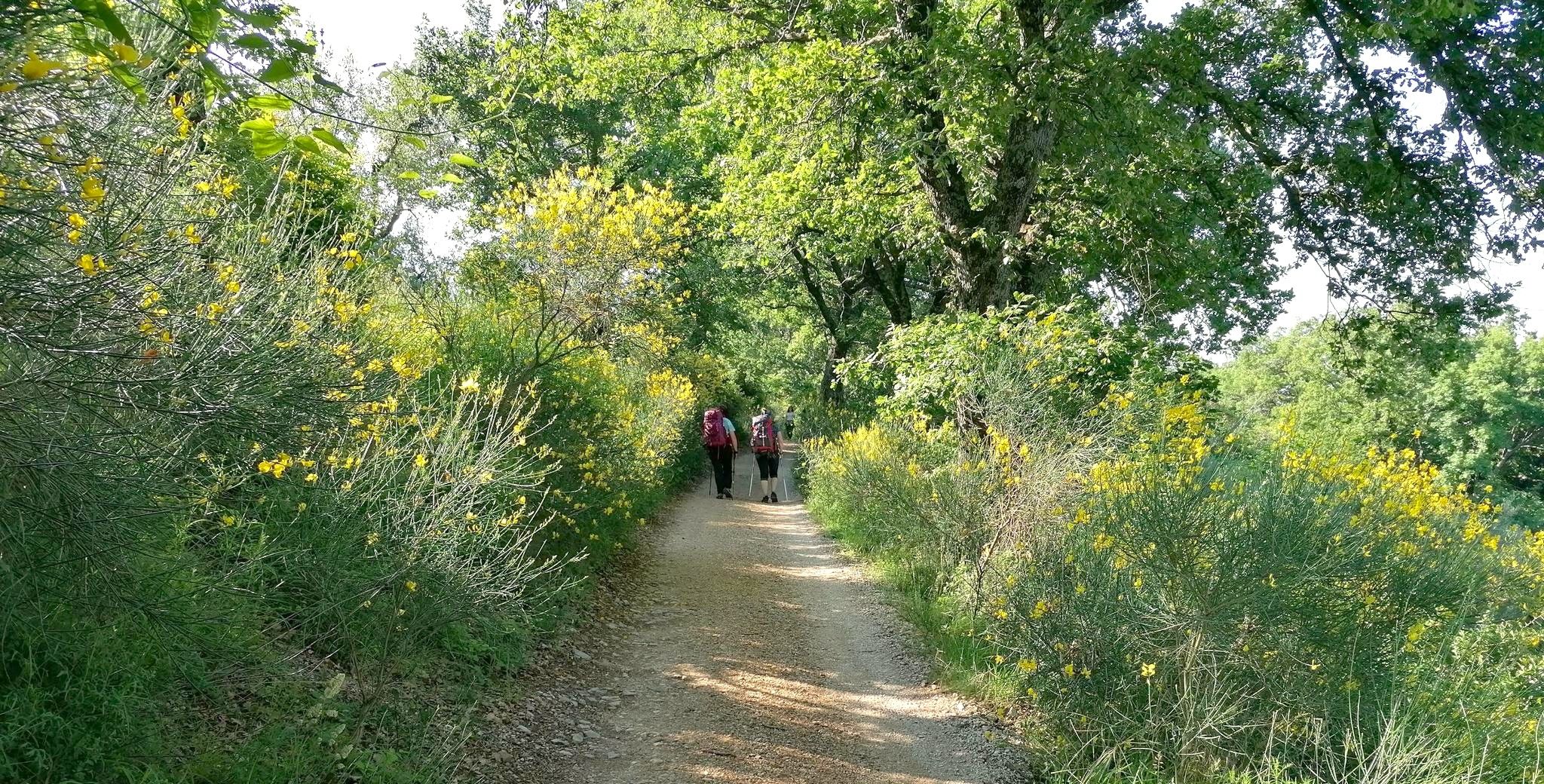
A journey of faith between Umbria and Marche – Via Lauretana
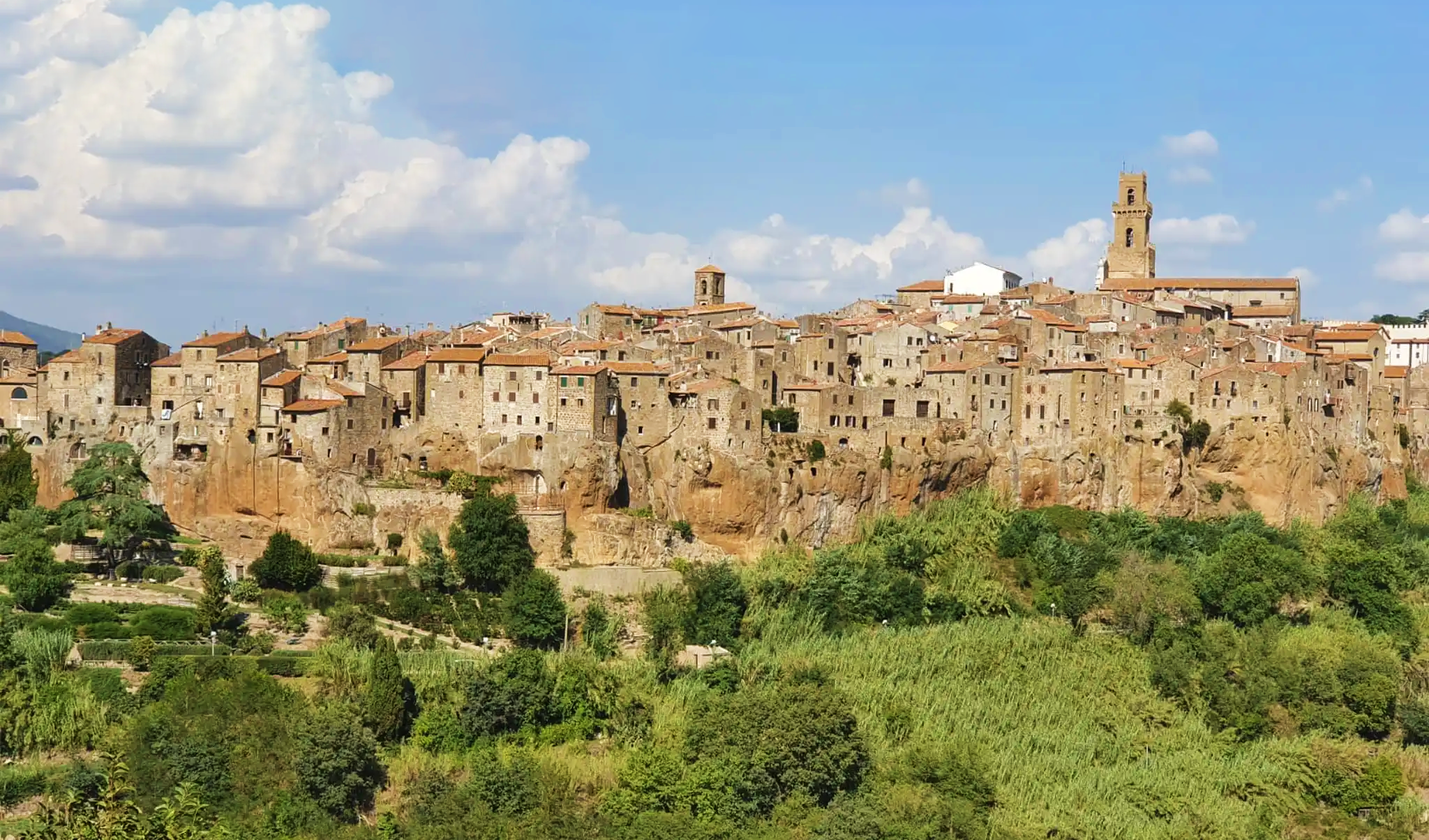
Italy coast to coast by bike – Orbetello to Senigallia
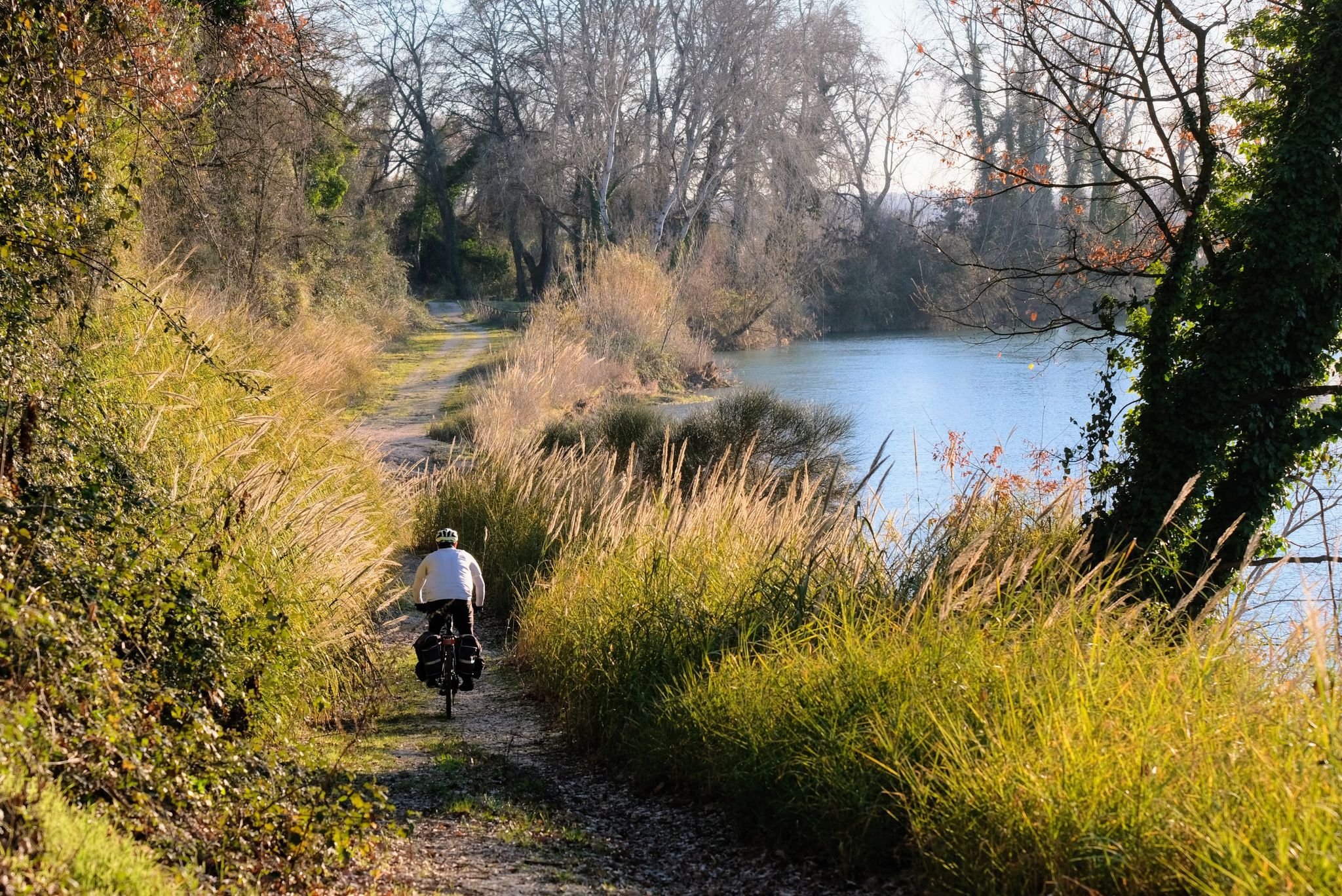
Assisi to Rome – Via dell'Acqua
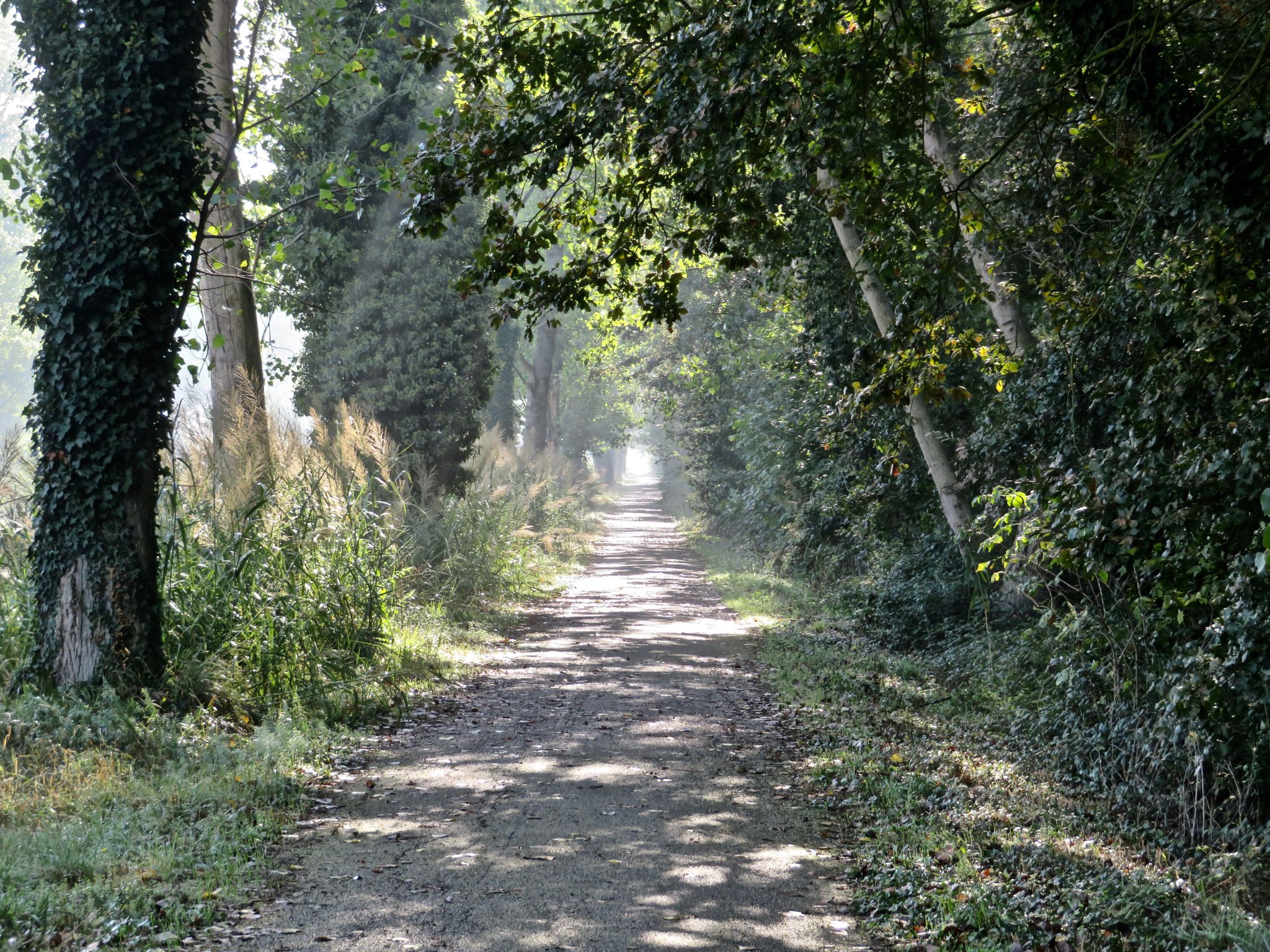
The old railroad – Assisi-Spoleto-Norcia Cycle Route
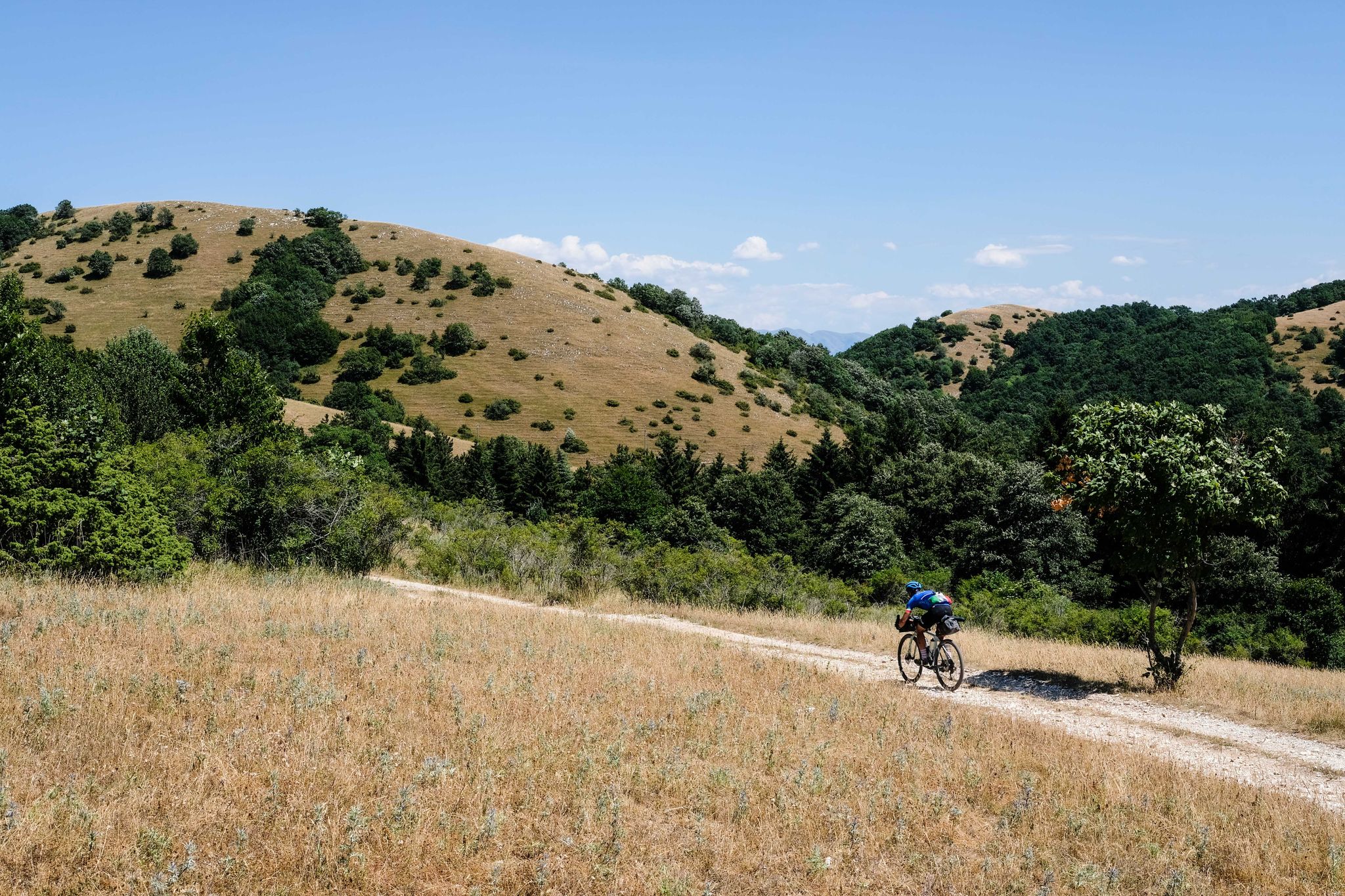
In the footsteps of Saint Francis of Assisi – gravel biking in Italy’s Umbria
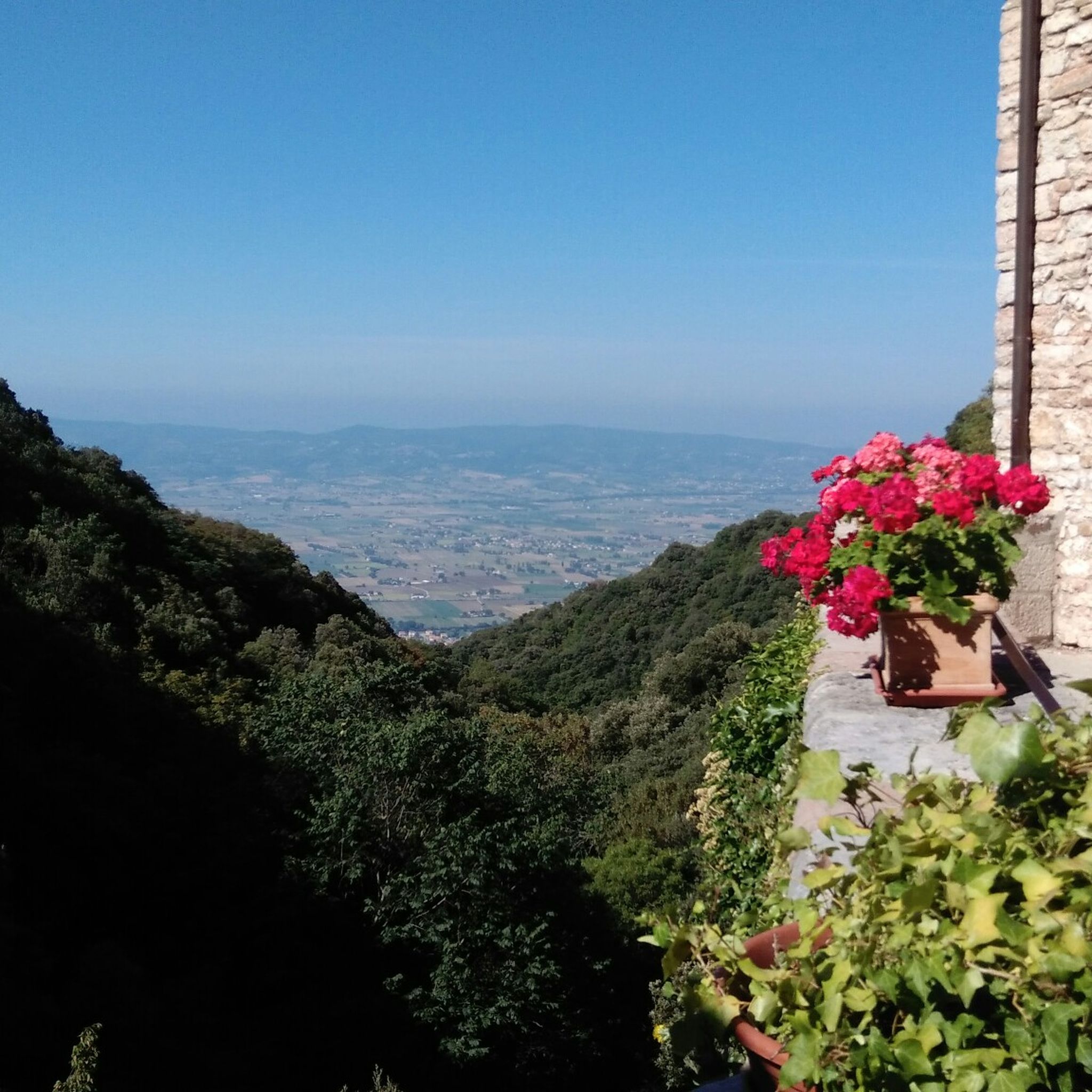
Hiking around Assisi
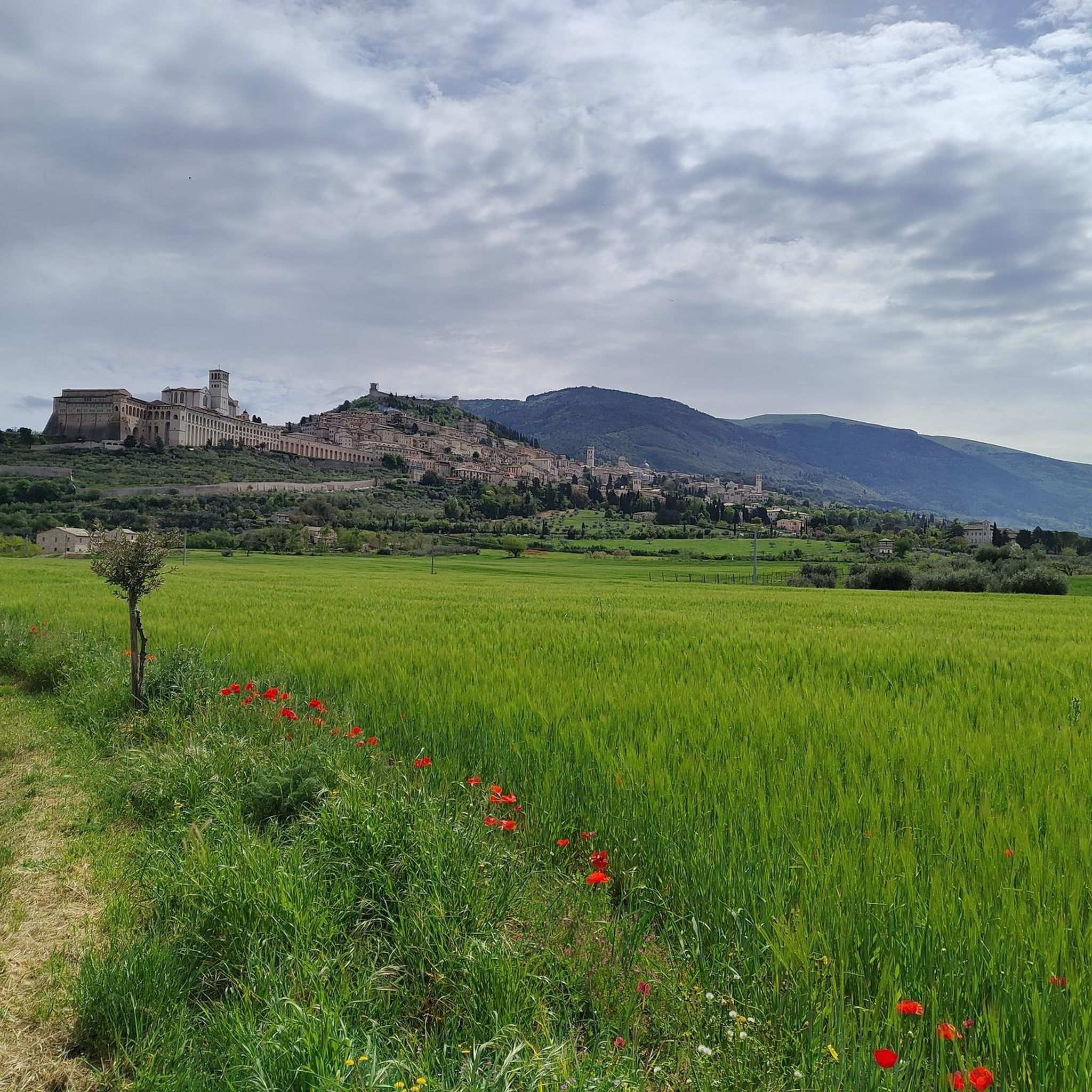
Running Trails around Assisi
Other adventures around Assisi


Tips from the Community


Trevi's historic center retains the charm of its medieval alleys, narrow and winding, weaving between stone houses and ancient buildings. These streets were designed not only to connect squares and gates, but also to defend the city, creating sheltered and safe routes. The houses feature small doorways and windows, while stairways and arches connect different levels, following the hilly terrain. Walking through the alleys, you'll experience a secluded atmosphere, filled with unexpected glimpses and silhouettes of rooftops and bell towers. Every corner tells stories of daily life, shops, markets, and medieval traditions, making the village a true journey into the past.
0
0


Spello's historic center is an elegant and well-preserved medieval village. It's definitely worth a visit.
0
0

Trevi, picturesque and simply beautiful location!
0
0


Memory of the Renaissance Baglioni family
0
0

Villa Fidelia stands on a sacred complex of the classical era, it seems to have origins dating back to the 4th century AD, a place to celebrate scenic games and gladiators. Decayed after the barbarian invasions, with the 16th century the Urbani occupied the area of the ancient sanctuary and decided to build a "Villa". Villa Fidelia over the centuries has undergone profound modifications, renovations and expansions based also on the various changes of ownership, until it had its current conformation, which should date back to the mid 1800s. In addition to the main building, the baroque garden is also worth admiring.
0
0
Frequently Asked Questions
How many road cycling routes are available around Assisi?
Assisi offers a wide variety of road cycling routes, with over 60 different tours available. These routes cater to various fitness levels, ranging from easy rides through the plains to more challenging climbs on the slopes of Mount Subasio.
Are there easy road cycling routes suitable for beginners or families in Assisi?
Yes, Assisi provides several easy road cycling routes. The Assisi-Spoleto-Marmore Falls Cycle Path, for instance, offers mostly flat terrain and low traffic, making it ideal for relaxed cycling through the scenic Valle Umbra. There are 9 easy routes in total, perfect for those seeking a gentle ride.
What are some challenging road cycling routes for experienced cyclists in Assisi?
For experienced cyclists seeking a challenge, Assisi offers 18 difficult routes with significant elevation gain. A notable option is the Historic Center of Spello – Nocera Umbra loop from Cannara, a 62.9-mile (101.2 km) trail that leads through the Umbrian countryside and past historic centers, involving substantial climbs.
Can I find circular road cycling routes around Assisi?
Yes, many road cycling routes around Assisi are designed as loops, allowing you to start and end in the same location. An excellent example is the Assisi and the Parco Regionale del Monte Subasio – loop tour, a moderate 25.2-mile (40.6 km) route offering scenic views around Mount Subasio.
What natural features or landmarks can I see along road cycling routes in Assisi?
Road cycling routes in Assisi often pass through diverse landscapes, including rolling hills, olive groves, and vineyards. You can explore the Hermitage of the Carceri, a secluded retreat above Assisi, or enjoy the naturalistic oasis of Bosco di San Francesco. The region also features sparkling bodies of water, and some routes follow rivers like the Nera, leading towards the spectacular Marmore Falls.
Are there any routes that pass by waterfalls?
Yes, some routes in the region will take you past impressive waterfalls. For example, the Menotre Waterfalls in Pale – Historic Center of Spello loop from Assisi is a challenging route that includes the beautiful Menotre Waterfalls, offering a refreshing natural highlight during your ride.
Which historic towns can I visit while road cycling from Assisi?
Assisi's strategic location allows cyclists to connect with numerous historical towns. The Assisi-Spoleto bike path can take you to Bevagna, one of 'The Most Beautiful Villages of Italy,' and further to Spoleto with its impressive Rocca Albornoziana. You can also extend your journey to include the medieval town of Spello, set against the slopes of Mount Subasio.
What is the best season for road cycling in Assisi?
The Umbria region, including Assisi, generally offers pleasant cycling conditions from spring through autumn. Spring brings blooming landscapes, while autumn provides comfortable temperatures and beautiful fall foliage. Summers can be warm, so early morning or late afternoon rides are often preferred during peak season.
Are there options for parking when starting a road cycling route near Assisi?
Yes, when planning your road cycling adventure, you'll find various parking options in and around Assisi, especially near popular starting points for routes. Many towns along the main cycling paths, such as Assisi, Spello, or Cannara, offer public parking facilities. It's advisable to check local parking regulations upon arrival.
Can I access road cycling routes in Assisi using public transport?
Public transport options, including regional trains and buses, can facilitate access to Assisi and nearby towns, which serve as starting points for many road cycling routes. The Assisi-Spoleto bike path, for instance, connects towns with train stations, making it possible to combine cycling with public transport for longer tours or return journeys.
Are there places to stop for food or drinks along the road cycling routes?
Absolutely. The Umbrian region is known for its culinary delights. Many road cycling routes pass through or near charming villages and towns where you can find cafes, restaurants, and trattorias. These offer excellent opportunities to refuel with local specialties, coffee, or a refreshing drink, especially along routes connecting historic centers like the Foligno – Historic Center of Spello loop from Cannara.
What do other cyclists say about road cycling in Assisi?
The road cycling experience in Assisi is highly rated by the komoot community, with an average score of 4.3 stars from over 20 reviews. Cyclists often praise the region's diverse terrain, from the panoramic views around Mount Subasio to the picturesque countryside adorned with vineyards and olive groves. The well-maintained paved surfaces and the opportunity to explore historic towns are frequently highlighted as major attractions.
Are there any specific routes that offer panoramic views of Assisi?
Yes, several routes provide breathtaking panoramic views of Assisi and the surrounding Umbrian Valley. The La Bruna – View of Assisi loop from Assisi is a moderate route specifically designed to offer stunning vistas of the town and its iconic basilica, making for a memorable cycling experience.
Most popular attractions around Assisi

Get inspired with the komoot mobile app


Explore more
Browse the best Road cycling routes in other regions.
