Attractions and Places To See around Marta - Top 20
Best attractions and places to see around Marta include its picturesque setting on the southern shore of Lake Bolsena in the Lazio region of Italy. This fishing village combines historical landmarks with natural beauty. Its medieval character and tranquil lakeside environment offer a blend of cultural and outdoor experiences. The area provides opportunities to explore ancient sites and enjoy the volcanic lake landscape.
Best attractions and places to see around Marta
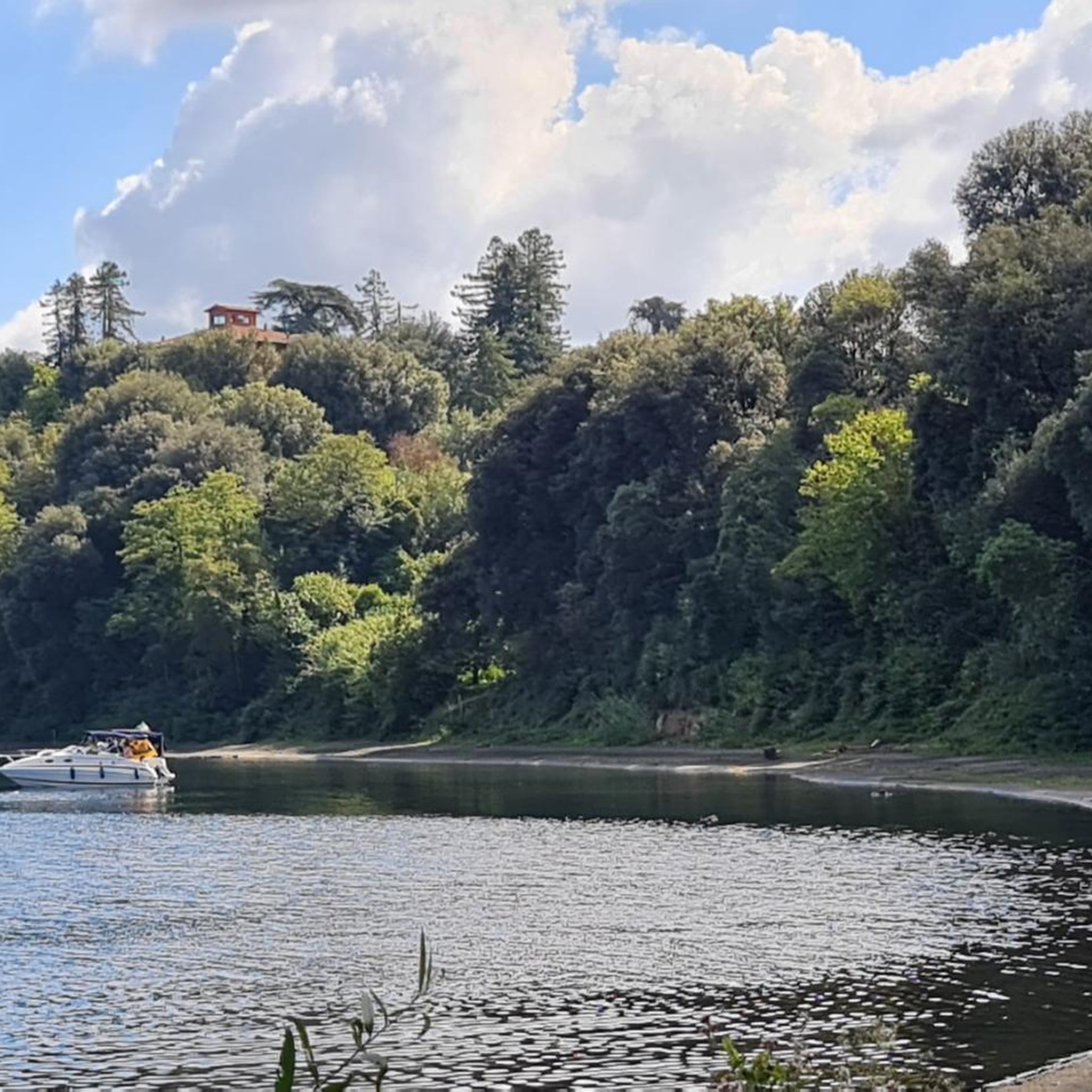
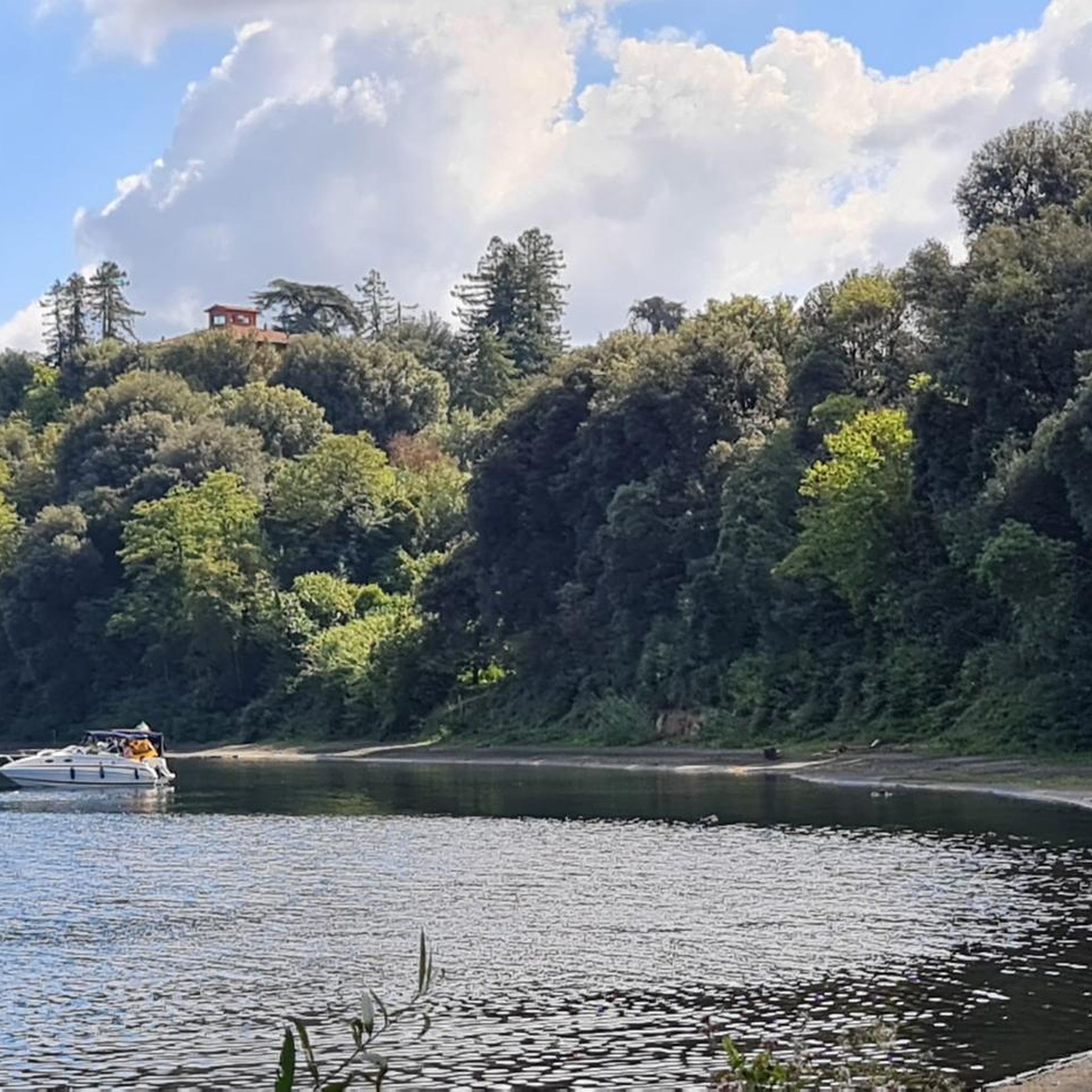
- The most popular attractions is Lake Bolsena, a lake of volcanic origin with clear water and black, volcanic sand beaches. It is surrounded by the Monti Volsini and offers free access to its shores for swimming and relaxation.
- Another must-see spot is Bolsena Old Town and the Rocca Monaldeschi, a historical site dominated by a massive 14th-century castle. This medieval center on the lake's northern shore features small shops and a municipal museum within the Rocca, offering views from its roof terrace.
- Visitors also love Basilica of Santa Cristina, a religious building known for the Eucharistic miracle of 1263. This basilica in Bolsena contains the sarcophagus of Saint Cristina and consists of three adjoining churches from the Middle Ages and Renaissance.
- Marta is known for its medieval character, historical landmarks, and natural lakeside features. Visitors can explore ancient structures, tranquil waterfronts, and cultural sites.
- The attractions around Marta are appreciated by the komoot community, with more than 250 upvotes and over 30 photos shared by users.
Last updated: May 9, 2026
Bolsena Old Town and the Rocca Monaldeschi
Highlight • Historical Site
In Etruscan and then Roman times it became an important trading center; in the Middle Ages its importance grew thanks to the large flow of pilgrims that the Via Francigena led to Rome, but also to the veneration of the martyr S. Cristina in whose honor the Collegiate Church of S. Cristina was built. In this same church, the so-called Miracle of Bolsena (or of the bleeding host) took place in the thirteenth century, following which the feast of Corpus Domini was established for all of Christianity.
Translated by Google •
Tip by

Basilica of Santa Cristina
Highlight • Religious Site
Translated by Google •
Tip by

Sign up now to discover places like this
Get recommendations on the best single tracks, peaks, & plenty of other exciting outdoor places.
Sign up for free
Lake Bolsena
Highlight • Lake
Translated by Google •
Tip by

Via Cassia Antica
Highlight • Historical Site
Translated by Google •
Tip by

Historic Center of Marta
Highlight • Historical Site
Translated by Google •
Tip by

Sign up for free to discover even more attractions around Marta.
Sign up for free
Already have an account?
Start today with a free account
Your next adventure awaits.
Login or Signup

Tips from the Community

The Via Cassia was an ancient Roman consular road that connected Rome with Etruria. Built starting from the 3rd or 2nd century BC, it initially reached Clusium (Chiusi), then was extended to Cortona, Arezzo and Fiesole and, subsequently, towards the Tyrrhenian coast through Pistoia and Lucca from which several routes branched off up to Luni, where the Via Aemilia Scauri began. The Via Cassia started from Rome but did not begin, like all the consular roads, from the golden miliarium located in the Roman Forum. In fact, it originated from the Milvian Bridge, in the northern part of Rome, on the right bank of the Tiber which divided Rome from Etruria (the territory between the Arno and the Tiber ), marking the miles travelled in Etruria.
0
0

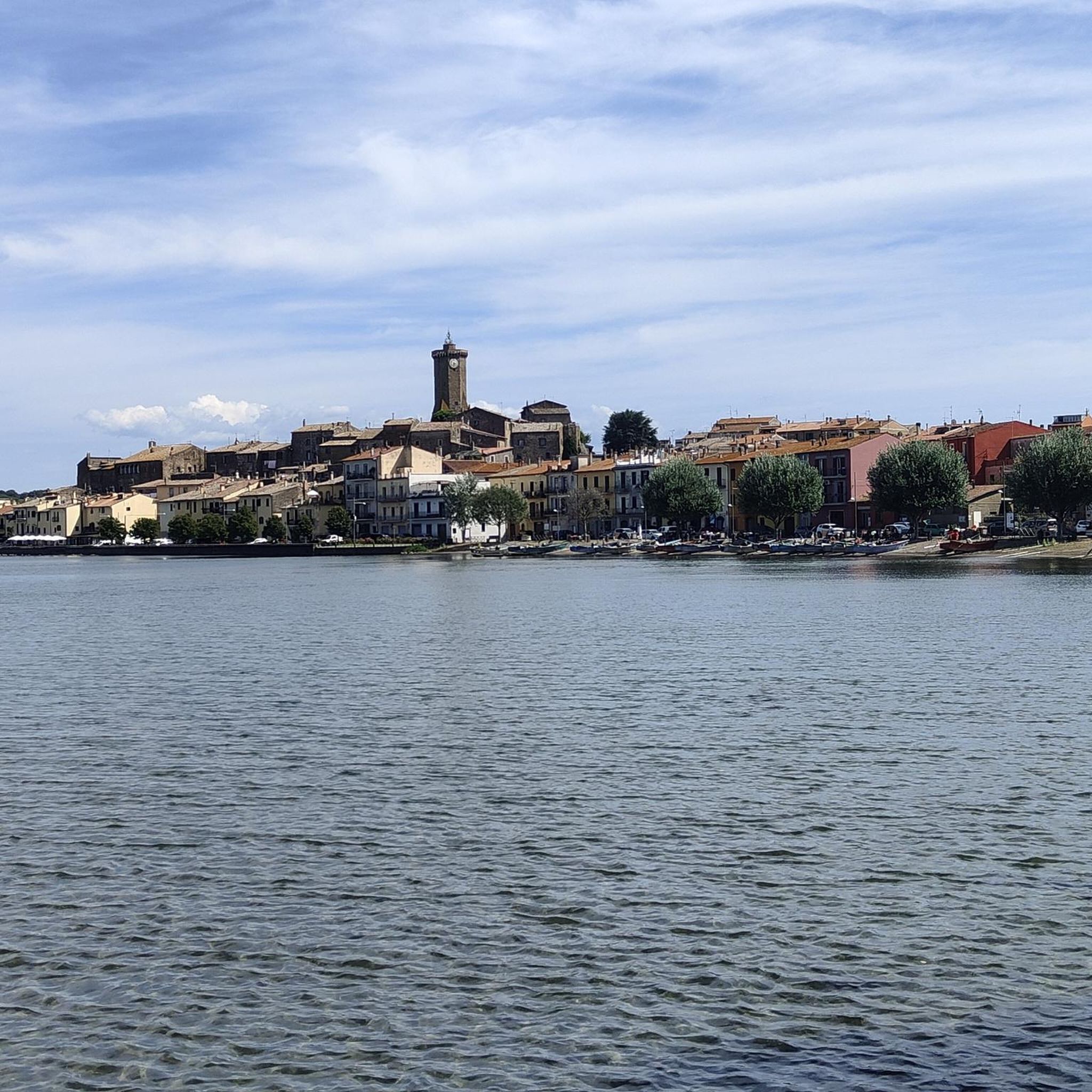
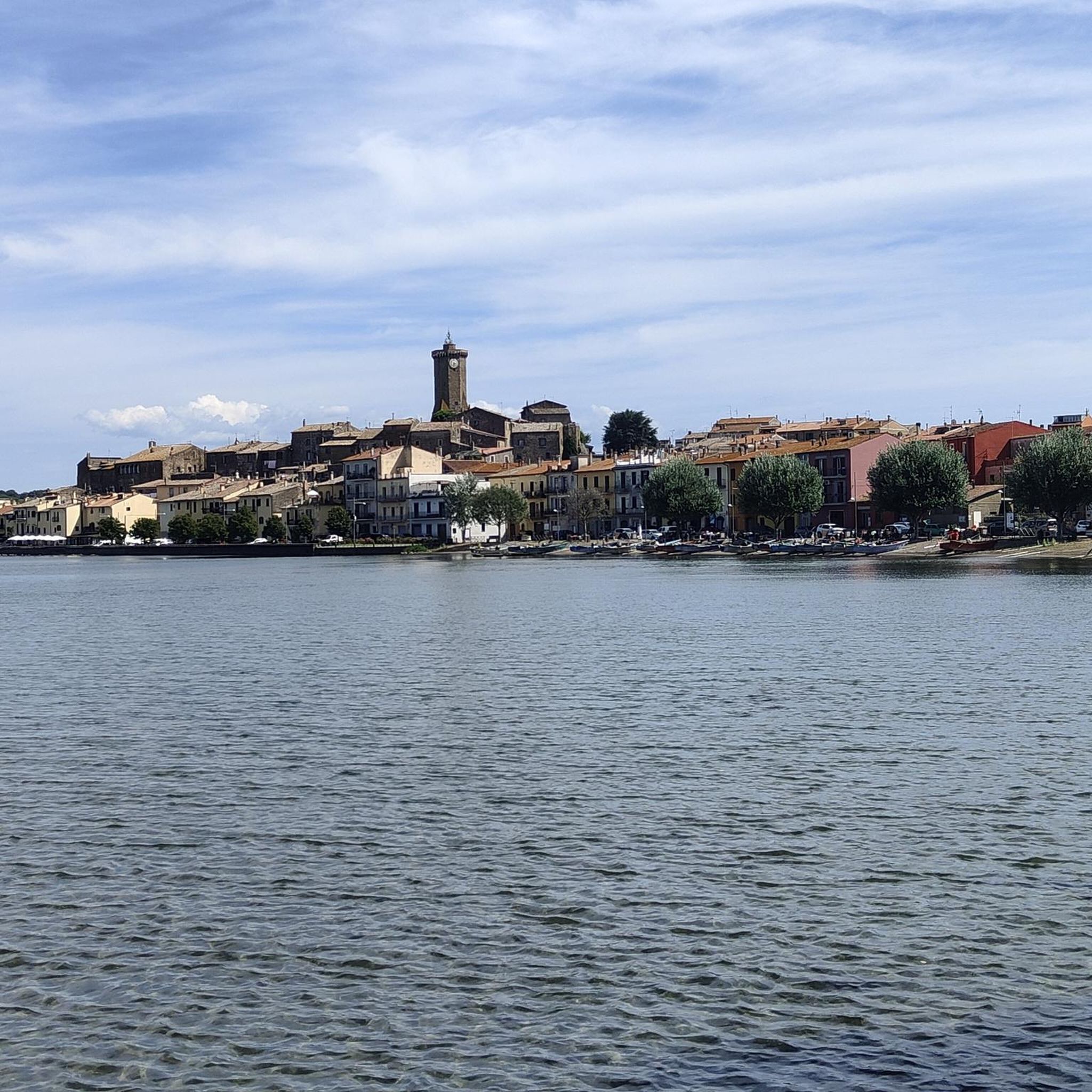
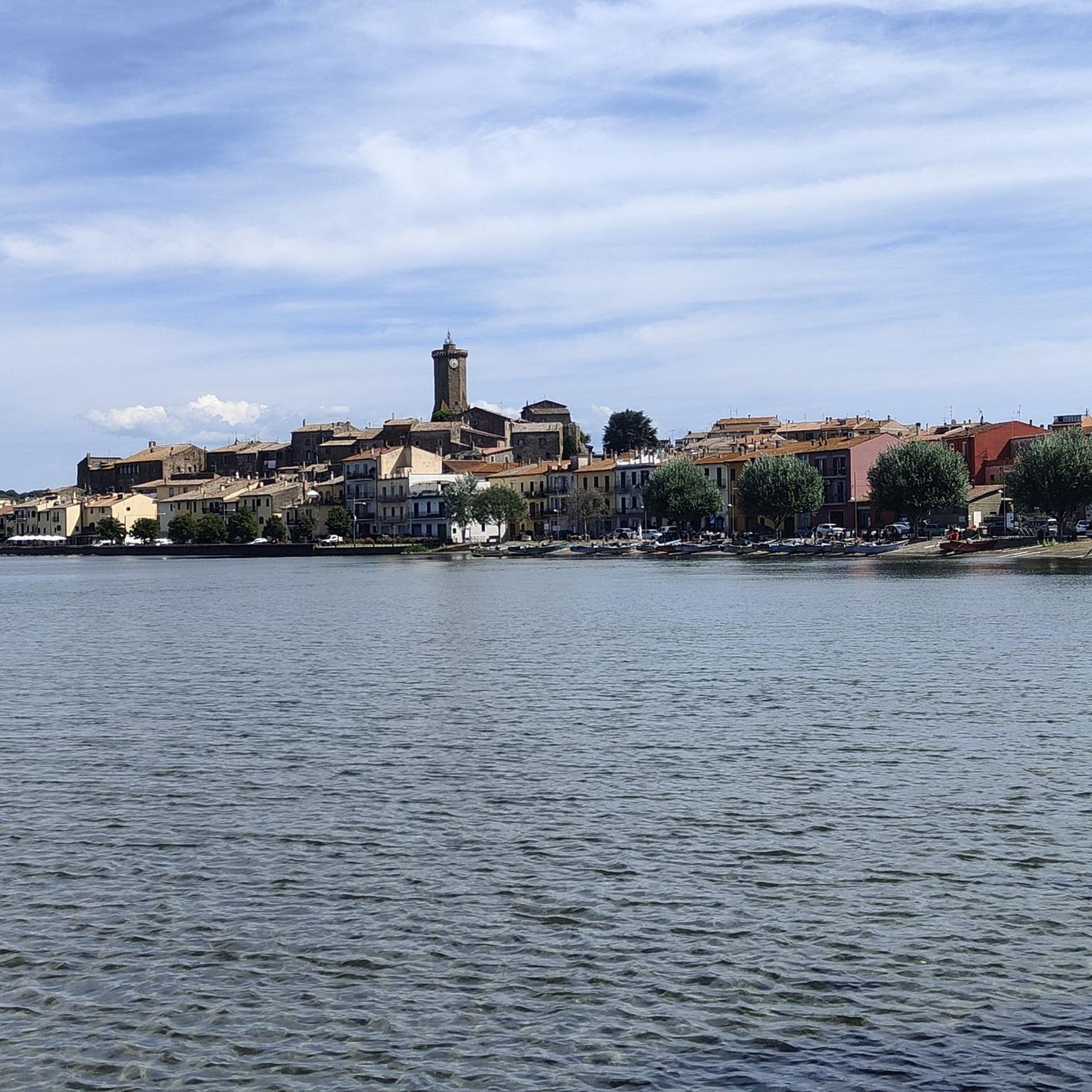
Located in the heart of the village of Marta, on the southern shore of Lake Bolsena, the Clock Tower is one of the main historical and tourist attractions of the area. This medieval tower, which stands majestically in the historic center, is not only a symbol of the city, but also a witness to centuries of history, art and local traditions. The Clock Tower stands imposingly at 21 meters high. Its structure is characterized by a truncated pyramid base with a square plan and an octagonal body that culminates with a small octagonal tower about 2.5 meters high, where the clock bells are located. This clock, installed in 1575 during the Farnese domination, is one of the distinctive elements of the tower. Originally, the tower was part of the Rocca, a medieval fortification that has seen numerous restorations and alterations due to the turbulent historical events of the village. The tower has survived various modifications and reconstructions, and today represents one of the most fascinating testimonies of Marta's past. (c) https://www.visittuscia.eu/torre-orologio-marta/
0
0

on the Via Francigena between Montefiascone and Viterbo
0
0

Beautiful village
0
0

Benvenuti a Bolsena, the town to which Lago di Bolsena owes its name. With just over four thousand inhabitants, it is a relatively small city. The old medieval center is located on the hill overlooking the water. The main city on the lake shines with its simplicity and modesty. Here you will not find a large shopping center with all the well-known chains, but one long street runs from east to west on which you will find countless small shops from local entrepreneurs who sell authentic products. At the end of that long street is the Rocca Monaldeschi, a beautiful castle from the fourteenth century. In the castle you will find the municipal museum, where you can discover the history of the lake and the city of Bolsena through archaeological finds. An entrance ticket also gives access to the castle's roof terrace, where you can enjoy beautiful views.
3
0
The Basilica Santa Cristina in Bolsena, is a Catholic basilica known for being the site of a Eucharistic miracle in 1263, which is immortalized in the fresco “Messa a Bolsena” by Raphael in the Vatican Palace. It is also the burial place of the martyr and saint Cristina of Bolsena. Consecrated by Pope Gregory VII in 1077, the church has a Renaissance facade and houses the Museo Territoriale del Lago di Bolsena. It offers beautiful views of the village and the lake, and is a major tourist attraction in the region.
2
0

The church is famous for the blood miracle that is said to have taken place there.
2
0

The Via Francigena and the Via Romea Germanica pass over this extraordinary stretch of well-preserved paving of the ancient Via Cassia, testimony to how important this communication and pilgrimage route was. The surrounding landscape is very suggestive: you walk between rows of olive trees and in the background the centenary woods of Mount Cimino.
2
0
Frequently Asked Questions
What historical sites can I explore in and around Marta?
Marta and its surroundings are rich in history. You can visit the medieval Historic Center of Marta with its narrow streets and the ancient Torre dell'Orologio, a remnant of a 13th-century fortress offering panoramic views. Don't miss Bolsena Old Town and the Rocca Monaldeschi, a 14th-century castle with a municipal museum. The Basilica of Santa Cristina in Bolsena is also historically significant, known for the Eucharistic miracle of 1263 and housing the sarcophagus of Saint Cristina. Additionally, the Sanctuary of Madonna del Monte, built by Benedictine monks, offers historical insights and stunning views.
Are there family-friendly attractions near Marta?
Yes, several attractions around Marta are suitable for families. Lake Bolsena itself is a great family destination, offering clear waters for swimming and black, volcanic sand beaches. The Basilica of Santa Cristina and the Cathedral of Saint Margaret and Crypt of Saint Lucia Filippini are also listed as family-friendly historical and religious sites. The Lakeside Promenade in Marta is perfect for leisurely walks with children, and boat trips on Lake Bolsena can be an exciting activity.
What natural features can I enjoy around Marta?
The primary natural feature is Lake Bolsena, a large volcanic lake with very clear water and unique black sand beaches. You can enjoy relaxing walks along the Lungolago di Marta (Lakeside Promenade) or find secluded spots like Spiaggia delle Grotte for swimming. The area also offers hiking trails, such as the path to Monte Bisenzio, which provide stunning panoramic views of the lake and the surrounding Lazio countryside. From Marta, you can also see Martana Island, a rugged island with a fascinating history.
What kind of outdoor activities can I do near Marta's attractions?
Marta is an excellent base for outdoor activities. You can explore the region on two wheels with various cycling routes, including moderate and difficult options around Lake Bolsena. For runners, there are several jogging trails, such as the 'Run at Lake Marta loop'. Mountain biking enthusiasts will find numerous MTB trails, some offering extensive loops around the lake. For more details on routes, check out the guides for Cycling around Marta, Running Trails around Marta, and MTB Trails around Marta.
Where can I find the best panoramic views of Lake Bolsena?
For breathtaking panoramic views of Lake Bolsena, head to the Torre dell'Orologio in Marta's historic center. Another excellent spot is the Sanctuary of Madonna del Monte, situated on a hill above Marta, which offers one of the best vantage points. Additionally, the roof terrace of the Rocca Monaldeschi in Bolsena provides beautiful views over the lake and its surroundings.
What cultural experiences does Marta offer?
Marta boasts a rich cultural scene. Its medieval Historic Center is a cultural experience in itself with its ancient architecture. You can visit La Cannara, an ancient medieval building used for eel fishing, now home to a botanical garden. The Museo della Navigazione offers insights into Lake Bolsena's maritime heritage, and a Permanent Exhibition of Prehistoric Archaeology showcases local artifacts. Marta is also known for its vibrant local festivals, such as the Festa della Madonna del Monte (Barabbata) in May and the Sagra del Lattarino.
Are there any unique local foods or drinks to try in Marta?
Absolutely! Marta is renowned for its fresh fish from Lake Bolsena, especially eel dishes, reflecting its fishing village heritage. You should also try the local dessert wine, Cannaiola wine. Many trattorias and cafés along the Lungolago di Marta offer these local specialties with beautiful lake views.
What is the best time to visit Marta for festivals and events?
Marta hosts several vibrant festivals throughout the year. The Festa della Madonna del Monte (Barabbata) is a significant traditional event held in May. The Sagra del Lattarino, celebrating the small freshwater fish, takes place in late May or early June. The Cherry Festival is on the third Sunday in May, and the Feast of Santa Marta, with popular games and a regatta, is celebrated on July 29th. Visiting during these times offers a unique cultural immersion.
Can I find local markets or unique shopping experiences in Marta?
Yes, Marta has a vibrant weekly market held every Thursday at Piazza Vittorio Emanuele. Here, you can find fresh local produce and handmade crafts, offering a glimpse into local life and an opportunity to purchase authentic souvenirs. In Bolsena Old Town, you'll also find countless small shops from local entrepreneurs selling authentic products.
What are some hidden gems or less-known spots around Marta?
Beyond the main attractions, consider exploring the secluded Spiaggia delle Grotte along Lake Bolsena, favored by locals for its clear waters and serene environment. The ancient La Cannara, with its history of eel fishing and botanical garden, offers a unique historical and natural experience. For a quiet retreat with historical significance, the Sanctuary of Madonna del Monte provides not only stunning views but also a peaceful atmosphere away from the main town bustle.
What is the significance of Martana Island, visible from Marta?
Martana Island, visible from Marta, holds a fascinating and somewhat tragic history. It is famously associated with the legend of the Ostrogoth Queen Amalasuntha, who was imprisoned and killed there in 535 AD. While private, boat trips departing from Marta can offer views of this rugged island and its volcanic cliffs, allowing you to appreciate its historical mystique from the water.
Most popular attractions around Marta

Get inspired with the komoot mobile app


Explore more
Still not found the Highlight you’re looking for? See guides of the top attractions in other regions:
