Attractions and Places To See in Calanques - Top 20
Attractions and places to see in Calanques include a diverse array of natural wonders and historical sites within Europe's only national park that is terrestrial, marine, and peri-urban. Situated between Marseille, Cassis, and La Ciotat, the region is defined by its dramatic limestone cliffs and secluded coves. Visitors can explore a unique landscape shaped by geological processes, offering both natural beauty and cultural points of interest. The Calanques National Park provides opportunities to experience a distinctive Mediterranean environment.
Best attractions…
Last updated: September 27, 2026
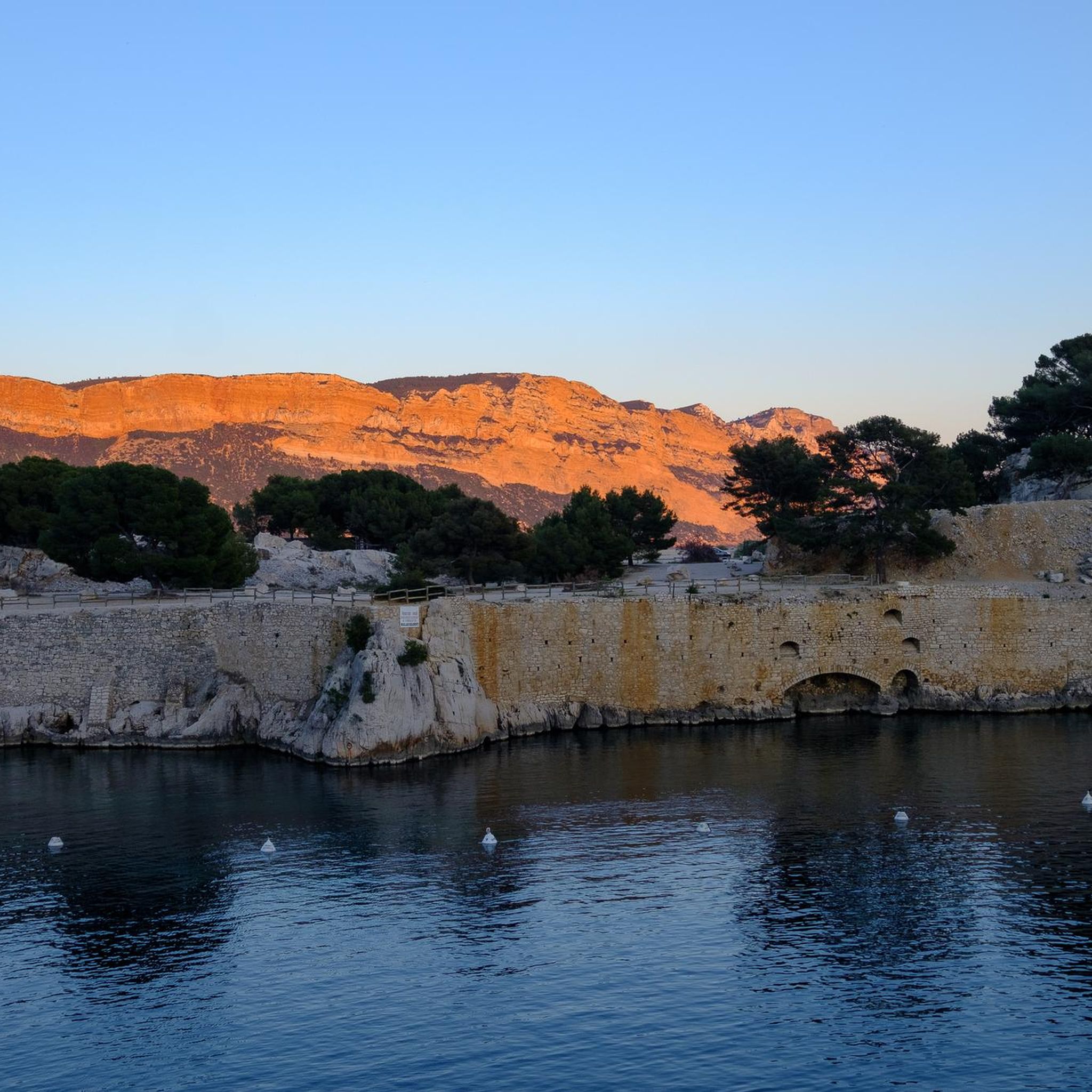
View of the Port Miou calanque
Highlight • Lake
Translated by Google •
Tip by

Port-Miou Marina
Highlight • Structure
Translated by Google •
Tip by

Sign up now to discover places like this
Get recommendations on the best single tracks, peaks, & plenty of other exciting outdoor places.
Cassis Harbour
Highlight • Settlement
Translated by Google •
Tip by

Route de la Gineste
Highlight (Segment) • Cycleway
Noticeably cooler at higher altitudes without sun.
Translated by Google •
Tip by

The Frioul Islands
Highlight • Other
At Port Frioul there are several restaurants.
Translated by Google •
Tip by

Sign up for free to discover even more attractions in Calanques.
Already have an account?
Start today with a free account
Your next adventure awaits.
Popular around Calanques
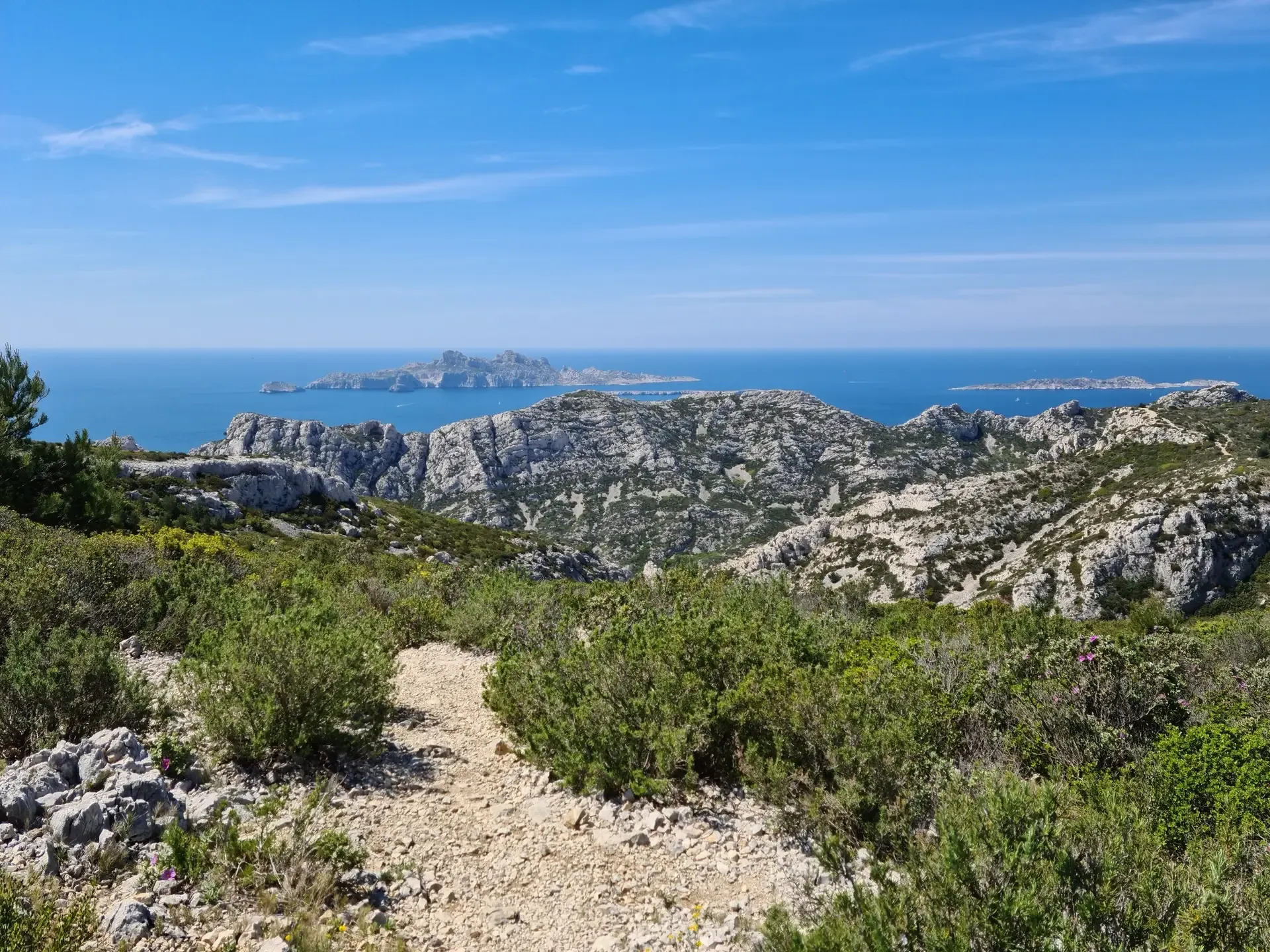
GR 51 - Balcony of the Mediterranean

Tarmac, trails and flow – Europe's best road to trail runs
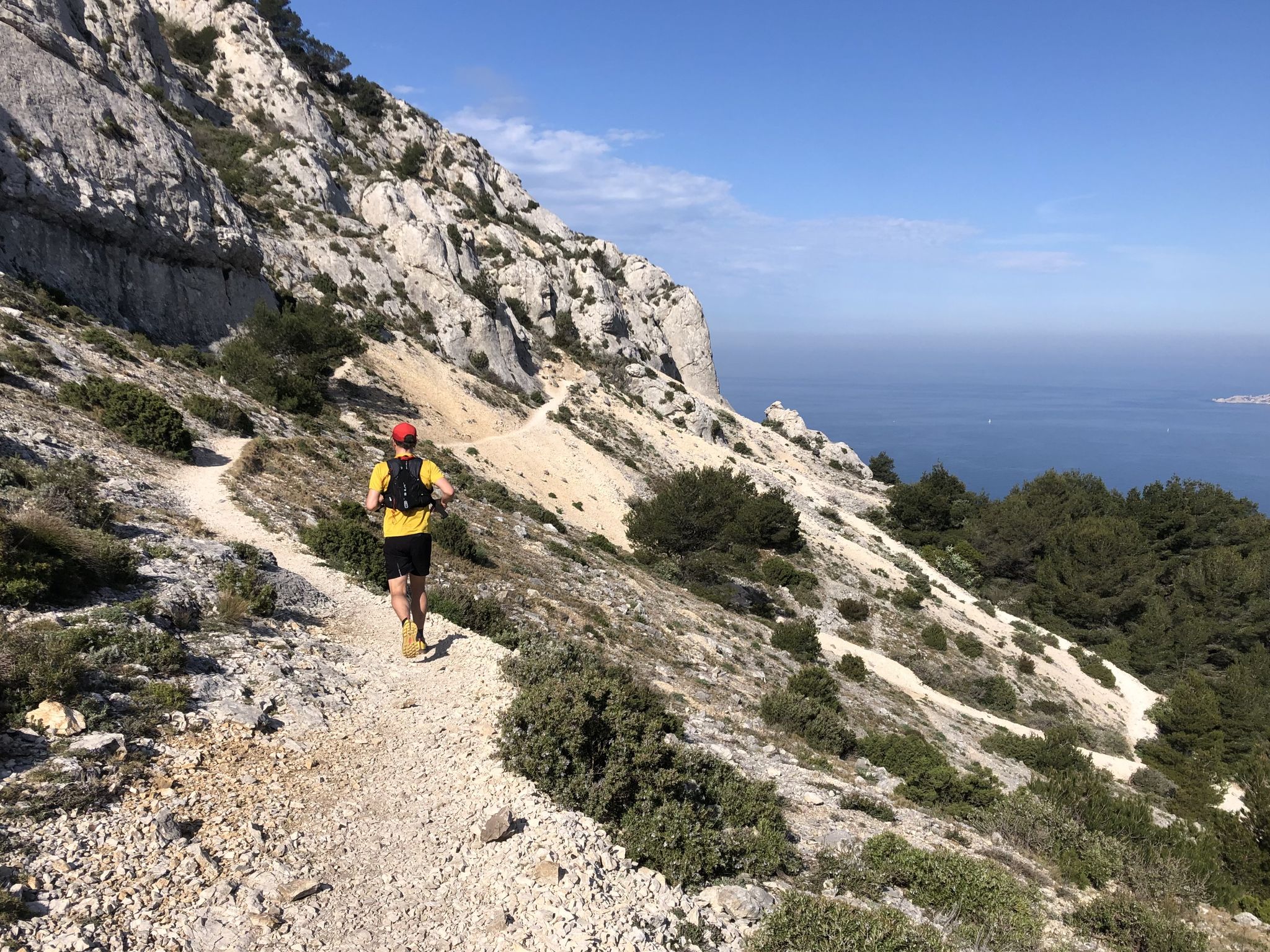
Cliffs, creeks and ridges – 10 sporty hikes in France’s Calanques
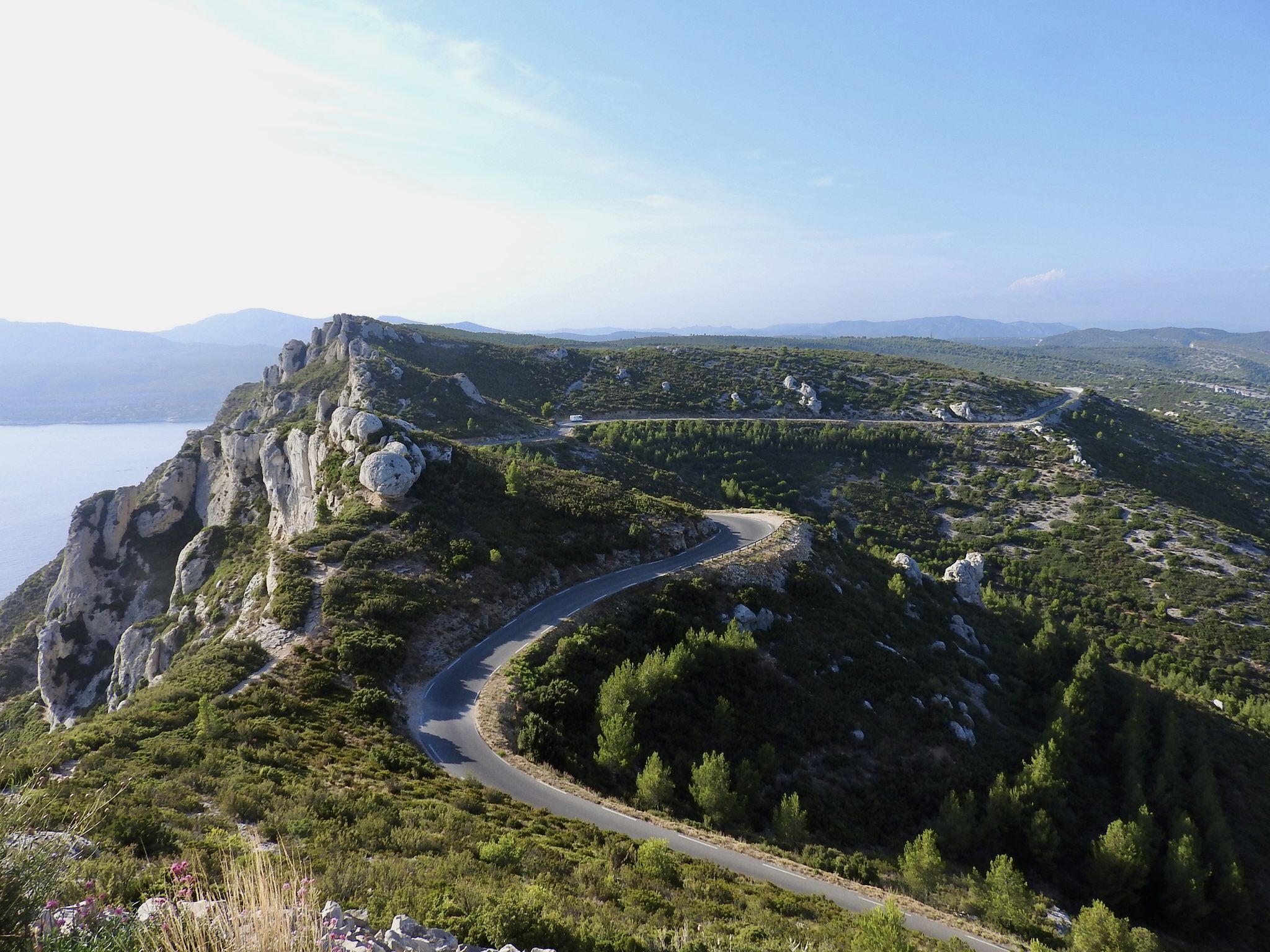
From the Calanques to Cézanne – discover the countryside of France’s Provence
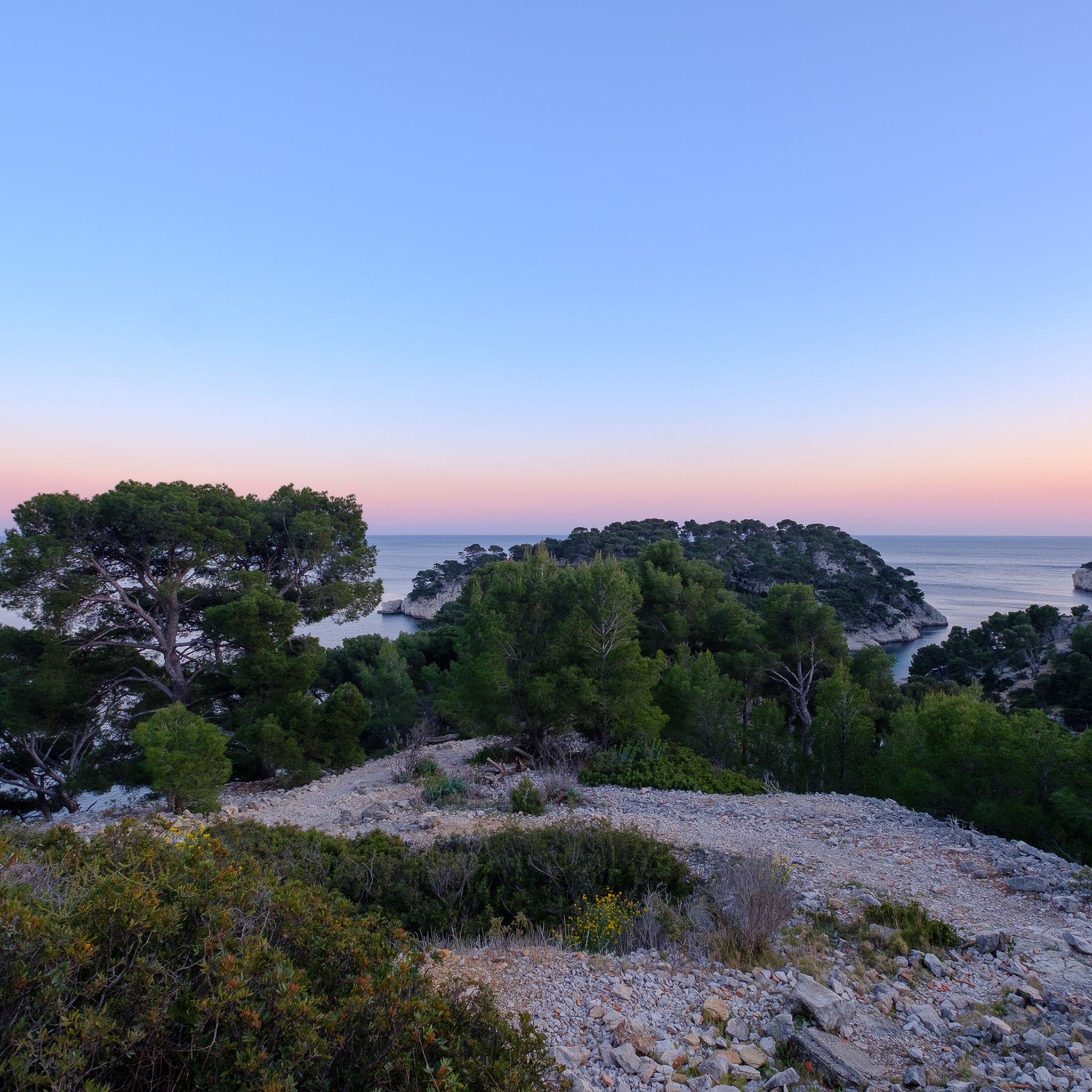
Hiking in Calanques
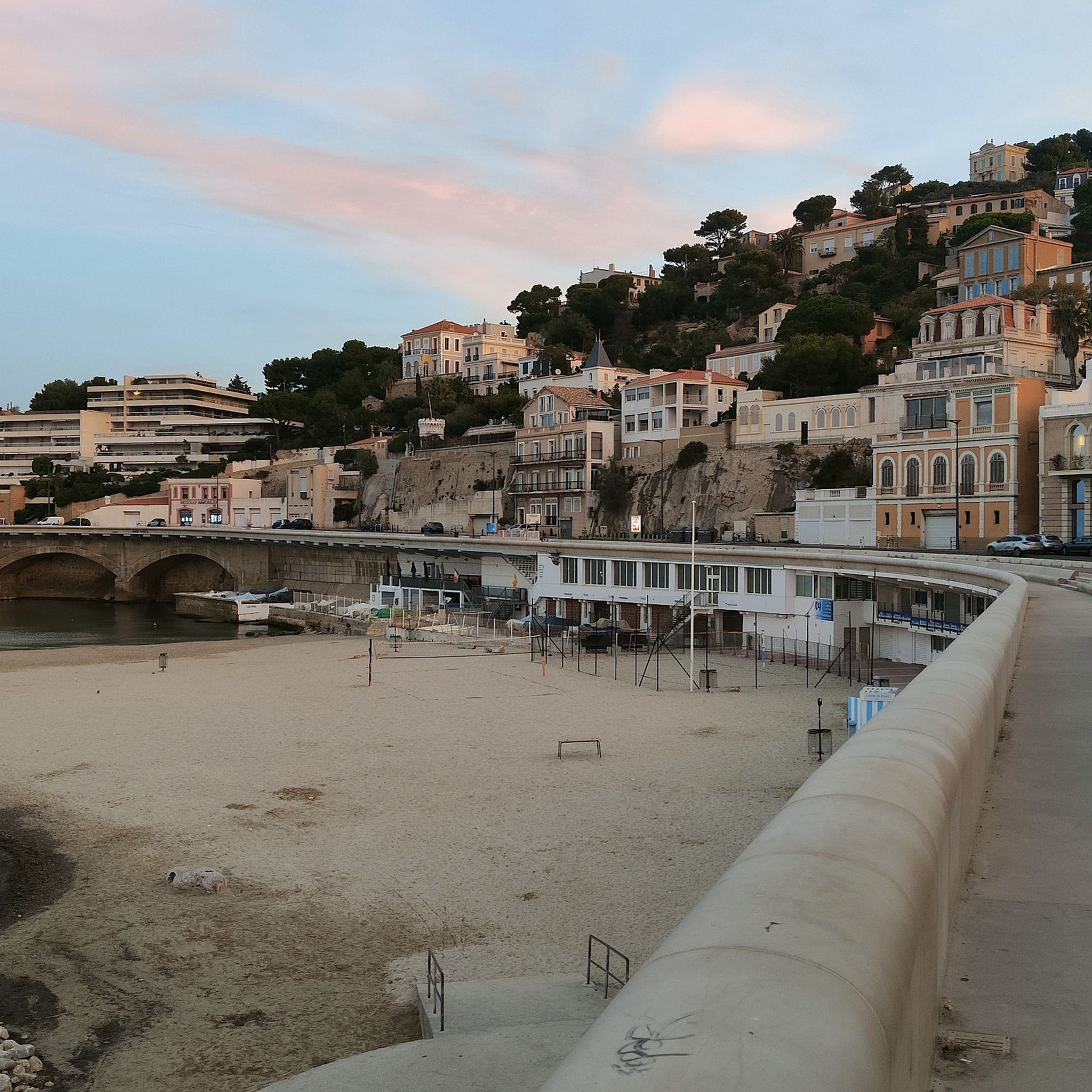
Running Trails in Calanques
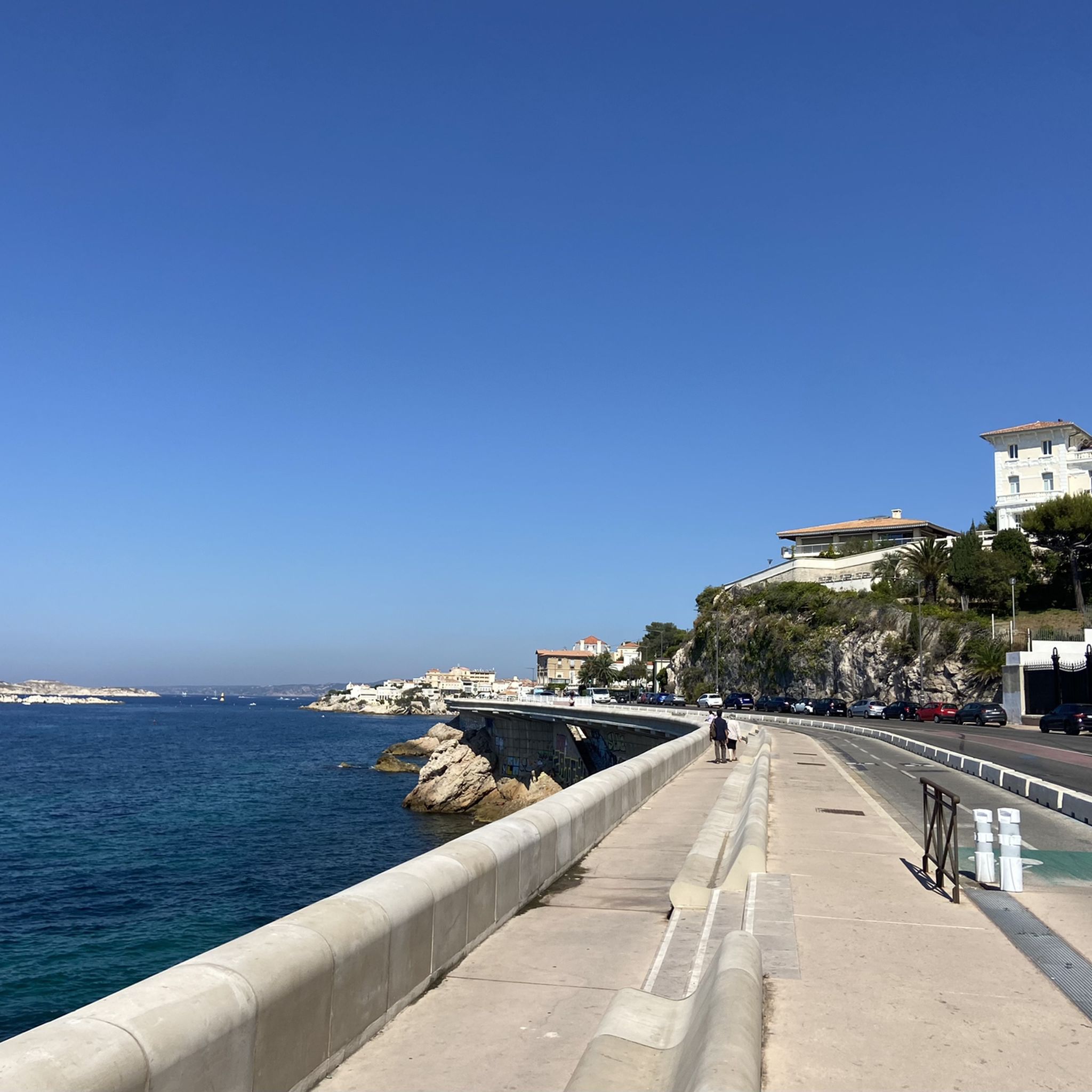
Road Cycling Routes in Calanques
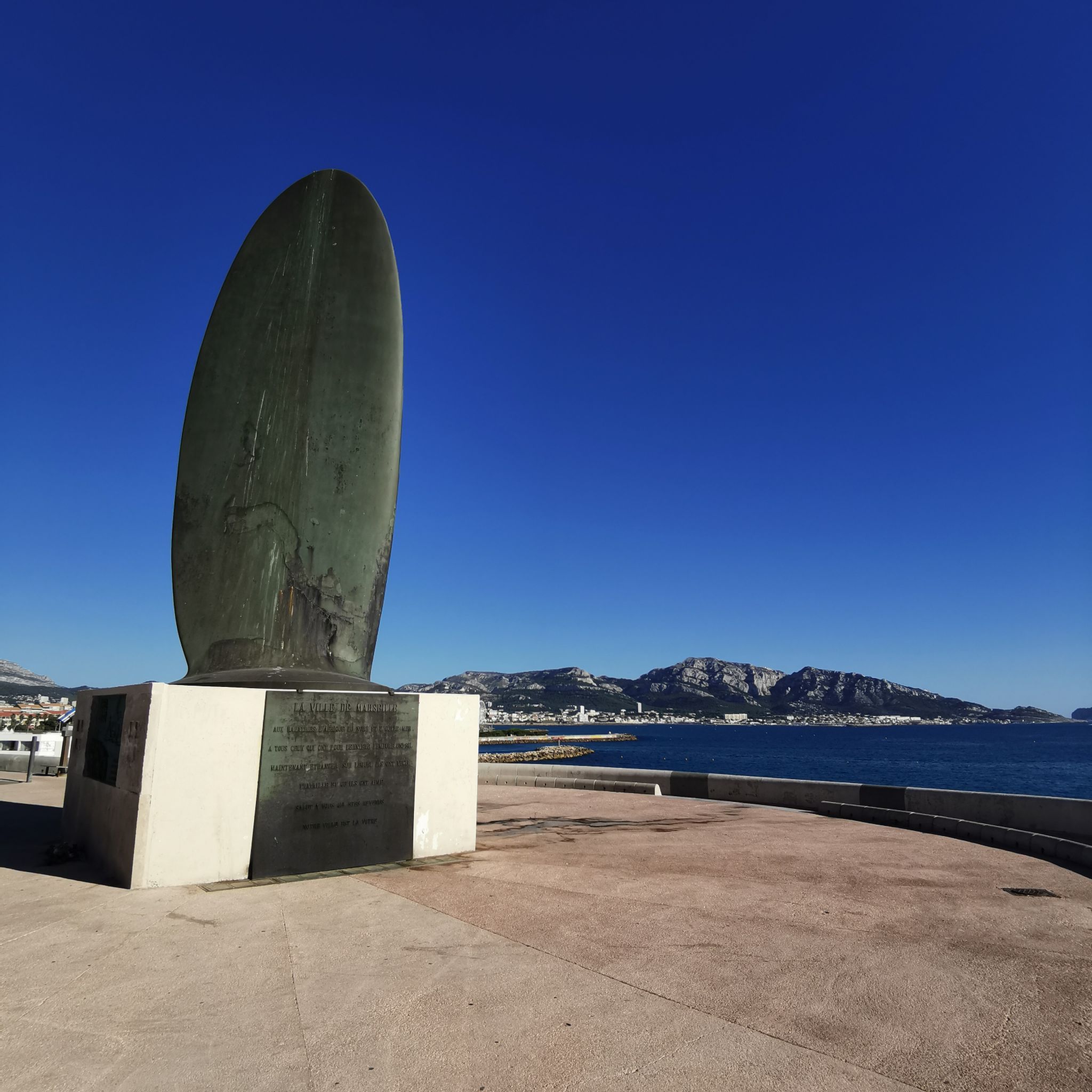
Cycling in Calanques
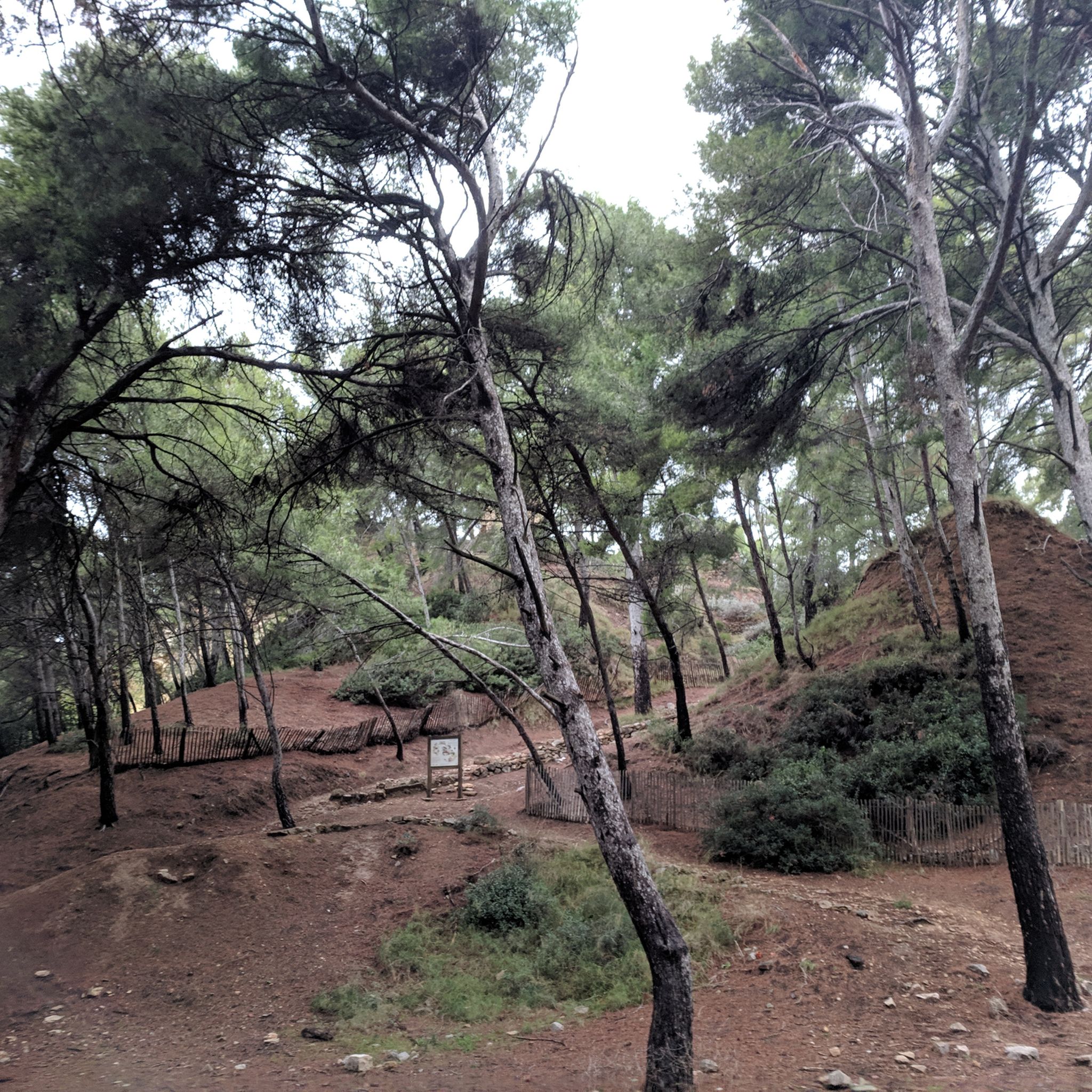
MTB Trails in Calanques
Gravel biking in Calanques
Other adventures in Calanques


Tips from the Community

One of the most beautiful harbors on the French Mediterranean coast with many old colorful fishermen's houses on the north and west side and therefore well protected from the Mistral.
4
0

Nice old town and great panorama at the harbor
0
0

The individual islands are easily accessible for hiking without major difficulties. You'll be accompanied by seagulls the entire time.
0
0

Beautiful little harbour set in beautiful natural surroundings. This is truly a picturesque spot
6
0
A pleasant harbour with various terraces and restaurants. Various boat trips to explore the Calanques also start from the harbour.
6
0

A beautiful road with panoramic views
2
0

🏛️ Carsicis Portus: the ancient name of Cassis 🔙 Origins of the name: The name Cassis comes from Kar-Sit, two Celto-Ligurian terms: Kar 🪨: means rock Sit ⛰️: means mountain 🕰️ In ancient times... During Antiquity (the first centuries before Jesus Christ), when a city was founded, it was often placed: 👉 on ancient Celto-Ligurian places of worship, 👉 under the protection of a goddess – linked to springs, sacred woods or mountains. 🌊 The beginnings of Cassis It seems that life in Cassis began with a cult dedicated to: 🔹 The spirit of the Source du Cap Canaille 🔹 Its ancient name: Promontarium Zao 🔹 The associated tutelary divinity: Charsis Tanaé 🧝♀️, protector of the place.
0
0

Always offers a beautiful view of Marseille on the first climbs. Noticeably cooler at higher altitudes without sun.
5
0
Frequently Asked Questions
What are the most scenic viewpoints in Calanques?
The Calanques offer numerous breathtaking viewpoints. The View of the Port Miou calanque provides stunning vistas of Cap Canaille and its distinctive orange cliffs. For panoramic views of Cassis and the Marseille coastline, the Route de la Gineste is highly recommended. Additionally, Cap Canaille itself, the highest sea cliff in France, offers spectacular coastal views.
Which calanques are considered the most beautiful or popular to visit?
Among the many calanques, Calanque d'En-Vau is often cited as one of the most beautiful, known for its steep cliffs and deep blue waters. Calanque de Sormiou is one of the largest and most accessible, featuring a pebble beach and restaurants. Calanque de Port Pin, a short walk from Cassis, is popular for its clear water and natural shade from pine trees, as highlighted by visitors who enjoy its beauty and easy access.
What unique natural features define the Calanques National Park?
The Calanques National Park is defined by its dramatic limestone cliffs and narrow, steep-walled inlets, formed by ancient fluvial erosion or collapsed cave roofs. Key features include the Massif des Calanques mountain range, which stretches for 20 km, and impressive peaks like Mont Puget (565 m). The park is also notable for its diverse ecosystem, home to over 900 plant species and various wildlife.
Are there hiking trails suitable for different skill levels in Calanques?
Yes, the Calanques National Park offers a range of hiking trails for various skill levels. You can find easy walks, moderate routes, and challenging paths with significant elevation gain. For example, the 'Astragales Trail' is rated as easy, while routes like 'Sugiton Pass – Mount Puget loop' or 'The crests of Morgiou' are considered difficult. You can explore many options in the Hiking in Calanques guide.
What outdoor activities can I do in the Calanques National Park?
The Calanques National Park is a paradise for outdoor enthusiasts. Popular activities include hiking, swimming, snorkeling, kayaking, diving, and rock climbing. You can find numerous routes for hiking, cycling, and running, offering diverse landscapes from coastal paths to mountain trails.
Are there family-friendly attractions or activities in Calanques?
Yes, several areas within the Calanques are suitable for families. Calanque de Port Pin is noted as family-friendly, offering a beautiful pebble beach and clear waters for swimming. The Trolib Port Pin Walking Loop is also a good option for a family walk. Additionally, accessible calanques like Sormiou provide pebble beaches and amenities that can be enjoyed by families.
What historical or cultural sites can I visit in the Calanques region?
Beyond its natural beauty, the Calanques region boasts several cultural and historical sites. The famous Château d'If, known from 'The Count of Monte Cristo,' is a historic monument open for visits. While the original Cosquer Cave with Paleolithic paintings is inaccessible, a replica is available in Marseille. Other notable sites include the impressive former quarantine hospital Hôpital Caroline and the historic fishing villages of Les Goudes, Callelongue, Sormiou, and Morgiou.
Which calanques are easily accessible by car or public transport?
Calanque de Port-Miou, located near Cassis, is the only calanque directly reachable by car and serves as a starting point for hikes to other calanques. Calanque de Sormiou is also among the more accessible options, often featuring parking availability. For public transport, certain calanques near Marseille or Cassis may have bus connections, though access often involves a walk from the nearest stop.
What is the best time of year to visit the Calanques?
The best time to visit the Calanques is typically during the spring (April-May) and early autumn (September-October). During these periods, the weather is pleasant for hiking and outdoor activities, and the crowds are generally smaller than in the peak summer months. Summer (June-August) can be very hot, and some areas may be subject to seasonal closures due to fire risk.
What kind of wildlife can I expect to see in Calanques National Park?
The Calanques National Park is home to a diverse array of wildlife. On land, you might spot rabbits, foxes, and various bird species, including eagles. The marine environment is equally rich, with species like starfish and dolphins inhabiting the crystal-clear waters. The park's unique ecosystem supports over 900 plant species, adding to its natural appeal.
Can I go cycling in the Calanques National Park?
Yes, cycling is a popular activity in the Calanques, with routes offering stunning coastal views. The Route de la Gineste is a scenic road traversing the park, providing panoramic vistas. You can find various cycling routes, including challenging gravel trails and moderate loops, in the Cycling in Calanques guide.
What makes Port-Miou Marina a notable attraction?
The Port-Miou Marina is a beautiful harbor situated within a calanque, known for its picturesque setting and natural surroundings. It's unique as a calanque converted into a marina, offering insights into the area's maritime history. Visitors appreciate its charm and the opportunity to learn about its past at the entrance to the harbor.
Most popular routes in Calanques
Most popular attractions in Calanques

Get inspired with the komoot mobile app


Explore more
Still not found the Highlight you’re looking for? See guides of the top attractions in other regions:
