The best mountain hikes in Majona
4.8
(21)
81
hikers
15
hikes
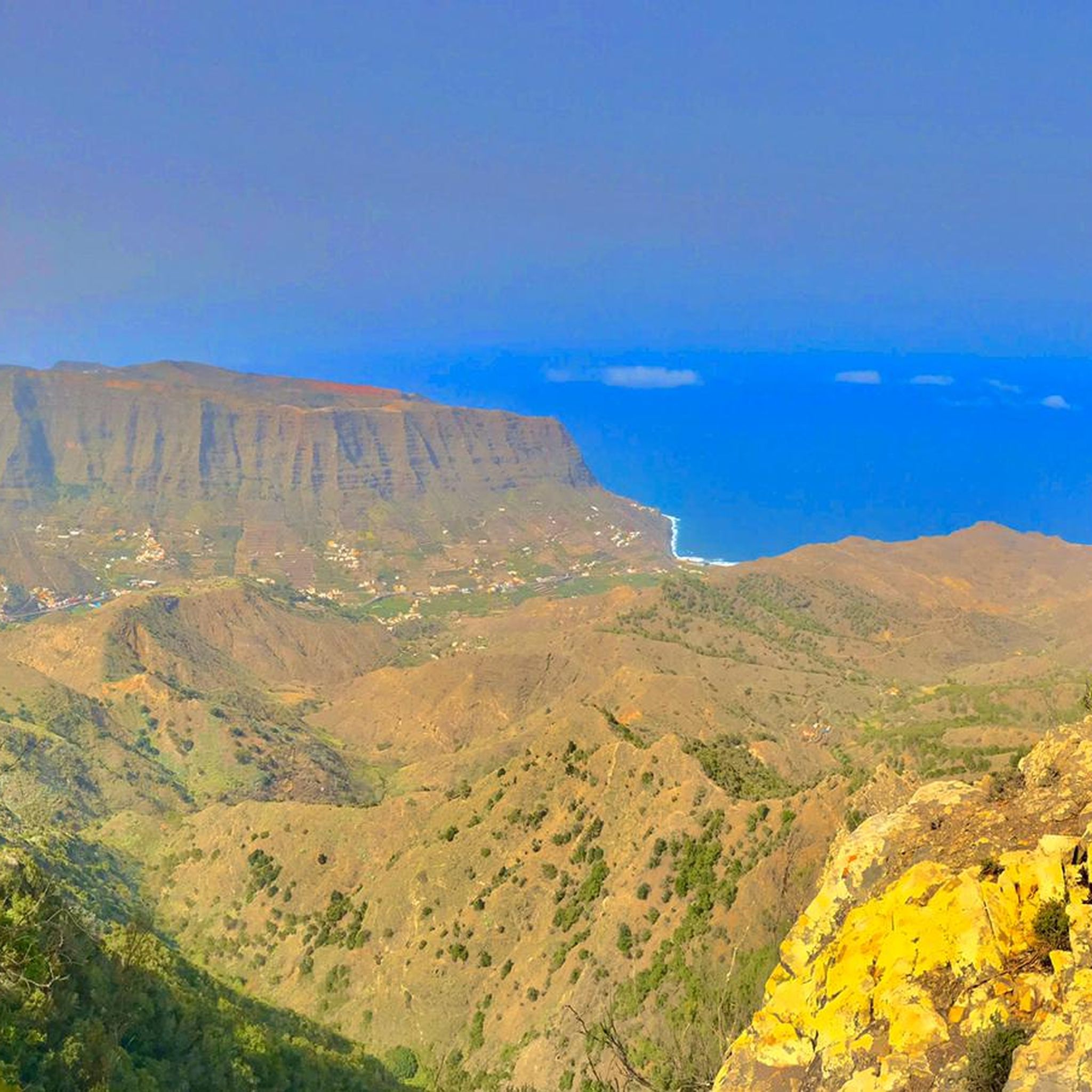
Mountaineering in Majona Natural Park, located in eastern La Gomera, offers challenging routes through a dramatic and rugged landscape. The region is characterized by steep orography, featuring deep ravines like Majona and Juel, and impressive cliffs that descend towards the sea. Diverse ecosystems, ranging from Canary Island pine forests at higher elevations to laurel forests in ravine bottoms, define the terrain. This geological formation provides varied and demanding mountaineering routes for exploration.
Best mountaineering routes in Majona
- The most popular…
Last updated: October 5, 2026
5.0
(2)
9
hikers
9.26km
03:46
630m
630m
Moderate mountaineering route. Good fitness required. Mostly accessible paths. Sure-footedness required.
5.0
(2)
9
hikers
Moderate mountaineering route. Good fitness required. Mostly accessible paths. Sure-footedness required.

5.0
(1)
4
hikers
13.2km
05:12
730m
730m
Hard mountaineering route. Very good fitness required. Mostly accessible paths. Sure-footedness required.
3
hikers
12.2km
05:00
770m
760m
Hard mountaineering route. Very good fitness required. Mostly accessible paths. Sure-footedness required.
4.3
(3)
7
hikers
6.48km
02:57
500m
500m
Moderate mountaineering route. Good fitness required. Mostly accessible paths. Sure-footedness required.
Get access to more routes and recommendations from other explorers.
Already have an account?
Our route recommendations are based on thousands of hikes, rides, and runs completed by other people on komoot.
Start today with a free account
Your next adventure awaits.
Tips from the Community

El Roque de Agando is probably the most iconic and photographed rock formation on La Gomera. It is a huge volcanic plug formed by very resistant rock that was exposed after millions of years of erosion. While the rest of the volcanic terrain gradually disappeared, this gigantic needle remained standing, dominating the entire landscape in the center of the island. It rises to an altitude of about 1,250 meters and is part of a group of volcanic rocks visible from much of Garajonay. Its vertical and isolated silhouette, especially when it appears shrouded in mist or illuminated by the low sun, gives it an almost unreal appearance. The road that passes by the roque is considered one of the most spectacular on La Gomera and is a classic spot to stop and contemplate the landscape. For the ancient inhabitants of La Gomera, it also had symbolic and territorial importance, and even today it remains one of the island's great natural emblems. The contrast between the dark rock, the green ravines, and the low clouds creates one of the most recognizable images of the Canary Islands.
2
0

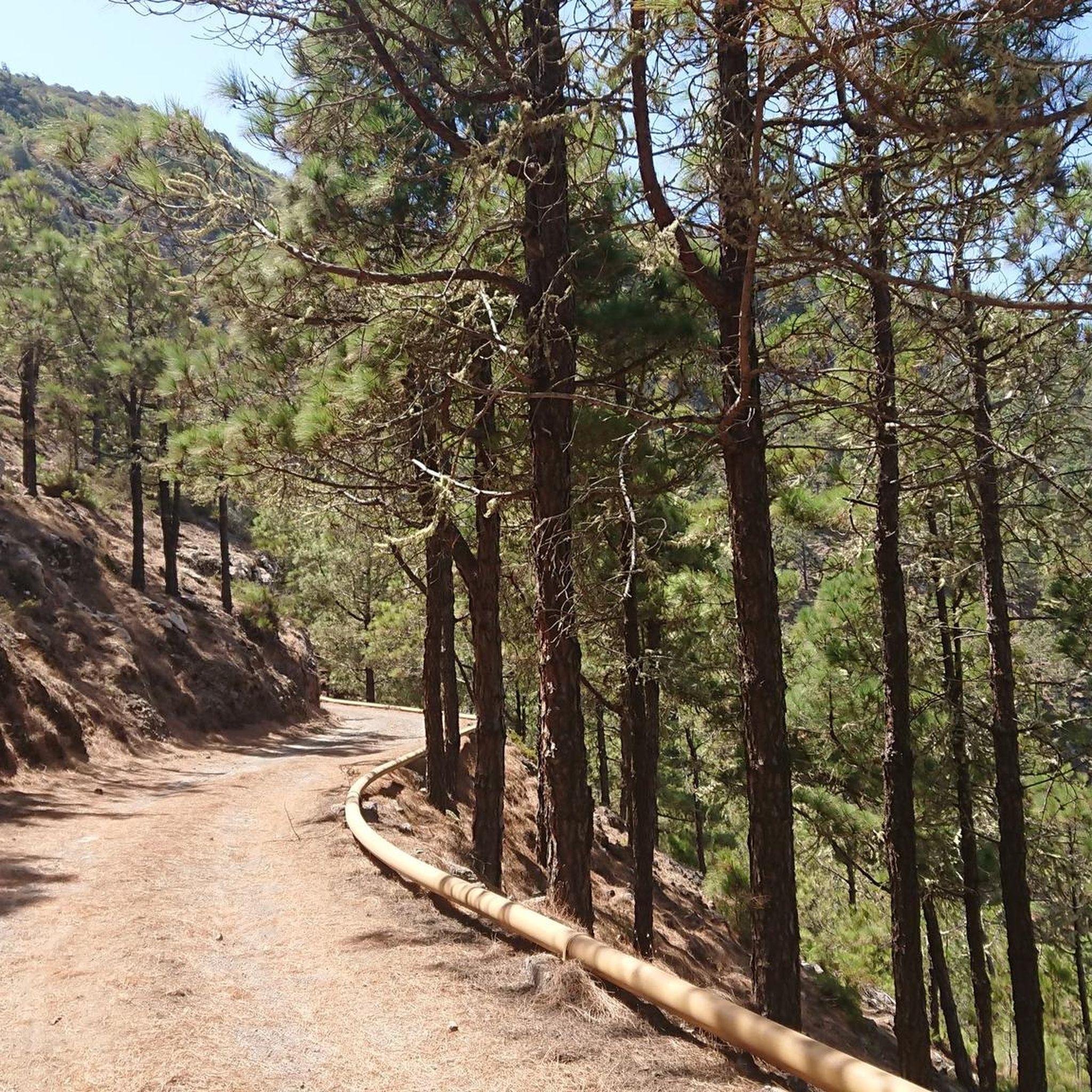
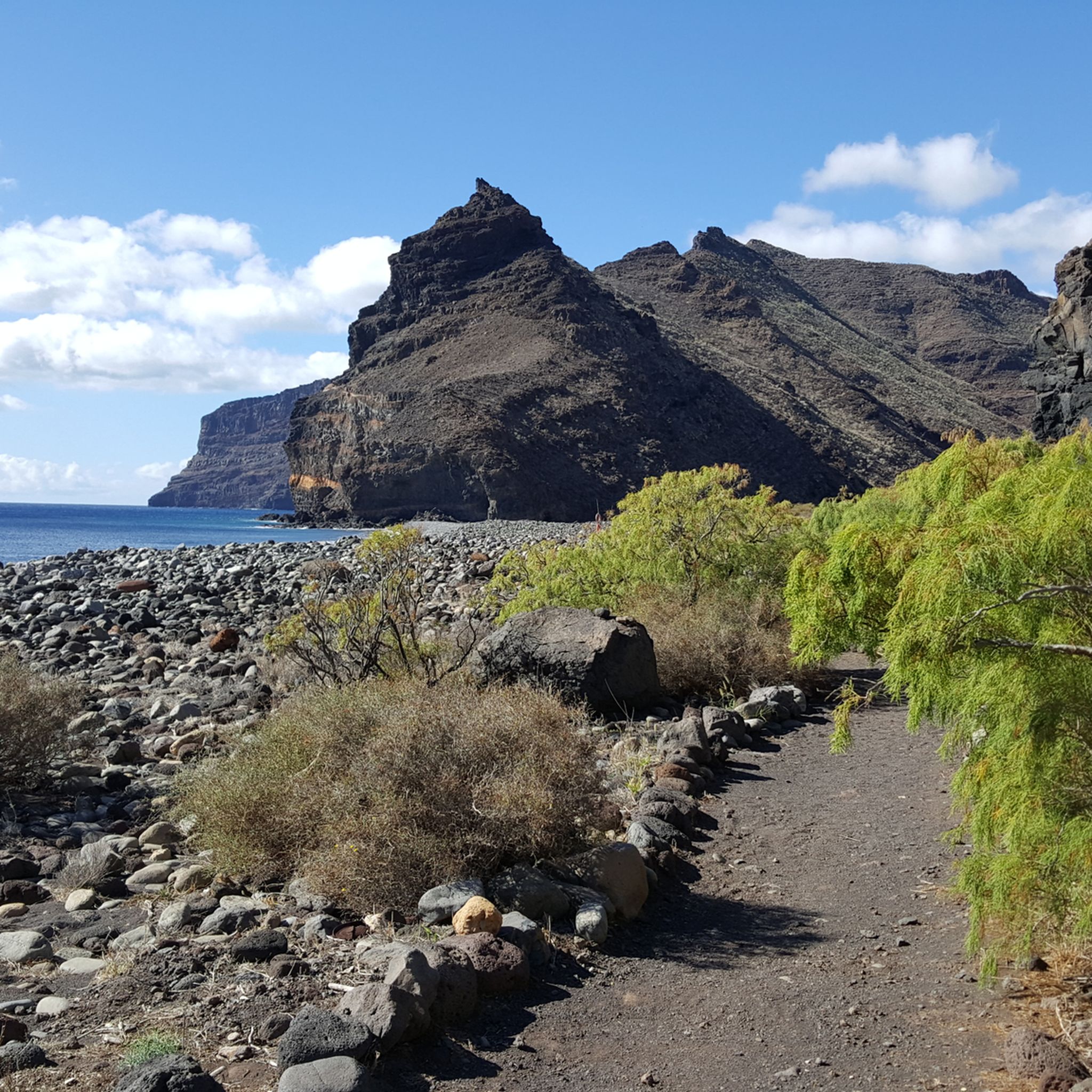
Along the way you will encounter different types of soil. Very varied.
0
0

A beautiful photo opportunity at a "lost place"—it's always surprising how a house was built here in the middle of nowhere (okay, there must have been water). This gives you an idea of how arduous life used to be (but perhaps happier in nature).
0
0
A nice place to take a break, with a great view.
0
0

A glass skywalk above a 600-meter-high wall. View of Agulo like a miniature village, plus the Atlantic Ocean and Teide panorama.
2
0

Agulo – the charming northeastern village of La Gomera The village of Agulo is located on the north coast of La Gomera, at an altitude of approximately 400–500 meters. It is one of the island's best-preserved traditional villages, with narrow cobbled streets, colorful houses, and ocean views. What to see and do Walks: Agulo is an excellent starting point for hikes into the surrounding hills, through valleys, and along red-earth terraced paths. Routes range from short walks to day hikes into the laurel forests of Garajonay National Park. Viewpoints: Visit the Mirador de Abrante for panoramic views of the village, the coast, and the green valleys. Local culture: Discover small craft shops, traditional farms, and terraces where you can sample local products such as honey, cheese, and wine.
0
1
Frequently Asked Questions
How many mountaineering routes are available in Majona Natural Park?
Majona Natural Park offers a diverse network of over 20 mountaineering routes. These trails cater to various skill levels, ranging from easy strolls to challenging ascents through the park's rugged terrain.
Are there any easy mountaineering routes suitable for beginners in Majona?
Yes, Majona Natural Park includes routes suitable for beginners. While many trails feature significant elevation changes, there is at least one easy route available. These easier options allow you to experience the park's unique landscapes without extreme difficulty.
What kind of challenging routes can I expect in Majona?
Majona's challenging routes often involve steep ascents and descents through deep ravines and along impressive coastal cliffs. For instance, the Agulo Reservoir – Agulo loop from Hermigua is a difficult 13.4 km path that will test your endurance and reward you with stunning views.
Are there any circular mountaineering routes in Majona?
Yes, many of the mountaineering routes in Majona are circular, allowing you to start and end at the same point. A popular moderate circular route is the Roque Argando loop from La Laja, which covers 9.2 km and offers panoramic views of the park's characteristic ravines.
What are some notable landmarks or attractions I can see along the routes?
Majona Natural Park is rich in natural and ethnographic points of interest. Along your routes, you might encounter the CV-14 Track, the historic Goat Trail on the Ridge of Garajonay, or the Scenic Ascent to Degollada de la Cumbre. You can also explore the Abandoned Settlement of El Palmar, offering a glimpse into the island's past.
Is Majona Natural Park suitable for family mountaineering trips?
Majona offers a range of difficulties, so families can find suitable options. While many routes are moderate to difficult, there are easier trails that allow families to enjoy the unique landscapes and diverse ecosystems. Always check the route details for distance and elevation to ensure it matches your family's ability.
What is the best time of year to go mountaineering in Majona?
The Canary Islands generally enjoy a mild climate year-round. However, for mountaineering in Majona, it's advisable to consider the warmer months when carrying plenty of water is crucial. The park's diverse microclimates mean conditions can vary, so checking local forecasts is always recommended.
What should I know about permits or regulations for mountaineering in Majona?
Majona Natural Park is a Special Conservation Zone and part of the Natura 2000 network, emphasizing its environmental importance. While specific permits for general mountaineering are not typically required, visitors are advised to respect signage, stay on marked trails, and avoid altering the environment to preserve its delicate ecosystems.
What kind of wildlife and vegetation can I expect to see?
Majona boasts diverse ecosystems. At higher elevations, you'll find Canary Island pine, Aleppo pine, junipers, and wild olive trees. Laurel forests thrive in ravine bottoms, while coastal areas feature palm trees, tabaibas, and cardones. The park is also recognized for endemic and endangered plant species like cardoncillo and bejeques.
What do other mountaineers say about their experience in Majona?
The mountaineering routes in Majona are highly rated by the komoot community, with an average score of 4.8 stars from over 30 reviews. Reviewers often praise the dramatic and rugged landscapes, the challenging terrain, and the breathtaking views of the ravines and coastal cliffs.
Are there any routes that offer expansive views of the Hermigua valley?
Yes, for expansive vistas, consider the Bar La Vista – View of Hermigua loop from Hermigua. This moderate 10.7 km route provides stunning panoramic views over the Hermigua valley and the surrounding dramatic coastal cliffs, making it a favorite among local mountaineers.
What should I pack or wear for mountaineering in Majona?
Given the rugged and steep terrain, sturdy hiking boots with good ankle support are essential. Layers of clothing are advisable due to varying microclimates. Always carry plenty of water, especially during warmer months, and bring sun protection. A map or GPS device is also recommended for navigation.
Can I find routes that connect to Garajonay National Park?
The upper part of Majona Natural Park adjoins the Garajonay National Park, a UNESCO World Heritage site. This proximity suggests potential for extended treks that could link the two areas, offering a wider range of ecological experiences, including the unique laurel forests and fayal-brezal vegetation of Garajonay.
Most popular routes in Majona
Most popular attractions in Majona

Get inspired with the komoot mobile app


Explore more
Browse the best Mountain Hikes & Routes in other regions.
