The best cycling routes in Majona
4.6
(149)
808
riders
23
rides
Touring cycling in Majona, located on La Gomera, is characterized by its dramatic volcanic landscape and the lush Garajonay National Park. The region features significant elevation changes, with routes often traversing steep inclines and descents. Cyclists can expect varied terrain, from winding mountain roads to paths offering panoramic views of the Atlantic and neighboring islands. This natural park environment provides a challenging yet rewarding experience for touring cyclists.
Best touring cycling routes in Majona
- The most popular touring cycling route…
Last updated: July 29, 2026
5.0
(1)
25
riders
Hard bike ride. Very good fitness required. Mostly paved surfaces. Suitable for all skill levels.
3.0
(1)
13
riders
Hard bike ride. Very good fitness required. Mostly paved surfaces. Suitable for all skill levels.

Sign up for free
5.0
(2)
8
riders
Hard bike ride. Very good fitness required. Mostly paved surfaces. Suitable for all skill levels.
4.3
(9)
56
riders
Hard bike ride. Very good fitness required. Mostly paved surfaces. Suitable for all skill levels.
5.0
(2)
12
riders
50.3km
04:34
2,090m
2,090m
Hard bike ride. Very good fitness required. Mostly paved surfaces. Suitable for all skill levels.
Get access to more routes and recommendations from other explorers.
Sign up for free
Already have an account?
Our route recommendations are based on thousands of hikes, rides, and runs completed by other people on komoot.
Start today with a free account
Your next adventure awaits.
Login or Signup
Tips from the Community

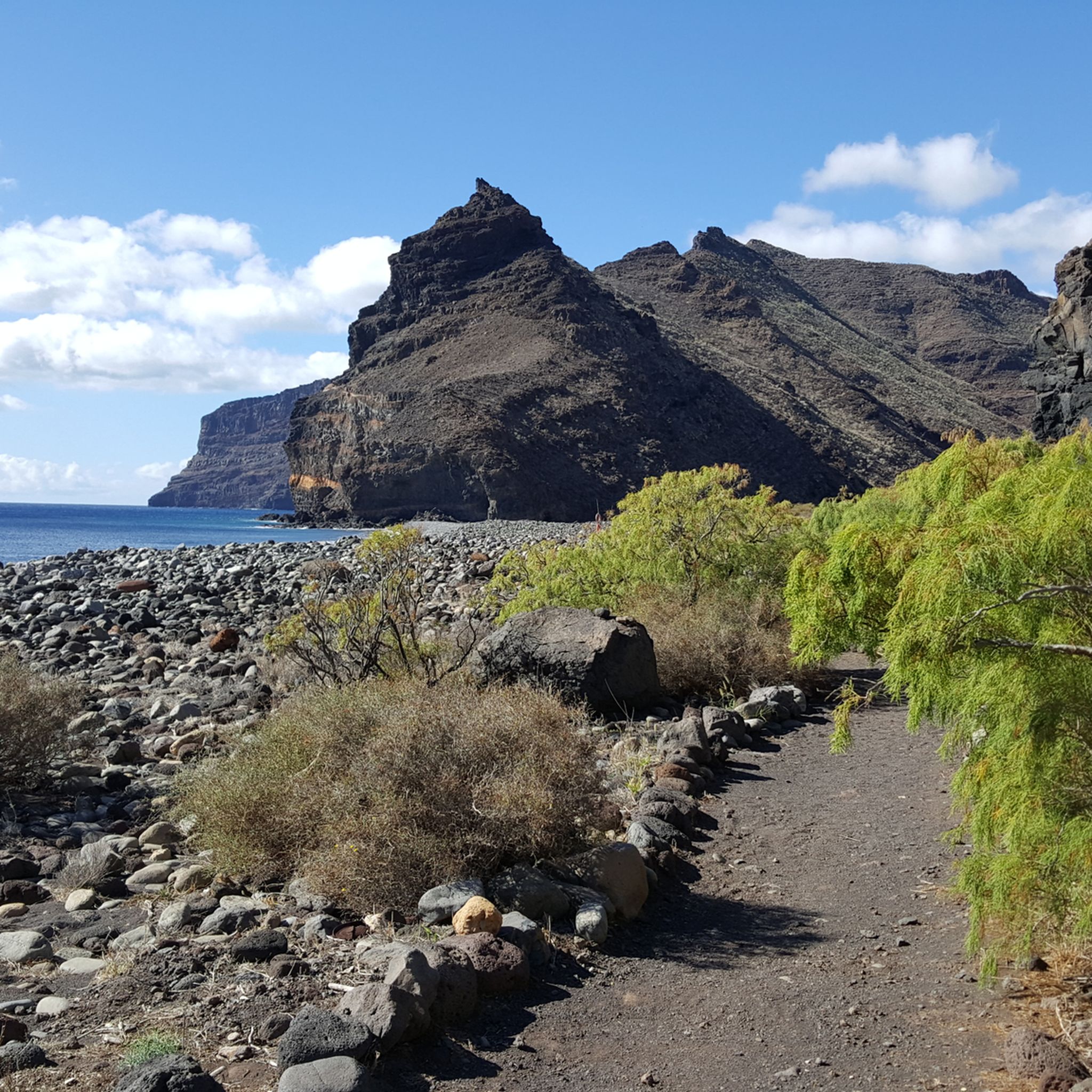
This viewpoint belongs to the old route of the GM-1, next to the Aguajilva Tunnels. If you come down from above, you will find a metal gate: the old section was closed after the construction of the modern road and can no longer be fully traversed. The only way to get there today is from below, via a small track that leads to the viewpoint and the old rest area. And precisely therein lies the charm of the place: it seems like a forgotten fragment of the old Gomera. Here, the curves carved into the rock, the silence of the old road, and the brutal views towards the inland ravines and the Chejelipes area are still preserved. While cars pass through the mountain via the modern tunnels, this corner remains frozen in another era. It is one of those hidden places that almost no one visits by chance... and for that very reason, it retains so much personality.
0
0
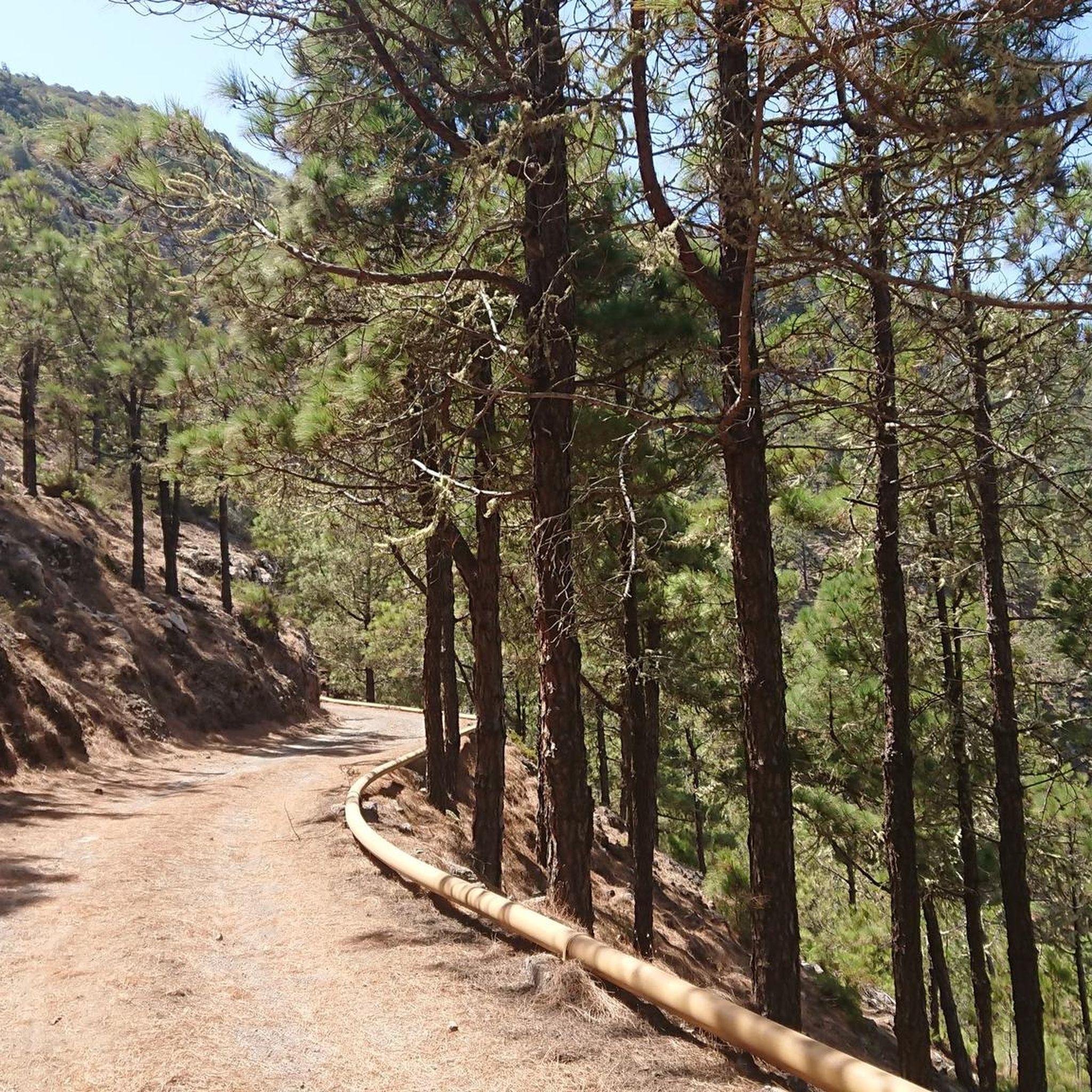
Laguna Grande is probably one of the best starting points on all of La Gomera to explore the upper part of the island by bike. Many people arrive here by van or car precisely to start their routes from this point and avoid some of the toughest climbs from the coast. From the recreational area, you can easily link up with routes towards San Sebastián, Valle Gran Rey, Alajeró, or the entire central ridge across the humid forest. The advantage is enormous: you start already at over 1,200 meters altitude, within the laurisilva, surrounded by practically traffic-free tracks and roads. This allows you to enjoy the long, scenic descents and high mountain routes much more without draining all the battery or your legs on endless ascents from sea level. Of course, the climate here changes radically compared to the coast. Fog is very common almost all year round and humidity is constantly present, even when it's sunny down below. It is essential to bring a good rain jacket, a serious windbreaker, and some light thermal clothing, because the feeling of cold increases considerably when you enter the more humid areas of the forest. It is also advisable to bring lights or reflective elements if you are going to ride for many hours in fog and shade. For e-bike tours, Laguna Grande is simply a spectacular base.
0
0
The Laguna Grande Recreational Area is one of the most important and visited points in the interior of La Gomera. It is located in the high zone of the island, within the Garajonay National Park, at an altitude of over 1,200 meters and surrounded by the famous laurisilva forest, considered a UNESCO World Heritage site. More than just a picnic area, Laguna Grande functions as a meeting point for hikers, cyclists, and visitors exploring the island's humid heart. Several well-known routes begin here, and it is also one of the best places to stop to rest, eat, or simply contemplate the forest amidst the fog. The climatic difference compared to the coast is enormous: while it can be hot and sunny below, here it is common to find humidity, cold, fine rain, and fog even in summer. The place also has a significant symbolic and popular charge in La Gomera. There are ancient legends related to witches and nocturnal gatherings in the central clearing of the forest, stories that are still part of the local imagination and fit perfectly with the mysterious atmosphere of the place when the fog rolls in among the trees. Today, it is one of the great nerve centers of Garajonay and a practically essential stop to understand the landscape, climate, and the more humid and green personality of La Gomera.
0
0
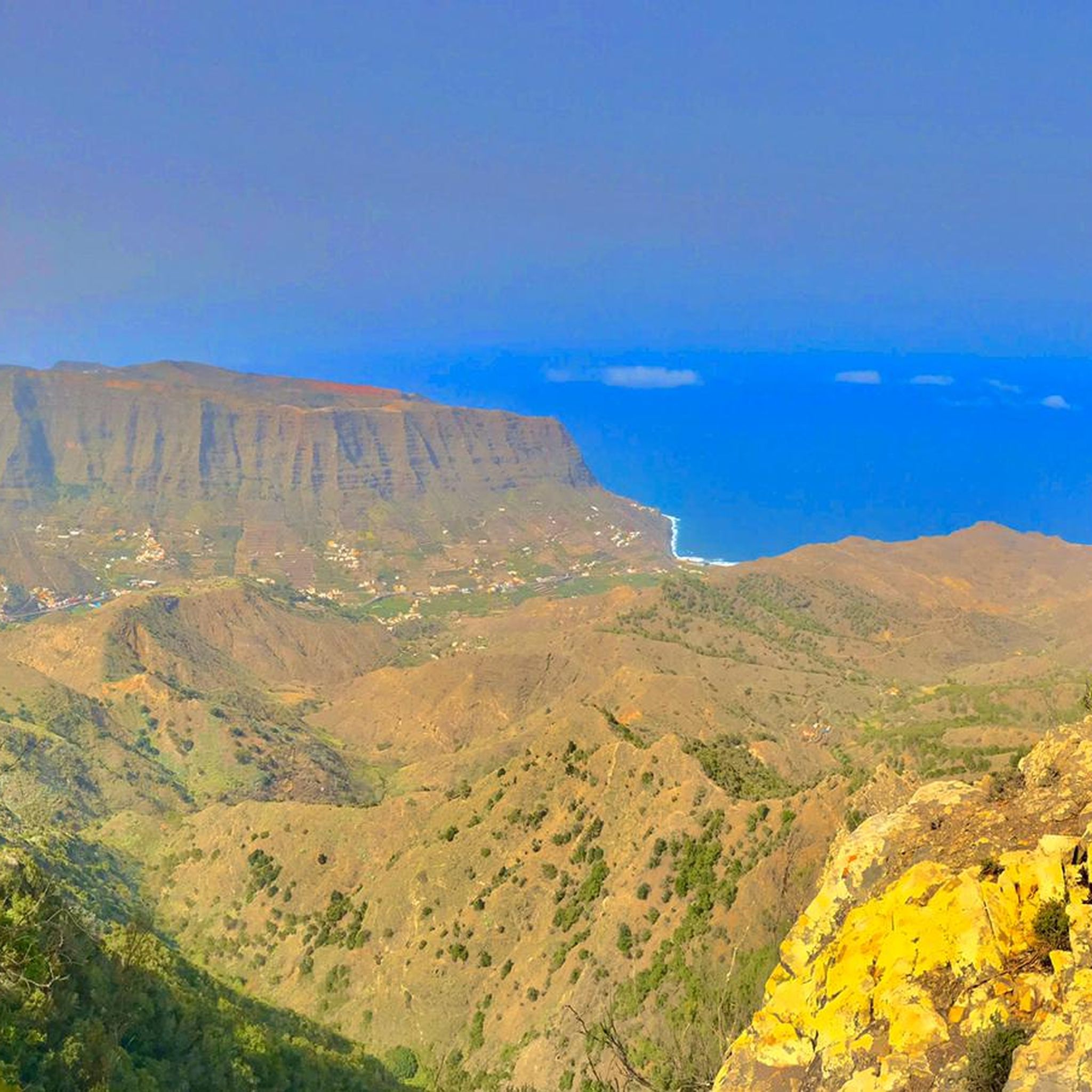
This trail runs through one of the high areas above San Sebastián and offers a very different perspective of the Gomera capital. From here you can perfectly understand how the village became wedged between volcanic ravines that descend directly towards the port and the Atlantic. The altitude and the open orientation towards the east allow you to enjoy enormous views over San Sebastián, the sea and, on clear days, even Teide in the background. The trail usually combines open sections, constant wind and summit vegetation, with that very typical La Gomera feeling where in a few minutes you can go from humid forest to dry, volcanic landscapes looking towards the coast.
1
0
Sports facility widely used by local people and recently renovated with improvements to the pitch and sports areas. UD Gomera, one of the historic and most representative teams on the island, plays here. A place where the daily sport of the locals mixes with the tranquil atmosphere of San Sebastián.
1
0

anyone looking for quite comfortable and joint-friendly paths - amidst all the steep trails of La Gomera - will find them here - and "incidentally" there is also the island's "roof"... an area for relaxation...
0
0

Great view over San Sebastian
0
0

A glass skywalk above a 600-meter-high wall. View of Agulo like a miniature village, plus the Atlantic Ocean and Teide panorama.
2
0
Frequently Asked Questions
What kind of terrain can I expect when touring cycling in Majona?
Touring cycling in Majona, located on La Gomera, is defined by its dramatic volcanic landscape and the lush Garajonay National Park. You'll encounter significant elevation changes, with routes often traversing steep inclines and descents. The terrain varies from winding mountain roads to paths offering panoramic views of the Atlantic and neighboring islands.
What are the typical difficulty levels for touring cycling routes in Majona?
Majona's touring cycling routes are generally challenging. Out of approximately 25 routes available, the majority are classified as difficult, with a few moderate options. There are no easy routes listed, indicating that cyclists should be prepared for significant elevation gains and demanding conditions.
Are there any circular touring cycling routes in Majona?
Yes, many of the touring cycling routes in Majona are designed as loops, allowing you to start and end in the same location. For example, the difficult View of Roque de Agando – Garajonay National Park loop from Vallehermoso covers 59.5 km, and the CV-14 Track – Garajonay National Park loop from Hermigua is a 50.2 km difficult route.
What are some notable landmarks or natural features I might see along the touring cycling routes?
Majona offers stunning natural beauty and interesting landmarks. You can expect to see features like the CV-14 Track, the Scenic Ascent to Degollada de la Cumbre, and the expansive Majona Natural Park. Some routes also pass through the Goat Trail on the Ridge of Garajonay or near the Abandoned Settlement of El Palmar.
What do other touring cyclists say about their experience in Majona?
The touring cycling experience in Majona is highly regarded by the komoot community, with an average rating of 4.6 stars from over 170 reviews. Cyclists often praise the dramatic volcanic landscapes, the challenging yet rewarding routes through Garajonay National Park, and the panoramic views of the Atlantic.
Are there any family-friendly touring cycling routes in Majona?
Given the challenging nature of Majona's terrain, with most routes classified as difficult and featuring significant elevation changes, there are no routes specifically designated as 'easy' or 'family-friendly' for touring cycling in the guide data. Cyclists with children or those seeking a more relaxed ride should be aware of the demanding conditions.
What is the best time of year to go touring cycling in Majona?
Majona's climate, being on La Gomera, generally offers pleasant conditions for cycling year-round. However, due to the significant elevation changes and potential for varying weather in the Garajonay National Park, it's advisable to check local forecasts, especially for wind and temperature, before heading out. Spring and autumn often provide the most comfortable temperatures for demanding rides.
Are there any routes that offer views of other islands or specific natural formations?
Yes, several routes provide spectacular views. The View of Roque de Agando – San Sebastian de La Gomera loop from Hermigua offers views of Roque de Agando. Additionally, the View of Teide from the village – Presa de Amalahuigue loop from Hermigua provides glimpses of Mount Teide on Tenerife, weather permitting, from certain vantage points.
How long do touring cycling routes in Majona typically take to complete?
The duration of touring cycling routes in Majona varies depending on their length and difficulty. For example, the 59.5 km View of Roque de Agando – Garajonay National Park loop from Vallehermoso typically takes around 5 hours and 4 minutes, while the 50.2 km CV-14 Track – Garajonay National Park loop from Hermigua can be completed in about 4 hours and 15 minutes. These times are estimates and depend on individual fitness levels and stops.
Can I find routes that connect to major towns or points of interest?
Absolutely. Many routes are designed to connect to or pass through significant locations. For instance, the View of Roque de Agando – San Sebastian de La Gomera loop from Hermigua connects to San Sebastian de La Gomera, the island's capital. Another route, the San Sebastian de La Gomera loop from Montaña Ismael, also features the capital.
Are there any specific permits required for cycling in Garajonay National Park?
While the guide data does not specify permits for general touring cycling within Garajonay National Park, it is always recommended to check the official park regulations before your visit. As a protected natural area, certain trails or activities might have specific rules or require prior authorization.
Most popular routes in Majona
Most popular attractions in Majona

Get inspired with the komoot mobile app


Explore more
Browse the best Cycling routes in other regions.
