Attractions and Places To See in Valle De Alcudia Y Sierra Madrona - Top 14
Best attractions and places to see in Valle De Alcudia Y Sierra Madrona, located in the southern part of Ciudad Real province, Spain, offers a diverse landscape of natural beauty and cultural heritage. This extensive protected area is known for its well-preserved ecosystems, including the rugged Sierra Madrona mountain range and the vast Alcudia Valley. The region features significant geological formations, ancient forests, and historical sites, making it a notable destination for nature and history enthusiasts. It is also recognized…
Last updated: October 2, 2026
Batanera Waterfall
Highlight • Waterfall
Translated by Google •
Tip by

La Batanera Rock Art Site
Highlight • Historical Site
Translated by Google •
Tip by
Sign up now to discover places like this
Get recommendations on the best single tracks, peaks, & plenty of other exciting outdoor places.
Peñaescrita Cave Paintings
Highlight • Historical Site
Translated by Google •
Tip by
Las Lastras
Highlight • Waterfall
Translated by Google •
Tip by
Chorrera de Ventillas Waterfall
Highlight (Segment) • Waterfall
Translated by Google •
Tip by

Sign up for free to discover even more attractions in Valle De Alcudia Y Sierra Madrona.
Already have an account?
Start today with a free account
Your next adventure awaits.
Tips from the Community

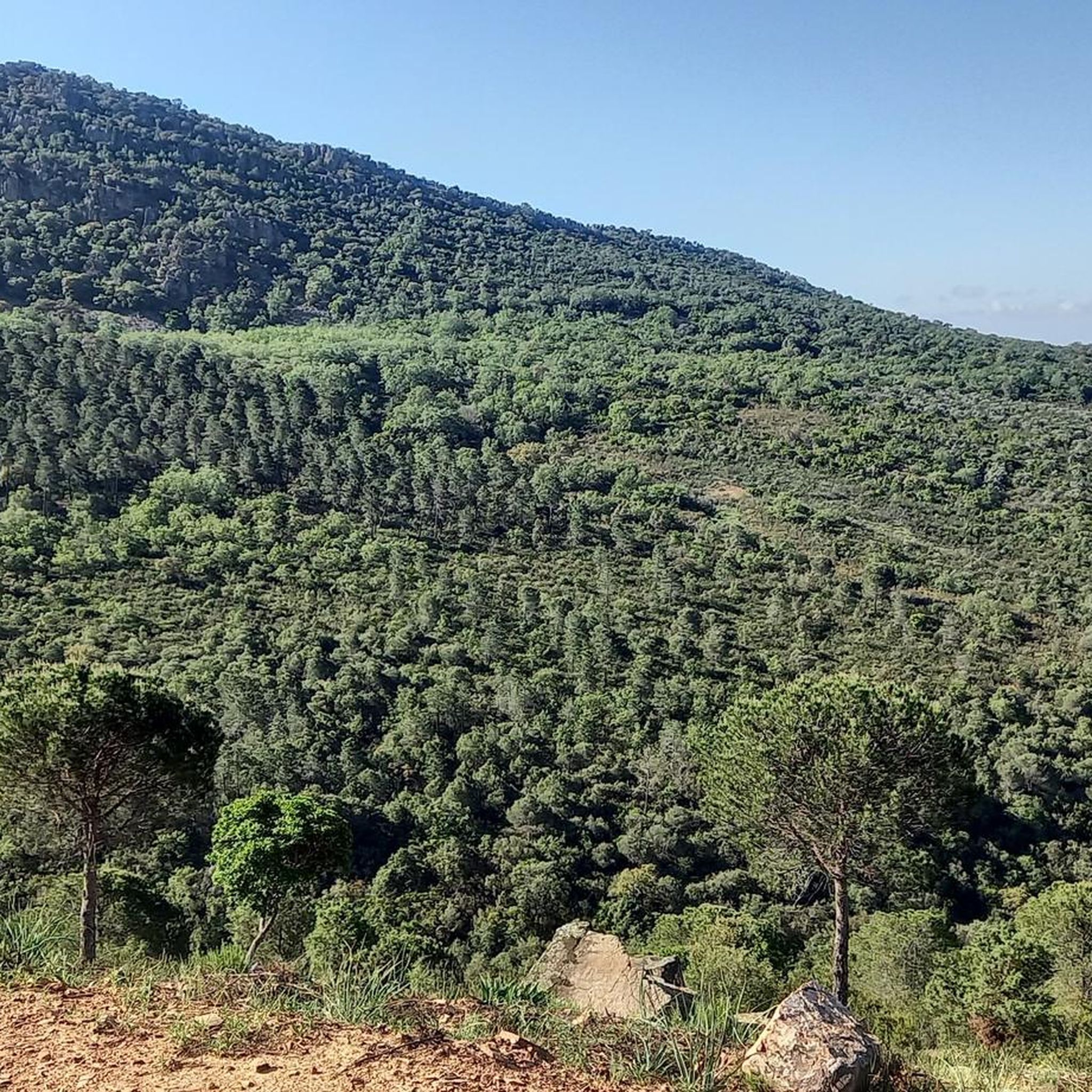
La Chorrera de Ventillas is one of those beautiful and unknown places that Sierra Morena houses in one of its hidden corners. It is located in the municipality of Fuencaliente (C. Real) about 19 kilometers from this town and just over 3 kilometers from Ventillas, district of Fuencaliente. This mountainous area is known as Sierra Madrona and its northern face (the Malagonas) is one of the wildest and most humid, providing the greatest number of streams and water to the Montoro River. This stream, in particular, is called Chorrera de la Garganta, which ends up joining the stream of Nueveveces and Aliseda that flows into the Montoro river next to the village of Ventillas between its hamlet and the hermitage of San Marcos. It is advisable to visit the place after it has rained to appreciate the waterfall at its peak, although the botanical, faunal diversity and landscape is overwhelming at any time of the year.
0
0

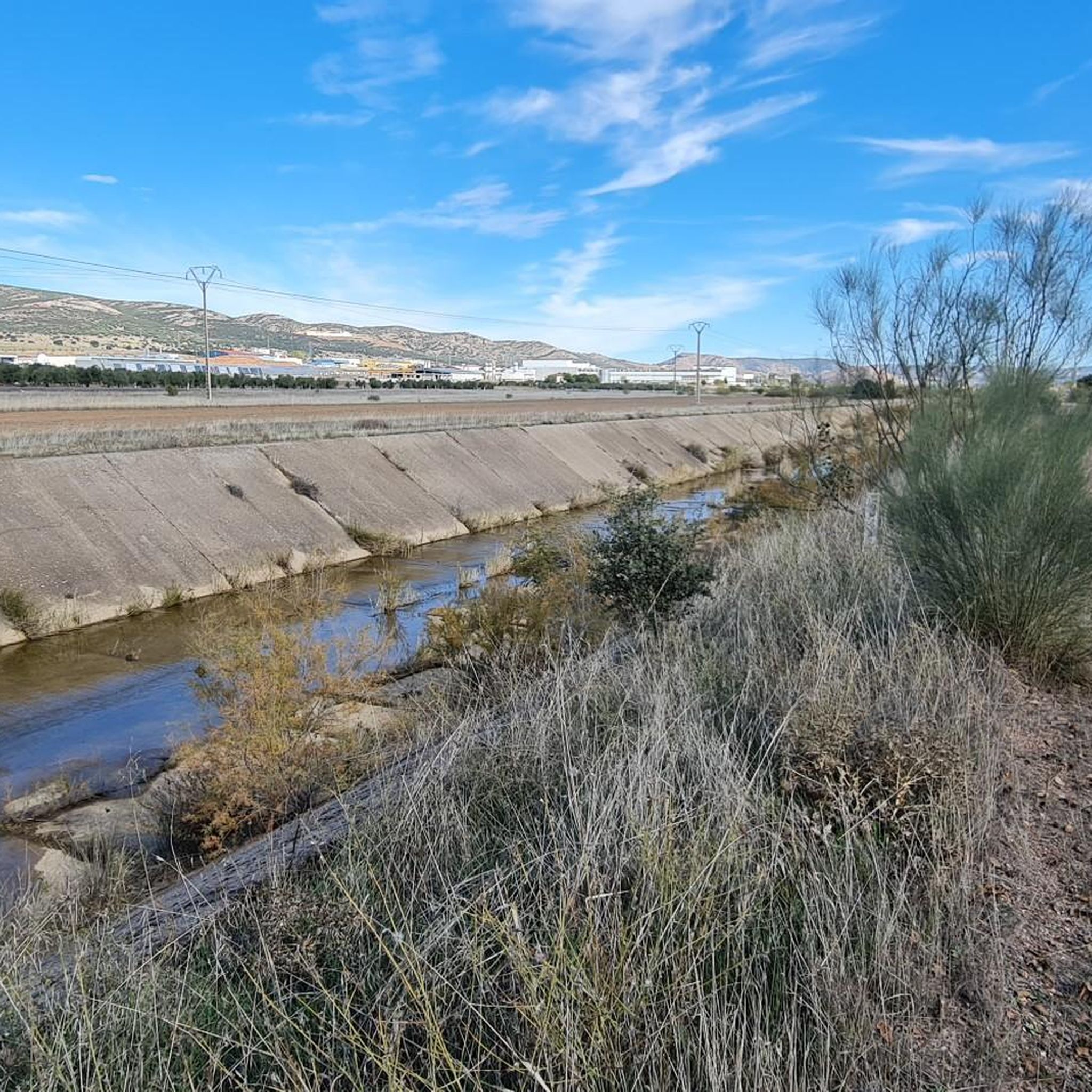
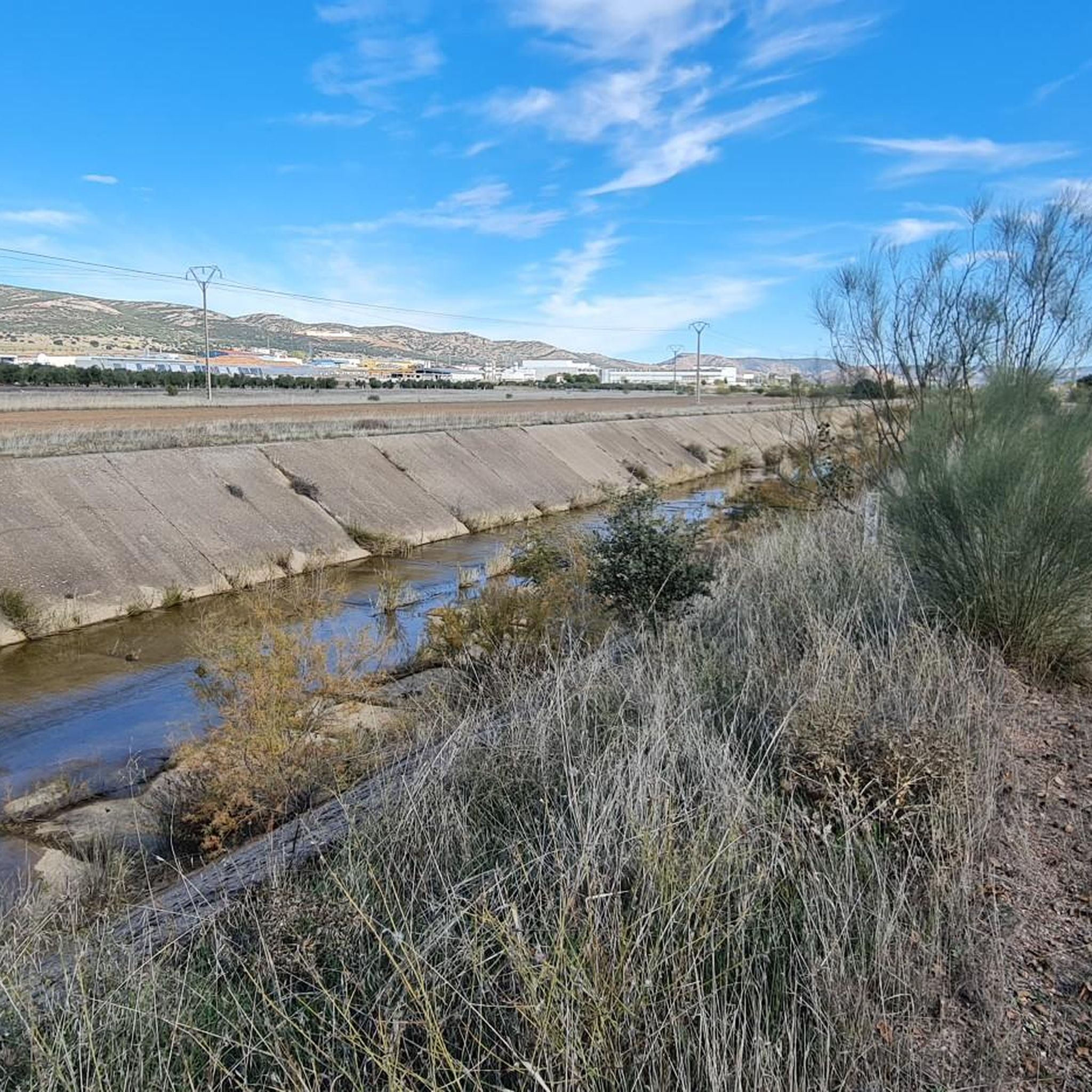
The Batanera Waterfall and Shelter is located in the Alcudia Valley and Sierra Madrona Natural Park. Route 10.- LAS LASTRAS- LA BATANERA
16
0

The Sierra Madrona has this, spaces like the Cascada de la Batanera, a river that forms a waterfall full of life and charm, ideal for passing by and cooling off!
2
0
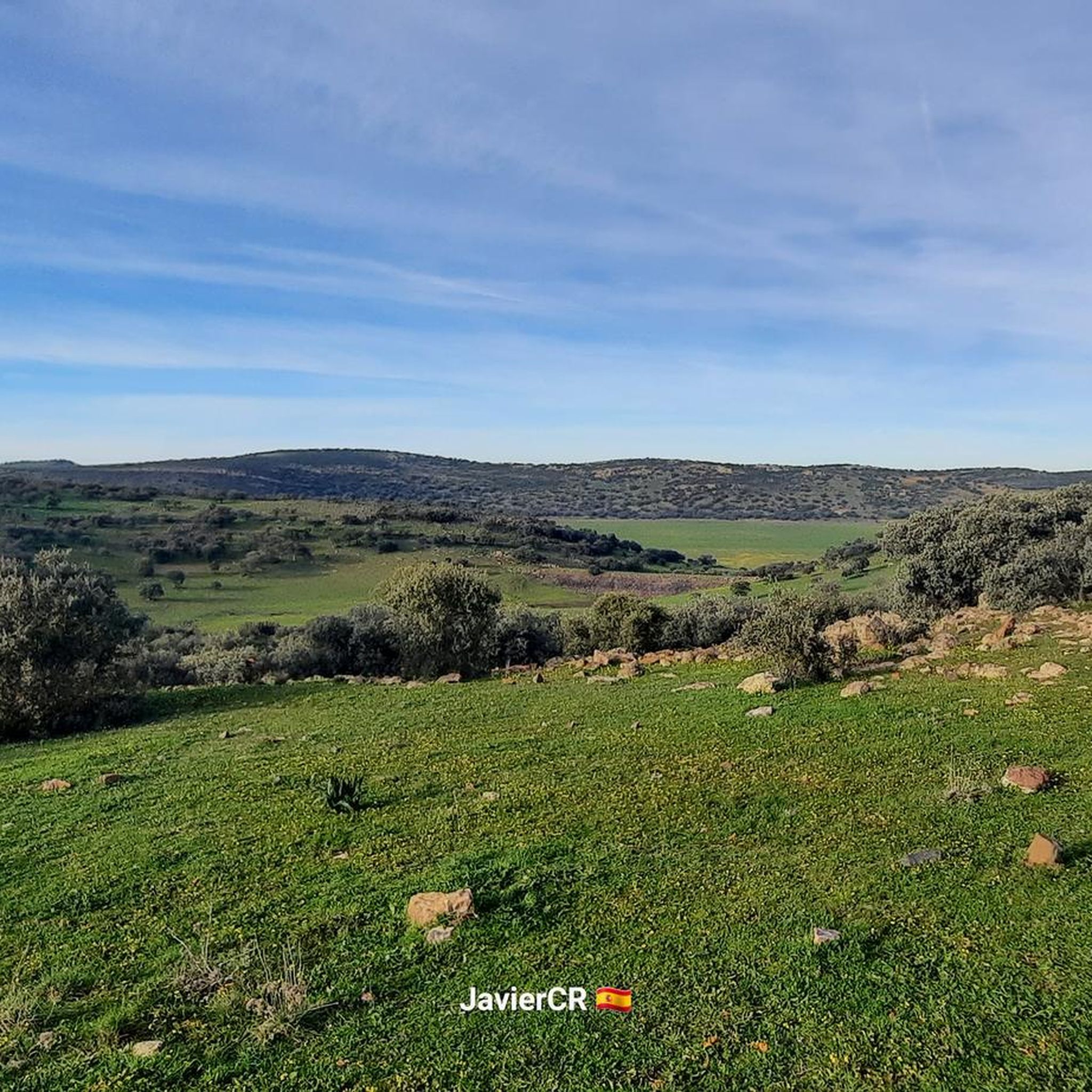
Area where stones appear in the background and where there are a group of rock paintings that show us how old these areas are, already inhabited since time immemorial.
0
1
A well-known place in the vicinity of Fuencaliente, where in the same place, you can enjoy a beautiful waterfall and shelters with cave paintings, all surrounded by the mountains and nature that characterize the Sierra Madrona.
32
0
La Batanera Waterfall: Route 10 'Las Lastras-La Batanera' (Fuencaliente)
31
0
They are located in the municipality of Fuencaliente and are one of the largest and best preserved groups of schematic cave paintings on the Iberian Peninsula. They appear in quartzite rock shelters located south of Ciudad Real province, in the foothills of Sierra Morena, at 920 meters. of altitude.
30
0
Schematic cave paintings. They are made up of zigzag triangular signs. It is a quartzite rock shelter that contains schematic cave paintings with zigzag triangular signs and human figures in a kind of ritual dance. They measure a total of 30 cm and to make them ocher and black colors were used.
4
0
Frequently Asked Questions
What natural attractions can I explore in Valle De Alcudia Y Sierra Madrona?
The region is rich in natural beauty. You can visit the impressive Batanera Waterfall, which is particularly beautiful after rainfall, or the picturesque Chorrera de Ventillas Waterfall. The Sierra Madrona mountain range offers rugged landscapes and ancient forests, while the Alcudia Valley features vast expanses of oak trees and pastures. Don't miss the unique geological formations like the Hoces del Montoro or the volcanic sites such as Los Castillejos Volcánicos de la Bienvenida.
Are there any historical or cultural sites to visit in the area?
Absolutely. The Valle de Alcudia y Sierra Madrona is home to significant historical sites. You can explore the ancient La Batanera Rock Art Site and Peñaescrita Cave Paintings, which feature some of the best-preserved schematic cave paintings on the Iberian Peninsula. The region also has a rich archaeological mining heritage, including sites like the Horcajo Mines and the ancient Roman city of Sisapo.
What kind of outdoor activities can I do near these attractions?
The area is perfect for various outdoor activities. You can find numerous running trails, including routes like "Cascada de la Batanera de Sierra Madrona" or "Ascent to Los Rehoyos". For cyclists, there are challenging routes such as the "Fuencaliente and Conquista Loop" or the "Mestanza Three Passes Loop". Mountain biking enthusiasts can explore trails like "Batanera Waterfall – Batanera Cave loop". You can find more details on these activities in the dedicated guides for Running Trails, Cycling, and MTB Trails in the region.
What is the best time of year to visit Valle De Alcudia Y Sierra Madrona?
To fully appreciate the waterfalls and lush landscapes, visiting after rainfall is recommended, especially for sites like the Chorrera de Ventillas Waterfall. Spring and autumn generally offer pleasant temperatures for outdoor activities and wildlife observation. The region's diverse botanical and faunal diversity is overwhelming at any time of the year, but specific activities might be better suited to certain seasons.
Are there opportunities for wildlife observation in the Natural Park?
Yes, the Valle de Alcudia y Sierra Madrona Natural Park is a haven for biodiversity and offers excellent opportunities for wildlife observation. It's a critical area for the recovery of species such as the Iberian imperial eagle, black stork, and Iberian lynx, and a significant conservation area for the black vulture. Over 160 bird species inhabit the park, and a diverse bat community is also present, making it an ideal destination for ecotourism.
Can I see ancient trees in the region?
Yes, the park is home to some remarkable ancient trees. You can find the "Milenaria Holm Oak" (Encina Milenaria), which is said to be capable of sheltering up to a thousand sheep, and the majestic "Grandfather Oak" (Roble "el Abuelo") located deep within the Sierra Madrona. These ancient trees are significant natural landmarks and offer a glimpse into the region's long ecological history.
What is the significance of the rock art sites in the area?
The rock art sites, such as La Batanera Rock Art Site and Peñaescrita Cave Paintings, are of immense historical and cultural importance. They contain some of the largest and best-preserved groups of schematic cave paintings on the Iberian Peninsula, found in quartzite rock shelters. These paintings, made with ocher and black colors, depict ancient rituals and provide valuable insights into the lives of early inhabitants.
Are there any unique geological formations to explore?
The region boasts a variety of unique geological formations. You can explore gorges, canyons, natural waterfalls, and prominent quartzite rocks and crests. Notable examples include the Hoces del Montoro, Riofrío, Jándula, Fresneda, or the Hoz de Valdoro. Additionally, the park showcases three manifestations of volcanism in Ciudad Real, including the Natural Monuments of Los Castillejos Volcánicos de la Bienvenida, the Volcanic Lagoon of La Alberquilla, and the Alhorín Volcano.
What is the Starlight initiative in this region?
Eight municipalities in the Valle de Alcudia y Sierra Madrona, including Almodóvar del Campo and Fuencaliente, have joined the Starlight initiative. This highlights the region's exceptional night skies, making it an ideal location for stargazing and astronomical observation due to its low light pollution and clear atmospheric conditions.
What is the history of transhumance in the Valle de Alcudia?
The Valle de Alcudia has a rich history of transhumance, the seasonal movement of livestock. This living heritage is preserved through a network of ancient livestock trails that crisscross the landscape. These trails offer a glimpse into centuries-old traditions that profoundly shaped both the environment and the culture of the region, contributing to its unique aesthetic and cultural appeal.
Are there any literary connections to the Valle de Alcudia?
Yes, the landscapes of Valle de Alcudia are believed to have been traversed by the famous literary character Don Quijote. Various sites within the region, such as the Venta del Molinillo, Venta de la Inés, Fuente del Alcornoque, Batanera, and Venta de Tejada, are mentioned in Miguel de Cervantes' renowned works, adding a layer of literary charm to your visit.
What makes the Sierra Madrona mountain range special?
The Sierra Madrona mountain range is characterized by its rugged relief, distinctive ridges, and impressive rock formations. It is a wild and humid area, featuring numerous streams that feed into the Montoro River. The Sierra Madrona is also home to ancient forests, some containing trees that are hundreds or even thousands of years old, making it a significant natural landmark within the park.
Most popular routes in Valle De Alcudia Y Sierra Madrona
Most popular attractions in Valle De Alcudia Y Sierra Madrona

Get inspired with the komoot mobile app


Explore more
Still not found the Highlight you’re looking for? See guides of the top attractions in other regions:
