The best cycling routes around Karkonoski Park Narodowy
4.5
(1018)
11,899
riders
15
rides
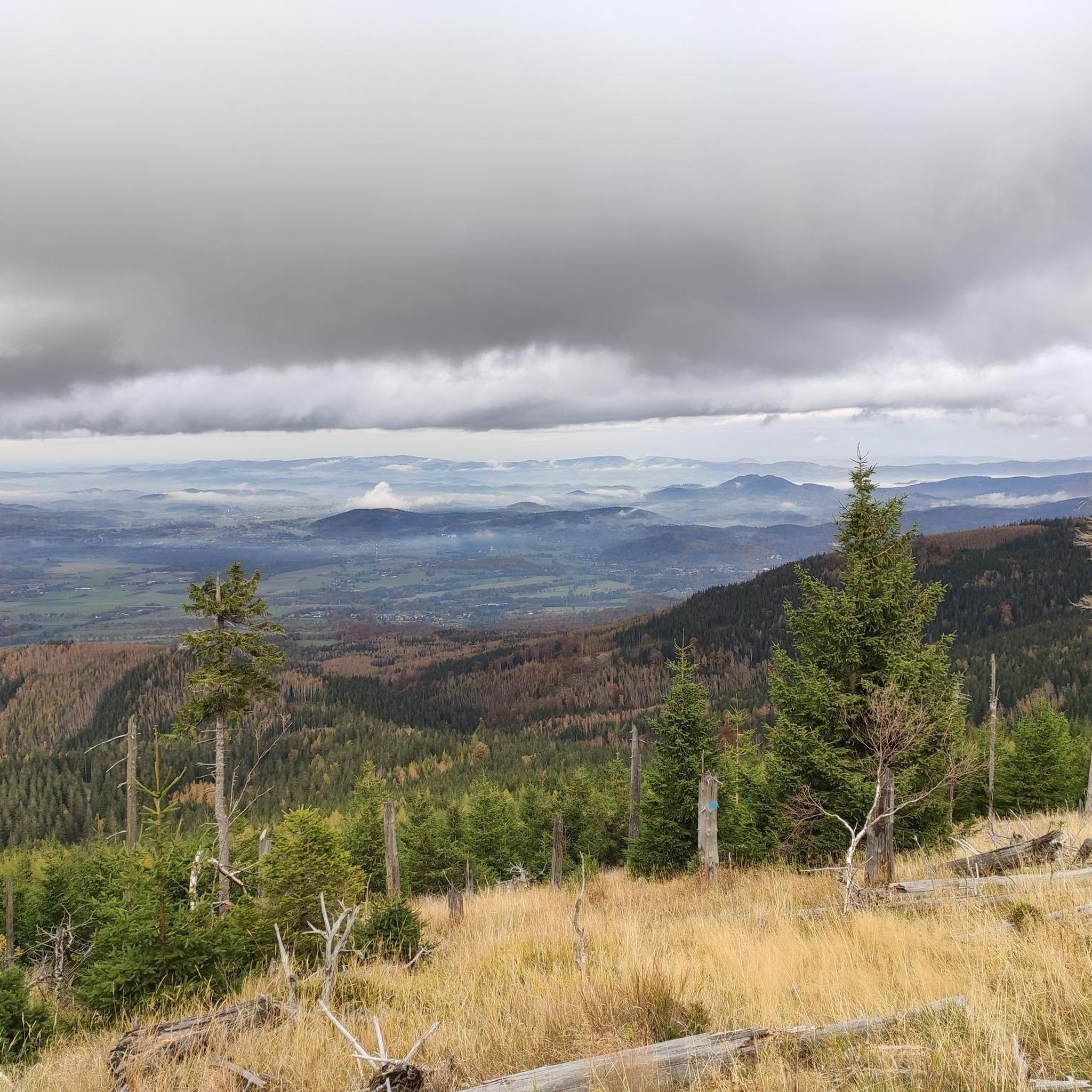
Touring cycling routes around Karkonoski Park Narodowy traverse a landscape characterized by the Karkonosze Mountains, offering a mix of challenging ascents and scenic valley rides. The region features dense forests, rolling hills, and historical sites such as palaces and castles. Elevations can vary significantly, with some routes including substantial climbs.
Best touring cycling routes around Karkonoski Park Narodowy
- The most popular touring cycling route is Old Post Office – Sobieszów Palace loop from Jelenia Góra Sobieszów, a 13.5 miles…
Last updated: October 5, 2026
4.8
(19)
80
riders
20.3km
01:47
320m
320m
Moderate bike ride. Good fitness required. Mostly paved surfaces. Suitable for all skill levels.
5.0
(8)
48
riders
72.8km
06:19
2,100m
2,100m
Hard bike ride. Very good fitness required. Mostly paved surfaces. Suitable for all skill levels.

5.0
(5)
47
riders
Hard bike ride. Very good fitness required. Mostly paved surfaces. Suitable for all skill levels.
4.0
(2)
11
riders
Moderate bike ride. Good fitness required. Mostly paved surfaces. Suitable for all skill levels.
5
riders
Moderate bike ride. Good fitness required. Mostly paved surfaces. Suitable for all skill levels.
Get access to more routes and recommendations from other explorers.
Already have an account?
Our route recommendations are based on thousands of hikes, rides, and runs completed by other people on komoot.
Start today with a free account
Your next adventure awaits.
Popular around Karkonoski Park Narodowy
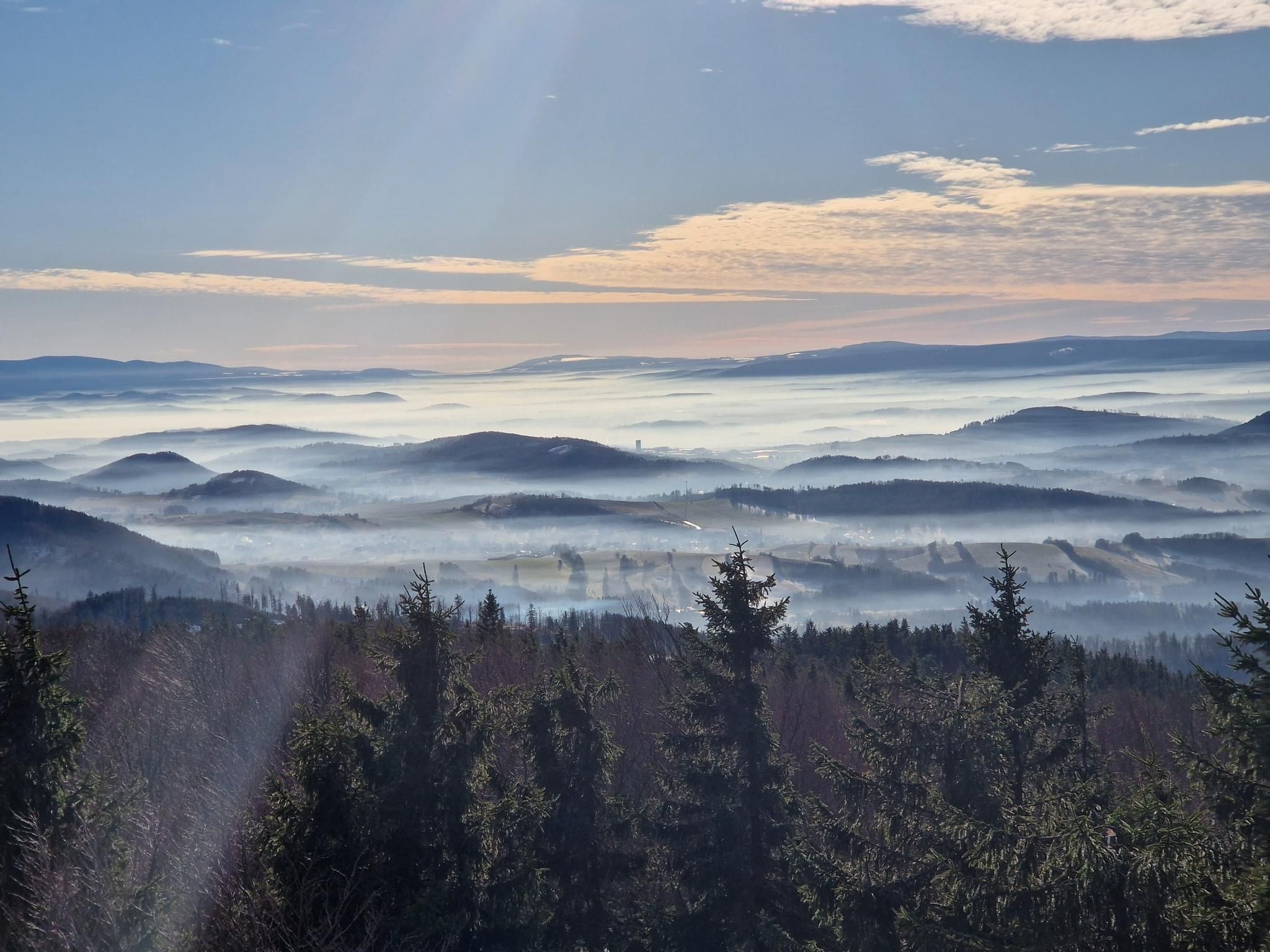
The Main Sudeten Route – a great Polish mountain adventure
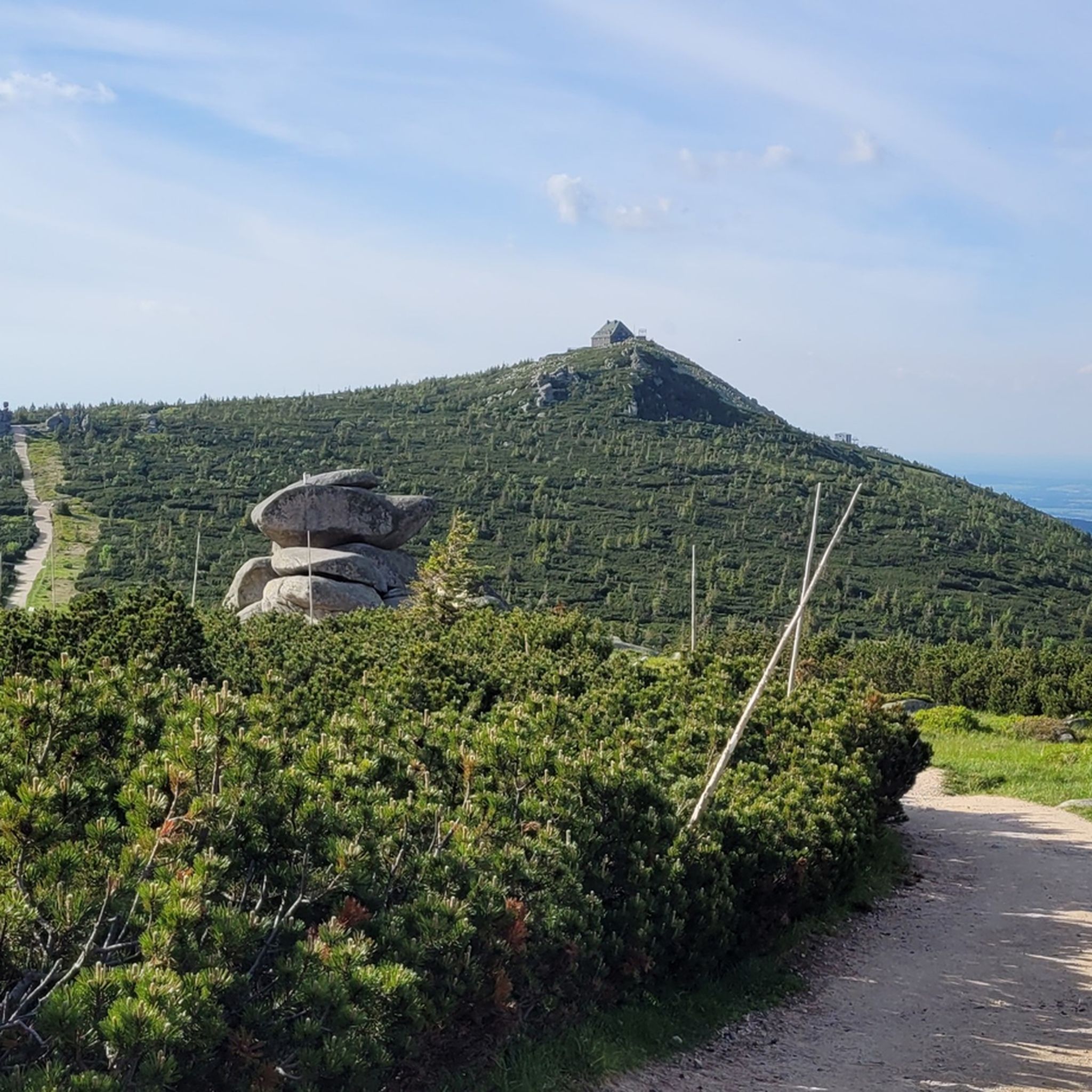
Hiking around Karkonoski Park Narodowy
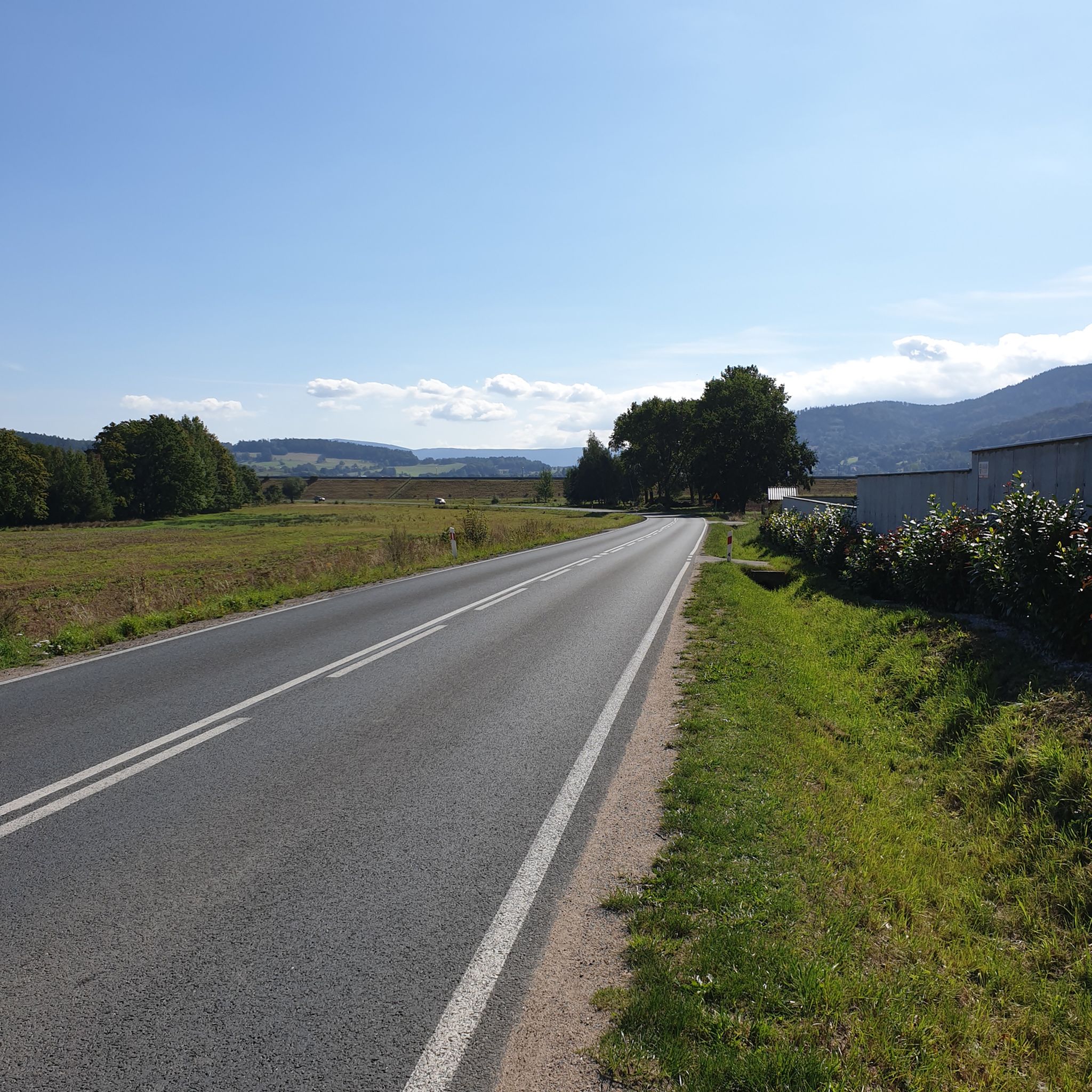
Road Cycling Routes around Karkonoski Park Narodowy
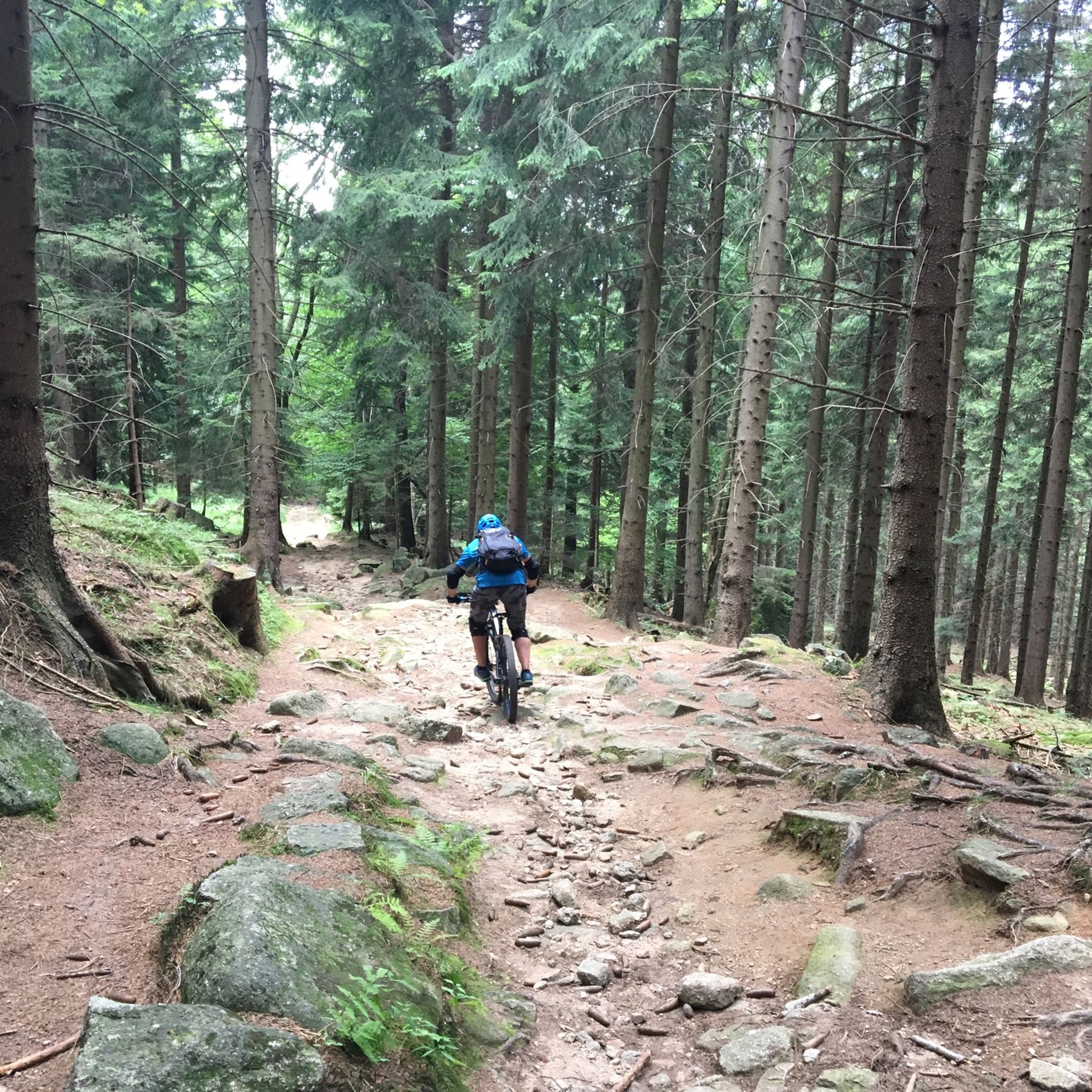
MTB Trails around Karkonoski Park Narodowy

Mountain Hikes around Karkonoski Park Narodowy
Running Trails around Karkonoski Park Narodowy

Gravel biking around Karkonoski Park Narodowy
Other adventures around Karkonoski Park Narodowy

Tips from the Community

Had a drink here, friendly staff but not very quick.
0
0
No reviews about the campsite, we are 30 minutes away from here.
0
0

Since my childhood, I have considered Špindlerův Mlýn a beautiful mountain village. But nowadays it is too expensive and full of tourists.
1
0

The railway line, which runs from Jelenia Góra (Hirschberg) in Poland through Szklarska Poręba (Schreiberhau) in Poland to Kořenov (formerly Grünthal or Polaun) in Czechia, is a branch line in Poland and the Czech Republic. Formerly known as the "Zackenbahn" (Zag Railway), the line through the Jizera Mountains was one of the first electrified railway lines in Germany and became known for the use of the so-called "Rübezahl railcars" of the DR Class ET89. Cross-border service, which had been discontinued shortly after the Second World War, was resumed in August 2010.
0
0
At 1,362 meters, the Szrenica (German: Reifträger) is a prominent peak in the western part of the Giant Mountains and is part of their main ridge. Since the border between Poland and the Czech Republic runs south of the main ridge at this point, the peak lies on Polish territory. Like the peaks of many other mountains in the Giant Mountains, the peak consists of the remains of ancient granite rocks that form impressive scree slopes. Interesting rock formations can be found on its slopes, including the Horse Headstones (Końskie Łby) and the Pig Stones (Trzy Świnki). The Szrenica is the local mountain of Szklarska Poręba (Schreiberhau) and the center of the Szrenica Ski Arena, the largest ski area in the Polish part of the Giant Mountains. A two-seater chairlift leads from the town to the summit in two stages. At the summit are the Schronisko na Szrenicy (Reifträgerbaude) and a meteorological observation station of the University of Wrocław. On the pristine Szrenicka (Hala Szrenicka) border meadow on the northwest slope of the Reifträger, at an altitude of 1,200 meters, stands the PTTK mountain hut "Schronisko na Hali Szrenickiej," which roughly translates as "Hostel on the Reifträger Meadow," the successor to the "Neue Schlesische Baude."
0
0

Open view of Śnieżka on the R-2 route.
0
0

Good starting or ending point for hiking
0
0

Beautiful sections along the great river!
1
0
Frequently Asked Questions
How many touring cycling routes are available in Karkonoski Park Narodowy?
There are over 490 touring cycling routes in and around Karkonoski Park Narodowy, offering a wide range of options for various skill levels. This includes approximately 70 easy routes, 180 moderate routes, and over 230 difficult routes.
Are there easy touring cycling routes suitable for beginners in Karkonoski Park Narodowy?
Yes, Karkonoski Park Narodowy offers a selection of easy touring cycling routes. An example is the Market Square in Jelenia Góra – Schaffgotsch Palace loop from Jelenia Góra Sobieszów, which is 16.9 miles (27.2 km) long and features minimal elevation gain, making it suitable for less experienced cyclists.
What is the best time of year for touring cycling in Karkonoski Park Narodowy?
The most favorable time for touring cycling in Karkonoski Park Narodowy is typically from late spring to early autumn (May to October). During these months, the weather is generally milder, and trails are clear of snow, offering the best conditions for exploring the mountainous terrain and forested valleys.
Can I bring my dog on touring cycling routes in Karkonoski Park Narodowy?
While dogs are generally welcome in many parts of the Karkonosze region, specific regulations apply within Karkonoski Park Narodowy. Dogs must be kept on a leash at all times, and some trails or protected areas might have restrictions. It's advisable to check the park's official guidelines before your visit.
Are there circular touring cycling routes available in the area?
Many touring cycling routes in Karkonoski Park Narodowy are designed as loops, allowing you to start and finish at the same point. For instance, the Wang Church – Miłków Palace loop from Karpacz is a popular circular option, covering 23.8 miles (38.3 km) through varied terrain.
What kind of landmarks or attractions can I see along the touring cycling routes?
Touring cycling routes in Karkonoski Park Narodowy often pass by historical sites and natural wonders. You might encounter places like the historic Wang Church, the impressive Kamieńczyk Waterfall, or the picturesque Mały Staw (Little Pond). Routes also feature palaces and castles, such as those near Jelenia Góra Sobieszów.
Where can I park my car when starting a touring cycling route?
You can find parking facilities in the towns and villages that serve as common starting points for routes, such as Jelenia Góra Sobieszów or Karpacz. Many routes, like the Old Post Office – Sobieszów Palace loop from Jelenia Góra Sobieszów, begin in areas with accessible parking options.
What do other touring cyclists say about the routes in Karkonoski Park Narodowy?
The touring cycling routes in Karkonoski Park Narodowy are highly regarded by the komoot community, with an average rating of 4.6 stars from over 700 reviews. Cyclists often praise the diverse landscapes, from challenging mountain ascents to scenic valley rides, and the opportunity to explore historical architecture.
Are there any routes that offer significant elevation gain for a challenge?
Yes, the Karkonosze Mountains provide numerous challenging routes with substantial elevation gain. For example, the Sobieszów Palace – Chojnik Castle Ruins loop from Jelenia Góra Sobieszów covers 30.3 miles (48.8 km) with over 1200 meters of ascent, offering a demanding experience for experienced cyclists.
Can I find places to eat or rest along the touring cycling routes?
Yes, the region around Karkonoski Park Narodowy has various towns and villages where you can find cafes, restaurants, and guesthouses. Many routes pass through or near these settlements, providing opportunities for refreshments and rest stops. For instance, the Lukas Mill Restaurant loop from Piechowice is named after a specific eatery along its path.
Are there viewpoints along the touring cycling routes in Karkonoski Park Narodowy?
Given the mountainous terrain, many touring cycling routes offer stunning panoramic viewpoints of the Karkonosze landscape. While specific viewpoints vary by route, you can expect breathtaking vistas, especially on trails that ascend to higher elevations or pass through mountain passes like Climb to Szklarska Pass (Przełęcz Karkonoska).
Most popular routes around Karkonoski Park Narodowy
Most popular attractions around Karkonoski Park Narodowy

Get inspired with the komoot mobile app


Explore more
Browse the best Cycling routes in other regions.
