Top 9 Castles around Süntel
Best castles around Süntel are found in the broader region surrounding this forested ridge between Hameln and Hanover. While Süntel is primarily known for its natural beauty and hiking opportunities, the area offers several notable historical structures. These castles and historical sites provide insight into the region's past and architectural heritage. Visitors can explore a variety of historical landmarks accessible from the Süntel area.
Best castles around Süntel
- The most popular castles is Schaumburg, a castle that holds significant…
Last updated: October 4, 2026
Schaumburg
Highlight • Castle
Showing Translation
Tip by

Paschenburg — View of the Weser Valley
Highlight • Viewpoint
Translated by Google •
Tip by

Sign up now to discover places like this
Get recommendations on the best single tracks, peaks, & plenty of other exciting outdoor places.
Georg Tower (Schaumburg Castle Tower)
Highlight • Castle
Translated by Google •
Tip by

Osterburg near Deckbergen
Highlight • Historical Site
Translated by Google •
Tip by

Bell Tower (Kühner Henke), Weser Uplands
Highlight • Historical Site
Translated by Google •
Tip by

Sign up for free to discover even more castles around Süntel.
Already have an account?
Start today with a free account
Your next adventure awaits.
Popular around Süntel

The National Natural Landscapes in Niedersachsen
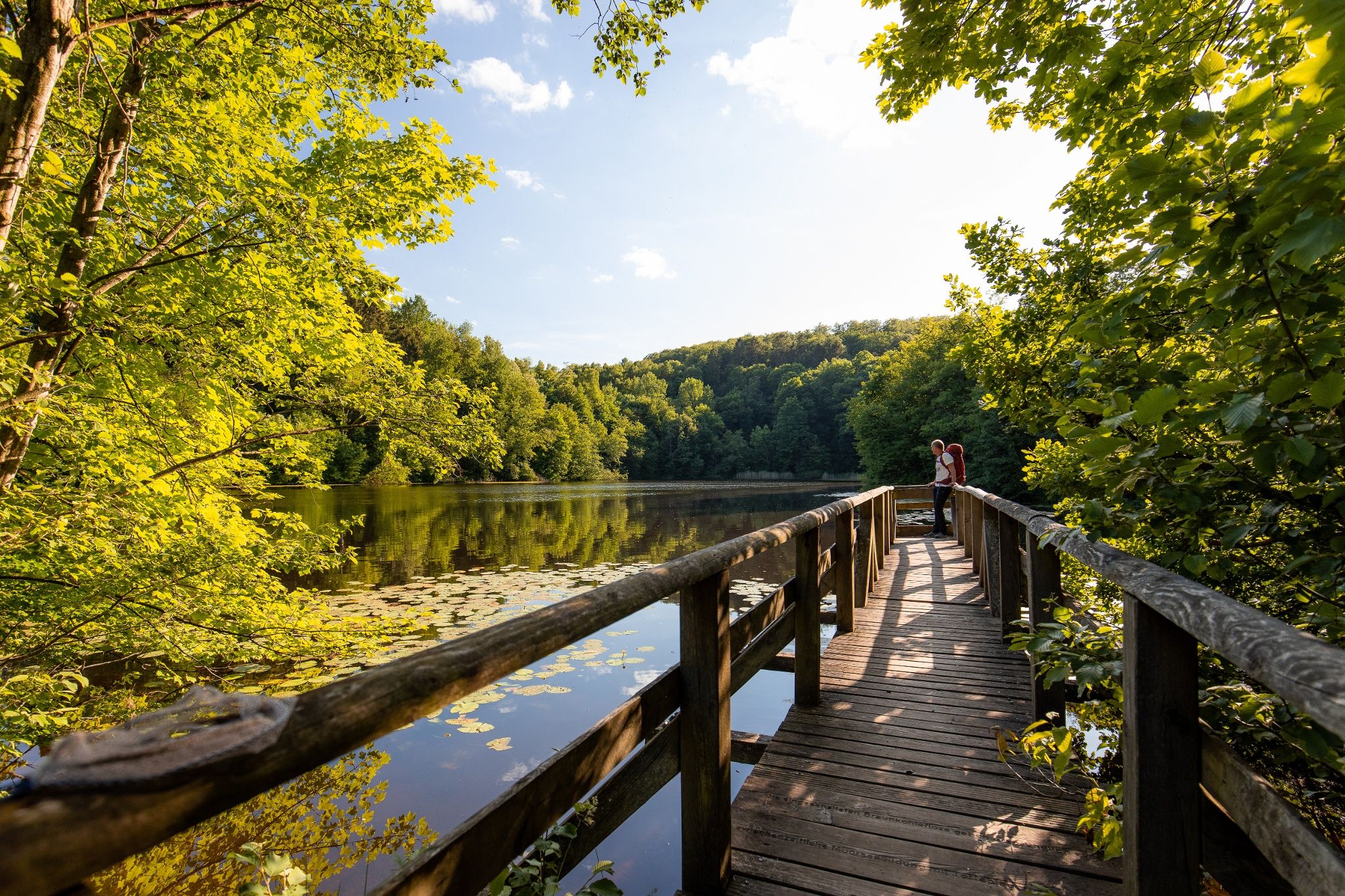
Time in the countryside – recharge your batteries in the Weserbergland
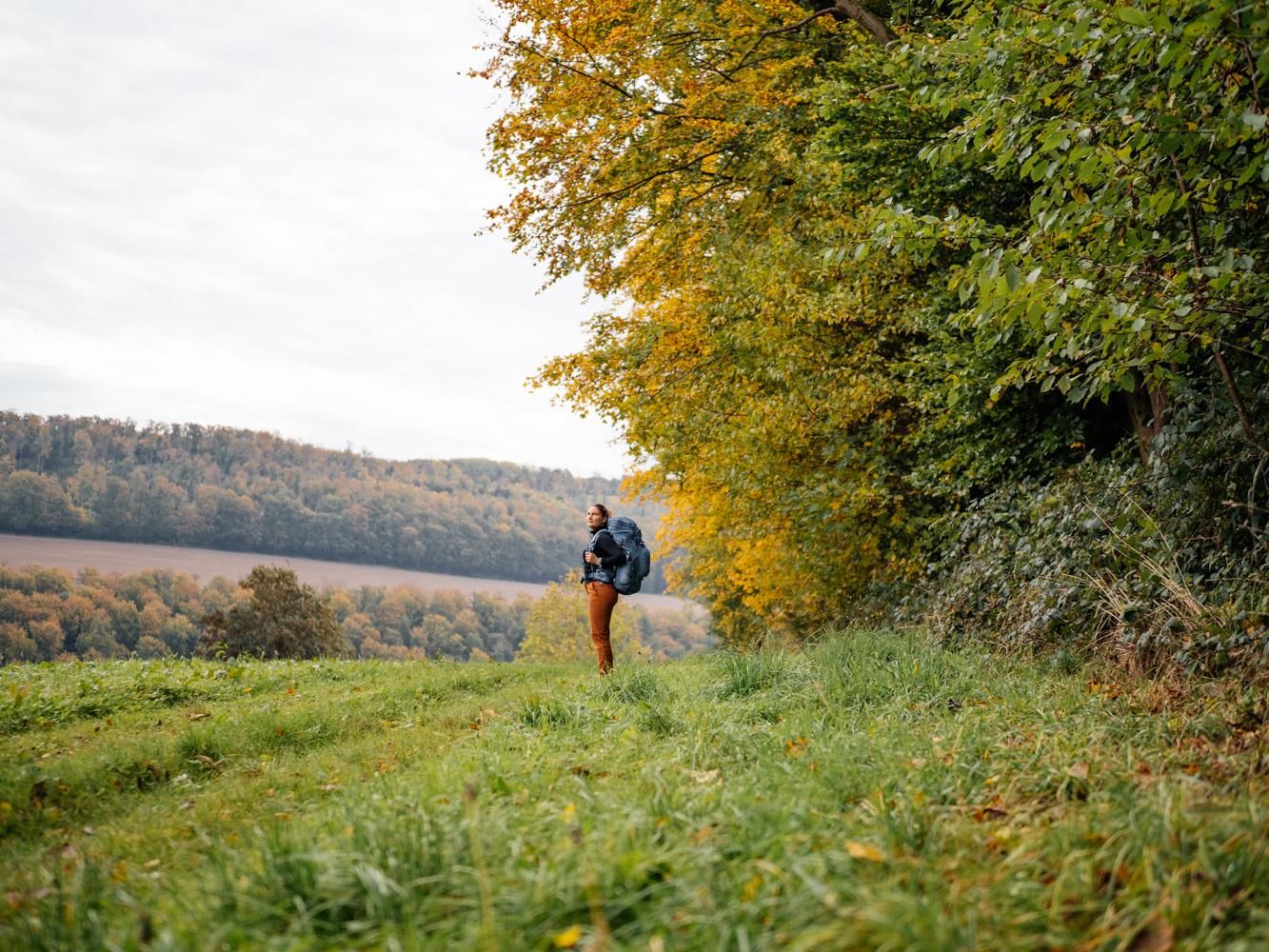
Weser Uplands Trail in autumn – out and about with Fräulein Draußen
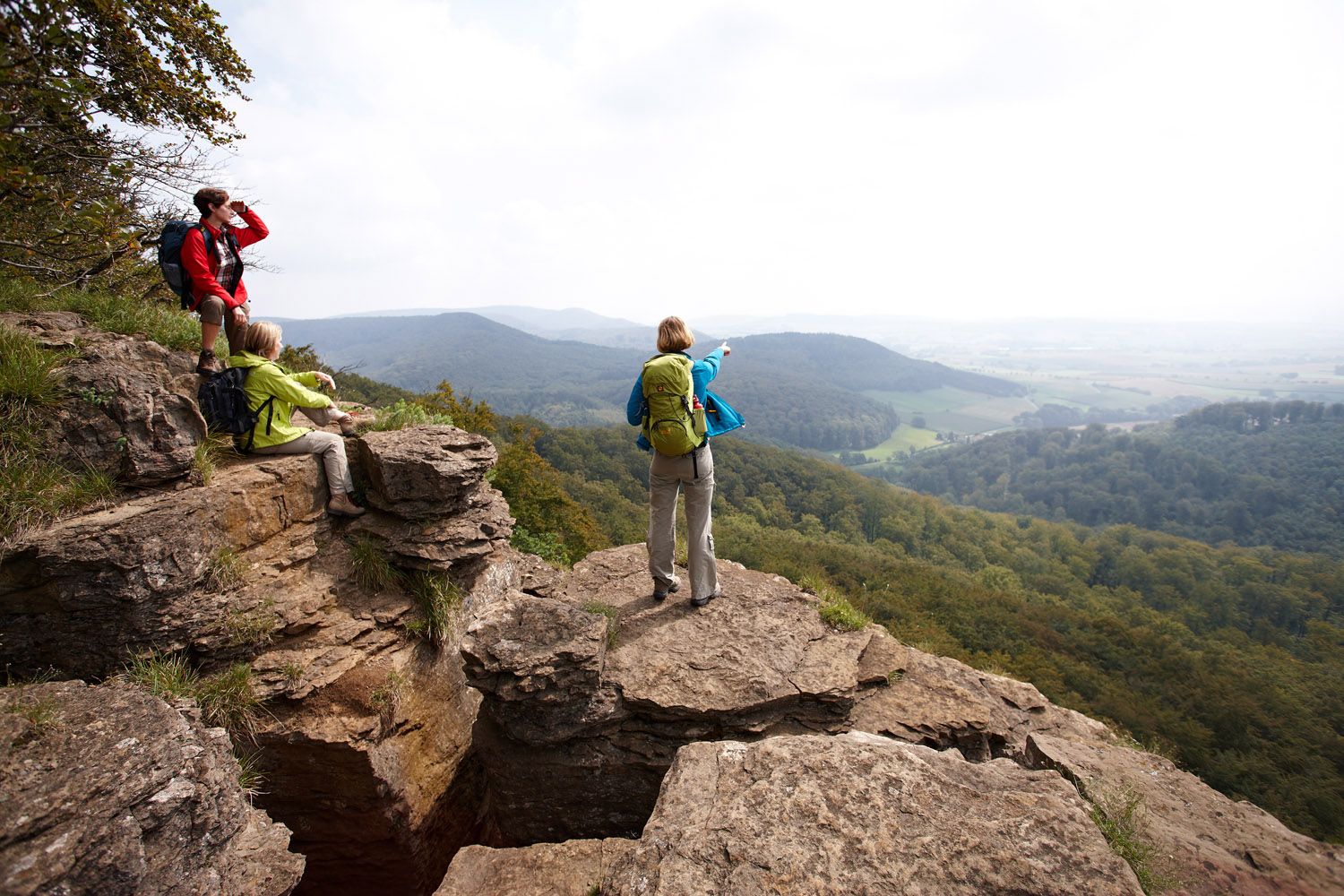
Weser Uplands Extreme – hiking for true adventurers
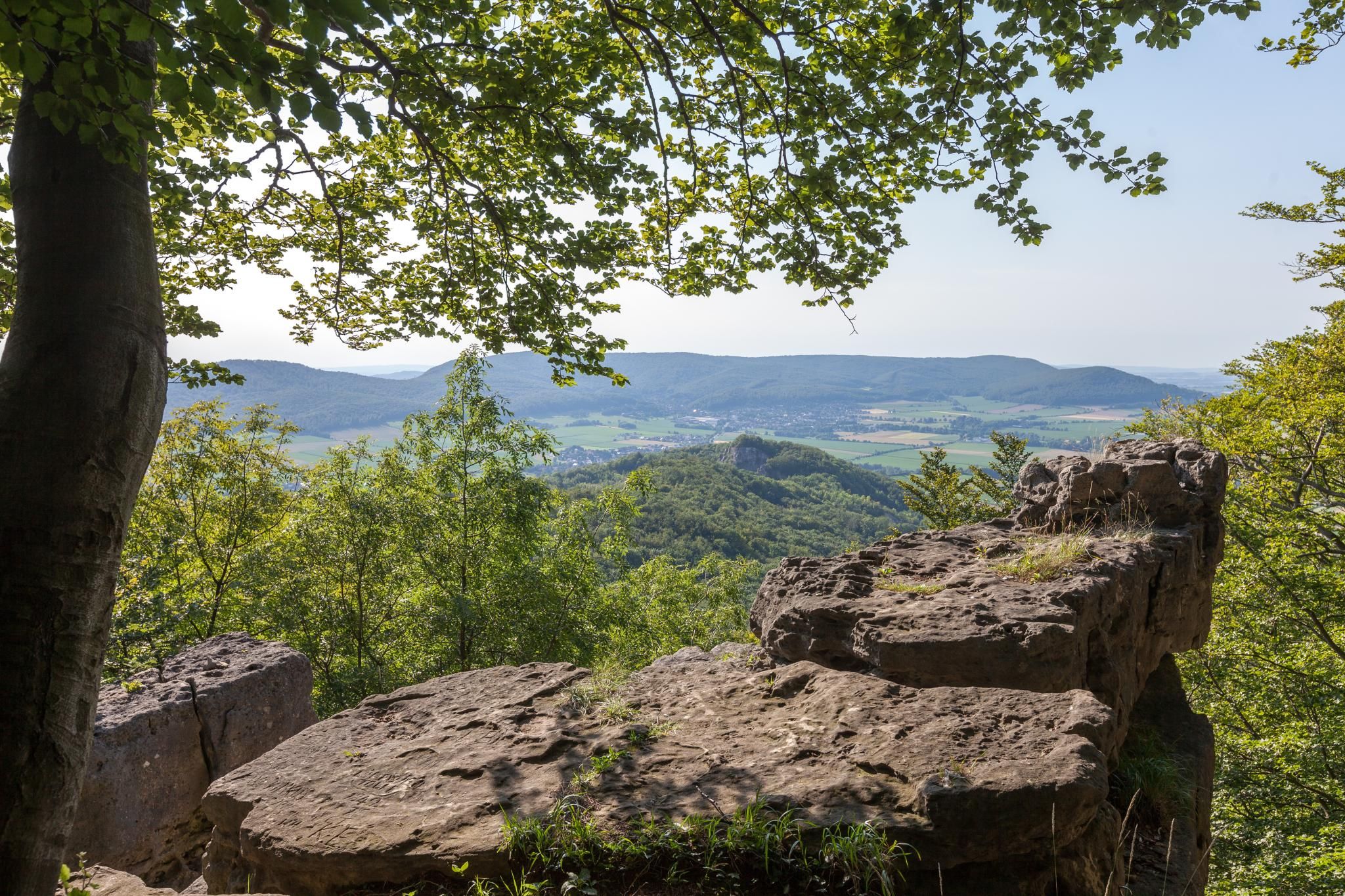
High up on cliffs and viewpoints in the Weserbergland region
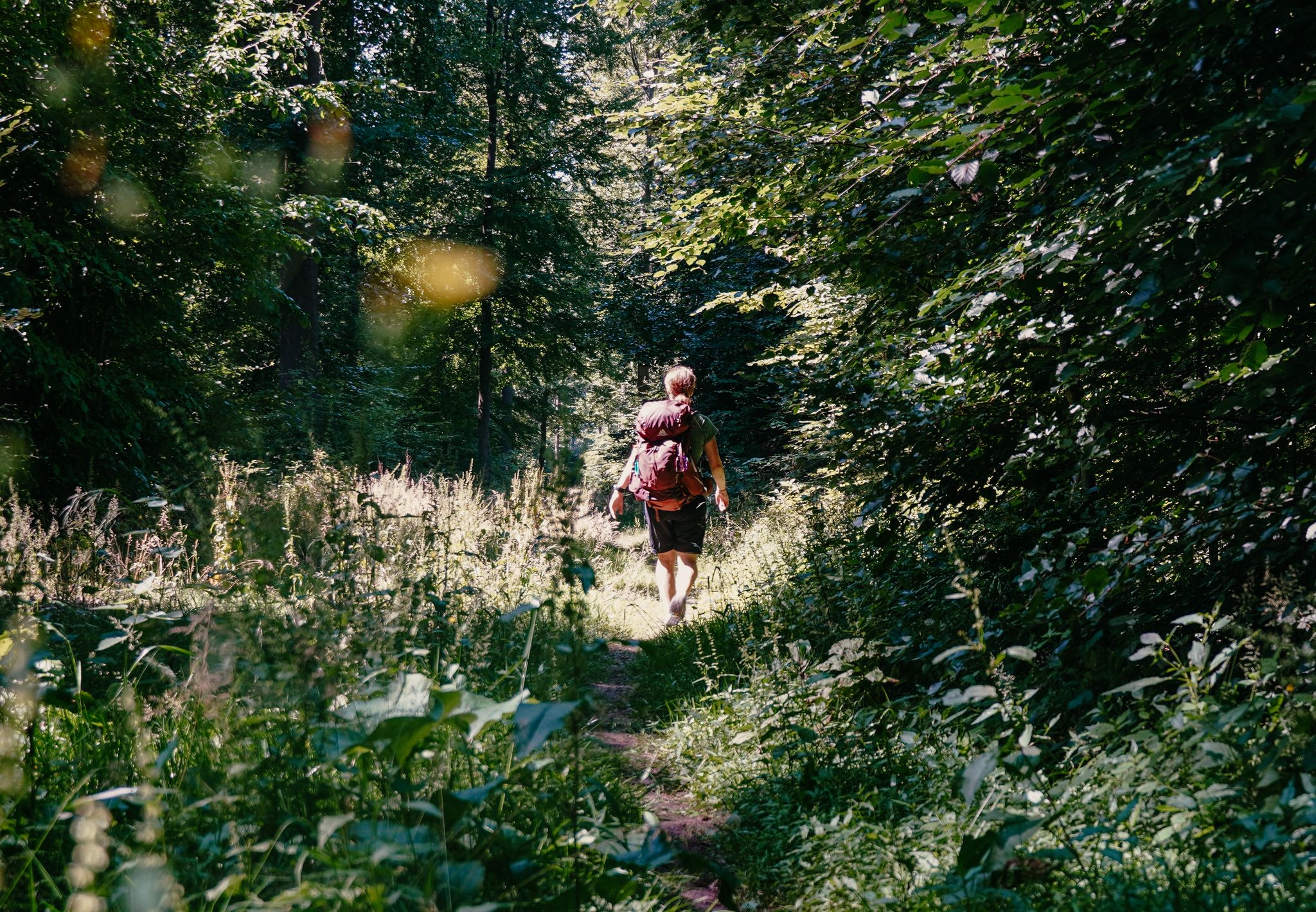
Experience nature with all your senses in the Weserbergland
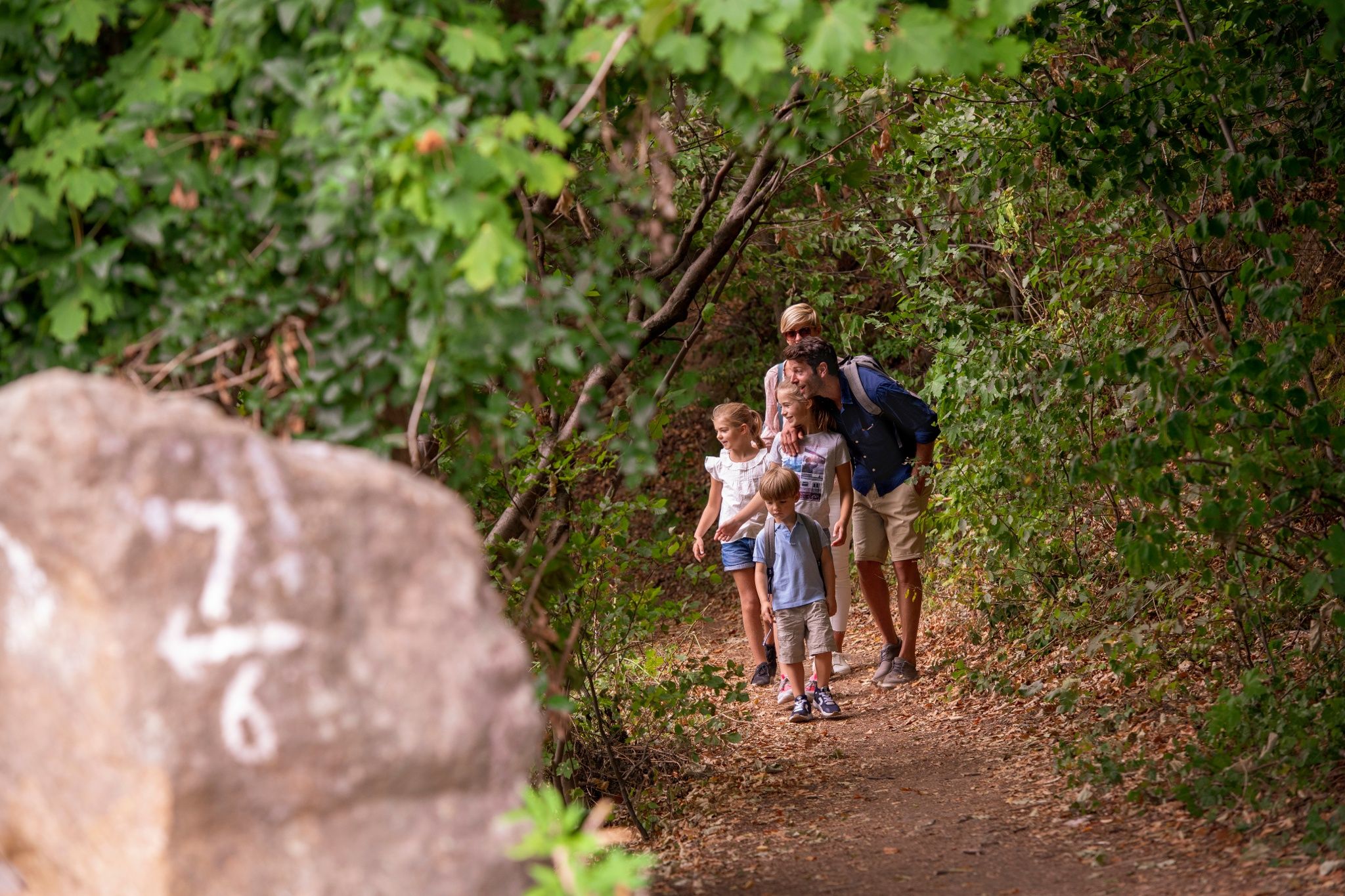
Castles and miners – hike through history in the Weserbergland region

Fabulously scenic – hiking Germany’s Weserbergland Trail
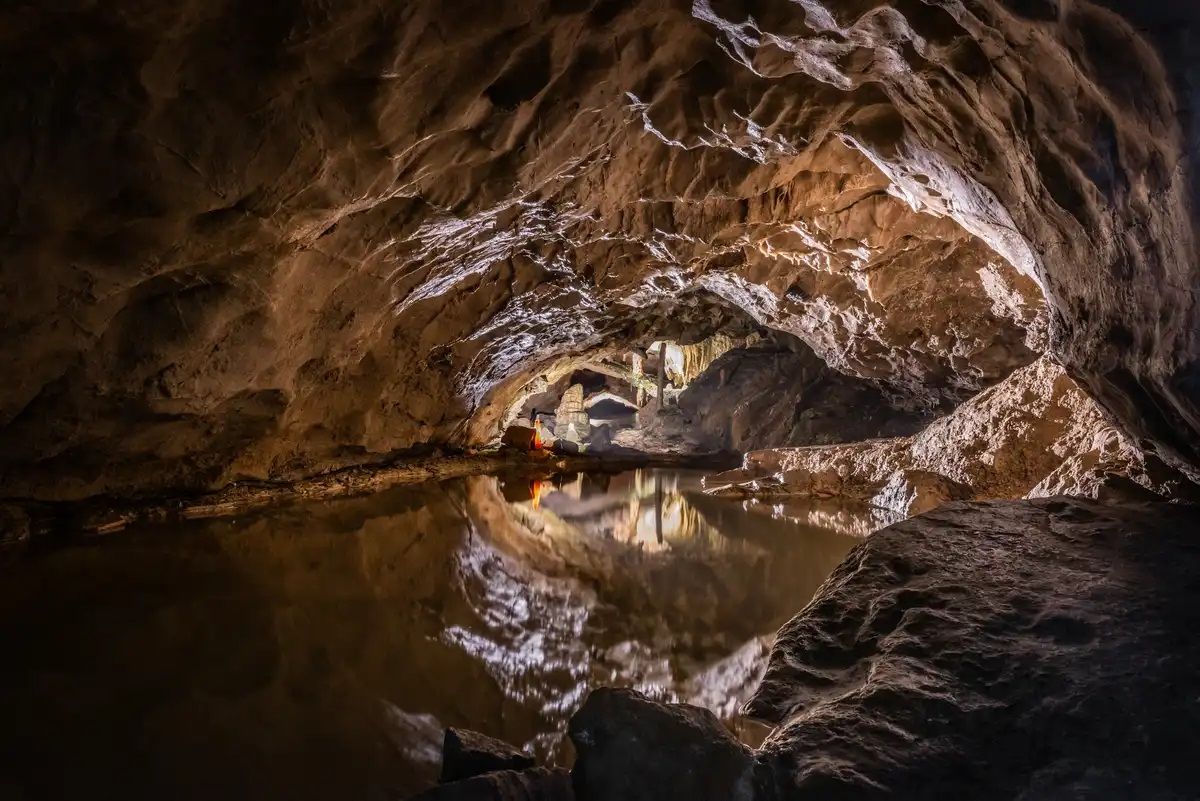
Stalactite caves – magical worlds beneath the surface
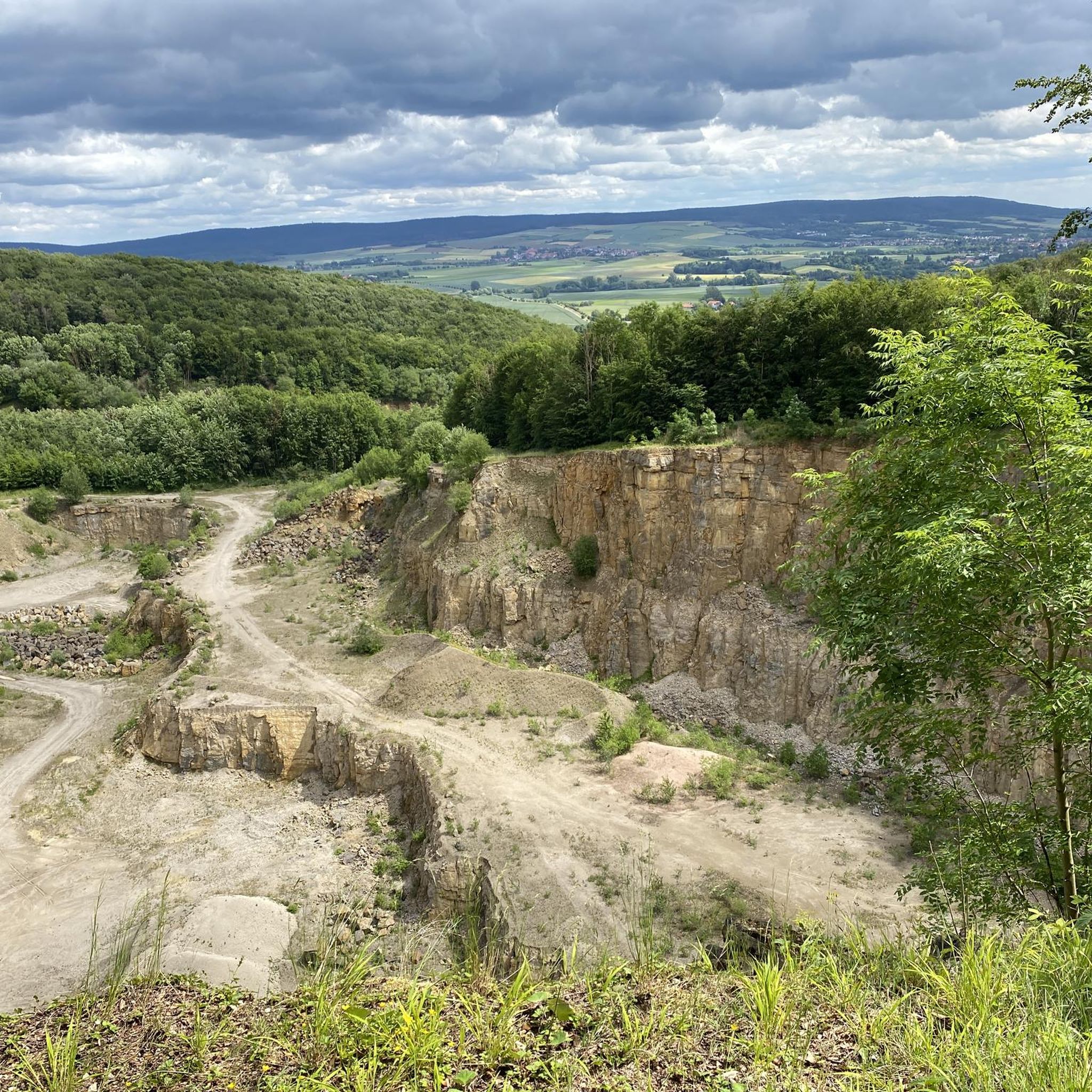
Hiking around Süntel
Other adventures around Süntel


Tips from the Community

Bell Tower "Kühner Henke": The bell tower, known as "Kühner Henke," once served as an official prison before the modern extension to the gate tower was built around 1800. The top of the tower, crowned by a small lantern, still retains its 17th-century appearance. A striking bell was reinstalled in 2012 by the Heimatbund der Grafschaft Schaumburg.
0
0

The Osterburg consisted of two neighbouring, independent castles on two hills, which were separated by a moat. They were protected from the outside by earthen ramparts and a deep moat. The remains of a ring wall are believed to be in the ramparts, but archaeological investigations can only provide information about this. The northern and smaller castle hill appears to be of more recent date. The oval structure has a diameter of around 40 × 50 m and a height of around 3 m. In the direction of the larger castle hill to the south there was an area of a small outer bailey. The main castle has an area of around 50 × 70 m and a height of up to 7 m. On it, a round rubble mound with stone remains indicates the former presence of a round tower made of rubble stone. Soil anomalies and depressions on the castle hills indicate collapsed cellars of earlier buildings, which are to be expected here as commercial and residential buildings. The holes may also have been caused in part by illegal excavations, which have already caused major damage to the remains of the castle complex. The distinctive soil shapes of the complex are still clearly visible in the area today, especially due to the surrounding ring moat in the shape of a figure of eight. At the castle site there is now an information board with an explanatory text that shows the complex in plan and as an attempt at reconstruction. The history of Osterburg is largely unknown. It was first mentioned in documents in 1121. Source: https://de.wikipedia.org/wiki/Osterburg_(Deckbergen)
1
0

A nice place to linger along the route.
0
0


The remains of the Osterburg are rather inconspicuous today and without the information board they would probably be easily overlooked. However, the drawing on the board shows that it was actually a double castle on two castle hills.
0
0

The tower served as a prison back then and still has a “prisoner” 🙃
4
0
Very old clock tower to climb. You should throw in 50 cents at the entrance 👍🏼
5
0

It's worth every trip. It's very beautiful here
0
0
Frequently Asked Questions
What kind of historical sites can I explore around Süntel?
The region around Süntel offers a variety of historical structures, from well-preserved castles to ruins and towers. You can visit significant sites like Schaumburg, a castle with historical importance and views into the Weser valley. Other notable sites include the Bell Tower (Kühner Henke), which once served as a prison, and the Georg Tower within the Schaumburg complex, offering extensive views.
Are there family-friendly castles to visit near Süntel?
Yes, several castles and historical sites in the area are considered family-friendly. Schaumburg is categorized as family-friendly, offering an engaging experience for all ages. Exploring the grounds and towers can be an adventure for children.
What natural features or viewpoints can I find near the castles?
Many castles in the Süntel region are situated to offer impressive natural views. From Schaumburg, you can enjoy panoramic views into the Weser valley. The Georg Tower also provides extensive vistas from its top platform. Additionally, the Paschenburg offers an incredible all-round view of the Weser valley.
Are there hiking trails that connect to or pass by these castles?
Yes, the region is known for its hiking opportunities. You can find various routes that incorporate historical sites. For example, the 'View of Schaumburg Castle – Trail Along the Aue Stream loop from Schaumburg' is a longer gravel biking route that passes by Schaumburg. For more hiking options, explore the easy hikes around Süntel or waterfall hikes around Süntel guides.
What other outdoor activities can I do near the castles around Süntel?
Beyond visiting castles, the Süntel area is excellent for outdoor activities. You can enjoy various cycling and hiking routes. For cycling enthusiasts, there are gravel biking routes around Süntel, including challenging loops that offer views of the castles. Hikers can choose from easy to more demanding trails.
What do visitors enjoy most about the castles around Süntel?
Visitors frequently praise the fantastic views and the historical significance of the sites. For instance, the Georg Tower is highlighted for its 'fantastic view' that 'fully compensates for the effort' of climbing. The overall appeal lies in the combination of history, architecture, and scenic landscapes.
Is there anything left to see of Osterburg near Deckbergen?
While the Osterburg itself can no longer be seen as a standing structure, its distinctive ground shapes and surrounding ring ditch are still clearly recognizable. An information board at the site helps visitors imagine the castle's layout and its history as a ruin from the early medieval period.
What is the best time of year to visit the castles around Süntel?
The castles and surrounding natural areas are enjoyable throughout much of the year. Spring and autumn offer pleasant temperatures for exploring both the historical sites and the hiking trails. Summer is also popular, though it can be warmer. Winter visits can provide a unique, serene atmosphere, especially for those interested in winter hikes, but some facilities or access might be limited.
Can I visit the castles with my dog?
Policies regarding dogs can vary between specific castle sites and their grounds. While the natural areas and many hiking trails around Süntel are generally dog-friendly, it's advisable to check the specific rules for each castle or historical site you plan to visit, especially concerning interior access or specific areas.
Are there places to eat or stay near the castles?
Yes, the broader region around Süntel offers amenities. For example, the Paschenburg, a viewpoint near Schaumburg, houses an inn known for its food and great views. In the towns and villages surrounding Süntel, such as Hameln, you will find various cafes, pubs, and accommodation options.
What is the historical significance of Schloss Pyrmont?
While not directly on the Süntel ridge, Schloss Pyrmont is a significant historical structure in the broader region. It was once the residence of the Counts of Spiegelberg and Waldeck-Pyrmont. The current 18th-century building stands on a 16th-century fortress and features an impressive square moat. It now houses a museum, offering insights into local history and architecture.
Most popular routes around Süntel
Most popular attractions around Süntel

Get inspired with the komoot mobile app


Explore more
Looking for the best castles somewhere else? Discover other guides around Süntel:
