The best hikes from bus stations around Huy
4.4
(15702)
75,533
hikers
1,026
hikes
Bus station hiking trails around Huy offer diverse terrain characterized by dramatic limestone cliffs, deep valleys, and dense woodlands. The region is shaped by the Meuse River and features the Ourthe River, providing varied natural areas for outdoor activities. Hikers can explore a network of paths that traverse these landscapes, including areas like the Solières valley and Tihange wood. The elevation changes and natural features make Huy a destination for various hiking experiences.
Best bus station hiking trails around Huy
…Last updated: November 14, 2026
4.3
(58)
291
hikers
8.11km
02:18
170m
170m
Moderate hike. Good fitness required. Easily walkable paths.
4.7
(37)
132
hikers
13.4km
03:46
270m
270m
Moderate hike. Good fitness required. Easily walkable paths.

4.6
(308)
1,236
hikers
10.4km
02:57
230m
230m
Moderate hike. Good fitness required. Easily walkable paths.
4.6
(13)
79
hikers
7.72km
02:07
130m
130m
Moderate hike. Good fitness required. Easily walkable paths.
4.3
(160)
605
hikers
8.55km
02:20
130m
130m
Moderate hike. Good fitness required. Easily walkable paths.
Get access to more routes and recommendations from other explorers.
Already have an account?
Our route recommendations are based on thousands of hikes, rides, and runs completed by other people on komoot.
Start today with a free account
Your next adventure awaits.
Popular around Huy
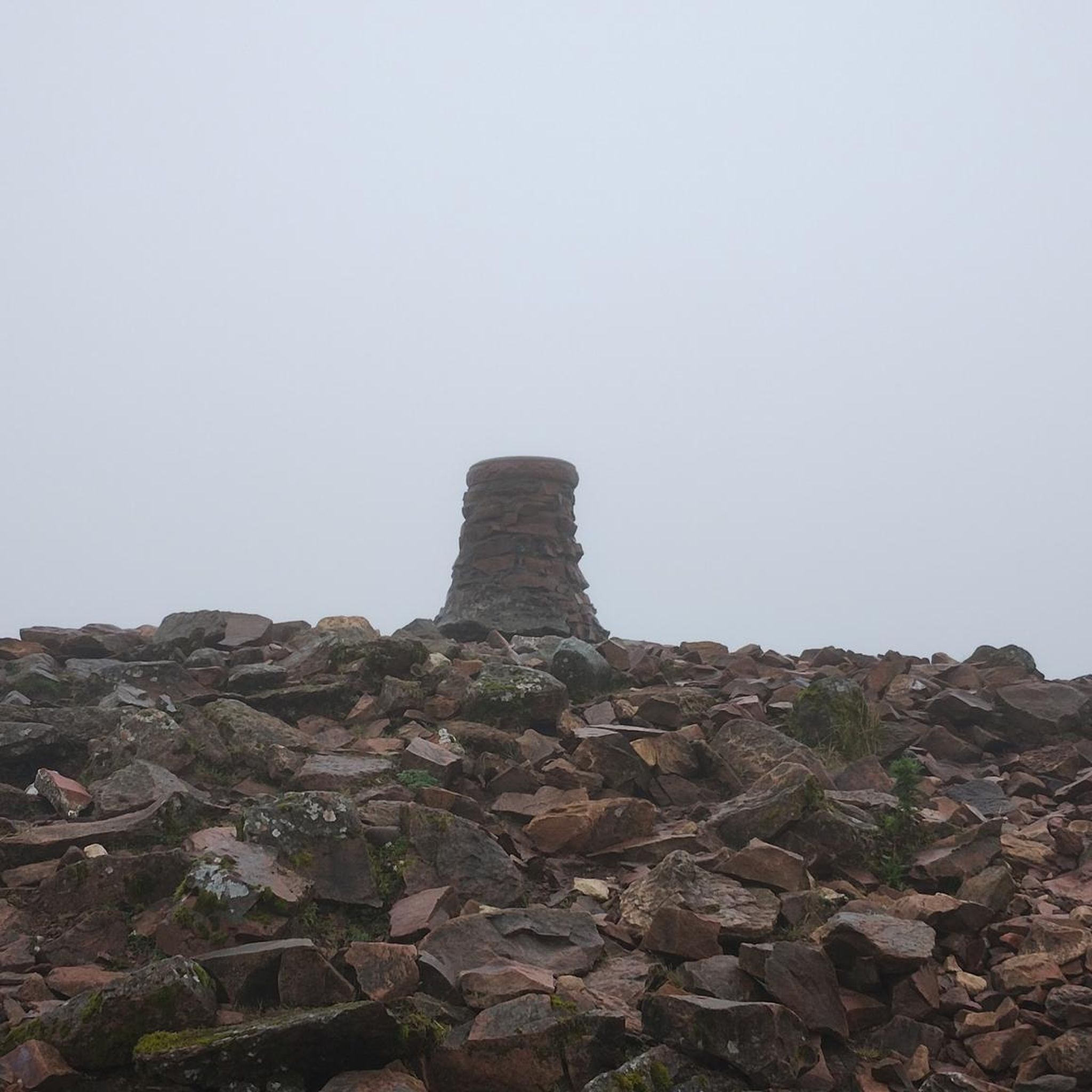
Hikes from bus stations in Burdinale-Mehaigne Natural Park

Hikes from bus stations in Bois De Malvin

Hikes from bus stations around Bois de Tinlot

Belgian Ballads – winter hiking in the Belgian Ardennes
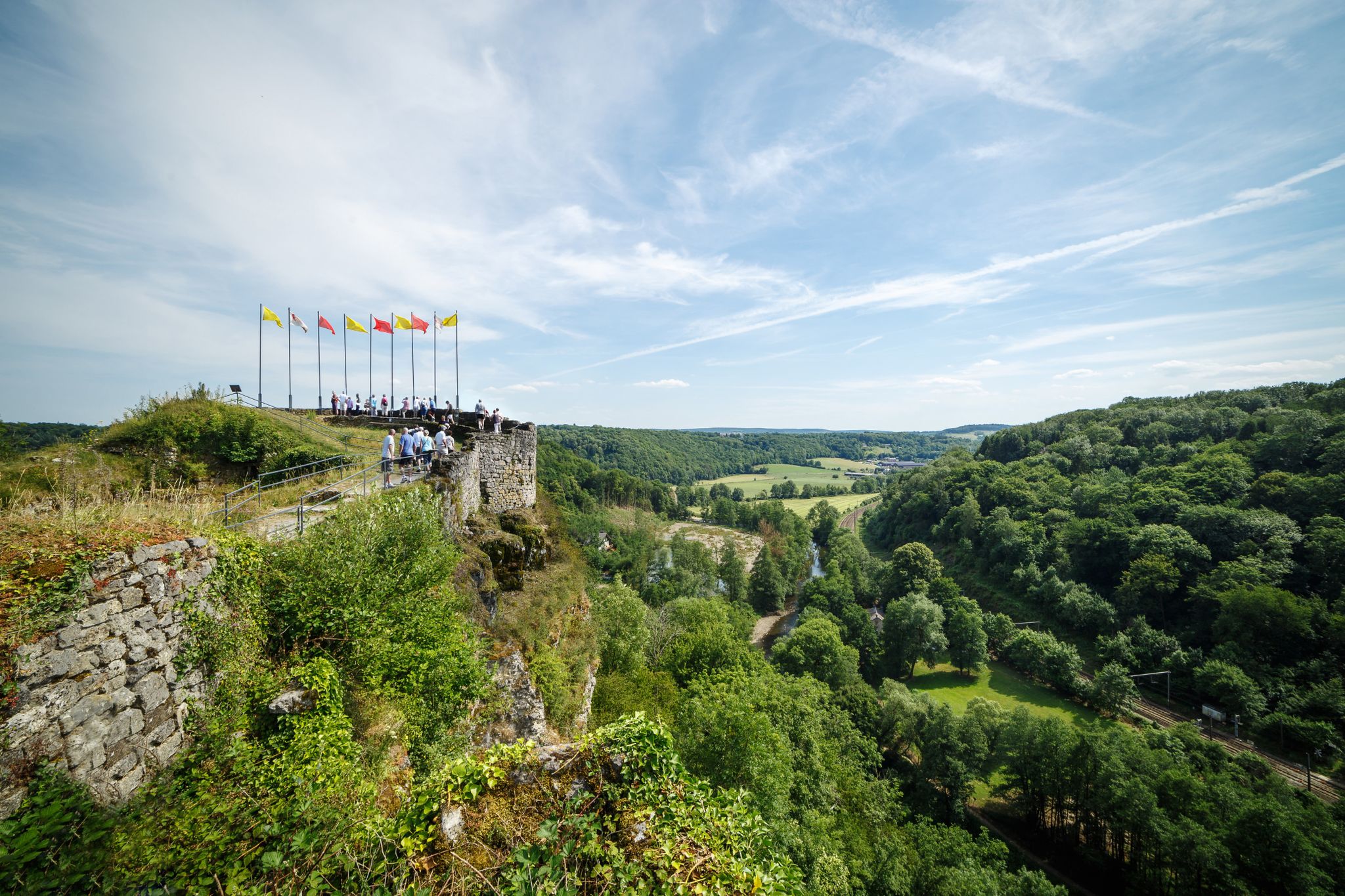
The wild rivers Ourthe, Vesdre and Amblève in the Belgian Ardennes
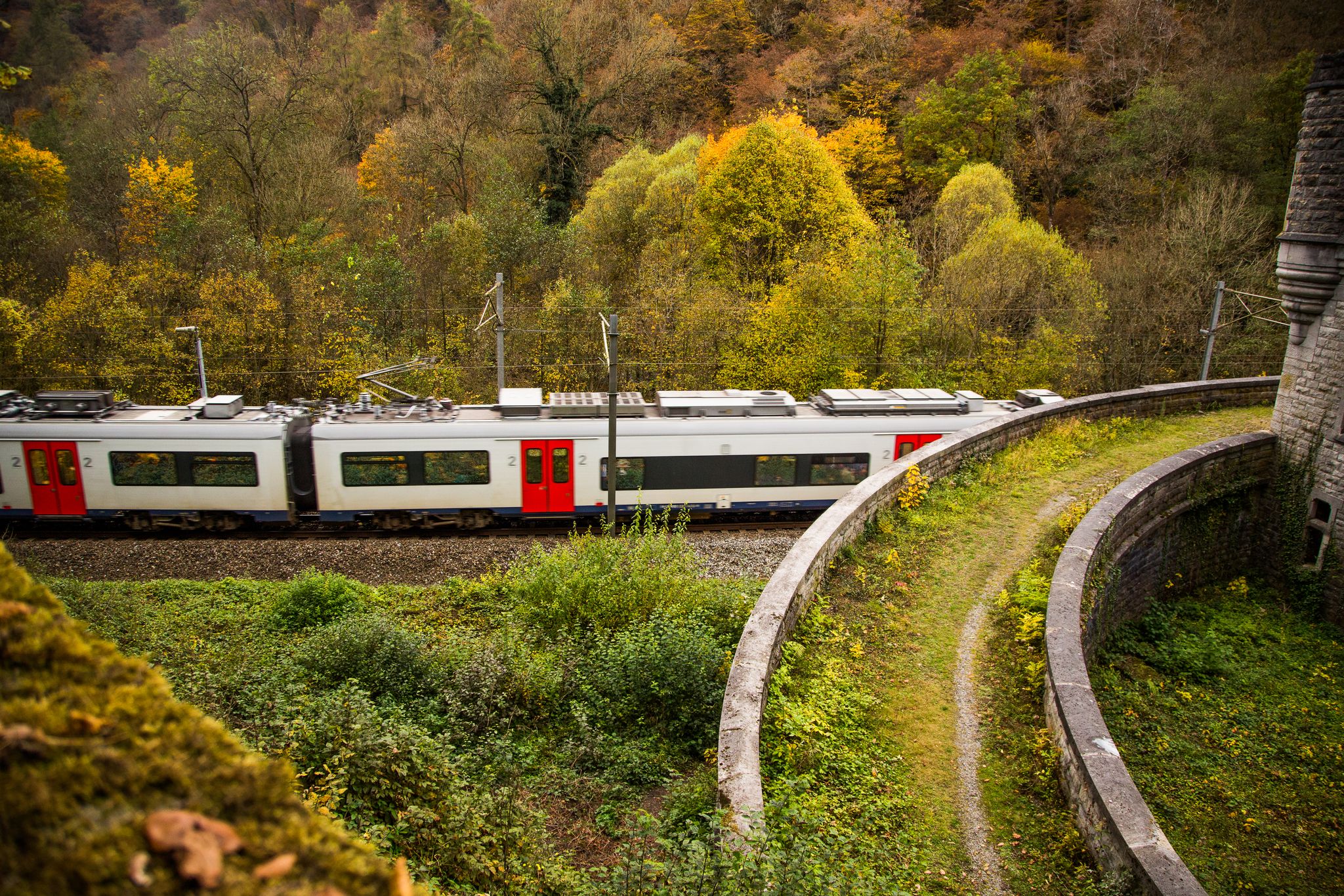
Exploring Belgium’s Wallonia — 8 hikes from station to station
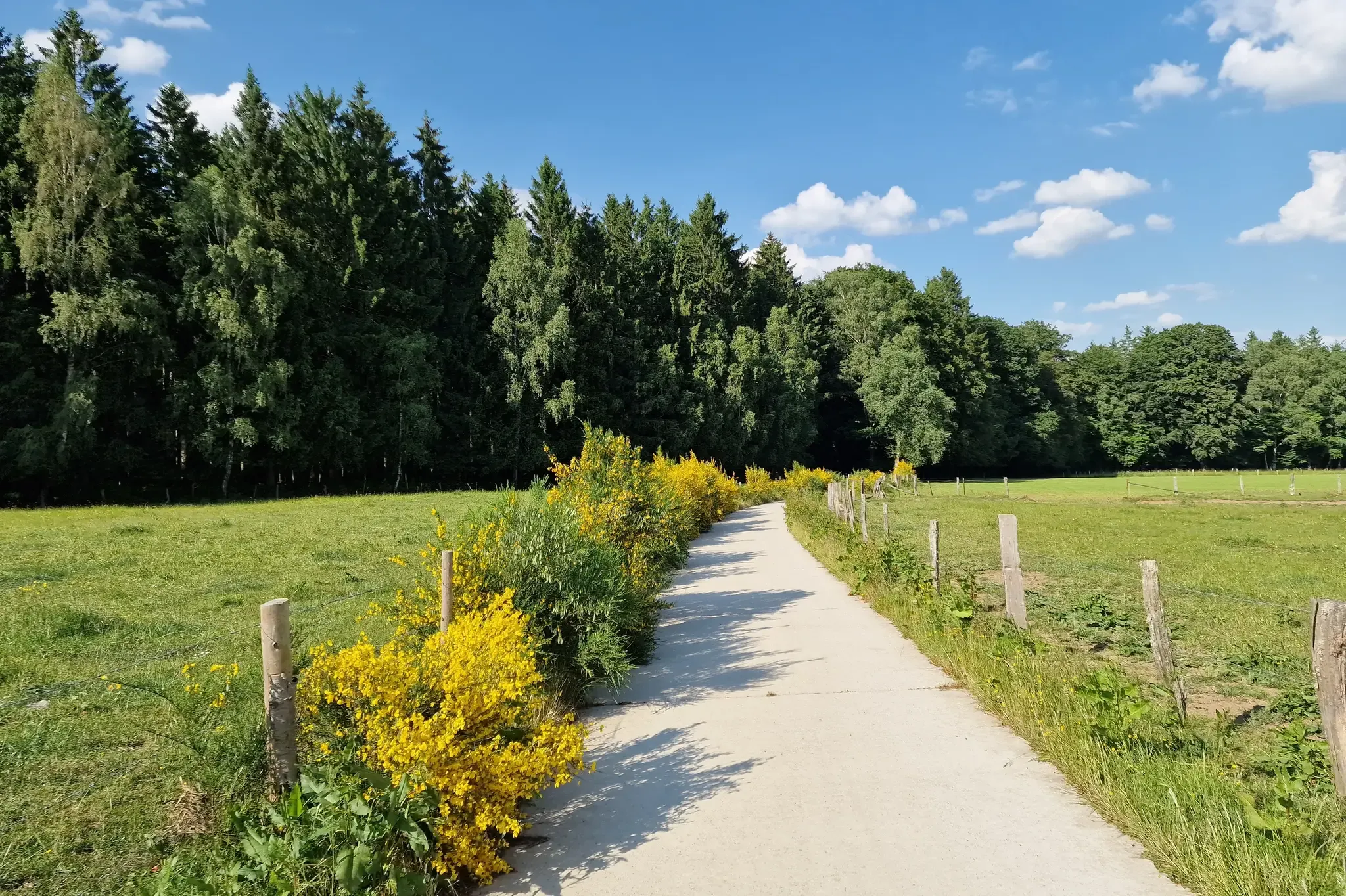
RAVeL W7 — On the road of the Ardennes
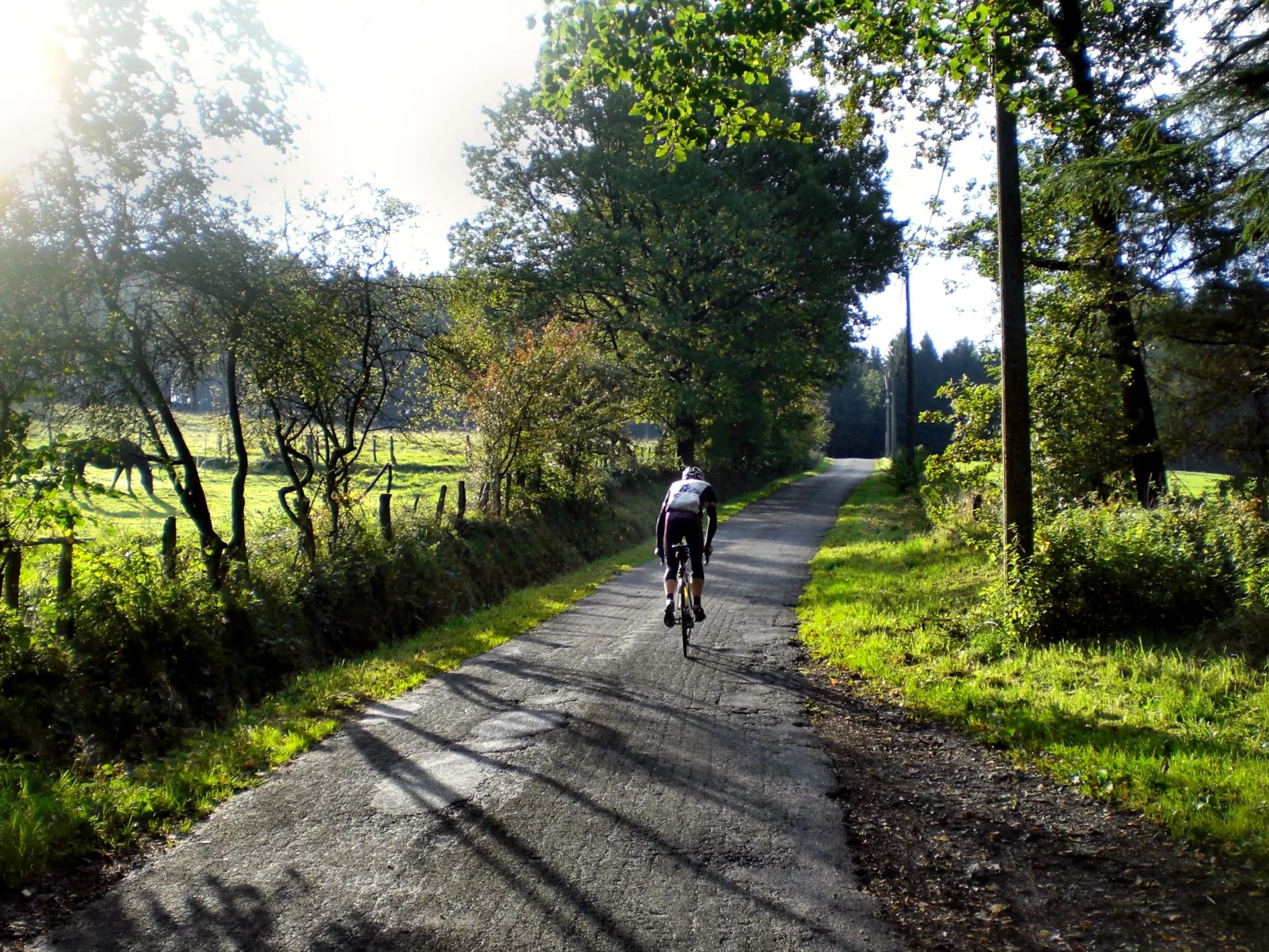
Belgium’s hardest ultra cycling race – the Ardennes Monster
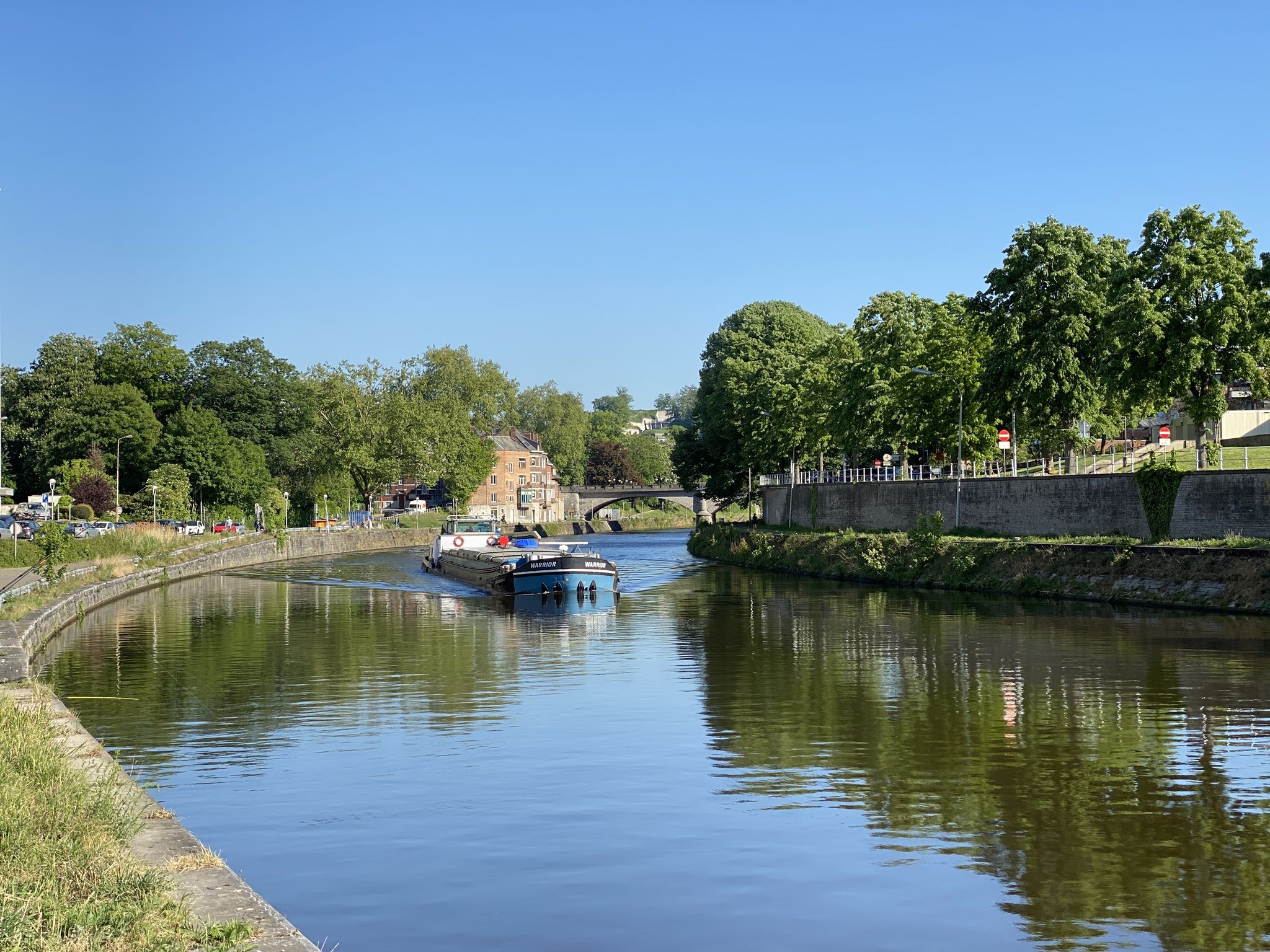
Entre Sambre et Meuse — A Walloon crossroads
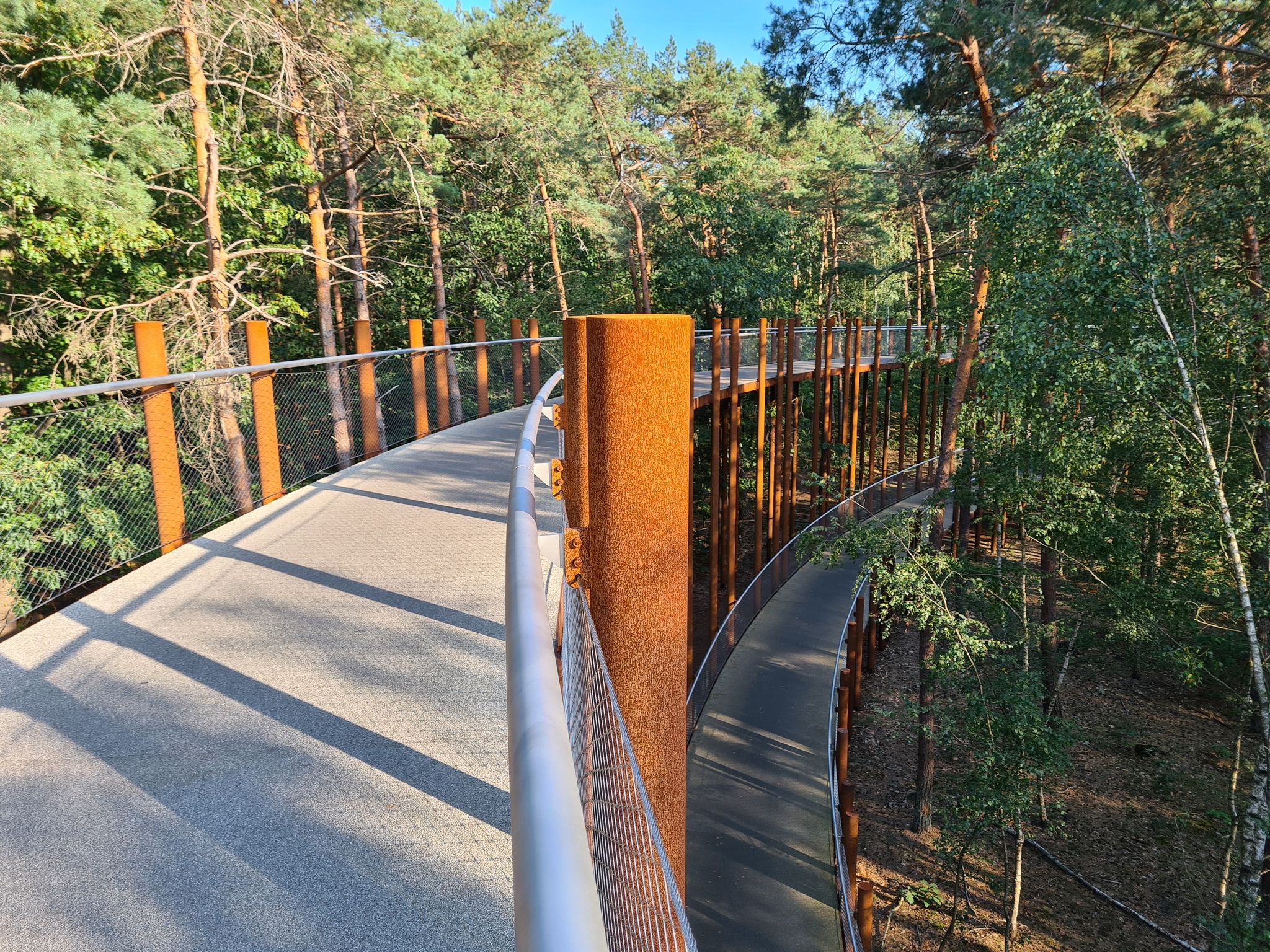
Cycling on Belgium’s most beautiful bike paths — 10 boucles à vélo
Other adventures around Huy


Tips from the Community

Ideal resting place during a longer hike.
0
0

A peaceful and beautiful spot, indeed, but it is strange how it sits in the shadow of and contrasts with the gigantic buildings of La Carmeuse, the company that operates the nearby quarries.
3
0
Excavations are conducted year-round at Moha Castle, making it unique in Belgium. When I visited, two archaeologists were uncovering a wall that runs beneath the visible castle and likely dates back to the 12th century.
2
0
The castle is free to visit. At the foot of the rock, there's a visitor center where you can pick up a badge to open the gate. For €4, you can also get a brochure with information about the most important points. The castle is only open to visitors starting in April, but the friendly man at the visitor center let me in on February 27th... as far as you can even call it "inside" at this ruin ;-)
2
0

The exact origins of the medieval County of Moha remain unknown. It is likely that the county was formed during the fragmentation of the Carolingian Empire and the Hesbaye region at the end of the 9th century. The first known count, Albert of Moha, is mentioned in a document dated 1026 or 1028. The first defensive stone walls also date from the first half of the 11th century. Having no male heir, Albert of Moha married his daughter to Henry I of Dasbourg around 1050, thus linking the county's destiny to that of this powerful family of Alsatian origin. Initially, it is highly unlikely that the Counts of Dasbourg regularly resided in Moha, entrusting the county's administration to trusted men and a small garrison. However, the situation changed with Hugh II (1130-1180) and his son Albert II (d. 1212), who decided to become more involved in the region's politics. Albert II, in particular, chose to align his interests with those of his nephew, Duke Henry I of Brabant, whose policies he would follow until the end of the 12th century. In 1204, Count Albert III, having lost hope of having a son, chose the Prince-Bishop of Liège as his heir. But the late birth of his daughter Gertrude would jeopardize these agreements. Quickly betrothed to Thibaut of Lorraine, who died in 1219, she then married Thibaut of Champagne, who repudiated her, and subsequently Simon of Linange. At 19, she died childless. On March 19, 1225, the Prince-Bishop of Liège, Hugues de Pierrepont, took possession of Moha. Under the Prince-Bishops, Moha became a prison for political prisoners and a fortification tasked with controlling the city of Huy and blockading merchants. This policy was deeply unpopular and led to reprisals: the people of Huy besieged Moha in 1255. The fortress of Moha was considered impregnable. It was therefore through trickery that the people of Huy, taking advantage of a request for a truce, seized the castle on May 6, 1376. After the attack on the castle, the site's history is largely unknown. Mass is still celebrated twice a year in the castle chapel. During the 18th century, the ruins served as a refuge for a hermit. The castle's stones were gradually plundered, notably to build the surrounding houses. In 1889, the ruins of the castle were purchased by the Belgian state. Source: https://chateaumoha.be/histoire
6
0

Beautiful forest path near the quarries.
5
0
A beautiful, modest park located in front of the Marneffe Penitentiary. Access to the park is permitted, but photographing the surrounding buildings is not.
5
0
The Méhaigne is a small but historically significant river. It originates in Hélécine (on the Flemish Brabant border) and flows through the Hesbaye towards the Meuse, where it flows into Huy. At Moha, the river leaves the undulating farmland of the Hesbaye and carves a deep valley in the limestone massif. This suddenly makes the landscape much more rugged. Steep rock faces, natural caves, and karst features characterize the valley. This geology also explains why the Castle of Moha was built on a rock: the Méhaigne made the site both strategic and naturally defended.
8
0
Frequently Asked Questions
How many bus-accessible hiking trails are there around Huy?
Huy offers a vast network of over 1000 hiking trails that are accessible by bus, providing a wide range of options for all skill levels. These routes allow you to explore the region's diverse landscapes without needing a car.
What kind of terrain can I expect on bus-accessible hikes near Huy?
The terrain around Huy is quite varied and scenic. You can expect to encounter dramatic limestone cliffs, deep valleys, and dense woodlands. Many routes follow the Meuse, Ourthe, or Le Hoyoux rivers, offering a mix of riverside paths and climbs through forested hills. Some trails, like the one near Sy Rocks, feature distinctive rock formations.
Are there circular routes available from bus stations in Huy?
Yes, many bus-accessible routes around Huy are circular, allowing you to start and end your hike at the same bus stop. For example, the "Anthisnes: The Tolumont circuit" is a moderate circular hike that offers varied scenery.
What natural features can I see on hikes around Huy?
Hiking from bus stations in Huy provides access to numerous natural wonders. You can explore the beautiful Meuse Valley, encounter impressive limestone cliffs, and discover dense forests. Notable features include the Sy Rocks, the scenic Solières valley, and the tranquil Le Hoyoux River. Some routes might even lead you past features like Venus' Bath or the Chaudière Waterfall.
Are there any historical landmarks accessible on these trails?
Absolutely. The region is rich in history. You can often incorporate visits to historical sites into your bus-accessible hikes. For instance, the Ruins of Logne Castle are frequently part of hiking routes, and you might also pass by Modave Castle or Moha Castle.
What do other hikers say about the bus-accessible trails in Huy?
The hiking trails around Huy are highly rated by the komoot community, with an average score of 4.4 stars from over 11,000 ratings. Reviewers often praise the diverse landscapes, the well-maintained paths, and the opportunity to discover both natural beauty and historical sites.
Are the bus-accessible trails in Huy suitable for families?
Yes, there are many family-friendly options among the bus-accessible trails. The region offers a variety of trails, from easy walks to more strenuous routes. Look for routes with lower elevation gain and shorter distances, such as the "Ouffet: The farm walk," which is a moderate 7.7 km trail suitable for a family outing.
Can I bring my dog on these bus-accessible hikes?
Many trails in the Huy region are dog-friendly, allowing you to enjoy the outdoors with your canine companion. However, it's always advisable to check local regulations or specific trail information for any restrictions, especially in nature reserves or protected areas. Keep your dog on a leash and be mindful of wildlife and other hikers.
What is the best season for hiking from bus stations in Huy?
Huy offers enjoyable hiking experiences throughout the year. Spring brings blooming wildflowers and lush greenery, while autumn showcases vibrant fall foliage. Summer is ideal for longer days and warmer weather, though some trails can be busy. Winter offers a unique, tranquil experience, especially in the dense woodlands, but be prepared for colder temperatures and potentially muddy or icy conditions.
Are there any easy hikes accessible by bus from Huy?
Yes, there are numerous easy hikes accessible by bus. While many routes are classified as moderate, you can find trails with gentle inclines and shorter distances perfect for a relaxed walk. For example, the "Ferrières: Squirrel hike" is a moderate 8.1 km route with manageable elevation changes, suitable for those looking for a less strenuous option.
Can I find hikes near Huy bus stations that include pub or cafe stops?
Yes, many villages and towns along the bus routes in the Huy region offer charming pubs, cafes, and restaurants where you can take a break and refuel. Planning your route to pass through these locations can enhance your hiking experience. It's recommended to check opening hours in advance, especially in smaller communities.
Most popular routes around Huy
Most popular attractions around Huy

Get inspired with the komoot mobile app


Didn’t find what you were looking for?
Check out more Hikes throughout Huy below and find the perfect route in your destination.
