The best traffic-free bike rides around Fontainemore
4.6
(127)
2,628
riders
22
rides
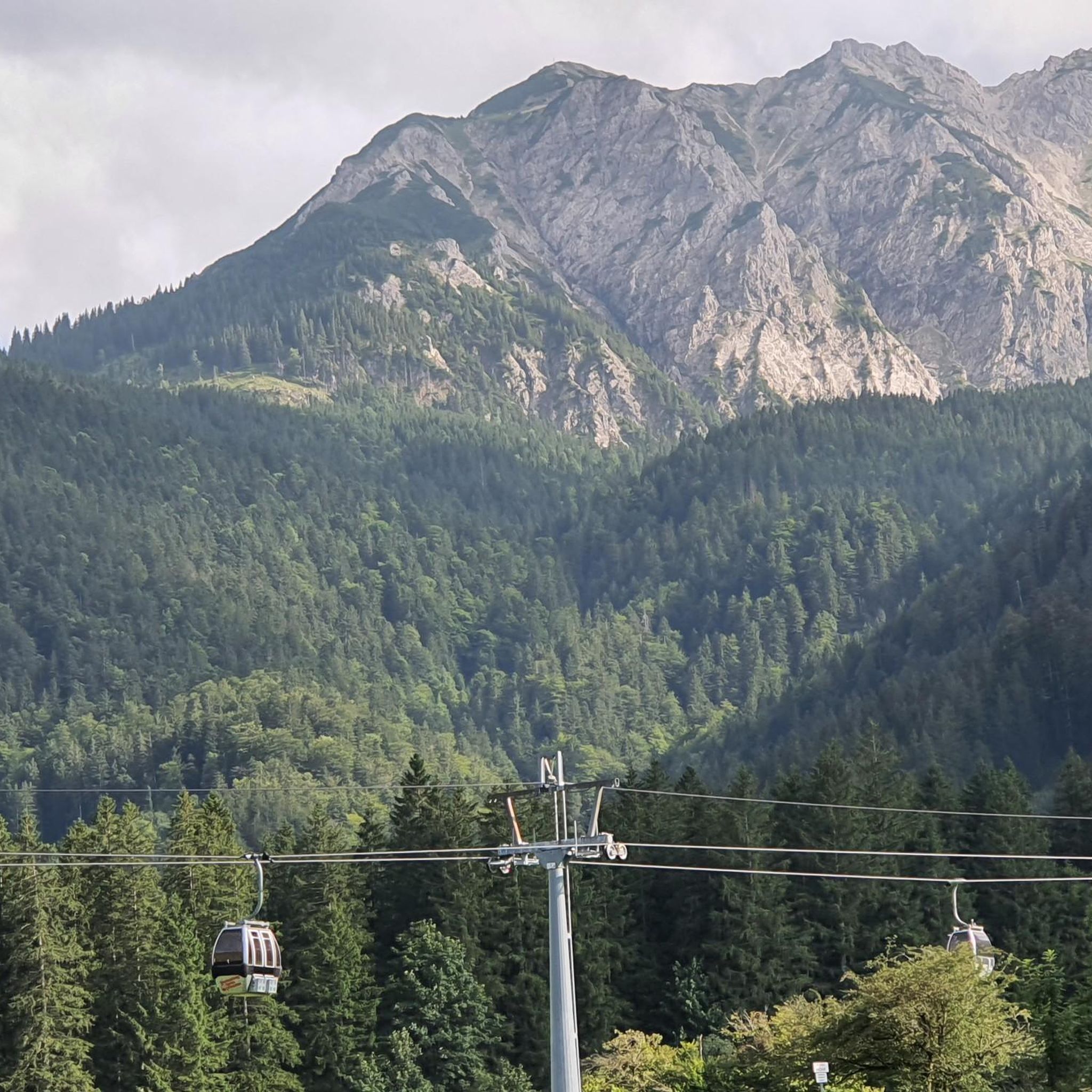
No traffic touring cycling routes around Fontainemore are characterized by the dramatic mountainous backdrop of Italy's Aosta Valley. The region features diverse terrain, from the Lys Valley at 760 meters to peaks within the Mont Mars Nature Reserve reaching up to 2600 meters. Cyclists encounter dense forests, rocky cliffs, and the Lys stream, which carves through the landscape. Elevation changes are a common feature, providing varied cycling experiences.
Best no traffic touring cycling routes around Fontainemore
- The most popular no…
Last updated: July 27, 2026
35
riders
69.8km
05:27
1,800m
1,790m
Hard bike ride. Very good fitness required. Mostly paved surfaces. Suitable for all skill levels.
5.0
(1)
33
riders
37.6km
02:45
820m
820m
Hard bike ride. Very good fitness required. Mostly paved surfaces. Suitable for all skill levels.

Sign up for free
5.0
(2)
22
riders
46.3km
04:46
1,870m
1,870m
Hard bike ride. Very good fitness required. Mostly paved surfaces. Suitable for all skill levels.
5.0
(2)
28
riders
17.5km
01:23
300m
300m
Moderate bike ride. Good fitness required. Mostly paved surfaces. Suitable for all skill levels.
15
riders
15.6km
01:28
530m
530m
Hard bike ride. Very good fitness required. Mostly paved surfaces. Suitable for all skill levels.
Get access to more routes and recommendations from other explorers.
Sign up for free
Already have an account?
Our route recommendations are based on thousands of hikes, rides, and runs completed by other people on komoot.
Start today with a free account
Your next adventure awaits.
Login or Signup
Popular around Fontainemore
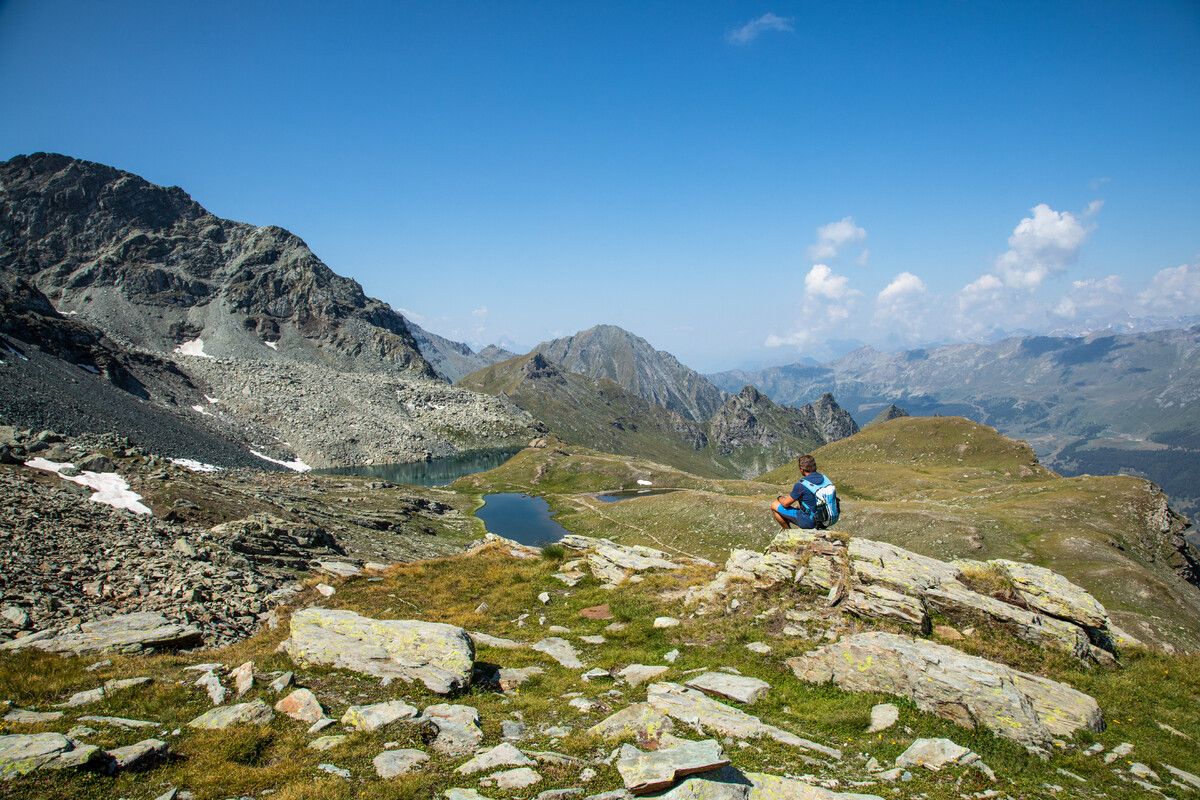
Alta Via n. 1 of the Aosta Valley — a walk among Italian giants
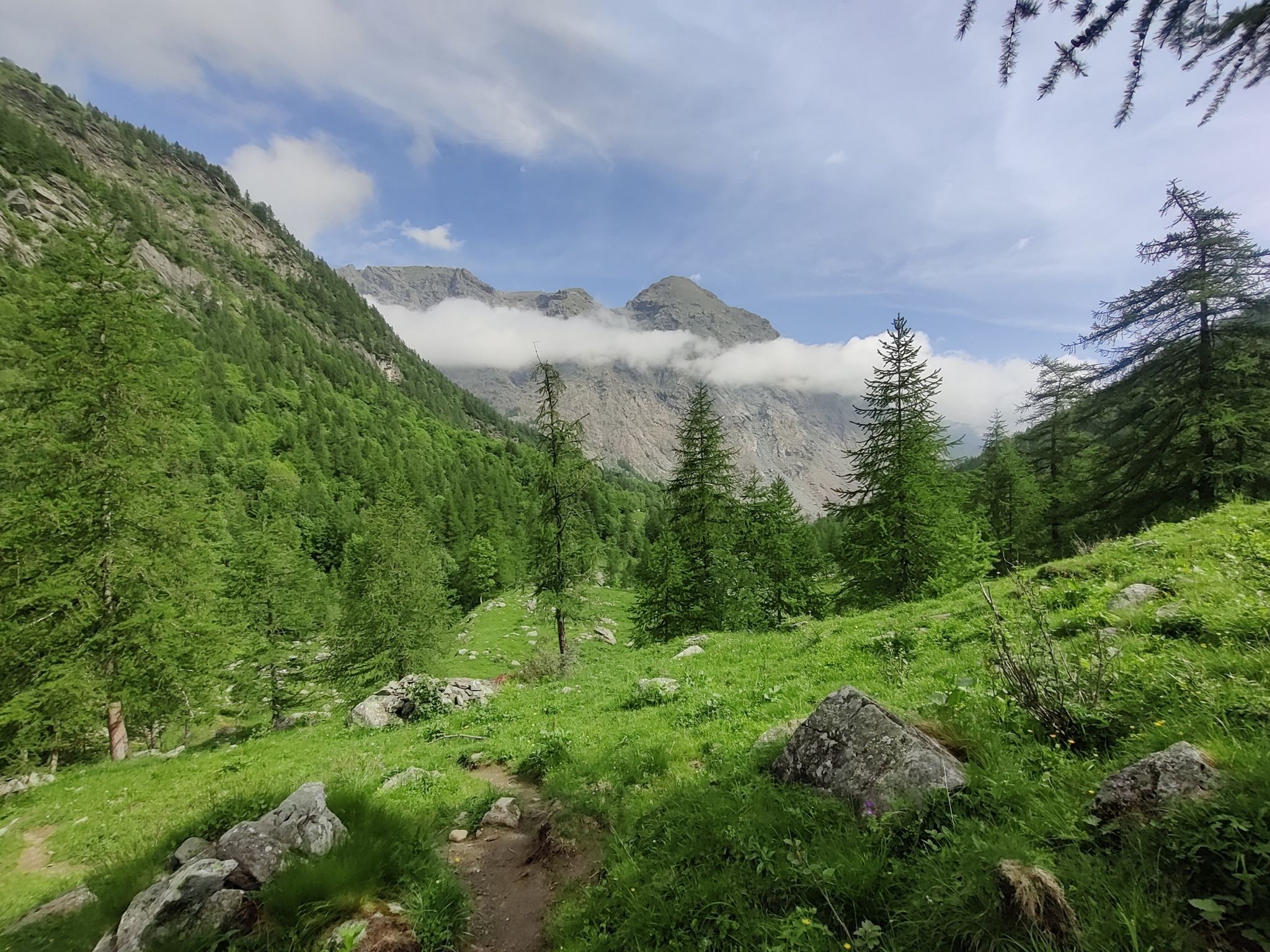
GTA Central Piedmont – Dense forests, lakes and impressive waterfalls
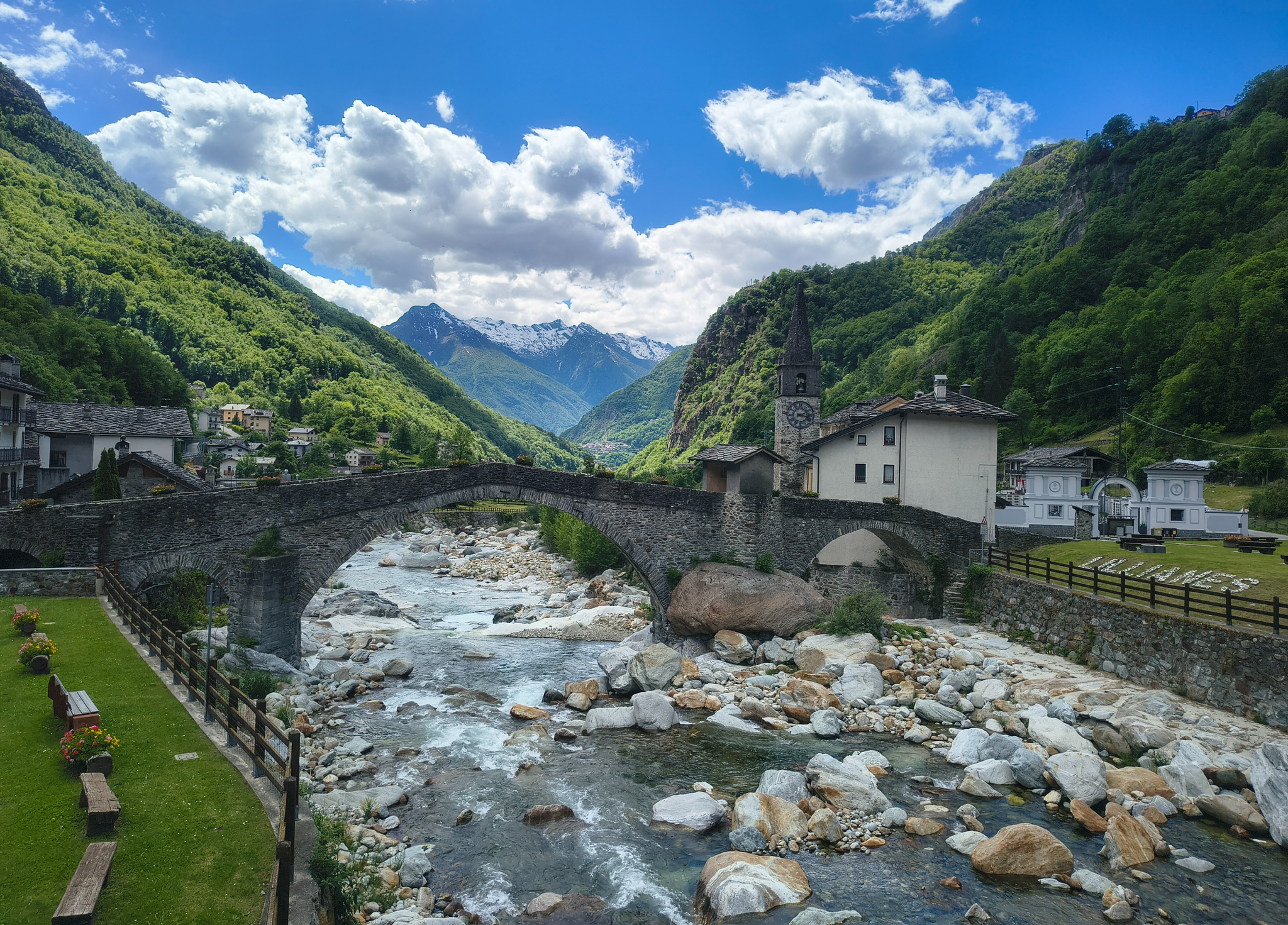
Three days on the Cammino Balteo – The historic Aosta Valley
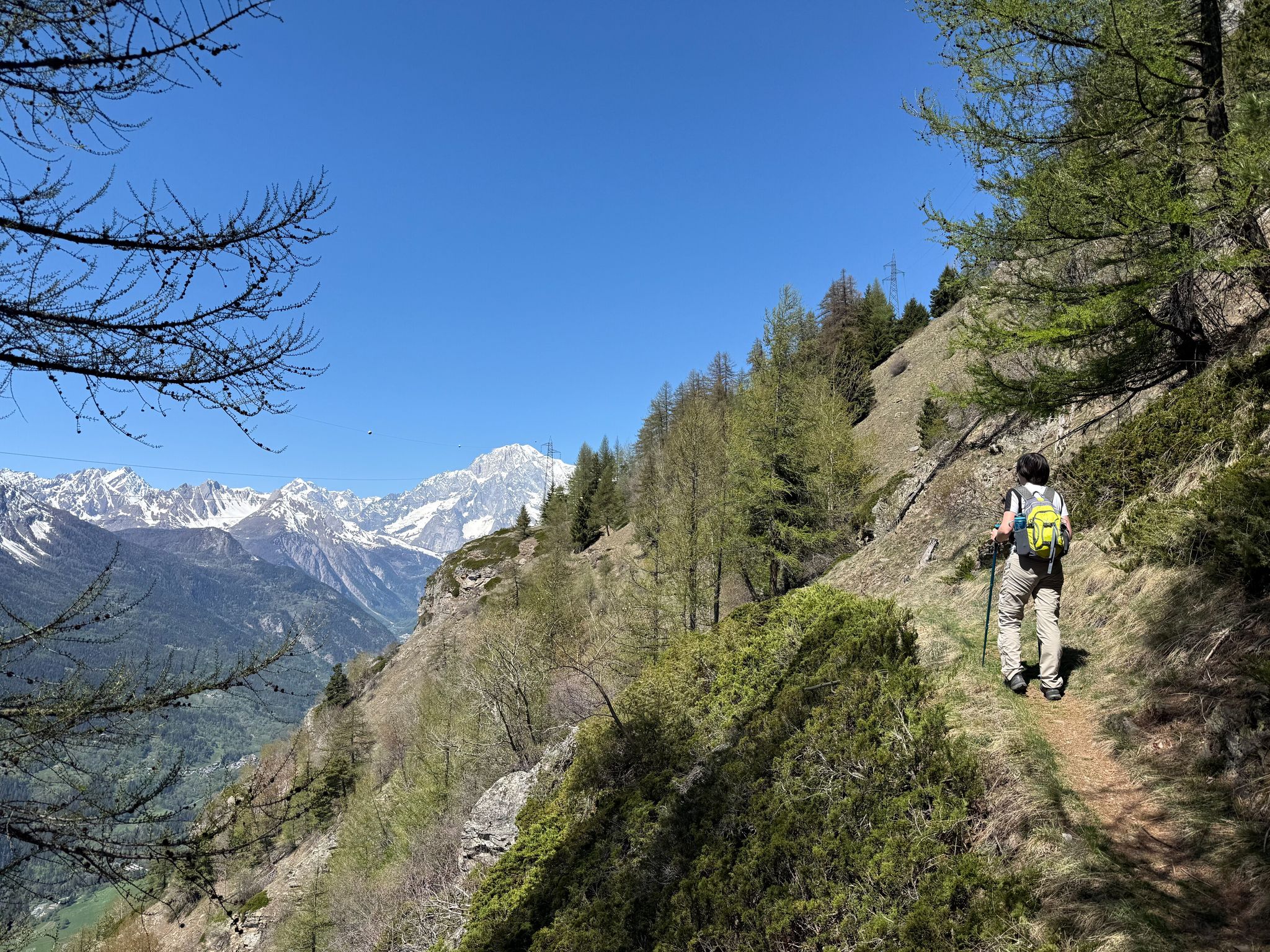
Cammino Balteo – castles, vineyards and trails of the Aosta Valley
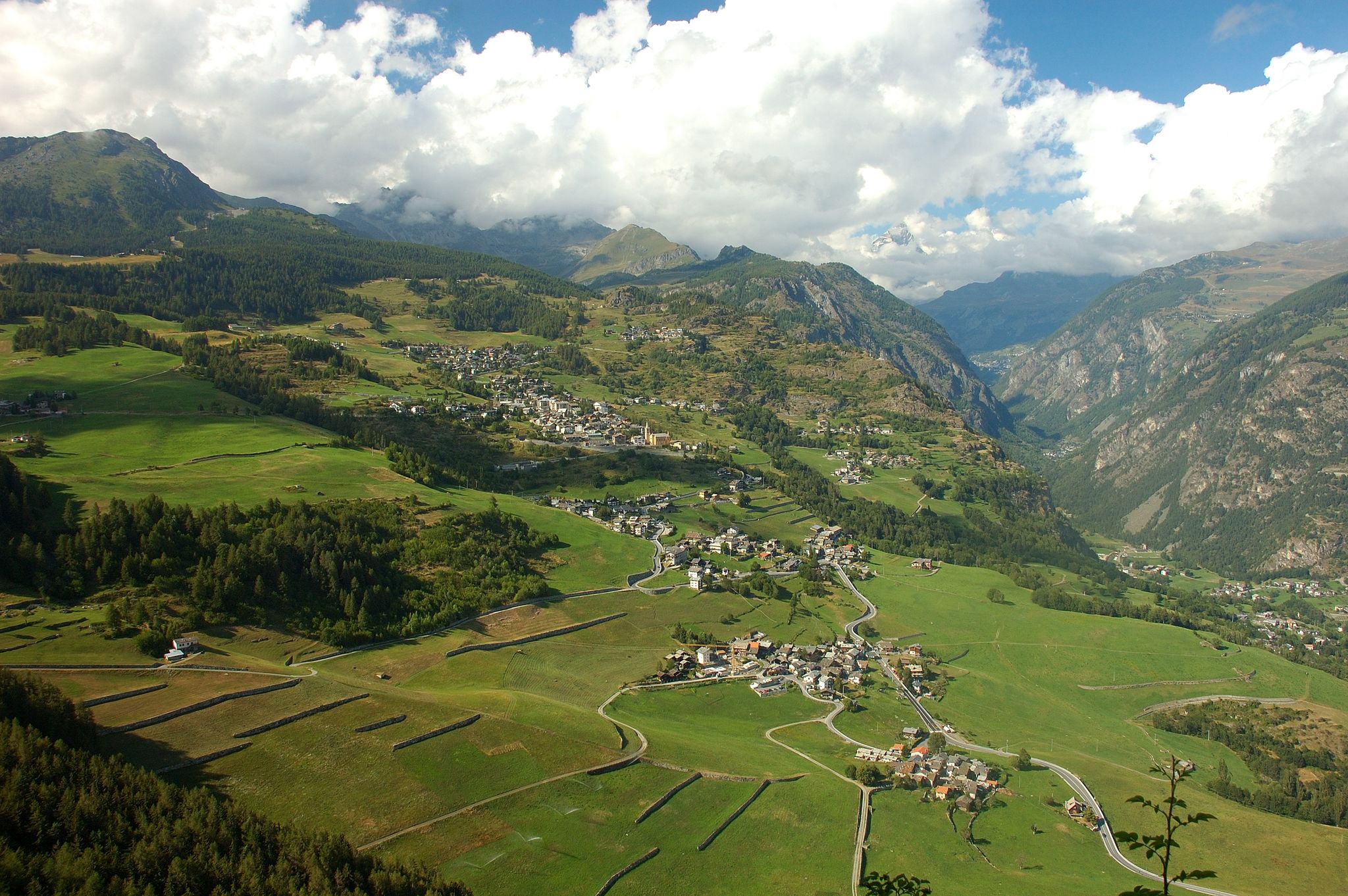
Paths, castles and views of Italy’s Aosta Valley – Cammino Balteo
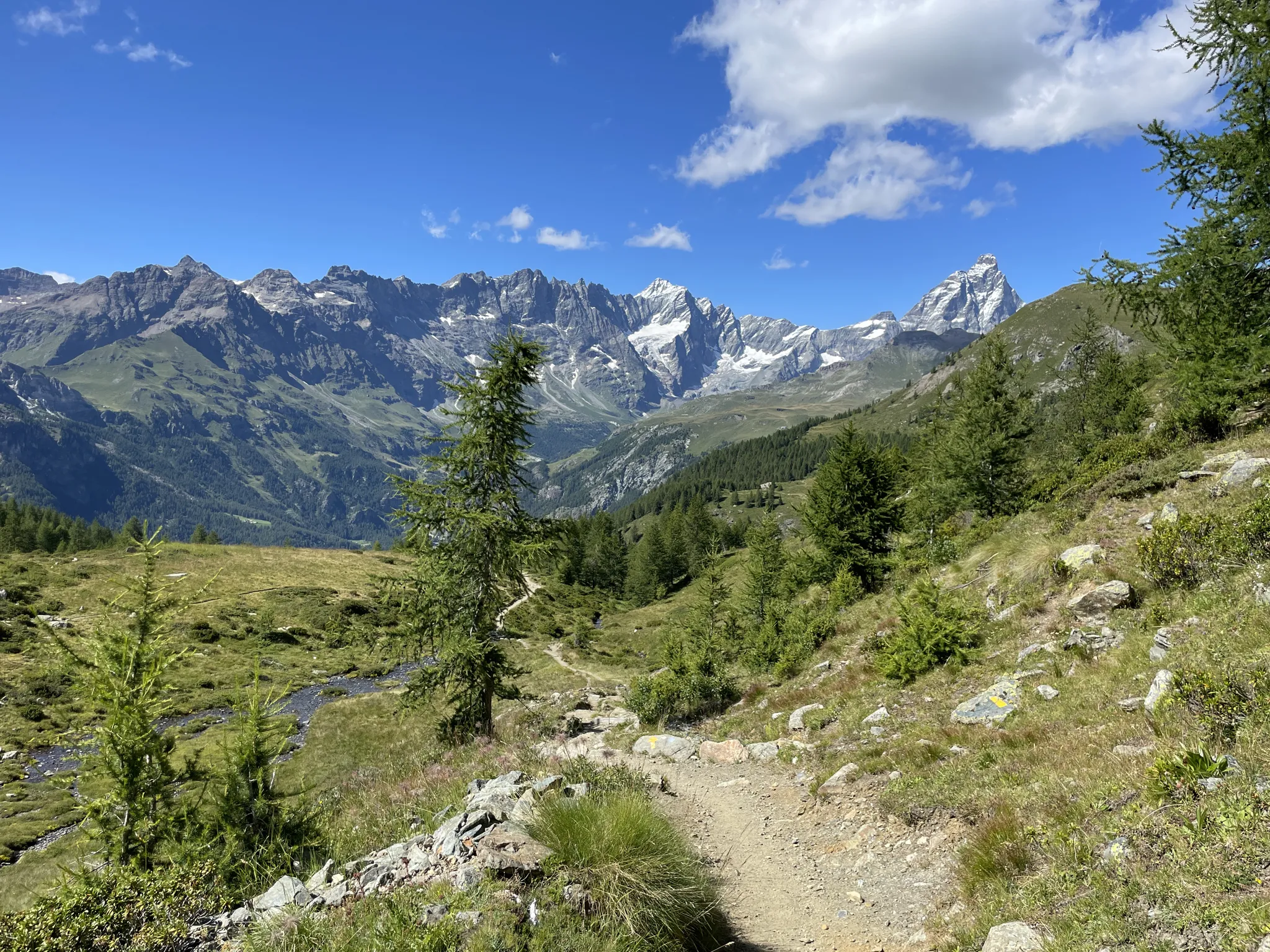
Running with the giants – Alta Via 1 in the Aosta Valley
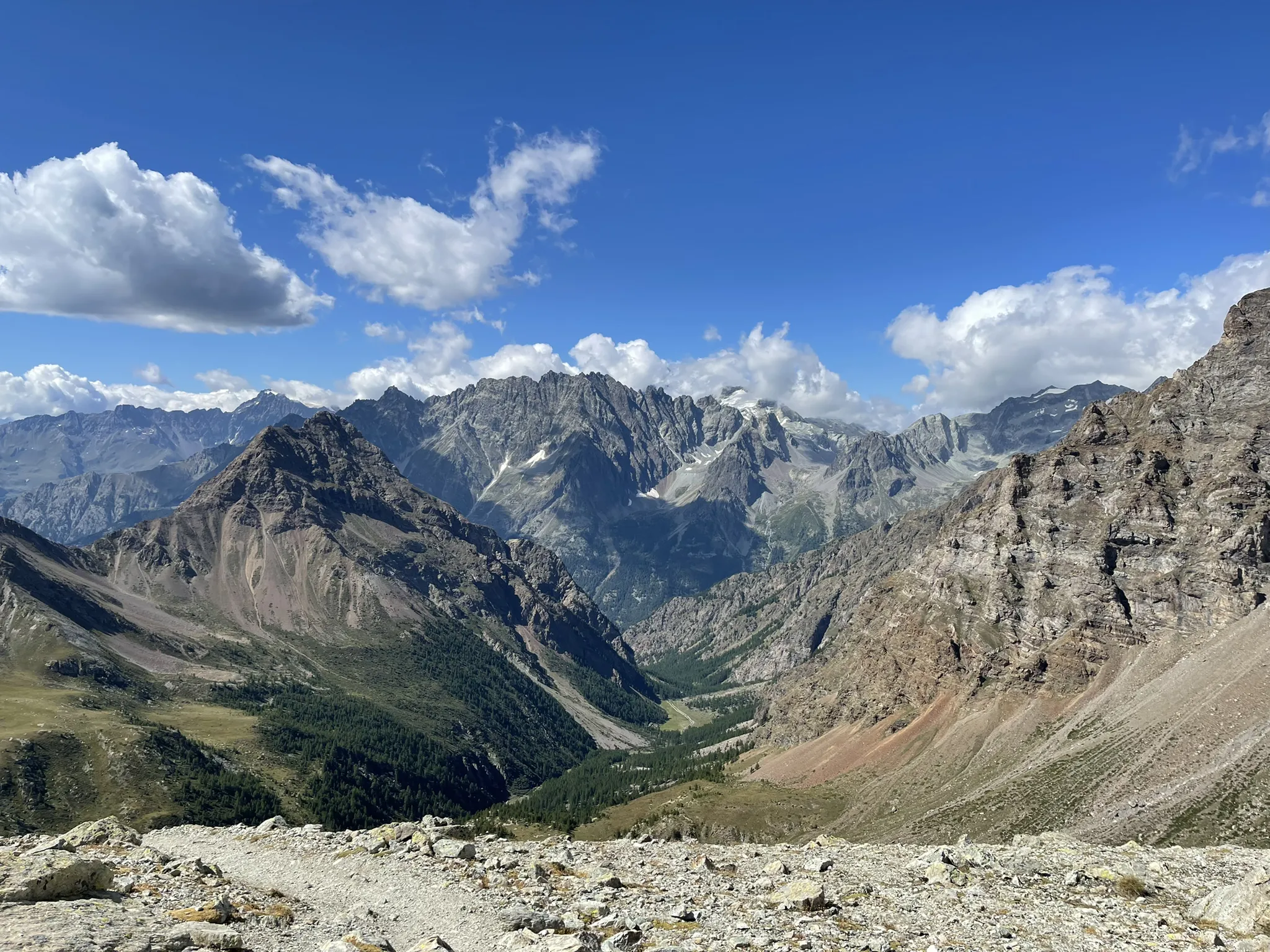
Running between the giants of the Alps – Tor des Géants
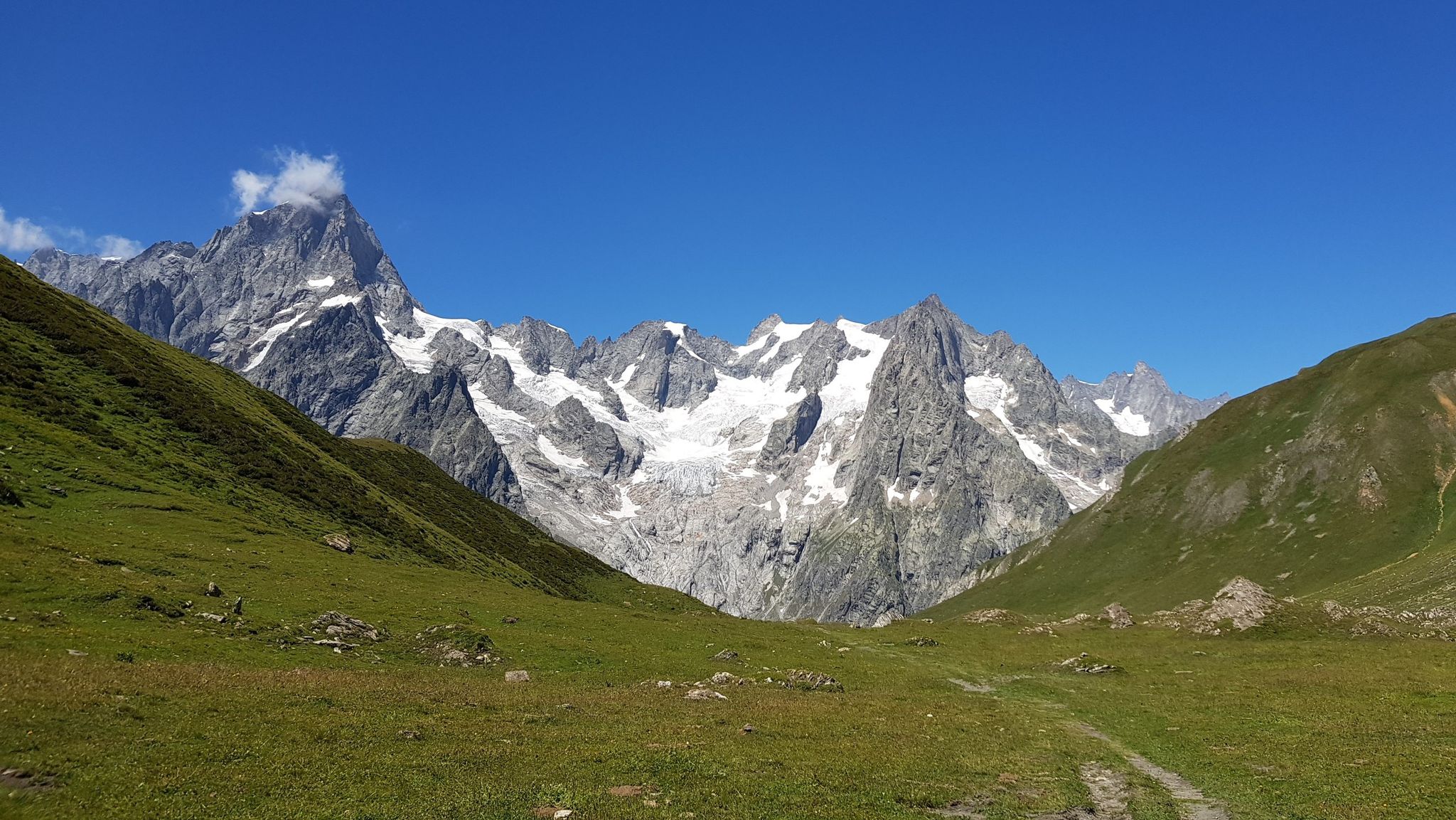
A walk among Italian giants — Aosta Valley High Route 1
Traffic-free bike rides around Fontainemore

Traffic-free bike rides around Fontainemore


Tips from the Community

Excellent hospitality for pilgrims
0
0

The Castello di Suzey stands on an inaccessible rocky spur, in a position that in the 14th century guaranteed absolute control over the transit of the Lys valley. The structure is a classic example of a medieval enclosure castle, dominated by a massive quadrangular tower and surrounded by the remains of a fortified village now swallowed by vegetation. This stronghold was the headquarters of the lords of Suzey, a branch of the Vallaise known for their bellicose nature and independence from central powers. A famous anecdote concerns the family's determination to defend their privileges: it is said that the lords of Suzey imposed such severe transit taxes that they sparked fierce disputes with merchants and neighboring communities, turning the castle into a sort of armed customs post. A local legend also tells that the castle was connected to the other Vallaise properties in Perloz via a network of secret passages dug directly into the rock, used to move troops and riches away from prying eyes during sieges. Another popular tale describes the castle's end as a dramatic event: a devastating fire, which broke out during an enemy attack, would have marked the definitive abandonment of the structure.
0
0
The historic center of Perloz constitutes an architectural nucleus of considerable interest for understanding the social and political dynamics of the lower Aosta Valley. The heart of the settlement is represented by the Casaforte Vallaise, a 14th-century quadrangular structure that served as the administrative and judicial center for the noble family of the same name. The building preserves medieval construction elements, including the coat of arms carved on the portals, a testament to the exercise of jurisdictional power over the territory. A short distance away stands the parish church of San Salvatore, characterized by a facade entirely frescoed with a representation of the Last Judgment dating back to the 17th century, a work that served as a tool for religious instruction for the local population. The monumental route continues with the Museum of the Resistance, housed in premises that recall the historical memory of the "Brigata Lys". Here, documents and artifacts related to the events of 1944 are preserved, when the village became a fundamental operational center for the partisan formations in the area. Walking through the narrow stone streets, one also notices the presence of numerous stone fountains and community ovens, symbols of the collective management of rural resources. This stratification of different eras, from medieval feudalism to contemporary history, makes the center of Perloz a relevant technical and cultural stop for those crossing the slopes of the Lys valley.
0
0

Sanctuary in the Donato area in a splendid panoramic position
0
0
Lauretana Graglia water establishment on the road between Graglia and Bossola
1
0
junction between the road coming from Graglia and the road to Tracciolino which connects Andrate and Oropa
1
0
Language Follow Edit Il Sacro Monte di Graglia is a pre-Alpine locality situated in Graglia, in the province of Biella, in Piedmont, a few kilometers west of the provincial capital. It is located at the foot of the more majestic peak of Mombarone, almost on the border with the Aosta Valley; it mainly hosts the sanctuary of the same name (812 meters above sea level), dedicated to the Black Madonna and linked to the cult of Our Lady of Loreto, in the Marche. It is therefore part of that system of pre-Alpine devotional complexes that characterized a widespread popular Marian and Christian religiosity, which expressed itself between Piedmont and Lombardy starting from around the 16th century, such as, for example, the re-enactment of the Passion of Christ in the nearby town of Sordevolo, or other similar localities such as Sacro Monte di Arona, Sacro Monte di Oropa, Sacro Monte di Varallo, Sacro Monte di Ghiffa.
0
0
The first few kilometres starting from Andrate are on a dirt road that is not very smooth in some sections.
1
0
Frequently Asked Questions
How many no-traffic touring cycling routes are available around Fontainemore?
There are over 20 no-traffic touring cycling routes available around Fontainemore, offering a variety of experiences. These routes range from moderate to difficult, providing options for different skill levels.
What kind of terrain and elevation can I expect on no-traffic touring cycling routes in Fontainemore?
Fontainemore's no-traffic touring cycling routes primarily feature paved surfaces, winding through dramatic mountain scenery. You can expect significant elevation changes, with challenging climbs and rewarding descents, offering diverse terrain from high-altitude panoramas to valley villages. The area is characterized by dense forests, rocky cliffs, and views of peaks reaching up to 2600 meters.
Are there any easy no-traffic touring cycling routes suitable for beginners in Fontainemore?
While many routes in Fontainemore are moderate to difficult, there is at least one easy no-traffic touring cycling route available. For those seeking a less strenuous option, consider exploring routes with minimal elevation gain, often found along the valley floor or near the Lys stream.
What natural features or viewpoints can I expect to see along no-traffic touring cycling routes in Fontainemore?
Many routes offer stunning views of the Mont Mars Nature Reserve, with its larch forests, alpine meadows, and pristine glacial lakes like Lake Vargno. You'll also encounter the picturesque Lys stream, and potentially the Oropa Stream Waterfall. The Guillemore Bridge, overlooking a deep gorge, is another notable natural attraction.
Are there any cultural or historical landmarks to explore near the no-traffic touring cycling routes?
Yes, Fontainemore and its surrounding hamlets are rich in cultural heritage. You can explore traditional stone and wood buildings, frescoed chapels, and ancient mule tracks. Notable sites include the ancient medieval hump bridge over the Lys River, the Church of Saint Maurice, and the Parish Church of Saint Lawrence. The Oropa Sanctuary, a significant pilgrimage site, is also accessible from some routes, such as the Monumental Cemetery of Oropa – Oropa Sanctuary loop from Oropa.
What is the best time of year for no-traffic touring cycling in Fontainemore?
The best time for no-traffic touring cycling in Fontainemore is typically from spring through autumn. During these seasons, the weather is generally favorable, and the mountain scenery is at its most vibrant. While some activities are available seasonally, the warmer months offer the most comfortable and accessible conditions for cycling.
Are there any circular no-traffic touring cycling routes in Fontainemore?
Yes, there are several circular no-traffic touring cycling routes available. For example, you can explore the Monumental Cemetery of Oropa – Oropa Sanctuary loop from Oropa, the View of Donnas – Pont-Saint-Martin loop from Pont-Saint-Martin, or the Pont-Saint-Martin loop from Pont-Saint-Martin. These loops allow you to start and end your journey in the same location.
Can I find cafes or accommodation along the no-traffic touring cycling routes in Fontainemore?
Fontainemore and its surrounding villages offer various services for visitors. You'll find traditional villages with local establishments where you can stop for refreshments or find accommodation. It's advisable to check specific route details or local guides for services directly on your chosen path, especially in more remote sections.
What do other touring cyclists enjoy most about touring cycling in Fontainemore?
The area is highly rated by the komoot community, with an average score of 4.5 stars. Reviewers often praise the dramatic mountain scenery, the tranquility of the no-traffic routes, and the opportunity to explore charming traditional villages and significant natural features like the Mont Mars Nature Reserve.
Is it possible to reach the no-traffic touring cycling routes by public transport?
While Fontainemore is accessible, specific public transport options to the exact starting points of all no-traffic cycling routes may vary. It's recommended to research local bus services or train connections to Fontainemore or nearby towns and then plan your cycling route accordingly. Some routes might be more easily accessed by car, especially those in more secluded areas.
Are there any challenging no-traffic touring cycling routes for experienced cyclists?
Yes, Fontainemore offers numerous challenging no-traffic touring cycling routes. Over half of the available routes are classified as difficult, featuring significant elevation gains and demanding terrain. An example is the Lake Vargno – Ponte in Pietra di Lillianes loop from Lillianes, which involves substantial climbing.
Most popular routes around Fontainemore
Most popular attractions around Fontainemore

Get inspired with the komoot mobile app


Explore more
Browse the best Cycling routes in other regions.
