Attractions and Places To See around Parco Naturale Regionale Appia Antica - Top 20
Best attractions and places to see around Parco Naturale Regionale Appia Antica is a unique open-air museum in Rome, serving as one of Europe's largest urban protected areas. This vast park, spanning approximately 4,580 hectares, integrates ancient Roman engineering and historical sites with diverse natural landscapes. It offers a rich tapestry of ancient ruins, cultural landmarks, and green spaces, making it suitable for exploration on foot or by bicycle. The park encompasses areas within Rome, Ciampino, and Marino, providing a…
Last updated: October 11, 2026
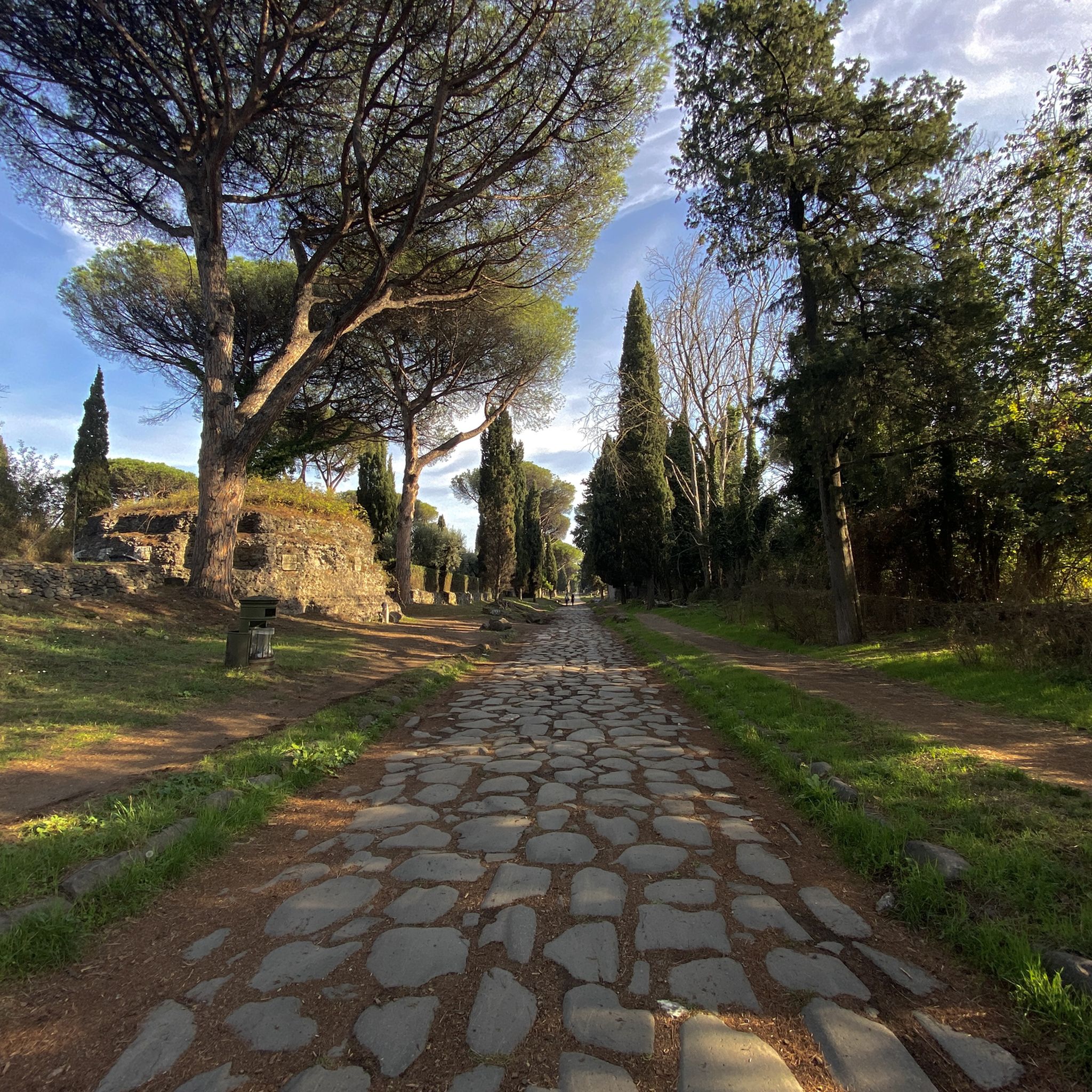
Via Appia Antica (Ancient Appian Way)
Highlight • Historical Site
Translated by Google •
Tip by

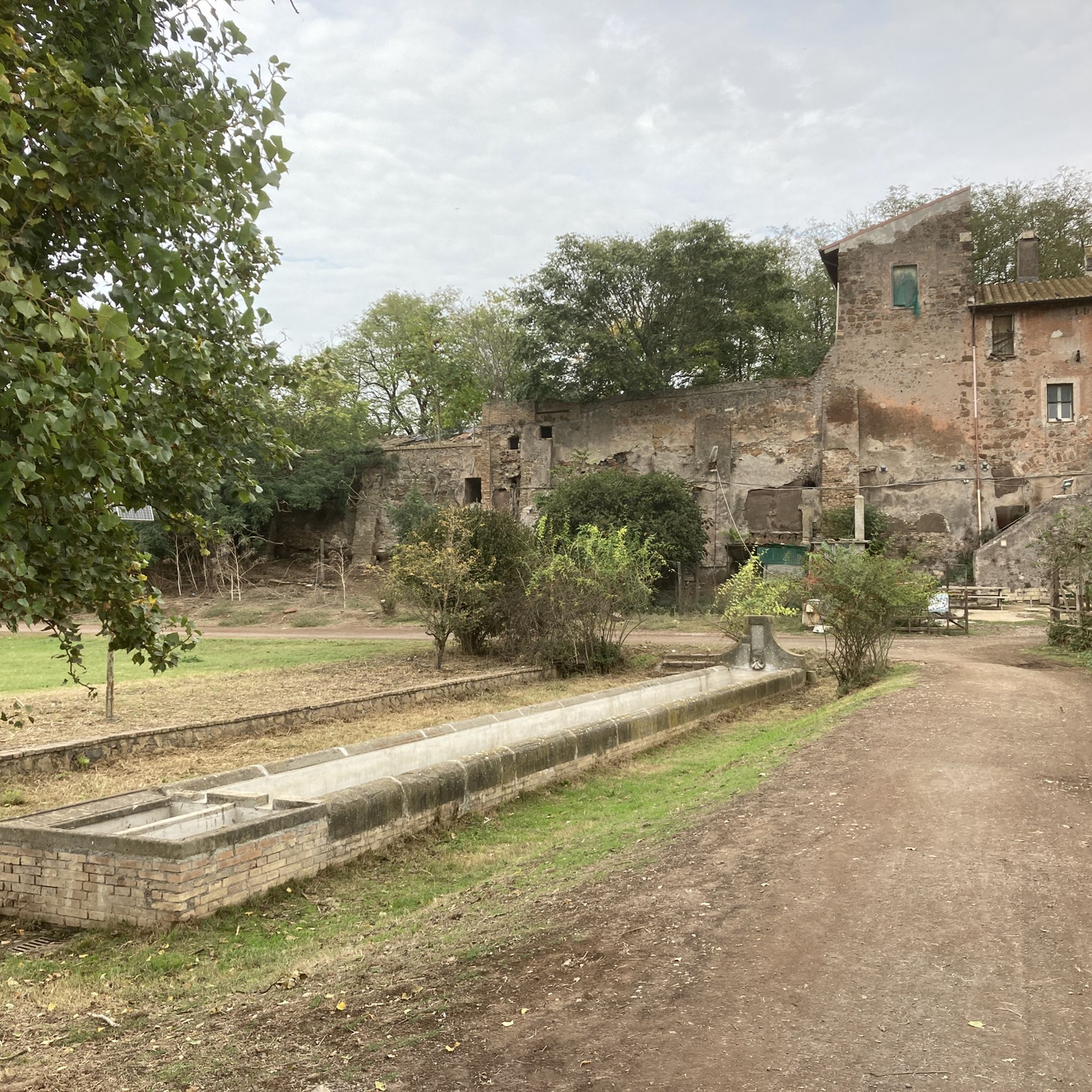
Caffarella Park
Highlight • Forest
Translated by Google •
Tip by

Sign up now to discover places like this
Get recommendations on the best single tracks, peaks, & plenty of other exciting outdoor places.
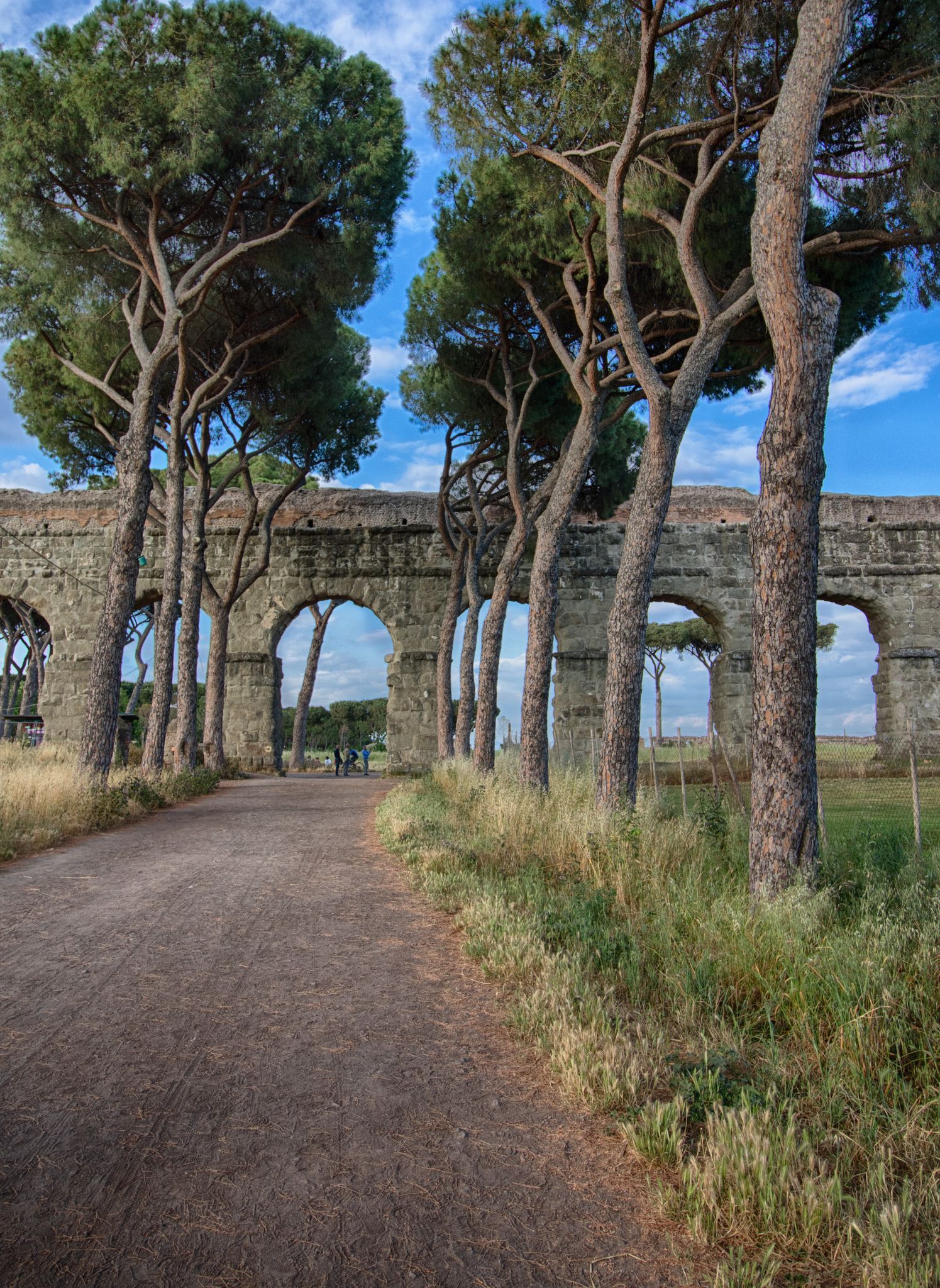
Park of the Aqueducts
Highlight • Monument
Translated by Google •
Tip by

Porta San Sebastiano
Highlight • Historical Site
Translated by Google •
Tip by

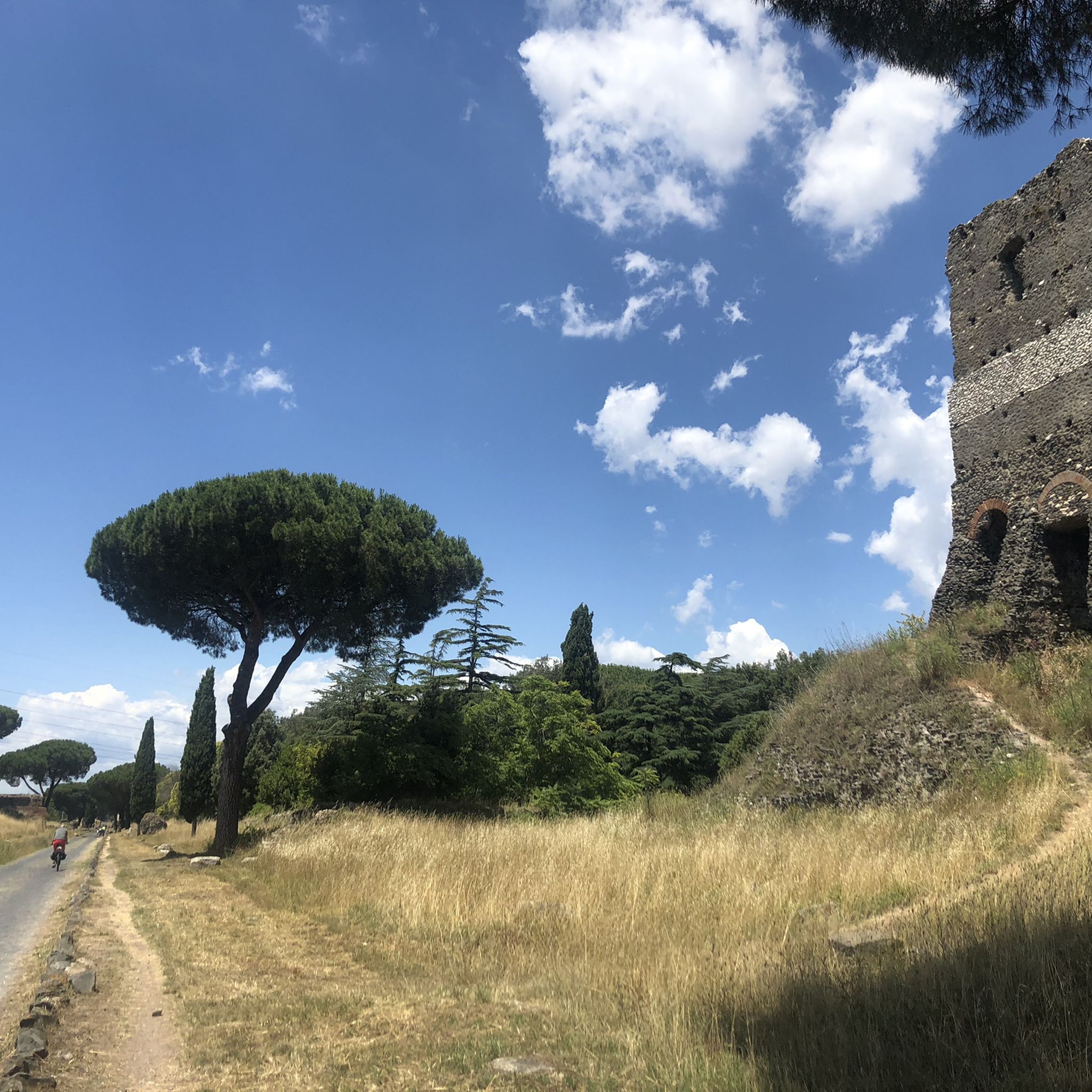
Mausoleum of Cecilia Metella
Highlight • Historical Site
Translated by Google •
Tip by
Sign up for free to discover even more attractions around Parco Naturale Regionale Appia Antica.
Already have an account?
Start today with a free account
Your next adventure awaits.
Popular around Parco Naturale Regionale Appia Antica
History and nature — mountain biking in and around Rome
MTB Trails around Parco Naturale Regionale Appia Antica
Road Cycling Routes around Parco Naturale Regionale Appia Antica
Hiking around Parco Naturale Regionale Appia Antica
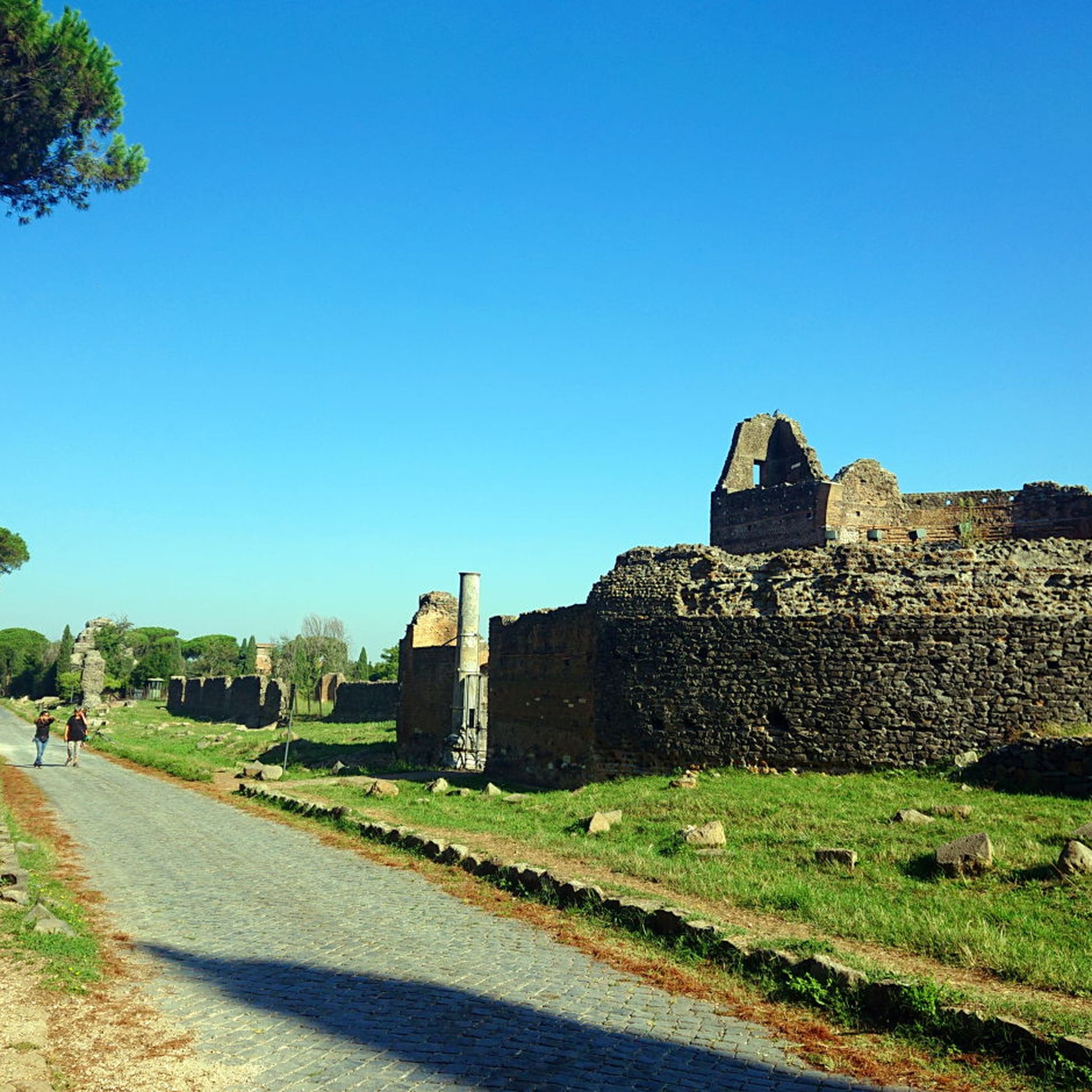
Cycling around Parco Naturale Regionale Appia Antica
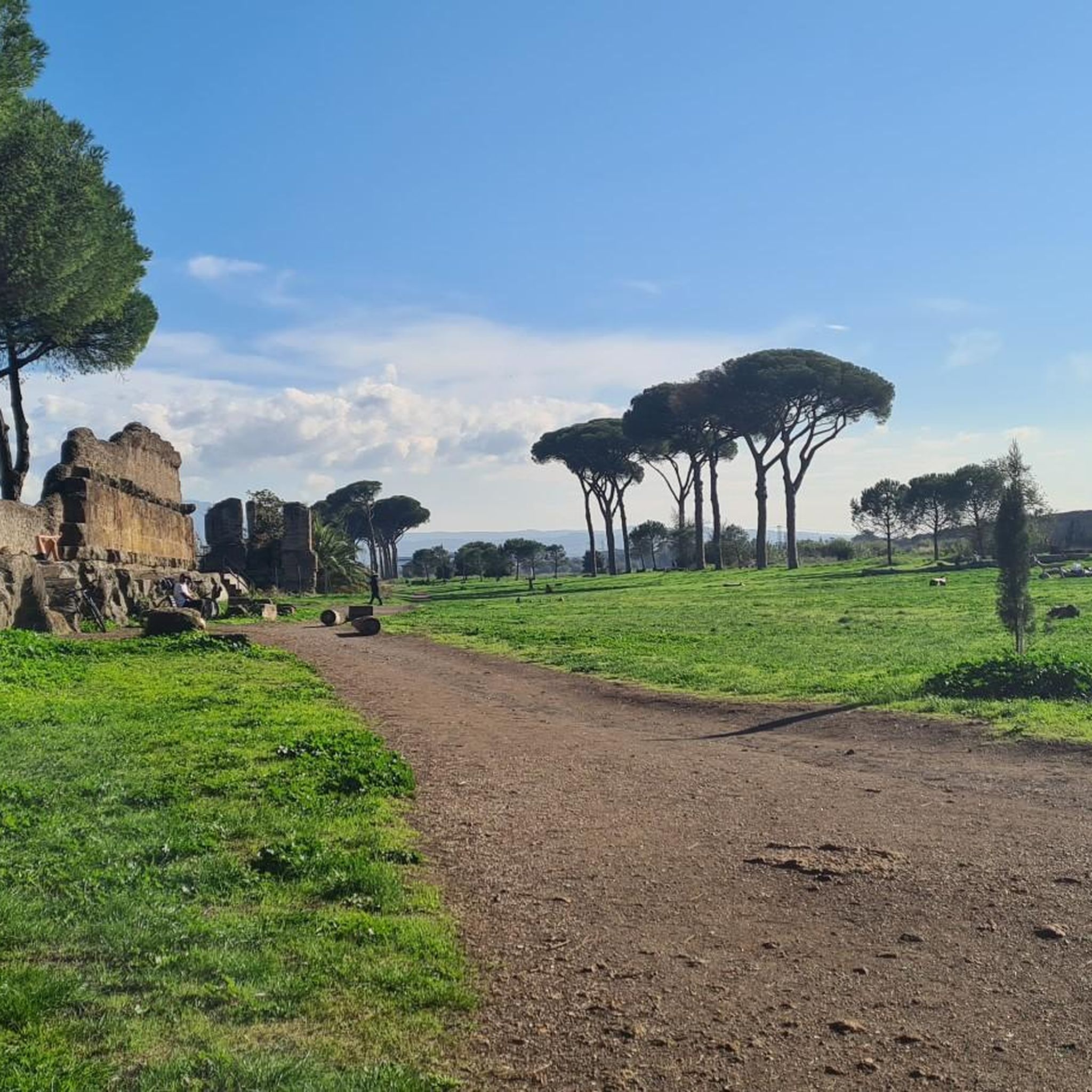
Running Trails around Parco Naturale Regionale Appia Antica

Gravel biking around Parco Naturale Regionale Appia Antica
Other adventures around Parco Naturale Regionale Appia Antica

Tips from the Community

The Appian Way is the perfect place for a family bike ride, away from the hustle and bustle. The paths are mostly very well-maintained. In some places, you can cycle alongside the Appian Way on sandy paths, as the old stones are not very pleasant to ride on. However, this is only the case in a few places. Furthermore, throughout the entire ride, you can repeatedly see ancient ruins, etc., on both sides. Just passing by is wonderful.
2
0

It's hard to imagine that all the traffic once had to go through here! Even today, the Via Appia Antica is a busy road, except that most cars now turn off.
1
0
An impressive building even from the outside.
1
0

It is undoubtedly the best-known tomb on the Appian Way and the very symbol of the "Regina Viarum".
1
0

The museum is located in the Porta S. Sebastiano of the Aurelian Wall. A walk along the city wall and a tour of the gate building are offered. You shouldn't miss it, especially since the visit is free. https://www.museodellemuraroma.it/en
1
0

This ancient road, built by Appius Claudius Caecus as early as 312 BC, was once one of the most important trade routes in Italy and the Roman Empire. Today, the Via Appia Antica is a magical place where you can follow in the footsteps of the Romans. Riding along this historic route, surrounded by ancient Roman cobblestones, funerary monuments, thermal baths and farmsteads, is an unforgettable adventure. Although some parts of the road can be a bit challenging for bicycles due to the original paving, the beauty and atmosphere of the surroundings are worth every effort. The Via Appia Antica passes through the Appia Antica Park, a protected area that extends over 3,500 hectares and is home to numerous monuments, excavations and the entrances to early Christian catacombs. The park is a green wedge between the south-eastern districts of Rome and the Alban Hills, and offers valuable naturalistic elements in addition to the archaeological and historical evidence. The experience of exploring the Via Appia Antica by bike is a journey into the history of Rome. The road, which was once lined with tombs and monumental buildings, now offers a unique perspective on ancient Rome. Especially at sunset, the Via Appia Antica unfolds a mystical atmosphere that captivates visitors.
3
1


Mausoleum of Cecilia metella, Roman noblewoman, daughter-in-law of Crassus, triumvir of Caesar and Pompey
1
0
Frequently Asked Questions
What historical sites can I explore along the ancient Appian Way?
Along the ancient Via Appia Antica, you can discover a wealth of Roman history. Key sites include the impressive Porta San Sebastiano, which marks the road's beginning and houses the Museum of the Walls. Further along, you'll find the striking Mausoleum of Cecilia Metella, a well-preserved cylindrical tomb, and the Circus of Maxentius, one of the best-preserved Roman chariot-racing tracks. Other notable sites include the vast Villa dei Quintili and the Mausoleum of Casal Rotondo.
Are there any ancient Roman aqueducts to see in the park?
Yes, the Park of the Aqueducts is a spectacular UNESCO World Heritage site within the region. Here, you can witness the colossal ruins of ancient Roman aqueducts stretching across open fields. Remains of six of the eleven aqueducts that supplied Rome with water are visible, offering a breathtaking landscape and a glimpse into Roman engineering.
What natural areas are available for recreation within the park?
The region boasts several beautiful natural areas for recreation. The Caffarella Park is a vast natural reserve featuring the Almone river, ancient treasures, and archaeological remains, making it popular for hiking, biking, and picnicking. It also contains the Sacred Grove of Caffarella and the Nymphaeum of Egeria. Other significant green spaces include the Tormarancia Estate and Farnesiana Estate, which contribute to the park's diverse ecosystems.
Can I visit ancient catacombs in the Appia Antica Regional Park?
Yes, the park is renowned for its early Christian catacombs, offering fascinating insights into ancient burial rituals. The most visited include the Catacombs of San Callisto, considered sacred as the resting place for 16 early popes. The Catacombs of San Sebastiano are also significant, and the Catacombs of Domitilla are known for engaging tours.
What outdoor activities are popular in the Parco Naturale Regionale Appia Antica?
The park is ideal for various outdoor activities. You can enjoy walking, hiking, and cycling along the ancient Via Appia Antica and through areas like Caffarella Park. Picnicking is also a popular pastime in the green spaces. For more structured routes, you can explore options for hiking, gravel biking, and cycling in the surrounding area.
Are there family-friendly attractions or activities in the park?
Absolutely! Many areas within the park are family-friendly. The Park of the Aqueducts offers open spaces for children to run and explore among the ancient ruins. Caffarella Park is perfect for family picnics, gentle walks, and bike rides. The ancient Appian Way itself, especially on Sundays when traffic is reduced, provides a unique historical setting for family strolls or bike excursions.
What is the best way to explore the Via Appia Antica?
The Via Appia Antica is best explored on foot or by bicycle. Many sections are well-preserved, offering a unique experience among ancient tombs and landscapes. On Sundays, the road is almost completely closed to traffic, making it particularly enjoyable for cyclists and walkers. While some parts retain the original Roman pavement, which can be challenging for bikes, the overall experience is highly rewarding.
What kind of wildlife can I expect to see in the park?
The Parco Naturale Regionale Appia Antica is a natural reserve home to diverse wildlife. You might spot around 78 species, including lizards, mice, rabbits, frogs, turtles, vipers, salamanders, and foxes. Various fish and shellfish also inhabit the area, particularly concentrated in the Caffarella Park.
What is the best time of year to visit the Appia Antica Regional Park?
The park can be enjoyed year-round, but spring (April-May) and autumn (September-October) offer the most pleasant weather for exploring on foot or by bike. During these seasons, temperatures are mild, and the natural scenery is particularly vibrant. Summer can be hot, so early mornings or late afternoons are recommended if visiting then.
Are there specific routes for cycling or gravel biking in the area?
Yes, the region offers excellent opportunities for cycling and gravel biking. You can find various routes, including those that traverse the Parco degli Acquedotti and the Appian Way. For detailed routes and difficulty levels, you can check out guides for cycling and gravel biking around Parco Naturale Regionale Appia Antica.
Where can I see ancient Roman villas?
The park is home to several ancient Roman villas. One of the most significant is the Villa dei Quintili, a vast and luxurious residence dating back to the 2nd century AD. Additionally, within the Park of the Aqueducts, you can find other interesting ancient buildings, including the Villa delle Vignacce and the Villa dei Sette Bassi.
What unique historical burial sites, besides the catacombs, can I visit?
Beyond the well-known catacombs, the park features several unique burial sites. Along the Via Appia Antica, you'll encounter numerous tombs and monuments, including the striking Mausoleum of Cecilia Metella and the large cylindrical Mausoleum of Casal Rotondo. The Via Latina Tombs offer a collection of Roman tombs with refined decorations, and the Columbarium of Pomponio Hylas is a unique, lesser-known site with beautiful glass mosaic funerary art.
Most popular routes around Parco Naturale Regionale Appia Antica
Most popular attractions around Parco Naturale Regionale Appia Antica

Get inspired with the komoot mobile app


Explore more
Still not found the Highlight you’re looking for? See guides of the top attractions in other regions:
