Attractions and Places To See around Parco Adda Sud - Top 20
Best attractions and places to see around Parco Adda Sud, a regional park in Lombardy, extend along the lower course of the Adda River, spanning the provinces of Lodi and Cremona. The park features a diverse landscape of alluvial deposits, riverside forests, wetlands, and oxbow lakes. It encompasses natural reserves, historical landmarks, and cultural sites, offering a range of exploration opportunities.
Best attractions and places to see around Parco Adda Sud
- The most popular attractions is Vacchelli Canal entrance,…
Last updated: September 26, 2026
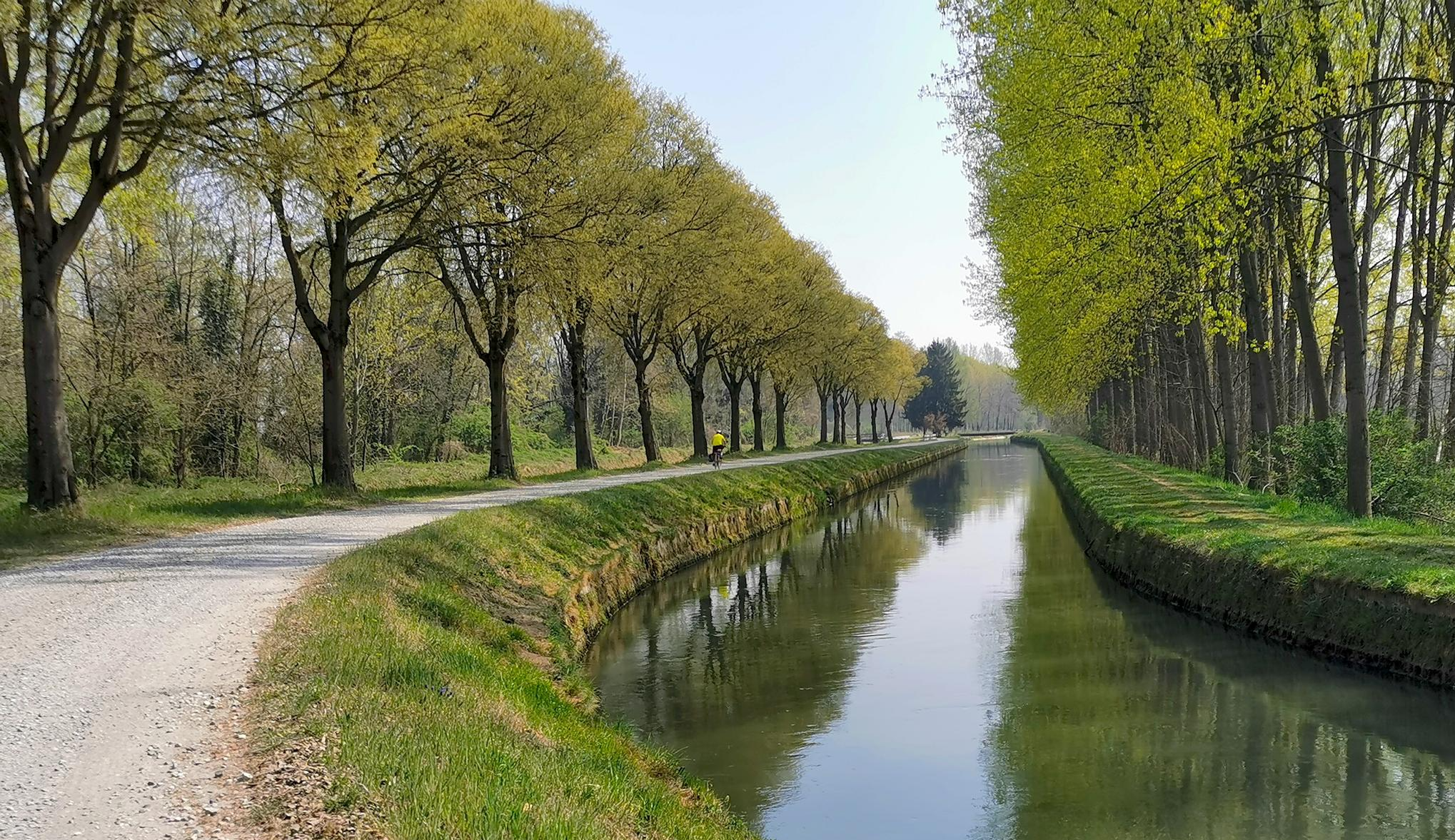
Riverside Path Along the Muzza
Highlight • Trail
Translated by Google •
Tip by

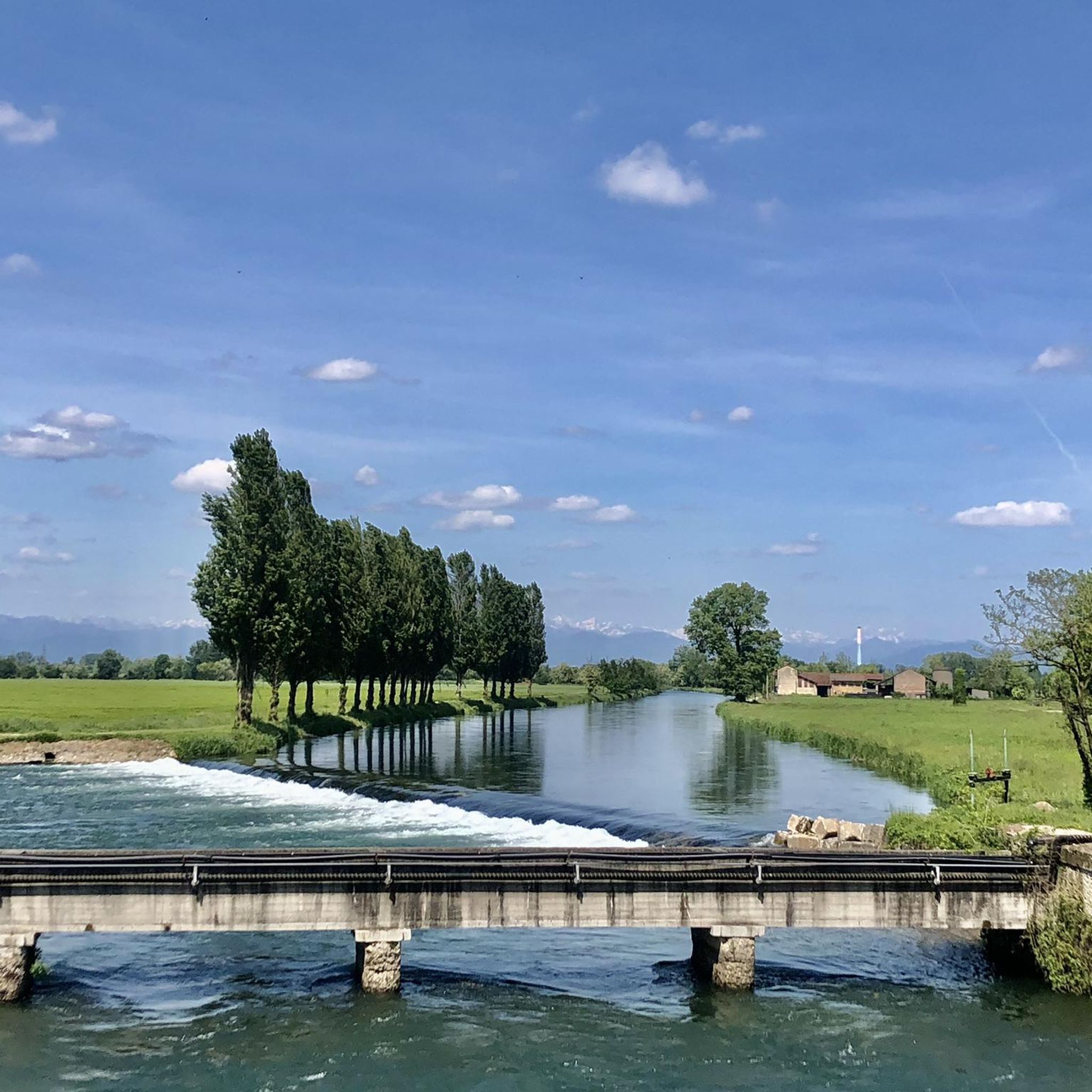
Vacchelli Canal entrance
Highlight • River
Translated by Google •
Tip by

Sign up now to discover places like this
Get recommendations on the best single tracks, peaks, & plenty of other exciting outdoor places.
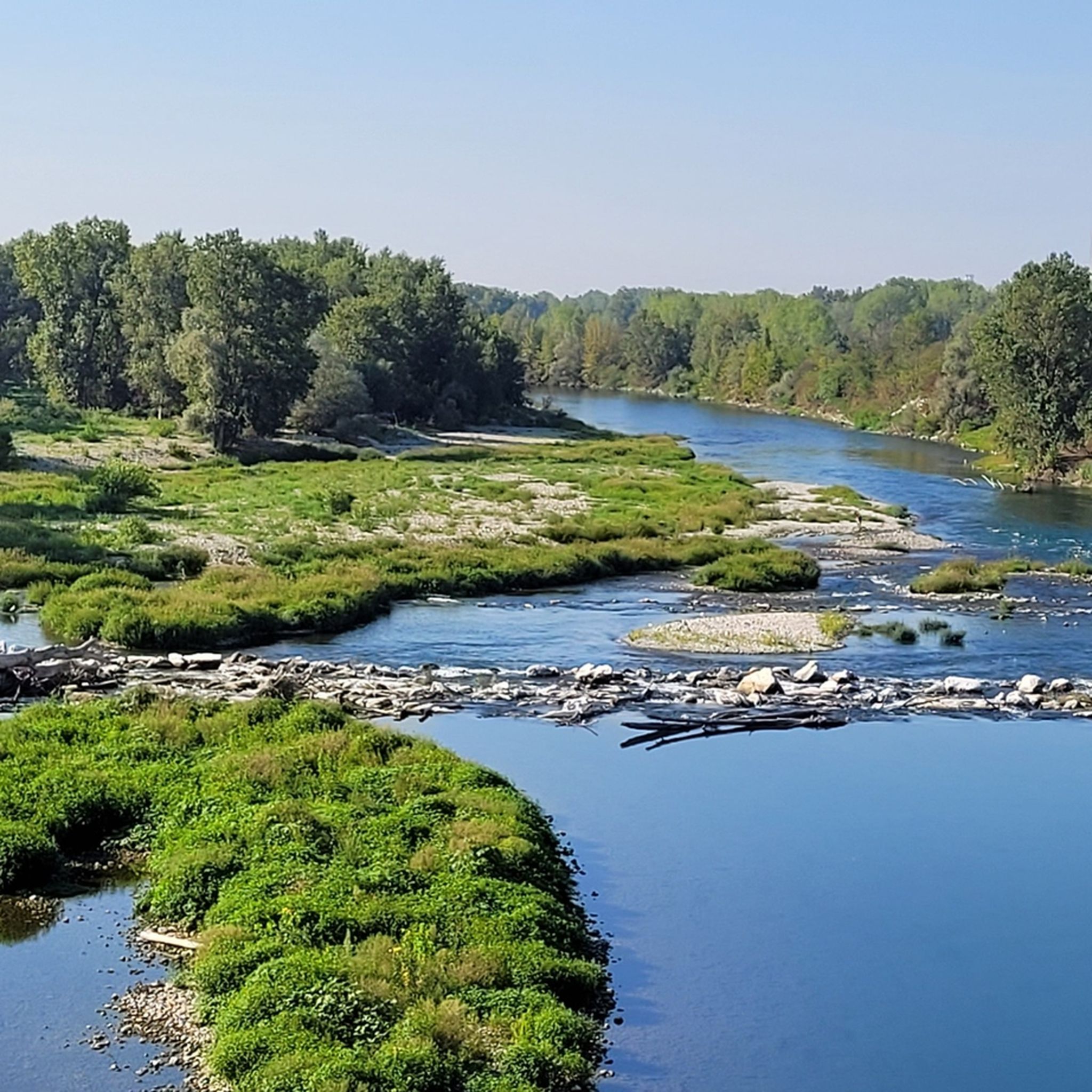
Singletrack from Spino to Rivolta d'Adda
Highlight (Segment) • Trail
Translated by Google •
Tip by

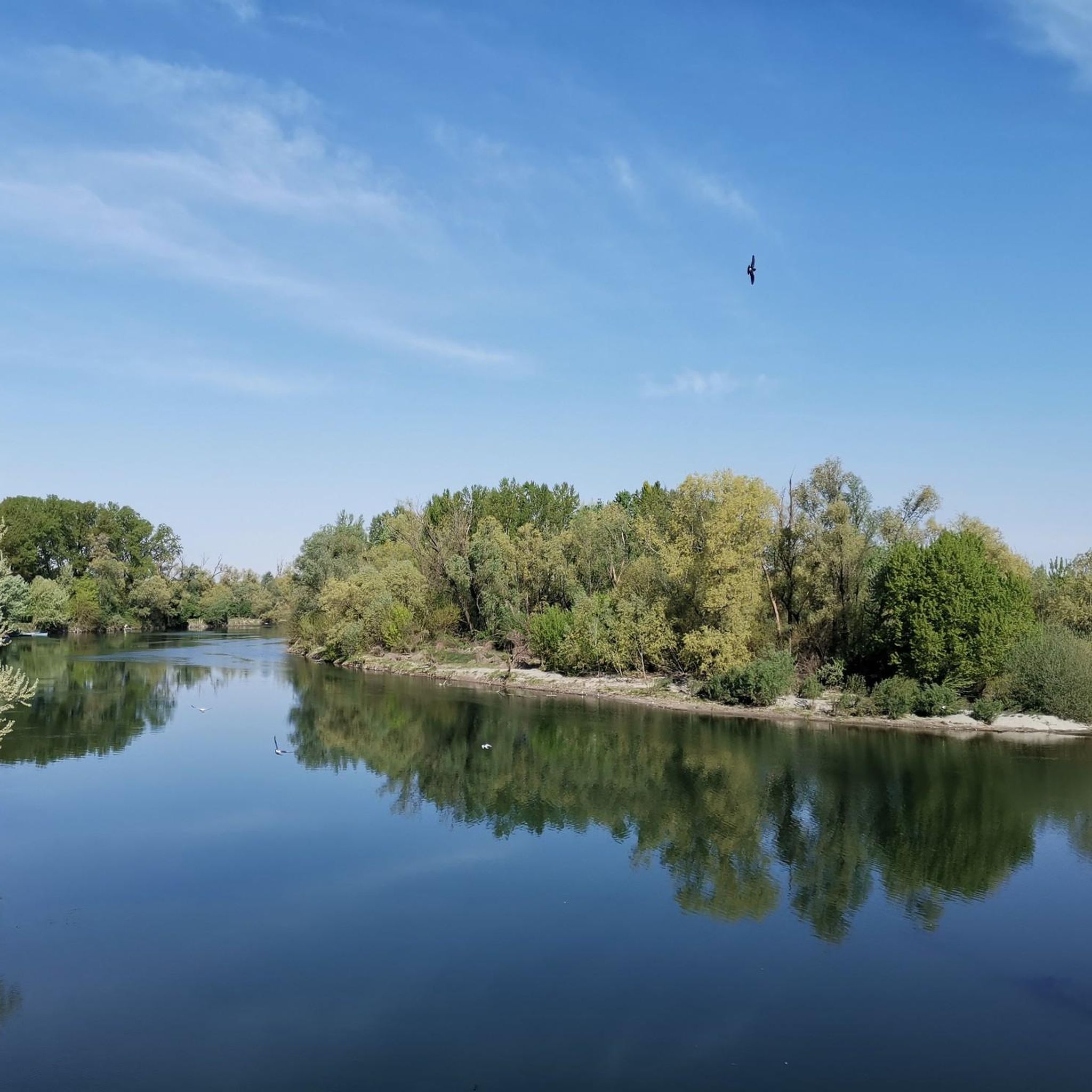
Adda River
Highlight • River
Translated by Google •
Tip by

Old Adda River Bridge
Highlight • Bridge
Translated by Google •
Tip by

Sign up for free to discover even more attractions around Parco Adda Sud.
Already have an account?
Start today with a free account
Your next adventure awaits.

Other adventures around Parco Adda Sud

Tips from the Community

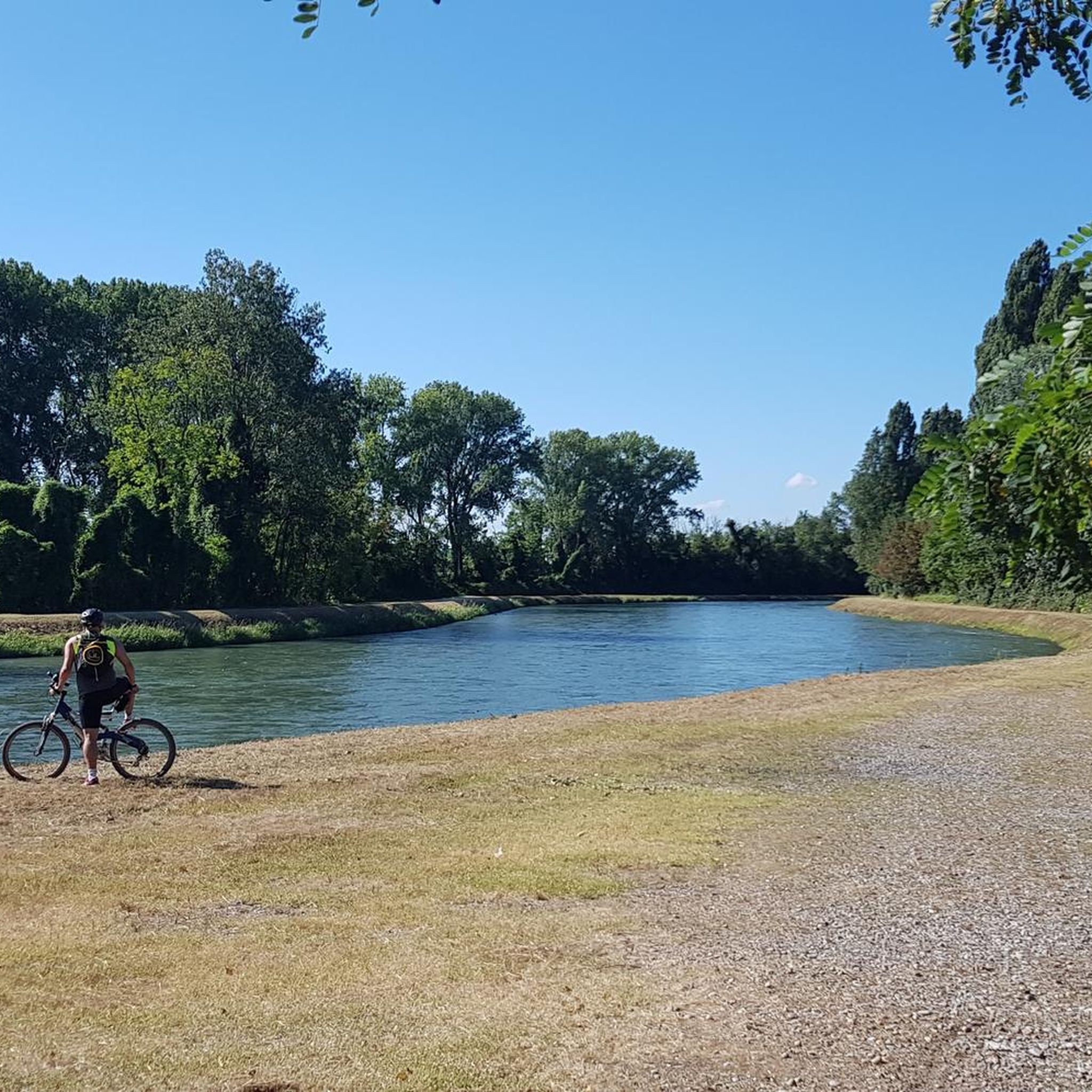
The Muzza Canal, also known as Canale della Muzza, originates near the Castello di Cassano d’Adda, where it draws water from the Adda river. After a course of about 39 km, it flows back into the Adda near Castiglione. Considered an important hydraulic engineering work at a European level, the Muzza Canal is among the oldest in Europe, with about 800 years of history, and is the largest in Northern Italy. Crossing the landscapes of the Po Valley, the canal contributes to the irrigation of the surrounding lands of the Lodi area and preserves precious patches of woodland vegetation, which characterize the Lombard territory. An ideal place to explore the beauty of nature and discover the agricultural history of the region!
1
0

Any trail that winds through its vicinity is wonderful, a shame about the interruption between Zelo and Galgagnano of the path due to the hunting area, incidentally a beautiful place part of the ADDA sud Park but inexplicably in the hands of one or more private individuals who have made it their "hunting park" by fencing it all in. I happened to get inside by mistake, finding one of the numerous open gates and could no longer get out, finding the others closed, receiving a couple of shots in the air behind my back to make me understand that I was not welcome! A real shame because it interrupts the descent from Zelo towards Lodi along the Adda. Beyond the "hunting park" I believe that the passage along the river (state-owned area!!) SHOULD always be guaranteed without any ifs or buts!
2
0

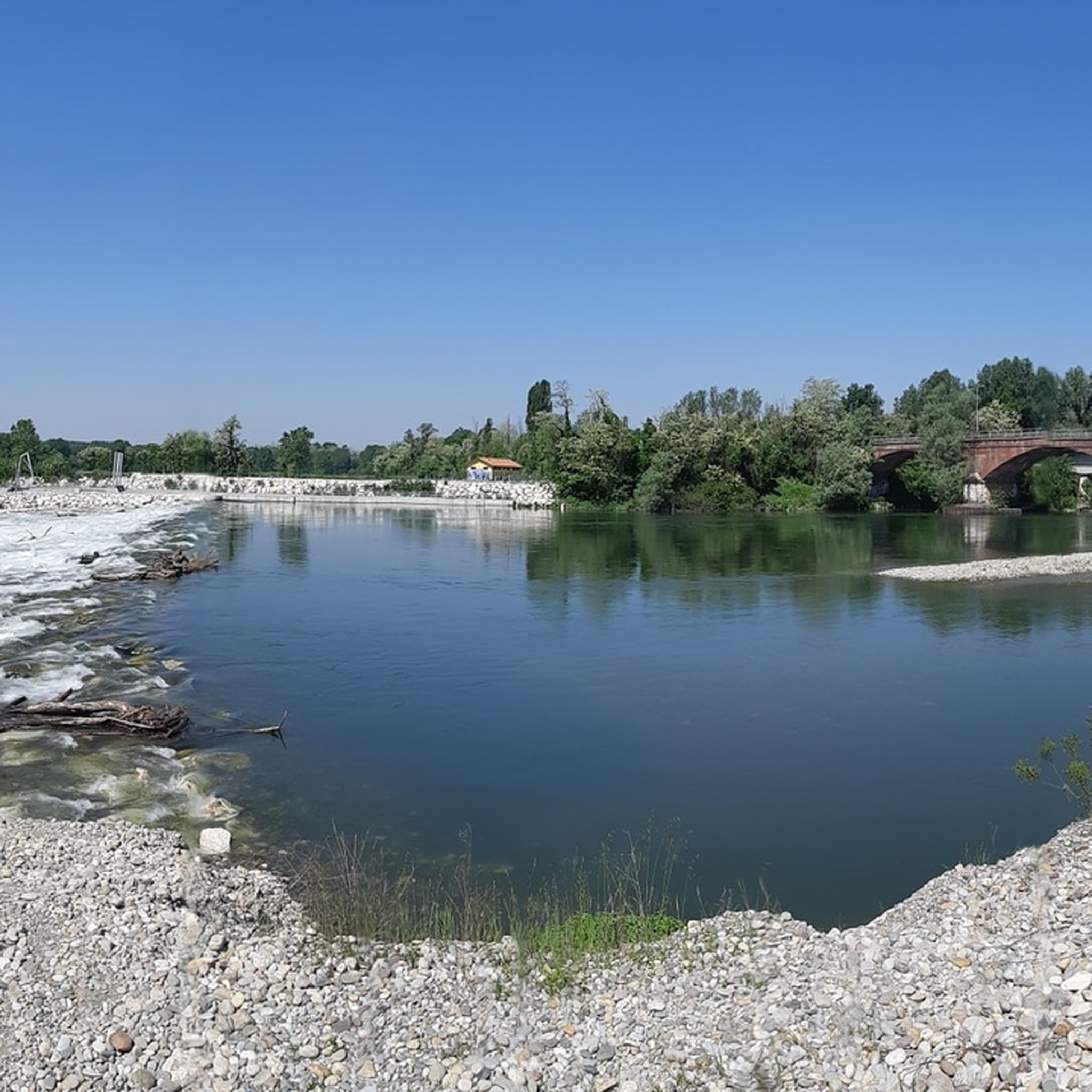
The Adda River is the fourth longest watercourse in Italy with its 313 kilometers and is entirely within the Lombardy region. It represents one of the main left tributaries of the Po River and has a very large hydrographic basin that covers about a third of the regional territory
1
0

Among the most picturesque corners of the route. Here the Adda is beautiful
2
0
The Muzza Canal is the oldest in Europe and just this year, its 800th anniversary was celebrated by the Municipality of Paullo in collaboration with the Pro Loco and other Municipalities. Its origin dates back to the year 1220, when Frederick II of Swabia, crowned emperor of the Holy Roman Empire, issued an imperial edict that granted the people of Lodi the right to use the waters flowing within their territory. The current route, about 60 km long, receives the waters of the Adda River at Cassano d’Adda, at an altitude of 120 m above sea level, crosses the Lodi territory for about 40 km until near Castiglione d’Adda, at an altitude of 45 m above sea level, and here it releases them back into the Adda River. It has a regulated water regime, with a flow rate, depending on the season, of about 200 thousand liters of water per second; an initial width of 50 meters which reduces to a few meters at the end of its course and an average depth of 2 meters.
2
0

From whatever direction you arrive, this very particular construction always strikes you.
9
0
Fun trail with really beautiful views of the river
20
1

On April 25, 2025, the cycle path that runs alongside the Adda was interrupted by the fall of a large tree, just 50 meters before it ended, to leave the zeal good persico of the nature trail and climb the old Adda bridge. We passed but with great difficulty
1
0
Frequently Asked Questions
What natural features can I explore in Parco Adda Sud?
Parco Adda Sud is rich in natural beauty, featuring extensive riverside forests, wetlands, and oxbow lakes known as "lanche" and "morte." Notable areas include the Singletrack from Spino to Rivolta d'Adda, which offers beautiful river views, and the Adda Morta - Lanca della Rotta, an oriented natural reserve with diverse plant species and a Turtle Reintroduction Centre. Zerbaglia is another nationally important wetland known for its large heronries.
Are there historical sites or cultural landmarks to visit in Parco Adda Sud?
Yes, the park is dotted with historical and cultural landmarks. You can explore ancient monasteries, traditional farmhouses, and the impressive Basilica di Santa Maria e San Sigismondo in Rivolta d'Adda, a significant example of Lombard Romanesque architecture. The walled city of Pizzighettone, with its Adda River Bridge and Visconti Tower, is also a key historical highlight.
What activities are available for families with children in Parco Adda Sud?
Families will enjoy the Gravel Path Along the Muzza Canal, which is described as quiet and relaxing, even for families. A major attraction is the Parco della Preistoria in Rivolta d'Adda, offering dinosaur reconstructions, exhibits on primitive man, semi-wild animals, a labyrinth, and a paleontological museum. There's also the Trail of the Dragonflies, specifically designed for schoolchildren to observe various butterfly species.
What cycling opportunities does Parco Adda Sud offer?
Parco Adda Sud is an excellent destination for cyclists, with numerous marked trails of varying difficulty. You can ride along the Vacchelli Canal entrance, which features a beautiful dirt bike path that forms part of the Adda Cycle Route. The Gravel Path Along the Muzza Canal is another smooth, compact dirt road suitable for various types of bicycles. For more routes, explore the Cycling around Parco Adda Sud guide.
Can I go hiking or walking in the park?
Yes, the park offers various paths suitable for walking. The Singletrack from Spino to Rivolta d'Adda is a splendid trail within the reserve, offering scenic views of the river. The Gravel Path Along the Muzza Canal provides a quiet and relaxing environment for a stroll. The park's extensive riverside forests and wetlands also offer numerous opportunities for exploring on foot.
Where can I learn more about the park's environment and wildlife?
You can visit the Castiglione d'Adda Visitor Centre, a renovated rural building that includes a multi-purpose hall with a xylotheque (wood collection), a large dugout canoe, a collection of embalmed insects, and a library. Outside, there's an aviary for the White Stork Reintroduction Project. The Villa Pompeiana Park Centre also features educational panels on environmental topics.
Are there any unique natural reserves or wildlife spotting opportunities?
Absolutely. The Adda Morta - Lanca della Rotta is an oriented natural reserve that hosts a Turtle Reintroduction Centre for the European pond turtle. Zerbaglia is notable for its rich fauna, including one of the largest heronries in the park, providing nesting grounds for various bird species. The park's diverse ecosystems support wildlife such as polecats, dormice, and a small population of fallow deer.
What are some notable historical engineering marvels in the park?
The park is home to significant historical hydraulic structures. The Canale della Muzza, built in 1220, is one of Europe's oldest irrigation canals, with a dirt path running alongside it. The Canale Vacchelli, also known as the Marzano Canal, was constructed between 1887 and 1892, and its entrance point from the Adda River, the Vacchelli Canal entrance, is a monumental sight.
Is it possible to explore the Adda River by boat?
Yes, boat excursions on the Adda River can be arranged through organizations such as Consorzio Navigare l'Adda and Associazione Barcaioli e Lavandaie di Lodi, offering a unique perspective of the park's riverside landscapes.
What is the best time of year to visit Parco Adda Sud?
The park offers beautiful views year-round. The Singletrack from Spino to Rivolta d'Adda is particularly scenic in autumn. Spring and summer are ideal for cycling and boat excursions, while the wetlands offer birdwatching opportunities throughout the warmer months.
What do visitors particularly enjoy about the attractions here?
Visitors appreciate the blend of natural beauty and historical significance. The Singletrack from Spino to Rivolta d'Adda is praised for its fun trail and beautiful river views. The Gravel Path Along the Muzza Canal is noted for its quiet and relaxing atmosphere, suitable for families. The historical canals, like the Vacchelli, are also valued for their engineering marvel and the cycling paths they offer.
Are there any specific towns or villages worth visiting within the park?
Pizzighettone is a notable walled city within the park, recognized for its well-preserved fortifications and historical significance, including the Adda River Bridge and Visconti Tower. Rivolta d'Adda is home to the Parco della Preistoria and the Basilica di Santa Maria e San Sigismondo, making it another key destination.
Most popular routes around Parco Adda Sud
Most popular attractions around Parco Adda Sud

Get inspired with the komoot mobile app


Explore more
Still not found the Highlight you’re looking for? See guides of the top attractions in other regions:
