The best walks and hikes around Parco Adda Sud
4.2
(1113)
8,198
hikers
68
hikes
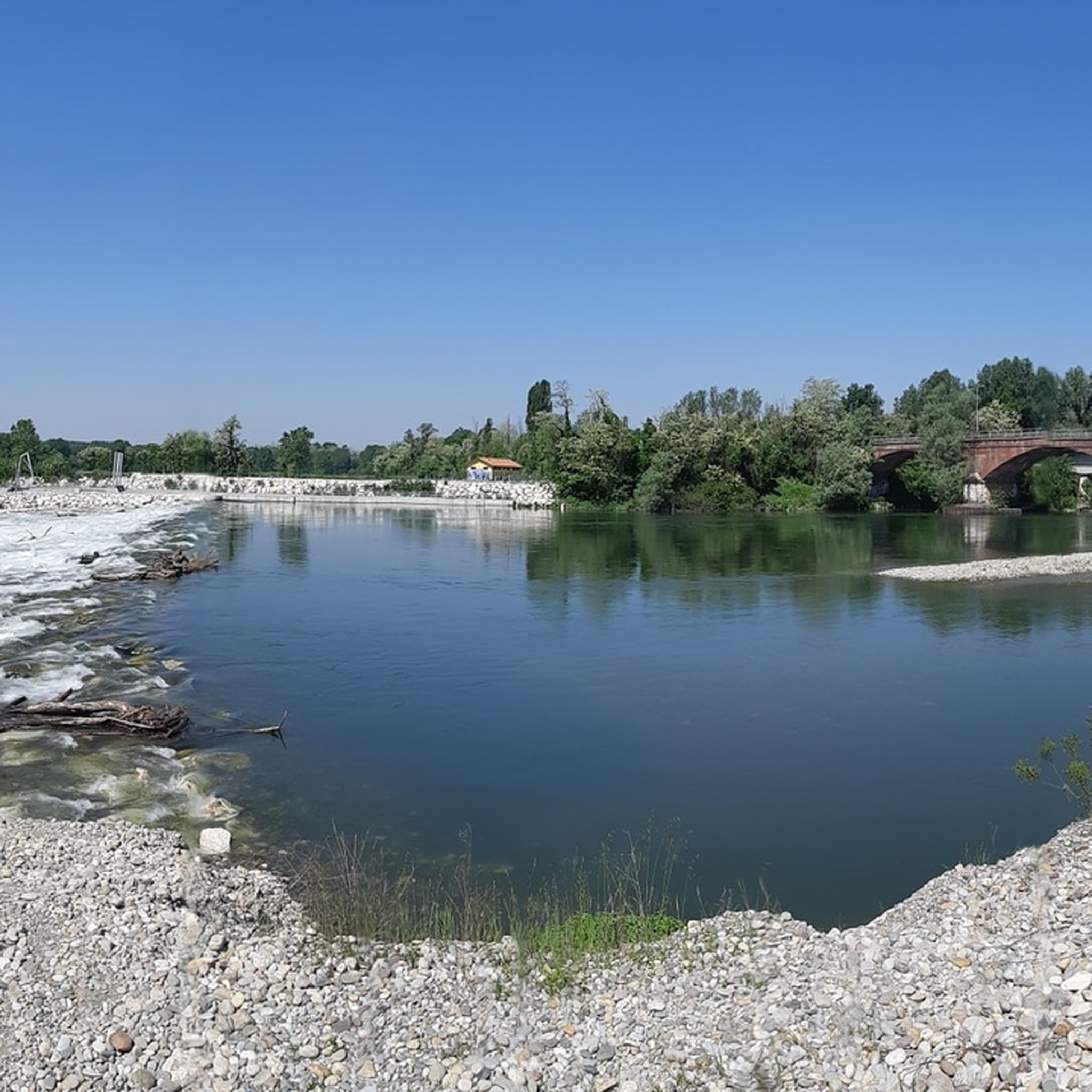
Hiking around Parco Adda Sud offers diverse landscapes shaped by the Adda River, spanning the provinces of Lodi and Cremona. The park features a mix of alluvial deposits, extensive riparian forests, and significant wetland areas, including oxbow lakes. Its terrain is primarily flat, characterized by riverine environments and agricultural fields, with minimal elevation changes. This protected area extends approximately 60 kilometers, providing numerous accessible paths for outdoor activities.
Best hiking trails around Parco Adda Sud
- The most popular hiking route…
Last updated: September 27, 2026
4.3
(27)
84
hikers
10.9km
02:45
20m
20m
Moderate hike. Good fitness required. Easily-accessible paths. Suitable for all skill levels.
4.4
(8)
33
hikers
10.00km
02:31
20m
20m
Moderate hike. Good fitness required. Easily-accessible paths. Suitable for all skill levels.

4.0
(4)
9
hikers
14.4km
03:39
30m
30m
Moderate hike. Good fitness required. Easily-accessible paths. Suitable for all skill levels.
4.3
(9)
21
hikers
Moderate hike. Good fitness required. Easily-accessible paths. Suitable for all skill levels.
4.0
(2)
5
hikers
7.82km
01:59
10m
20m
Easy hike. Great for any fitness level. Easily-accessible paths. Suitable for all skill levels.
Get access to more routes and recommendations from other explorers.
Already have an account?
Our route recommendations are based on thousands of hikes, rides, and runs completed by other people on komoot.
Start today with a free account
Your next adventure awaits.

Other adventures around Parco Adda Sud

Tips from the Community

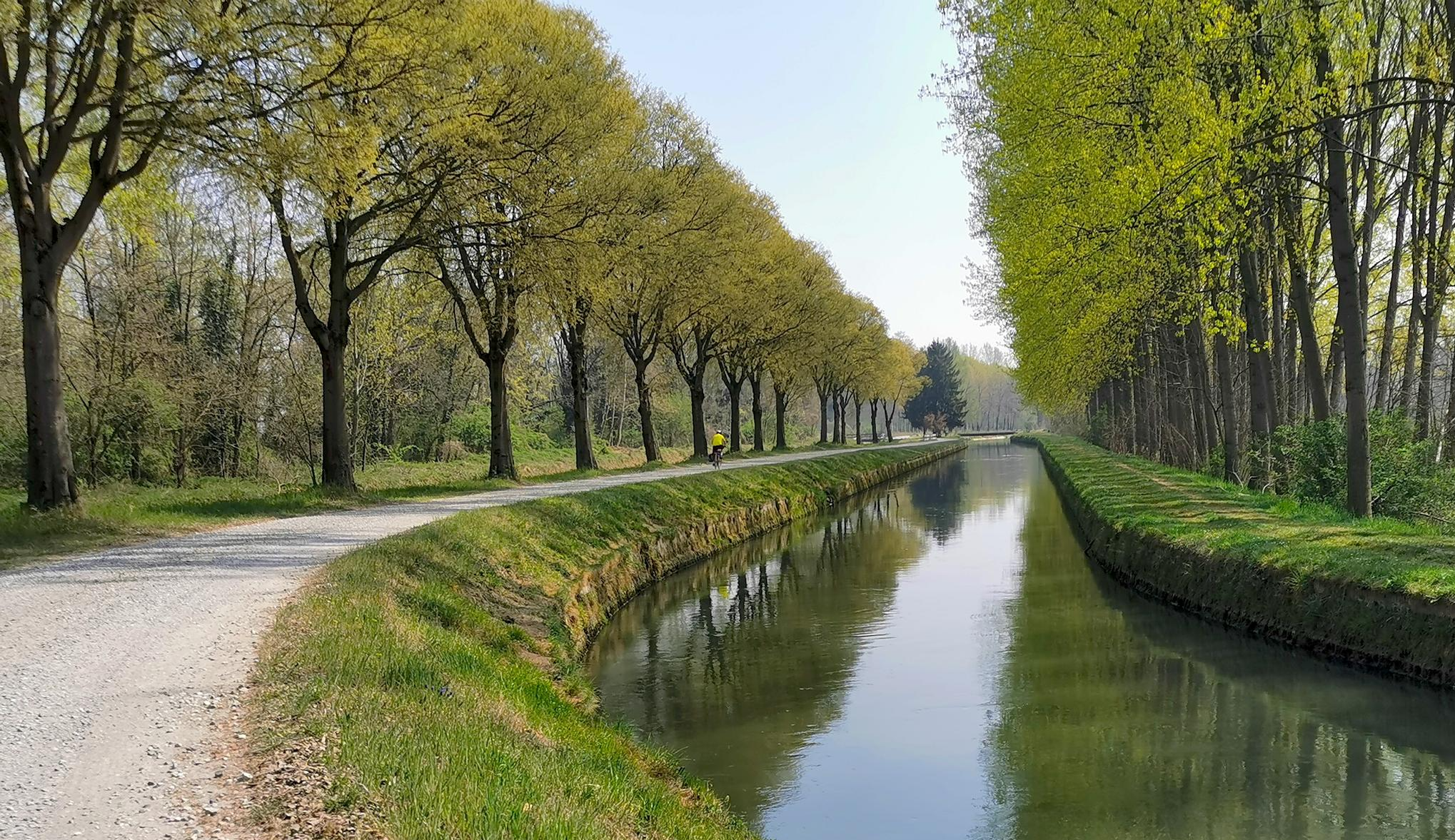
The Milan-Cremona-Po canal is an ambitious and never-completed waterway designed to connect Milan to the Po River and the sea. Of the grand project started in 1941, only an initial stretch of about 13 kilometers reaching Pizzighettone was completed, while the work remained unfinished.
0
0
The Milan-Cremona-Po canal is an ambitious and never-completed waterway designed to connect Milan to the river Po and the sea. Of the great project started in 1941, only an initial stretch of about 13 kilometers reaching Pizzighettone has been completed, while the work remained unfinished. You can cycle safely along the banks.
0
0

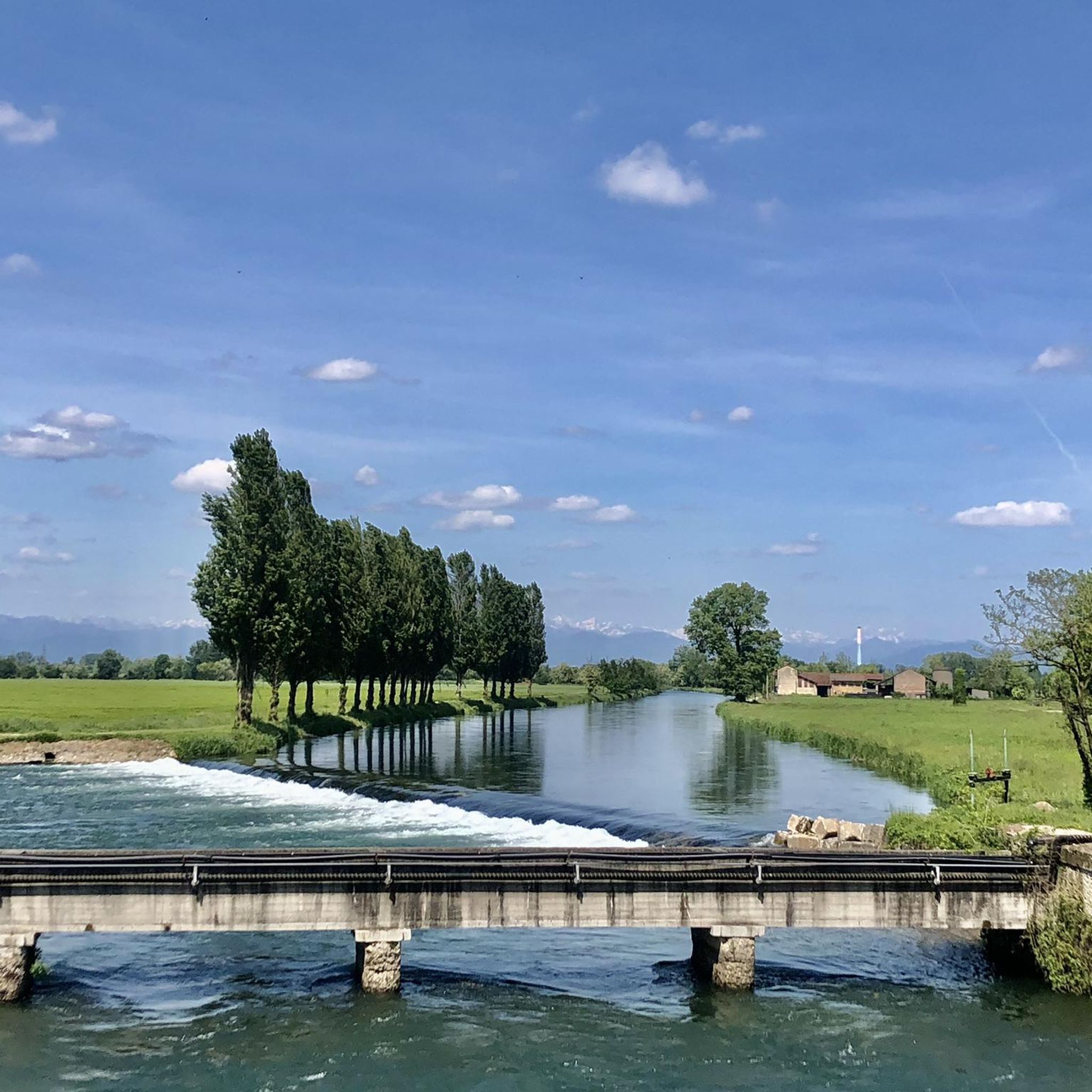
The bridge over the Muzza Canal, located in Lavagna (a hamlet of the municipality of Comazzo in the province of Lodi), is a historical landmark for crossing this ancient artificial waterway. The Muzza is a branch of the Adda river, known for being one of the oldest canals in Europe. Lavagna Lodigiana is a small rural village immersed in the countryside that develops right next to the canal. The bridge area is frequented by cyclists and hikers who travel along the Muzza cycle path or the Muzza-Ponte di Lavagna route, enjoying the river landscape.
1
0

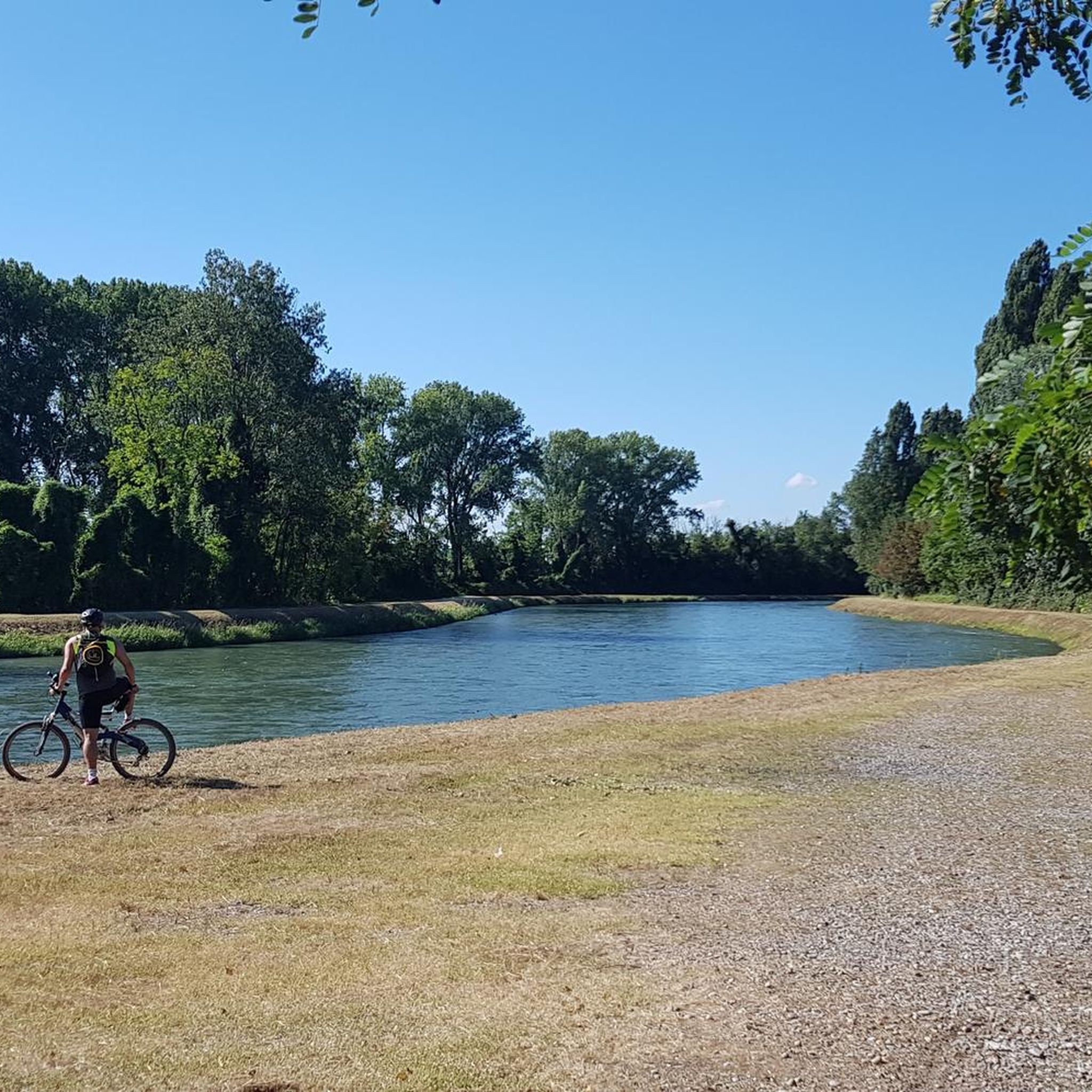
The Muzza canal (61 km long in total) is a branch of the Adda River and has recently celebrated its 800th anniversary, making it one of the oldest in Europe. Its name, with slight variations over the centuries, still recalls the Roman family Mutia who moved here in 90 BC, starting the first land reclamation works. Smaller watercourses branch off from the wide canal, winding through the countryside for a total length of about 1000 kilometers, mainly intended for agricultural irrigation. The surrounding landscape of countryside and farmhouses is evocative, with a succession of tree-lined rows and open fields. It is also very interesting from a naturalistic point of view as it attracts many aquatic birds that can be observed along the route.
2
0
The Muzza canal (61 km long in total) is a branch of the Adda River and recently celebrated its 800th anniversary, making it one of the oldest in Europe. Its name, with slight variations over the centuries, still recalls the name of the Roman Mutia family who moved here in 90 BC, initiating the first land reclamation works. Minor watercourses branch off from the wide canal, winding through the countryside for a total length of about 1000 kilometers, and are mainly intended for agricultural irrigation. The surrounding landscape of countryside and farmhouses is evocative, with rows of trees and open fields. It is also very interesting from a naturalistic point of view as it attracts many waterfowl that can be observed along the route.
2
0

Excellent Acqua💧 Point point to stock up on fresh water via the Padania Acque QR code
0
0

Be careful on the steps when the ground is wet! This passage allows you to cross the right bank of the Muzza.
3
0

suggestive and well preserved
2
0
Frequently Asked Questions
How many hiking trails are available in Parco Adda Sud?
Parco Adda Sud offers a wide selection of hiking opportunities, with over 50 distinct trails to explore. These routes cater to various preferences, ranging from easy strolls to more moderate excursions.
What kind of landscapes can I expect to see while hiking in Parco Adda Sud?
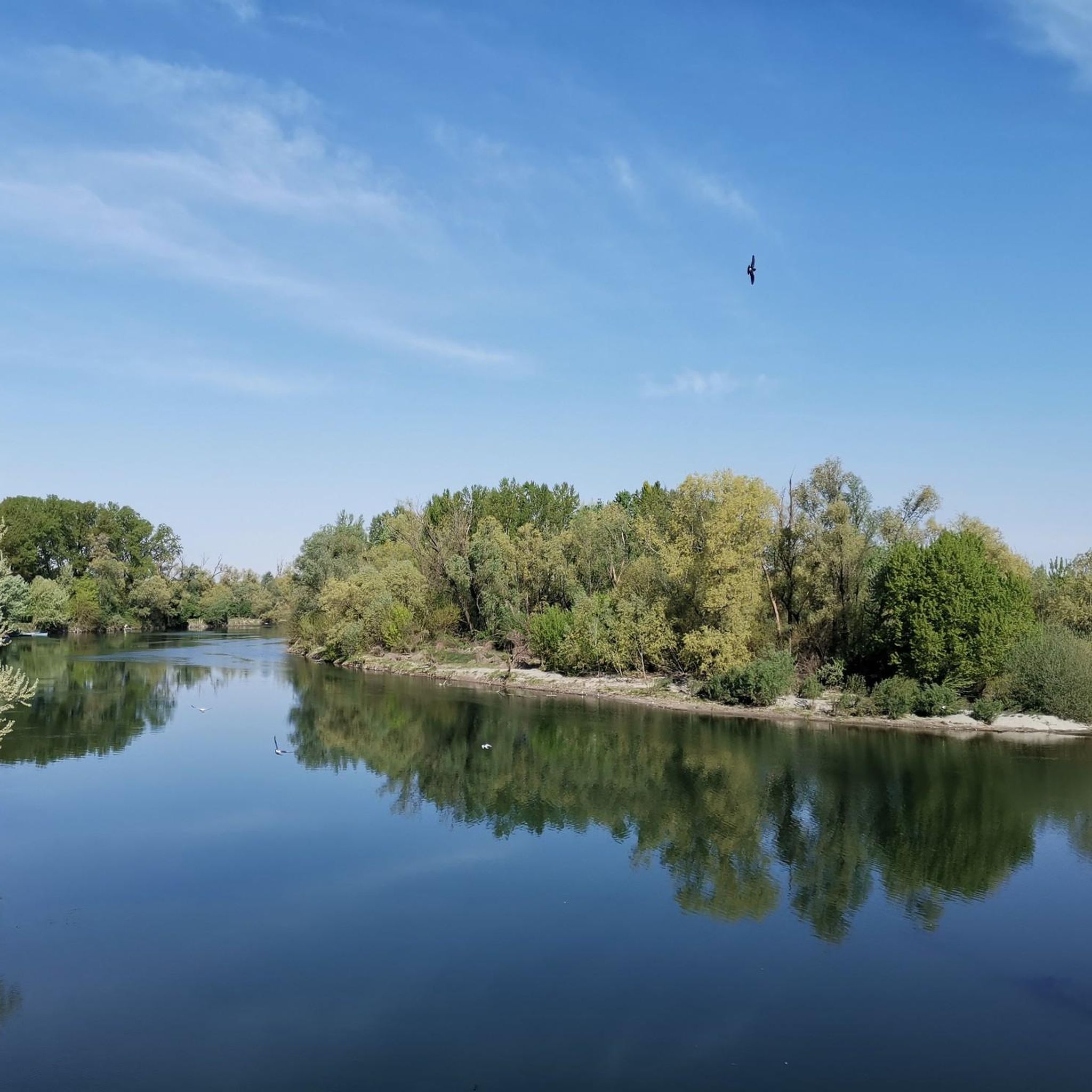
The park's landscape is shaped by the Adda River, featuring a diverse mix of alluvial deposits, extensive riparian forests, and significant wetland areas, including unique oxbow lakes like the 'Adda Morta'. You'll also encounter poplar stands, agricultural fields, and picturesque fluvial beaches along the riverbanks.
Are there any easy hiking trails suitable for beginners or families?
Yes, Parco Adda Sud is well-suited for beginners and families, with 30 easy routes available. The park's terrain is primarily flat with minimal elevation changes. Trails like the 'Sentiero delle Libellule' are particularly pleasant for all visitors, offering a chance to observe various butterfly species. Many routes are designed to be easily accessible.
Can I bring my dog on the hiking trails in Parco Adda Sud?
While the region research doesn't specify dog rules, generally, dogs are welcome in natural parks like Parco Adda Sud, provided they are kept on a leash and owners clean up after them. The wide, flat paths often found here are typically suitable for walks with canine companions. Always check for specific local signage or regulations before your visit.
Are there any circular hiking routes available in Parco Adda Sud?
Yes, many routes in Parco Adda Sud are designed as circular tours, allowing you to start and end at the same point. For example, the From Boffalora to Belgiardino Beach – loop tour is a popular option that takes you through riverine areas and towards fluvial beaches.
What historical or cultural sites can I discover along the trails?
Beyond its natural beauty, Parco Adda Sud integrates rich historical and cultural elements. Hikers can encounter medieval castles, such as the Borromeo Castle of Camairago, ancient monasteries, and traditional rural farmhouses. Notable hydraulic works like the Muzza and Vacchelli irrigation canals also dot the landscape. Consider the From Pizzighettone to the Castello Borromeo di Camairago – loop tour for a route combining nature and history.
Where can I observe wildlife in Parco Adda Sud?
The diverse habitats of Parco Adda Sud make it excellent for wildlife observation. The park is home to a significant bird population, including three heronries, marsh harriers, and owls. Mammals like polecats and dormice can be found, and a small population of fallow deer has been noted. The wetland areas and riparian forests are particularly rich in biodiversity.
What is the best time of year to go hiking in Parco Adda Sud?
Parco Adda Sud can be enjoyed throughout much of the year. Spring (April-May) offers lush greenery and blooming flora, while autumn (September-October) provides pleasant temperatures and vibrant fall colors. Summer can be warm, but the riparian forests offer shade. Winter hikes are also possible, especially on clear days, to experience the serene, quiet landscapes.
How long do the hiking trails typically take to complete?
The duration of hikes in Parco Adda Sud varies depending on the route and your pace. Many popular trails, such as the Muzza Canal and Corneliano Bertario Loop, take around 2 hours 45 minutes. Longer routes, like the From Boffalora to Belgiardino Beach – loop tour, can take approximately 3 hours 39 minutes.
Is there public transport available to reach the trailheads in Parco Adda Sud?
While specific public transport routes to individual trailheads are not detailed, the park spans the provinces of Lodi and Cremona, which have regional public transport networks. It is advisable to check local bus or train schedules for connections to towns within or bordering the park, from where you might access trail starting points.
Where can I park my car when visiting Parco Adda Sud for hiking?
Parking availability will vary depending on your chosen starting point within the extensive park. Many towns and villages bordering or within Parco Adda Sud offer public parking facilities. For specific routes, it's best to check the komoot tour details for information on recommended parking areas near the trailhead.
Are there any specific viewpoints or scenic spots worth visiting?
The park offers numerous scenic spots, particularly along the Adda River. The 'Lanche' and 'Morte' (oxbow lakes and wetland areas) provide unique natural beauty, such as the Lanca Adda Morta. The fluvial beaches also offer picturesque views. The entire 'Dorsale dell'Adda Trail' is known for its scenic countryside.
What do other hikers say about their experience in Parco Adda Sud?
The hiking trails in Parco Adda Sud are highly rated by the komoot community, with an average score of 4.1 stars from over 180 reviews. Hikers often praise the peaceful riverine environments, the well-maintained paths, and the opportunity to combine nature walks with visits to historical sites.
Most popular routes around Parco Adda Sud
Most popular attractions around Parco Adda Sud

Get inspired with the komoot mobile app


Explore more
Browse the best Hikes in other regions.
