Attractions and Places To See around Paratge Natural d'Interès Nacional de l'Albera - Top 20
Best attractions and places to see around Paratge Natural d'Interès Nacional de l'Albera include a rich tapestry of natural beauty, historical landmarks, and cultural sites. This protected area, located in the eastern Pyrenees, serves as a transition zone between Pyrenean and Mediterranean ecosystems. It features diverse flora and fauna, ancient constructions, and human relics. The region extends from the Pertús mountain pass to the Mediterranean Sea.
Best attractions and places to see around Paratge Natural d'Interès Nacional de l'Albera
- The most popular attractions is Banyuls Pass, a mountain pass that marks the border between Spain and France. It is known for its historical significance as a route for refugees and offers panoramic views, along with a publicly accessible refuge.
- Another must-see spot is Puig Neulós, a summit and the highest point of the Albères massif at 1,256 meters. Visitors can expect impressive panoramic views over Roselló and Alt Empordà from this Franco-Spanish border peak.
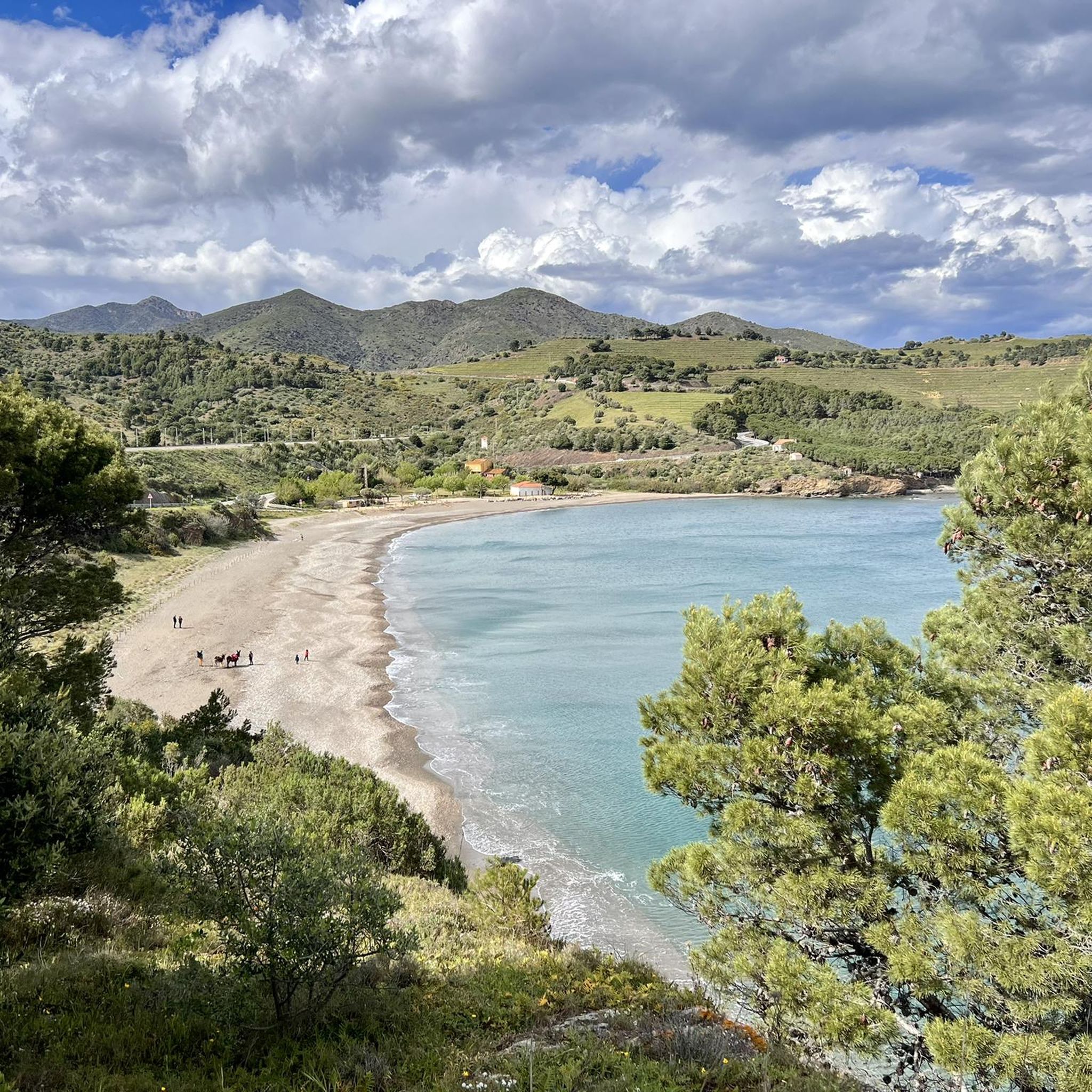
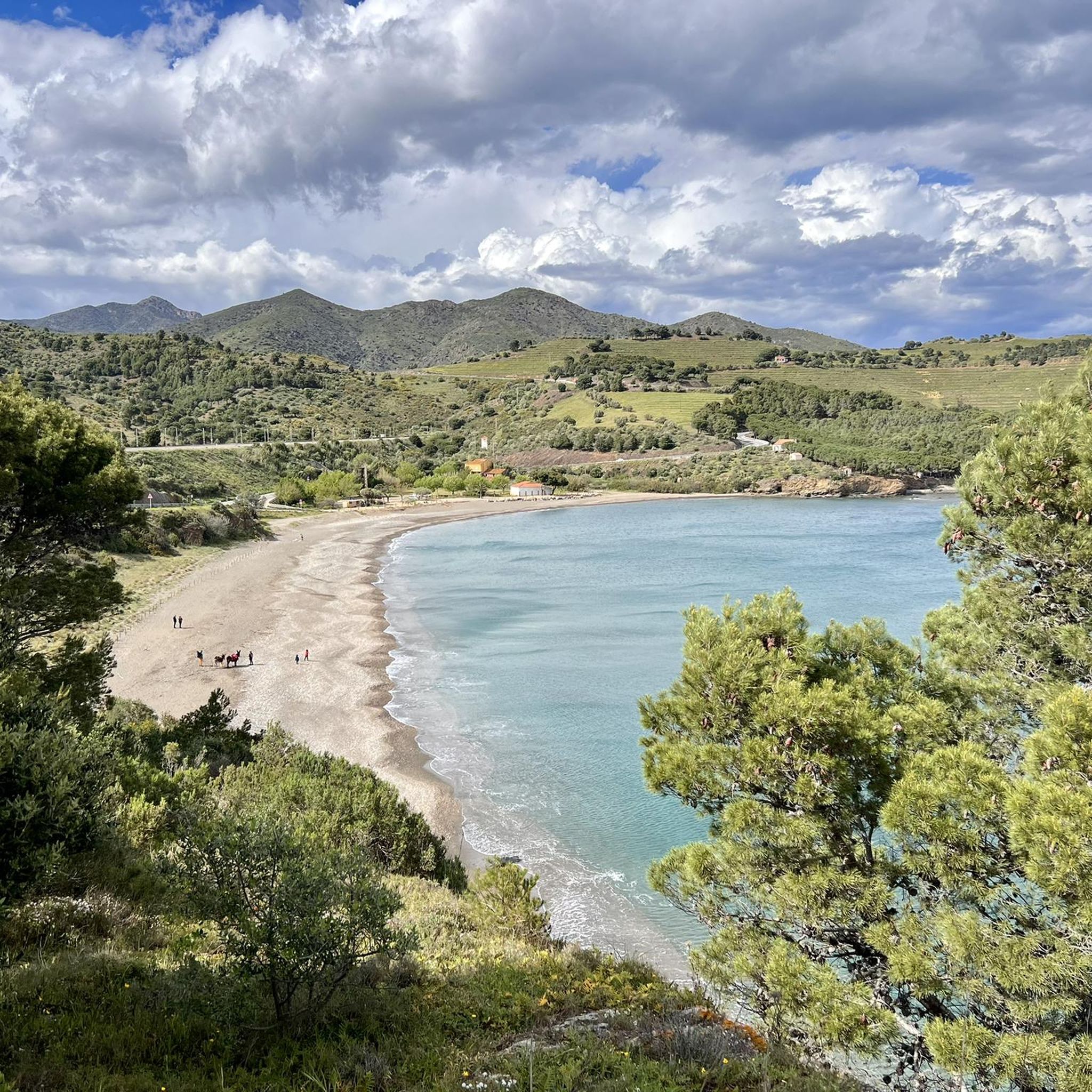
- Visitors also love Garbet Beach, a natural beach with dark pebbles, approximately 400 meters long and 30 meters wide. This beach is located in a natural and mountainous environment, protected from north winds, and features calm waters.
- Paratge Natural d'Interès Nacional de l'Albera is known for its mountain peaks, megalithic monuments, and historical castles. The region offers a variety of natural features and cultural sites to explore.
- The attractions around Paratge Natural d'Interès Nacional de l'Albera are appreciated by the komoot community, with over 270 upvotes and more than 190 photos across 94 highlights.
Last updated: May 9, 2026
Banyuls Pass
Highlight • Mountain Pass
At the pass on the Catalan side there is a small but very solid, publicly accessible refuge with a table, oven and extra bedroom. There is also a spring there, but it only trickles very sparingly.
On the pass itself, several information and memorial plaques remind of the many people who had to flee to France via this pass before the repression by the Franco regime. At the Refugio there is a plaque commemorating two libertarian activists who were arrested here in 1977 and tortured to death in prison six months later.
Translated by Google •
Tip by

Puig Neulós
Highlight • Summit
Translated by Google •
Tip by

Sign up now to discover places like this
Get recommendations on the best single tracks, peaks, & plenty of other exciting outdoor places.
Sign up for free
Garbet Beach
Highlight • Beach
Translated by Google •
Tip by

Querroig Castle
Highlight • Castle
Once upon a time there was a small castell, now only the base of a tower is left.
Translated by Google •
Tip by

Rumpissa Pass
Highlight • Mountain Pass
In 1940, the German philosopher Walter Benjamin fled the Nazi anti-Semitic persecution through this pass, taking refuge in Portbou.
In this municipality, the philosopher took his own life, and in honor of him the route from Portbou to Collado was named the Walter Benjamin Route.
Translated by Google •
Tip by

Sign up for free to discover even more attractions around Paratge Natural d'Interès Nacional de l'Albera.
Sign up for free
Already have an account?
Start today with a free account
Your next adventure awaits.
Login or Signup
Popular around Paratge Natural d'Interès Nacional de l'Albera
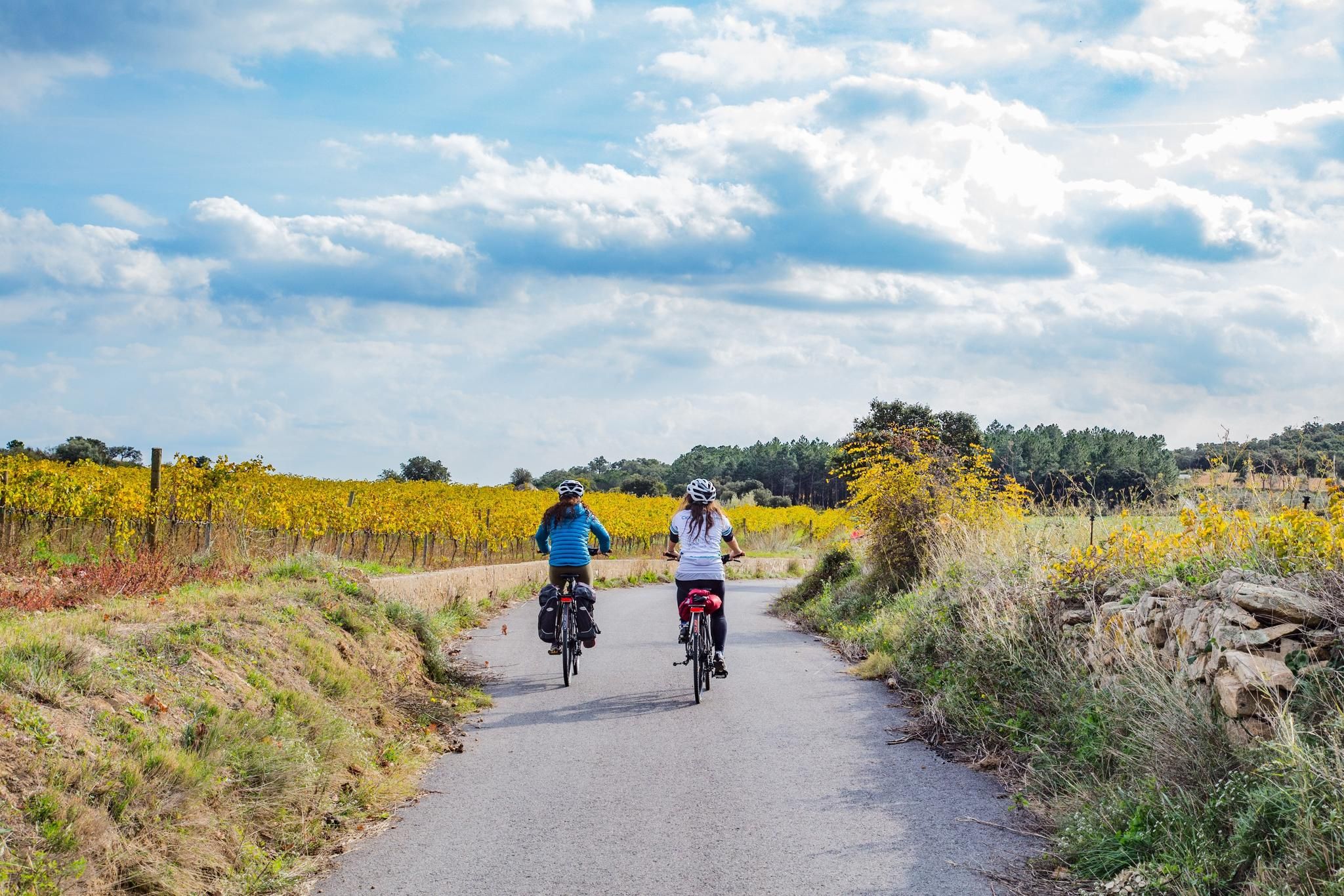
A journey from the Pyrenees to the Costa Brava – Pirinexus Route
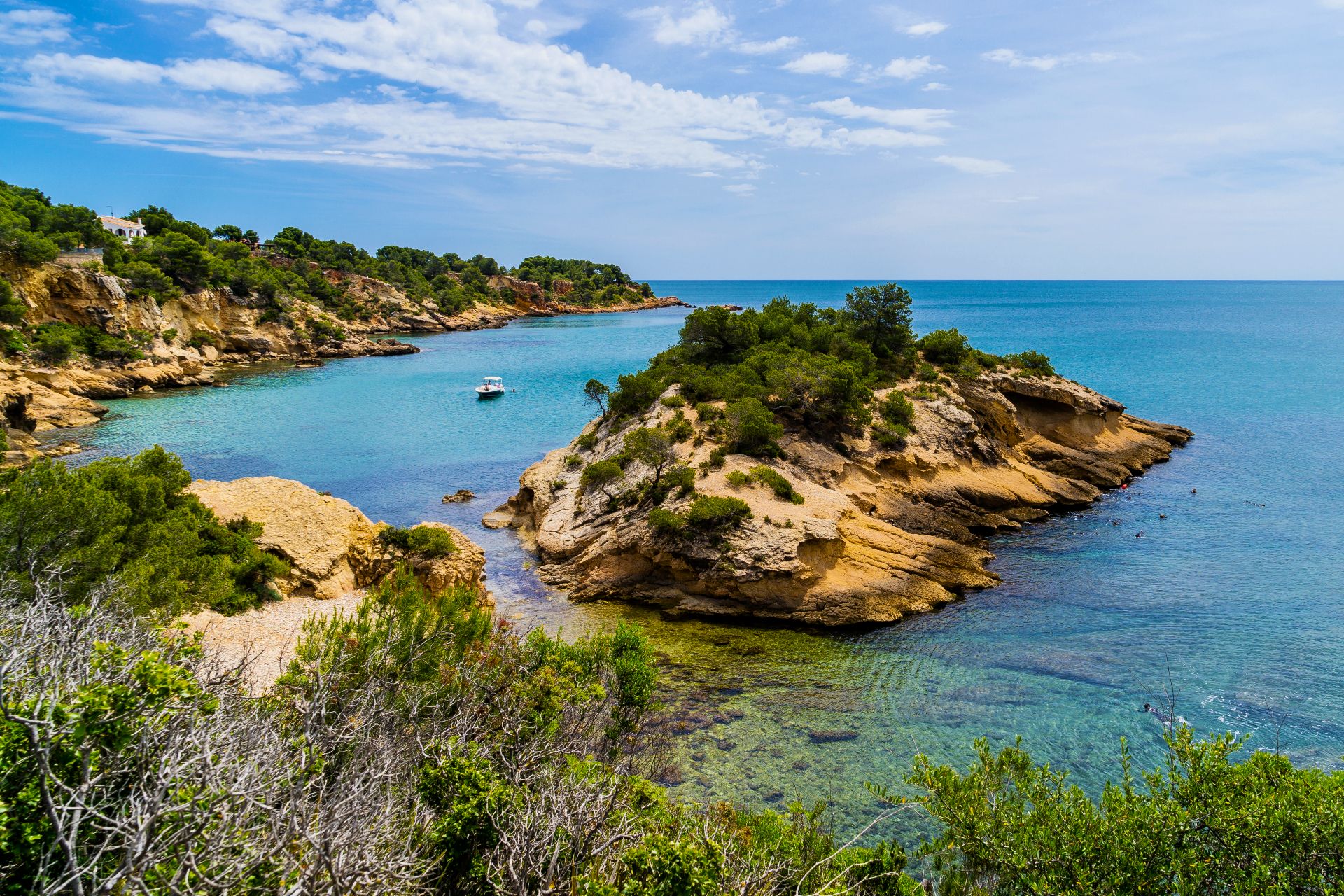
The Catalan coast on foot – Mediterranean Path (GR 92)
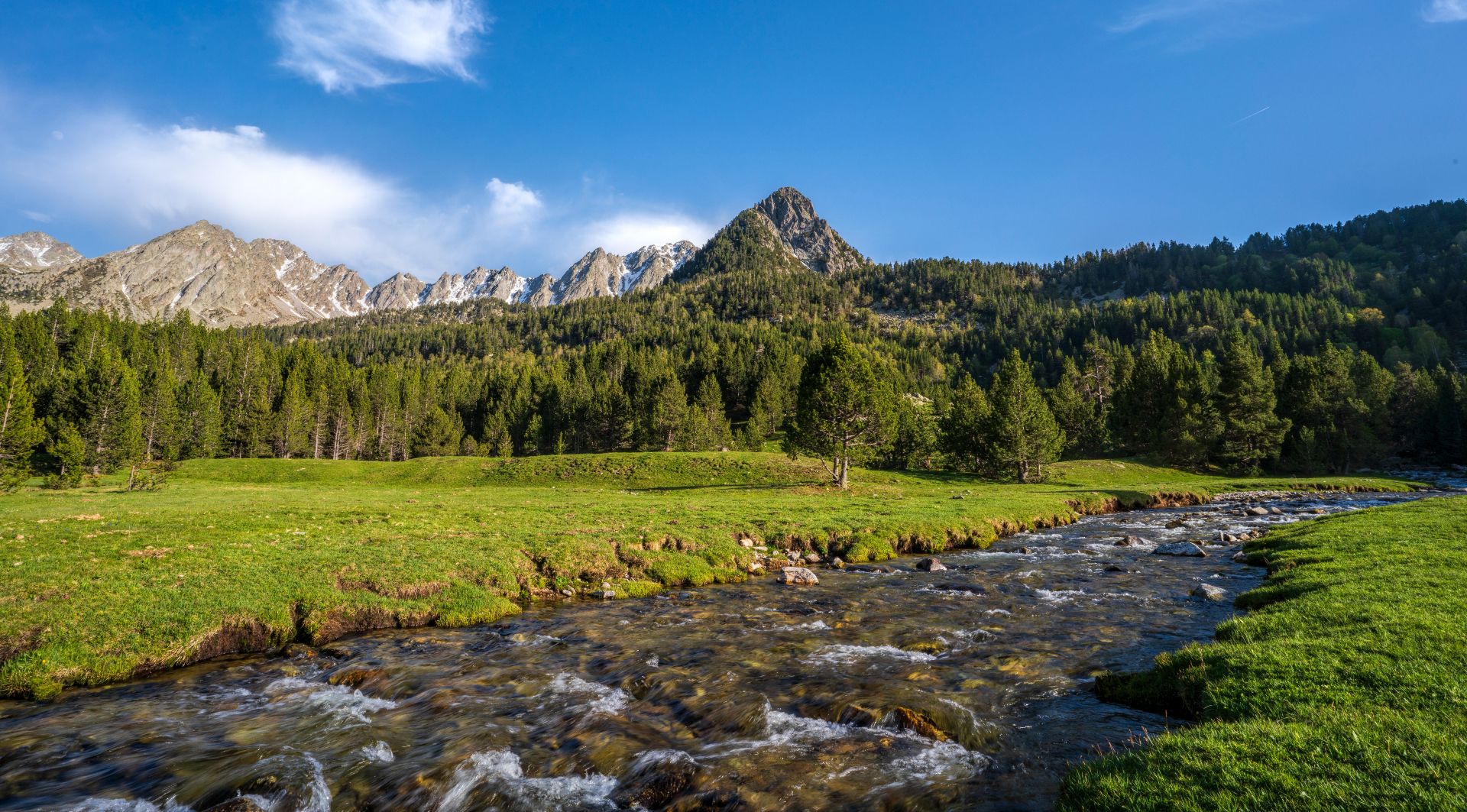
Catalonia and Andorra on the Pyrenean Trail – GR 11
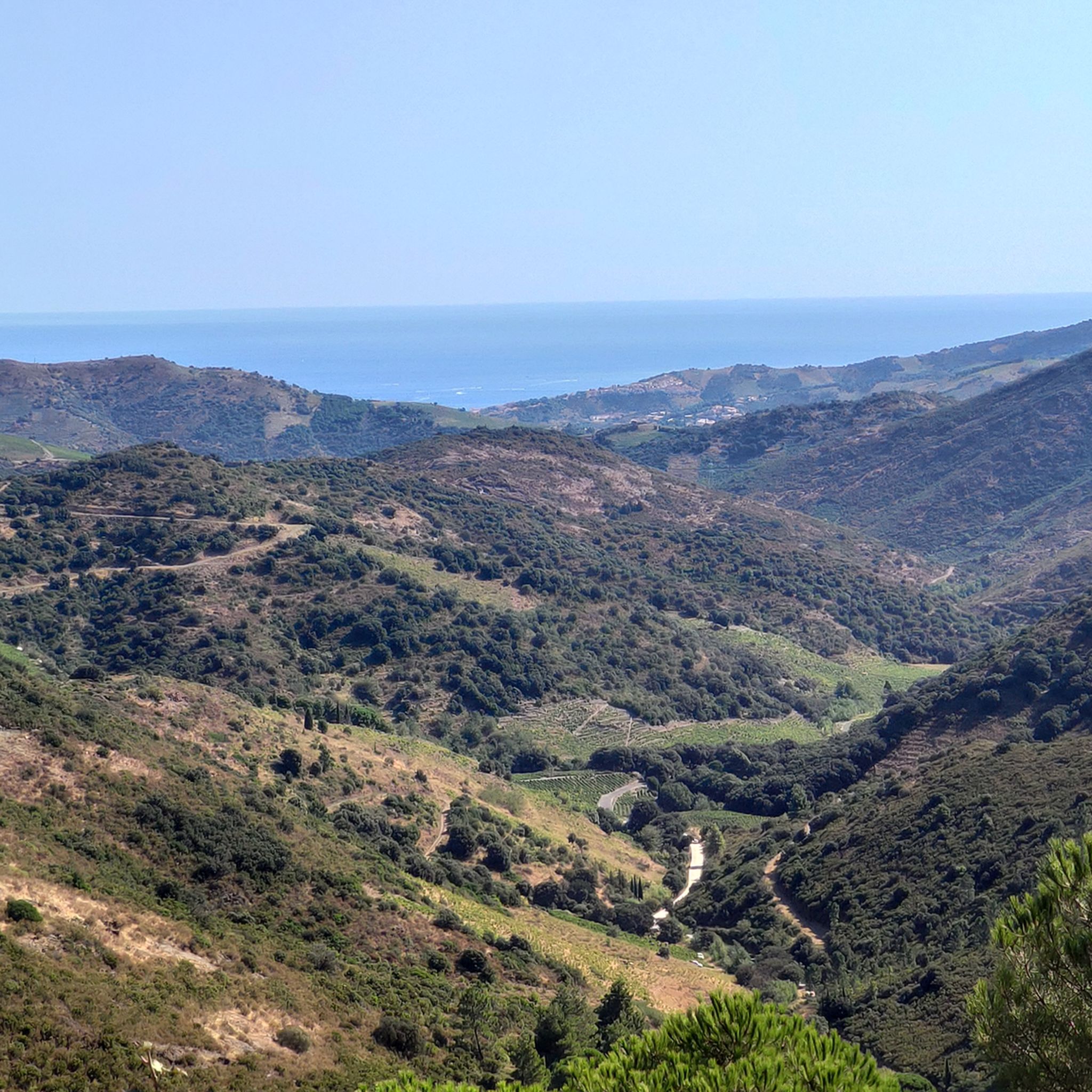
Road Cycling Routes around Paratge Natural d'Interès Nacional de l'Albera
Cycling around Paratge Natural d'Interès Nacional de l'Albera
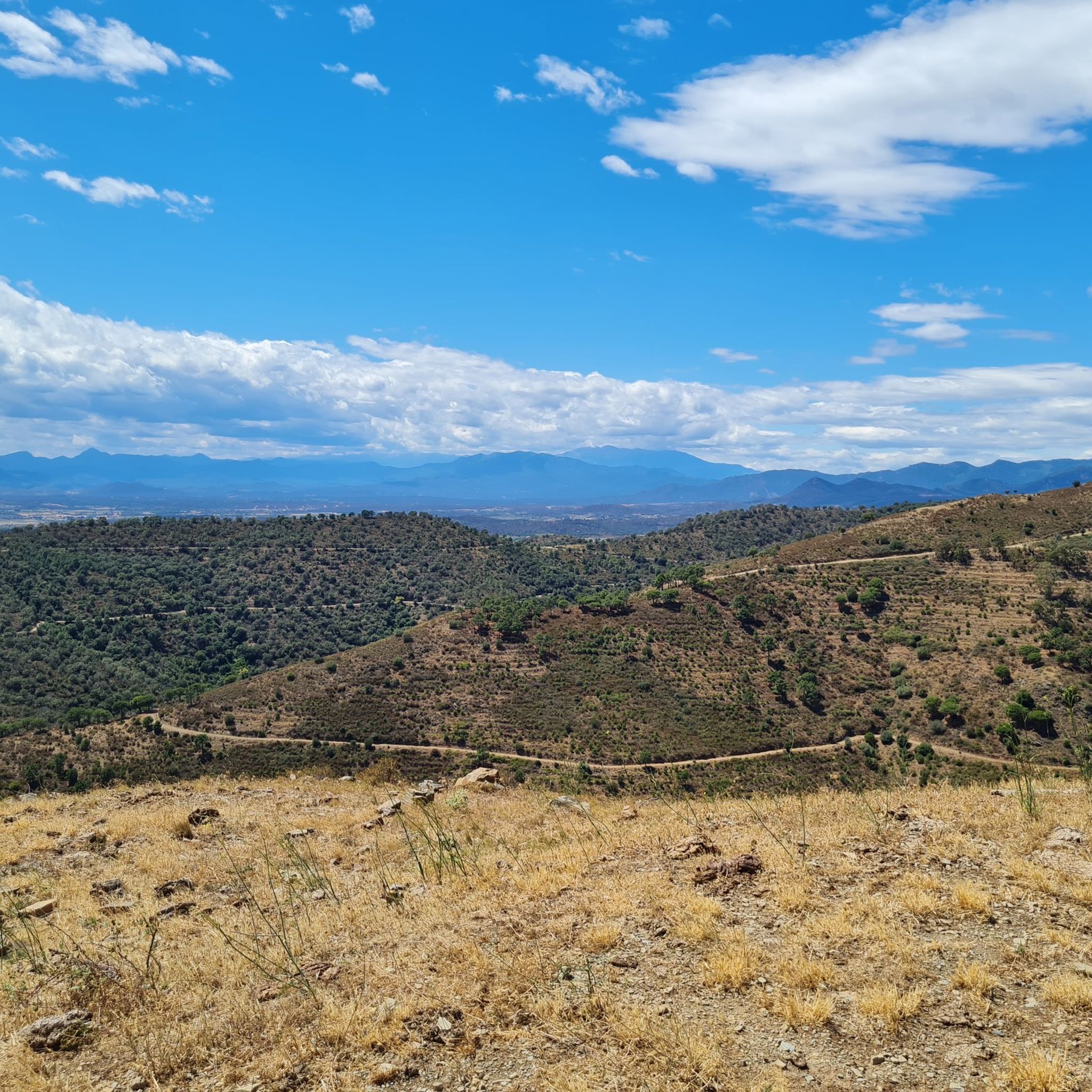
MTB Trails around Paratge Natural d'Interès Nacional de l'Albera
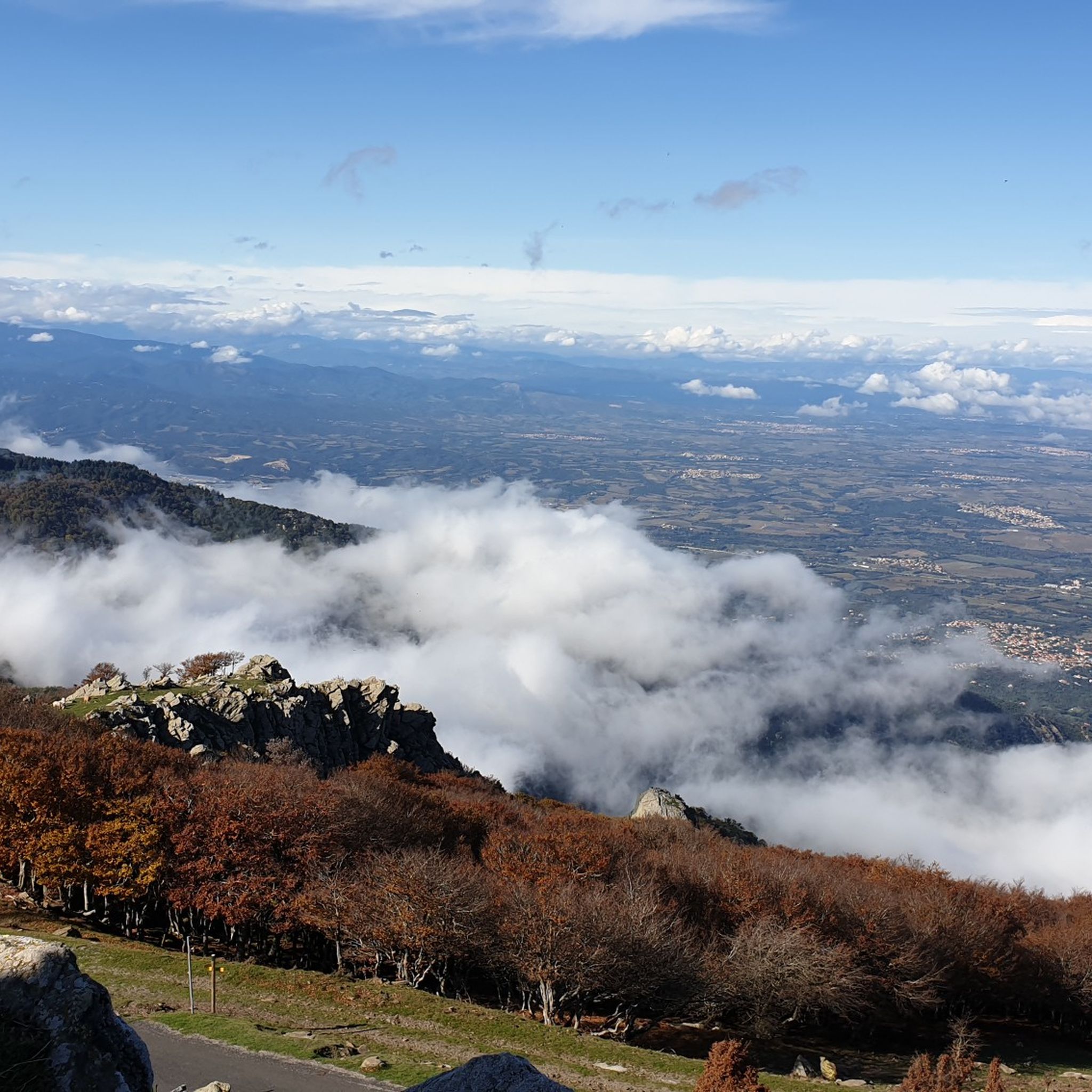
Hiking around Paratge Natural d'Interès Nacional de l'Albera
Running Trails around Paratge Natural d'Interès Nacional de l'Albera
Gravel biking around Paratge Natural d'Interès Nacional de l'Albera
Mountain Hikes around Paratge Natural d'Interès Nacional de l'Albera
Other adventures around Paratge Natural d'Interès Nacional de l'Albera


Tips from the Community

The Green MEPs Jordi Solé and François Alfonsi, and the Social Democrat Éric Andrieu, launched a letter to Pedro Sánchez and Emmanuel Macron, presidents of Spain and France respectively, calling for the reopening of the crossings to be discussed at the 27th Franco-Spanish summit on 19 January in Barcelona. The letter, signed by 31 MEPs, was presented at a press conference at the European Parliament in Strasbourg. Two days later, on 20 January, residents of Espolla reopened the coll for the annual Feria de l'Oli y de l'Olivera in the village. However, on 23 January the French authorities closed the crossing again.
3
0

Magnificent view ! It’s worth going up there 🤩🤩
6
0

Infernal ascent, when the trees disappear and you seem to be at the top, the pit is waiting for you. Reserve your strength because the last kilometer, despite being on asphalt, is HELL!
6
0

Cross-border crossing between the two states that divided Catalonia after signing the Treaty of the Pyrenees on November 7, 1659. It is part of the Walter Benjamin Route, in total it is approximately 15 km (we know that Benjamin spent a night in the middle of the road) that can be done in one direction for about 5 or 6 hours to return by train from Banyuls to in Portbou. The route, which is signposted, is relatively easy and also coincides with an old smugglers' trail and with the so-called Lister Route, since it was here where the Republican general retreated with his troops in 1939, after of the defeat against the Francoist side.
0
1
Peak that is part of the FEEC list of 100 peaks where two states and three municipalities meet, Portbou, Cervera de la Marenda and Banyuls de la Marenda. From this point you get wonderful views of the Mediterranean to the east and the Albera mountains to the west, in a magnificent 360º panorama that includes Puig de Sallafort, Puig Neulós and Cap de Creus. At the top we find the ruins of an old medieval castle from the s. X-XI. The round tower is a later construction of the s. XIV or s. XV Until the Treaty of the Pyrenees (1659) when the current northern Catalan counties came under French jurisdiction, the castle depended ecclesiastically on the Count of Empúries and the Bishopric of Girona. The construction technique, like the material, is reminiscent of the castle of Sant Salvador Saverdera, near Sant Pere de Rodes, a peak also included in the list of the 100 Peaks. Salvem Querroig is a northern Catalan association that aims to restore the remains of the castle. For this reason, he had to contact the heir of the last known owner, Ponç Hug, Count of Empúries (1309). The current owner turned out to be Sol María de la Blanca de Medina i Orléans-Braganza, countess of Empúries, of the Ducal House of Medinaceli, based in Seville, and who has granted her permission for the works.
1
0
Fantastic day, almost spring. But it's always cold here. if you want to go there you must bring warm clothes!
5
0
The Coll de Banyuls is a mountain pass and border crossing between France and Spain, located in the Albera Massif, the easternmost extension of the Pyrenees. This pass connects the Spanish municipality of Rabós (Alt Empordà, Catalonia) with the French commune of Banyuls-sur-Mer (Pyrénées-Orientales, Occitania). The saddle point of the Coll de Banyuls is located at about 357 meters above sea level. This pass was blocked with large rocks by the French government on January 11, 2021, under the pretext of curbing irregular immigration and the terrorist threat. However, a grassroots organization that was committed to opening the closed border crossings (Esborrem Fronteres) reopened it on January 20, 2023 using an excavator.
5
0
Garbet beach is located right next to the N-260 road, going from Llançà in the direction of Colera, and offers the possibility of parking right on the beach. Even so, in summer it is more complicated and, depending on the time you visit the beach, you may even have to leave the car near the road. Composed of large and small riverside stones, it is a beach with a very familiar atmosphere, where until recently it could be easily reached by train, as it had a railway stop right next door. The beach has a length of more than six hundred meters and a width of about 30.
3
0
Frequently Asked Questions
What kind of natural landscapes can I expect to see in Paratge Natural d'Interès Nacional de l'Albera?
The region is a transition zone between Pyrenean and Mediterranean ecosystems, offering diverse landscapes. You'll find significant mountain peaks like Puig Neulós, which provides impressive panoramic views. The area also features a beautiful coastal stretch, including Garbet Beach, a natural beach with dark pebbles. The vegetation varies from damp, higher-elevation forests of oak, cork oak, holm oak, chestnut, and beech in the western parts, to more Mediterranean cork oak and scrubland in the east.
Are there any historical sites or ancient ruins to visit in the area?
Yes, the region is rich in history. You can explore the ruins of Querroig Castle, which offers great views of the border towns of Cerbère and Portbou. The southern slopes of the Albera massif are also home to one of Catalonia's largest concentrations of megalithic monuments, including numerous dolmens and menhirs. Additionally, the Sant Quirze de Colera Benedictine Monastery is a notable Catalan Romanesque heritage site.
What outdoor activities are available around Paratge Natural d'Interès Nacional de l'Albera?
The area is ideal for outdoor enthusiasts. You can enjoy various hiking and cycling routes, including sections of the long-distance GR 11 trail and the Mediterranean Path (GR 92). For specific hiking options, consider exploring the easy hikes or mountain hikes available. Mountain biking is also popular, with numerous MTB trails to discover.
Are there any family-friendly attractions or activities?
Yes, Garbet Beach is known for its family atmosphere and calm waters, making it ideal for swimming. The Albera Tortoise Reproduction Centre offers an educational experience focused on protecting the endangered Mediterranean tortoise, which can be interesting for families. Many of the easier hiking trails are also suitable for families.
What unique wildlife can I spot in this natural park?
Paratge Natural d'Interès Nacional de l'Albera is a sanctuary for several interesting animal species. It is particularly known for being home to the endangered Mediterranean tortoise and the rare Albera cow. Other species include various bats, birds of prey like the golden eagle and Bonelli's eagle, and the Spanish pond turtle.
Can I find viewpoints with impressive vistas?
Absolutely. Puig Neulós, the highest point of the Albères massif, offers impressive panoramic views over Roselló and Alt Empordà. Banyuls Pass also provides panoramic views and marks the border between Spain and France. From Querroig Castle, you can enjoy great views of the border towns of Cerbère and Portbou.
What is the significance of the Banyuls Pass?
Banyuls Pass is a mountain pass marking the border between Spain and France. It holds historical significance as a route for refugees and offers panoramic views. There's also a publicly accessible refuge at the pass, and information plaques commemorate its role in history.
Are there any specific routes related to historical events?
Yes, the Rumpissa Pass is part of the Walter Benjamin Route, commemorating the German philosopher Walter Benjamin's flight from Nazi persecution in 1940. This route, which can be done in about 5-6 hours, also coincides with an old smugglers' trail and the Lister Route, used by Republican forces during the Spanish Civil War.
Where can I find ancient Romanesque architecture?
The Sant Quirze de Colera Benedictine Monastery is a significant example of Catalan Romanesque heritage and is currently undergoing restoration. Nearby, the ancient church of Santa Maria of Cholera also showcases Romanesque architecture.
What is the highest point in the Albera massif?
The highest point in the Albera massif is Puig Neulós, standing at 1,256 meters. It marks the Franco-Spanish border and offers extensive views over the surrounding regions.
Are there any castles to explore in the region?
Beyond Querroig Castle, which retains the base of a tower, you can also visit Requesens Castle. Located in La Jonquera, this castle was restored in the late 19th century in a romantic architectural style and offers guided tours.
What is special about the beaches in this area?
Garbet Beach is a notable natural beach characterized by its dark pebbles, approximately 400 meters long. It's situated in a natural, mountainous environment, protected from north winds, and known for its calm waters and family-friendly atmosphere. The bay is also popular for pleasure boats in summer.
Most popular routes around Paratge Natural d'Interès Nacional de l'Albera
Most popular attractions around Paratge Natural d'Interès Nacional de l'Albera

Get inspired with the komoot mobile app


Explore more
Still not found the Highlight you’re looking for? See guides of the top attractions in other regions:
