Attractions and Places To See around National Park Hoces del Cabriel - Top 20
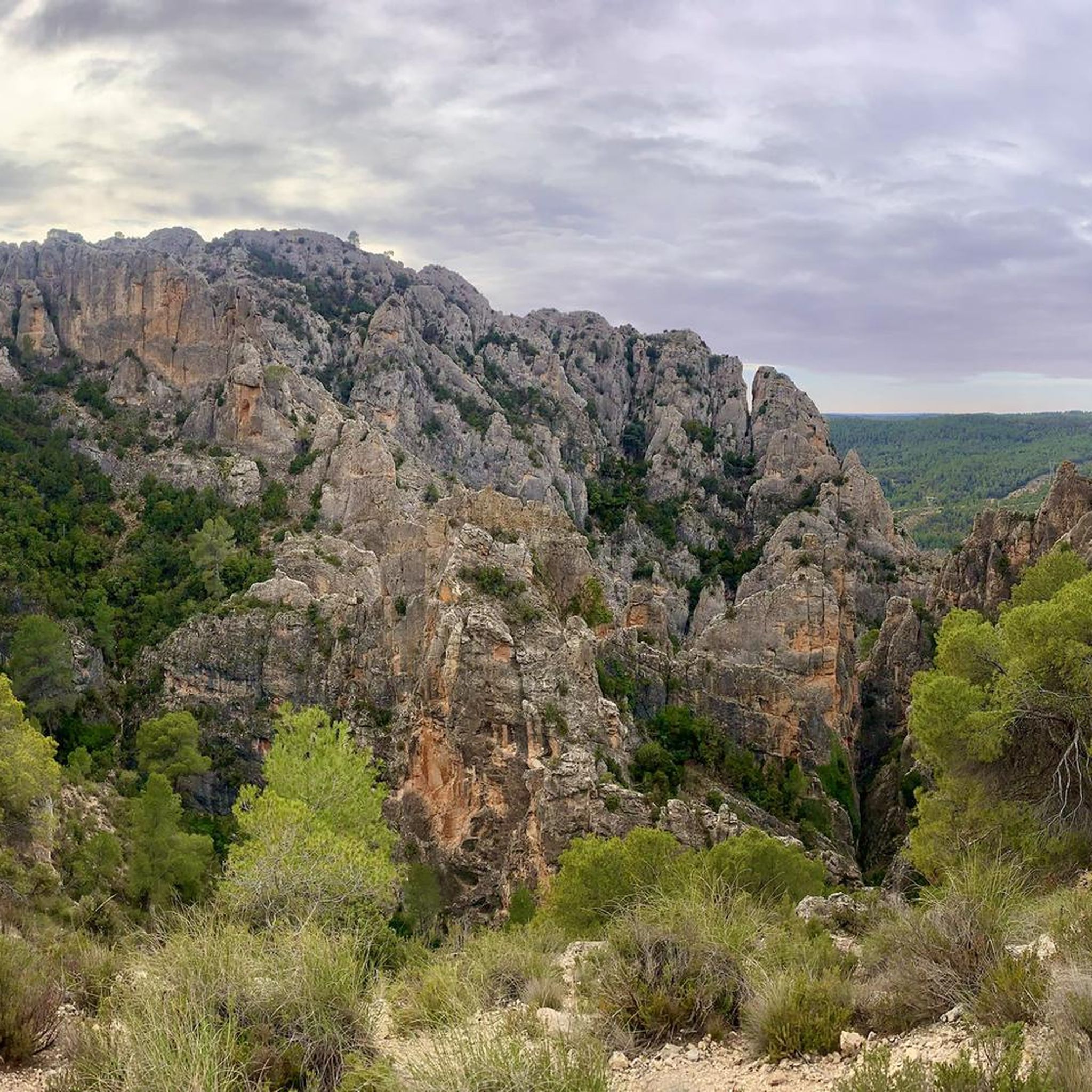
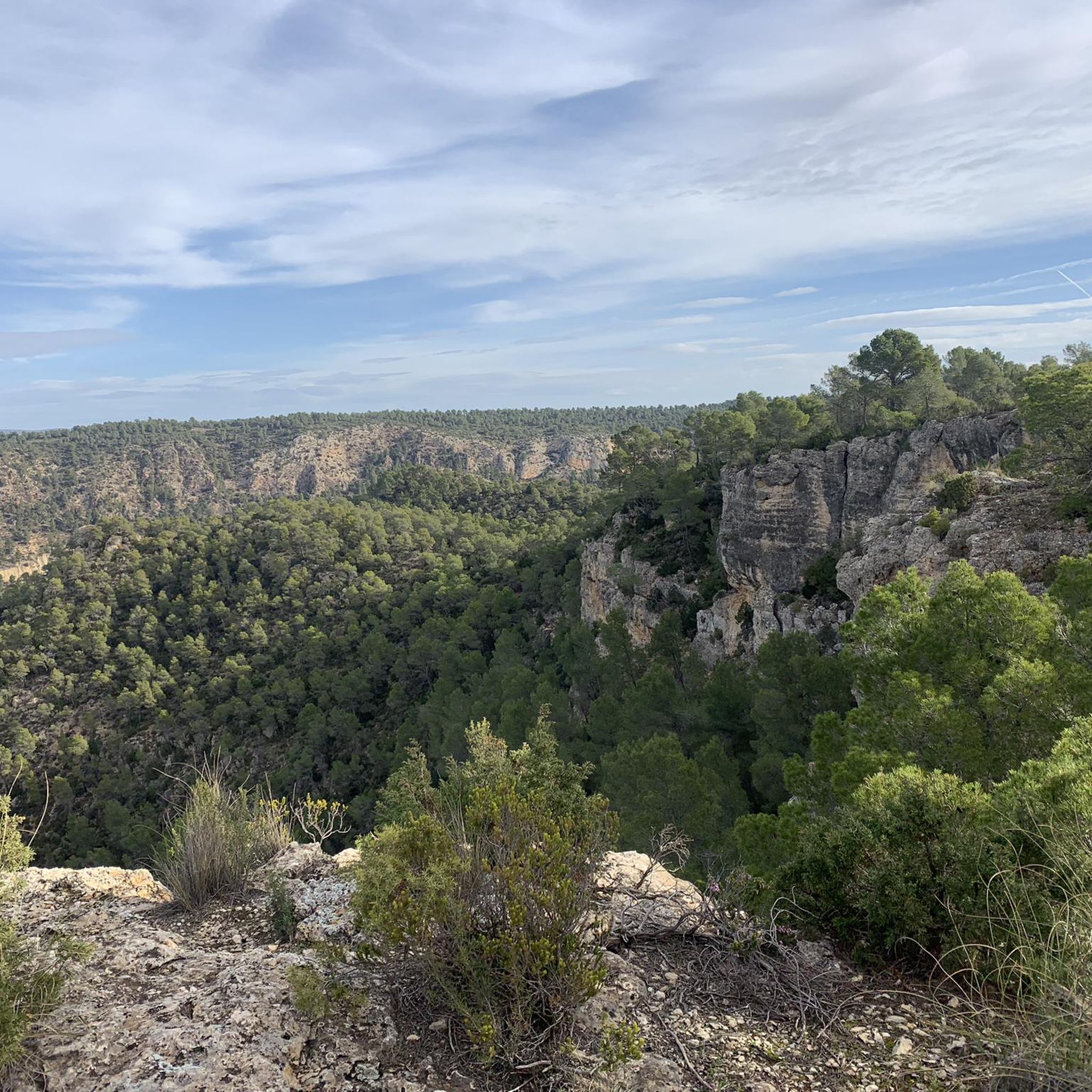
Attractions and places to see around National Park Hoces del Cabriel are defined by the dramatic landscapes carved by the Cabriel River, featuring deep gorges and steep cliff faces. This protected natural area, located between Castile-La Mancha and Valencia, is home to significant natural formations such as the Cuchillos de Contreras and well-preserved riverine forests. The region also encompasses historical sites, including ancient bridges and War of Independence trenches, alongside archaeological discoveries. It offers a diverse environment for both natural exploration and cultural understanding.
Best attractions and places to see around National Park Hoces del Cabriel
- The most popular attractions is Turia-Cabriel Nature Trail (section), a trail that unites two significant rivers, the Turia and the Cabriel, and is protected by two natural parks. This section is a gravel road suitable for cycling or mountain biking, offering gentle slopes and abundant vegetation.
- Another must-see spot is Peñas Blancas Path Trench, a historical site. These trenches date from the early 19th century (1808-1814) and were used by Spanish troops for defense during the War of Independence.
- Visitors also love Hydraulic Waterwheel and Riverside Park, a man-made monument. This site features a hydraulic waterwheel over 300 years old, located by the Cabriel River. It also serves as a rest area with shade and tables.
- National Park Hoces del Cabriel is known for its natural features like gorges and riverine forests, as well as historical sites such as ancient bridges and trenches. The region offers a variety of attractions to see and explore, from geological formations to cultural heritage.
- The attractions around National Park Hoces del Cabriel are appreciated by the komoot community, with 16 upvotes and 16 photos shared by visitors.
Last updated: May 10, 2026
Vadocañas Bridge
Highlight • Bridge
Translated by Google •
Tip by

Turia-Cabriel Nature Trail (section)
Highlight (Segment) • Trail
This particular section begins (or ends) at the Vadocañas bridge over the Cabriel River. It is a gravel road in excellent condition with gentle slopes and surrounded by vegetation. Ideal for cycling or touring it by mtb or gravel bike.
Translated by Google •
Tip by
Sign up now to discover places like this
Get recommendations on the best single tracks, peaks, & plenty of other exciting outdoor places.
Sign up for free
Peñas Blancas Path Trench
Highlight • Historical Site
Translated by Google •
Tip by
Contreras Trench
Highlight (Segment) • Historical Site
Translated by Google •
Tip by

El Moluengo
Highlight • Summit
Translated by Google •
Tip by
Sign up for free to discover even more attractions around National Park Hoces del Cabriel.
Sign up for free
Already have an account?
Start today with a free account
Your next adventure awaits.
Login or Signup
Popular around National Park Hoces del Cabriel
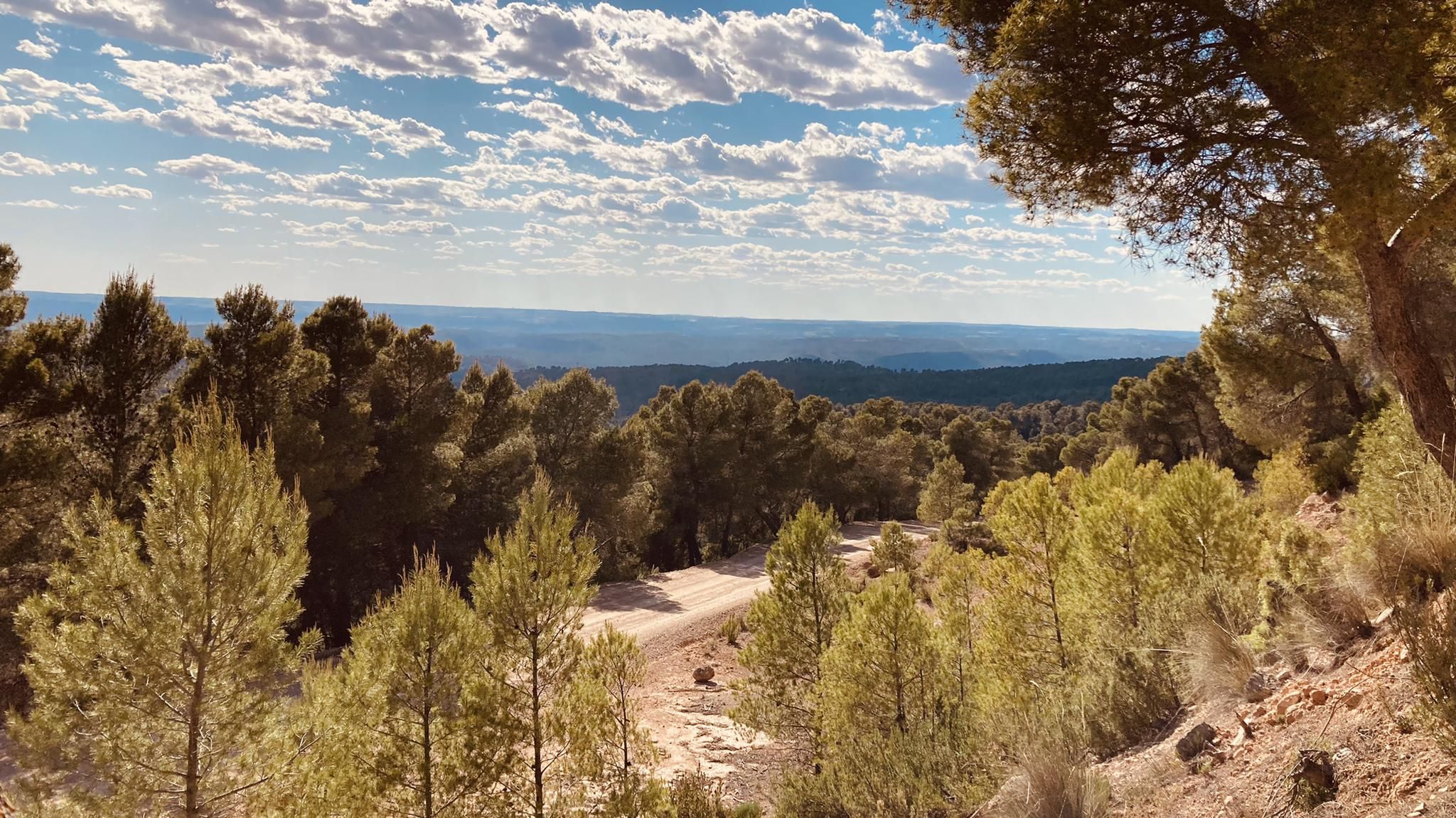
GR 238 Tierra del Vino - A journey on foot through lands of silence
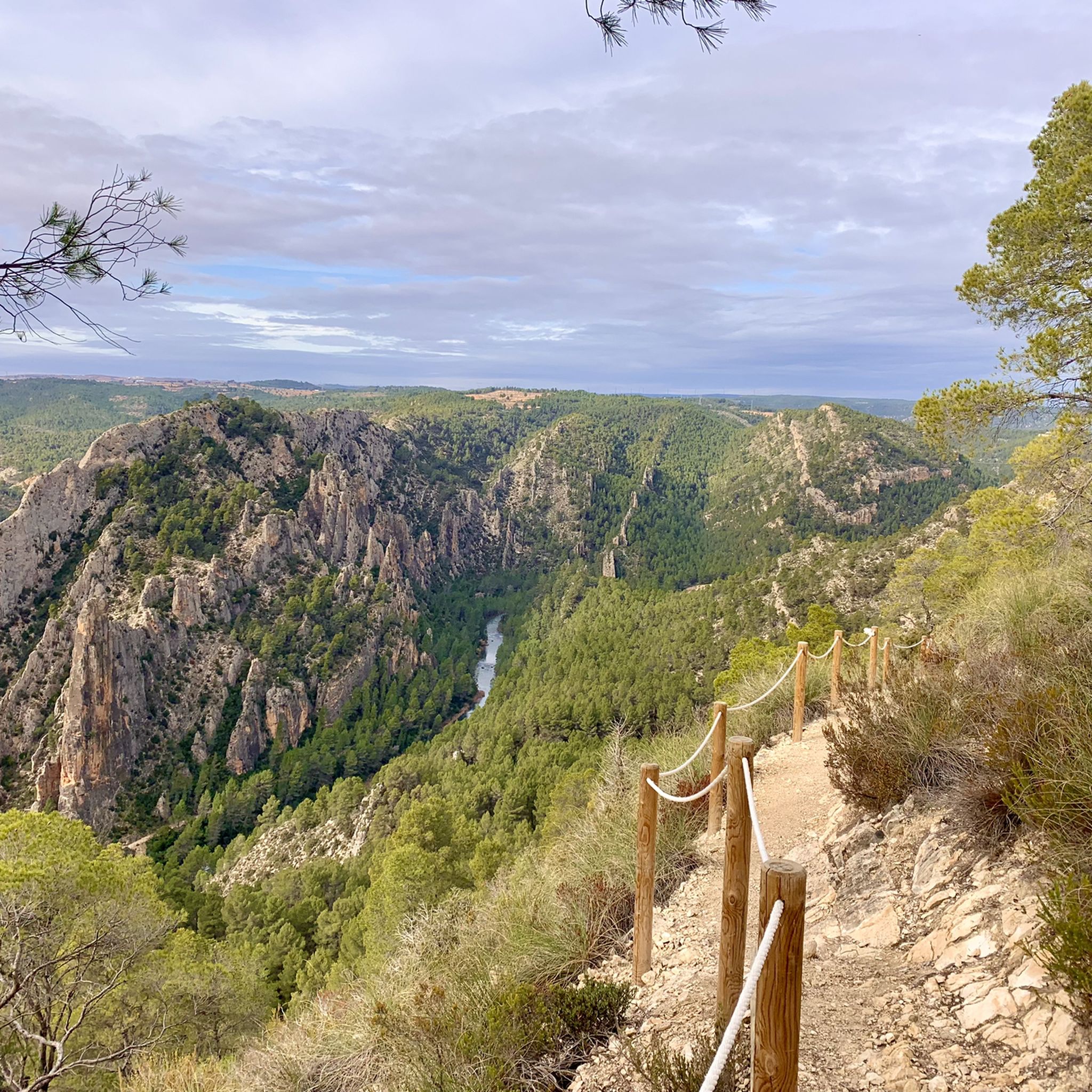
Hiking around National Park Hoces del Cabriel
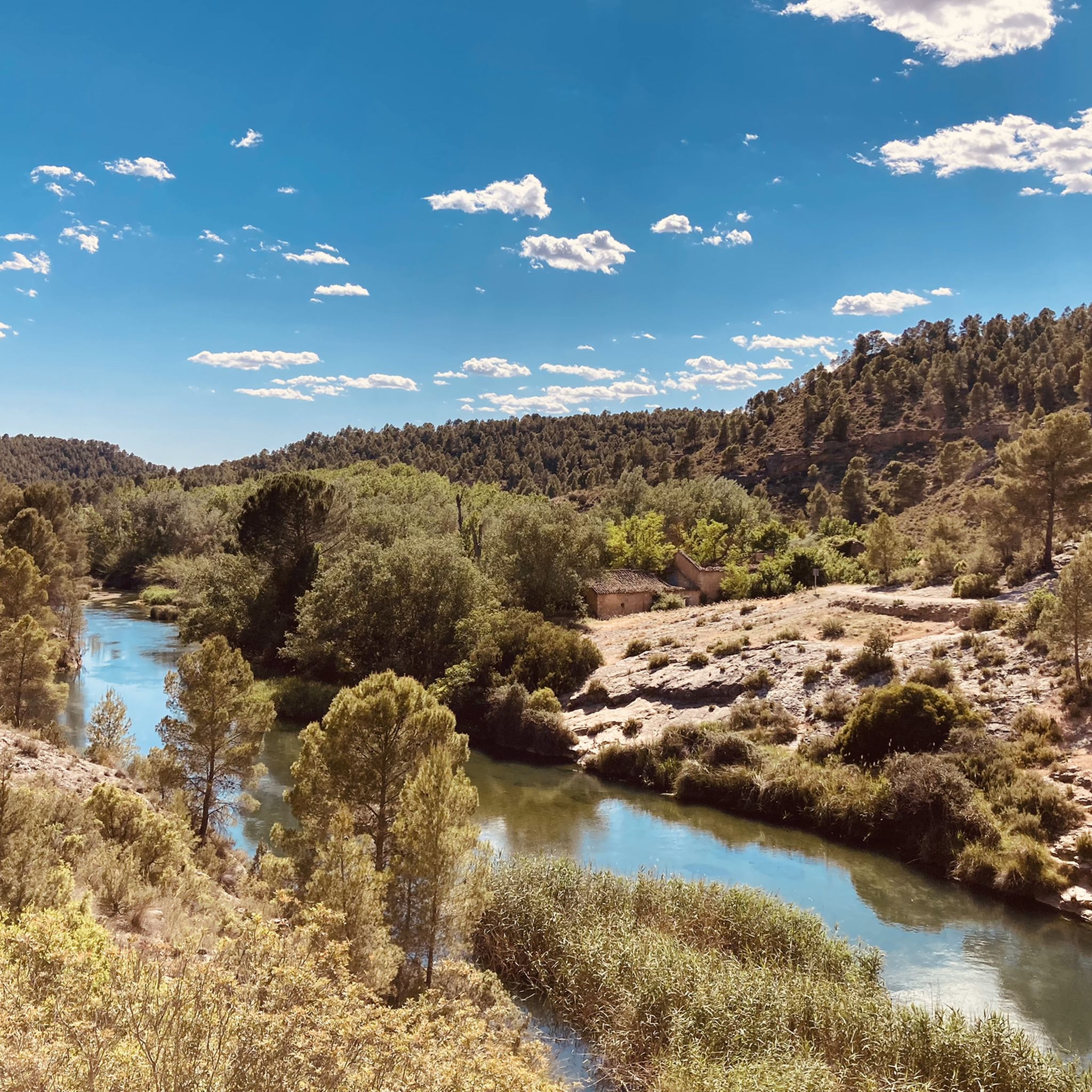
MTB Trails around National Park Hoces del Cabriel
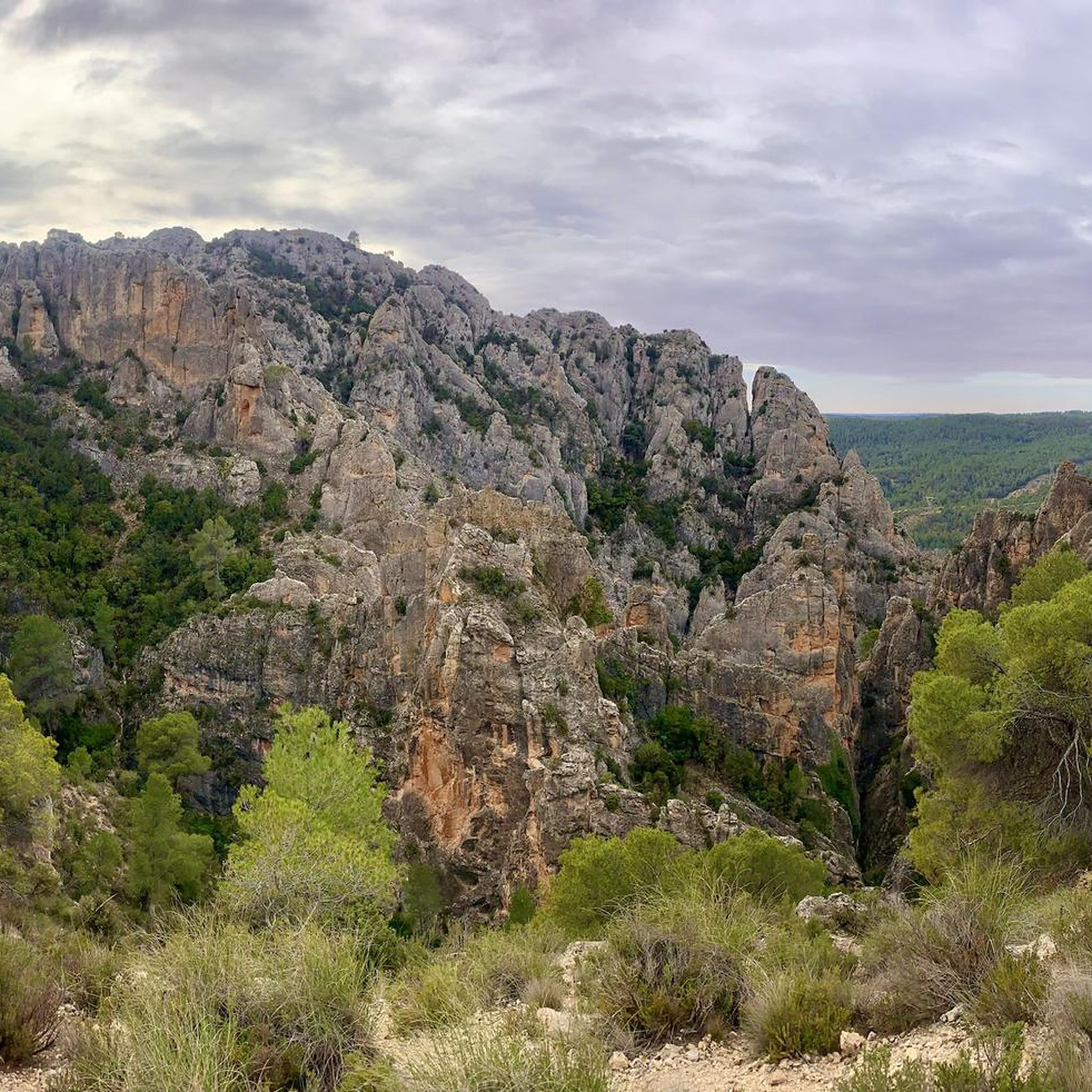
Road Cycling Routes around National Park Hoces del Cabriel
Cycling around National Park Hoces del Cabriel

Gravel biking around National Park Hoces del Cabriel
Running Trails around National Park Hoces del Cabriel
Other adventures around National Park Hoces del Cabriel

Tips from the Community

The bridge is built of carved stone and is founded with the same rocks that can be found on the banks of the river. Its single eye has about 33 m of span, making it one of the largest bridges of its kind not only in Spain, but also on the European continent.
0
0
Vadocañas Bridge It is a viaduct of Roman origin that connects the regions of Cuenca and Valencia passing over the waters of the Cabriel in a protected space known as the Hoces del Cabriel Natural Park – cataloged as a Natural Reserve on its La Mancha slope.
0
0
It is a mountain peak located in the vicinity of the Valencian municipality of Villargordo del Cabriel, in the enclave of the Hoces del Cabriel Natural Park, a privileged natural environment that serves as a border with the neighboring region of Castilla – La Mancha. This peak has an altitude of around 1040 m and from its summit it is possible to obtain privileged views of the Sierra del Rubial to which this rocky promontory belongs. The panoramic view offered from this point allows you to see all the towns in the Requena-Utiel region in which this Natural Park is included. Likewise, from the Moluengo peak it is possible to see the depression of the Cabriel River and the neighboring plains of Cuenca. It is possible to go up to the Moluengo peak and cross the privileged natural environment that surrounds it thanks to one of the routes that cross the Hoces del Cabriel Natural Park, known as the yellow route, which starts from the town of Villargordo del Cabriel and leads the traveler to the top of Moluengo. Along this itinerary, which has an extension of 16 km, it is possible to visit places such as the town of Moluengo, the Fonseca viewpoint, the Oliva fountain or the Vadocañas bridge, over the waters of the Cabriel river and which constitutes the point at which the route ends.
0
0

The cycling adventure leaves Los Cárceles along the river plain, passes the Barranco de la Vida and goes up a forest track for a few kilometers to avoid the narrowest meanders of the canyon. In this section there are paths near the shore of the Cabriel, marked with the GR-66 signs, but some are not cyclable for gravel bicycles and it is more convenient to go around the mountain. The climb is about four kilometers, to the agricultural fields of Los Armalletes, then the route takes a forest track to the right and goes down to Venta de Vadocañas, one of the historic passes between La Mancha and Valencia. The other was the Pajazo bridge, which is now submerged in the waters of the Contreras reservoir. The Vadocañas bridge is monumental, it has an eye of 33 light meters and shows an extraordinary work of ashlar masonry, the origin is Roman, although the current construction is from the 16th century. “Cars and people pass by. The eye has one hundred and twenty feet in a very long hole. They claim to be the largest and best and with the largest and largest stones in the kingdom, and they pass beasts, and everything else, from Toledo and other parts to Valencia and Requena where the customs is. On the Valencian shore there are signs for the Turia-Cabriel Nature Trail towards Villargordo del Cabriel. The climb is long, you have to climb again to the agricultural fields of La Plana along the rugged slopes of the Sierra del Rubial, it is a good time to see mountain goats, deer and wild boar. On Mount Moluengo there is a non-cyclable section, known as Senda de la Cueva de los Ladrones, and before arriving there is a detour on the left that crosses the mountain range along a forest track with good cyclability and connects with the Nature Trail in the ravine. from Los Pocicos, following the red milestones until the end of the stage between the vineyards of Villargordo del Cabriel.
0
0

Top of the peak "El Moluengo" at 1023 m above sea level, highest point of the Natural Park of Las Hoces del Cabriel. It allows to appreciate beautiful views to all the valley of the Cabriel, the province of Valencia and the one of Cuenca.
4
0
Trenches that date back to the beginning of the 19th century (1808-1814) and that were used by the Spanish troops for defense during the War of Independence.
1
1
Top of the mountain "El Moluengo" at 1023 meters above sea level with beautiful views of the entire Cabriel valley, the provinces of Valencia and Cuenca.
3
0
With its more than 121 km of route, the Turia – Cabriel Nature Trail manages to unite two of the most important rivers in the province of Valencia: the Turia and the Cabriel. This itinerary is protected by two natural parks: the Turia Natural Park and the Hoces del Cabriel Natural Park. This particular section begins (or ends) at the Vadocañas bridge over the Cabriel River. It is a gravel road in excellent condition with gentle slopes and surrounded by vegetation. Ideal for cycling or touring it by mtb or gravel bike.
3
0
Frequently Asked Questions
What natural features define the landscape around National Park Hoces del Cabriel?
The area is renowned for the dramatic Hoces and Gorges of the Cabriel River, with steep cliff faces and crystal-clear, turquoise waters. You can also see the distinctive geological formations known as the Cuchillos de Contreras, which resemble sharp knives rising from the earth. The Contreras Reservoir offers splendid views, and the valley boasts well-preserved riverine forests.
Are there any historical sites or cultural points of interest to explore?
Yes, the region is rich in history. You can visit the 16th-century Vadocañas Bridge, which connects the provinces of Cuenca and Valencia. There are also remains of old constructions like waterwheels, such as the Hydraulic Waterwheel and Riverside Park, and historical military sites like the Peñas Blancas Path Trench and Contreras Trench, dating from the War of Independence.
What kind of outdoor activities can I do in the National Park Hoces del Cabriel area?
The park is excellent for active tourism. You can enjoy hiking on various signposted trails, water sports like rafting, kayaking, and canyoning in the Cabriel River, and cycling or mountain biking. The area is also part of the UNESCO Cabriel Valley Biosphere Reserve, making it a great spot for stargazing.
Where can I find good spots for swimming or water sports?
The clean, cool waters of the Cabriel River offer several beautiful spots for swimming, including Las Chorreras, Los Ojos, and the Cascada del Molino de San Pedro. The river is also ideal for water sports like rafting, kayaking, and canyoning.
Are there family-friendly attractions or activities available?
Yes, the area offers options for families. The Turia-Cabriel Nature Trail (section) is a gravel road with gentle slopes, suitable for cycling or walking with children. The Hydraulic Waterwheel and Riverside Park provides a rest area with shade and tables by the river, which can be a pleasant stop for families.
What are some popular hiking trails in the area?
There are various hiking trails for different difficulty levels. Popular routes include Cuchillares de Contreras, Trinchera de Contreras – Peñas Blancas viewpoint, La Noria, and the Contreras Reservoir circular route. You can find more details and routes on the Hiking around National Park Hoces del Cabriel guide page.
Can I go cycling or mountain biking near the attractions?
Absolutely. The Turia-Cabriel Nature Trail (section) is ideal for cycling or mountain biking, offering a gravel road in excellent condition. For more routes, explore the MTB Trails around National Park Hoces del Cabriel and Gravel biking around National Park Hoces del Cabriel guide pages.
Where can I find the best panoramic views?
The Peñas Blancas Viewpoint offers breathtaking panoramic vistas of the Cabriel Valley, the impressive Los Cuchillos, the Fonseca Valley, and the meandering river through the gorges. Hiking routes like Trinchera de Contreras – Peñas Blancas viewpoint lead to these scenic spots.
What wildlife can I expect to see in National Park Hoces del Cabriel?
The park is a Special Protection Area for Birds (SPA), providing a crucial habitat for raptors such as Bonelli's eagle, golden eagle, and long-eared owl. The Cabriel River also supports a healthy population of European otters, along with various fish, amphibian, and reptile species. You might also spot mountain goats, deer, and wild boar in the rocky areas.
Is there a specific time of year that is best to visit?
The park can be enjoyed year-round, but spring and autumn offer pleasant temperatures for hiking and outdoor activities, with lush vegetation in spring and vibrant colors in autumn. Summer is ideal for water sports and swimming in the river's cool waters, though it can be hot. Winter provides a quieter experience, but some activities might be limited by weather.
Are there any unique geological formations worth seeing?
Yes, the most prominent geological feature is the Cuchillos de Contreras, which are distinctive, knife-like rock formations carved by erosion. The deep gorges and 'hoces' (sickle-shaped bends) of the Cabriel River itself are also remarkable examples of natural geological processes.
Can I learn about the local wine culture?
The region is known for its wine production, particularly the Bobal variety. While specific wineries are not detailed here, some can be visited in the surrounding area. The Wine Museum of the Region of Valencia, located in Utiel, is also within reach for those interested in local viticulture.
Are there any archaeological or paleontological sites?
The area surrounding the park is rich in archaeological sites from the Iberian and Roman periods. Additionally, the Paleontological Site of Puente de la Vía is notable for the discovery of giant camel fossils, offering a glimpse into the region's ancient past.
Most popular routes around National Park Hoces del Cabriel
Most popular attractions around National Park Hoces del Cabriel

Get inspired with the komoot mobile app


Explore more
Still not found the Highlight you’re looking for? See guides of the top attractions in other regions:
