The best traffic-free bike rides around Parco Fluviale Regionale del Taro
4.2
(81)
816
riders
70
rides
Gravel biking around Parco Fluviale Regionale del Taro offers routes through a dynamic riverine environment along the Taro River. The terrain features expansive gravel banks, sand islets, humid zones, wooded areas, and cultivated fields. This landscape provides a mix of surfaces suitable for gravel bikes, from natural trails to dirt roads. The park's elevation changes are generally gentle, with some routes incorporating hills.
Best no traffic gravel bike trails around Parco Fluviale Regionale del Taro
- The most popular no traffic…
Last updated: November 12, 2026
12
riders
82.3km
05:56
1,400m
1,400m
Hard gravel ride. Very good fitness required. You may need to push your bike for some segments of this route.
4.5
(2)
6
riders
29.9km
01:59
270m
270m
Moderate gravel ride. Good fitness required. Mostly paved surfaces.

2
riders
57.3km
04:43
1,280m
1,280m
Hard gravel ride. Very good fitness required. Mostly paved surfaces.
4.4
(5)
61
riders
67.9km
04:54
1,200m
1,200m
Hard gravel ride. Very good fitness required. Mostly paved surfaces.
4.6
(5)
40
riders
43.2km
02:42
510m
510m
Hard gravel ride. Very good fitness required. Mostly paved surfaces.
Get access to more routes and recommendations from other explorers.
Already have an account?
Our route recommendations are based on thousands of hikes, rides, and runs completed by other people on komoot.
Start today with a free account
Your next adventure awaits.
Popular around Parco Fluviale Regionale del Taro


Other adventures around Parco Fluviale Regionale del Taro

Tips from the Community

In the ancient Benedictine "grancia" (farmstead), the centuries-old agricultural vocation lives on with two exhibition paths dedicated to food. The Pasta Museum tells the story of wheat, its cultivation and processing, with an entire 19th-century pasta factory. The main dish of Italian cuisine can be enjoyed at the Corte restaurant. Coordinates: https://maps.app.goo.gl/GduPNYW222scYydg8 Link: https://pasta.museidelcibo.it Stop on the Pasta, Tomato and Fragno Truffle Route - 𝘊𝘰𝘭𝘭𝘦𝘻𝘪𝘰𝘯𝘦 𝘌𝘮𝘪𝘭𝘪𝘢 𝘉𝘪𝘬𝘦 𝘌𝘹𝘱𝘦𝘳𝘪𝘦𝘯𝘤𝘦 - see the complete collection
0
0
The agricultural courtyard of medieval origin hosts two exhibition routes dedicated to food. The Tomato Museum tells the story of this fruit from the Americas and its extraordinary spread in the Parma area, which is still a leader in its processing today. Ancient machinery and unexpected curiosities. All about the tomato. Coordinates: https://maps.app.goo.gl/GduPNYW222scYydg8 Link: https://pomodoro.museidelcibo.it Stop on the Pasta, Tomato and Fragno Truffle Route - 𝘊𝘰𝘭𝘭𝘦𝘻𝘪𝘰𝘯𝘦 𝘌𝘮𝘪𝘭𝘪𝘢 𝘉𝘪𝘬𝘦 𝘌𝘹𝘱𝘦𝘳𝘪𝘦𝘯𝘤𝘦 - view the complete collection
0
0
In the ancient Benedictine "grancia", the centuries-old agricultural vocation lives on with two exhibition paths dedicated to food. The Pasta Museum tells the story of wheat, its cultivation and processing, with an entire 19th-century pasta factory. The main dish of Italian cuisine can be enjoyed at the Corte restaurant. Coordinates: https://maps.app.goo.gl/GduPNYW222scYydg8 Link: https://pasta.museidelcibo.it
0
0

The Carrega Woods Park is the first protected area established in Emilia-Romagna (in 1982) and extends for about 2,600 hectares on the gentle hills between Collecchio and Sala Baganza, about 15 km from Parma. Characteristics and Nature Landscape: It combines centuries-old woods of oaks, chestnuts, and conifers with green meadows, streams, and small historic artificial lakes. Places of interest: It houses architectural jewels such as the famous Casino de' Boschi and the evocative Beech Forest of Maria Amalia
0
0

Tabiano Castle is a millennial medieval fortress located on the hills of Salsomaggiore Terme, in the province of Parma, and is famous for its panoramic view that ranges from the Apennines to the Alps. History and Origins Feudal Era: Built in the early 11th century on Roman remains, it was one of the main outposts of the Marchesi Pallavicino to control the Via Francigena and the precious salt wells of Salsomaggiore. Modern Rebirth: Purchased in 1882 by the Corazza family, the complex was restored and transformed into a thriving farm before opening up to hospitality and tourism.
0
0
The Boschi di Carrega Regional Nature Park was established in 1982 as the first regional park in Emilia-Romagna. It is located in the province of Parma, extending for about 1270 hectares on the river terraces between the Taro river and the Baganza stream, in the municipal territories of Collecchio, Sala Baganza and Fornovo di Taro. This green lung protects a hilly area of immense naturalistic, historical and cultural value, famous for its ducal atmospheres and elegant landscapes.
0
0
The Boschi di Carrega Regional Park was established in 1982 as the first regional park in Emilia-Romagna. It is located in the province of Parma, extending for about 1270 hectares on the river terraces between the Taro river and the Baganza stream, in the municipal territories of Collecchio, Sala Baganza and Fornovo di Taro. This green lung protects a hilly area of immense naturalistic, historical and cultural value, famous for its ducal atmospheres and its elegant landscapes.
0
0

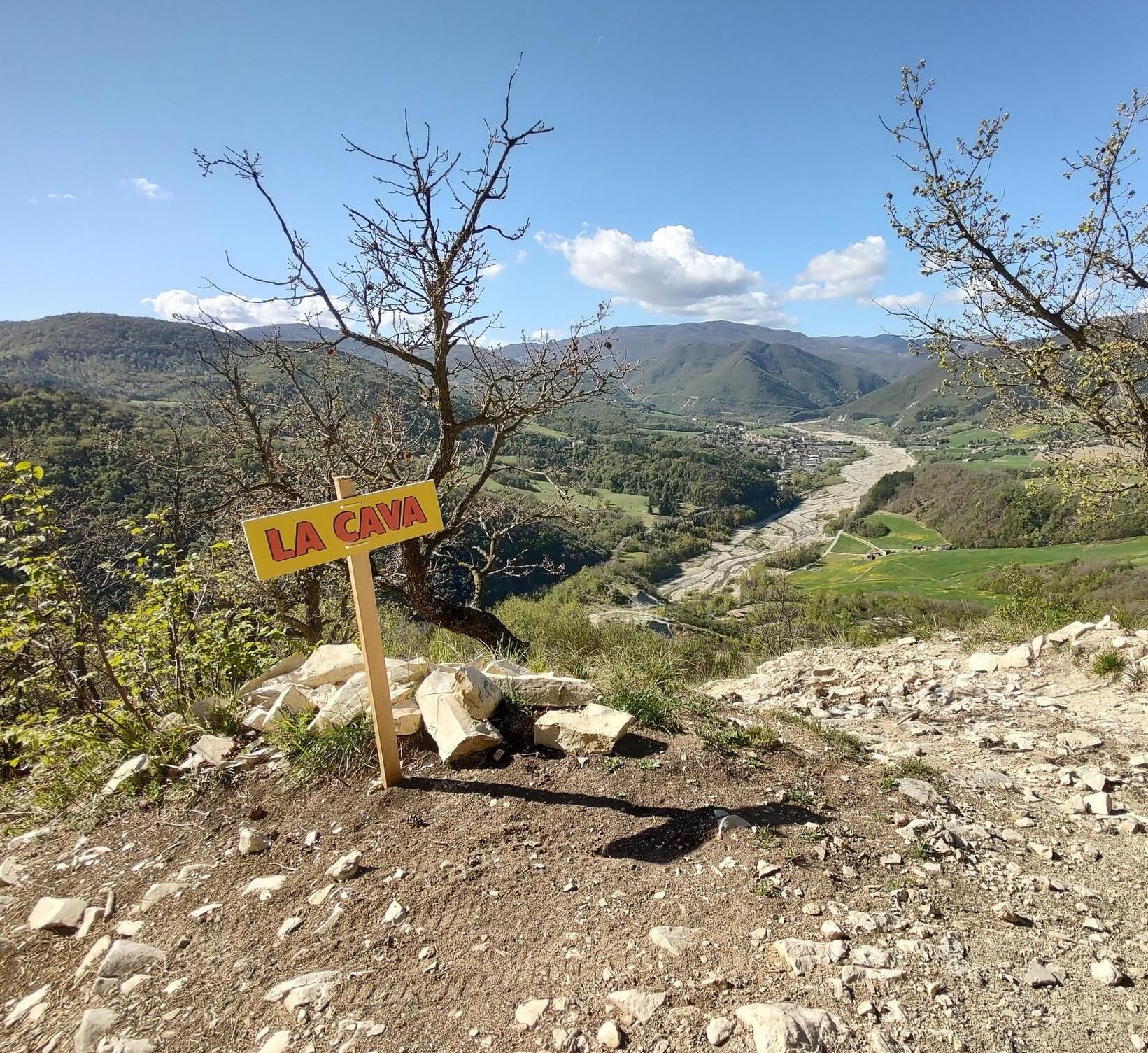
Beautiful panoramic point, worth a stop.
1
0
Frequently Asked Questions
How many no-traffic gravel bike trails are available in Parco Fluviale Regionale del Taro?
The Parco Fluviale Regionale del Taro offers a wide selection of traffic-free gravel bike trails, with over 60 routes available. These range from easy excursions to more challenging rides, ensuring there's something for every skill level.
Are there any easy or family-friendly no-traffic gravel routes in the park?
Yes, the park features several easy and moderate routes perfect for families or beginners. While specific 'easy' routes are limited, there are 19 moderate trails that offer a good balance of accessibility and scenic beauty, often following the riverbanks on gravel and dirt paths. These routes allow you to enjoy the natural environment without significant technical challenges.
What kind of landscapes can I expect on these no-traffic gravel trails?
The trails in Parco Fluviale Regionale del Taro traverse a diverse riverine landscape. You'll encounter extensive gravel banks, sand islets, humid zones, wooded areas, shrublands, and cultivated fields. The dynamic nature of the Taro River ensures a unique and evolving scenery throughout the seasons, making for a varied and engaging ride.
Are there any circular gravel bike routes to explore the area?
Many of the gravel routes in the park are designed as loops, allowing you to start and end at the same point. For example, the Footbridge over the Naviglio Taro – Corte di Giarola loop from Fornovo is a moderate option that takes you through varied terrain and past interesting sights.
What attractions or points of interest can I visit along the no-traffic gravel trails?
Along the gravel trails, you can discover several points of interest. The Corte di Giarola, which serves as a visitor center and houses the Museum of Pasta and the Museum of Tomato, is a notable stop. You might also cross the scenic Cycle Path on the Fornovo Taro Bridge or the Footbridge over the Naviglio Taro, offering great views of the river.
What is the best season for gravel biking in Parco Fluviale Regionale del Taro?
The park is enjoyable year-round, but spring and autumn offer the most pleasant conditions for gravel biking. During these seasons, the temperatures are mild, and the natural scenery is particularly vibrant, with blooming flora in spring and rich colors in autumn. Summer can be warm, so early morning or late afternoon rides are recommended, while winter rides are possible but require appropriate gear for cooler temperatures and potentially muddy sections.
Can I spot wildlife while gravel biking in the park?
Absolutely! Parco Fluviale Regionale del Taro is a Special Protection Area (SPA) and part of the Natura 2000 network, making it a haven for wildlife. It's a crucial stopover for migratory birds, so birdwatching is excellent. You might spot species like the little egret or common tern. Beyond birds, the park is home to mammals such as roe deer, foxes, and badgers, especially in the quieter, less trafficked areas.
Are there any challenging no-traffic gravel routes for experienced riders?
Yes, for experienced gravel bikers seeking a challenge, the park offers 39 difficult routes. These often feature longer distances and more significant elevation changes. An example is the Villa Casino dei Boschi – Road in the Boschi di Carrega loop from Felegara, which covers over 53 km with substantial climbing, providing a rewarding experience.
Where can I park my car when accessing the gravel trails?
While specific parking locations for every trailhead are not listed, the park is well-equipped for visitors. Major access points and visitor centers like the Corte di Giarola typically offer parking facilities. It's advisable to check local signage or park maps upon arrival for designated parking areas near your chosen starting point.
What do other gravel bikers enjoy most about riding in Parco Fluviale Regionale del Taro?
The area is highly rated by the komoot community, with an average score of 4.2 stars. Reviewers often praise the tranquility of the traffic-free routes, the diverse natural beauty of the riverine landscape, and the opportunity to spot wildlife. The well-maintained gravel paths and the blend of natural and cultural attractions, like the museums at Corte di Giarola, are frequently highlighted as key enjoyable aspects.
Are there options for public transport to reach the gravel trails?
The Parco Fluviale Regionale del Taro is situated near several towns in the province of Parma, which are generally served by local public transport. While direct access to every trailhead via public transport might be limited, you can often reach nearby towns like Fornovo or Collecchio by bus or train, and then cycle a short distance to the park's entry points. It's recommended to check local bus and train schedules for the most up-to-date information.
Can I rent a gravel bike in the area?
Yes, for visitors who don't bring their own bikes, bicycle rental services are available within the park. The Corte di Giarola, which is a key visitor center, is known to offer bike rental services, making it convenient to explore the gravel trails.
Most popular routes around Parco Fluviale Regionale del Taro
Most popular attractions around Parco Fluviale Regionale del Taro

Get inspired with the komoot mobile app


Explore more
Browse the best Gravel rides in other regions.
