The best cycling routes around Parco Fluviale Regionale del Taro
4.2
(649)
10,324
riders
510
rides
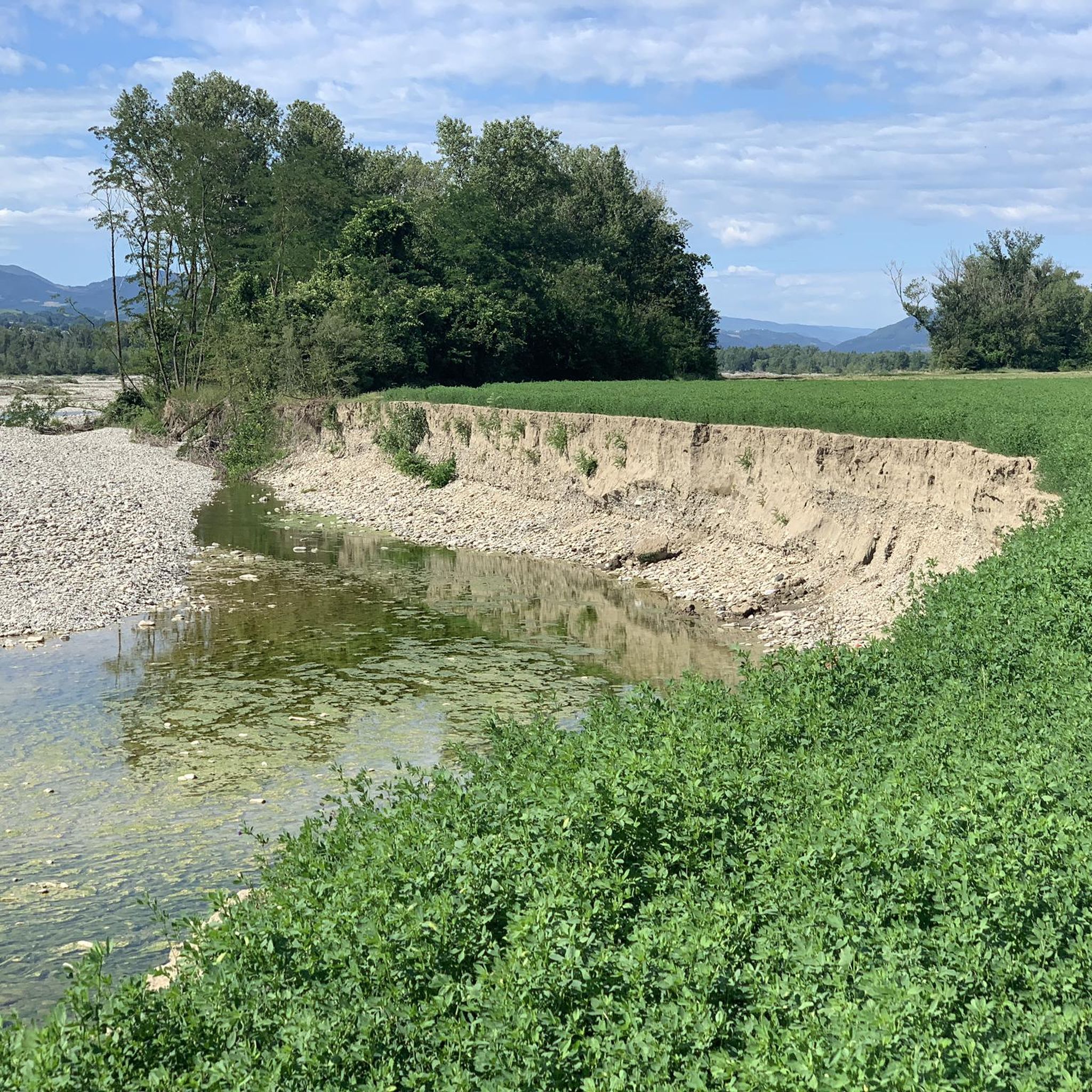
Touring cycling around Parco Fluviale Regionale del Taro features a landscape dynamically shaped by the Taro River, spanning over 20 kilometers between Fornovo and Ponte Taro. The terrain is generally flat, becoming more wooded and humid closer to the river, and includes willow bushes, shrublands, expansive meadows, and cultivated fields. The park's ecosystem also features sand and gravel islands, wetlands, and riparian woods, offering varied scenery for cyclists.
Best touring cycling routes around Parco Fluviale Regionale del Taro
- The most…
Last updated: November 15, 2026
4.1
(7)
23
riders
45.1km
03:04
120m
120m
Moderate bike ride. Good fitness required. Some segments of this route may be unpaved and difficult to ride.
4.7
(3)
99
riders
93.2km
06:10
1,430m
1,430m
Hard bike ride. Very good fitness required. Mostly paved surfaces.

4.7
(3)
70
riders
65.2km
04:01
580m
580m
Hard bike ride. Very good fitness required. Mostly paved surfaces.
3.5
(2)
50
riders
37.2km
03:13
580m
580m
Hard bike ride. Very good fitness required. Mostly paved surfaces.
4.0
(2)
60
riders
35.5km
03:28
1,010m
1,010m
Hard bike ride. Very good fitness required. You may need to push your bike for some segments of this route.
Get access to more routes and recommendations from other explorers.
Already have an account?
Our route recommendations are based on thousands of hikes, rides, and runs completed by other people on komoot.
Start today with a free account
Your next adventure awaits.
Popular around Parco Fluviale Regionale del Taro
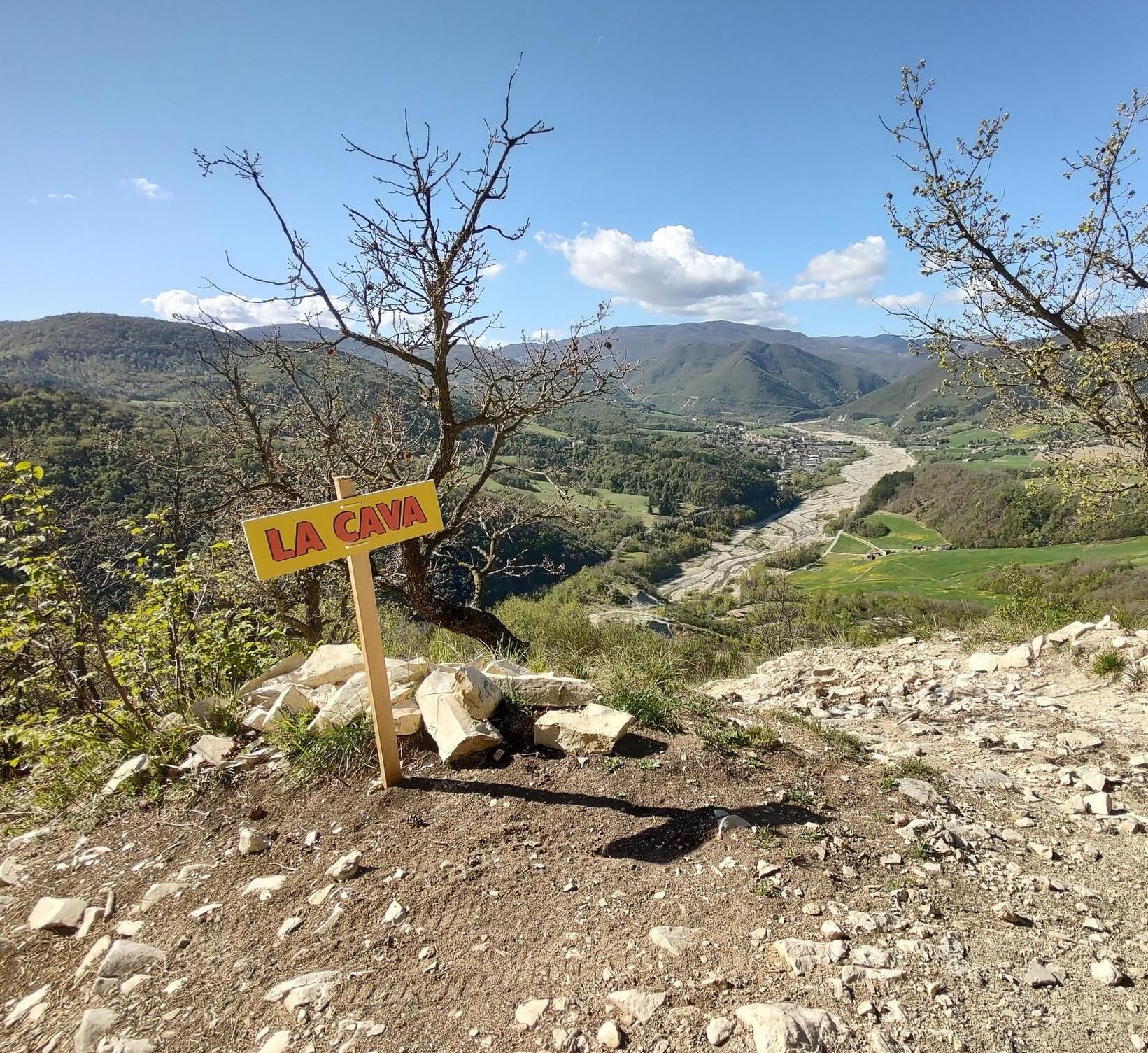
Preappennino parmense in MTB - an area to discover
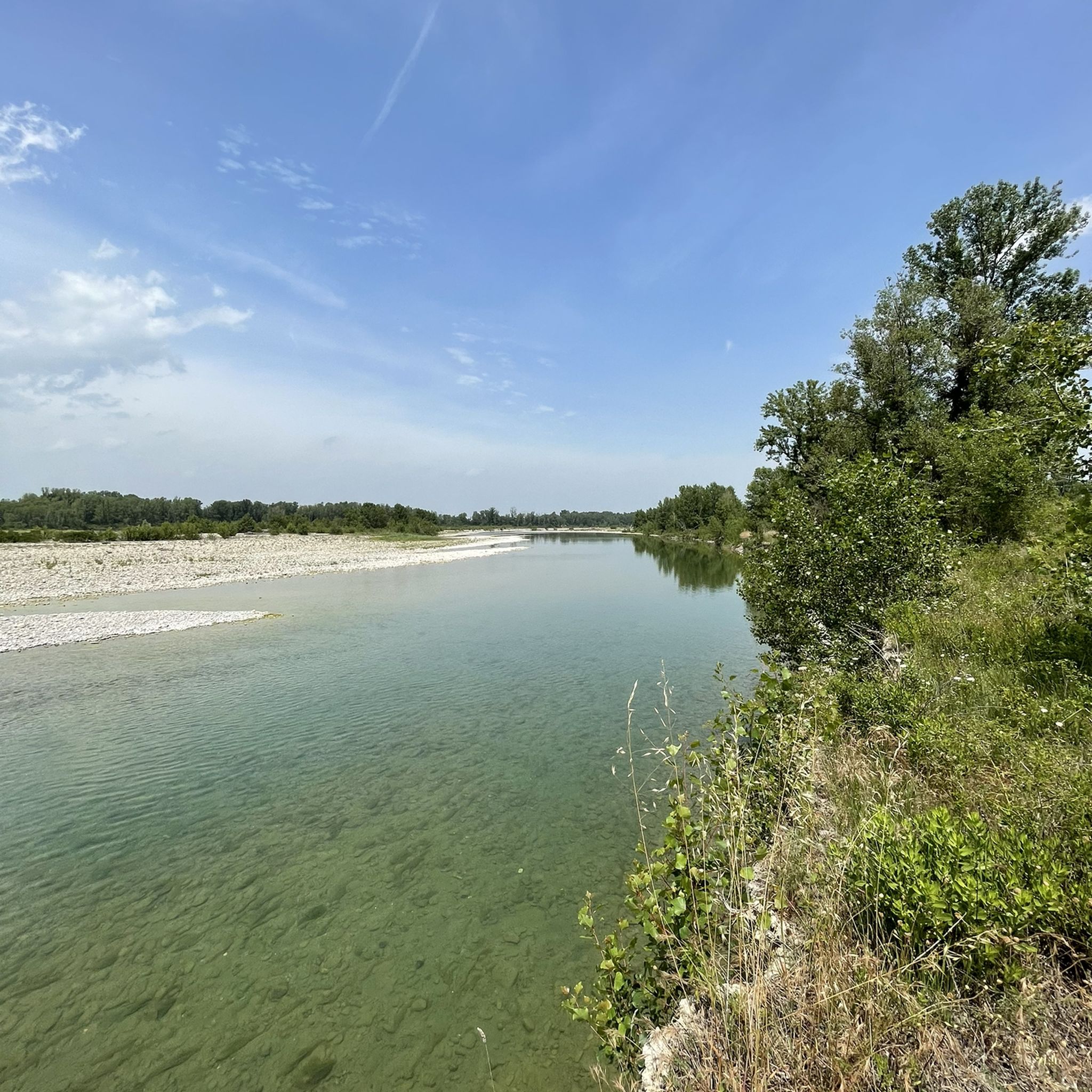
MTB Trails around Parco Fluviale Regionale del Taro
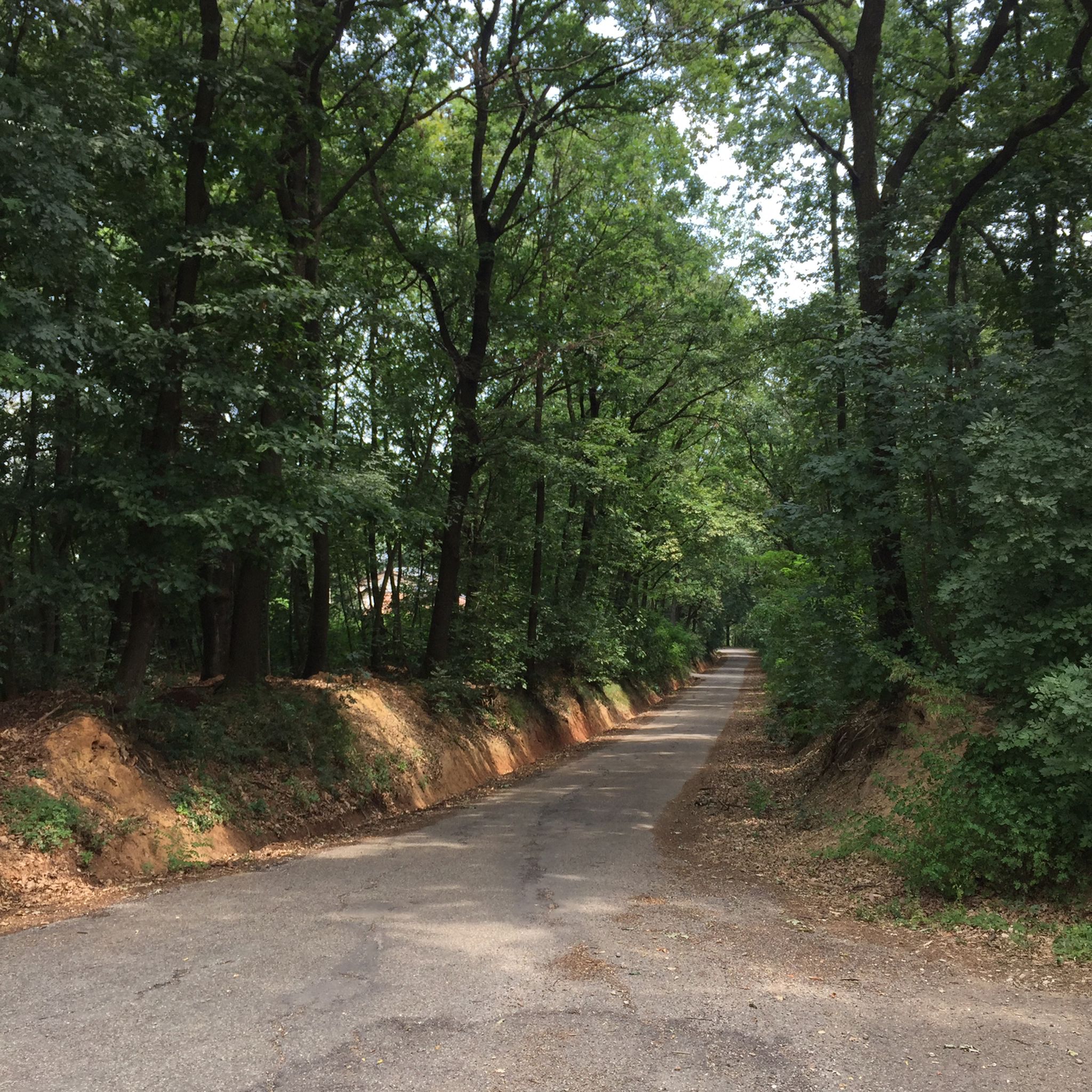
Road Cycling Routes around Parco Fluviale Regionale del Taro
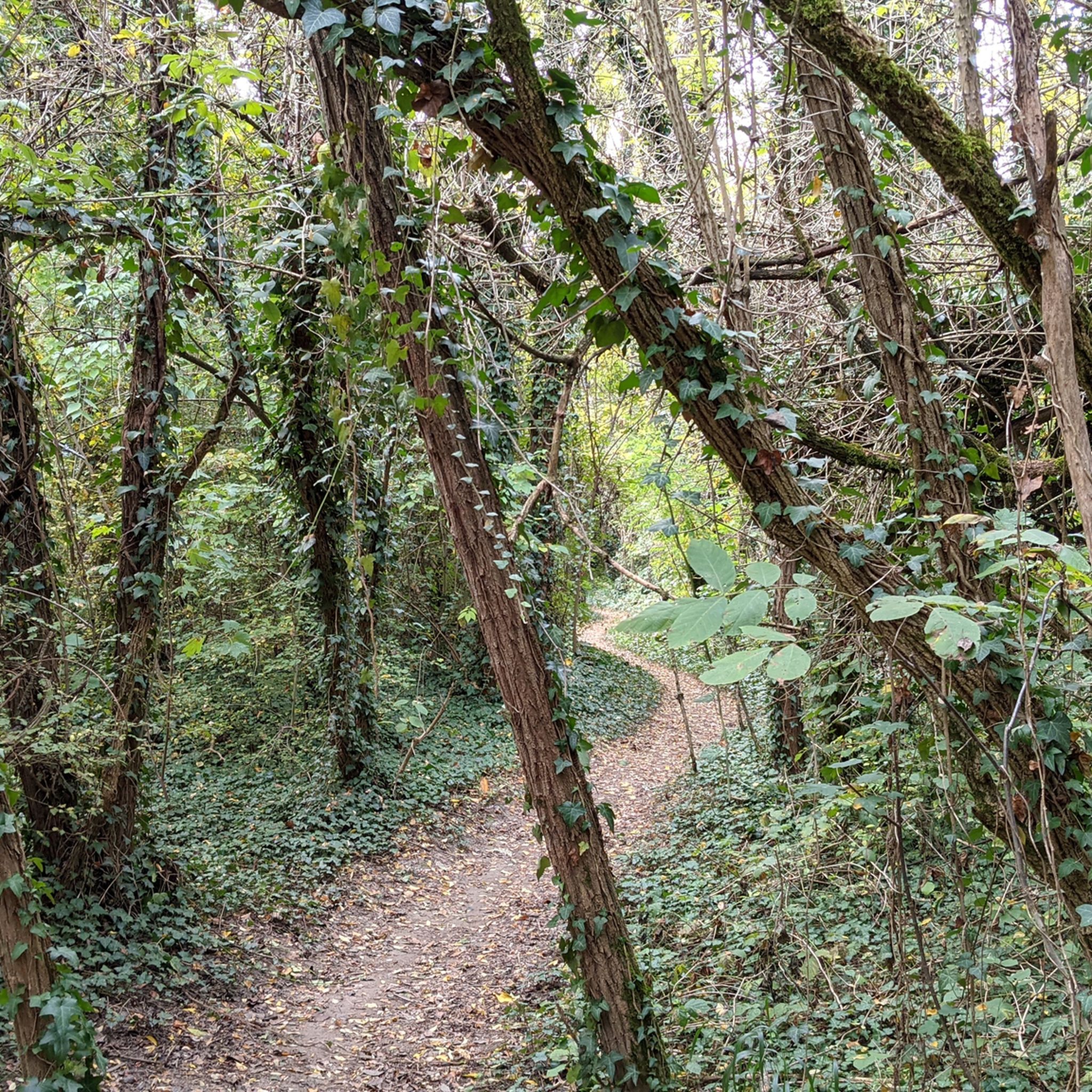
Hiking around Parco Fluviale Regionale del Taro

Gravel biking around Parco Fluviale Regionale del Taro
Running Trails around Parco Fluviale Regionale del Taro
Other adventures around Parco Fluviale Regionale del Taro

Tips from the Community

In the ancient Benedictine "grancia" (farmstead), the centuries-old agricultural vocation lives on with two exhibition paths dedicated to food. The Pasta Museum tells the story of wheat, its cultivation and processing, with an entire 19th-century pasta factory. The main dish of Italian cuisine can be enjoyed at the Corte restaurant. Coordinates: https://maps.app.goo.gl/GduPNYW222scYydg8 Link: https://pasta.museidelcibo.it Stop on the Pasta, Tomato and Fragno Truffle Route - 𝘊𝘰𝘭𝘭𝘦𝘻𝘪𝘰𝘯𝘦 𝘌𝘮𝘪𝘭𝘪𝘢 𝘉𝘪𝘬𝘦 𝘌𝘹𝘱𝘦𝘳𝘪𝘦𝘯𝘤𝘦 - see the complete collection
0
0
The agricultural courtyard of medieval origin hosts two exhibition routes dedicated to food. The Tomato Museum tells the story of this fruit from the Americas and its extraordinary spread in the Parma area, which is still a leader in its processing today. Ancient machinery and unexpected curiosities. All about the tomato. Coordinates: https://maps.app.goo.gl/GduPNYW222scYydg8 Link: https://pomodoro.museidelcibo.it Stop on the Pasta, Tomato and Fragno Truffle Route - 𝘊𝘰𝘭𝘭𝘦𝘻𝘪𝘰𝘯𝘦 𝘌𝘮𝘪𝘭𝘪𝘢 𝘉𝘪𝘬𝘦 𝘌𝘹𝘱𝘦𝘳𝘪𝘦𝘯𝘤𝘦 - view the complete collection
0
0
In the ancient Benedictine "grancia", the centuries-old agricultural vocation lives on with two exhibition paths dedicated to food. The Pasta Museum tells the story of wheat, its cultivation and processing, with an entire 19th-century pasta factory. The main dish of Italian cuisine can be enjoyed at the Corte restaurant. Coordinates: https://maps.app.goo.gl/GduPNYW222scYydg8 Link: https://pasta.museidelcibo.it
0
0
Built in 854 and rebuilt in the 11th century, it is one of the most valuable Romanesque parish churches in the Parma area, also due to the presence of sculptural pieces from the school of Benedetto Antelami, with fantastic animals and the figures of King Liutprand and Saint Moderannus. On the facade, the vigorous slab depicting hell and the seven deadly sins. A book of stone for pilgrims. Stop on the Pasta, Tomato and Fragno Truffle Route - 𝘊𝘰𝘭𝘭𝘦𝘻𝘪𝘰𝘯𝘦 𝘌𝘮𝘪𝘭𝘪𝘢 𝘉𝘪𝘬𝘦 𝘌𝘹𝘱𝘦𝘳𝘪𝘦𝘯𝘤𝘦 - see the dedicated collection Location: https://maps.app.goo.gl/weGFpR6JwC2RYjkb8
0
0

La Rocca Sanvitale di Sala Baganza is a fascinating fortress of medieval origin located in Sala Baganza, in the province of Parma. Born around the year 1100 as a defensive structure, it lost its military function over time to transform into a sumptuous noble residence and hunting lodge, hosting three great dynasties over the centuries: the Sanvitale, the Farnese, and the Bourbon. Although three of its original sides were demolished in the Napoleonic era, the building today preserves splendid Renaissance frescoes from the 16th century and is surrounded by the majestic Farnesian Garden.
0
0

The Carrega Woods Park is the first protected area established in Emilia-Romagna (in 1982) and extends for about 2,600 hectares on the gentle hills between Collecchio and Sala Baganza, about 15 km from Parma. Characteristics and Nature Landscape: It combines centuries-old woods of oaks, chestnuts, and conifers with green meadows, streams, and small historic artificial lakes. Places of interest: It houses architectural jewels such as the famous Casino de' Boschi and the evocative Beech Forest of Maria Amalia
0
0
First mentioned in 854, Santa Maria Assunta is among the oldest parish churches in the diocese of Parma. In the mid-11th century, the church with three naves and three apses was built, whose structure is the basis of the current building. A few decades later, to offer shelter to pilgrims, a front portico was added to this structure, wide three bays and deep two, later closed and integrated into the church. In the same period, a pulpit was created, dismantled at the end of the 16th century, of which some sculptural parts are preserved. A first side chapel was built in the 14th century, the second in the 16th. The other chapels were added to the church during the renovation work that from 1712 to 1745 adapted it to the taste of the time, plastering the walls and vaulting the naves. The radical restoration work carried out from 1927 to 1942 removed much of the 18th-century additions.
3
0
The Pieve di Santa Maria Assunta, also known as the pieve di Fornovo, is one of the most important and evocative Romanesque-style Catholic places of worship in the province of Parma. Located in Piazza IV Novembre in Fornovo di Taro, the church represents an extraordinary historical testimony, inextricably linked to the medieval flow of pilgrims along the Via Francigena. Cited for the first time in an official document from the year 854, the church probably stands on the remains of a previous Roman temple dedicated to the god Mercury. The current basilica layout with three naves and three apses dates back to the mid-11th century. A few decades later, a front portico was added to offer shelter to travelers, later integrated into the facade itself.
3
0
Frequently Asked Questions
How many touring cycling routes are available in Parco Fluviale Regionale del Taro?
There are over 500 touring cycling routes available in Parco Fluviale Regionale del Taro, offering a wide range of options for different skill levels and preferences. You'll find routes exploring riverine landscapes, wooded areas, and open meadows.
What types of landscapes can I expect to see while cycling in the park?
The park's landscape is dynamically shaped by the Taro River, offering diverse scenery. You can expect to cycle through willow bushes, shrublands, expansive meadows, wooded areas, and cultivated fields. In some sections, the riverbed widens to reveal sand and gravel islands, wetlands, and riparian woods, providing a rich natural experience.
Are there touring cycling routes suitable for families or beginners?
Yes, Parco Fluviale Regionale del Taro offers numerous routes suitable for families and beginners. The generally flat landscape, especially closer to the river, makes it accessible. There are nearly 100 easy routes to choose from, such as sections of the dedicated Ciclovia del Taro, ensuring a pleasant experience for all.
What are some notable attractions or points of interest along the cycling routes?
While cycling, you can explore several interesting points. The Corte di Giarola, which serves as the park's headquarters, also houses the Museum of Pasta and the Museum of Tomato. You might also encounter the Cycle Path on the Fornovo Taro Bridge or the Taro River Bridge. For nature lovers, the Area Naturalistica "Le Chiesuole" is a significant wetland area perfect for birdwatching.
What is the best time of year for touring cycling in Parco Fluviale Regionale del Taro?
The park is enjoyable for cycling throughout much of the year. Spring and autumn offer pleasant temperatures and vibrant natural colors. The generally flat terrain makes it accessible, though conditions closer to the river can become more humid. The park's ecosystem transforms with the seasons, offering different views and wildlife spotting opportunities.
Are there any circular touring cycling routes in the area?
Yes, there are several circular routes available. For instance, the challenging Vineyards in the Carrega Woods – Val Baganza Bridge loop from Ozzano Taro takes you through vineyards and wooded areas. Another option is the Road in the Woods Towards Bore – Bridge Over the Ceno loop from Fornovo, which leads through forests and along river sections.
Where can I rent a bicycle in or near Parco Fluviale Regionale del Taro?
Bicycle rental services are conveniently available at the Corte di Giarola, which is also the park's operational headquarters. This makes it easy to access the park's extensive network of cycling paths even if you don't bring your own bike.
What do other touring cyclists enjoy most about cycling in Parco Fluviale Regionale del Taro?
The area is highly rated by the komoot community, with an average score of 4.3 stars from over 500 reviews. Cyclists often praise the diverse riverine landscapes, the well-maintained paths, and the variety of routes that cater to different ability levels, from easy riverside rides to more challenging loops through vineyards and woods.
Can I spot wildlife while cycling in the park?
Absolutely. Parco Fluviale Regionale del Taro is renowned for its rich biodiversity, often called the "Bird Park," with over 250 bird species recorded. It's an excellent location for birdwatching. Beyond birds, you might also spot mammals such as roe deer, wild boars, foxes, and badgers, especially in the more wooded and secluded areas.
Are there any moderate touring cycling routes that offer a good overview of the park?
For a moderate experience that showcases the park's diverse habitats, consider the Taro River Cycle Route. This 45.2 km trail follows the river, allowing you to experience the varied scenery and natural features of the park. Another moderate option is the Vineyards in the Carrega Woods – Villa Casino dei Boschi loop from Fornovo.
Are there facilities like cafes or restaurants near the cycling routes?
While the park itself focuses on natural preservation, the surrounding towns and villages offer various amenities. You can find cafes and restaurants in nearby localities, especially around popular starting points or along the main roads adjacent to the park. The Corte di Giarola, a central point in the park, also offers cultural attractions that might have nearby dining options.
Is it possible to reach the park's cycling routes using public transport?
The park spans a significant area between Fornovo and Ponte Taro. While specific public transport connections directly to every trailhead might vary, major towns like Fornovo and Ponte Taro are generally accessible by public transport. From these points, you can often connect to the dedicated cycling infrastructure, such as the Ciclovia del Taro.
Most popular routes around Parco Fluviale Regionale del Taro
Most popular attractions around Parco Fluviale Regionale del Taro

Get inspired with the komoot mobile app


Explore more
Browse the best Cycling routes in other regions.
